Why a “Zen Home” Is Really About How It Feels
“Zen home” has become a catchall for pale wood, linen sofas and a houseplant or three. But the original idea is less about style and more about how a room behaves the moment you walk in. A Zen-inspired space makes it easier for your shoulders to drop, your eyes to rest and your mind to stop scanning for the next thing on your list. You are not decorating for guests; you are redesigning the background of your daily thoughts.
That means the checklists you see online can mislead. They often focus on a “starter pack” of objects: a meditation cushion, a low bed, a bamboo mat. Those can be lovely, but they are not the point. A more useful way to approach a Zen home is to think in terms of cause and effect. Every object, color and texture in a room exerts a quiet pressure on your nervous system. You are trying to create conditions in which that pressure subsides.
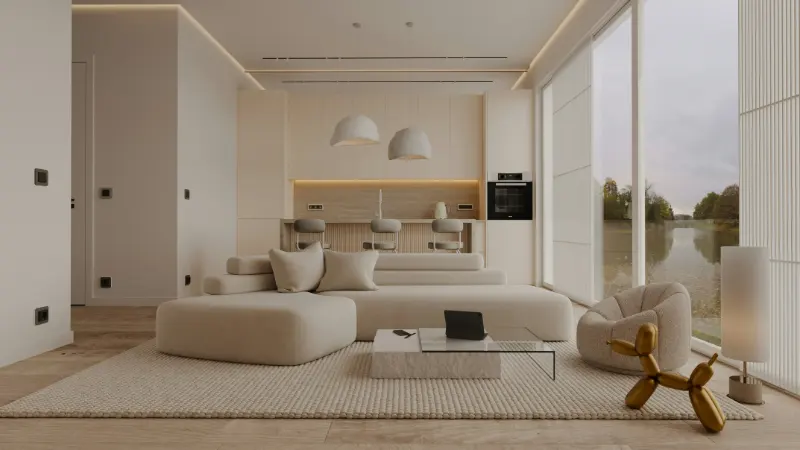
Designers who borrow from Zen temples in Kyoto will talk about three recurring qualities: emptiness, order and natural presence. Emptiness is not a blank white cube; it is simply the absence of visual noise. Order is not rigid perfection; it is the feeling that everything has a home and can return to it. Natural presence means that air, light and material are allowed to do some of the visual work so your decor can relax.
Before you move a single chair, walk slowly through your home and notice where your body tightens. Often it is at the front door, where bags pile up; at the kitchen counter, where mail lands; or next to the bed, where cords, chargers and water glasses tangle into one anxious still life. These are the friction points your Zen home checklist will quietly target. Instead of asking, “What should I add?” begin with, “Where do I feel crowded?” That question is your most reliable design tool.
A last mindset shift: a Zen home is not a finished photograph. It is a living arrangement that will sometimes be messy, especially if you share it with children, partners or pets. The goal is not to preserve a museum of calm, but to make it easy to return to calm once real life has rolled through. If you design for graceful recovery instead of permanent perfection, your rooms will feel kinder and more forgiving, to you and everyone else who lives there.
A Practical Checklist for a Calmer, Quieter Room
Start with a single room where you spend the most unguarded time, often the bedroom or the corner where you read or scroll in the evening. You are not redesigning your whole home at once; you are building one convincing example that can then “teach” the rest of the space what it wants to be.
First, subtract. Choose one surface and clear it entirely: a nightstand, a coffee table, the kitchen island. Notice the invisible relief when the surface is bare. Then, deliberately reintroduce only what is actively used or deeply meaningful. In a Zen home, a nightstand might hold just a lamp, a book and a small dish for jewelry instead of a chorus of objects murmuring for attention. If something is there “just because,” consider that an invitation to give it a better context or let it go.
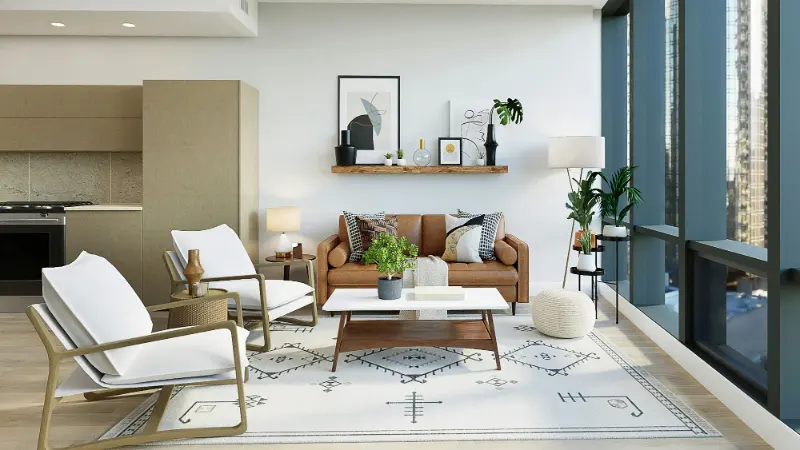
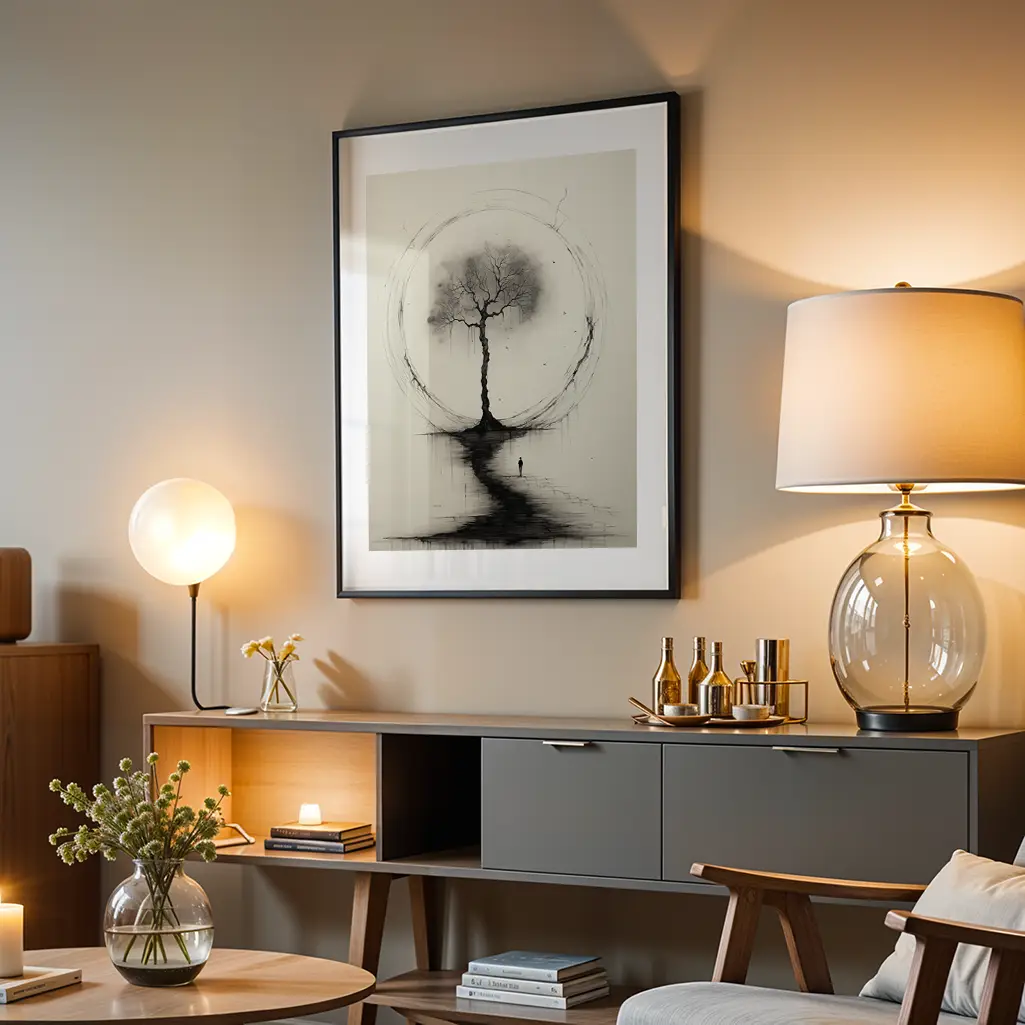
Next, address color and light. Zen interiors often lean on a narrow palette because it lets the eye rest. Look at one room and quietly edit it down to three main tones: a soft base (like warm white or pale sand), a supporting neutral (stone, mushroom, greige) and one wood or black accent to ground things. You do not need to repaint overnight. Sometimes simply putting away a handful of competing textiles and committing to a calmer set of bedding, towels or pillow covers shifts the whole atmosphere. Then pay attention to light sources. Overhead light is practical but rarely peaceful. A Zen home favors “pools” of gentle light at eye level: a shaded table lamp by the sofa, a paper lantern in a corner, a small lamp on the kitchen counter that makes late tea feel like a ritual instead of a task.
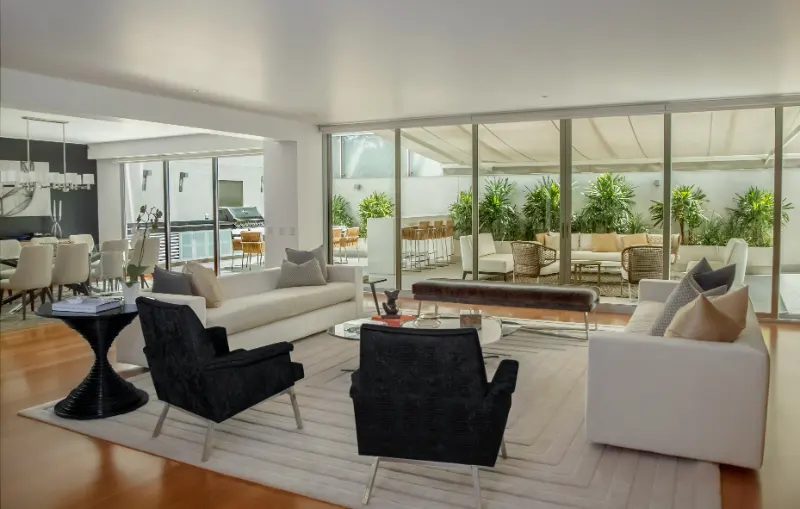
Now, think about pathways. Stand in the doorway and trace the natural routes through the room. Do you have to dodge a side table or brush past an armchair? That small physical irritation registers, even when you are not conscious of it. Slide furniture a few inches off those routes. Create at least one clean, generous path so that moving through the room feels unhurried. In Zen gardens, the path is as important as the destination; at home, the way you move from sofa to kitchen, or bed to bathroom, quietly shapes your mood.
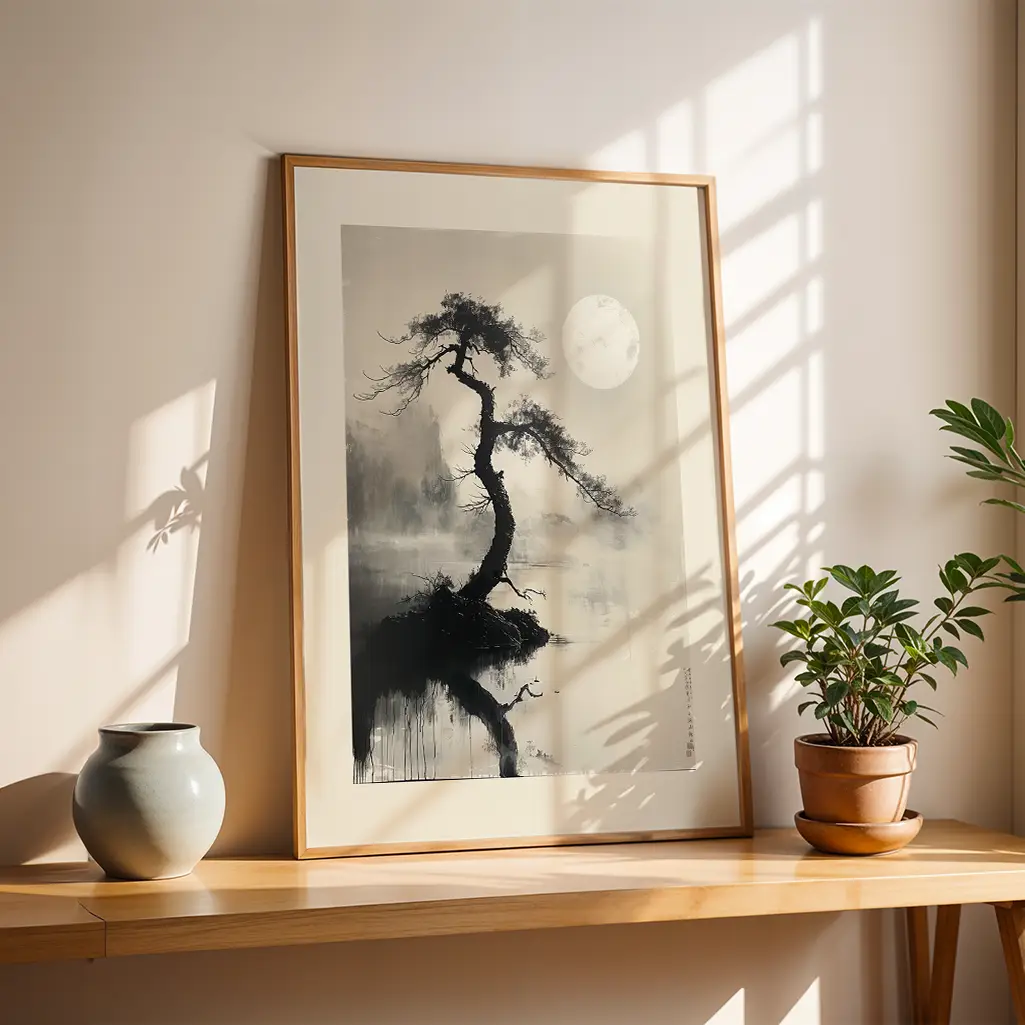
Bring in natural materials where you can. This does not mean a complete renovation; it might be as simple as swapping a glossy tray for a wooden one, a synthetic throw for cotton, a plastic pot for clay. These changes matter because they invite the hand to slow down. Textures that patinate and soften with use remind you that time is passing in a gentle way, not just in calendar alerts. A single branch in a plain vase can do more for a Zen home than an elaborate bouquet in a decorative container, because its line and shadow give your eye something calm to follow.
Finally, assign every loose item a home that is slightly bigger than it needs to be. A Zen interior rarely looks “stuffed.” Shoes in a basket, remotes in a shallow drawer, kids’ art supplies in a box that can slide out of sight; the point is not to hide life, but to gather it. When putting things away requires a small negotiation every time, clutter slowly wins. When a home is obvious and a little forgiving, tidying becomes closer to a closing gesture for the day than a chore you resent.
Maintaining the Mood: Everyday Rituals of Order
Once the room feels calmer, the most important step is learning to protect that calm without becoming rigid. Zen practice is famously about returning: to the breath, to the cushion, to the present moment. The home version is returning objects to their homes and returning surfaces to clarity, gently and often. Instead of a weekly cleaning marathon, experiment with short, ritualized resets. Five minutes after dinner to clear and wipe the table, two minutes before bed to empty the sofa of plates, cups and rogue socks. These micro rituals script a different ending to the day, one in which tomorrow’s self is quietly cared for.
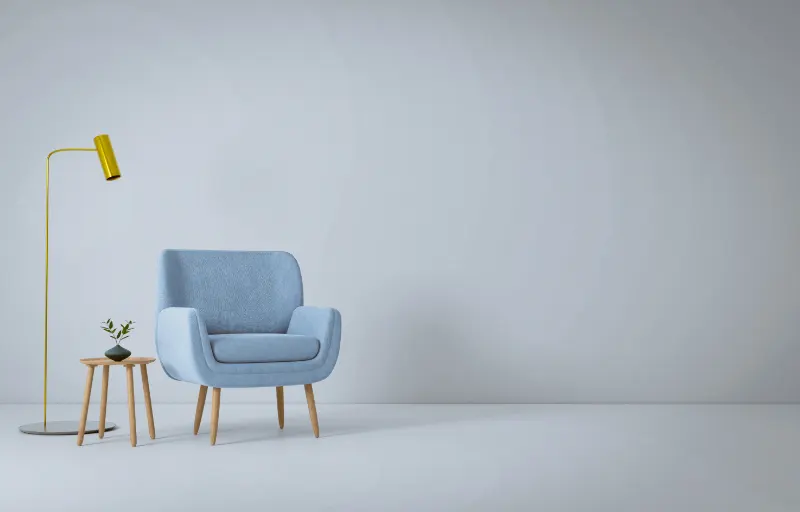
You can also build in what might be called deliberate emptiness. Leave one shelf intentionally sparse, one wall unfilled, one corner with nothing but a chair and a plant. At first it might feel like something is missing, but over time those small pockets of nothingness become the visual deep breaths of the room. When new objects want to enter your home, treat those empty zones as guardians. Ask whether the new arrival earns its place by usefulness or genuine delight, not just novelty or habit.
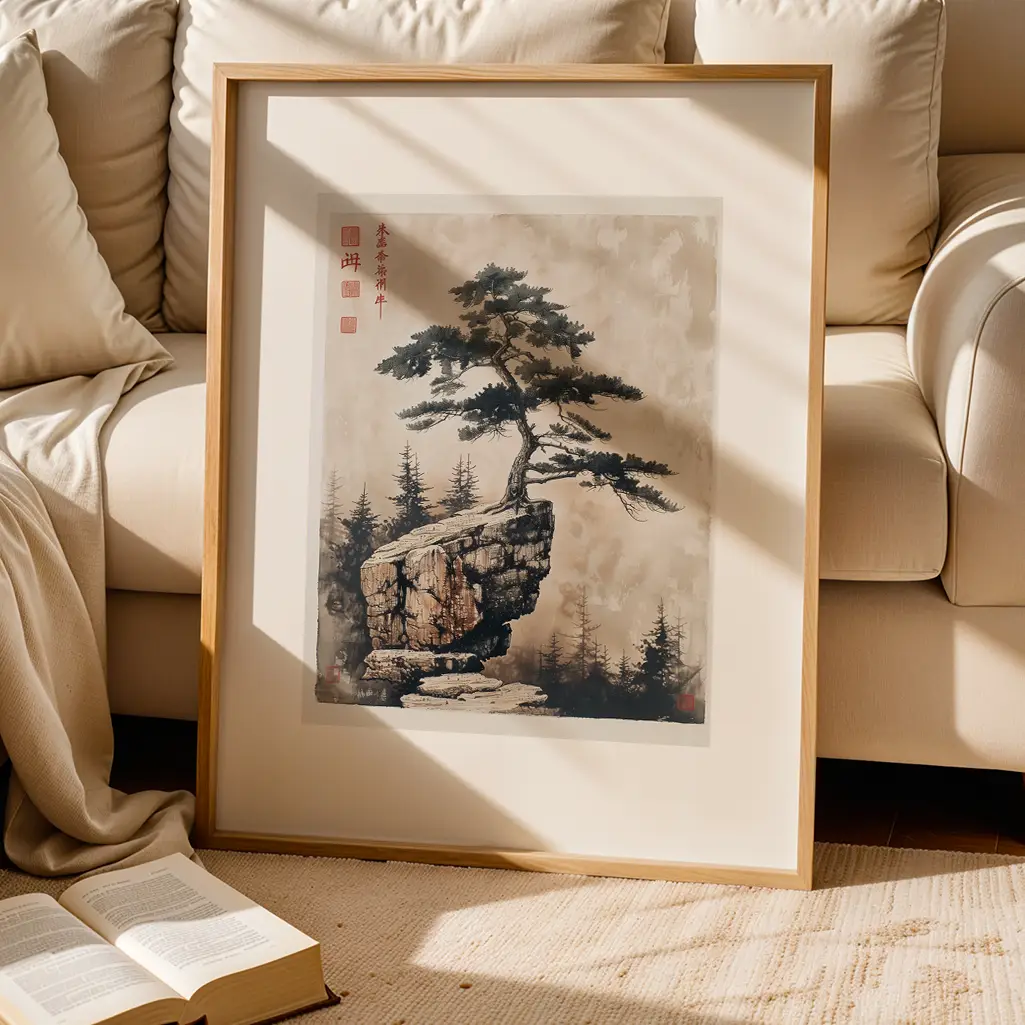
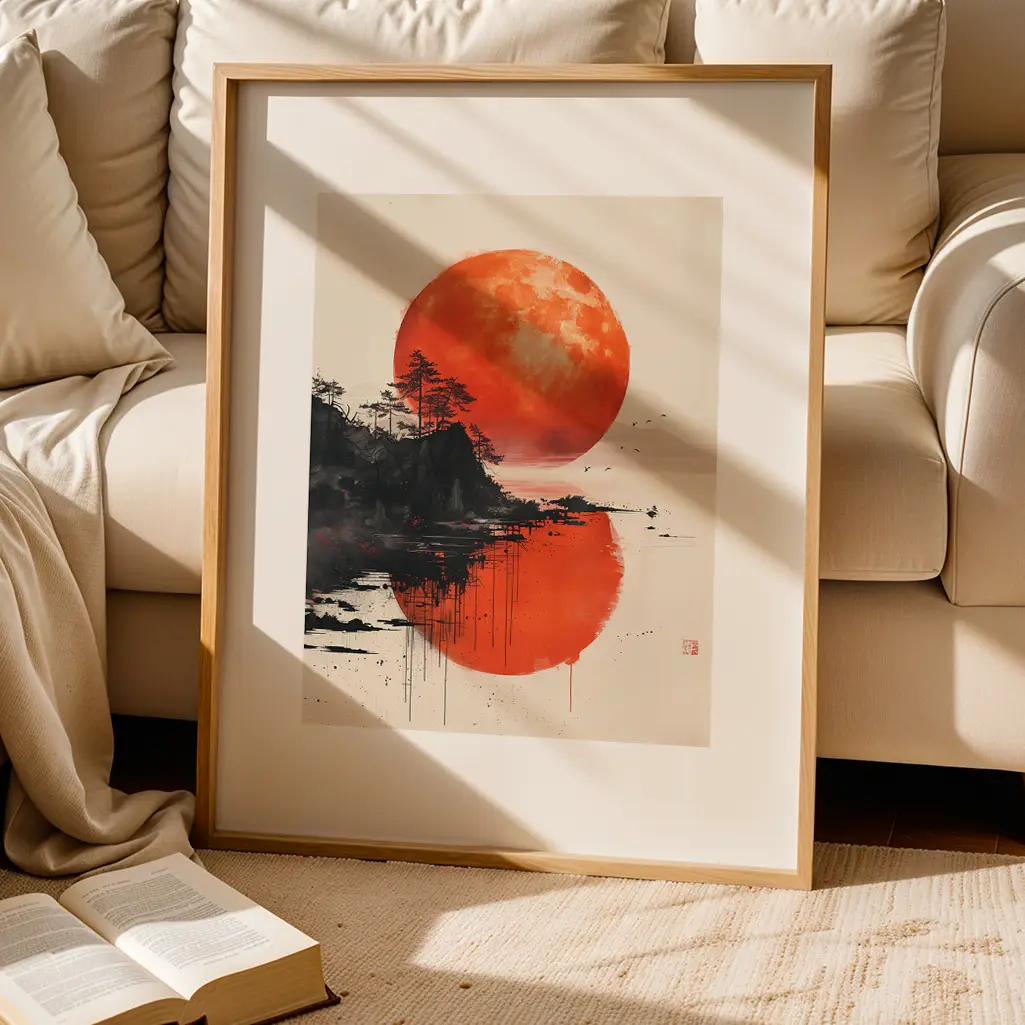
A Zen home does not banish personality; it edits it. Photographs, books and travel mementos can absolutely stay. The difference is that they are given enough space to be seen. One framed photo on a dresser tells a clearer story than seven overlapping frames catching dust. An open shelf with a single stack of often-read books invites actual reading; a shelf crowded to its edge mostly records ambition. Let your things breathe and they will speak more softly and more clearly.
Over time, you may notice that the “Zen” feeling migrates. You start pausing before buying something new because you can already imagine where it would live, or whether it would simply agitate a calm corner. You might catch yourself turning on a lamp instead of the overhead light without thinking about it, or automatically smoothing a blanket into a simple fold that pleases the eye. That is the quiet success: when the design of your space begins to support better habits without requiring constant willpower.
In the end, a Zen home look is not a finish line but a relationship between your inner and outer life. As your circumstances shift, your rooms will, too. The practical checklist stays the same: subtract what crowds you, simplify what distracts you, and honor what genuinely steadies you. When your home repeatedly offers you that kind of calm, every ordinary day begins to feel a little more spacious, and that is the real luxury you have been trying to design.