When a Beautiful Room Stops Feeling Good
The conflict between "aesthetic" and "peace" usually starts with a small, flattering lie: if the room looks better, I will feel better. You repaint, you curate, you buy the lamp everyone on social media insists you need. At first, it works. There is a real lift in walking into a space that finally reflects your taste.
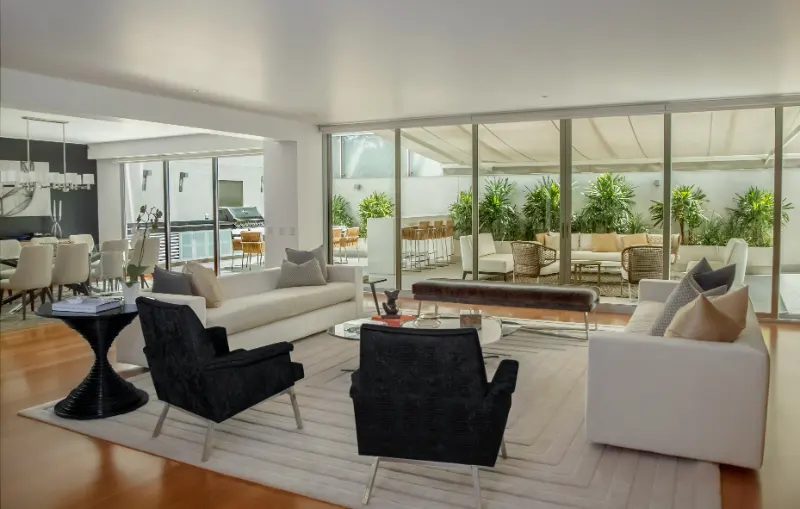
Then, an odd tension seeps in. The sofa is light enough that you flinch when anyone sits with a cup of coffee. The art wall looks perfect, but there is nowhere to drop your bag without guilt. A room designed to impress others has quietly replaced a room that can actually hold you.
This is the moment where "aesthetic vs peace" stops being an abstract idea and becomes physical. A too-perfect home is like a tight pair of shoes: fabulous in the mirror, exhausting in real life. The question is no longer what looks good, but what lets your shoulders drop when you walk in.
Designers sometimes talk about a space having "resolved tension" rather than perfection. The goal is not a showroom, but a room that acknowledges the mess of living and still feels intentional. In practice, this means asking not "Is it beautiful?" first, but "Can I breathe here?" A peaceful space is one where visual choices support your nervous system instead of constantly demanding your attention.
The most reliable indicator is your body. Notice how you feel in different corners of your home. The postcard-perfect shelf you never touch may give you a quick thrill and then a low, ongoing anxiety. The slightly mismatched corner with the old chair and soft blanket may look less refined, yet it is where your mind quiets. Peace announces itself through ease, not applause.
Understanding this tension does not mean rejecting beauty. It means moving from beauty as a performance to beauty as a form of care. Your home stops being a personal brand and becomes, again, a small piece of shelter.
The Hidden Cost of Constant Perfection
Perfection is a restless roommate. It asks you to keep arranging, to keep optimizing, to keep upgrading. A cushion slumps and you see failure instead of fabric remembering that humans live here. A new trend sweeps across your feed and suddenly the objects you once loved feel embarrassingly last year.
This cycle has a psychological cost. Visual perfection is inherently fragile; it cannot survive use, time or changing moods. To keep it intact, you begin working for the room rather than the room working for you. You tidy in a way that is more about optics than comfort, more about erasing evidence of life than supporting it.
There is also a subtler spiritual tax. Zen teachers sometimes describe attachment as the refusal to let something be what it is. In the home, that attachment can look like trying to freeze a room in an ideal state: the always-fluffed pillow, the always-styled table, the always-clear counter. But life refuses to stay staged. It spills, it stacks, it forgets to put the book back. Trying to hold the room still creates a background hum of irritation with the basic fact of living.
The irony is that many of the images that fuel this perfectionism are themselves illusions. Professional interiors are lit, edited and styled for a single frozen moment. Every off-camera pile, every unseen extension cord, every hurried stash before the shot is erased. Holding your home to that standard is like comparing your speaking voice to someone else’s studio recording.
A peaceful space, by contrast, accepts fluctuation as part of its design. The dining table is allowed to be both altar and landing strip. The sofa can host both a beautifully arranged tray and a stack of half-read magazines. Instead of defending a fixed ideal, you tend to a living organism that expands and contracts with your days.
The shift from perfection to peace begins with one quiet permission: let evidence of life remain visible. A well-thumbed book on the coffee table, a favorite mug left in its usual spot, the jacket that always lands on the same chair. These are not failures of aesthetics; they are markers of presence. When they are integrated deliberately, they create a warmth that no perfectly staged vignette can match.
Designing a Home Your Nervous System Loves
Choosing calm over perfection does not mean abandoning intention. It means using intention differently, as a tool for designing how you feel rather than how you appear. The first step is to decide what peace actually looks like for you, not for an algorithm.
Close your eyes and imagine returning home at the end of a long day. Instead of picturing a specific object, try to notice sensory qualities. Is the room open or cocoon-like. Is the light soft or bright. Do you want quiet surfaces with little on them, or do you feel soothed by seeing favorite books and objects.
Once you have that internal sketch, let it guide small, concrete changes. If your eyes feel tired, reduce visual noise rather than buying more decor. Fewer, larger objects can calm a room more than many small ones, even if the individual pieces are beautiful. If your space feels lifeless, introduce a bit of gentle variety: a textured blanket over a smooth sofa, a warm wood piece in a room dominated by cool metal.
Comfort should be treated as a primary aesthetic value, not an afterthought. The chair you actually sit in, the lamp you always turn on, the rug that feels right under bare feet are more important than any perfectly composed shelf. When an object supports daily rituals, it earns its visual presence, even if it is not formally ideal.
It helps to create what you might think of as "forgiving zones" where order is loosely held. A tray on the entry table that is meant to catch keys and mail. A basket near the sofa that expects stray blankets. By assigning places where life is allowed to land messily, you prevent disorder from feeling like a moral failure and keep it from spilling into every surface.
Editing becomes more about energy than style. Instead of asking whether something fits a theme, ask how it affects the feeling of the room. Does this object relax me, energize me or drain me. A beloved but visually awkward heirloom may deserve a place because it grounds you; a trendy vase that makes you nervous to dust may not.
Most of all, let time be part of the design process. A peaceful interior is rarely finished in a weekend. Live with half-decisions. Move the chair. Take the picture down for a week and see if you miss it. The room and your nervous system are having a conversation; rushing that dialogue usually serves perfection, not peace.
In the end, "aesthetic vs peace" is a false contest. The most satisfying rooms are those where beauty and tranquility are not rival ambitions but different views of the same landscape. When you choose calm first, the aesthetics that remain tend to be the ones that truly belong to you.
.webp)