
When a Poster Is Not Just More Stuff
Walk into most homes and you can read the story in the first ten seconds. The entryway, the art, the small collisions of objects all whisper something about how the people inside move through their days. A thoughtful poster, given well, can become part of that ongoing sentence. Given casually, it is just another rectangle to dust."Mindful gifting" begins with the question: what does this person actually live with, and how does it feel in their body? In an age of overfull closets and storage units, people are not short on possessions; they are short on coherence. A meaningful poster doesn’t add to the pile. It edits, clarifies and frames a feeling that was already there but not yet visible.
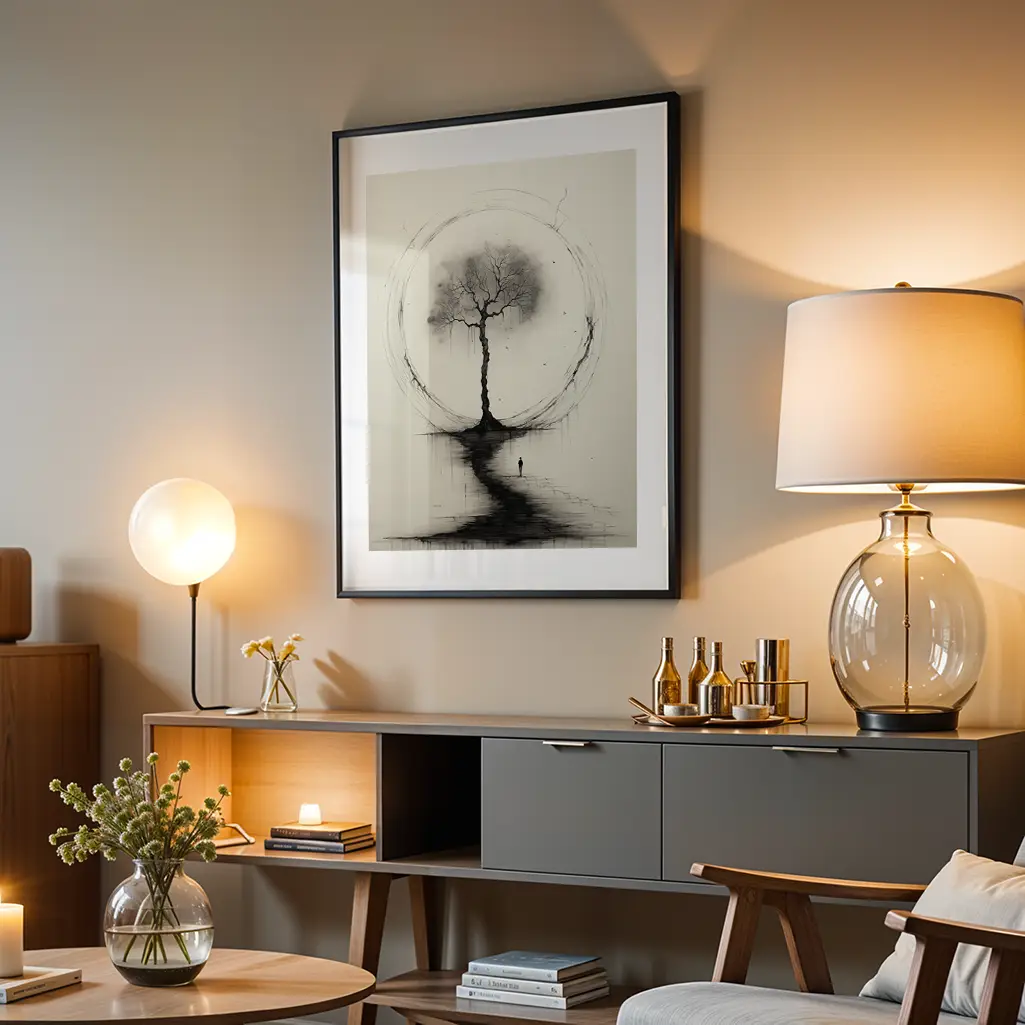
Designers often say walls are the largest surfaces we own and the most underused. They are also the most psychologically potent. Neuroscience research around visual calm suggests that what lives at eye level can nudge our nervous systems toward alertness or ease. Harsh contrast, chaotic imagery and too many competing focal points all raise cognitive load. A poster that is genuinely thoughtful participates in the opposite: it lowers that load. It lets the eye rest and the mind wander just enough.
The way we give such a piece matters as much as the art itself. A poster chosen as a quiet mirror of the recipient’s inner life feels like recognition, not decoration. A poster chosen because it matches the latest palette trending on social media will likely age as quickly as a fad color of kitchen cabinets.
The litmus test is simple: does this image create more room in their life, or does it take some away? When you imagine it on their wall, can you sense a little more spaciousness in the room, or a pinch of visual noise? Mindful gifting requires sitting with that question before ever entering a shop or clicking a link.
Reading a Wall: How to Choose Something That Belongs
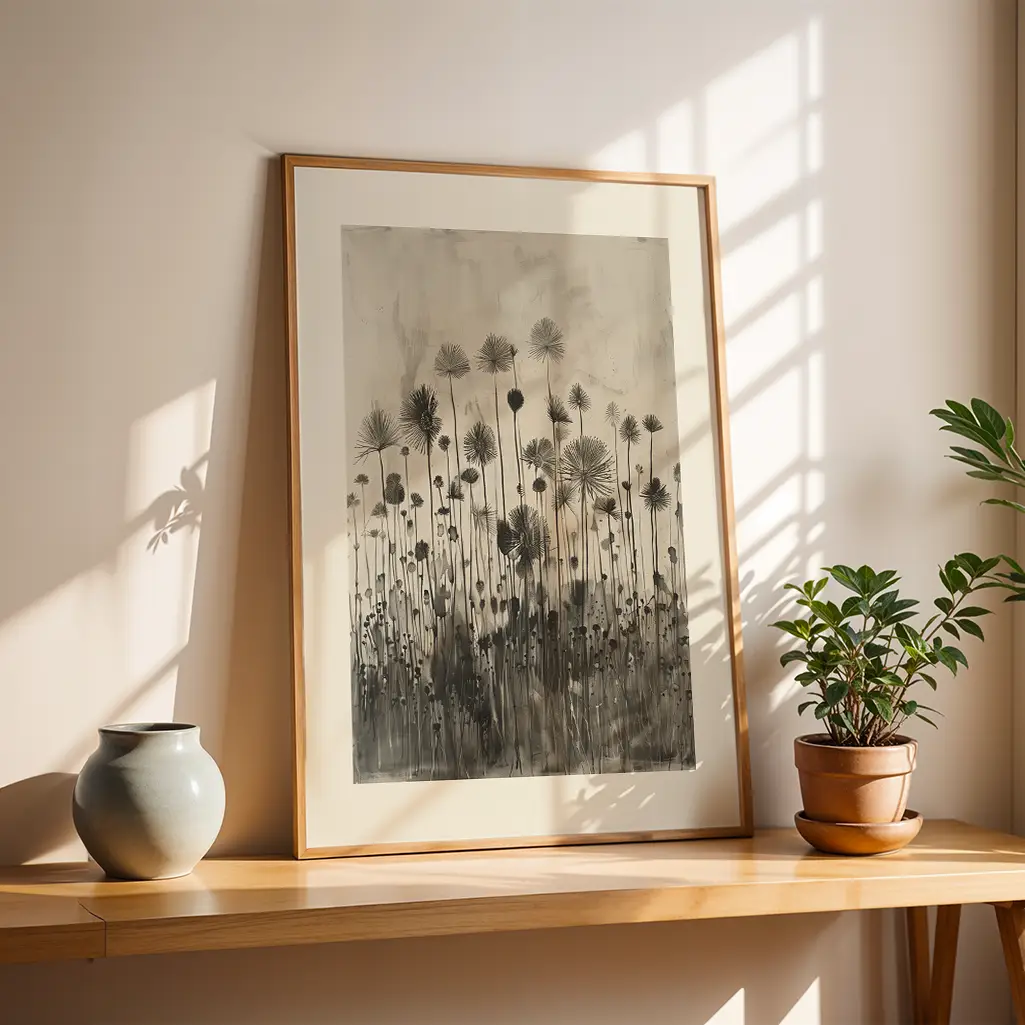
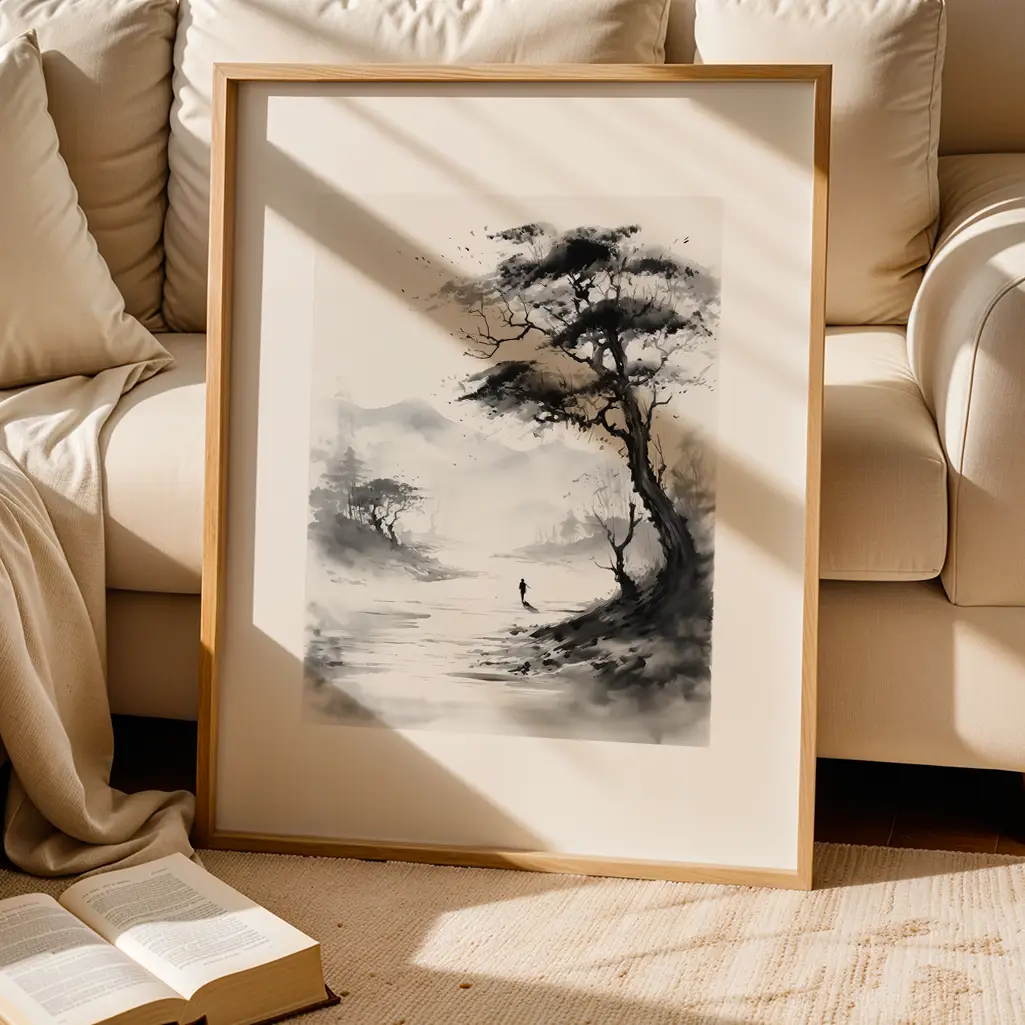
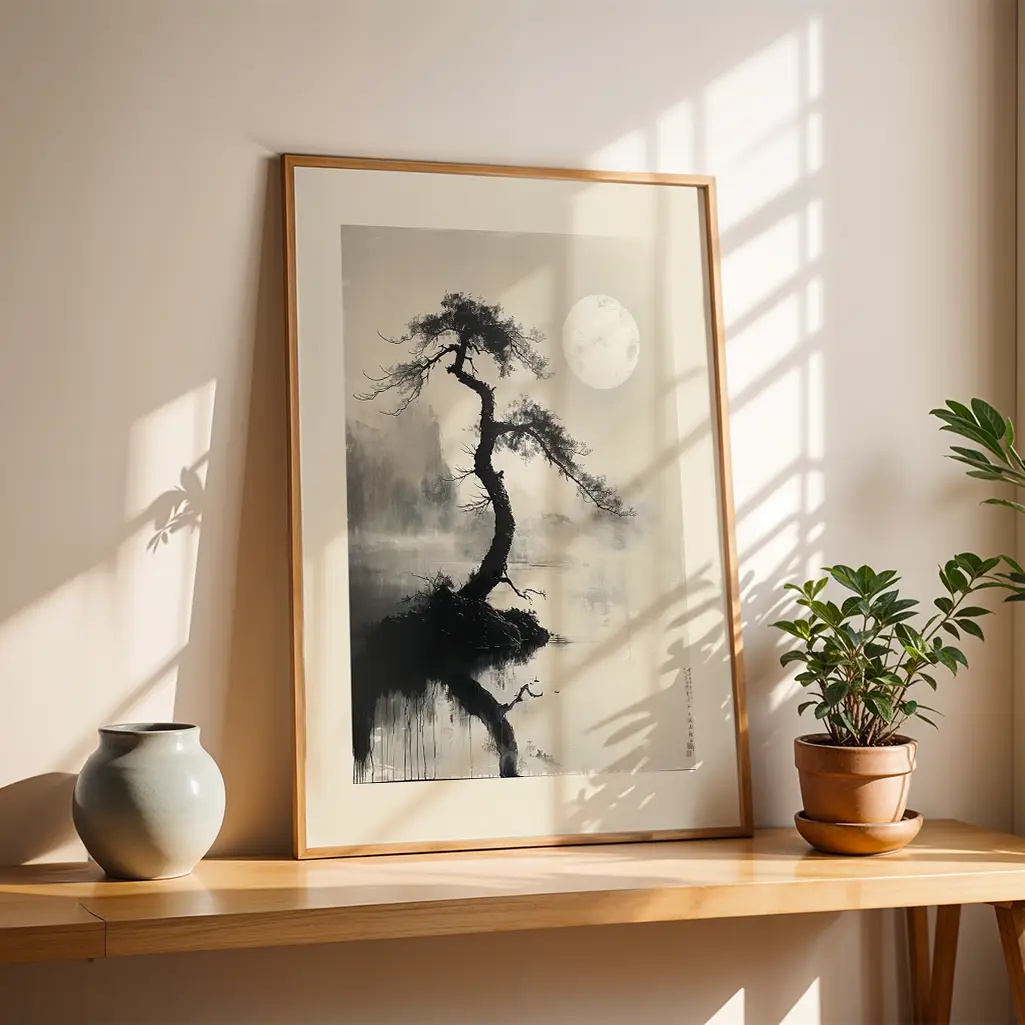
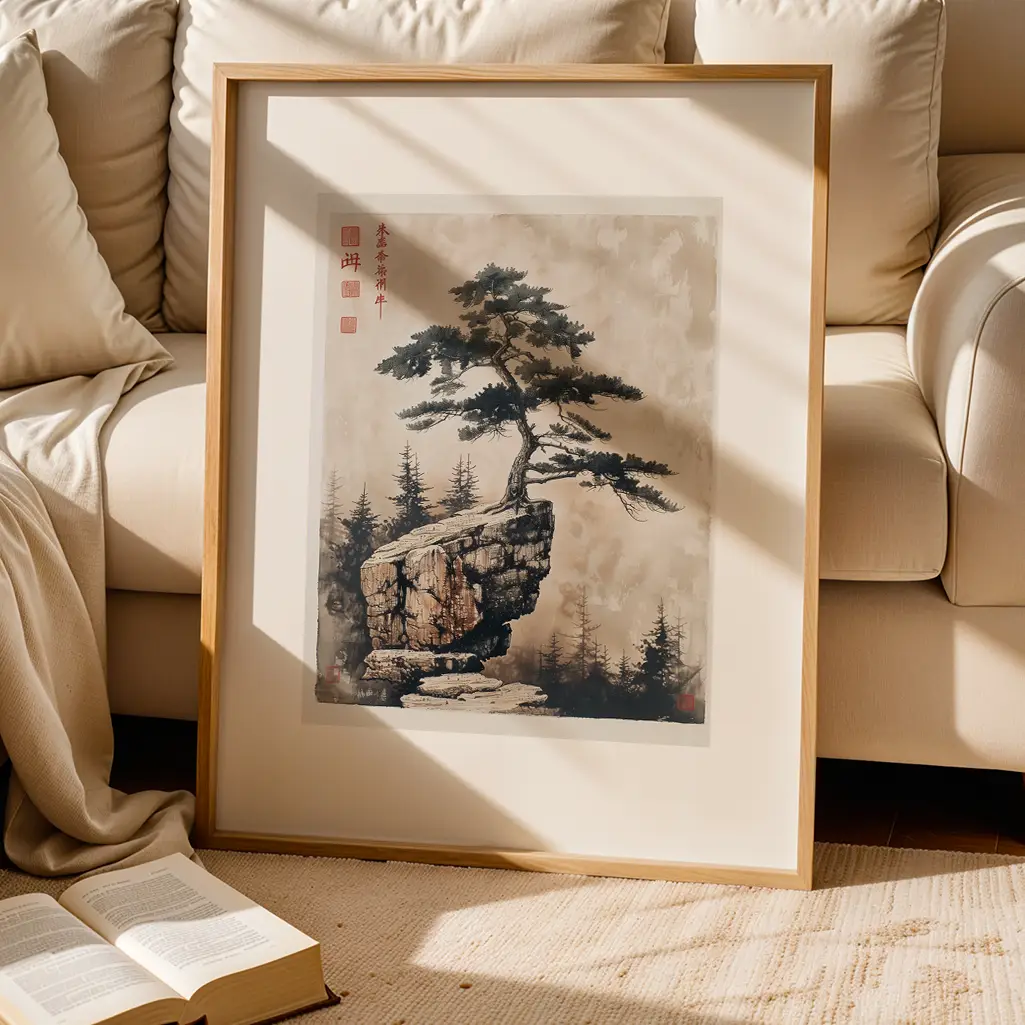
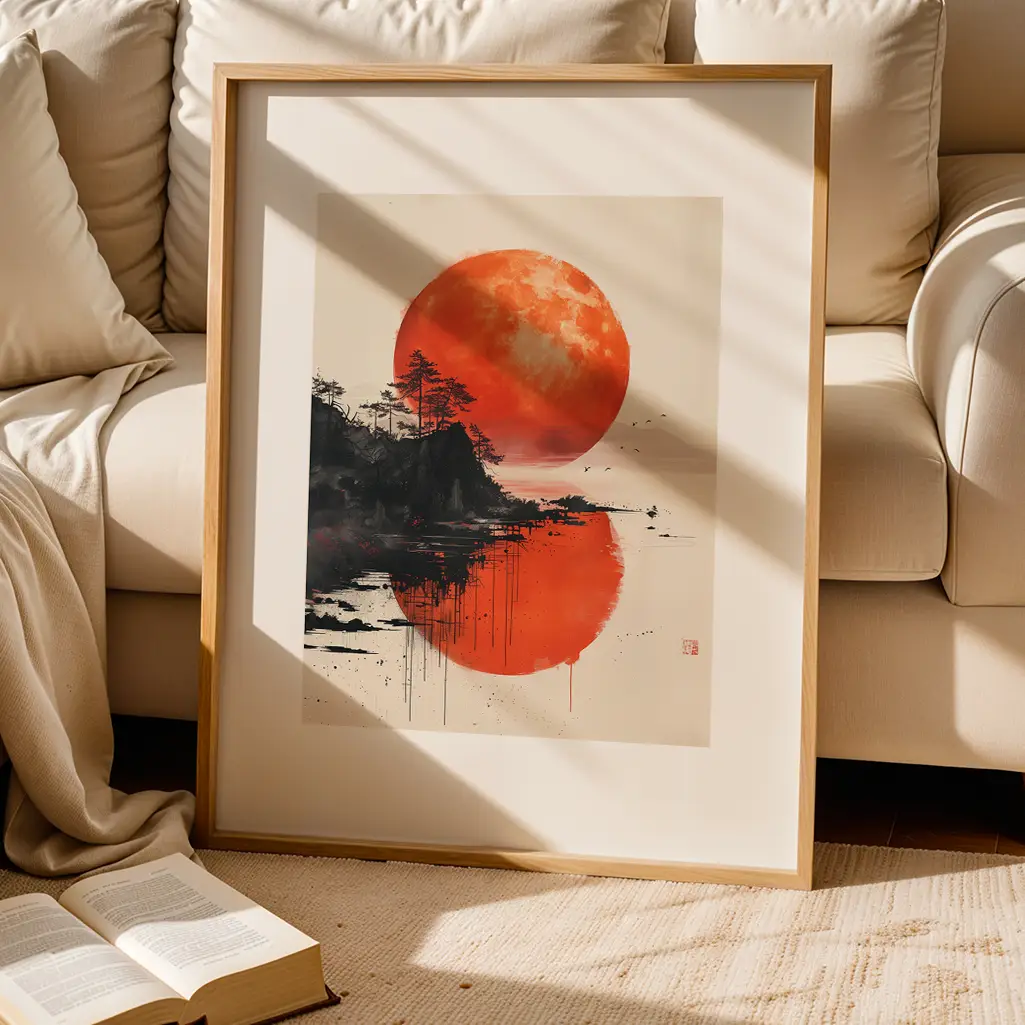
Choosing a poster as a meaningful gift starts with observation rather than taste. You are not curating a mini-museum of your own preferences and exporting it into someone else’s home. You are learning their existing visual language and finding a phrase that fits.Notice their palette. Are their rooms built around cool grays and blues, or do they gravitate to warm wood, terracotta and linen? Color is not merely aesthetic; it sets the emotional temperature. A high-chroma abstract for someone whose home is all soft neutrals and filtered light may feel like dragging a boombox into a library. Conversely, a delicate monochrome print in a home full of saturated textiles could fade into a kind of polite nothing.
Then look at rhythm and scale. Large, open walls with minimal furniture invite a poster that can anchor the space, something generous in size with a clear, legible composition. Smaller apartments, especially ones already busy with bookshelves and plants, benefit from quieter, more meditative pieces. In both cases, the question is rhythm: does this poster provide a long, slow note in the room, or does it stutter and compete?
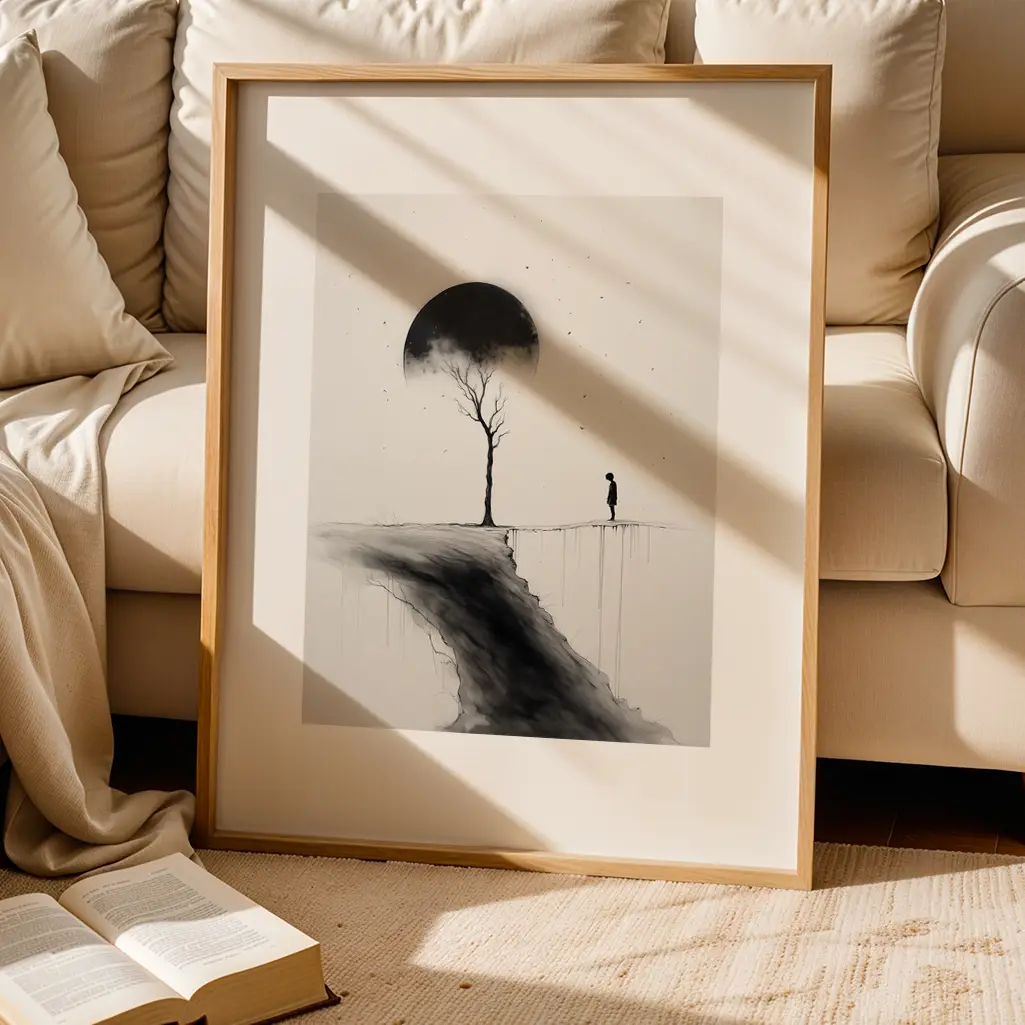
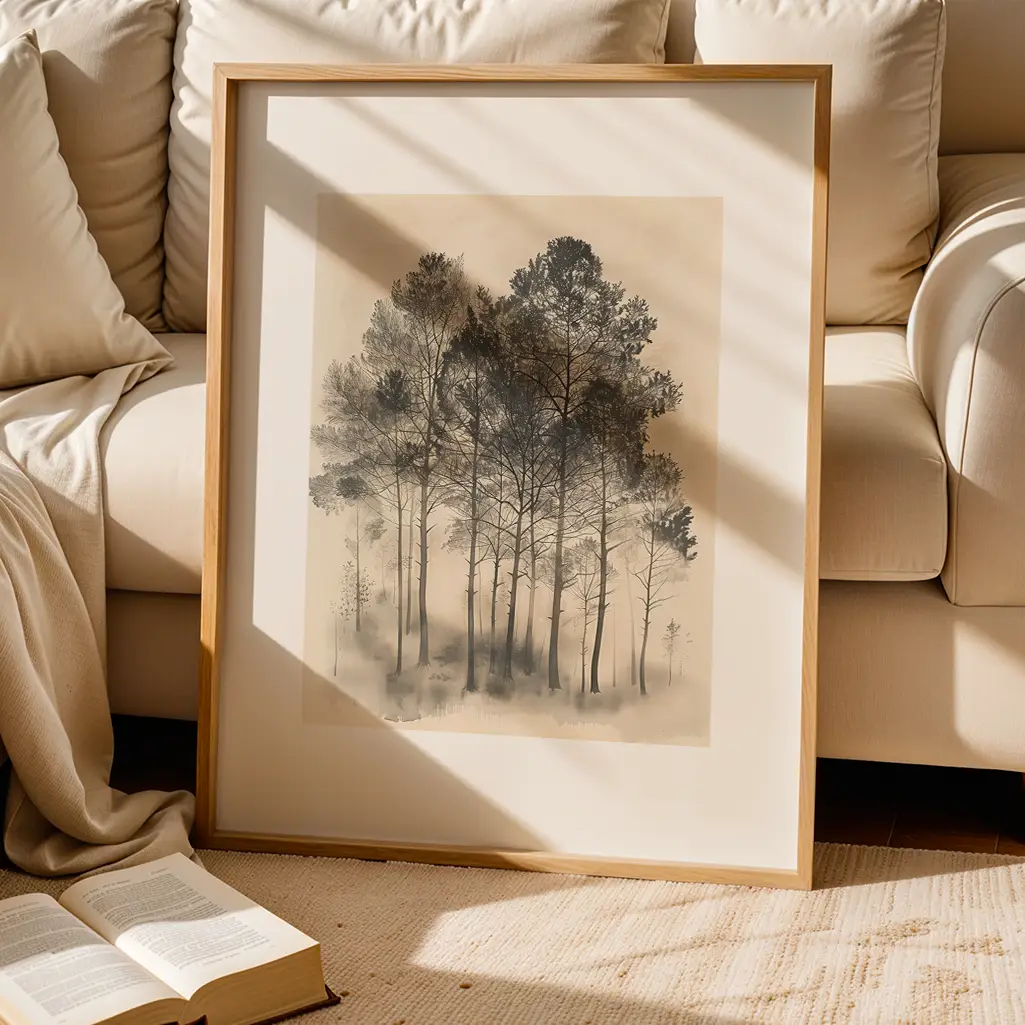
There is also the matter of content. Meaningful posters act like gentle triggers: each glance opens a small doorway. For a friend who finds peace near water, a restrained, almost abstract seascape may call up the sensation of standing at the shoreline. For a reader, a diagrammatic print of a favorite novel’s structure might spark a different, more intellectual pleasure. You are not obligated to be literal; a plant lover does not necessarily need yet another botanical print. Sometimes a simple, well-balanced composition of shapes in the greens and earth tones they favor can echo the feeling of a greenhouse without depicting a single leaf.
Mindful gifting also recognizes the politics of wall space. Not everyone wants the same kind of gaze directed at them day after day. Text-heavy posters can become visual shouting, motivational slogans can sour into pressure, and highly figurative images can start to feel like an audience. Understatement travels better. A piece that works at two distances, offering a clear structure from across the room and small, rewarding details up close, tends to age well because it respects both the casual glance and the sustained look.
If you are unsure, err toward generosity of interpretation. The most durable posters are the ones that do not demand a single meaning but allow the recipient to project their own. That openness is what makes them feel like presence rather than prescription.
Making the Gift Feel Like a Collaboration
Even the most beautifully chosen poster can fail if it arrives as an obligation. A framed piece that can only really live over the sofa is, in a sense, a piece of furniture you are imposing. Mindful gifting softens this by designing in choice.One gentle approach is to give the poster unframed, alongside a note about possible sizes or frame styles that might work, and a willingness to help them experiment. You are not handing them a finished statement; you are offering a set of possibilities. In zen terms, you are leaving some of the paper empty. That white space of decision is where their agency lives.
You can also acknowledge the fluid nature of home. A poster does not have to be permanent to be meaningful. It might live in the hallway for a year, then migrate to a bedroom or home office as life shifts. Framing it in this way when you give it—"I imagined this somewhere near natural light, but I’m curious where it might feel right to you"—turns placement into a shared, ongoing conversation rather than a test.
The physical experience of the gift matters, too. A poster rolled into a tube can feel like a transaction. Presented slowly, unfurled on a table, with a bit of context—why this image made you think of their Sunday mornings, or their long train commutes—it becomes a story. People rarely remember the exact color of a print ten years later, but they often remember a sentence you said while turning the paper in your hands.
In the end, the aim of mindful gifting is not to improve someone’s taste or to optimize their interior for social media. It is to notice them. A poster is simply one medium for that attention. When it succeeds, the object almost disappears; what remains is a small, daily moment of recognition between the person and their own space. The wall, quietly, says "I see you," and the gift has done all the work it needs to do.