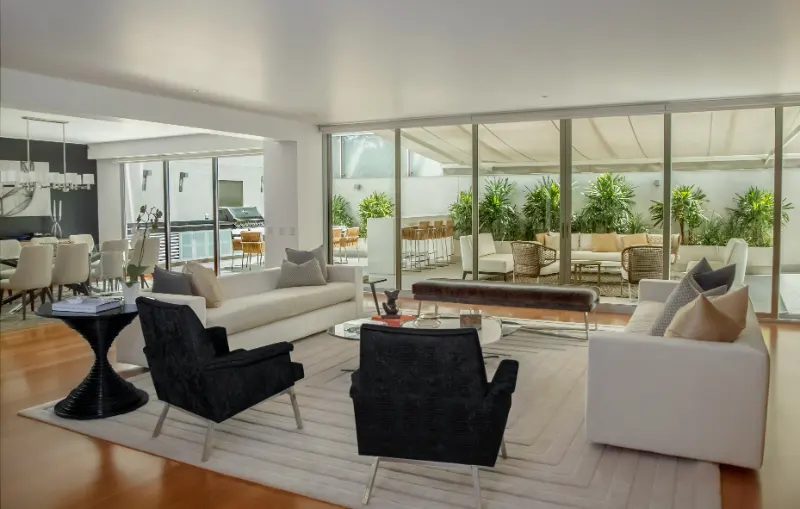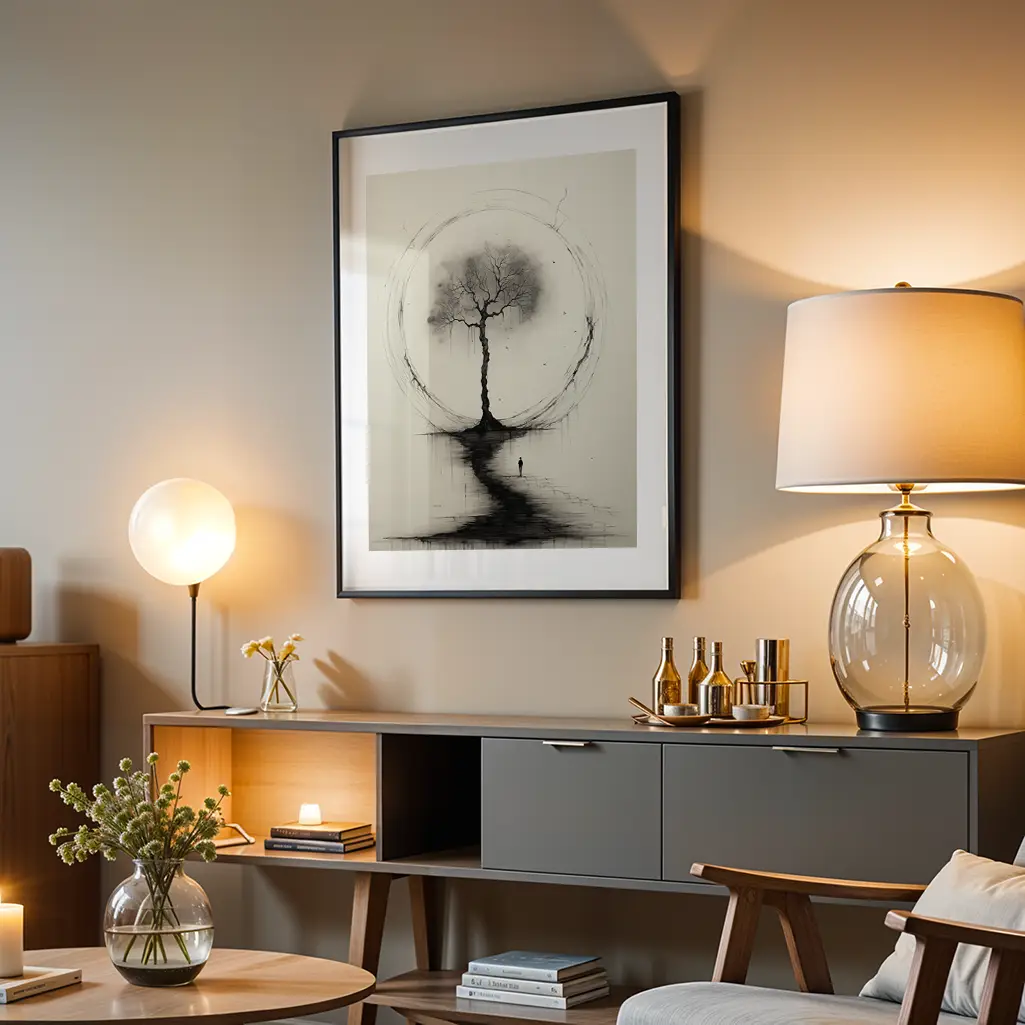
Two “Less Is More” Movements, Two Very Different Questions
Minimalism and slow living are often treated as interchangeable, like two shades of the same pale paint. Scroll social media for ten seconds and they can look identical: white walls, one mug, a linen sofa, a single sprig of eucalyptus in a vase. But beneath the same aesthetic mood board, they ask very different questions of your home and of you.Minimalism tends to ask “How little do I need?” Slow living asks “How fully can I inhabit what I already have?” One is primarily subtractive, the other expansive. Understanding that difference is not a matter of labels; it is a way to avoid designing a space that looks calm but feels strangely airless.
Think of minimalism as a kind of visual and mental fasting. It is about reducing distractions so that your attention can finally rest. The minimalist home aims for clarity: fewer objects, fewer visual interruptions, fewer decisions to make before you have even finished your morning coffee. That simplicity can be liberating, especially if you grew up in rooms teetering with unopened boxes and “just in case” bags.
Slow living is not primarily about the number of things, but about the pace of days. It asks how your home can hold rituals instead of just stuff. A slow living space might be full of objects, but they tend to be legible: the teapot you actually use every morning, the chair by the window where you really read, the table that welcomes a messy dinner without flinching. It is less a visual rulebook than a choreography of attention over time.
The confusion comes when we treat both as a style rather than a practice. You can have a minimalist home that is emotionally frantic and a slow living home that is visually busy but deeply composed. The key difference is not the color of the sofa; it is how your daily life feels inside the room.
Seen this way, “minimalism vs slow living” is less a rivalry and more a conversation about what you are actually hungry for. Do you need space, or do you need slowness? Most homes benefit from a little of both, in different rooms and seasons of life.
Minimalism: Editing the Room So the Room Can Edit You
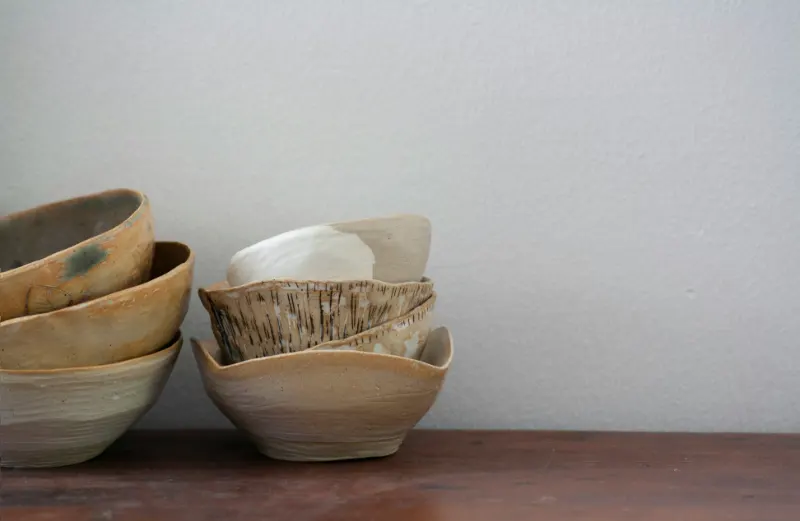
Minimalism in the home is essentially radical editing. It asks you to place every object on trial. Does this earn its presence? Does it serve a function, carry a memory that still feels alive, or contribute to the room’s quiet? If not, out it goes. The result, when done thoughtfully, is not ascetic punishment but a kind of visual exhale.A minimalist living room does not need to be white and hard-edged, but it does tend to be disciplined. Surfaces are clear enough that you can see the grain of the wood or the curve of a single ceramic bowl. Storage is intentional, not just a place to hide what you do not want to confront. Color is selective, so that when it appears it has the dignity of a considered decision rather than an accident of shopping.
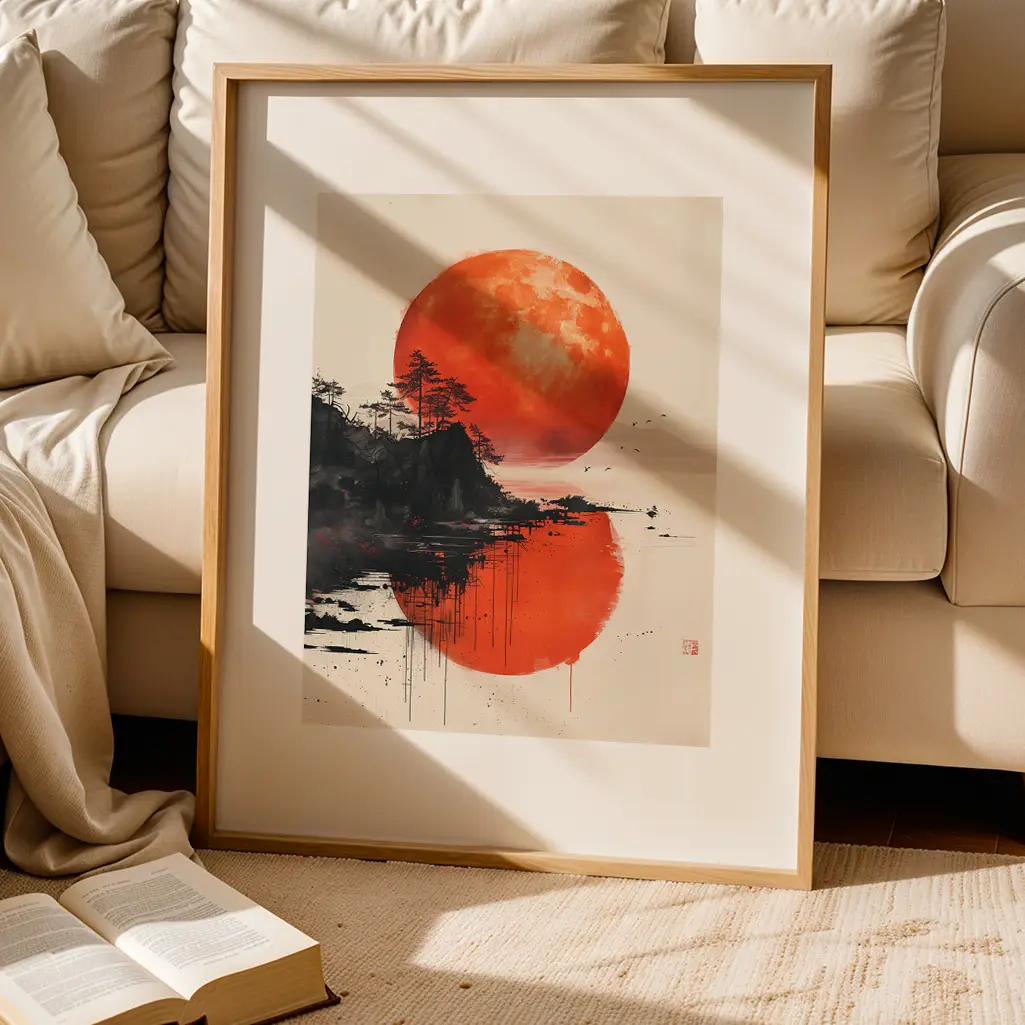
The deeper promise of minimalism is cognitive: fewer stimuli competing for your attention, fewer micro decisions about where to put things, less silent guilt about projects you abandoned three apartments ago. It is about creating a room that does not shout at you. In design terms, that might mean leaving a wall empty not because you have not found the right art, but because emptiness is, in this case, the art.
Yet minimalism can tip into moralism. If every object feels like a failure of discipline, your home becomes a test you are always on the verge of failing. That is when minimalism hardens into performance: you keep things hidden not because you do not need them, but because you fear they spoil the picture. The mistake is confusing absence with peace.
To keep minimalism generous rather than punitive, design with your real habits in mind. If you drop your keys just inside the door every night, do not fantasize your way into a keyless life; add a small bowl or hook there. Let minimalism help you edit toward clarity, not toward self-erasure. The most successful minimalist rooms feel like someone lives there, just someone who has made a series of kind, firm decisions about what matters.
Slow Living: Designing for Time, Not Just Space
Slow living begins not with the question of how much you own but with how you move. Imagine tracing a single day through your home, like following a line of ink. Where do you pause, rush, fumble, or soften? The slow living approach is to design the room around those rhythms instead of expecting your rhythms to contort around the room.In practice, that could mean creating a small morning station: the kettle within arm’s reach of the canister of tea, the mug that actually fits your hand, a clean patch of counter that is not also mailroom, pharmacy, and charging dock. It could mean allowing a dining table to be permanently set for everyday eating rather than acting as storage for laundry and unopened packages. A slow living home accepts that life is repetitive and builds beauty into those repetitions.
Unlike strict minimalism, slow living does not mind visible use. The book on the arm of the chair, the knitting basket by the sofa, the herb pots crowding a sunny sill: these are not considered clutter if they are genuinely part of your daily rituals. The question is not “Could a magazine editor photograph this?” but “Does this arrangement make it a little easier for me to do what I say I want to do with my days?”
A slow living bedroom might keep more objects than a minimalist one, but each is allied to a habit. A carafe of water, a lamp warm enough to invite ten extra minutes of reading, a small tray where jewelry lands at night so mornings are less frantic. Instead of hiding everything away, slow living lets certain items remain within reach, almost like set pieces in a quiet play you perform every day.
Where minimalism edits by subtraction, slow living edits by tempo. You might add a chair simply because it creates a natural pause between your desk and the rest of the evening. You might keep a stack of cloth napkins, not as a lifestyle affectation, but because their repeated use nudges dinner away from “fuel stop” and toward “event.”
If you are drawn to both ideas, you do not have to choose sides. Let minimalism clear the visual noise so you can hear yourself think. Then let slow living ask what you actually want to do with that hard won quiet. Design for fewer things and richer moments, and the room will start to feel less like a showroom and more like a home that moves at the speed of a life you recognize as your own.
.webp)