
The Quiet Architecture of a Restful Bedroom
A calm bedroom rarely comes from a single dramatic gesture. It is more often the result of many small, almost invisible decisions that gradually shift the room from “where you sleep” to “where your nervous system exhales.” When you walk into a truly restful space, you feel the volume turn down before you can name why. Designing that feeling is less about perfection and more about editing, restraint, and paying attention to what your body registers as noise.Start by considering the experience of crossing the threshold. The first view from the doorway sets the emotional temperature. If the bed is visible, treat it as a kind of quiet focal point rather than a command center. Place it so you can see the door while lying down, but not so close that the door dominates your field of vision. This simple “feel safe enough to relax” arrangement is as much about psychology as it is about furniture.
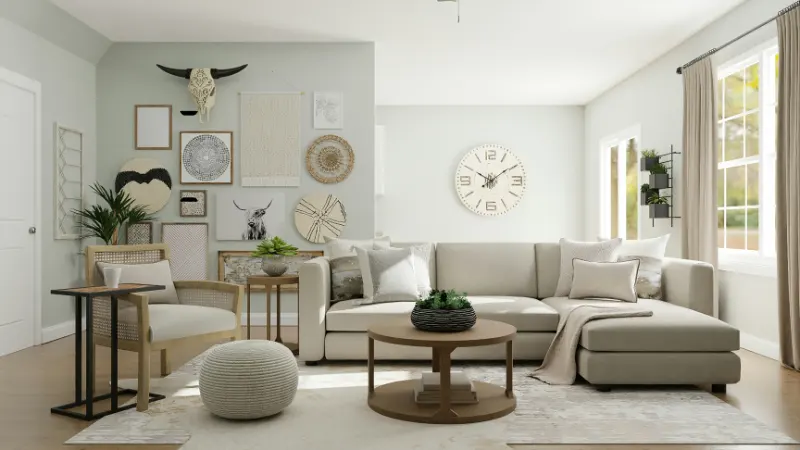
Color does not have to be timid to be restful, but it should be deliberate. Soft neutrals, gentle blues, greens, and warm grays tend to recede rather than shout. They give your eye a place to rest, especially at night when artificial light can sharpen every contrast. If you love saturated hues, hold them to small, contained areas: a throw, a pillow, a narrow stripe on a rug. Think of the room as a whisper with a few intentional words spoken just above it.
Clutter is not just visual; it is cognitive. Every object on a surface is a tiny request for attention. Instead of chasing minimalism as an aesthetic, consider it as a kindness to your future, tired self. Keep only what either contributes to sleep or has genuine emotional value. Books you are actually reading belong at the bedside; the aspirational stack can live elsewhere. When you remove the “just in case” items, the room stops rehearsing your to‑do list back to you.
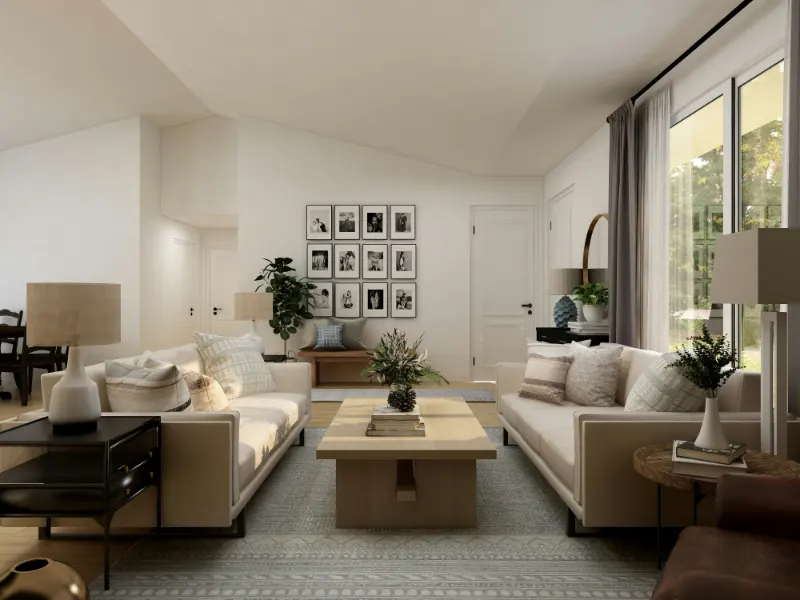
Lighting is the quiet architect of mood. Overhead fixtures, especially bare or cold-toned ones, flatten everything and remind the body of offices and grocery aisles. A calmer approach is to rely on two or three pools of warm, low-intensity light placed at different heights: a bedside lamp with a soft shade, a floor lamp near a chair, perhaps a small fixture on a dresser. The room does not need to be bright; it needs to be legible and kind to your eyes. Dimmer switches or smart bulbs can subtly cue your brain that day is yielding to night.
Textiles complete the architecture by softening edges and absorbing sound. Bedding that feels pleasant against the skin is not a luxury in this context; it is the primary interface between your body and the idea of rest. Natural fibers such as cotton or linen breathe well and age gracefully, but the crucial test is tactile: does this feel good when you are slightly overheated or slightly chilled at three in the morning? Allow the bed to look inviting rather than rigid. A slightly rumpled cover, a thoughtful layer or two at the foot, and a modest number of pillows convey that this is a place for real sleep, not a catalog photograph.
Designing for the Senses, Not for the Camera
Calm is a multi-sensory experience. Much bedroom decor unconsciously prioritizes what will look good in a frame, but your body lives in motion, sound, and air. Designing for the senses means asking how the room behaves at its least photogenic moments: when you wake at 3 A.M., when light leaks in from the hallway, when rain hits the window.Sound comes first because it is unsentimental. Hard floors, bare walls, and large windows can turn an otherwise lovely room into a quiet echo chamber. Instead of overfurnishing to fix it, add a few well-placed soft surfaces. A rug that your feet meet before they touch the floor in the morning, lined curtains that muffle street noise, and upholstered seating will take the edge off sharp acoustics. The goal is not silence, but a softened soundscape where external noise feels distant enough not to startle.
Scent in a bedroom should be nearly invisible. Strong fragrances, even if you enjoy them, can feel intrusive when you are trying to fall asleep. The most restful scents are often the faintest: a barely there hint of clean textiles, a window cracked open when weather allows, or a single, unscented beeswax candle burned briefly in the evening for ritual rather than aroma. If you use essential oils, choose one or two and keep them subtle; think of them as stage directions, not a soundtrack.
Touch is where your body decides whether the room is supportive or demanding. Beyond the sheets, notice where your hands and feet go in the course of a day. The edge of the bed where you sit to read email in the morning, the doorknob, the drawer pulls, the chair arm you find absentmindedly. Replacing one harsh or cold surface with something softer can shift your sense of welcome. A simple linen slipcover on a stiff chair, a small cushion at the window seat, or a smoother bedside table surface can make the room more forgiving.
Light, again, matters in ways cameras rarely capture. Morning light that grazes a wall rather than strikes your face will feel more generous, so consider where it lands. Sheer curtains can diffuse a harsh exposure while still letting you wake to natural brightness. At night, eliminate the stray, high-contrast glows that keep your brain alert: the blinking router, the bright alarm clock, the sliver of hallway light. Where you cannot remove them, soften them—masking tape over a piercing LED is not glamorous, but your nervous system will never know.
Even the air itself has a kind of decor. A room that feels stuffy or overly scented registers as “busy,” no matter how carefully it is styled. Whenever possible, let the bedroom exchange air with the outdoors, if only for a few minutes a day. A small plant or two can help visually signal freshness, but avoid turning the room into a greenhouse. The point is not to impress with abundance; it is to create a subtle sense that this is a place where your body can quietly repair.
Balancing Personality and Calm
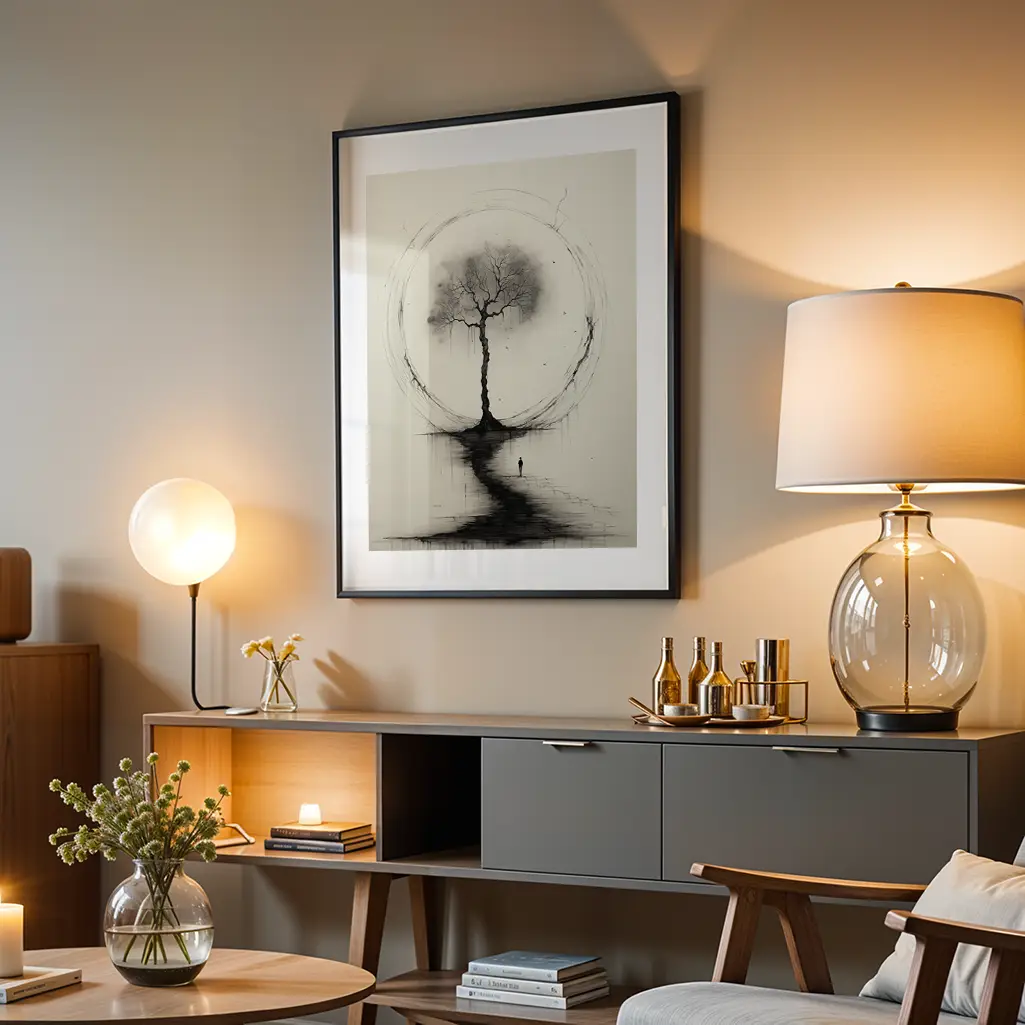
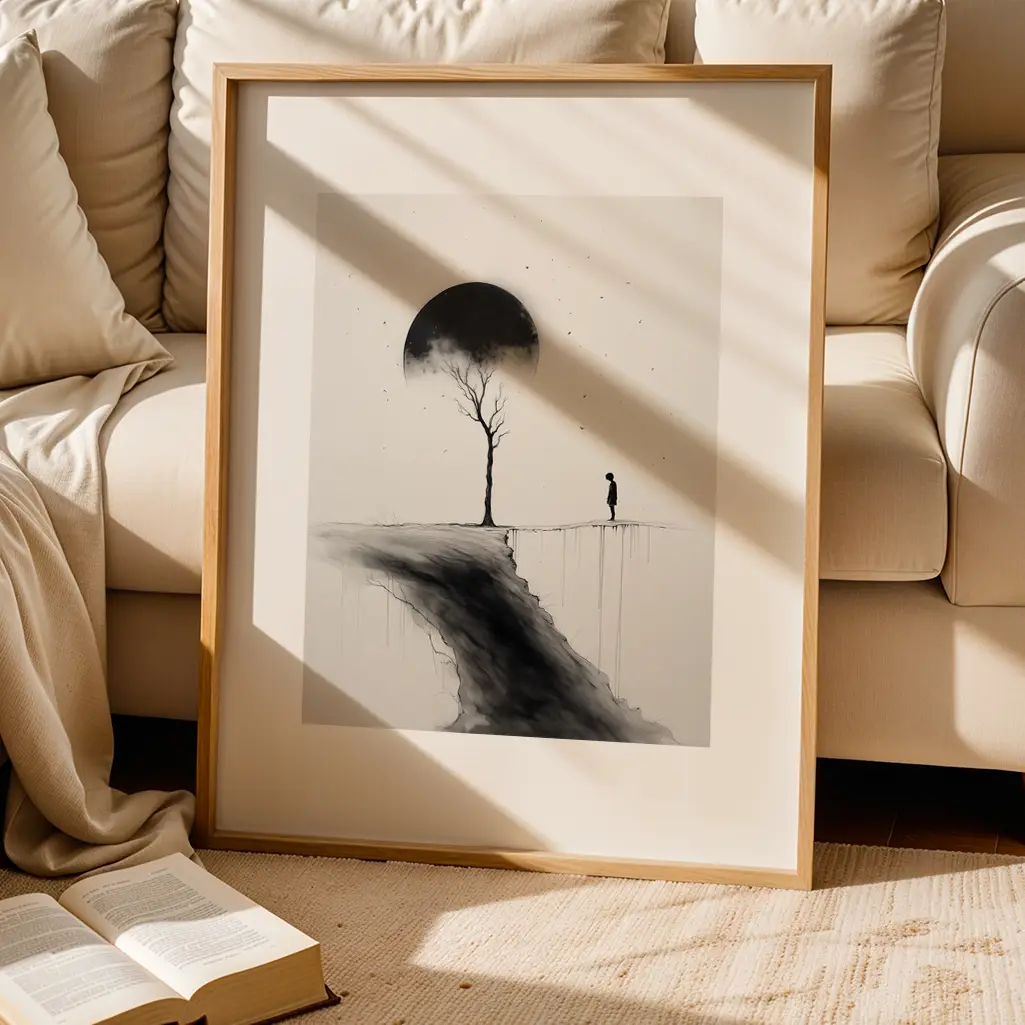
A restful bedroom is not an empty one. Personality, when edited, is a powerful source of comfort. The trick is to decide what deserves to speak and what can gently fade into the background. Instead of scattering personal items everywhere, gather them into one or two intentional moments. A small cluster of photographs on a single wall, a beloved painting above the dresser, or a short stack of objects on the nightstand that mean something specifically to you. When everything is important, nothing feels especially so; when only a few things are honored, they can quietly anchor the space.Storage plays an unglamorous but critical role in this balance. Drawers that actually close, baskets that hide the inevitable cords and chargers, hooks behind the door for robes and bags—all of these decisions protect the visual calm you have created. It is easier to keep the room feeling clear when every daily object has an unremarkable place to land. The aim is not to control your life, but to keep your bedroom from constantly narrating it back to you.
If you share the room, calm becomes a small act of diplomacy. Instead of compromising by splitting the space into territories, think about shared principles: both of you probably sleep better in comfortable bedding, with light you can reach without getting out of bed, and with surfaces that are not burdened by work. Agree on a baseline of order and softness, then allow individual quirks in smaller, contained ways—a particular pillow, a favored reading lamp, a single piece of art on each side.
In the end, the most successful bedroom decor ideas are not dramatic before-and-after stories. They are subtle, cumulative choices that make it easier to be gentle with yourself. A room that invites you to lower your shoulders, slow your breathing, and feel a little less urgent has already done its work, whether or not anyone ever photographs it. Calm, in this context, is not a theme; it is a daily practice that your space can quietly support every night you return to it.