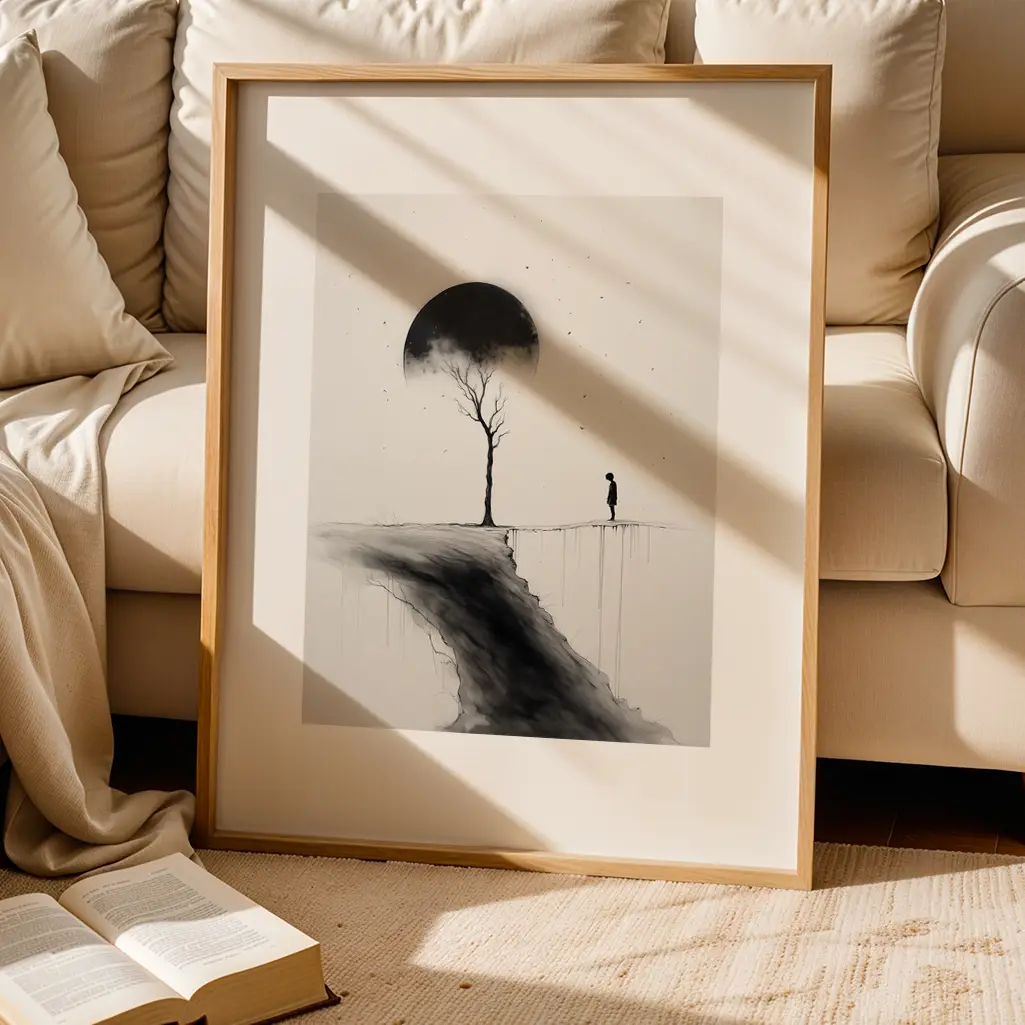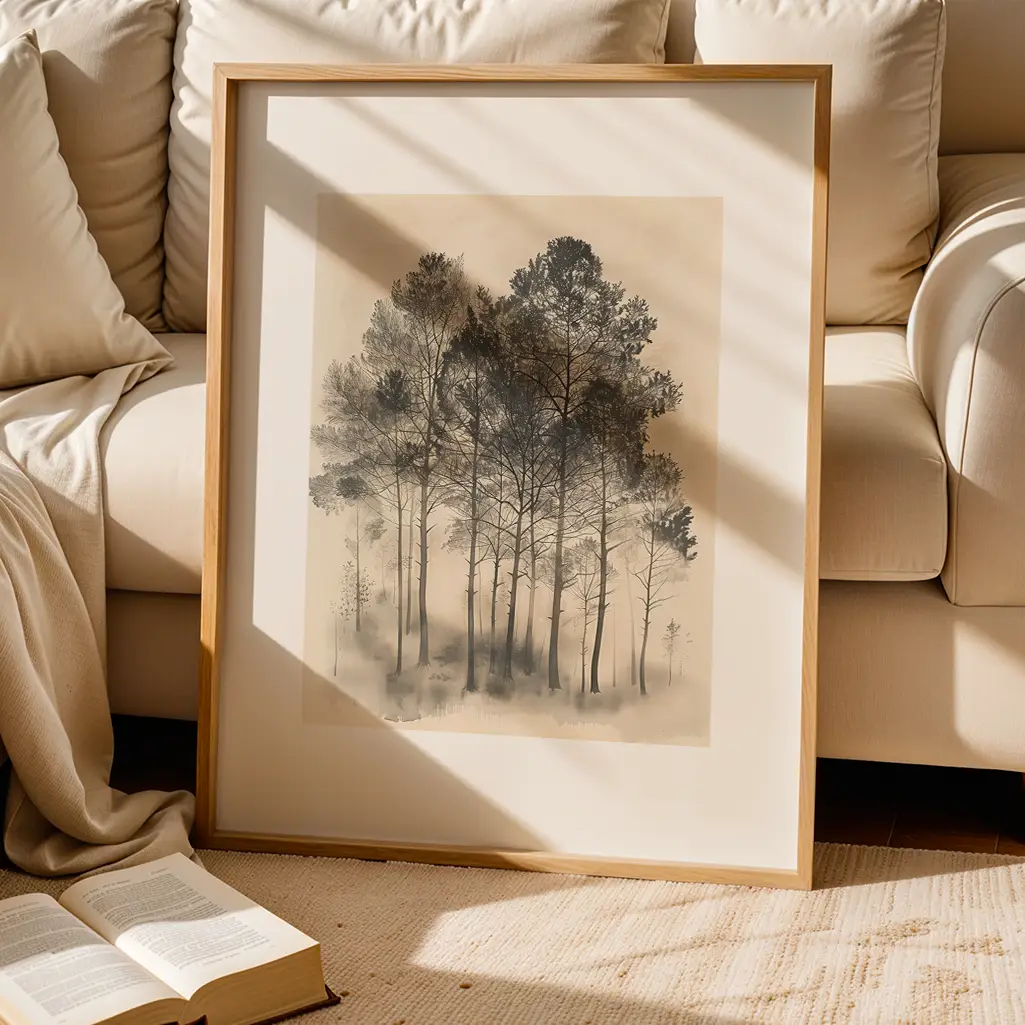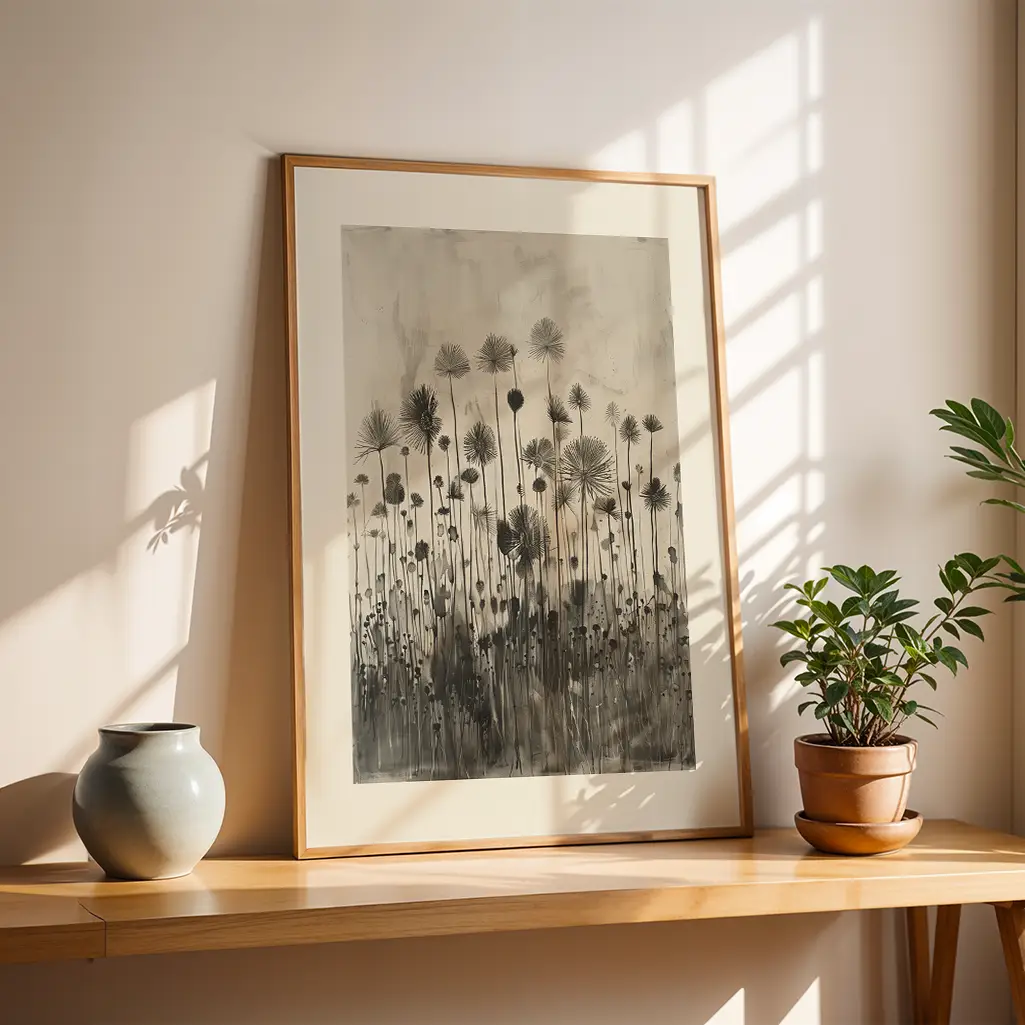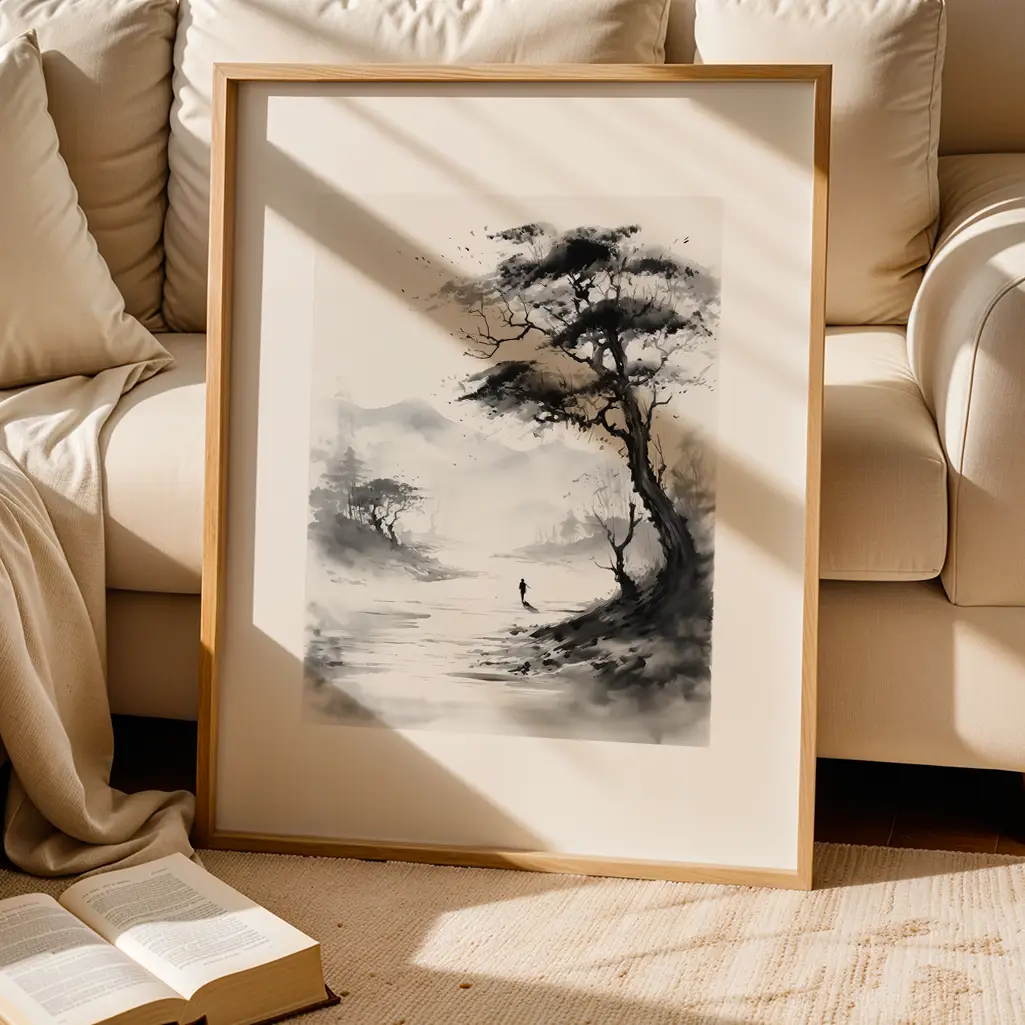
The Living Room: Setting the Emotional Temperature
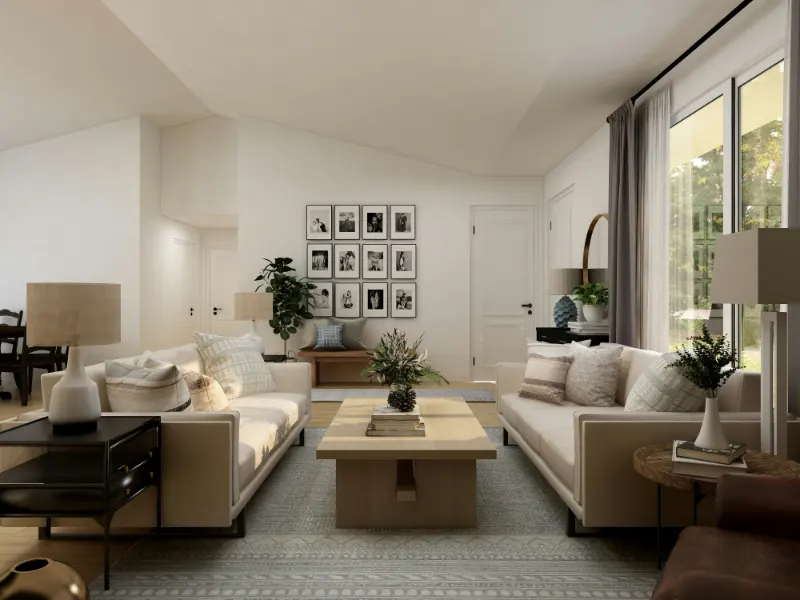
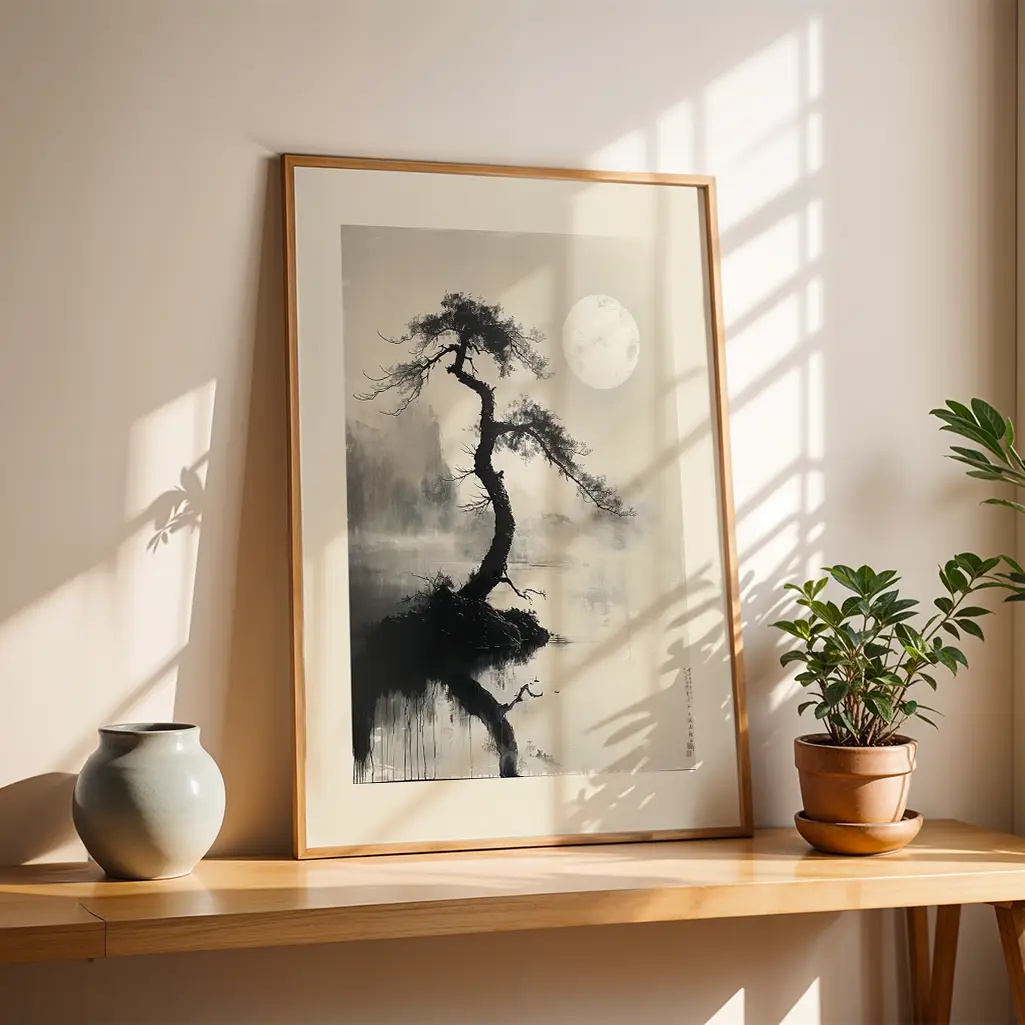
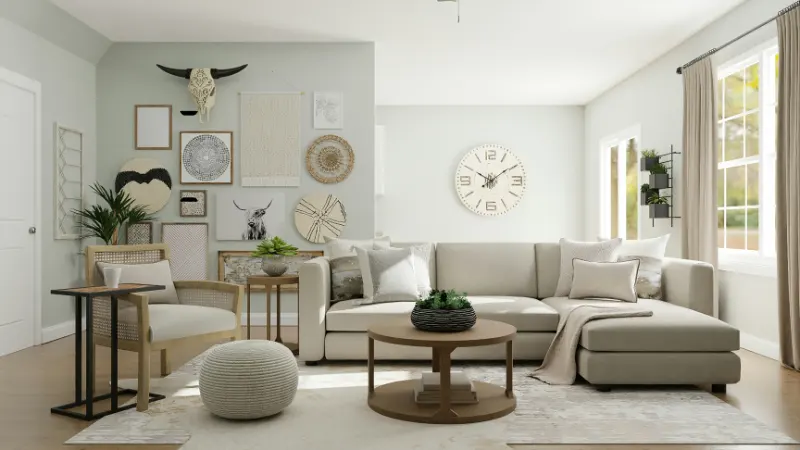
The living room is usually the first place guests see and the room where you most often see yourself. Art here does a quiet but powerful job: it sets the emotional temperature of the home. Before thinking about frames or colors, ask a simple question: what do you want this room to feel like when you sit down? Energized, calm, social, contemplative. Your answer is the compass for every art decision that follows.Scale is the next decisive factor. A common mistake is art that is too small for the wall, making even good pieces feel timid. As a loose guide, art above a sofa should be roughly two thirds the width of the sofa. If you have several smaller works and none feels large enough, treat them as one composition. Keep the edges of your cluster within a clear rectangle so the wall reads as a single gesture rather than visual noise. The brain loves a boundary.
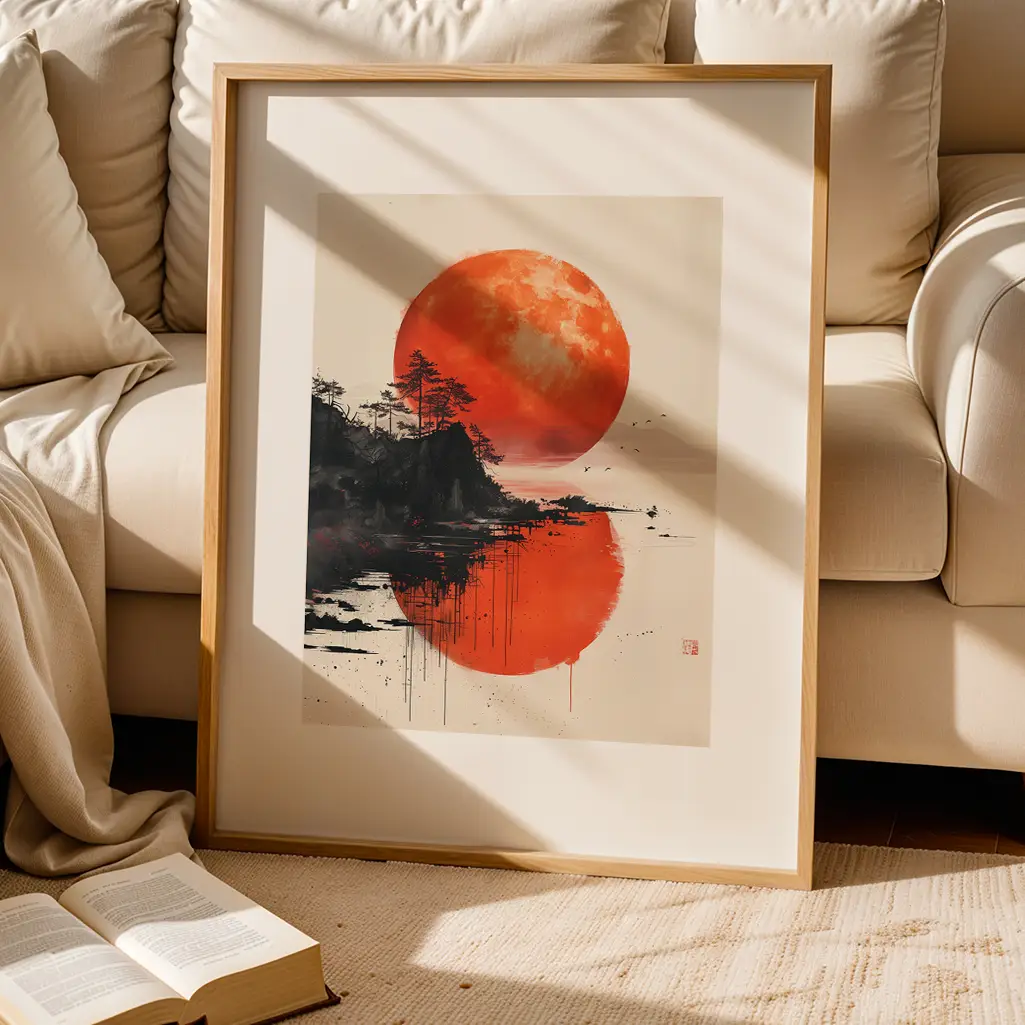
Color can either harmonize with what you already own or deliberately break it. If your living room is already busy with patterns, choose art that edits rather than competes, pieces with a simpler palette that echo one or two of your existing colors. If your furniture and walls are quiet, a strong, saturated piece is like adding a window to another mood. Instead of matching the sofa, think of choosing a chord in music. One tone can be similar, the second complementary, the third slightly dissonant so the room feels alive.
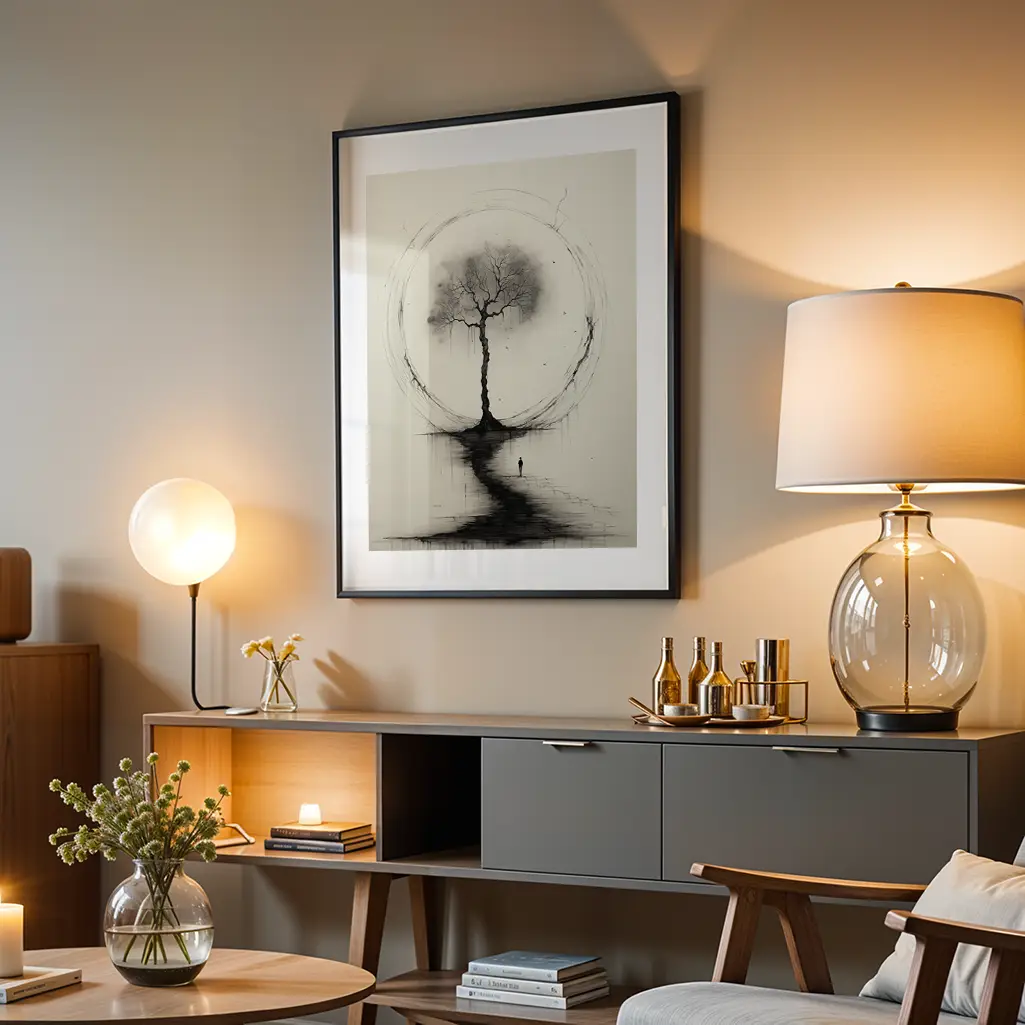
Subject matter in the living room benefits from a bit of ambiguity. Portraits, abstract works, landscapes that are more atmosphere than postcard all give the eye somewhere to wander without dictating a single story. Avoid pieces that are so literal they shut down conversation. You want art that can be visited many times, that feels slightly new from the kitchen doorway in the morning and from the sofa at night.
Framing is not just protection; it is a line of dialogue between the art and the architecture. In a modern room with strict lines, a thin profile frame or a simple floater keeps the focus on the image. In a traditional room, a slightly more substantial frame can bridge the artwork and heavier furniture. When in doubt, align the frame style with your window trim more than with your coffee table. That keeps the art visually anchored to the architecture, making the space feel intentional rather than staged.
Above all, treat the living room wall as a pause, not a billboard. Leave a little negative space around key works. That quiet margin is what allows the art to feel important and the room to feel calm even when people are coming and going.
The Bedroom: Art as a Private Dialogue
If the living room performs for the world, the bedroom whispers to you. The art here can be more inward, even slightly vulnerable, because its audience is smaller and more forgiving. Instead of asking what looks impressive, ask what images feel restorative in the last five minutes before you sleep and the first five after you wake up.Above the bed, think in terms of horizon. A single horizontal work or a pair that stretches across the width of the headboard reinforces the bed as an island of calm. Vertical pieces can work well on side walls or near a window, where their upward pull feels more like a growing plant than a visual interruption over your pillow. Here, scale can afford to be gentler, but the same rule applies as elsewhere. Too many tiny frames and the room starts to feel fussy, as if your thoughts have been chopped into pieces.
Color temperature matters more in the bedroom than in any other space. Cooler hues, soft neutrals and desaturated tones tend to lower the visual volume. This does not mean avoiding all bright color, but using it with intent. A single vivid piece across from the bed can be energizing in the morning if it is not directly over your head at night. Ask whether a piece makes your shoulders rise or fall when you look at it in low light. That bodily response is a more reliable guide than any rule.
The bedroom is also the right place for deeply personal work, even if you would never hang it in the living room. Art made by friends, imperfect drawings, photographs that mean more than they show all belong here. They create a sense of continuity between your past and your present, quietly reinforcing that this room is yours rather than a furniture showroom. To keep the space from feeling cluttered, gather smaller pieces into one focused area, perhaps a slender gallery above a dresser, leaving the rest of the walls relatively calm. The contrast between full and empty is what keeps the room from dissolving into visual static.
Lighting can be looser here as well. Instead of dedicated picture lights, allow bedside lamps to do double duty, letting the art shift with the mood of the room. Sometimes you will see the pieces clearly, sometimes only as soft shapes in the dark. Both states are part of living with art, not flaws to be corrected.
The Office: Art That Clarifies Thought
The home office sits between public and private life, which makes its art slightly tricky. The pieces need to be personal enough to sustain you through long stretches of work yet composed enough to appear on a video call without feeling overly intimate. Think of office art as a silent collaborator, something that helps you stay focused and occasionally reminds you why you are working in the first place.Start with your sightlines. There are two primary views that matter. What you see when you look up from your desk and what others see behind you. The wall directly in front of you is the ideal place for art that clarifies thought, images that make your mind feel spacious rather than crowded. Abstract works with clear structure, restrained photography or minimal drawings can function almost like visual breathing exercises. When your focus frays, your eyes go there to reset.
Behind you, the art becomes part of your professional self presentation. Choose pieces that reflect your values or interests without reading as a résumé. A single confident work is often better than a busy collage. If you do assemble a cluster, keep the lines clean and the frames fairly consistent so your background reads as considered rather than chaotic. Viewers will not consciously analyze your wall, but they will register its overall temperature, whether it suggests clarity or confusion.
Color in an office should match the kind of work you do. If your tasks are analytical, calmer palettes reduce mental friction and visual fatigue. If your work relies on creative leaps, a few strategic jolts of color can act as sparks. The key is rhythm. Allow stretches of blank wall or shelving between strong pieces so your attention has somewhere to rest. Dense art on every surface pulls the eye into constant scanning, which subtly drains focus.
Finally, remember that art in every room, office included, is a living relationship. Pieces can move as your life changes. Something that feels perfect behind your desk this year might belong in the bedroom next year. Rather than treating art placement as a single, daunting decision, see it as an ongoing practice of noticing. Over time, the way you choose and arrange art becomes a kind of biography in slow motion, written not in sentences but in color, line and the quiet spaces between.