
The Quiet Architecture Of A Beginner Zen Shelf
Zen has a way of arriving in your life the way morning light crosses a floor: quietly, but with consequences. You reach for one slim book, and suddenly the room, the day, and your furniture do not look quite the same. A beginner Zen reading list, then, is less a curriculum than a kind of interior architecture. It shapes how you inhabit your mind and your home.The temptation, especially for serious readers, is to start with the densest classics. Zen, notoriously allergic to clutter, does not reward that impulse. If you begin with texts that feel opaque, you start to associate practice with strain. The more helpful entry point is a set of ten or so accessible books that speak plainly, return to daily life, and leave space for your own questions.
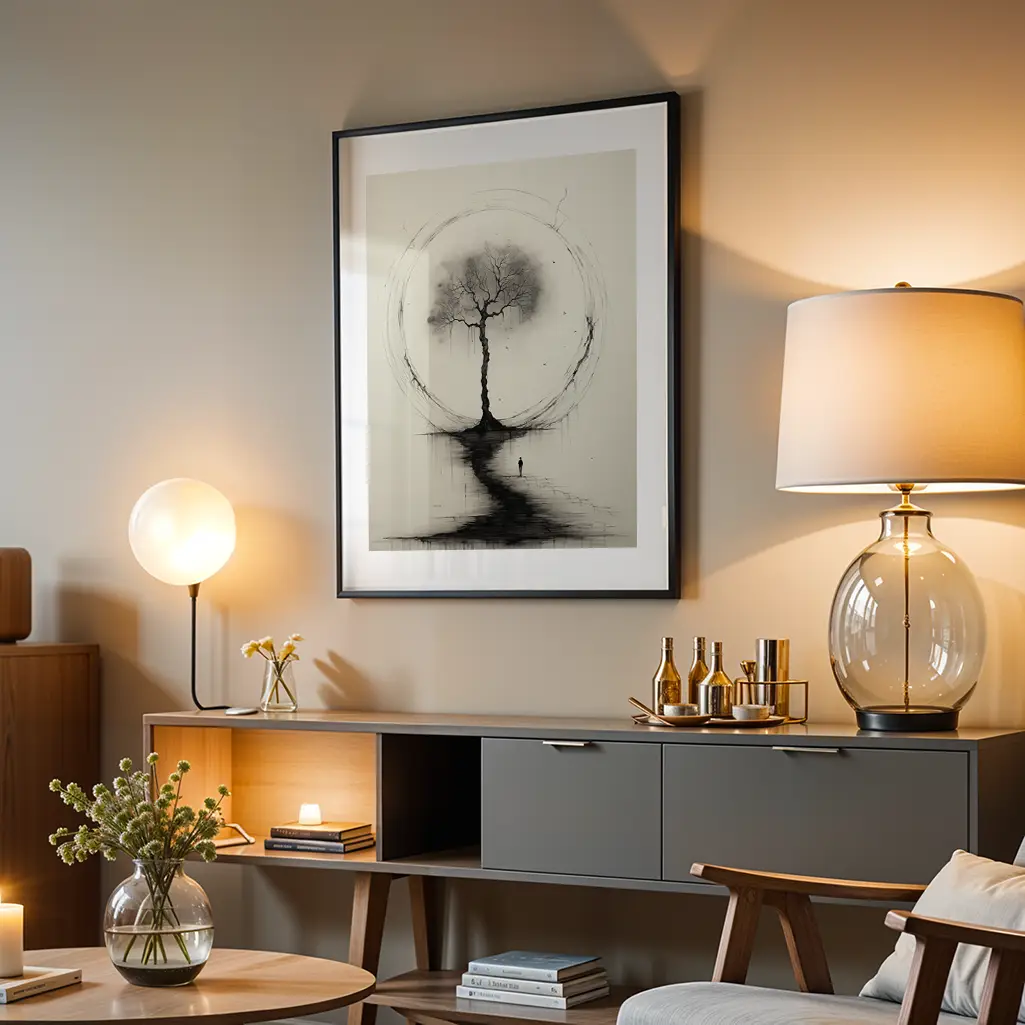
Think of this list as a living corner in your home: a floor cushion, a small side table, perhaps a low lamp, and a handful of books that you actually touch, reread, and allow to rearrange you. The question is not only which titles to choose, but how they relate to one another, and how they might suggest a different way of organizing your space and your attention.
The core mistake beginners make is using Zen books like decorative objects. They buy the impressive hardback, display it like a sculpture, and never quite open it. A more Zen approach is almost the opposite. The books should be modest. Their spines may crease, their pages acquire annotations. The important thing is that they sink into your daily rhythms, the way a favorite mug or a well placed chair does.
Seen from that angle, a beginner Zen reading list is also a quiet design project. Each book introduces not just ideas but gestures: how to sit, how to breathe in a cluttered kitchen, how to place a single branch in a tall vase and call that arrangement complete. You are not collecting spiritual trophies. You are tuning a room so that thinking and not thinking can both happen there with less friction.
In practice, it helps to divide the list into three loose groups. First, books that describe the feeling of practice in clean, contemporary prose, gently dismantling misconceptions about robes, rituals, and impossible levels of calm. Second, books that situate Zen in its cultural and historical context, revealing why ink paintings and raked gravel matter to your overfull calendar. Third, books that quietly invite you into simple daily experiments, the kind that rearrange your home and schedule without fanfare.
Those three groups overlap, as any good Zen book tends to do more than one thing at once. But keeping the categories in the back of your mind will help you choose the right next title, and will keep you from building a library that looks impressive and feels unusable.
Ten Accessible Books, And How To Actually Live With Them
At the experiential end of the shelf belong books that talk to you like a thoughtful friend on a walk through your own neighborhood. These are often written by contemporary teachers who understand the stress of email, rent, and traffic. When you notice that a chapter makes you look differently at the sink full of dishes or the echo in your hallway, you are seeing the point. Zen begins not in a monastery, but in the repetition of ordinary actions.The most accessible titles often circle around the same basic suggestions. Sit down for a few minutes every day, even if your legs are not folded in an elegant knot. Notice your breath, even if the neighbor upstairs is vacuuming. Pay attention to the one thing you are doing, whether it is stirring a pot or closing a laptop. The power of a beginner Zen reading list lies in how many different voices return you to that same, simple choreography.
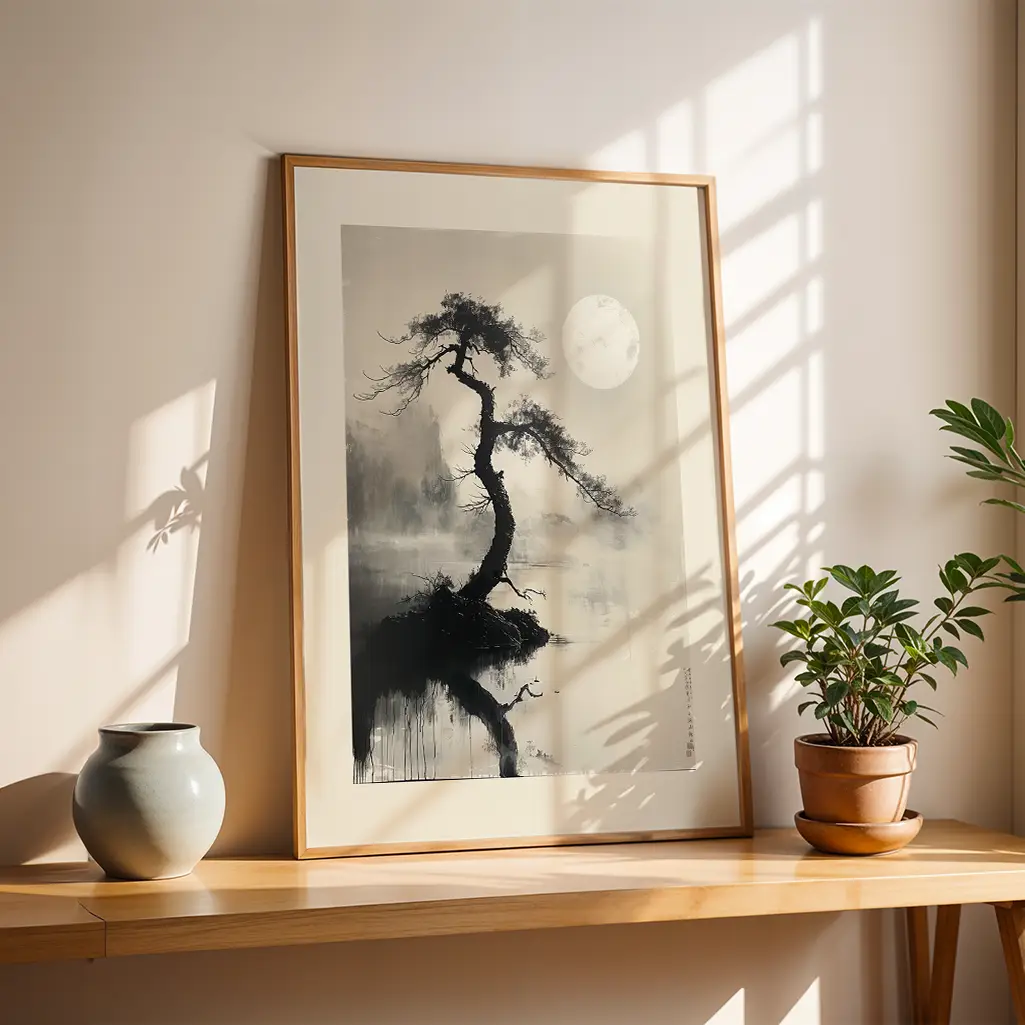
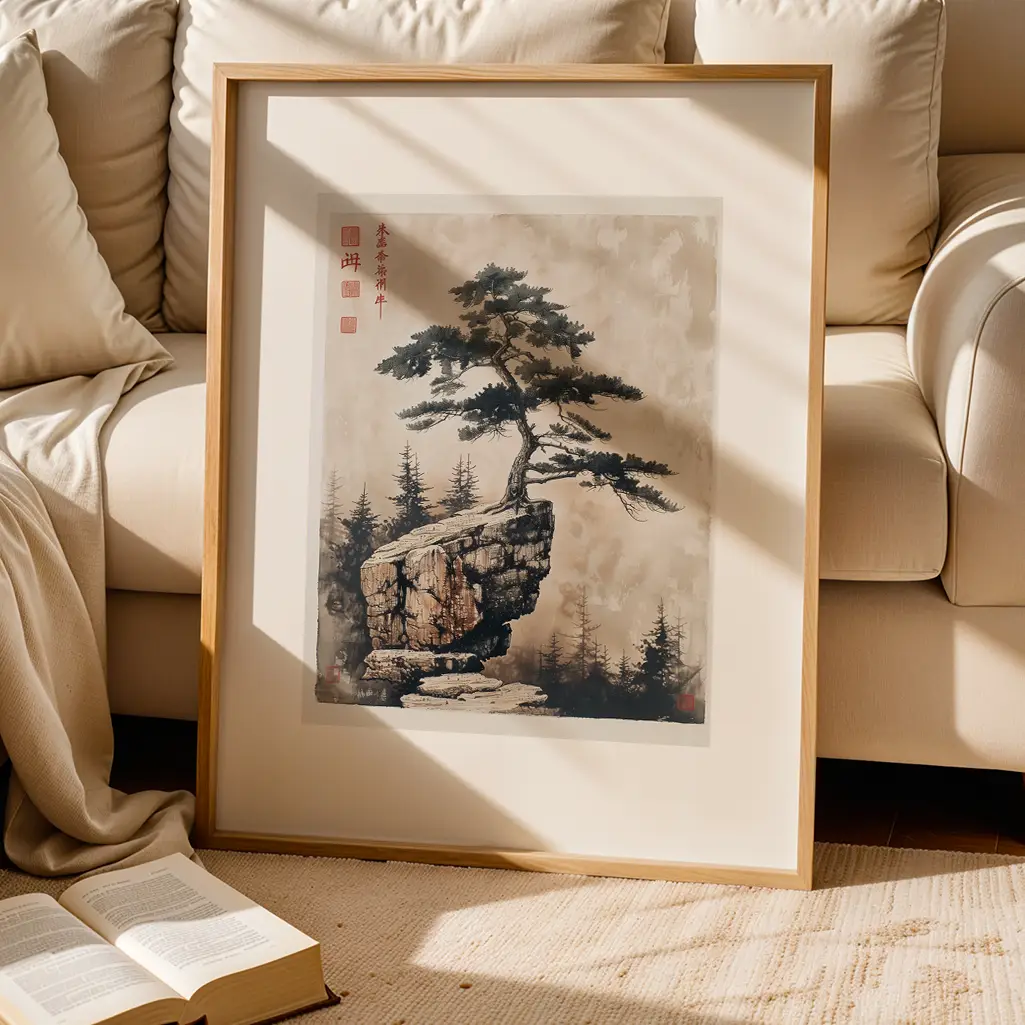
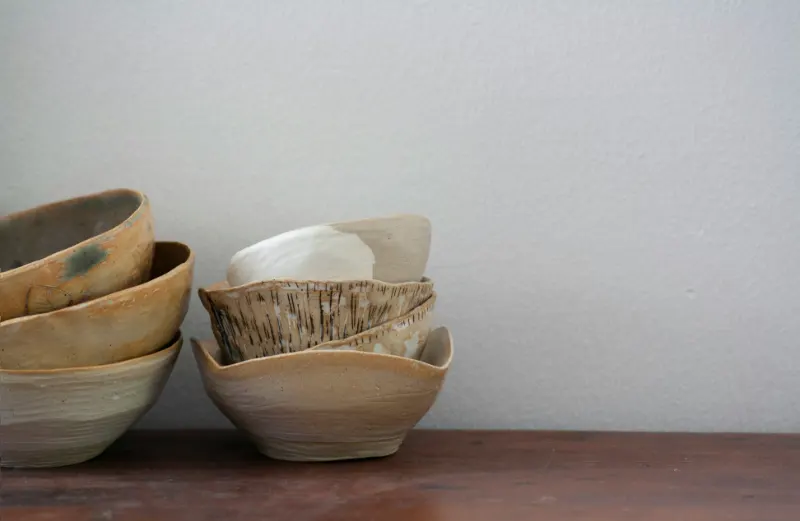
Next, there are books that act as windows onto Zen aesthetics. They explain why the roughness of a tea bowl, the asymmetry of a calligraphic stroke, or the plainness of a tatami room are not merely stylistic quirks, but physical expressions of certain insights. When you read slowly, you begin to see how your own rooms can tilt in that direction without becoming theatrical. Clearing one tabletop, choosing one quiet color on a wall, or leaving more negative space around a single piece of furniture becomes a kind of applied reading.
Historical and philosophical introductions form another layer. They outline how Zen moved from China to Japan, how it borrowed and transformed earlier Buddhist concepts, and why its literature often takes the form of brief, puzzling exchanges. These books may feel slightly drier, but in the context of a beginner list they do something invaluable: they protect you from turning Zen into a vague synonym for relaxation. They remind you that the practice has a precise, sometimes uncompromising edge.
Finally, there are slender manuals of practice that you do not so much read as live with. Their instructions are short enough to carry into the hallway or onto the balcony. One explains how to set up a simple sitting area against a bare wall, using a cushion you already own. Another suggests treating each doorway in your home as a bell: every time you cross, you feel your feet for a step or two. Over time, these small experiments shift how your home feels. It becomes less a storage unit for objects and more a studio for attention.
As you assemble your own version of this ten book shelf, resist the urge to rush. Zen literature is famously fond of paradox, but its most useful one is practical: the fewer books you try to devour at once, the more they change you. Read one at a time. Leave it open on that side table by the window. When a paragraph will not leave you alone, close the book and look around your room. Is there one thing you can move, clear, or simply notice, so that the words have somewhere to land?
In that sense, the true measure of any beginner Zen reading list is not how comprehensive it is, but how skillfully it rearranges your everyday space. The ten accessible books you keep are the ones that continue, very quietly, to redesign the way you sit at your own table, breathe in your own doorway, and pass through your own life.

.webp)