Rethinking What Meditation Has To Be
Meditation has acquired a complicated reputation. It arrives wrapped in incense, ancient lineages and the promise that it will transform you into a calmer, wiser person by next Tuesday. That aura can be inspiring, but it can also be paralyzing. If you feel you lack the right beliefs, the right cushions or the right temperament, the whole practice starts to look like yet another lifestyle exam you are destined to fail.
A quieter truth sits beneath the marketing. At its most ordinary, meditation is a way of repeatedly bringing your attention back to a chosen point. The breath, a sound, a phrase, the feeling of sitting in a chair: all of these can serve as anchors. Your mind wanders, you notice, you return. The cycle repeats. There is no test to pass, only a relationship with your own attention that gradually becomes less chaotic and more transparent.
Once you remove the pressure to have a moving spiritual experience, the practice becomes more practical and strangely more intimate. You are not trying to achieve a special state; you are quietly studying the one you are already in. You are exploring how thoughts behave, how restlessness blossoms, how a room can feel different when you are actually present in it. This shift from improvement project to curious observation turns meditation into something you can plausibly do on a Tuesday night after a long commute, even if the dishes are not done and the sofa is less than photogenic.
Designing a home meditation habit is less about building a temple and more about gently adjusting the conditions of your everyday environment. The space you inhabit can cooperate with your attention or pull it apart. Learning how to make a modest corner of your home feel hospitable to stillness can be as transformative as learning any formal technique.
Paradoxically, the less you demand from meditation, the easier it is to keep doing it. When you stop asking for revelation, the small, cumulative changes become visible. Ten quiet minutes in an imperfect room can soften the edges of an entire day, and that is a goal humble enough to be reachable and valuable enough to keep you returning to the cushion, or the chair, or the patch of rug by the window.
Making Space: Designing a Corner That Calms You
The visual field is the first thing your attention encounters when you sit down, so your immediate surroundings matter more than the rest of the room. You do not need a dedicated meditation studio, but you do need a place that asks as little of you as possible. A corner of the bedroom, the end of the sofa near a window, a segment of hallway that receives morning light: any of these can become a workable refuge if you edit what competes for your eyes.
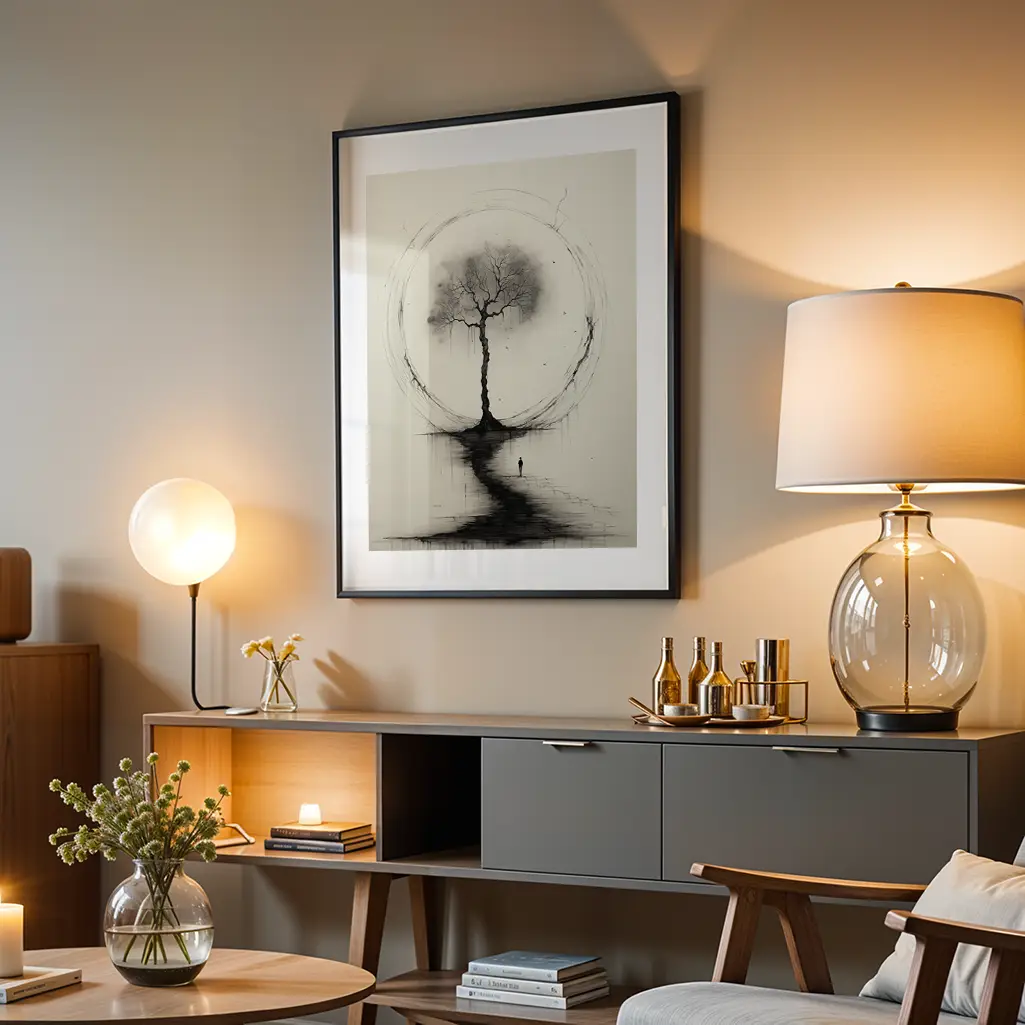
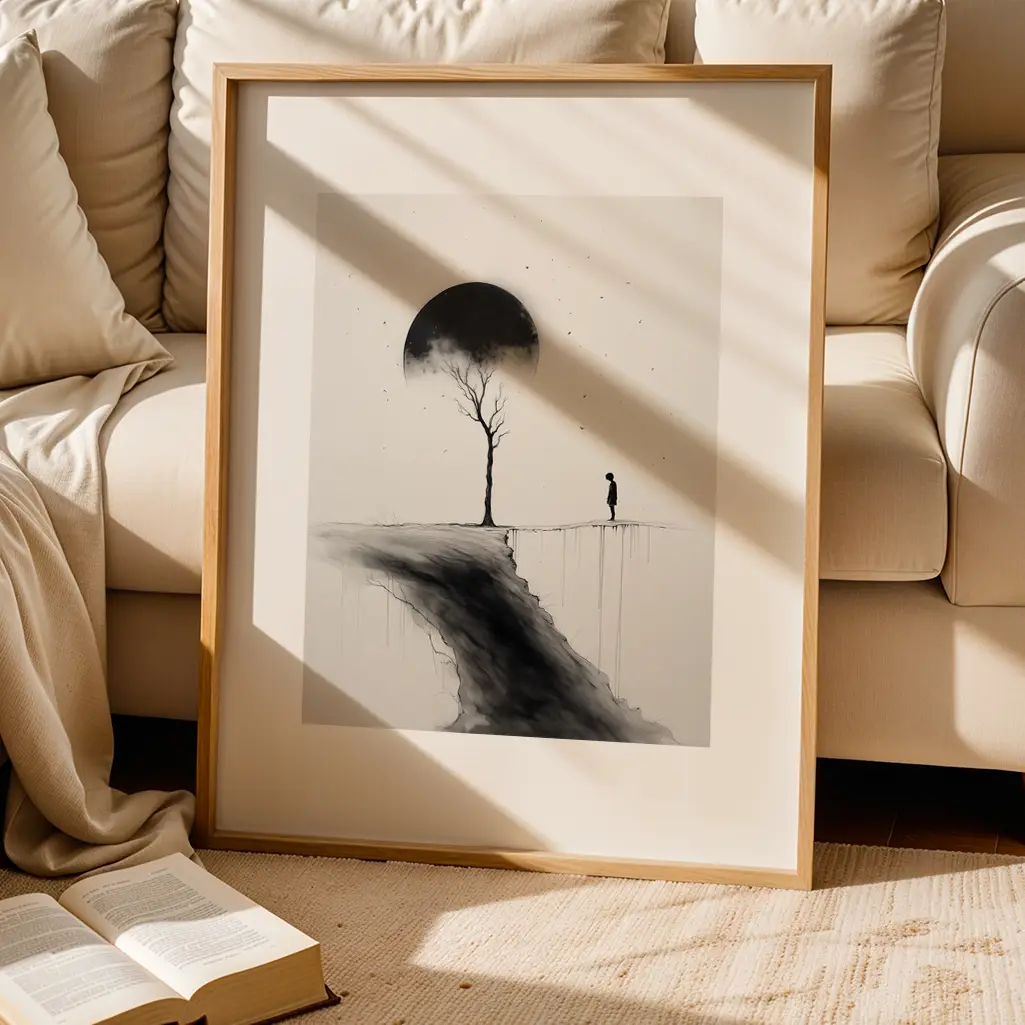
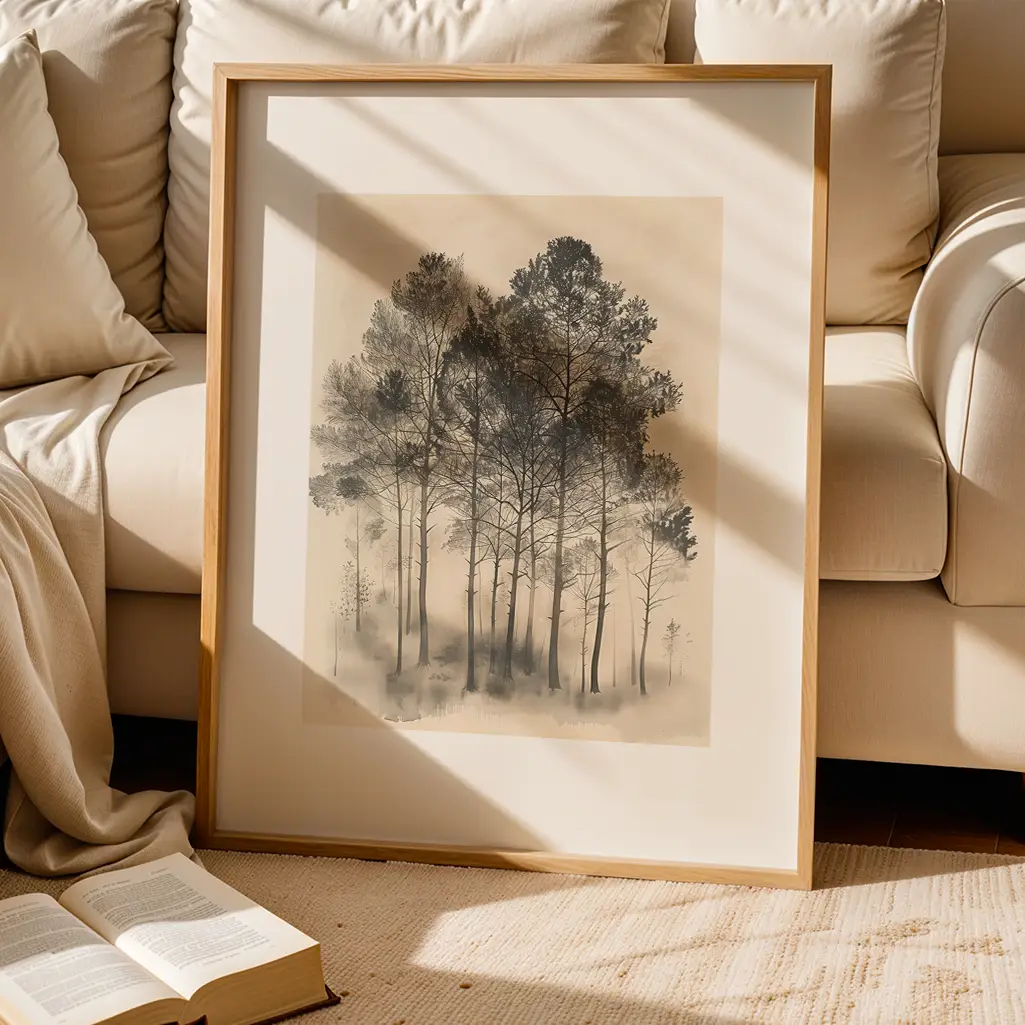
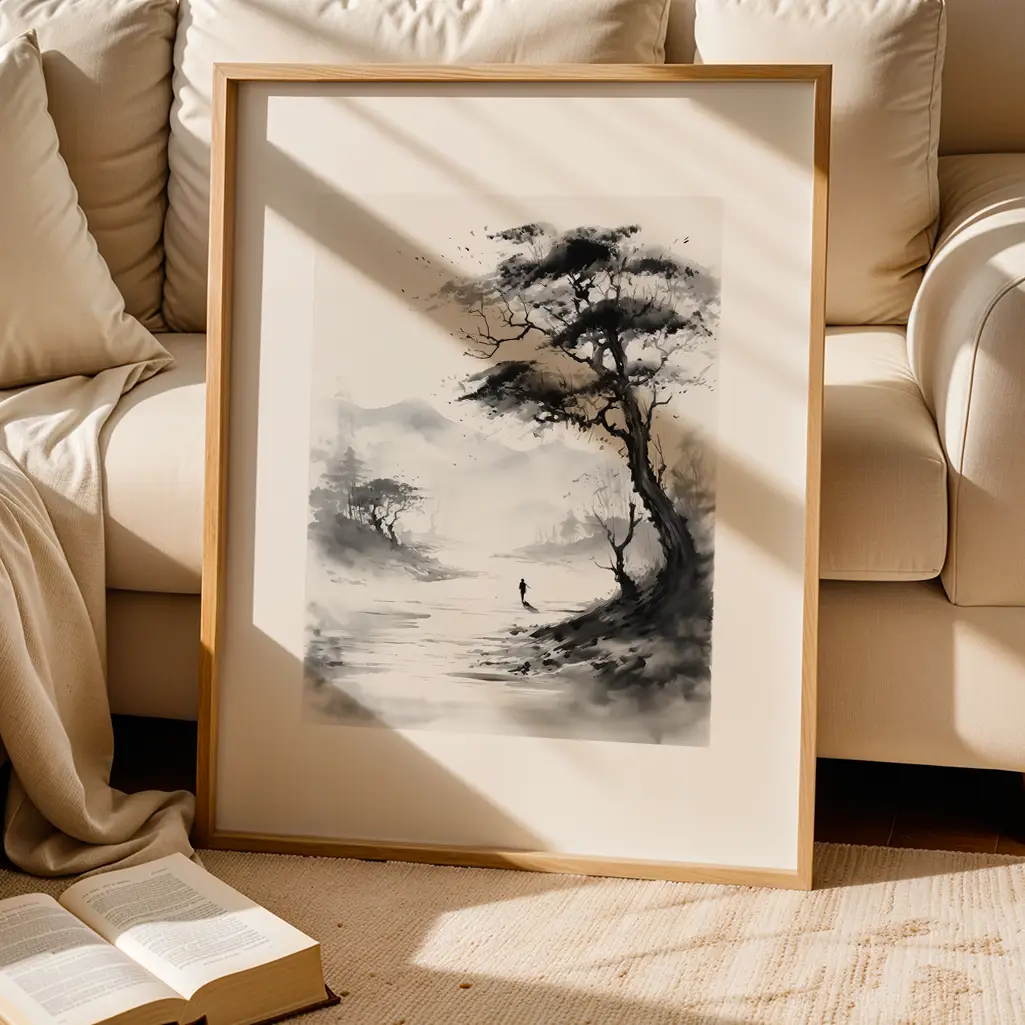
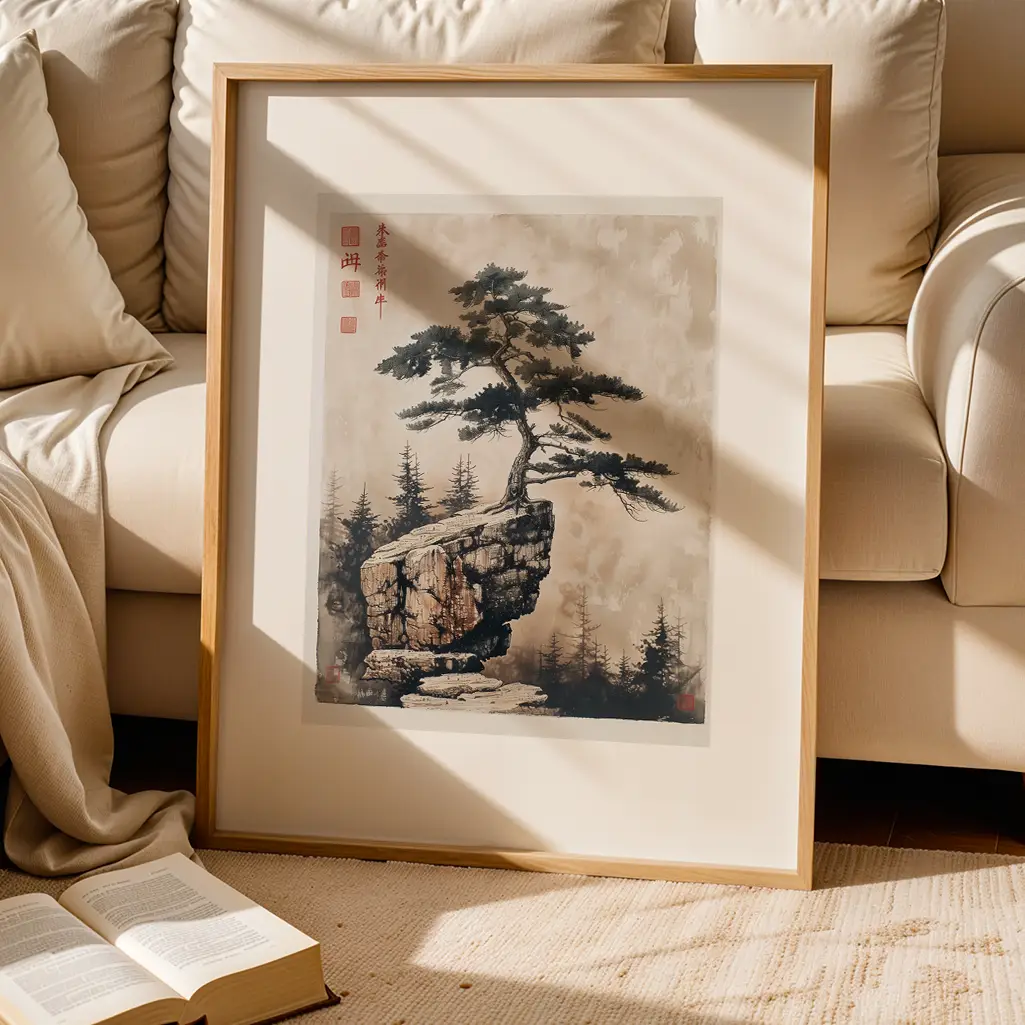
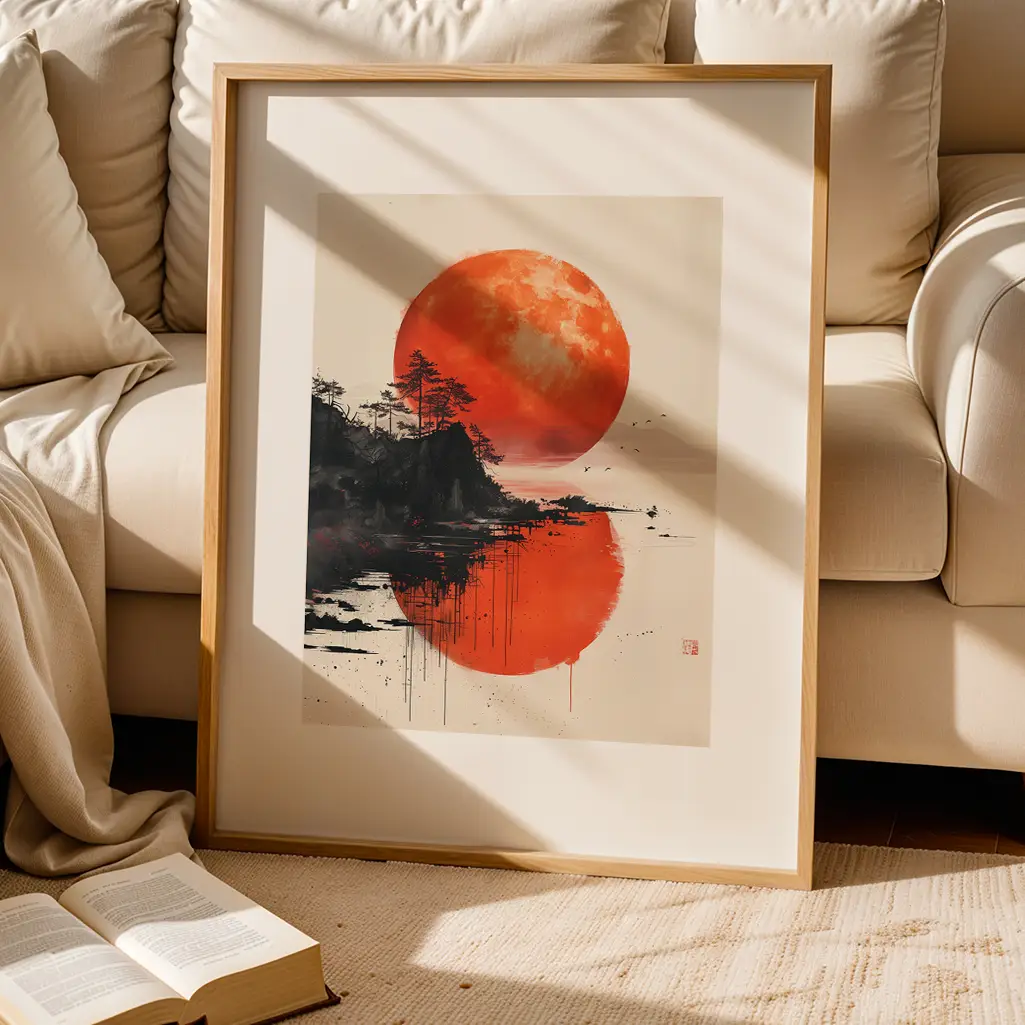
Clutter is not a moral failing, but it is an attention magnet. Piles of unsorted mail whisper about unfinished decisions; laundry folds a low hum of guilt into the background. When you select a meditation spot, try to ensure that the surfaces directly within your line of sight are as quiet as you can reasonably make them. This might mean clearing one nightstand, or hanging a single piece of art and leaving the wall around it unoccupied. The goal is not aesthetic perfection; it is reducing the number of visual stories your mind starts telling the moment you close your laptop.
Light becomes another collaborator. Harsh overhead bulbs tend to flatten a room and make your nervous system feel exposed. A table lamp with a warm bulb, a paper shade or even a strand of soft string lights can create a more forgiving atmosphere. Natural light does its own kind of work; sitting near a window where the sky is visible gives your attention somewhere gentle to rest when your eyes open. You are building what might be called a low-drama landscape: calm, legible and easy to inhabit without constant micro-decisions.
Texture and temperature complete the scene. The body is the instrument of meditation, so your seat should be comfortable enough that physical distress is not the headline of the session. Some people thrive on a floor cushion; others discover that an upright dining chair with a folded blanket under the feet is kinder to their backs. There is no virtue in misery here. Warm socks, a soft throw over your knees, a small rug underfoot can all quietly signal to the body that it has permission to soften. When the body settles, attention has less to argue with.
You might be tempted to stock this corner with spiritual objects to make it feel legitimate. There is nothing wrong with a statue, a candle, a crystal, a vase of branches or a small stack of well chosen books. The only real question is whether each object helps your nervous system exhale or pulls you into performance. A single candle you light only when you meditate can work as a practical ritual, marking off this time from the rest of the day. A carefully chosen stone on the windowsill may be enough to remind you that this is a place for quiet looking, not spectacle.
Over time, the space will start to remember your practice. Sit there often enough and the body begins to anticipate stillness when you enter that corner, much like it anticipates sleep when you slide into bed. This conditioning is one of the most powerful design tools you have, and it arises not from money spent but from repetition. Consistency turns a patch of floor into a small sanctuary.
Practicing Without Perfection: A Gentle Routine
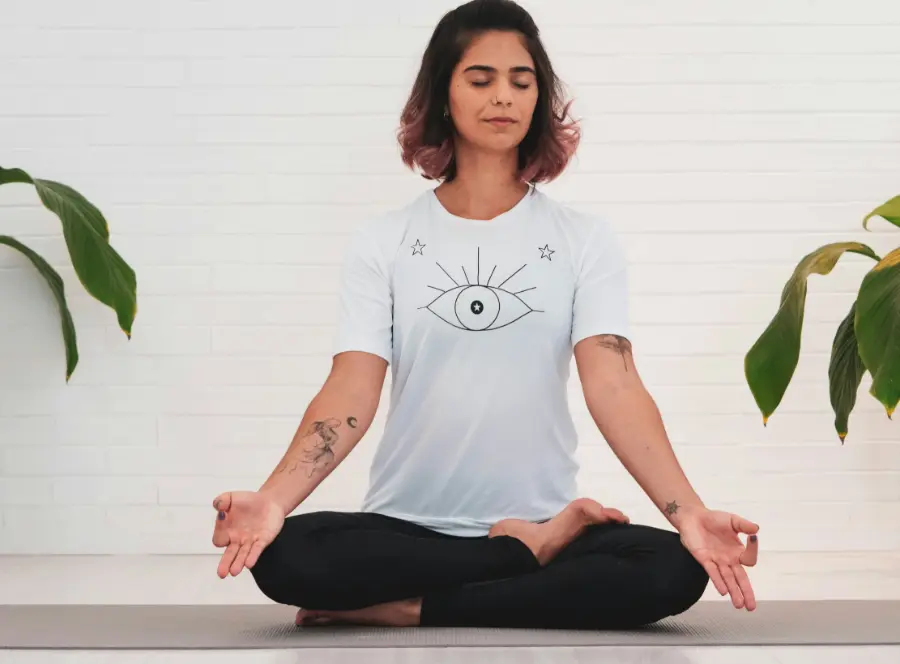
Once the space feels inviting, the question becomes what to do in it. The simplest entry point is often a timed period of noticing the breath. Choose a span so short that it feels almost trivial, perhaps five minutes. Set a quiet timer, sit in your chosen spot and allow your spine to be as upright as is comfortable without becoming rigid. You are not aiming for a monumental pose, only an alert one. Then direct your attention toward the physical sensation of breathing, wherever it is most vivid: the rise and fall of the chest, the movement of the belly, the air at the tip of the nose.
Thoughts will appear almost immediately. You will remember an email, replay a conversation, design a better living room in your head. None of this is a failure. The mental wandering is the material of the practice, not an interruption of it. Each time you notice that you have drifted, you mark the moment quietly and escort your attention back to the breath. The act of returning, repeated again and again, is the real training. It builds a subtle strength, the way repeatedly lifting a light weight eventually reshapes a muscle.
If focusing on the breath feels claustrophobic, you can expand the frame to include sounds, the feeling of the chair beneath you or the play of light on the wall. Some days, especially in a beautifully styled home, the environment itself becomes the object of attention: the curve of a ceramic cup, the grain of the floorboards, the way shadows pool behind furniture. Meditation in this mode is a way of experiencing your space more fully, noticing what your eyes and hands usually skim past.
Expect your mood to fluctuate. There will be calm sessions and restless ones; the room will feel serene some mornings and cramped on other days. The measure of progress is not how often you experience bliss but how willing you are to sit with whatever appears. A five minute session in which you repeatedly notice irritation and keep sitting is as valuable as one where you feel drenched in peace. The pressure to be transformed during each practice is itself just another thought you can watch, then gently release.
What sustains the habit is weaving it into the patterns you already have. Sit for a few minutes right after you make your morning coffee, or as the last act before you fold down the duvet at night. Think of it as a daily appointment with a quieter version of your home, one that exists beneath the noise of tasks and screens. Over weeks and months, that appointment shifts your baseline. You may still rush, snap, worry and procrastinate, but a small portion of your attention remains available, less entangled. Your home begins to feel slightly more like a refuge and slightly less like a staging area for everything you have not yet accomplished.
In the end, meditation without spiritual pressure is ordinary and subversive at once. It asks only that you sit still in a half cleared corner of your own life and look. The room does not have to be perfect, and neither do you. The consistency of your return, not the intensity of your experiences, is what quietly rearranges both the space you live in and the way you live inside your own mind.