Seeing a Blank Wall as a Quiet Invitation
A large empty wall can feel like a judgment. It can make a finished room look oddly incomplete, or worse, vaguely corporate. Yet in design terms, that same expanse is a gift. It is visual bandwidth, a generous field where you can set the emotional temperature of the entire space.
The best wall art for large empty walls does not start with what is trending, but with what the wall is “saying.” A long corridor wall is different from the dominant wall behind a sofa, which is different again from the expanse above a dining table. Each one is quietly asking about scale, rhythm and mood. Instead of treating art as decoration, think of it as a kind of architecture made of color, line and texture.
Begin with distance. The farther you stand from the wall, the larger your gestures can be. A huge living room wall read from across the room can handle a single commanding piece: an oversized photograph, a color field painting, a sculptural textile. Up close, in a hallway or over a desk, the eye welcomes more detail and variation: a series of smaller drawings, a tight grid of frames, or a thin picture ledge layered with pieces that invite slow looking.
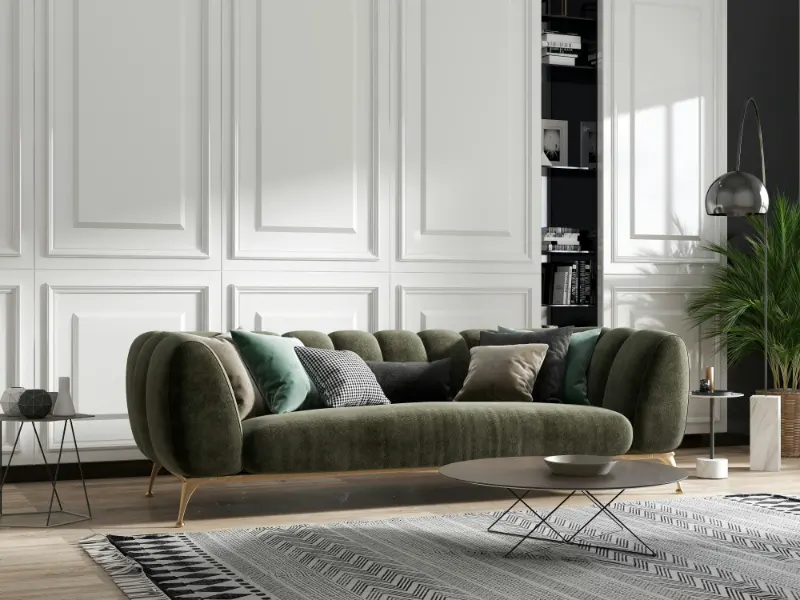
Scale is not just about size, but proportion. A common misstep is using art that is too small, floating in the middle of a big wall like a postage stamp on a package. A helpful rule of thumb is that the visual field of art above a sofa or console should be roughly two thirds to three quarters the width of the furniture beneath it. That might mean one large work, a diptych, or a collection of smaller pieces arranged to behave as a single, coherent shape. When a large wall looks “off,” it is often because the outline of the art does not echo the geometry of the room.
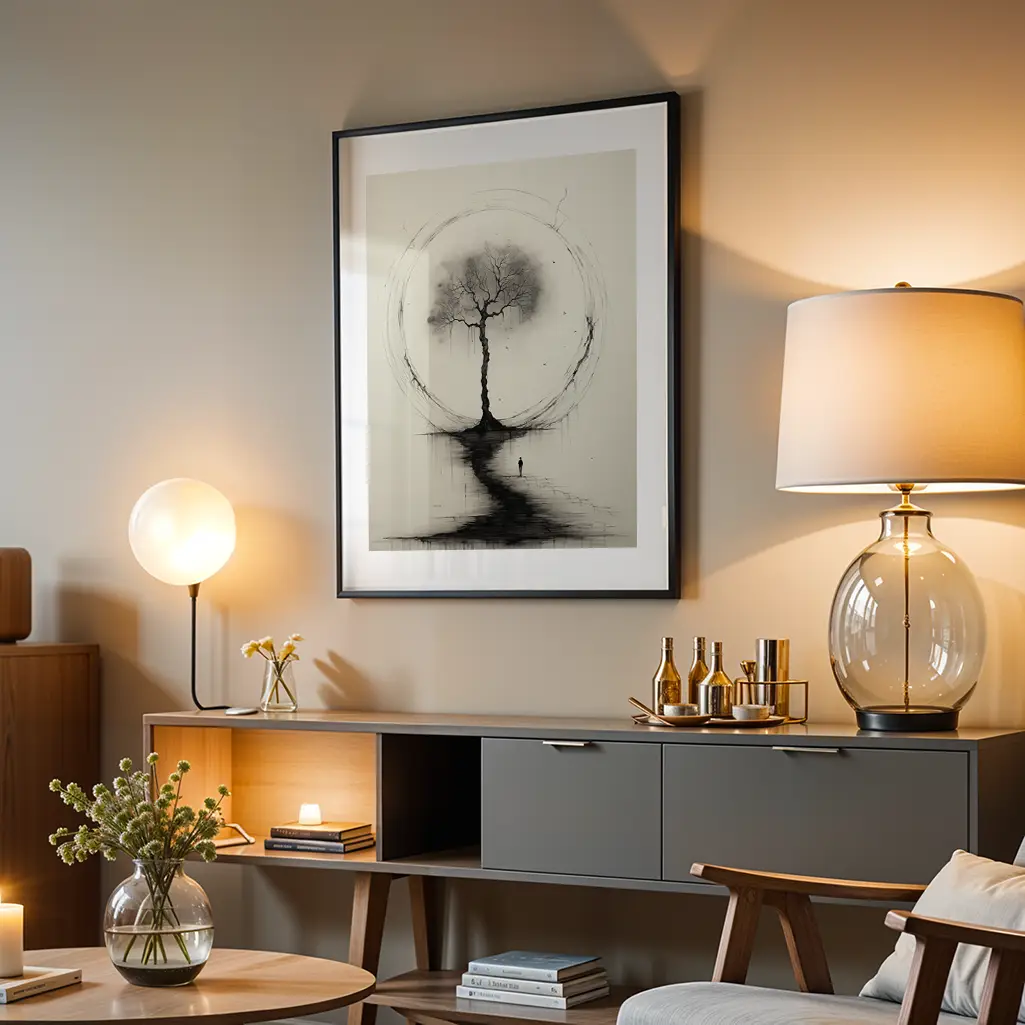
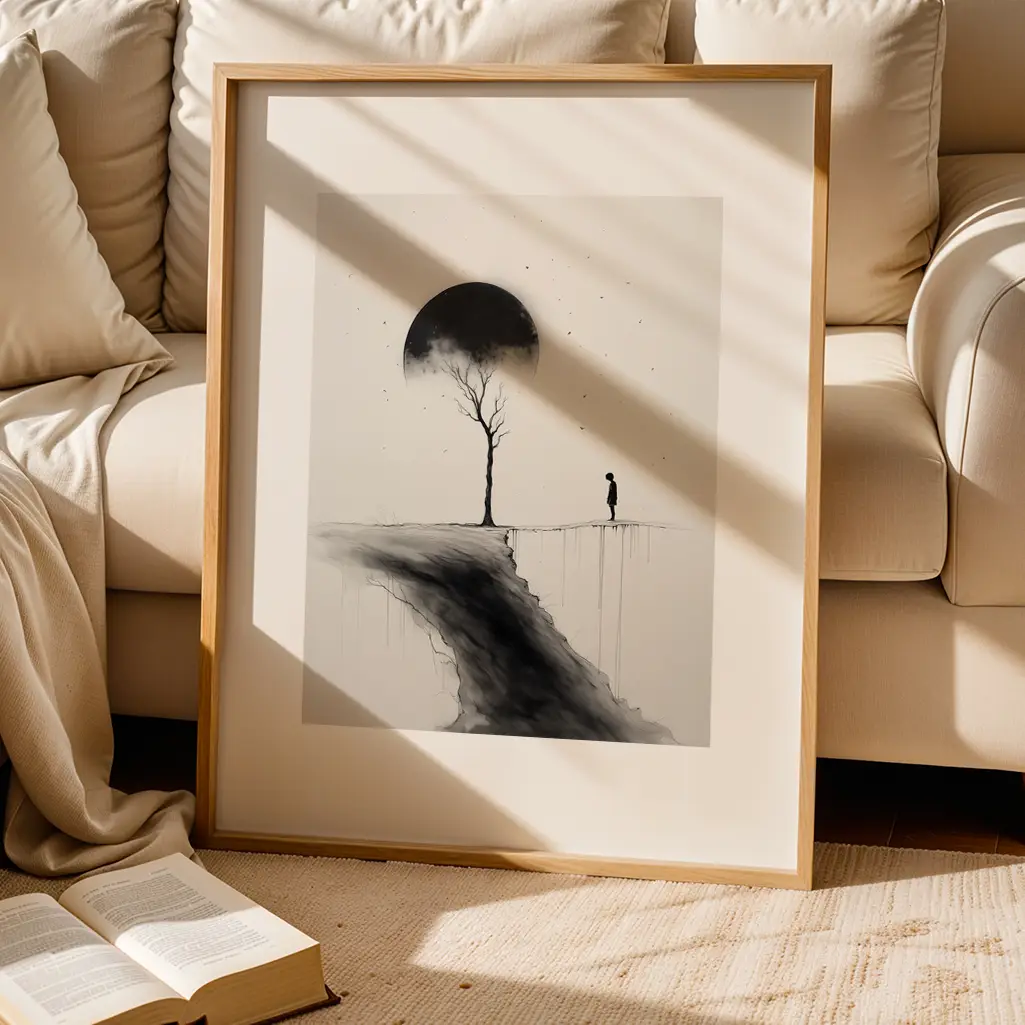
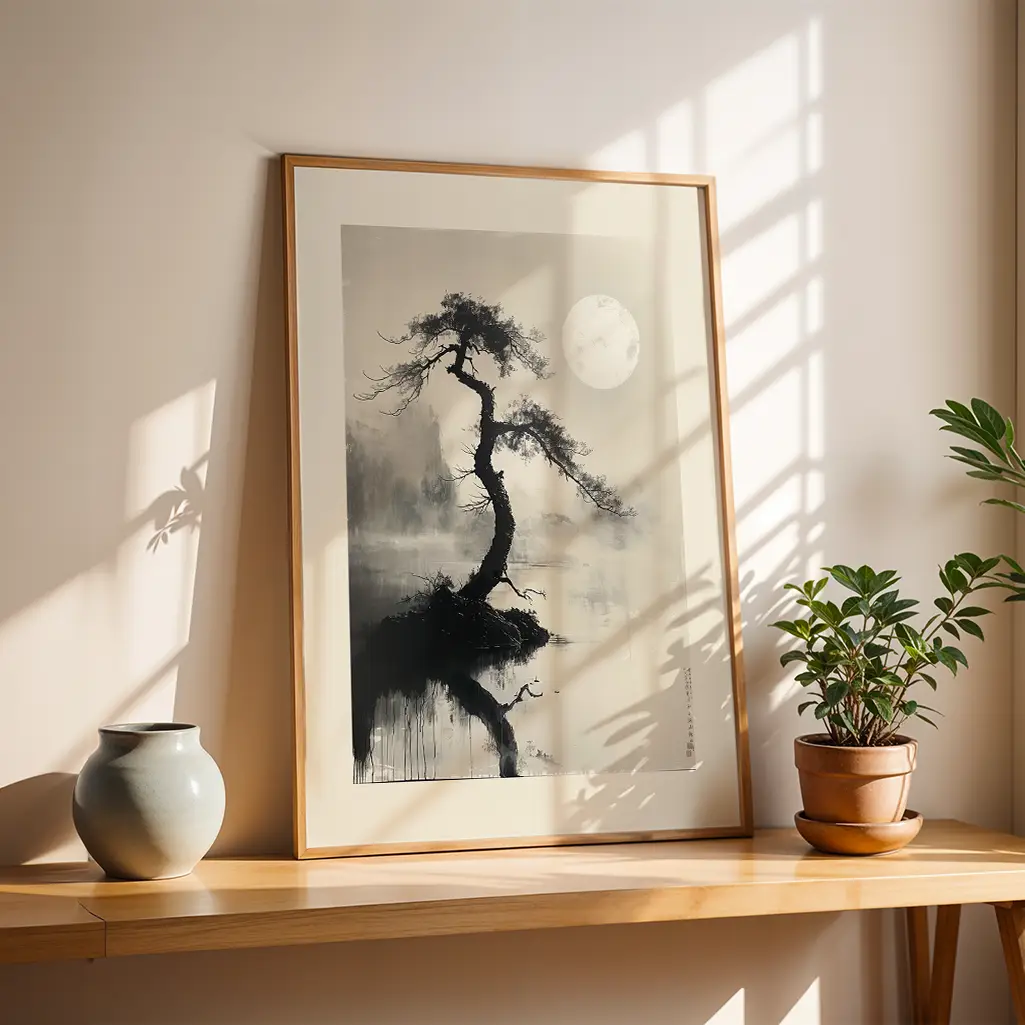
Then there is negative space. A large wall does not necessarily need to be filled. In a serene, minimal interior, a single piece with generous breathing room around it can feel like a quiet exhale. The surrounding emptiness becomes part of the composition, a kind of visual silence that allows the art to resonate more deeply. If your home already feels busy with color and pattern, choosing one or two large, calm pieces and resisting the urge to overfill the wall can restore a sense of balance.
Finally, think of art as an emotional thermostat. Before you search, finish the sentence: “I want this wall to make the room feel more…” Energized? Grounded? Intimate? Spacious? Warm woods, woven wall hangings, and organic forms soften sharp architecture. Graphic prints, bold abstractions and high-contrast photography sharpen it. On a big wall, even a small emotional shift can feel amplified.
Composing Scale, Color and Texture on a Big Surface
Once you understand what the wall is asking for, the question becomes how to compose. Large walls reward strategies that are more architectural than decorative. That might mean repeating elements, creating grids, or building in layers of depth rather than simply hanging one object at eye level and walking away.
A gallery wall is often the default answer for a big blank surface, but a successful one behaves like a single, well-edited work. Instead of collecting every frame you own, treat the arrangement as a composition of shapes. Lay pieces out on the floor, or trace their outlines on kraft paper and tape them up, adjusting until the outer silhouette feels intentional. Align a strong horizontal or vertical line through the grouping so that the chaos of varied images is anchored by a clear structure. On a large wall, discipline is the difference between “curated” and “cluttered.”
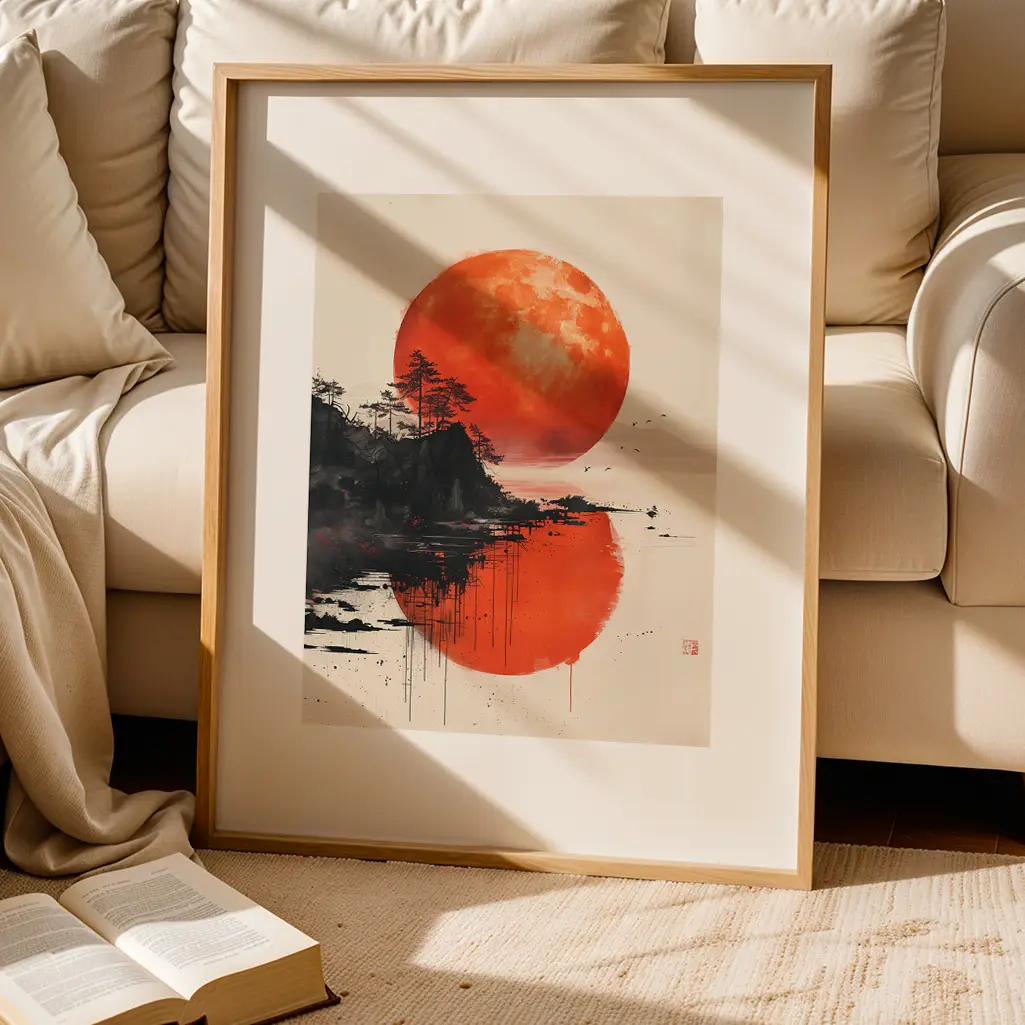
Color can either knit a wall into the existing room or gently disrupt it. To create calm continuity, echo one or two hues already present in your textiles or rug, letting the art extend those tones vertically. For more drama, introduce one new accent color through the artwork alone, allowing that shade to appear only in small touches elsewhere. The large surface of the wall becomes the primary stage where the new color plays, with the rest of the room responding quietly in the background.
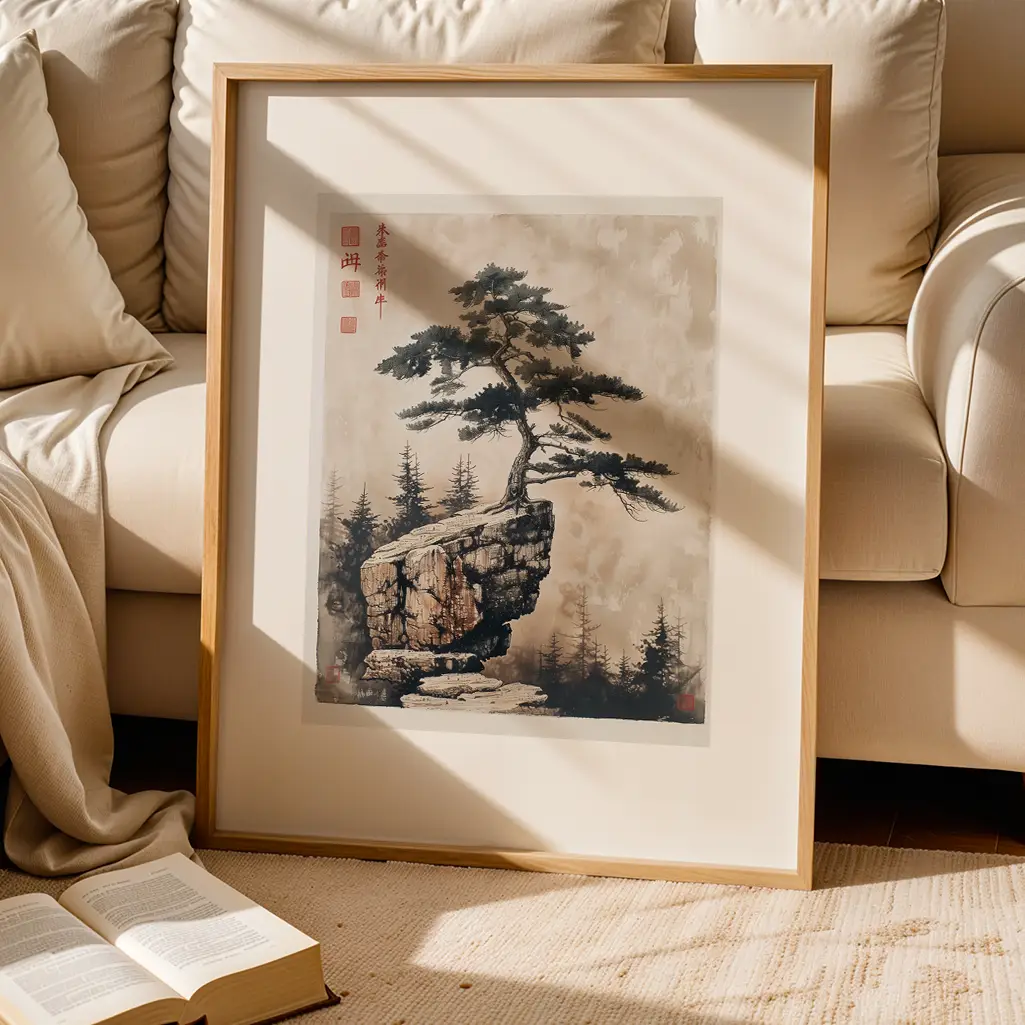
Texture is where large walls often come to life. Flat prints and photos can feel thin on an expansive surface if they are not balanced by something with depth: a framed textile, a large woven piece, a carved wood panel, even a shallow wall-mounted sculpture. Texture catches light differently over the course of the day, subtly changing the wall as the sun moves. On a big surface, that slow shift can make the room feel inhabited and alive, even in silence.
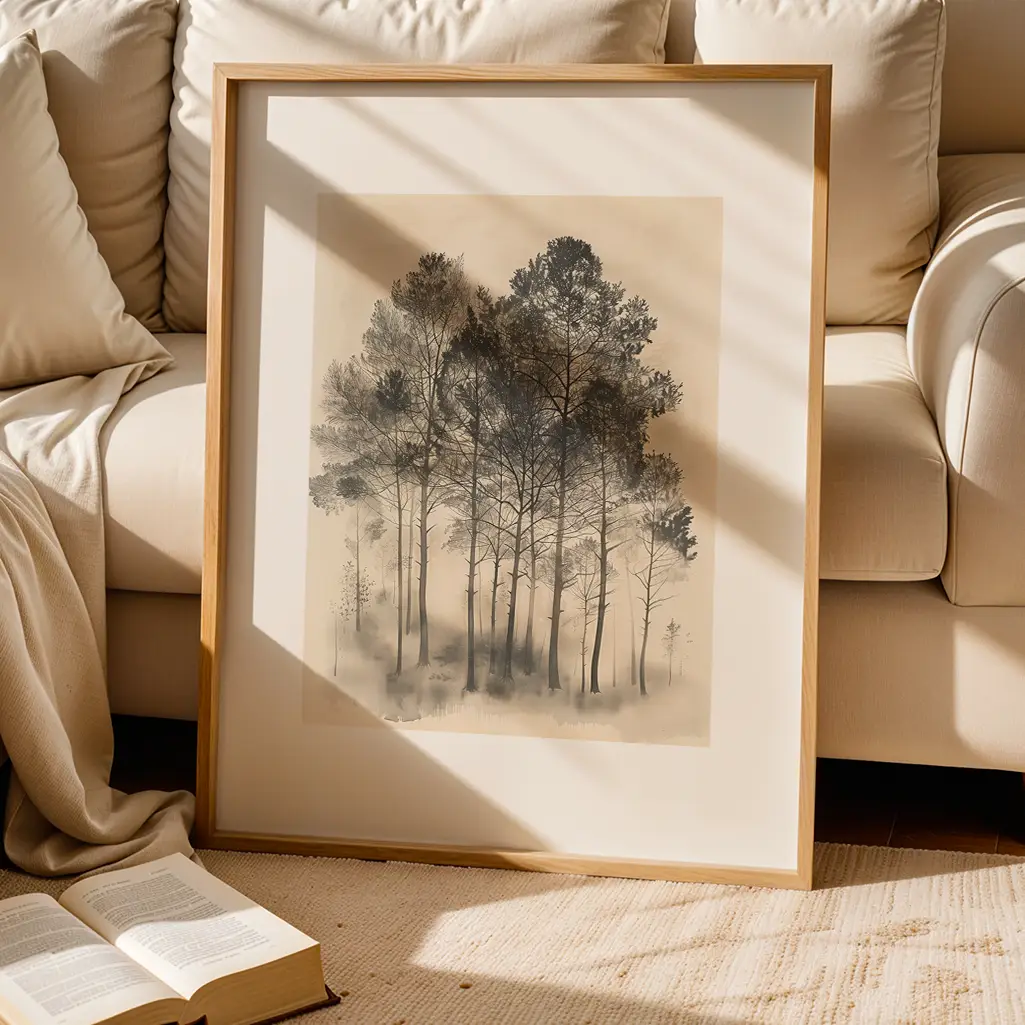
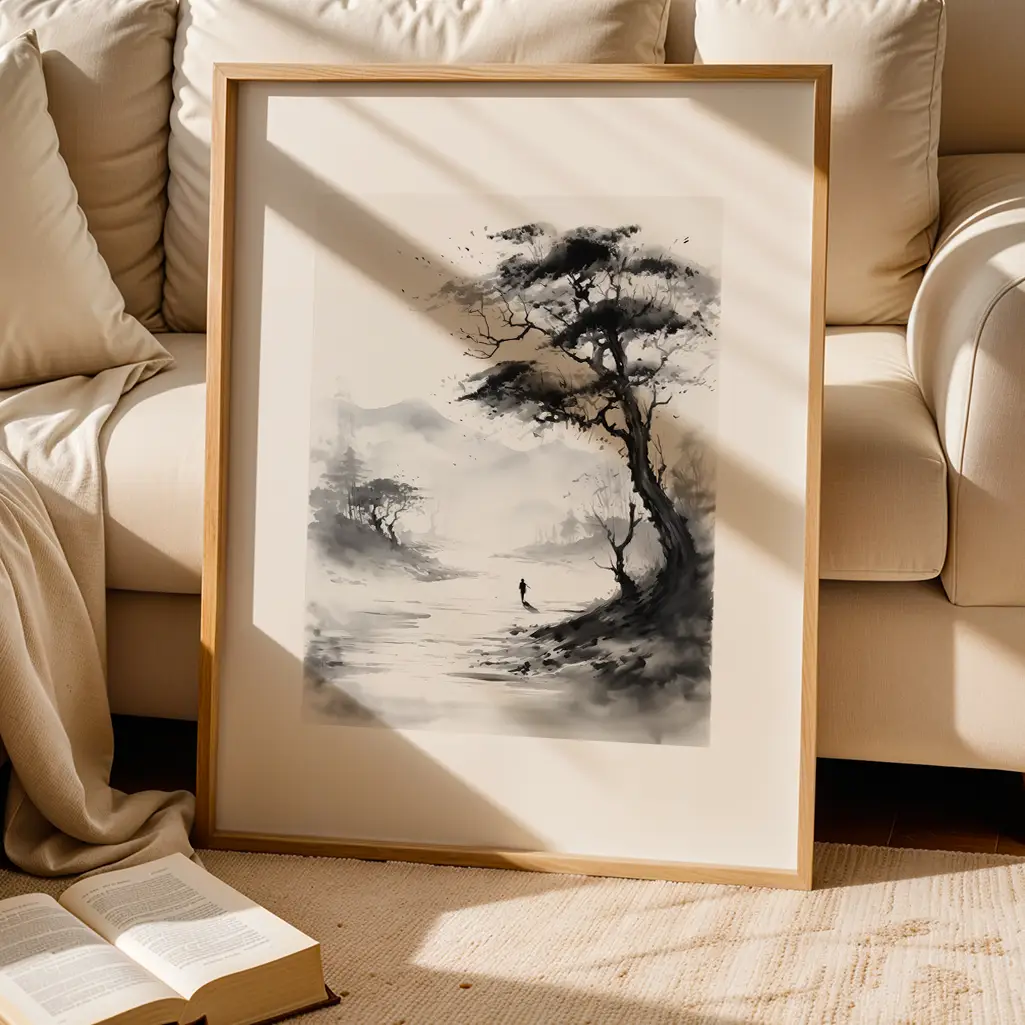
If you are drawn to a single oversized work but worry it might feel overwhelming, look to softness and simplicity. A large photograph in muted tones or an abstract painting with generous fields of quiet color can feel expansive rather than aggressive. Such pieces often become meditative anchors, especially in bedrooms and living rooms where you want the wall to hold your gaze without shouting for attention.
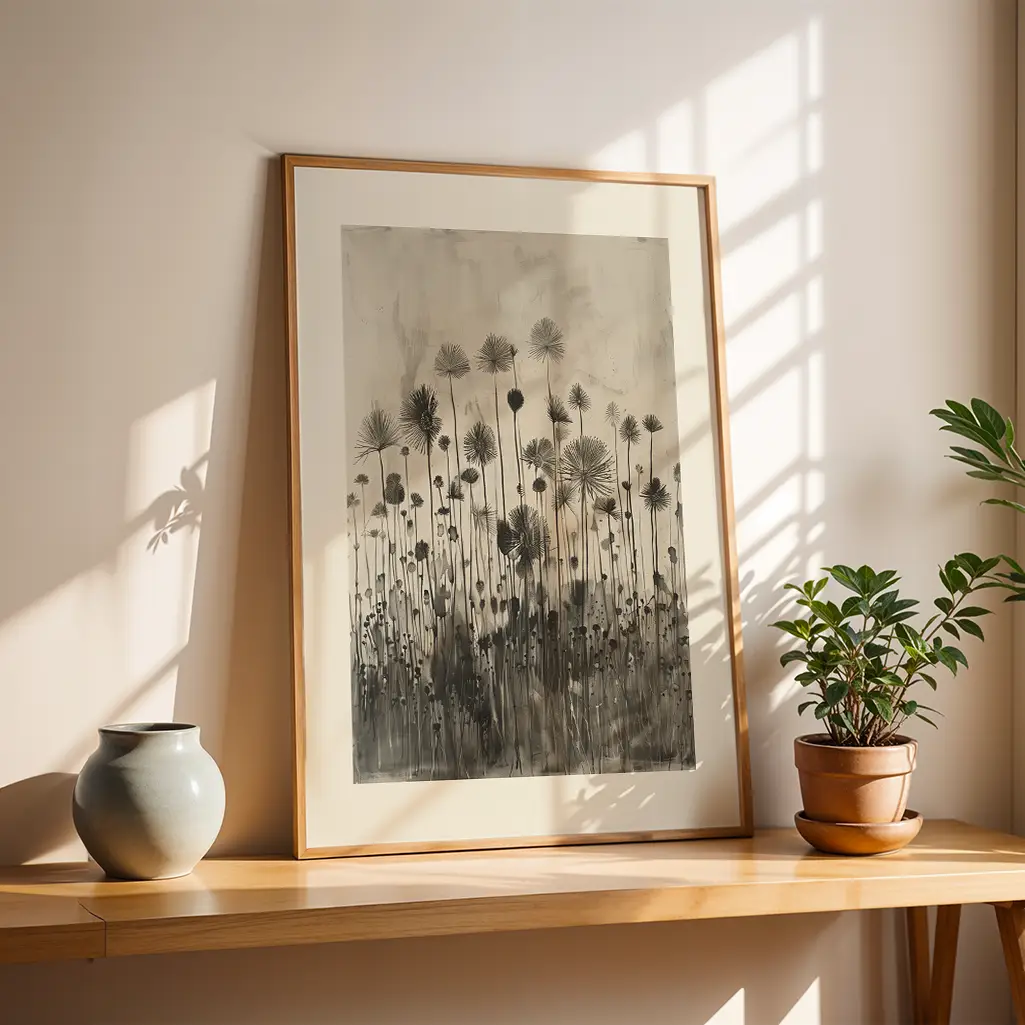
Remember that art does not need to be precious to be powerful. On a big wall, even humble materials can feel elevated. A series of your own black-and-white photographs printed at a generous scale, a collection of pressed leaves framed in a grid, or a hand-painted mural of simple geometric shapes can hold space as confidently as a gallery piece. The key is conviction: repeating a gesture until it reads as intentional, not tentative.
Letting the Wall Reflect a Life, Not a Catalog Page
The most successful large walls tend to reflect the rhythms of the life lived around them. Instead of filling a blank surface in one anxious weekend, let it grow with you. Start with one significant work placed with care. Over time, add companions: a framed postcard from a trip, a drawing from a child, a print traded with a friend. The wall becomes more like a journal than a showroom, its scale working in your favor by giving those additions room to breathe.
Think, too, about how your body moves in relation to the wall. If you pass close by, lower a few smaller works to hand level, inviting a pause and a closer look. If you mostly view it from across the room, ensure that the main forms read clearly at a distance, with finer details reserved for those who wander nearer. A well-considered large wall offers layers of discovery; it rewards both the quick glance and the lingering gaze.
Lighting is the final collaborator. A perfectly chosen piece on a big wall can feel oddly flat under a single overhead fixture. A slim picture light, an adjustable wall sconce or even a nearby floor lamp angled thoughtfully can sculpt the art, pulling it forward from the plane of the wall. At night, that illuminated surface becomes a kind of quiet hearth, a visual gathering place even when no one is sitting directly beneath it.
Ultimately, the best wall art for large empty walls is less about impressing anyone and more about creating a resonance between the room and its occupants. A large surface gives you permission to be bolder, but also to be quieter in a more deliberate way. When you choose pieces that echo your own tempo and arrange them with care, the once-intimidating expanse stops feeling like a void to be filled. It becomes a landscape, one that reflects not just your taste, but the particular way you want your home to feel when you finally sit down and let the walls speak back.