The Quiet Power of Clearing the Stage
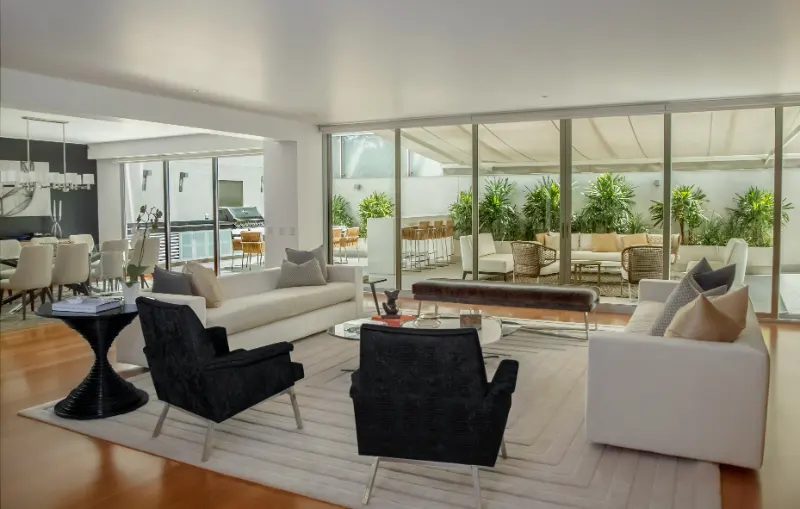
A calm room is less about what you buy and more about what you allow to remain in view. In a single afternoon, you can change how your home feels by treating it like a small stage: edit the cast, simplify the backdrop, and let a few objects speak more clearly.Begin with the surfaces that shout at you when you walk in. The entry table, the kitchen counter, the nightstand: these are daily landing pads where objects accumulate faster than you can name them. Rather than thinking of this as full scale decluttering, try a short, focused round of what some designers call a "quiet sweep." Take everything off one surface and place it on the floor or a nearby chair. Then, return only what either serves a clear function today or adds a genuine feeling of calm.
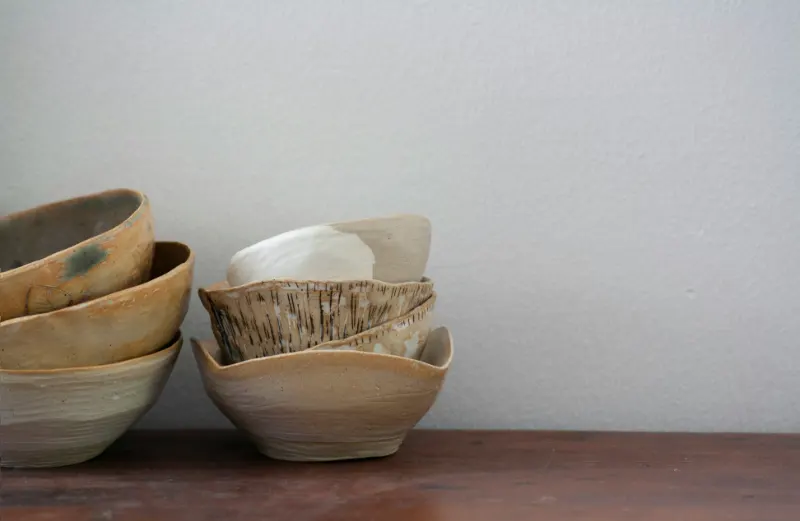
This is not about reaching a minimalist ideal but about reducing what psychologists describe as "visual noise." Our eyes and brains must constantly process every object they see. When there are too many, attention frays and stress rises, even if you do not consciously register it. By paring surfaces down to a small tray with keys, a bowl for mail, and perhaps a single plant or stone, you trade scattered signals for one coherent message.
Think in simple zones rather than entire rooms. Give yourself one hour for three small areas: the surface you see first when you enter, the one you face most during the day, and the one you look at last before sleep. Addressing these three sightlines, even modestly, recalibrates how your home feels because they bookend your daily experience.
After the first pass, look at each zone and ask a deceptively simple question: "What here is asking for my attention that does not deserve it every day?" The unpaid bill, the half finished project, the stack of magazines you intend to read will all tug at you in the background. Relocate these to a designated "in progress" basket or box that lives out of your immediate field of view. Calm, in this sense, is not denial but containment. You acknowledge the unfinished while declining to let it dominate your interior landscape.
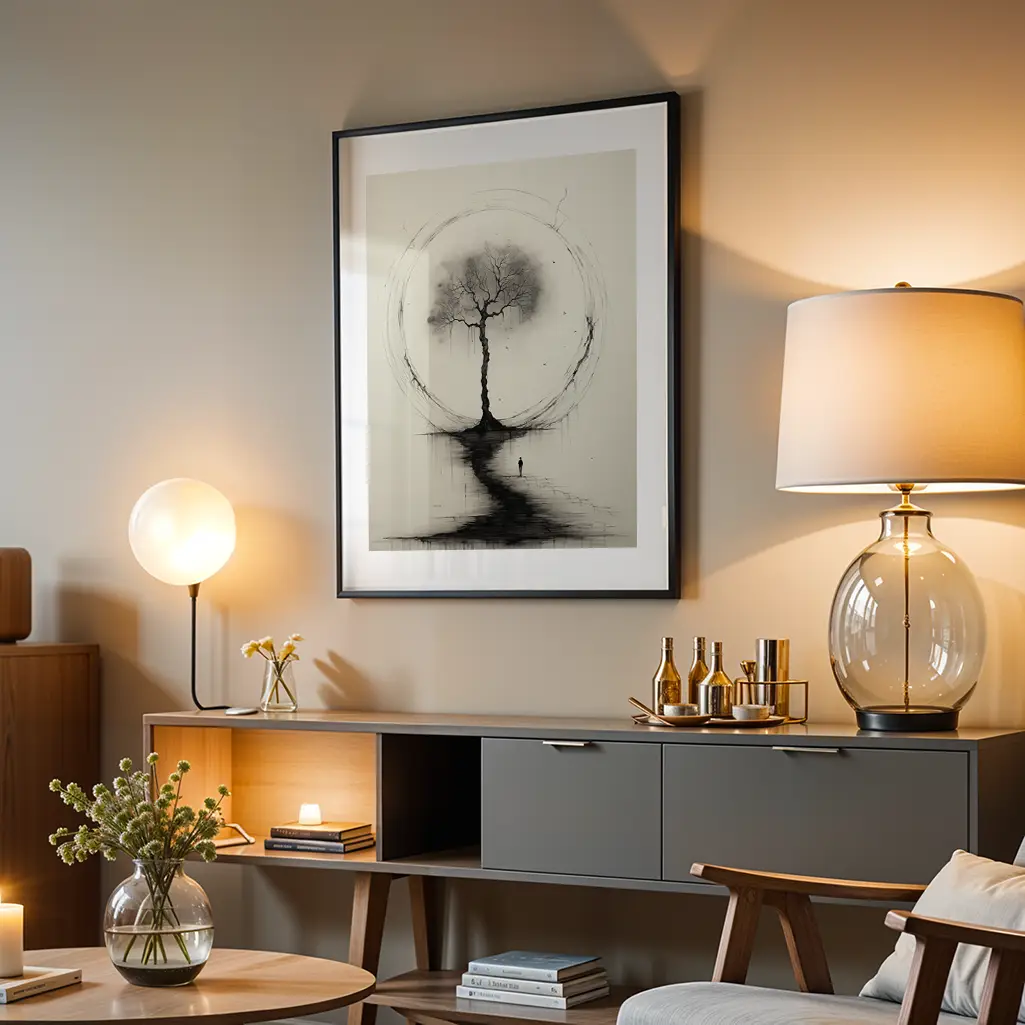
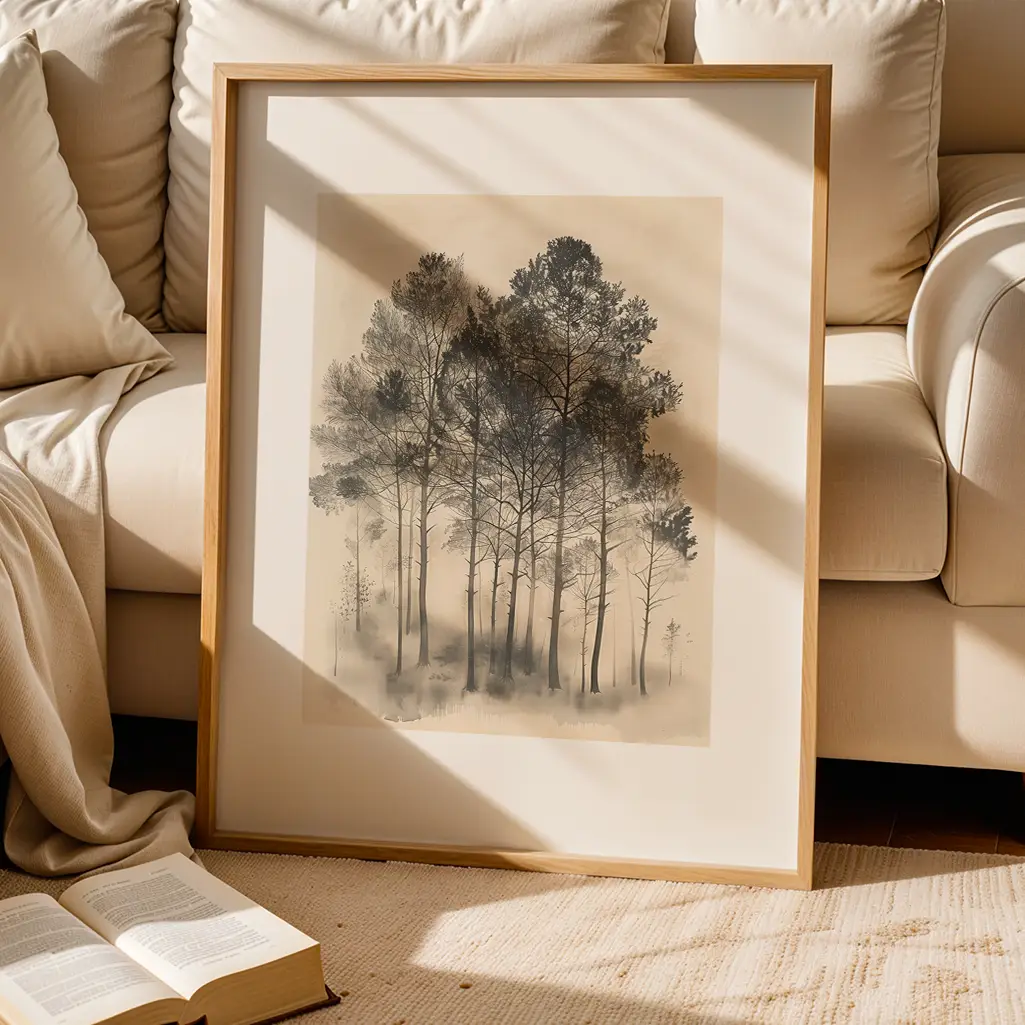
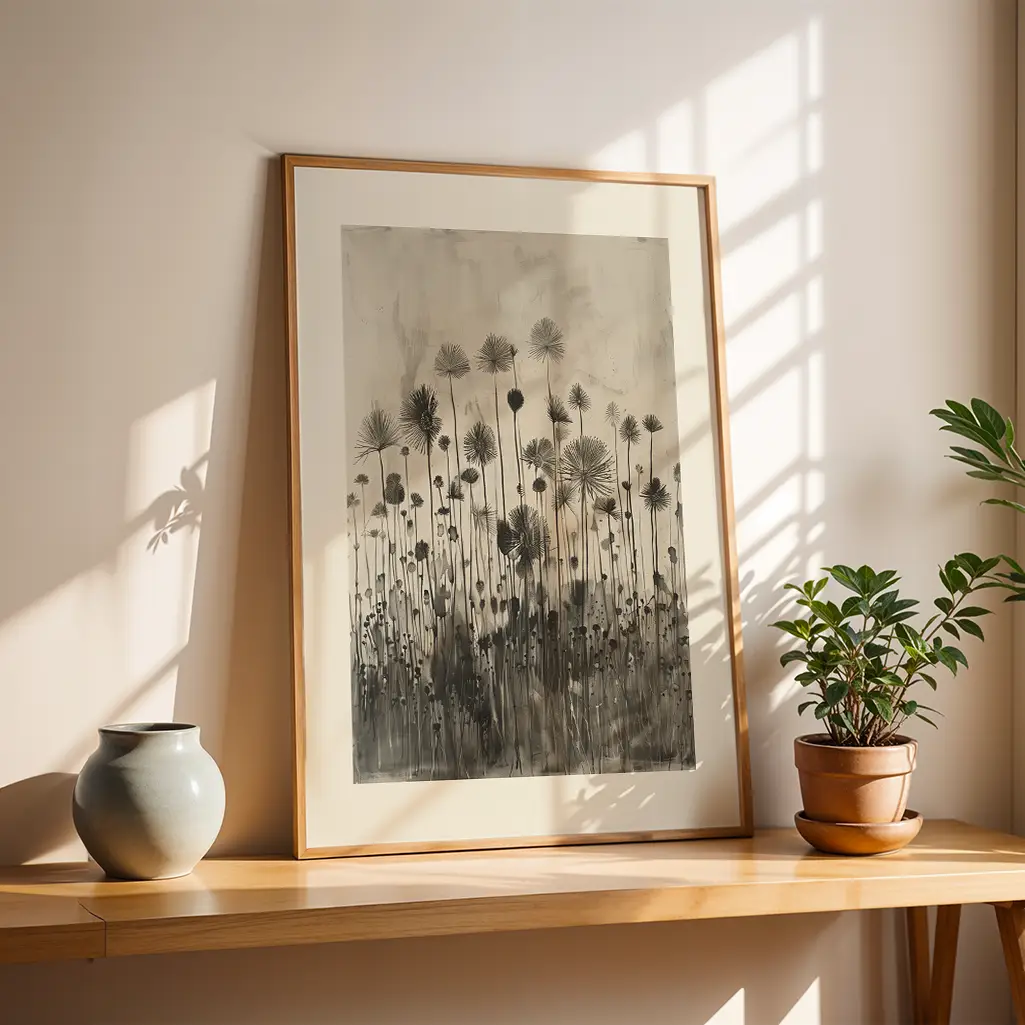
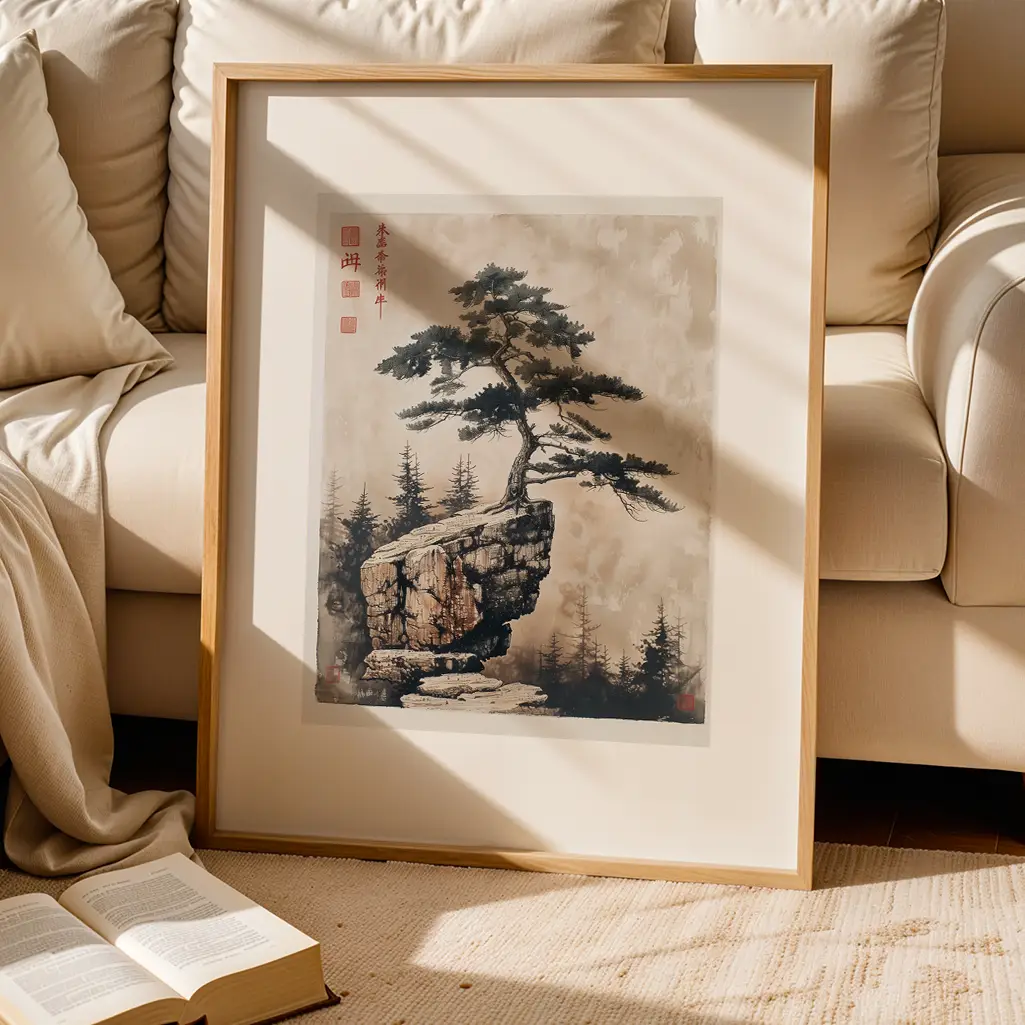
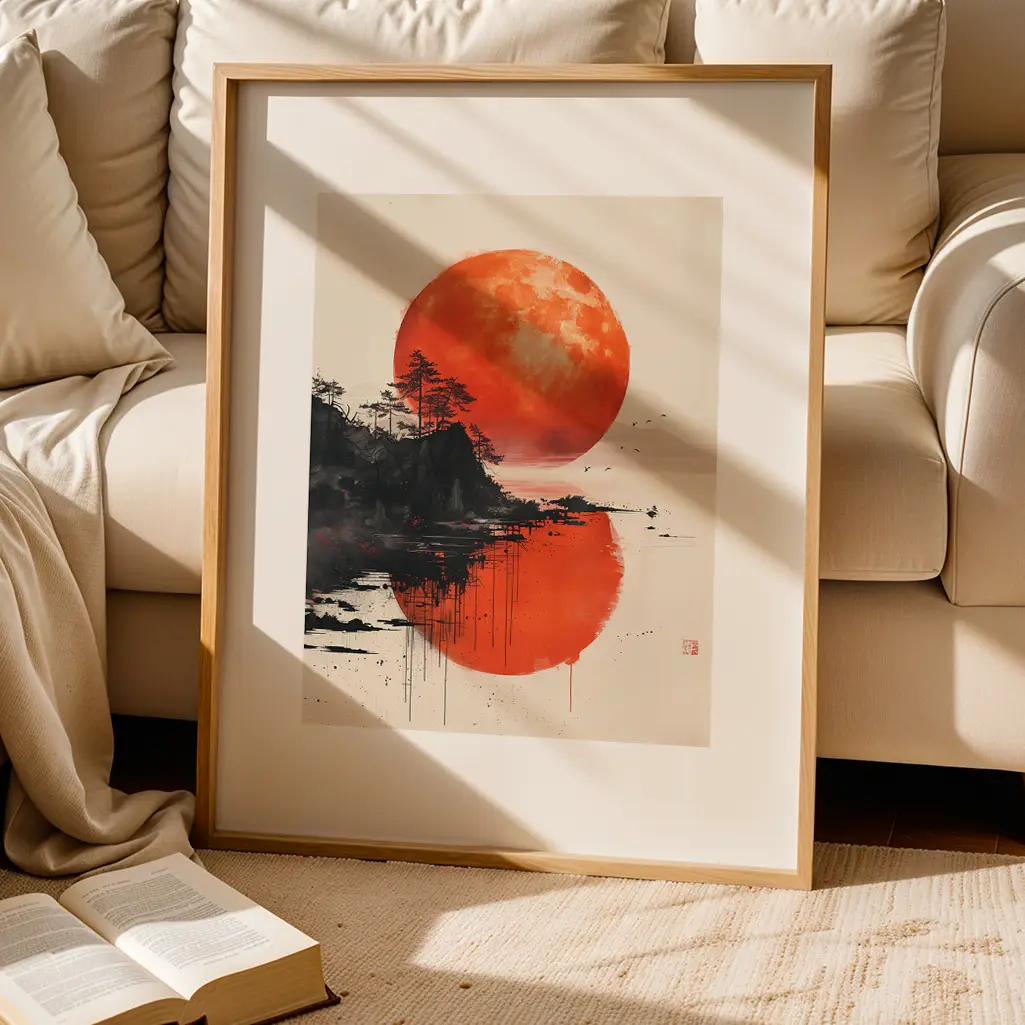
Finally, consider the backdrop itself. If there is one small wall you can clear of random hooks, outdated art, or mismatched frames, do it. Leave it bare for a day or two or hang just one piece you truly like. Empty wall space is often the most underrated luxury a room can offer. It gives your eyes a place to rest and frames the objects you do keep, much in the way a museum uses blank walls to honor a single painting.
Light, Texture, and the Fine Art of Softenings
Once you have reduced the visual noise, the next layer of calm comes from what architects think of as the "soft envelope" of a space: how it holds light, sound, and touch. None of this requires major renovation. It asks instead for a shift in how you tune the room.Start with light. Most homes default to a single overhead fixture, which tends to flatten everything and sharpen edges. In one afternoon you can reorient the room toward what designers call "pooled light" by using table and floor lamps, candles, or even a string of warm white fairy lights tucked discreetly along a shelf. Aim for three small, low intensity sources at different heights rather than one powerful one. The result is a gentler gradient from shadow to brightness, closer to the way natural light works in the early evening.
If you have harsh daylight, the goal is to filter, not block. Simple sheer curtains, a gauzy textile hung temporarily, or even a light scarf draped over a high, bare window can turn a sharp beam into a soft wash. Notice how the character of the room changes when the light is diffused. Hard edges blur, colors deepen, and objects feel less insistent, as if they have taken a small step back.
Next, consider sound and texture as a quiet duet. Rugs, even small ones, are not just decorative; they absorb echo and footstep noise, giving the room a hushed, grounded quality. A single textile tossed over the back of a chair or folded at the end of a bed can change the emotional temperature of the space. Designers often talk about "hand feel" for this reason. When you sit down at the end of the day, your body will remember if the surface that greets you is scratchy, slippery, or kind.
You do not need to buy anything new. Walk through your home and borrow textures from one room to calm another. A bedroom throw might spend a season in the living room; a tablecloth might become a temporary curtain. Think of this as a very small, very personal form of set design. You are simply asking, "What textures help me exhale, and where do I most need that sensation?"
Scent is another fast, subtle tool. Instead of layering multiple fragrances, choose one gentle note for an entire zone. That might be a single candle, a simmering pot of citrus peels and cinnamon on the stove, or a drop of essential oil on a cotton pad tucked near a warm lamp. One clear scent is calming in the same way that one central melody is easier to follow than noise from every direction.
Creating a Small Ritual Corner
The final move you can make in one afternoon is to designate a specific corner for quiet ritual, even if your home is small. This is not necessarily a formal meditation space, though it can become one. Think of it as a modest "landing pad" for your nervous system, a place that signals, simply by existing, that it is possible to pause.Choose a spot that you naturally pass but do not yet use well: the end of a hallway, a forgotten chair near a window, a piece of floor between a bookshelf and a wall. The space itself can be tiny, but the intention around it should be clear. Remove anything that speaks of tasks or obligations. Add instead a few objects that are quiet but specific: a book you love, a small plant, a stone or shell from a place that matters to you, a cushion or folded blanket.
What you are building is not decor for its own sake but what psychologists sometimes call an "anchor." When you see this corner, you remember a behavior you want to reinforce. Perhaps it is five minutes of reading before bed rather than scrolling, two minutes of breathing before you leave the house, or one cup of tea enjoyed without a screen. The space becomes a physical nudge toward the life you say you want, rather than the life that simply happens.
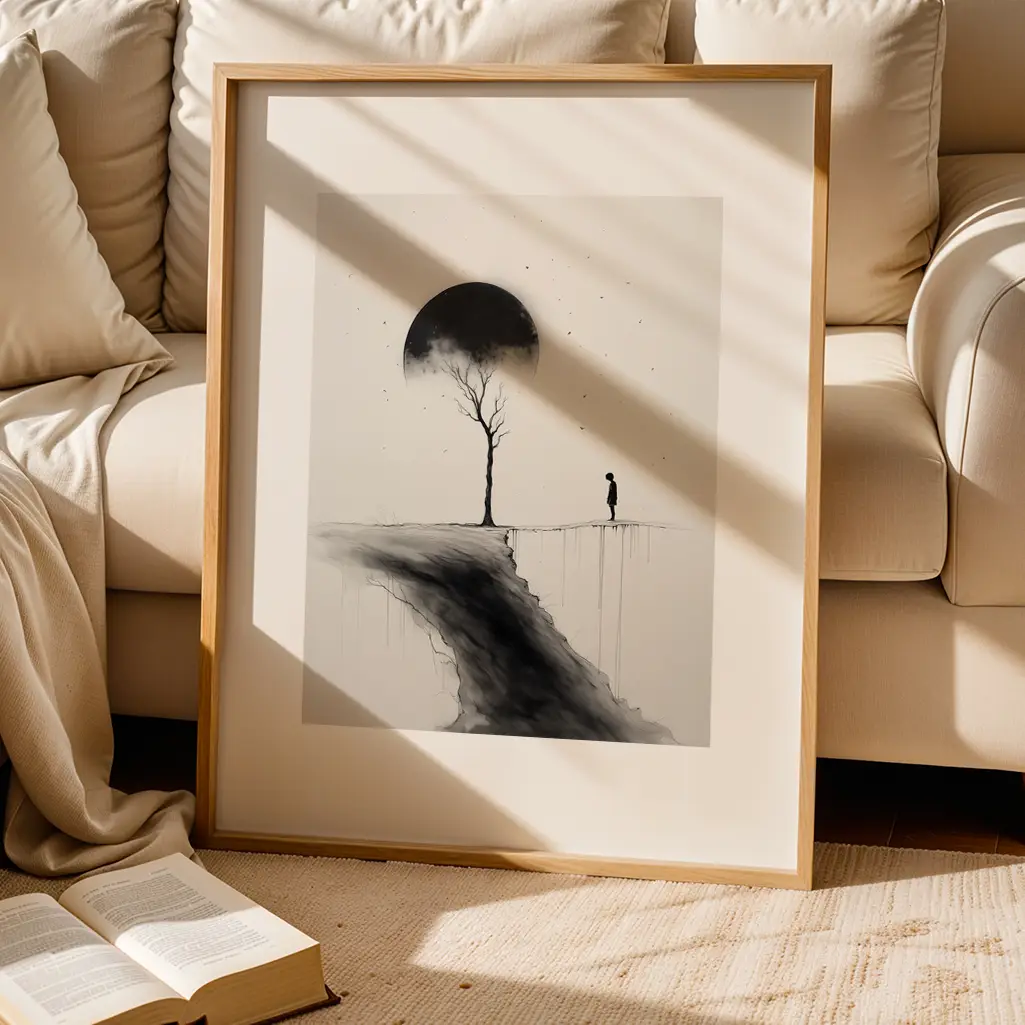
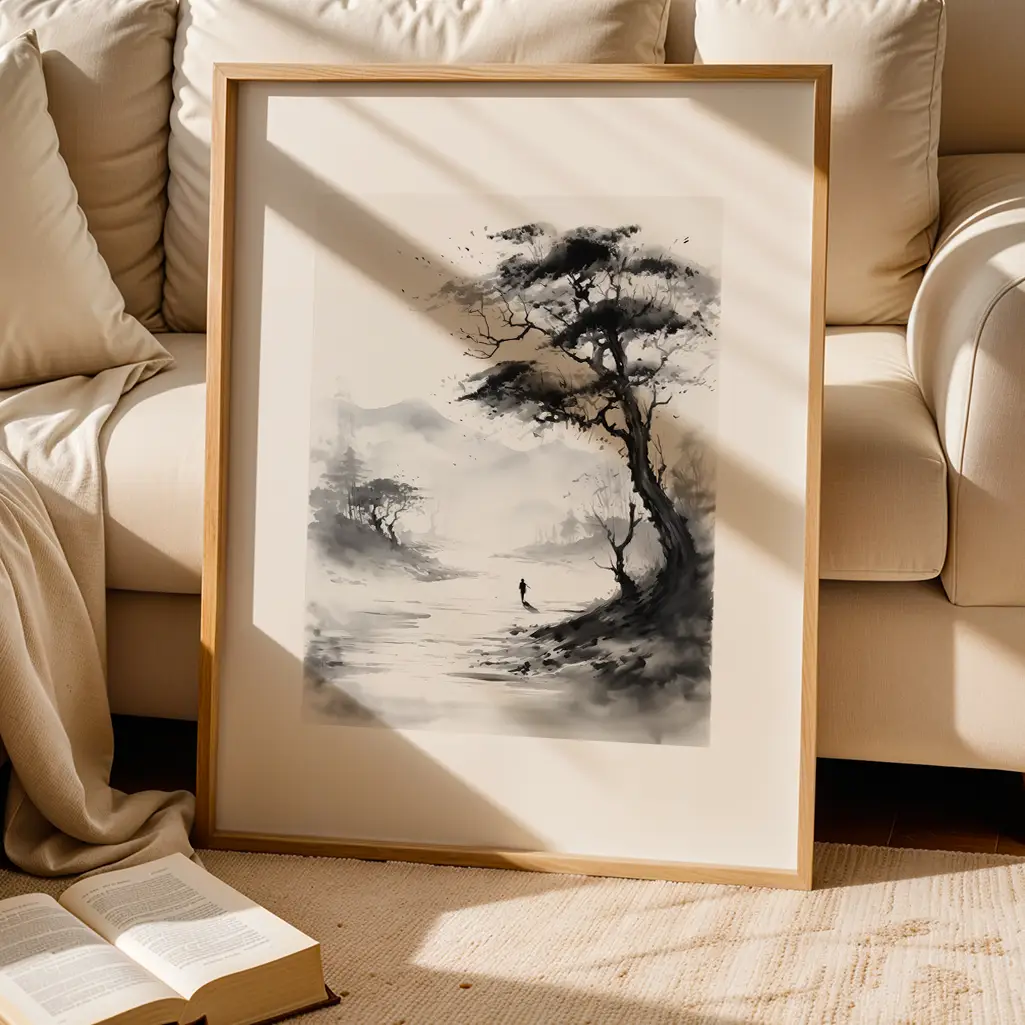
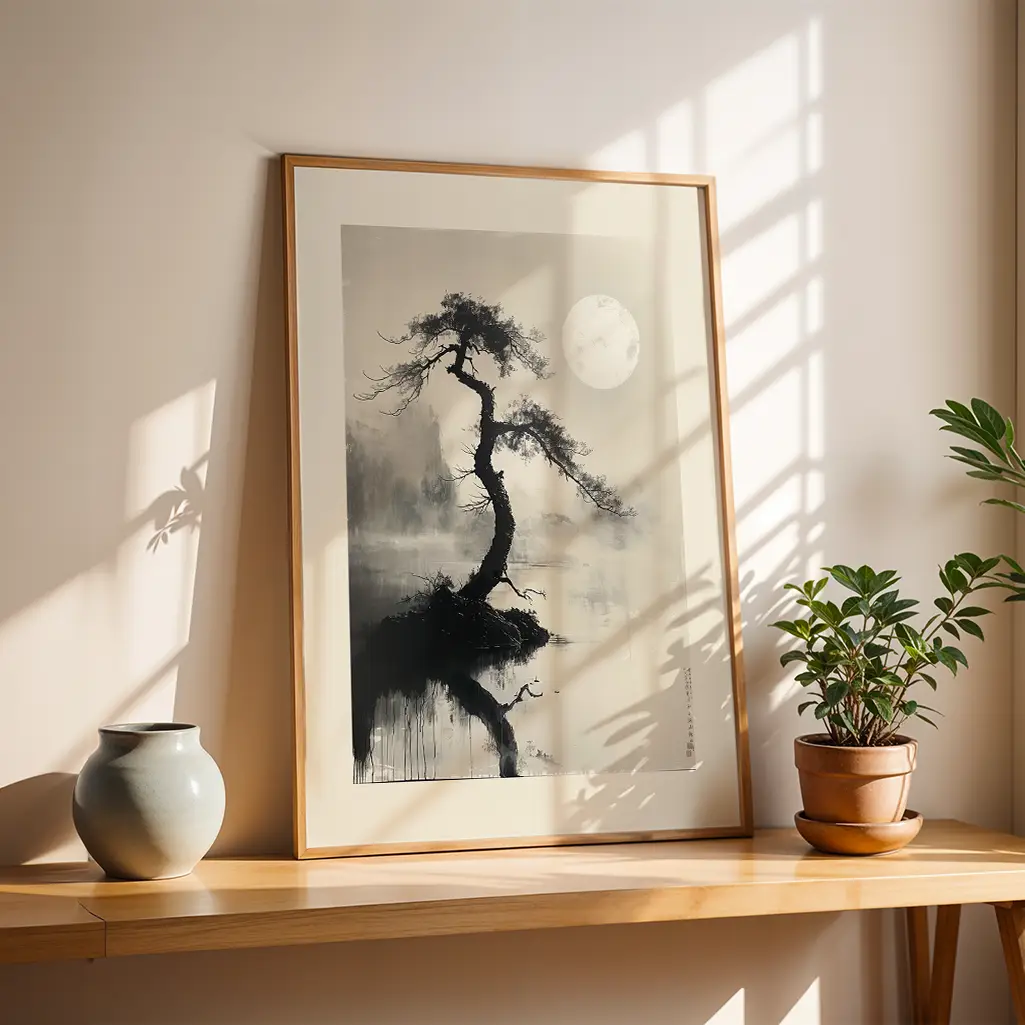
This is also an opportunity to revisit your walls and shelves. Instead of filling every inch with imagery, choose one photograph or artwork for this corner that suggests spaciousness. It might be an open landscape, an abstract wash of color, or even a blank page framed with intention. The content matters less than the feeling of openness it evokes when you glance at it.
Once your ritual corner is arranged, sit there for a moment and look back at the room you have changed in one afternoon. The surfaces are quieter, the light gentler, the textures kinder. None of this is permanent; homes, like lives, are in constant revision. But you have established a new baseline, a slightly more generous rhythm. From here, future changes can be made with the same question in mind: "Does this help the room, and me, to breathe more easily?"
.webp)