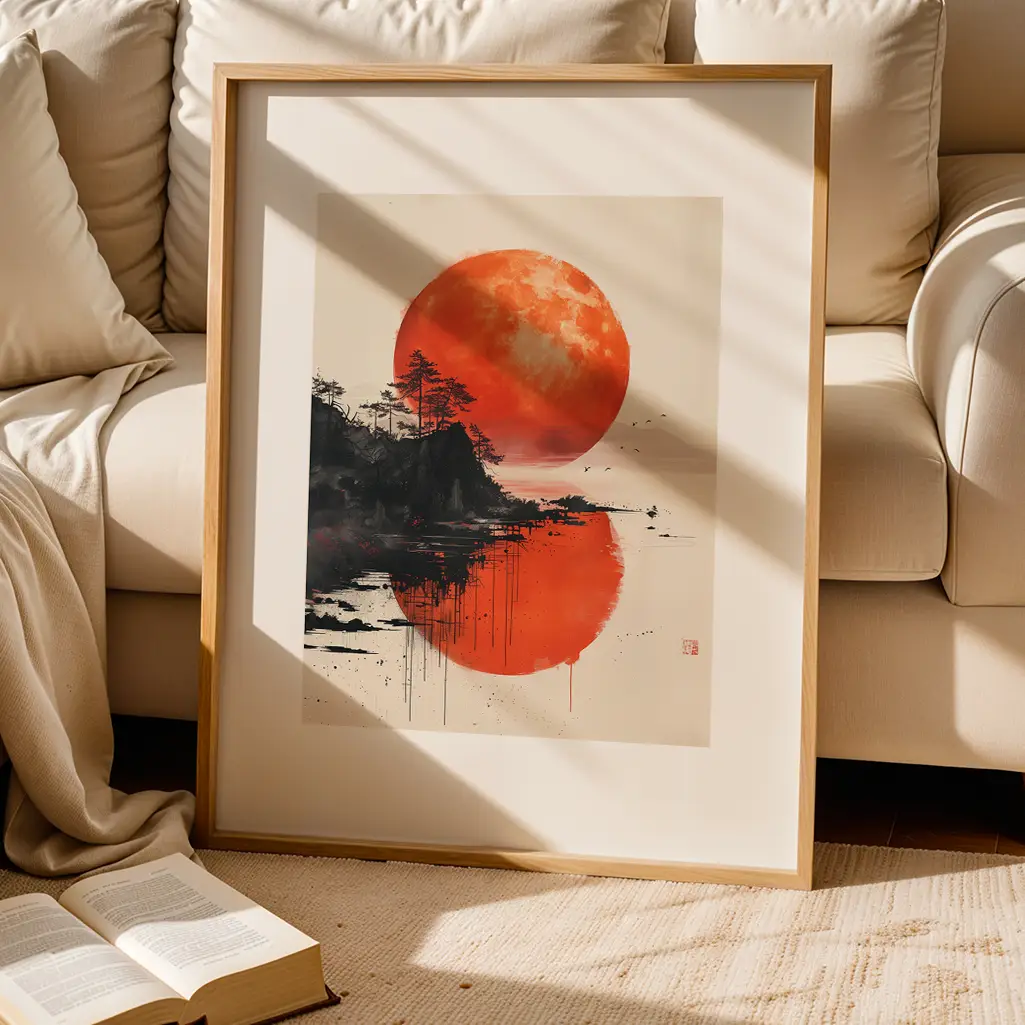

The Quiet Art of Feeling Cozy Without the Chaos
Cozy and cluttered are often mistaken for twins. In daylight, though, they reveal themselves as distant cousins: one is about comfort, the other about accumulation. A bedroom that truly feels like a retreat is less a storage unit for your personality than a carefully edited stage for it. The aim is not to have more things, but to let the right things matter more.Designers sometimes talk about “visual noise” the same way musicians talk about static. Too many patterns, objects and half-finished ideas compete for your eye, making rest feel strangely like work. A cozy bedroom that does not look cluttered, by contrast, is tuned like a piece of music. There are crescendos of texture, quiet pauses of empty wall, and a steady rhythm of repeated colors that feels instinctively calm.
The first step is to decide what role your bedroom is meant to play beyond sleep. Is it a reading nook, a place for meditation, or simply a soft landing at the end of the day. Once you answer that, you can arrange the room as a landscape with clear zones rather than a catchall container. A chair with a throw and a small lamp can define a reading area. A low table with a candle and nothing else can mark a spot for reflection. The bed, not the dresser or the TV, becomes the visual anchor and emotional center.
Think of your walls and floors as negative space, not emptiness. In Japanese interiors, restraint is an act of hospitality: leaving space is a way of making room for the person who enters. A plain section of wall above a headboard, a patch of bare floor near the window, a clear nightstand surface that holds only a book and a glass of water; all of these become breathing room for the mind. Editing is not an act of deprivation but a quiet generosity toward your future, tired self.
Color plays a subtler role than the internet’s endless parade of paint trends suggests. Warmth comes less from intensity than from harmony. A limited palette of three or four tones will feel cozier than a rainbow of good intentions. Think about how you actually experience the room: mostly at night, in dim light. Soft off-whites, sand, mushroom, rose-gray and inky blues absorb lamplight, flattering the skin and calming the eye. If you crave bolder color, keep it concentrated, perhaps in one quilt or a single piece of art, rather than scattering it across every cushion and curtain.
Layering Warmth Without Adding Visual Weight
Cozy bedrooms are often built from layers, not stacks. A stack is what happens when we add more of the same thing: more pillows, more souvenirs, more small storage boxes in slightly different shades. A layer, by contrast, introduces a different sense or texture that makes the room feel richer without busier. One wool throw on a smooth cotton duvet is a layer. A linen curtain that softens hard daylight is a layer. The goal is to engage your senses without demanding your attention.Start with the bed as your quiet centerpiece. Choose simple, high quality basics and let texture do the talking. Crisp percale or washed linen sheets, a plain duvet cover, perhaps a matelassé coverlet folded at the foot. If you must have decorative pillows, treat them like punctuation marks rather than a full alphabet. Two sleeping pillows and one or two smaller cushions are enough to signal comfort without turning bedtime into an obstacle course. The absence of a crowded headboard immediately makes the room feel more spacious, even if the square footage has not changed.
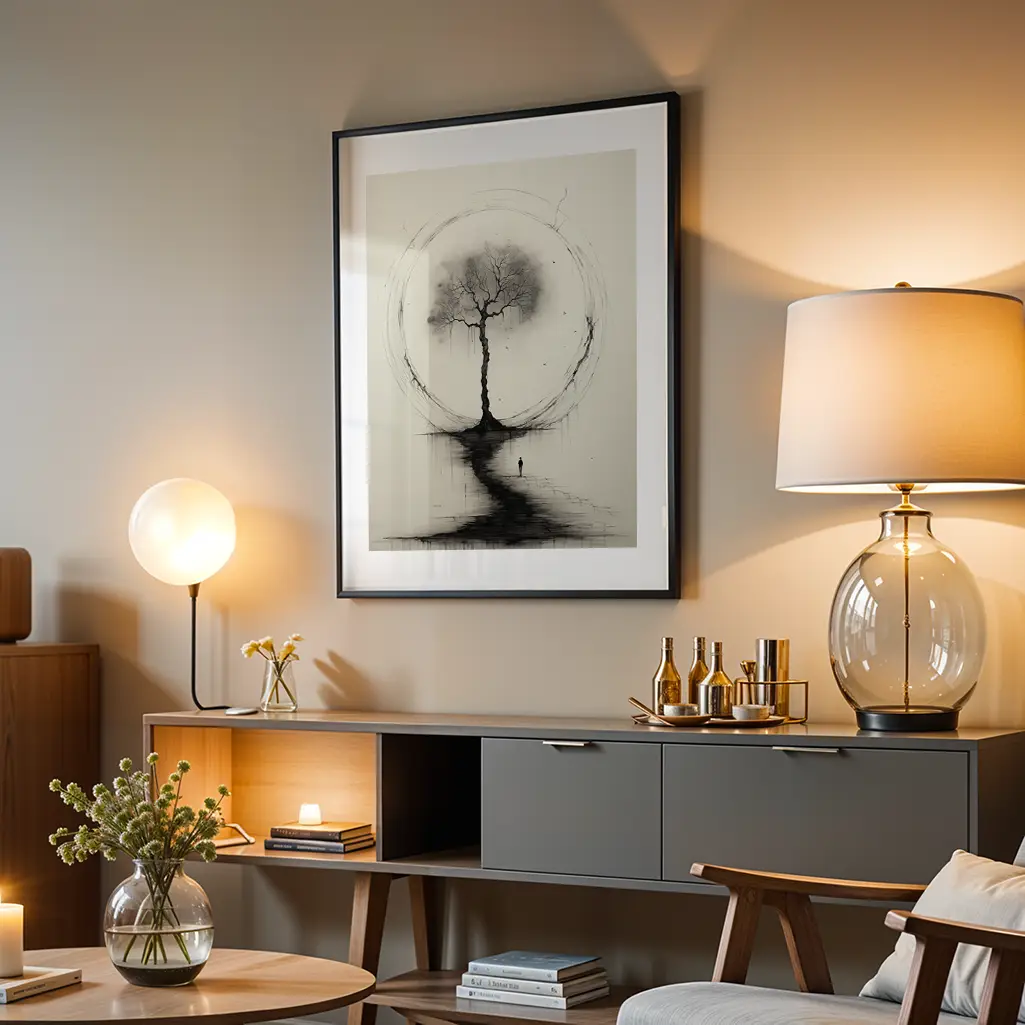
Lighting is one of the most powerful ways to dial up coziness without adding a single object. Instead of a single, harsh overhead fixture, think in three directions: above, beside and below eye level. A small shaded lamp on the nightstand, a wall-mounted sconce to free up surface space, and perhaps a low glow near the floor can together create a cocoon of warmth. The trick is to keep the fixtures themselves understated; let the light, not the hardware, be the decorative element. Warm temperature bulbs soften corners, blur minor mess and flatter wood tones, keeping the overall read of the room gentle even if every drawer is not perfectly organized.
Texture can also rise vertically. A simple headboard in natural fiber, a wool rug that extends beyond the bed, curtains that kiss the floor rather than puddle dramatically; all these choices frame the bed and pull the eye upward and outward, making the room feel considered rather than crowded. When you repeat a texture, such as linen for both curtains and a throw, you create a visual echo that is soothing. Repetition reduces the sense of clutter because the brain reads it as a single gesture rather than a dozen small decisions.
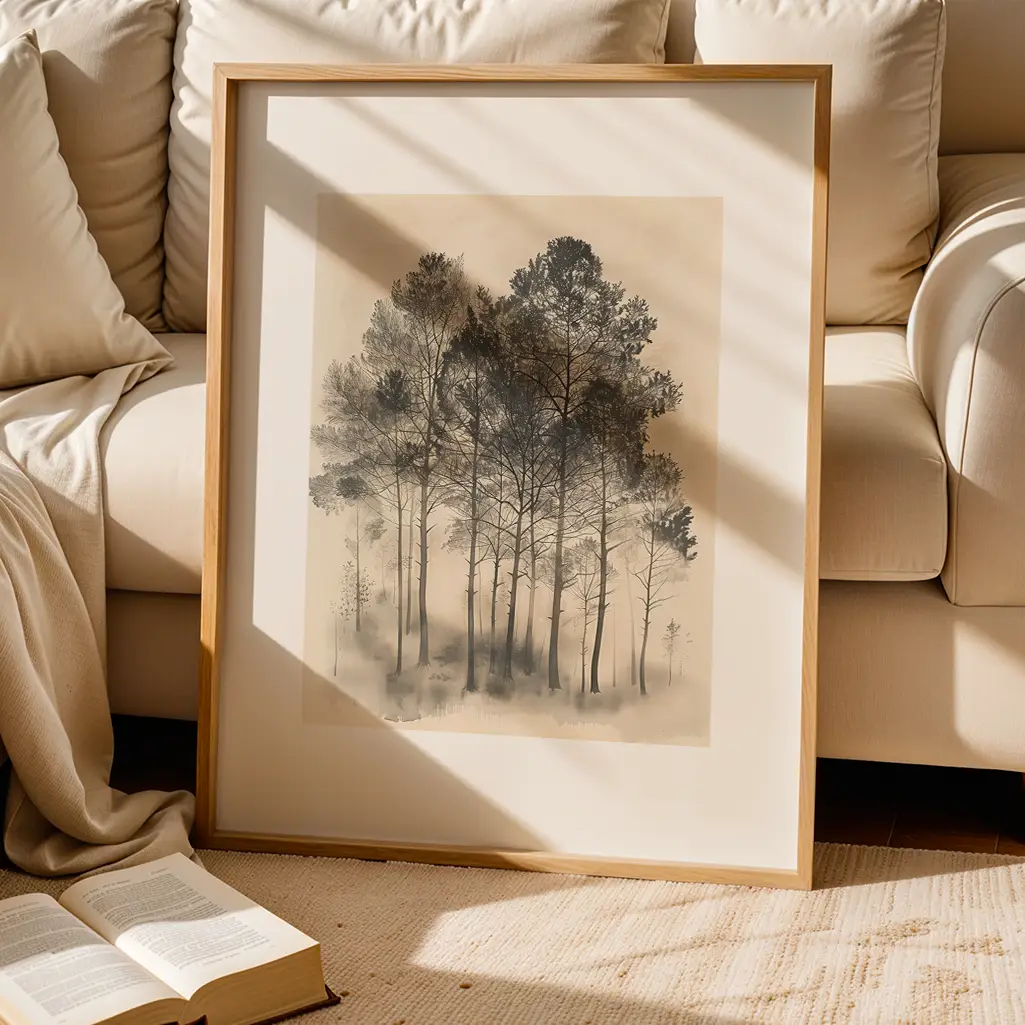
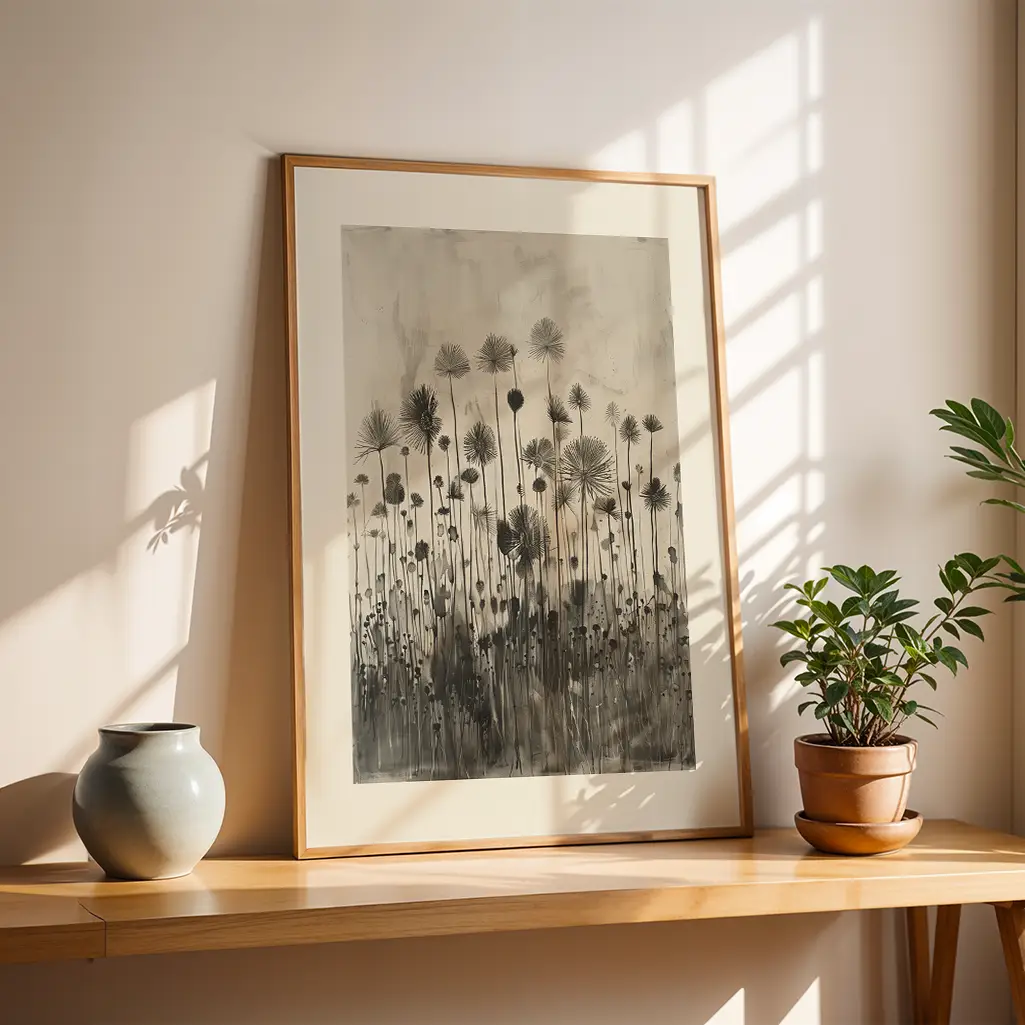
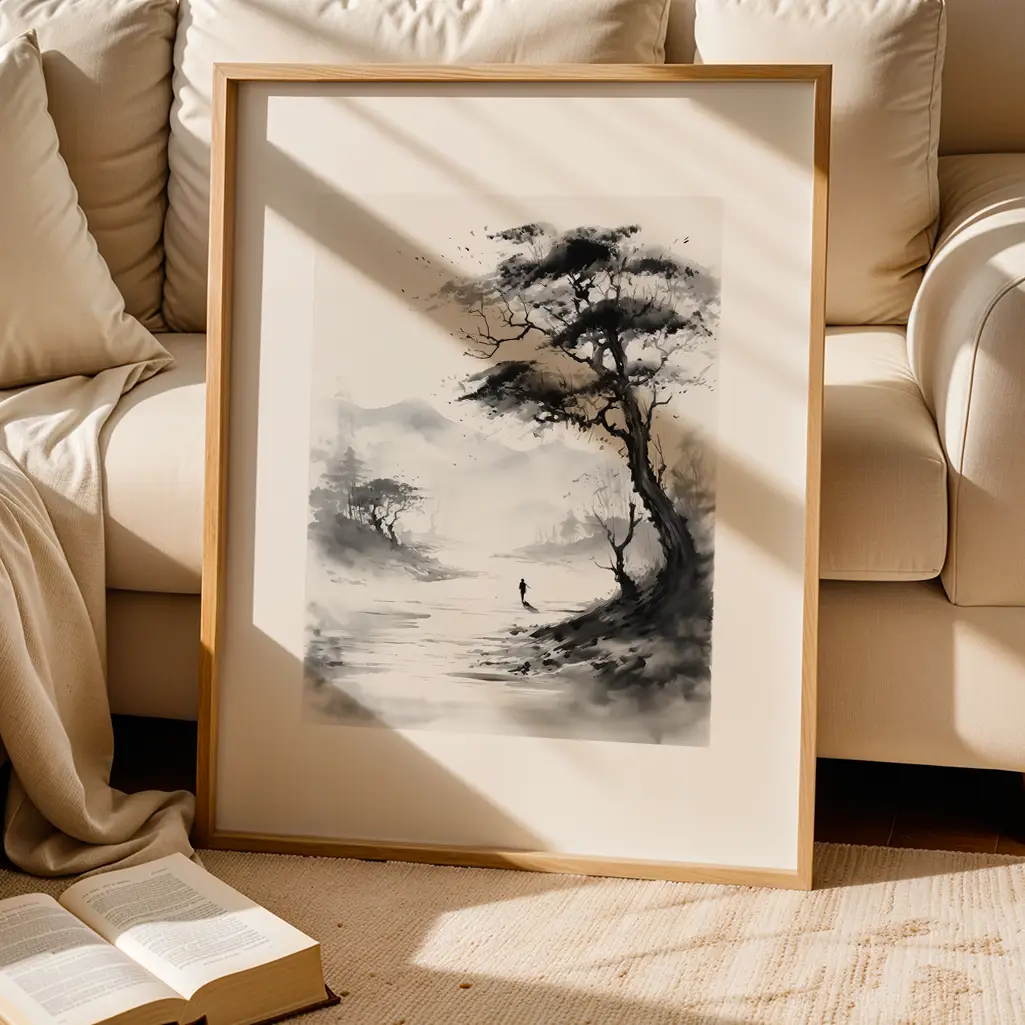
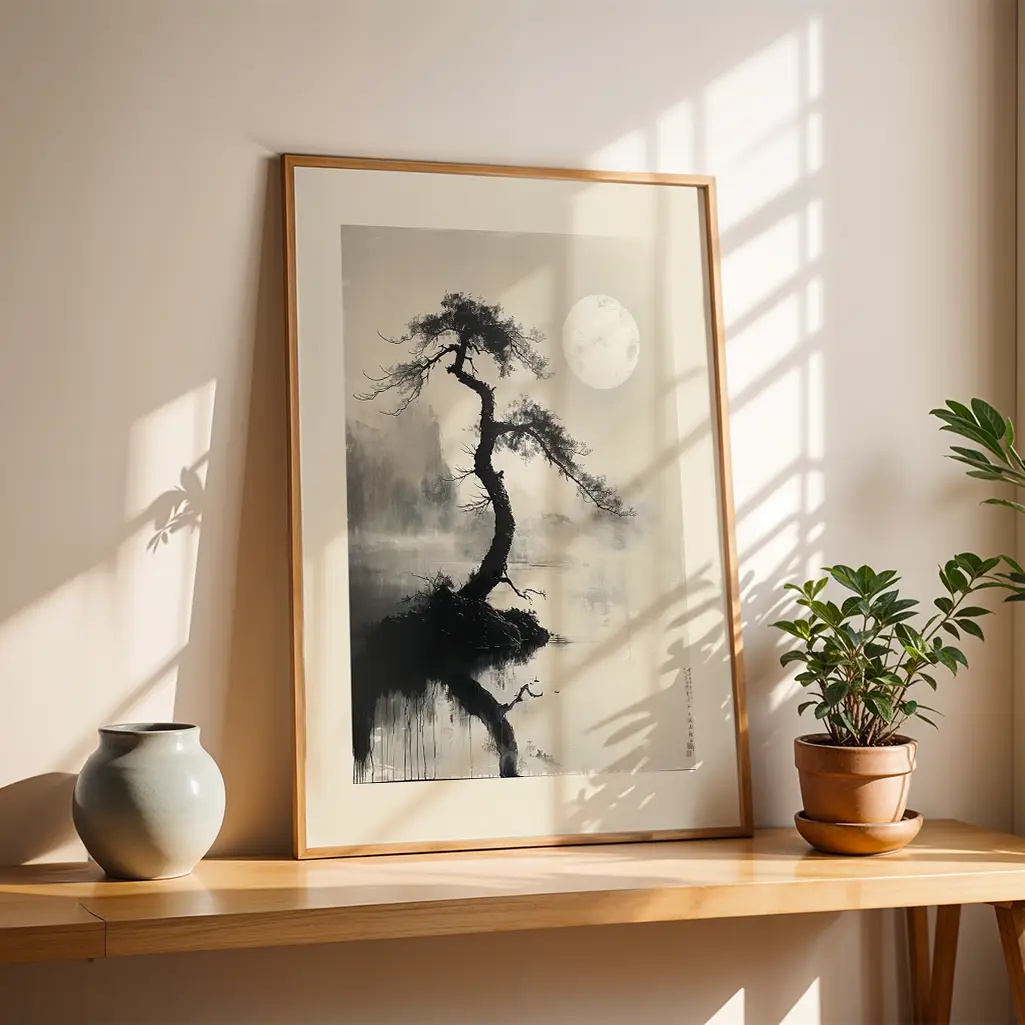
Art and objects should be treated almost like characters in a short story. Not every keepsake needs a speaking role. Choose a few things that still move you and let them breathe. A single framed photograph on the nightstand can feel more intimate than a cluster of ten. A ceramic bowl that holds your ring, a carafe for water, a branch in a narrow vase: each earns its place with function or emotion, ideally both. The rest can be rotated seasonally or stored, which is not banishment but a way of preserving their ability to delight you when you see them again.
Storage as Invisible Architecture of Calm
Clutter is often just deferred decision making. The sweatshirt on the chair, the book on the floor, the phone charger draped like ivy over the nightstand exist in limbo because their homes are vague. One of the most effective cozy bedroom ideas that do not look cluttered is to design storage as an invisible architecture that shapes behavior. Instead of asking where to hide things, ask what would make it effortless to put them away in the first place.Begin at the bedside. A closed nightstand drawer swallows visual noise, but if it becomes a junk cave, you will simply migrate the mess out again. Give every frequently used item a specific resting place. A shallow tray for jewelry, one book instead of a leaning library, a single charger that remains plugged into a discreet power strip. When the surface is mostly clear, the lamplight reflecting on it becomes a design element, turning order itself into decor.
Under-bed storage divides opinion, yet used carefully it can support rather than sabotage calm. Low rolling bins or drawers that disappear behind a tailored bed skirt make seasonal rotation of linens and clothing almost ceremonial. The key is opacity; translucent plastic telegraphs its contents and adds to the sensation of busyness. Solid fabric or wood creates the visual equivalent of silence, allowing the floor plane to read as continuous and uncluttered.
Rethink your closet as part of the room’s atmosphere, not an offstage area. An overstuffed rail bleeds chaos even when the door is closed, because you know what waits behind it. Editing clothes to what you actually wear, grouping by color and leaving a little “breathing space” between hangers turns getting dressed into a calmer ritual. Open shelving can work in a bedroom only when items are few and folded with intention. Otherwise, choose doors; a flat, uninterrupted facade in a quiet tone is far more soothing than a mosaic of garments and shoe boxes.
Surfaces are where clutter performs its final act. Dressers, window ledges and the tops of radiators tend to attract stray objects, trying to turn themselves into a still life. Decide consciously where display is allowed and where it is not. Perhaps one corner of the dresser can host a small vignette of a plant, a candle and a photo, while the rest remains clear. This deliberate balance between full and empty, between “on stage” and “off stage,” is what keeps a room feeling alive but not frenetic.
In the end, a cozy bedroom that does not look cluttered is less about style than about tempo. It is a place where your eye moves slowly, resting on a soft pillow, a patch of quiet wall, a shaft of warm light, never forced to multitask. When every object answers the question why are you here with ease, the room begins to answer a deeper question for you: where do I rest. Cozy, it turns out, is not a pile of things but the feeling of finally putting something down.