The psychology of a shared wall
The dining room is the most democratic room in the home. Everyone faces the same direction, at nearly the same height, for roughly the same amount of time. That makes the walls, more than the table or chairs, the true host of the space. Whatever you put on them becomes a silent collaborator in the meal, affecting how relaxed people feel, how long they linger and even what they remember about the evening.
Designers often say that a dining room should feel a little more dressed than the rest of the house. There is truth in that, but the subtler insight is about tempo. Unlike a living room, where sightlines constantly change as people move around, a dining room offers long, repeated glances at the same wall. The art must stand up to repetition without becoming either visual wallpaper or a visual shout.
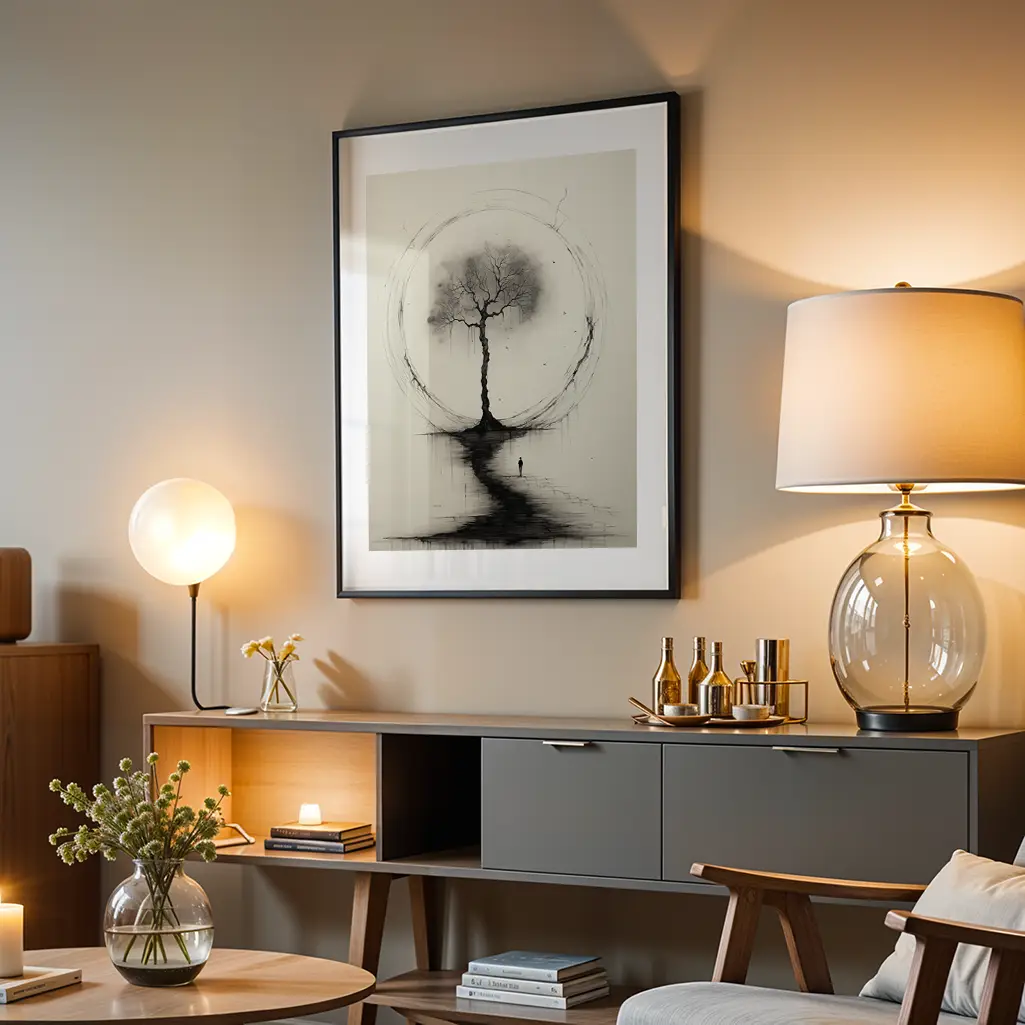
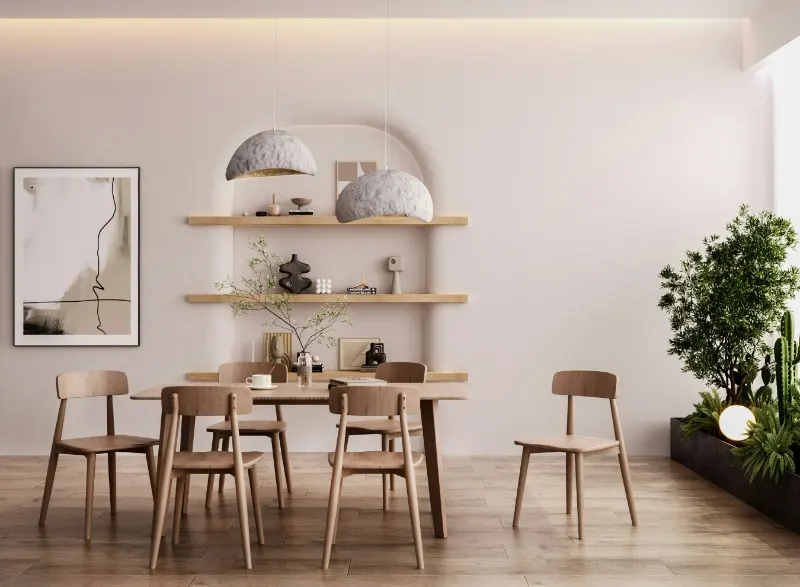
Scale is the first decision that changes everything. A single large work over a sideboard or along the primary wall usually creates the calmest, most grounded feeling. The eye takes in one coherent image, then relaxes back to the table. This is why oversized pieces, even very simple ones, tend to feel sophisticated in dining rooms: they deliver impact in one breath rather than a series of small gasps. A grid of small frames can be beautiful, but only if it reads as one organized field from across the table. If each piece competes for attention, guests unconsciously keep scanning, and the room feels busier than the meal deserves.
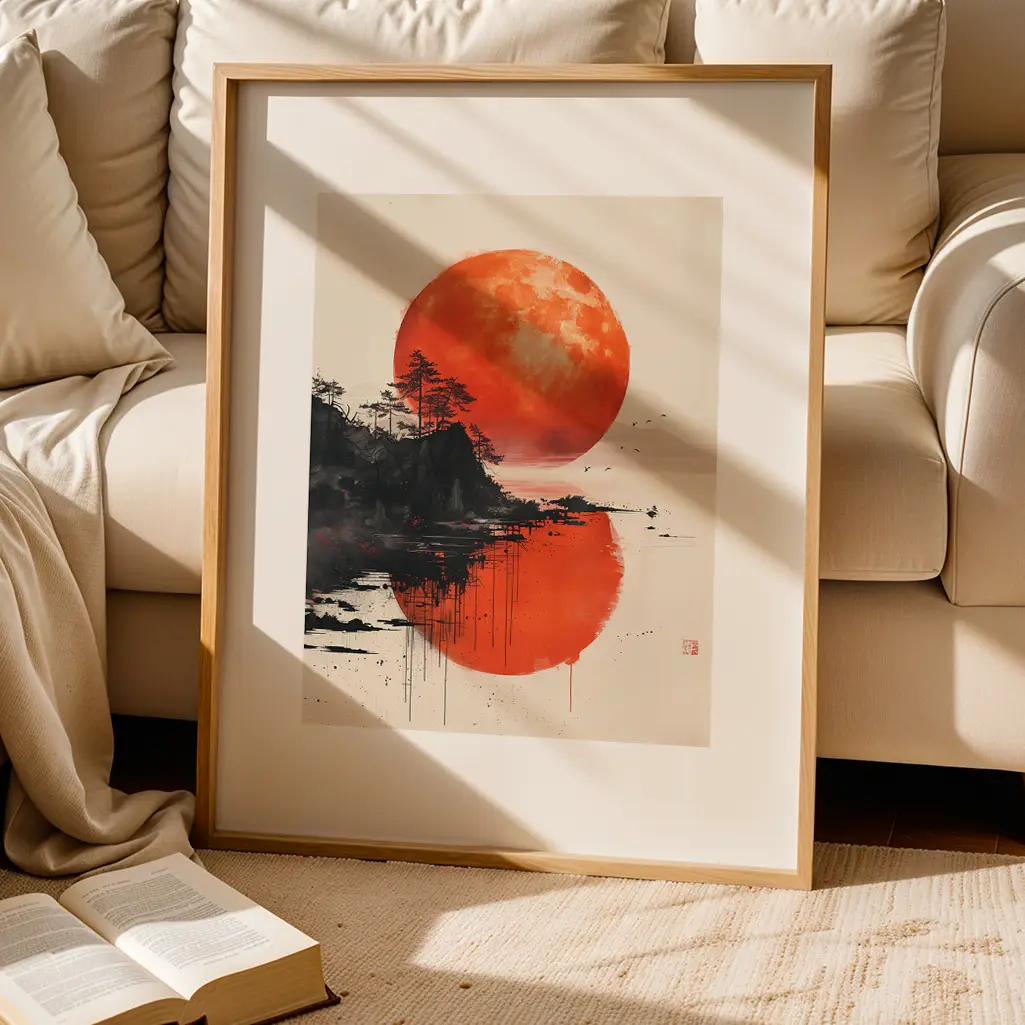
Color temperature has a similarly quiet but powerful effect. Warm tones such as terracotta, soft reds, ochres and blushes subtly reinforce the warmth of food and candlelight. They tend to make people look good at the table and can make a modest meal feel more generous. Cooler palettes, built on grays, blues and blue-greens, encourage a more contemplative, even formal, atmosphere. They can be stunning with glass, chrome and dark wood, but in a small room or with very minimal furnishings they risk tipping into chilliness. The sweet spot for most homes is a dialogue between the two: cool backgrounds with warm accents or vice versa, so that the eye can rest and then be drawn back in.
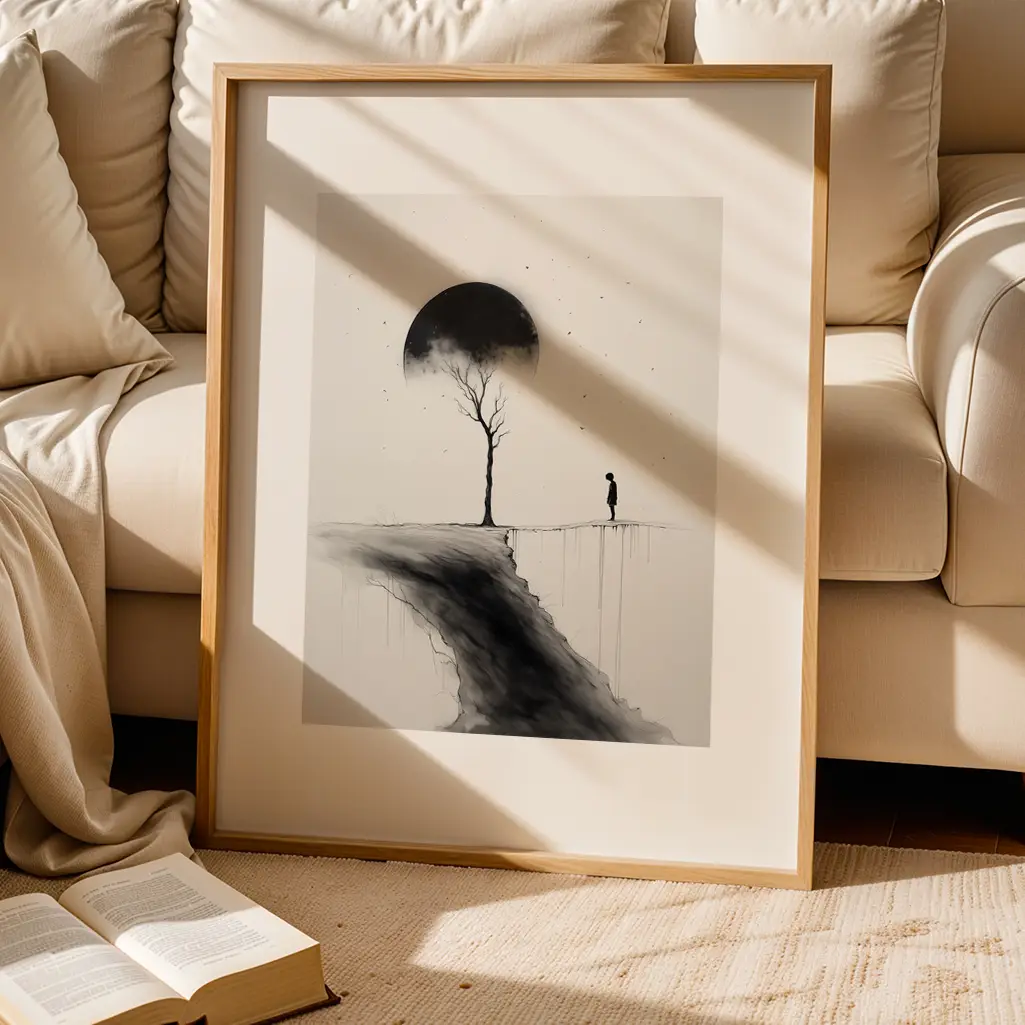
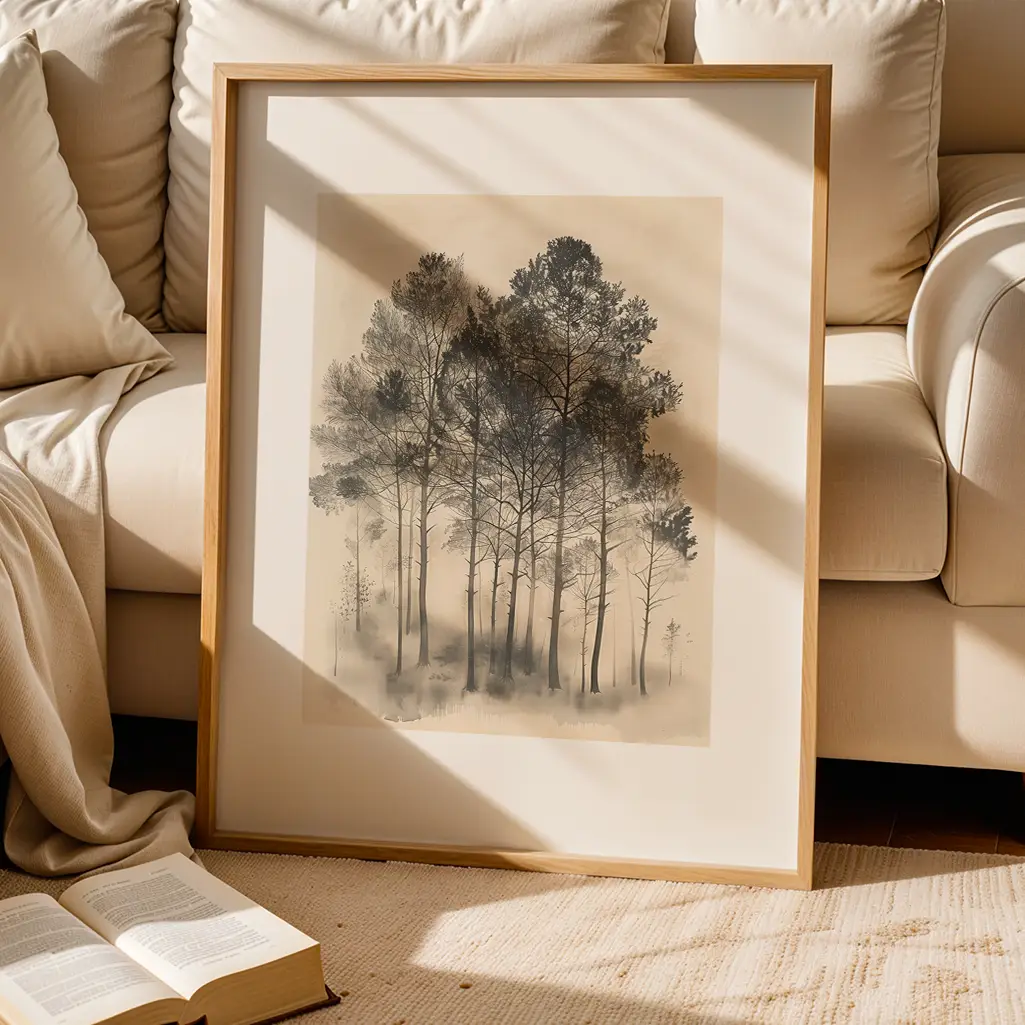
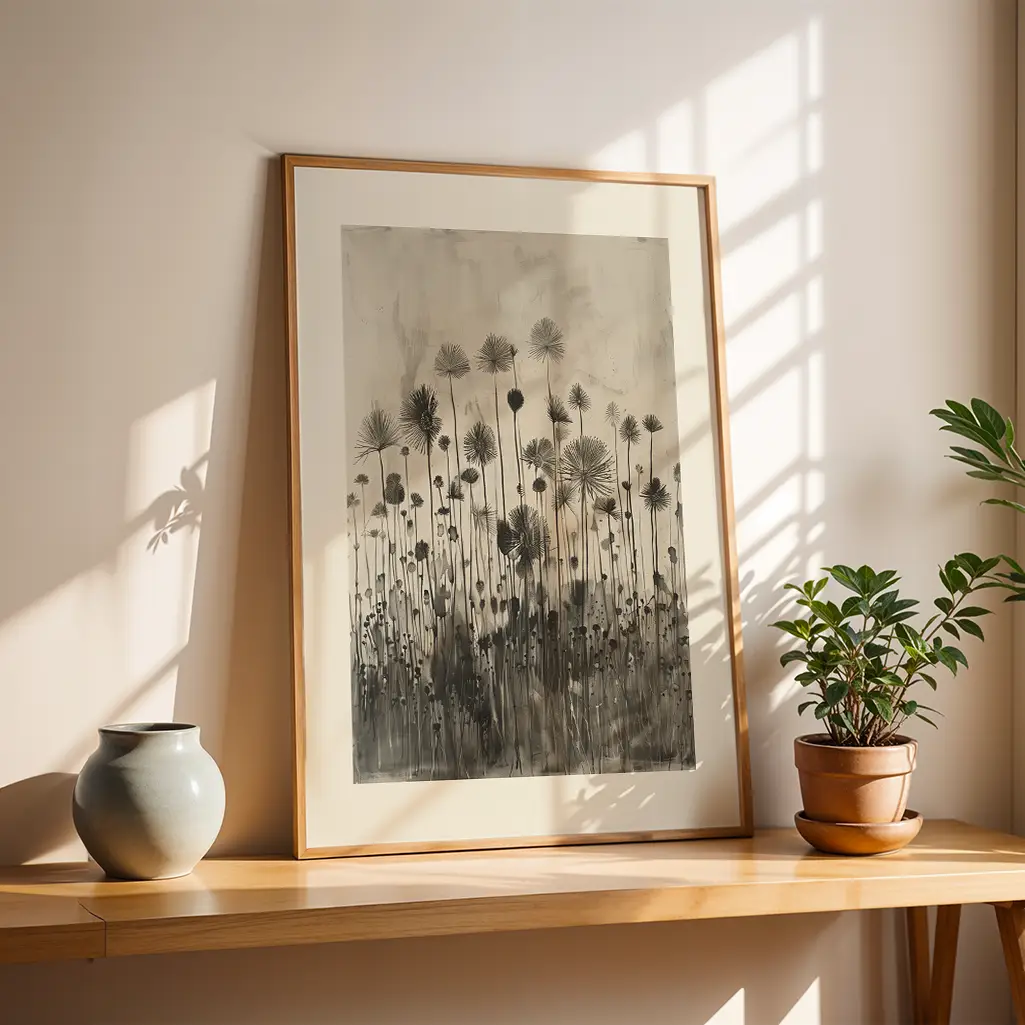
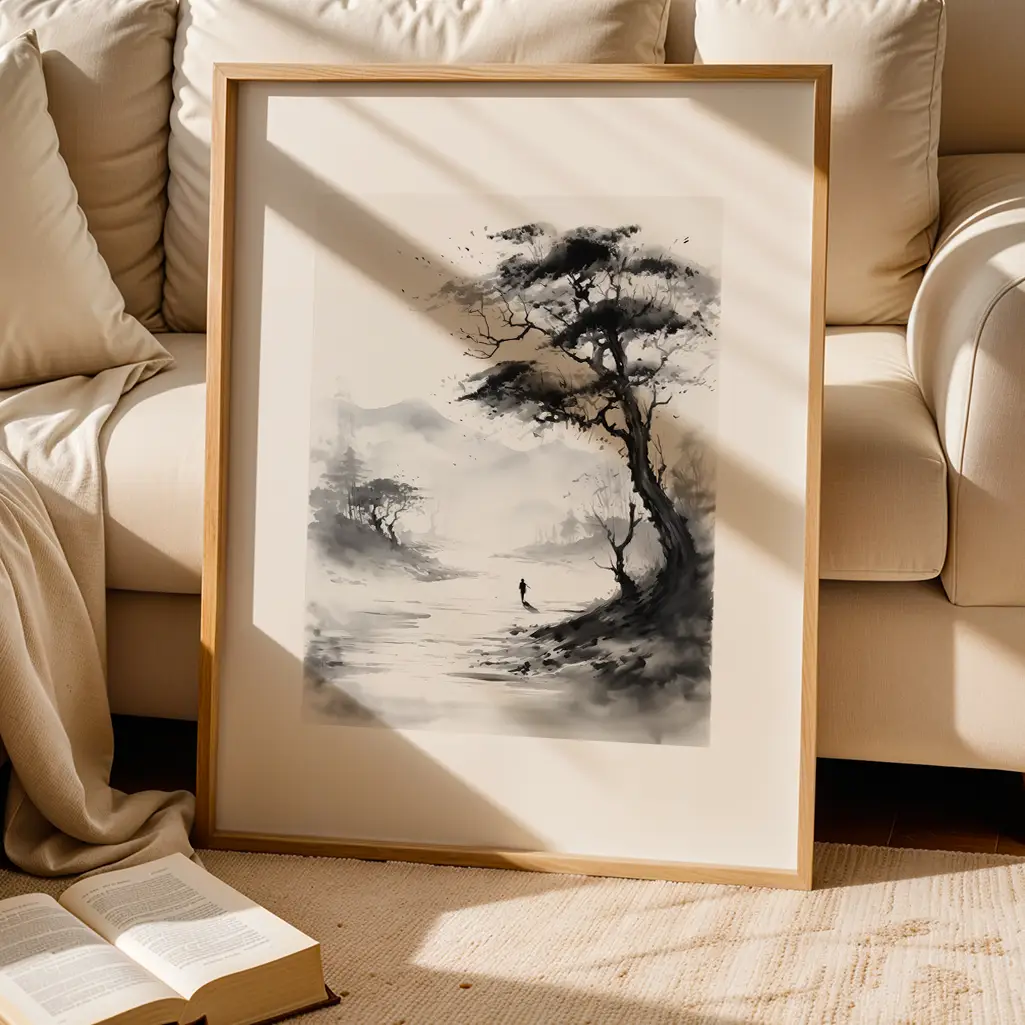
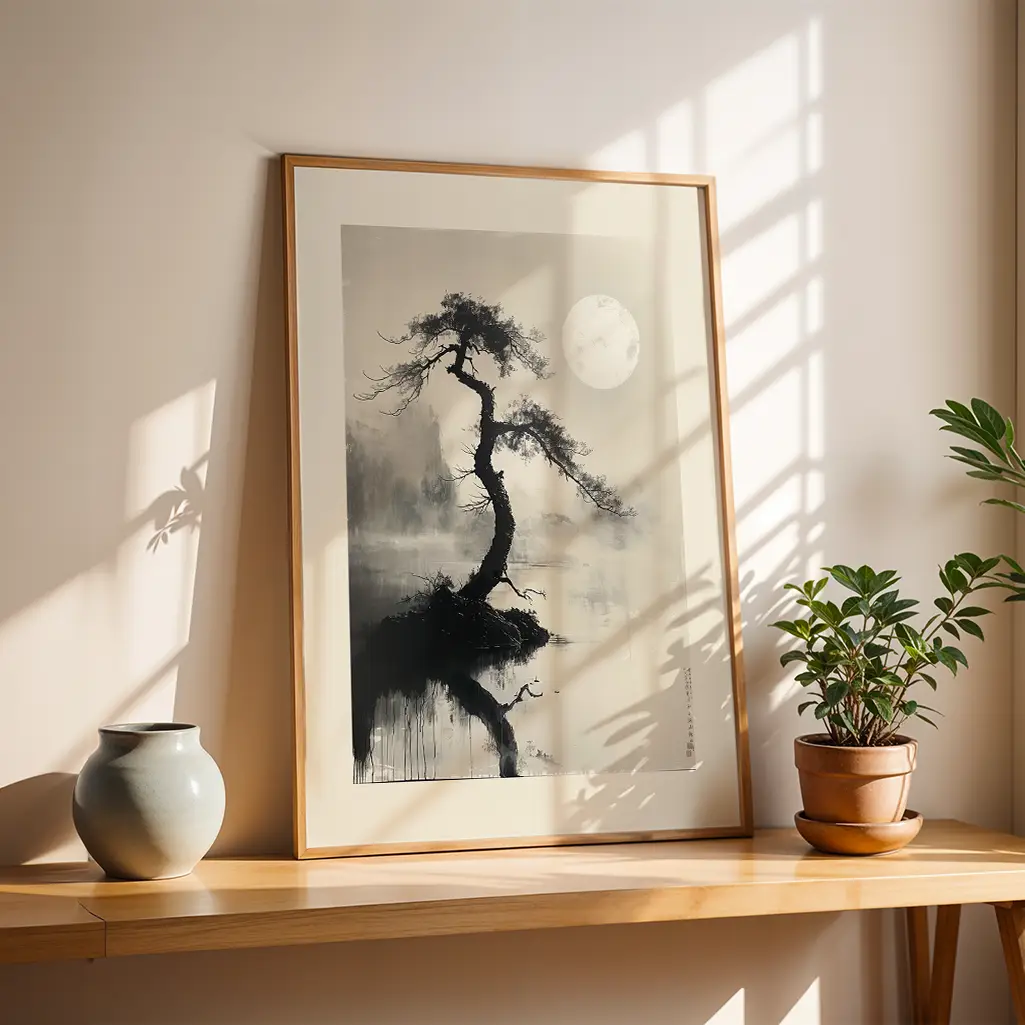
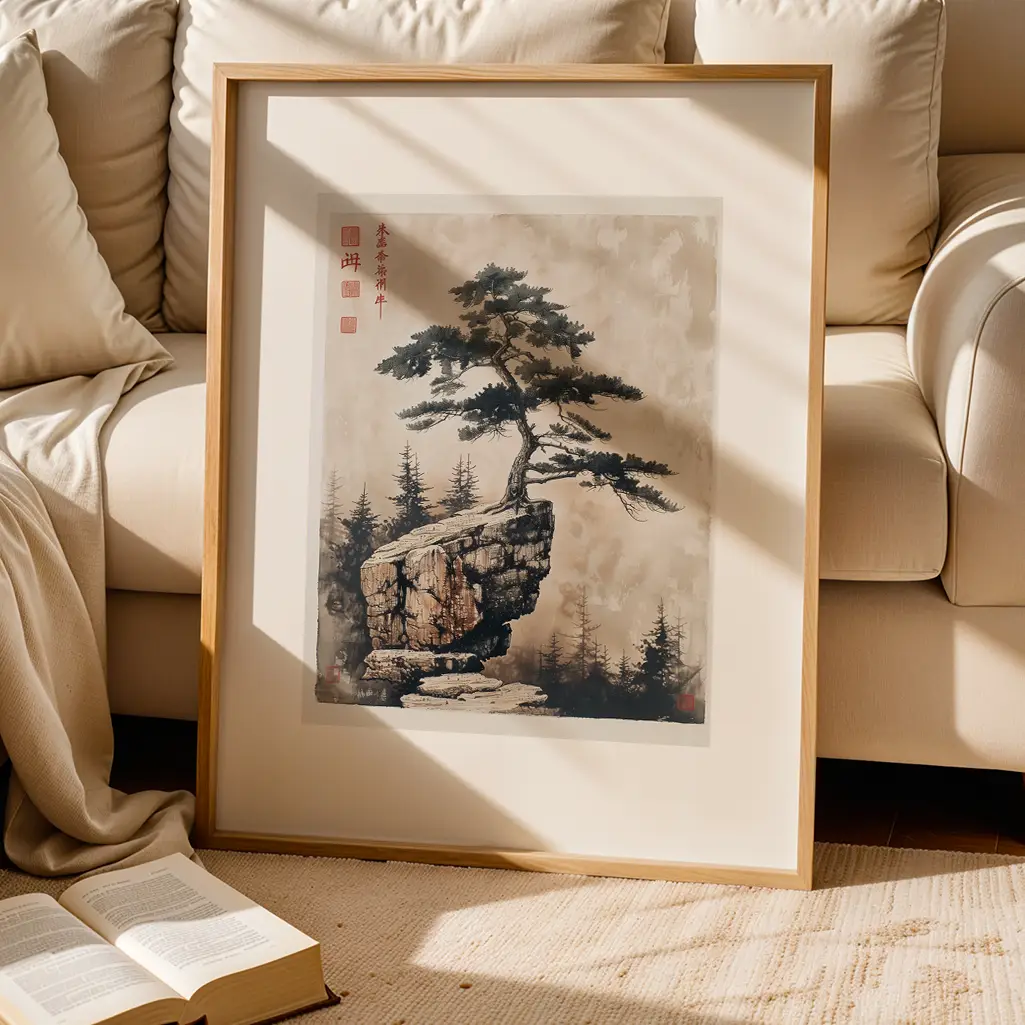
Subject matter also behaves differently in a dining room than in any other space. Because people sit and stare, literal imagery grows louder with time. For that reason, slightly abstracted or interpretive works often age better here than hyper-detailed scenes you feel compelled to decode. A loose landscape, a gestural still life or a piece that plays with texture and color can hold attention without demanding it. The goal is not to provide a conversation piece so much as a conversation companion, something that gently expands the atmosphere of the meal rather than hijacking it with a single, clever idea.
Finally, there is the matter of eye level. In a gallery, art is hung for standing viewers; in a dining room, people are seated. Hanging a primary work two or three inches lower than you think you should is one of those small, almost invisible decisions that make a room feel unusually considered. It announces that the art exists for the people actually using the room, not for those passing through.
Choosing art that serves the table
Once you understand the psychology of the space, the question becomes what kind of dining room wall art actively serves the table rather than simply decorating the gap above it. The most successful pieces tend to share three qualities: they echo the room’s architecture, they relate to the table’s shape and they support the emotional tone of the meals you want to have there.
Architecture comes first because it is the quiet frame around everything else. A room with tall ceilings and narrow walls may call for vertical works that emphasize height, while a low, wide room often feels better with horizontal canvases that stretch the space sideways. In classical rooms with paneling or moldings, art that respects those boundaries feels intentional: pieces sized to sit within panels; frames whose profiles nod to the existing trim without mimicking it. In a newer or more minimal interior, you can be bolder with scale, allowing art to become a kind of architectural element itself, almost a colored wall within the wall.
The table is the second frame. A long rectangular table is naturally suited to a large horizontal piece or a disciplined arrangement that reads as one long band. Round or oval tables are softer; they pair well with a single centrally placed piece or a loose constellation of objects that suggests a circle even if it is not literally circular. Mirrors can work in dining rooms, but they require care. A mirror directly opposite diners can make people self-conscious, but one angled to reflect candles or a garden view turns the wall into a living, changing artwork and amplifies evening light in a way no painting can.
Emotional tone is the most personal layer. If your dining room is used mostly for everyday family meals, art that carries a sense of ease and warmth tends to resonate: painterly marks, organic shapes, photographs of landscapes with wide horizons, or even framed textiles with visible weave and irregularities. For spaces reserved for longer, slower dinners, bolder works with deeper shadows and stronger contrasts can make the room feel like a destination. This is where rich still lifes, moody abstracts or monochrome photography come into their own, their seriousness offset by the comfort of food and company.
Materiality matters more than many people expect. Heavily glazed artworks, especially in high gloss, will pick up reflections from pendants and windows, which can be visually noisy and flatten the colors you chose the piece for in the first place. Matte or lightly satin surfaces tend to hold depth under varied lighting. Textured works, such as impasto paintings or layered mixed media, bring a physicality that complements linens, ceramics and wood. They make the wall feel less like a boundary and more like another tactile surface in the room’s ensemble.
Composing a room around your walls
Once a key artwork is chosen, the rest of the dining room can quietly fall in line around it. Think of the art as a note in a chord; the furnishings, finishes and objects simply need to harmonize without matching. If the work is rich in color, the table and chairs can be calmer, using natural woods, blackened metals or muted upholstery to ground the energy. If the art is restrained, the textiles and tabletop can carry more pattern and color, echoing minor tones in the piece through napkins, candles or a ceramic bowl left on the table between meals.
Lighting is the most underrated partner of dining room wall art. Overhead fixtures should be dimmable so that the art is never lit more brightly than the people at the table. When the art glows harder than the faces, the room feels like a showroom. When the art is gently washed, either with a dedicated picture light or simply by generous ambient light, it becomes part of the atmosphere. Candlelight, especially, softens edges and introduces a slight flicker across brushstrokes and textures, reminding you that these were made by a human hand. In this way, the art mirrors the meal: both are finite, crafted and more meaningful because they do not last.
There is also value in restraint. Leaving some stretches of wall empty, especially in small or visually busy homes, is not a failure of decoration but a decision. An unadorned segment of plaster between two doors can act as a visual breath, making the art you do hang feel more deliberate and allowing the table to reclaim its role as the room’s central drama. In a culture that often equates more with better, a dining room with a single well-chosen piece can feel unexpectedly luxurious, as if it trusts that conversation, not decoration, will do most of the work.
Ultimately, the most successful dining room wall art is less about trend than about rhythm. It sets the pace at which the eye wanders and returns, how often people glance away from their plates and what greets them when they do. If you choose pieces that respect the seated gaze, acknowledge the architecture and gently amplify the mood you hope to cultivate, the walls stop being silent. They join the conversation in the way a gracious host does: present, attentive and never louder than the people at the table.