Reframing an Ancient Map for a Modern Room
The Eightfold Path is often introduced as a diagram on a monastery wall, neatly divided into eight spokes. For modern life, it is more useful to see it as a layout plan: a way of arranging your attention, your choices and even your living room so that they stop working against you.
Historically, the path was described as the middle way between extremes of self-indulgence and self-denial. That sounds abstract until you notice the same extremes in a cramped studio apartment: one person hoards, another lives with bare walls and a mattress on the floor and neither space quite feels like home. The Eightfold Path asks a quieter question: what arrangement of things, thoughts and actions actually reduces unnecessary suffering?
In its classical form, the path is grouped into three dimensions of life: wisdom, ethical conduct and mental discipline. Instead of treating these as moral commandments, read them as different layers of design. Wisdom determines the blueprint, ethics shapes how you move among others, and mental discipline is the craftsmanship behind the scenes. A beautiful room cannot compensate for a stressed mind, and a calm mind is constantly tested by a chaotic room; the path recognizes this circular influence.
Applied this way, the Eightfold Path is less about becoming a different person and more about “editing the frictions” that exhaust you. It is an invitation to look at how your inner patterns and outer environment reinforce one another, and to make small, honest adjustments in both.
Wisdom and Ethics: Rethinking Stories, Speech and Stuff
The first two aspects, commonly called “Right View” and “Right Intention,” begin with how you interpret what is happening. Right view does not demand that you accept a religious doctrine; it asks you to notice the stories you run automatically. When you walk into your home at the end of the day, do you see a sanctuary, a to-do list, or a failure to live up to an imagined ideal? The same physical space can feel entirely different under each narrative.
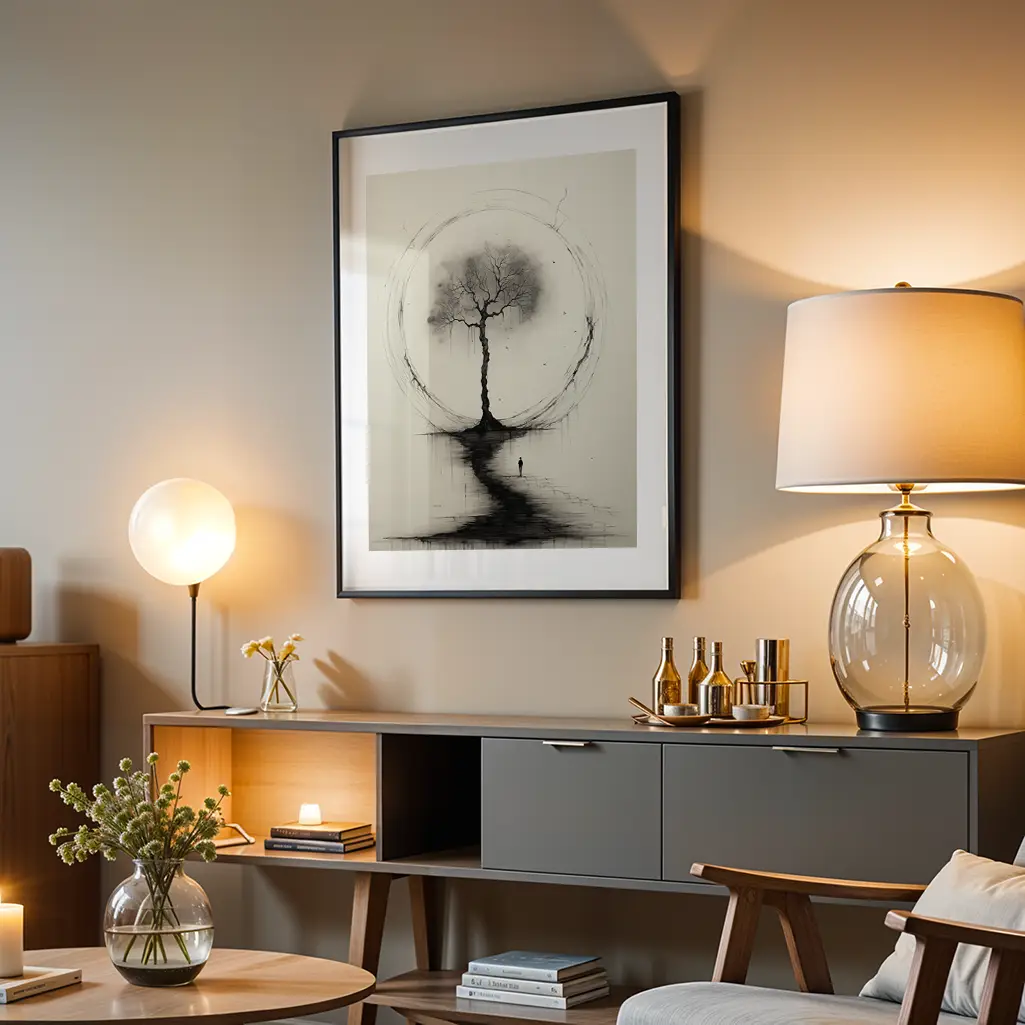
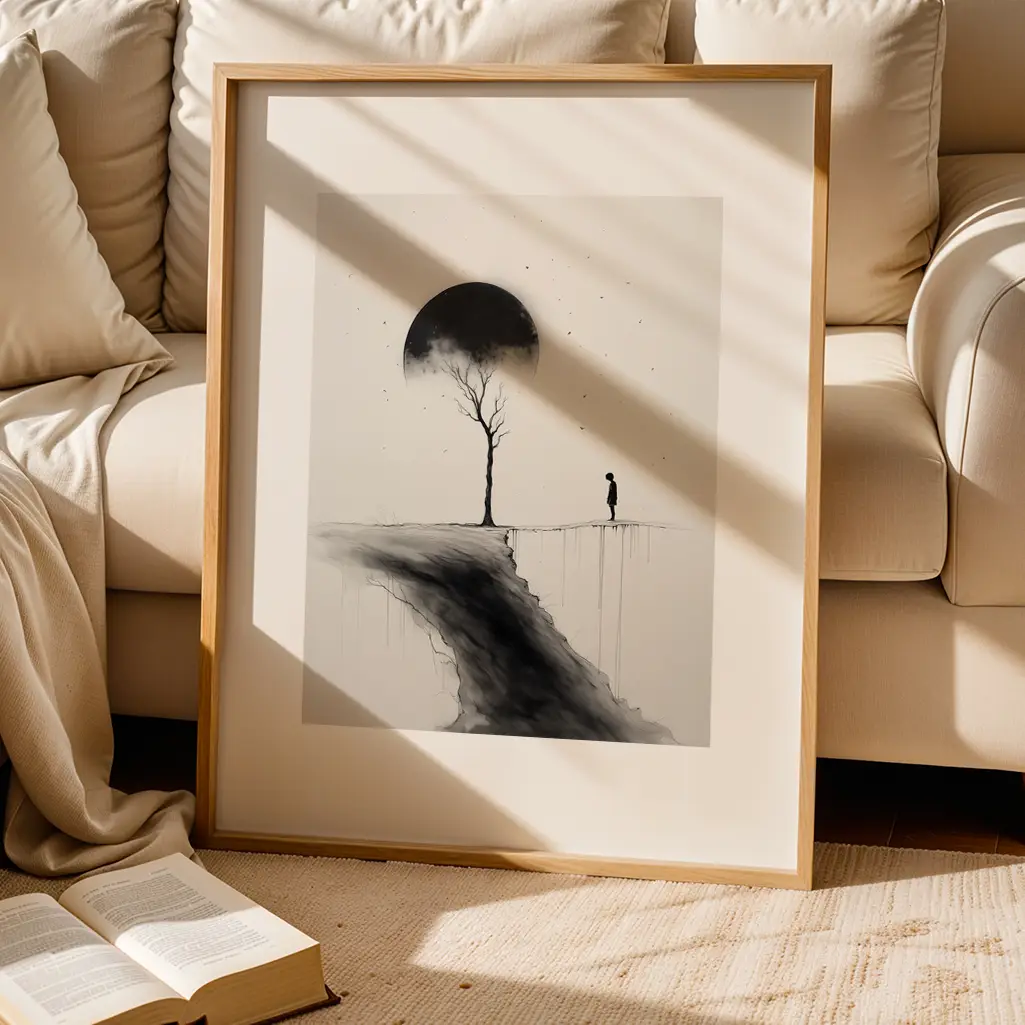
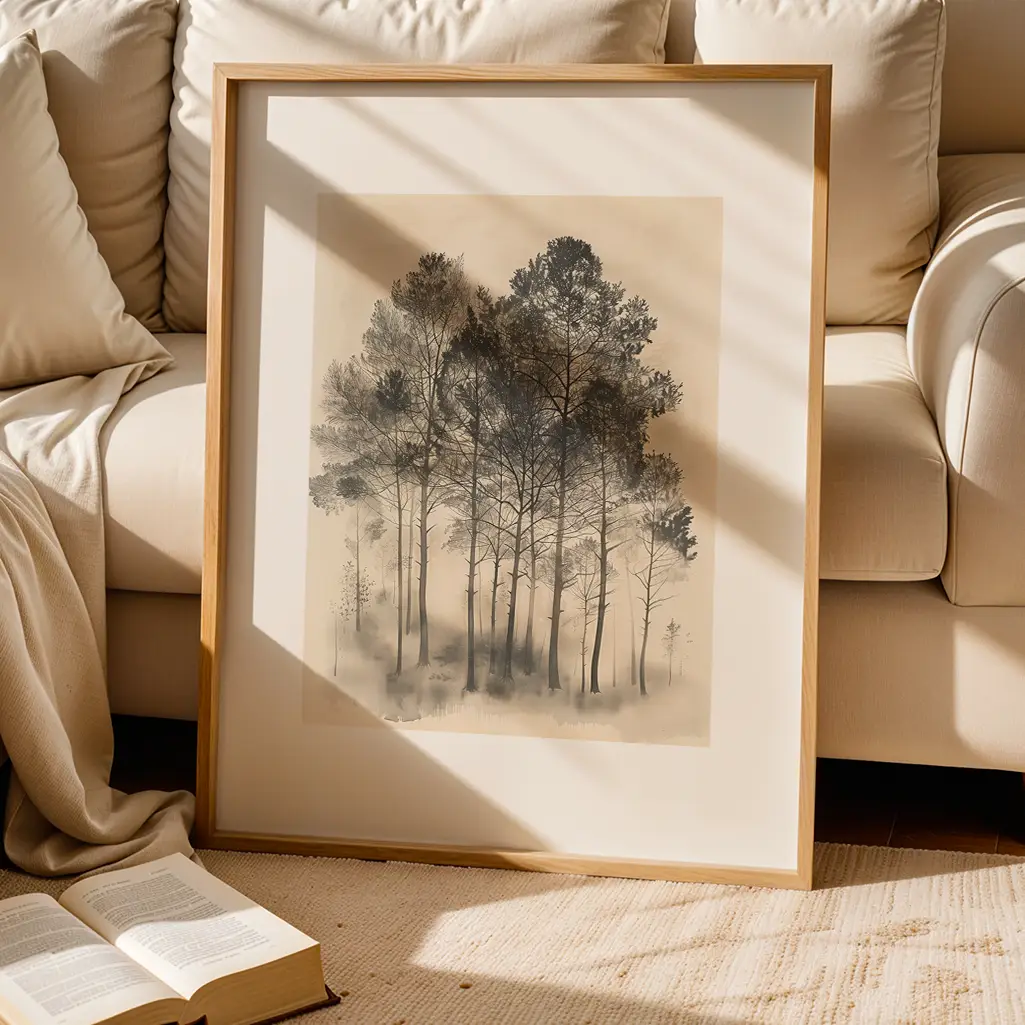
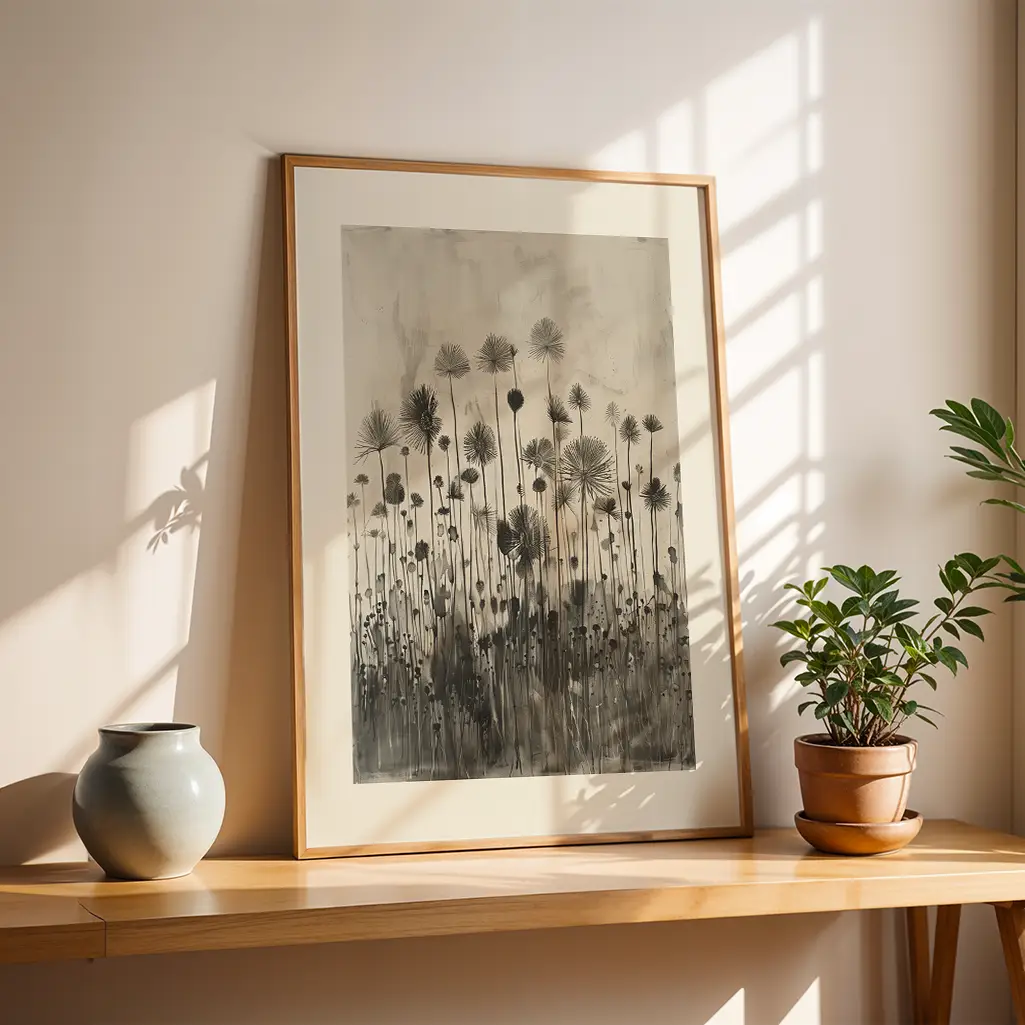
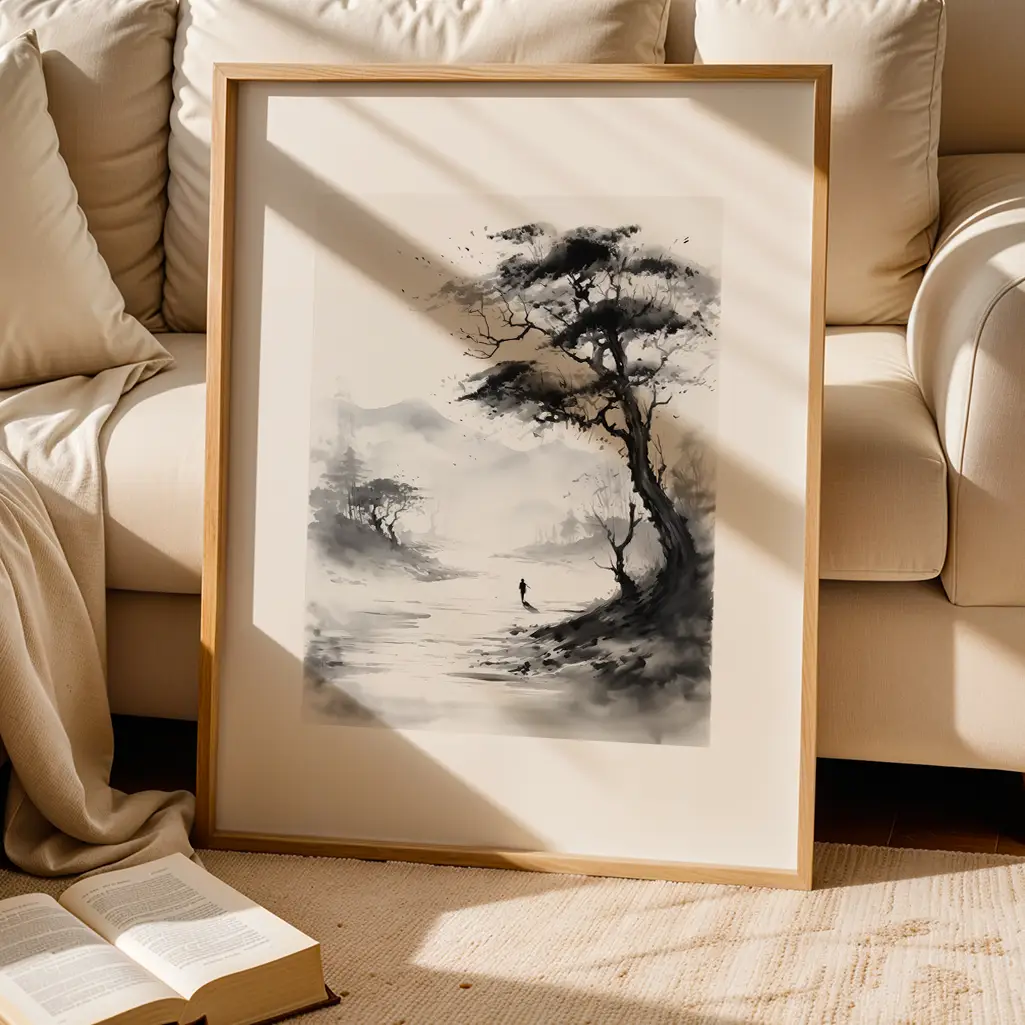
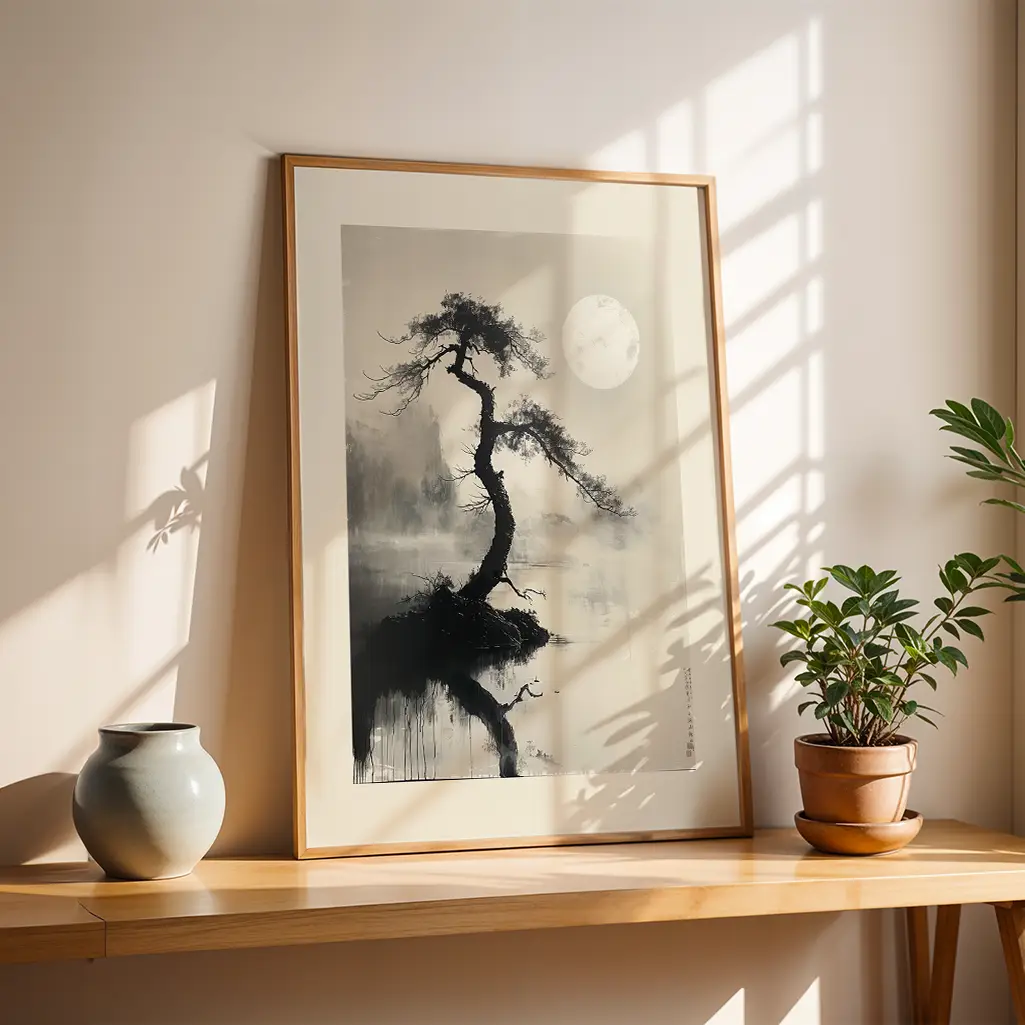
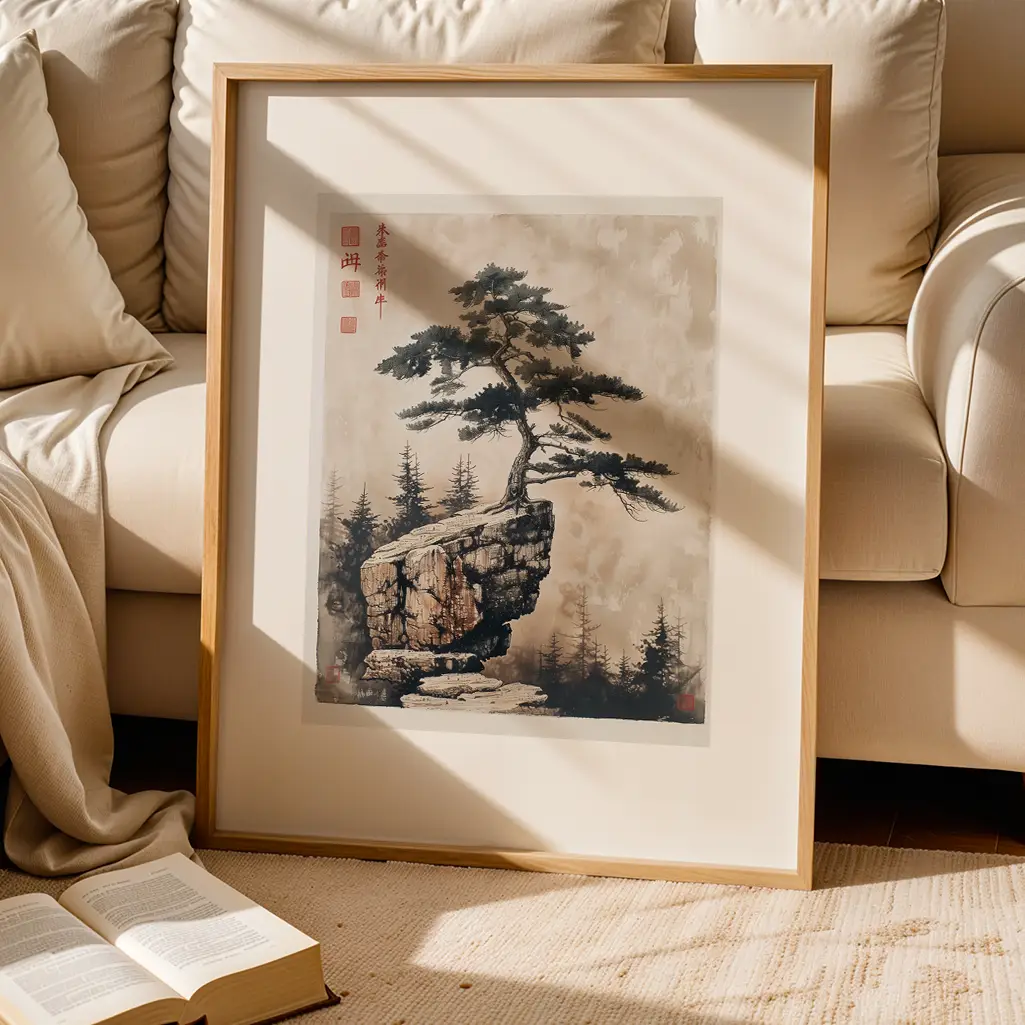
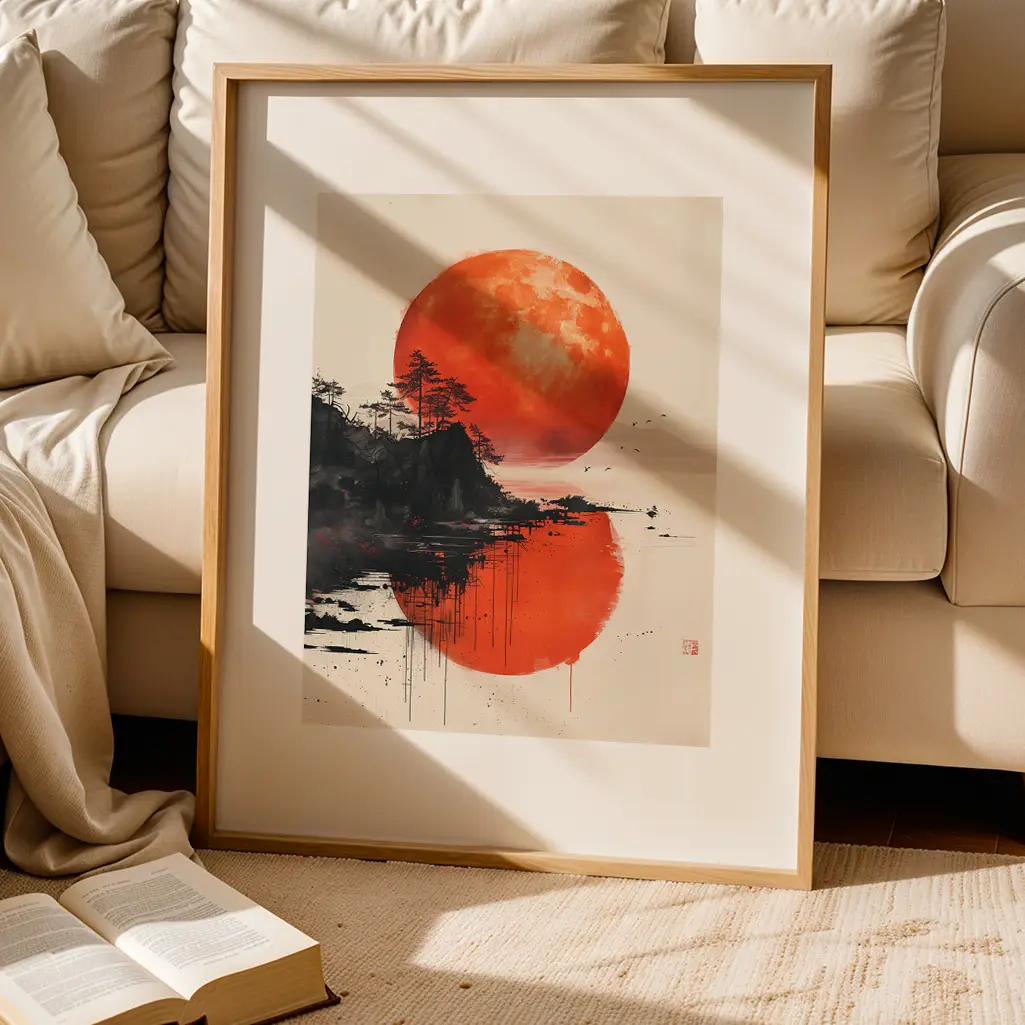
Seeing clearly includes recognizing impermanence. The perfect sofa will stain, the trending wall color will date, and the minimalist glass vase will eventually chip. Rather than a reason for cynicism, this recognition frees you from designing as if the goal were to freeze life at a flawless moment. You can choose durable materials, yes, but also arrangements that are easy to adapt: furniture that moves, shelves that accept rotation, wall art that is changed with seasons and moods. This makes your home a living conversation with time, not a static showroom.
Right intention narrows that insight into a direction of travel. It asks: “What am I quietly aiming at?” In design terms, you might call this your brief. Is your intention to impress, to numb, to escape, or to nourish? A home arranged primarily to signal status will generate different daily feelings than one built deliberately around rest, creativity or shared meals. The Eightfold Path nudges you toward intentions of kindness and clarity, which tend to suggest slower, softer decisions: a reading corner that actually gets used, a dining table you clear even when no guests are coming.
Ethical elements of the path, traditionally “Right Speech,” “Right Action” and “Right Livelihood,” can also be translated into domestic choices. “Right speech” is not only about what leaves your mouth; it is also about the tone your space uses to talk back to you. A hallway filled with unpaid bills and laundry is a constant, wordless criticism. Moving such visual noise into a concealed but organized spot changes the conversation from accusation to reminder. Similarly, leaving one clear, uncluttered surface in each room offers your attention a place to land that does not scold.
Right action in daily life includes the way you treat objects and the people who share them. Repairing a chair instead of discarding it, learning to fix a wobbly shelf, or gently negotiating shared storage are not trivialities; they train a body memory of care. Over time, this care extends inward. A well-chosen lamp that protects your sleep by dimming the evening light is both a design gesture and an ethical one: you are deciding that your future, more rested self deserves consideration in the present.
Right livelihood, meanwhile, can be felt in how you source what fills your rooms. Buying fewer, better things from transparent makers changes not only the carbon footprint of your home but also its emotional weight. Knowing where a rug came from or who made a ceramic mug deepens the sense that your space is a web of relationships, not just a pile of objects.
Mental Craftsmanship: Attention as an Interior Designer
The final three aspects of the Eightfold Path—sometimes grouped as concentration: “Right Effort,” “Right Mindfulness” and “Right Concentration”—describe how you train attention. In domestic terms, attention is the invisible designer that keeps revising your home long after the renovation is done.
Right effort is a corrective to the spike-and-crash cycle of motivation. Instead of a heroic weekend of decluttering followed by months of neglect, it suggests steady, sustainable engagement: a few minutes most days, aimed at preventing new clutter rather than at punishing old habits. This might mean a simple closing ritual at night: returning items to a home, running a cloth over the kitchen counter, turning off overly bright lights. The point is not spotless perfection but a gentle slope toward order.
Right mindfulness is the habit of noticing without immediately adjusting or judging. Sitting on your own sofa as if you were a guest, you might see for the first time that the art is hung too high, or that the only available seat angles everyone toward a television they would rather not watch. You begin to observe how certain corners gather abandoned items and how certain colors affect your breathing rate. Mindfulness gives you data about how your space is actually being lived in, instead of how you once imagined it.
Right concentration, finally, can be understood as the ability to rest your attention somewhere long enough for depth to appear. A home aligned with this principle offers at least one place where focus is invited rather than scattered: a desk free of unrelated objects, a cushion by a window, or a dining table not constantly colonized by laptops. The design here is less about aesthetic flourishes and more about deliberately reducing distractions so that reading, conversation or meditation can happen without friction.
Taken together, the Eightfold Path becomes a quiet but radical design brief for modern life. It asks you to shape your environment so that wisdom feels natural, ethical behavior is the path of least resistance, and mental steadiness is gently supported. The reward is not a magazine-ready room, but a space in which your ordinary days feel a little less at war with themselves, and where each small, thoughtful choice is an opening toward ease.


.webp)