The First Step Is a Feeling, Not a Floor Plan
Your entryway is the short inhale between public and private life, the moment when your shoulders either stay up by your ears or finally drop. Designers talk about square footage and storage; what they are really adjusting is your nervous system. The space by your front door has a disproportionate effect on how you experience the rest of your home.Think about the “emotional arc” of arriving. You approach the door, juggle keys, maybe a bag and the day’s worries. When you cross the threshold, the first few seconds deliver a verdict: chaos or coherence, cold or warmth. An entry that is too cluttered, too dark or oddly empty asks you to solve problems when you least have the bandwidth. A well considered one quietly says, “You are expected here.”
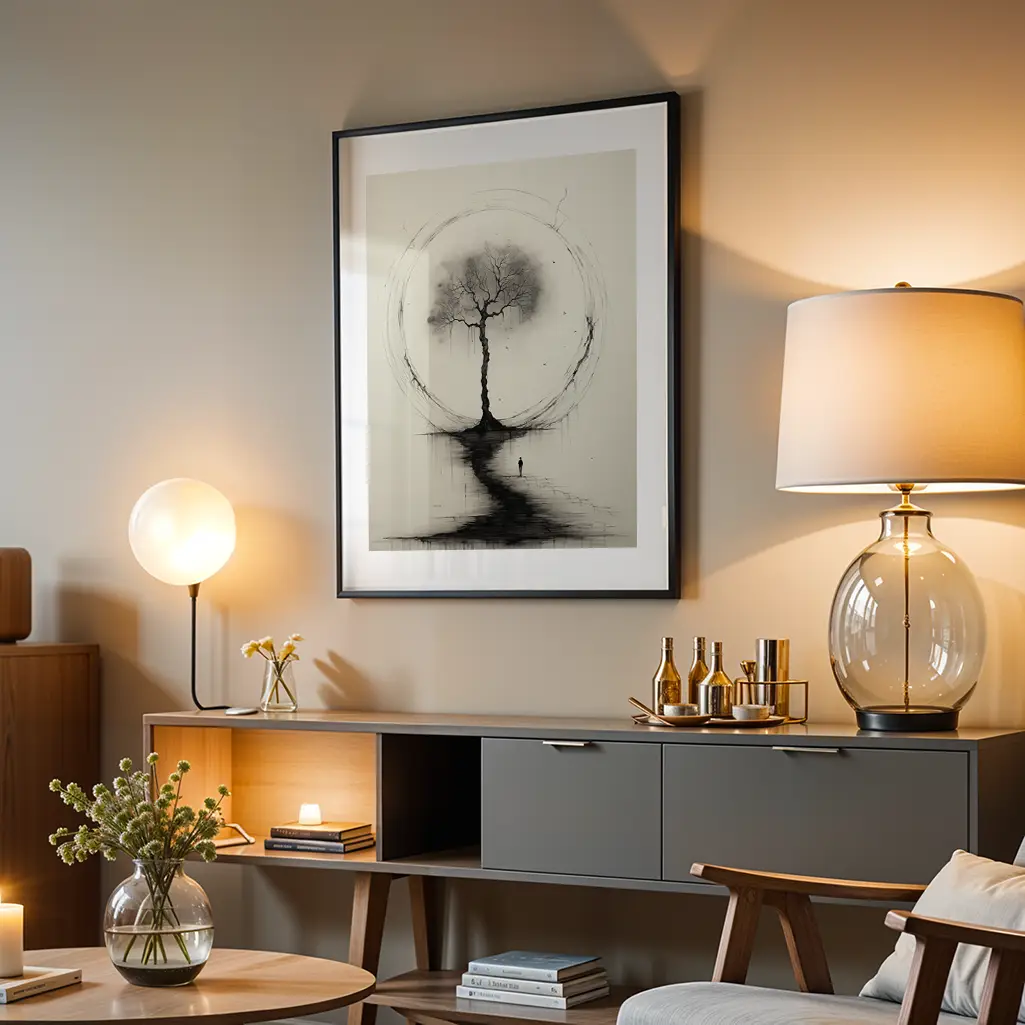
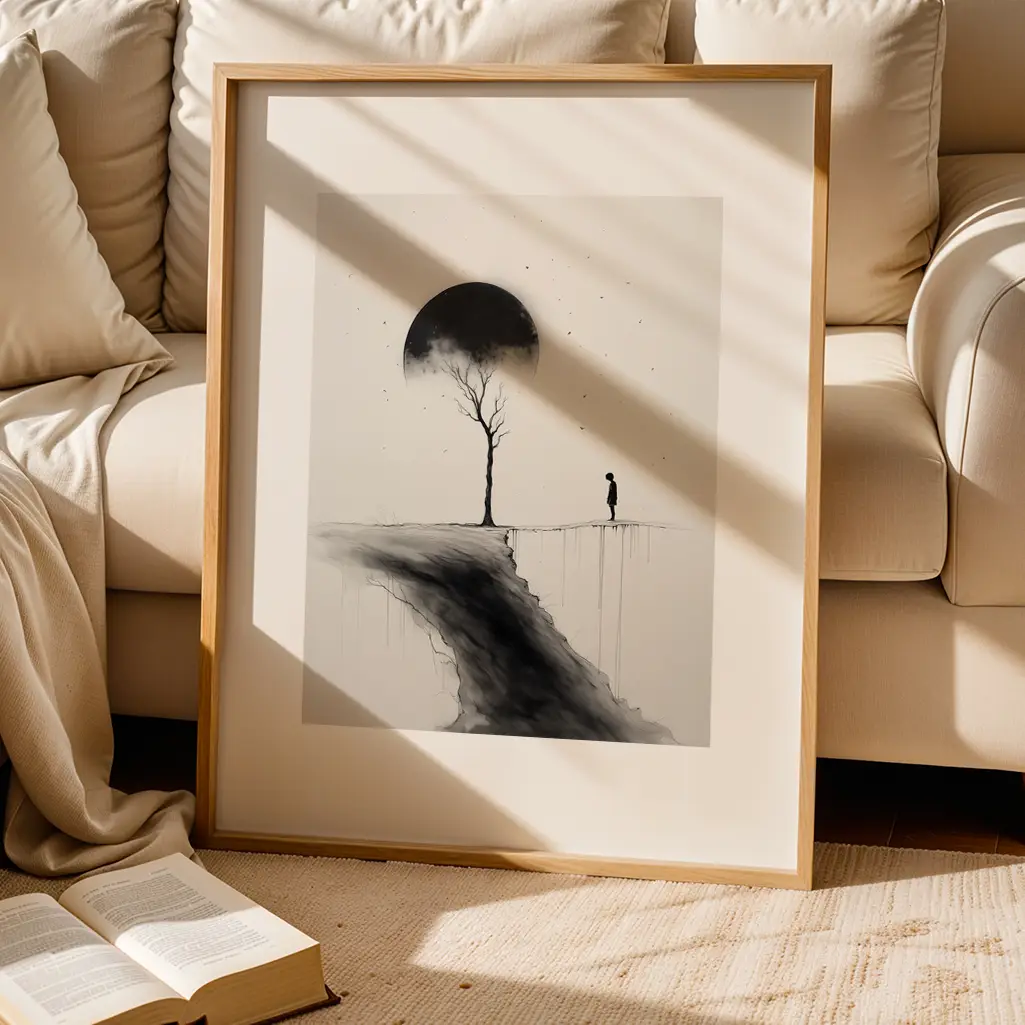
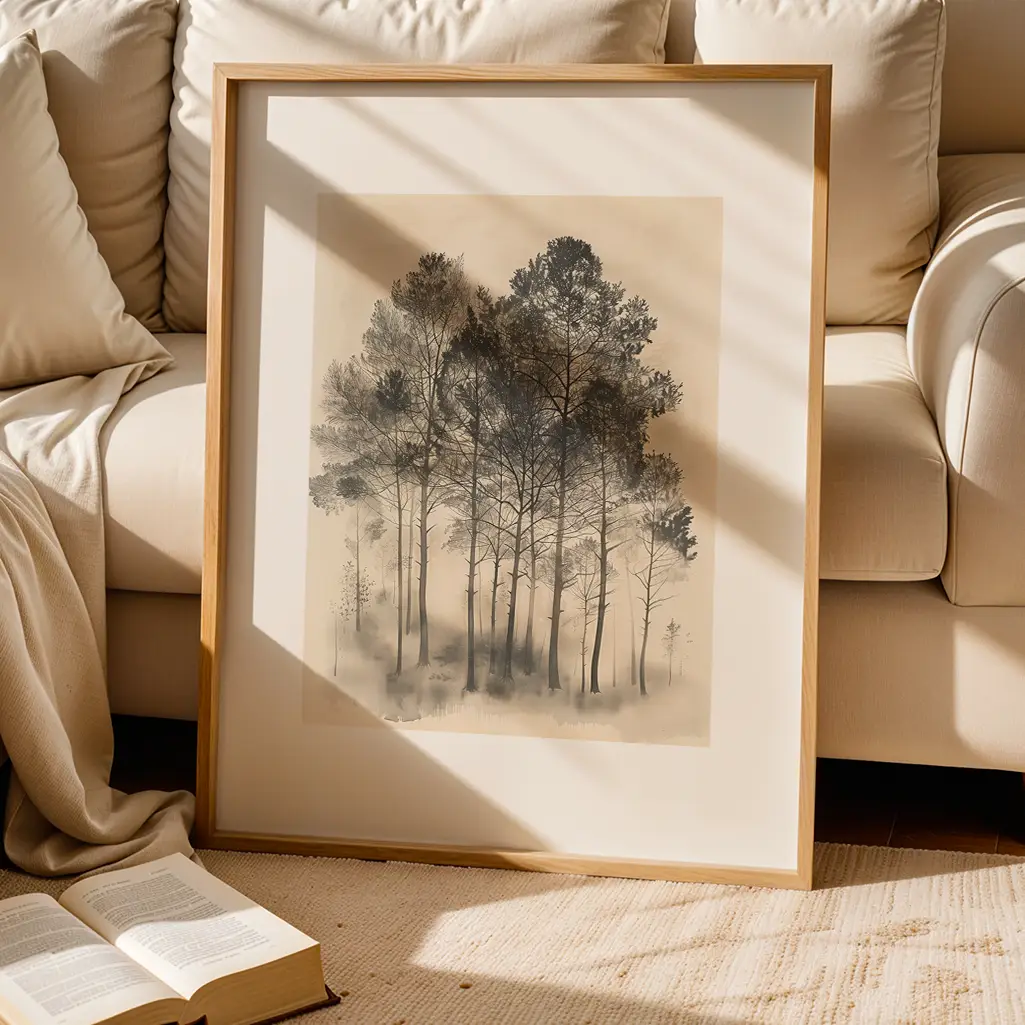
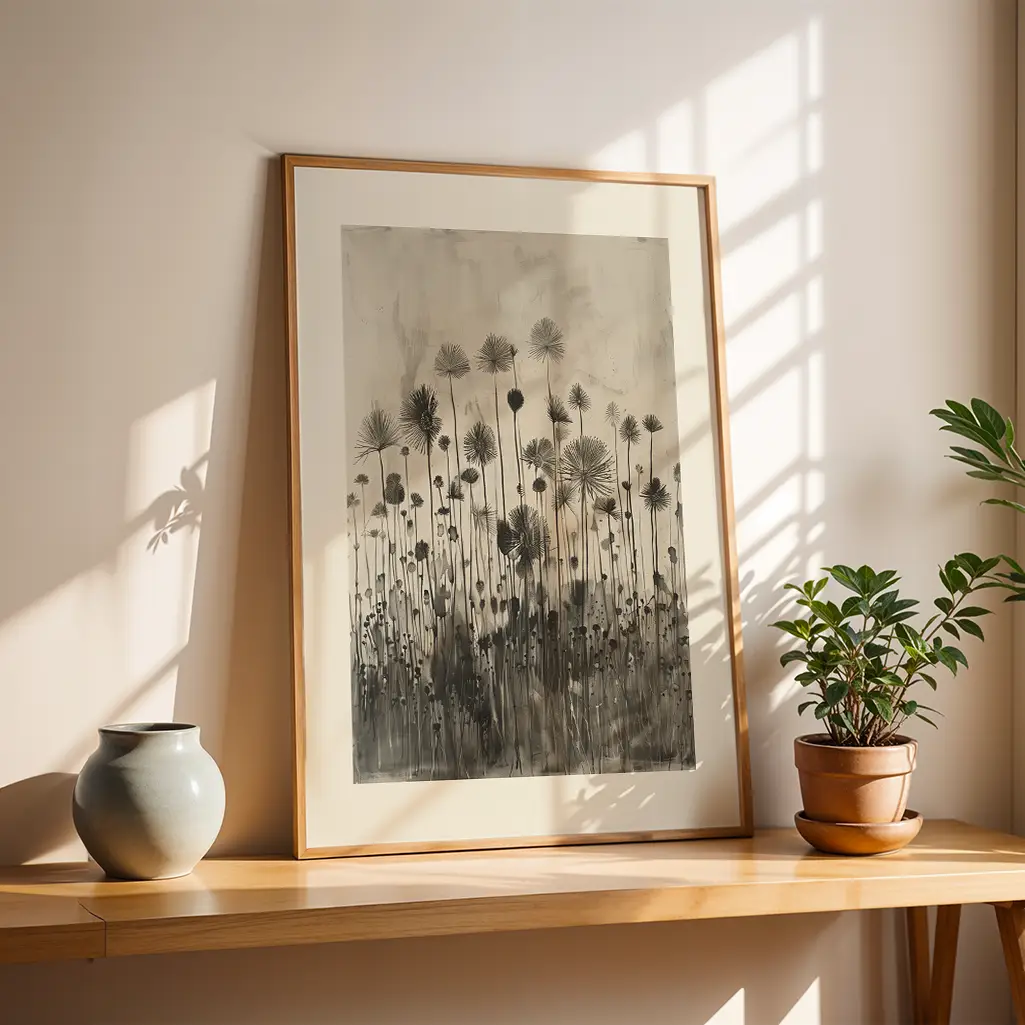
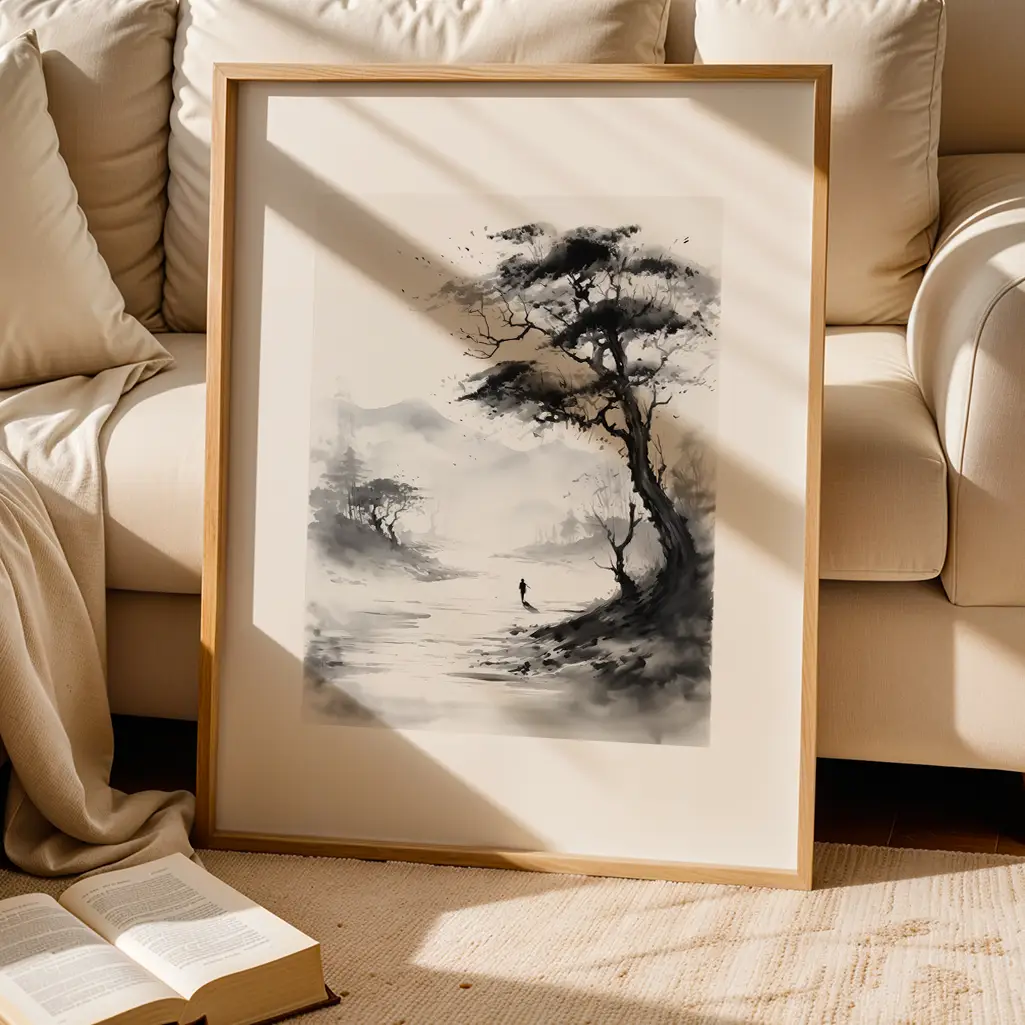
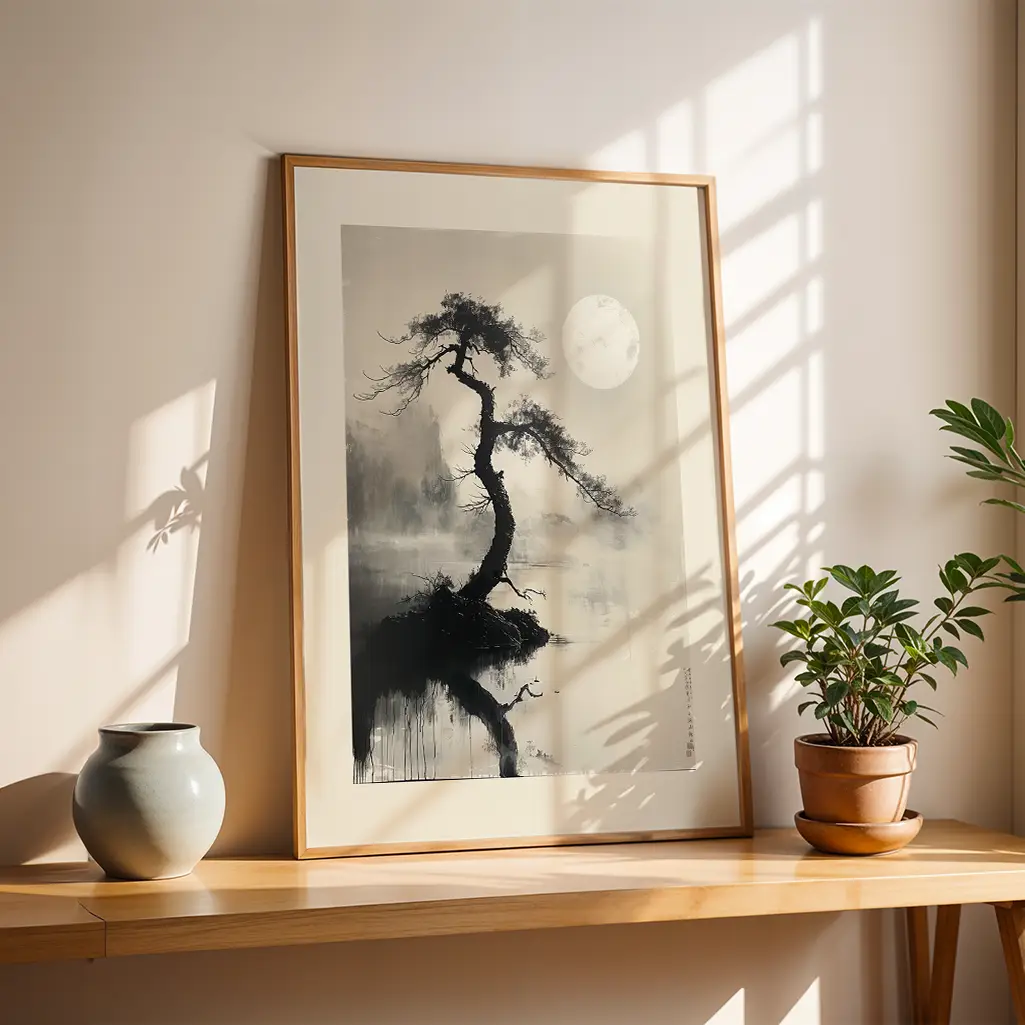
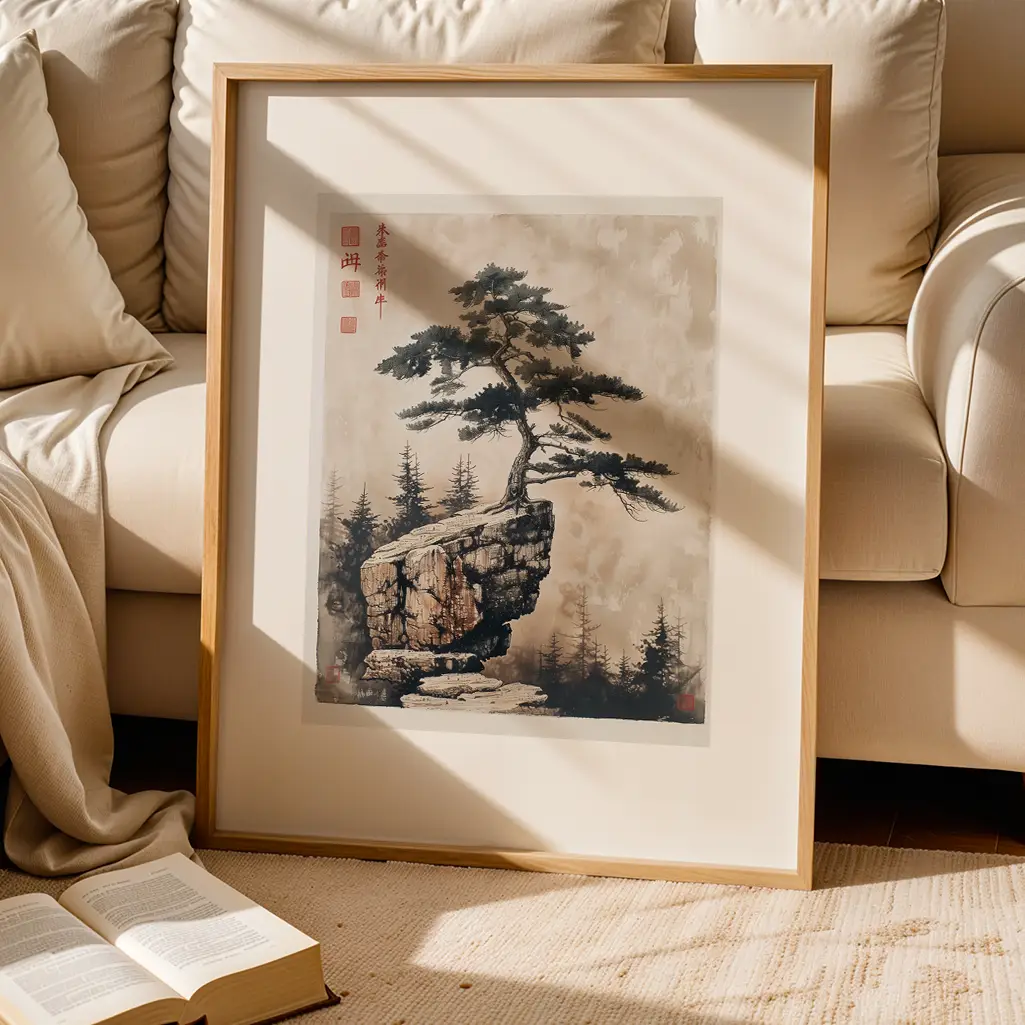
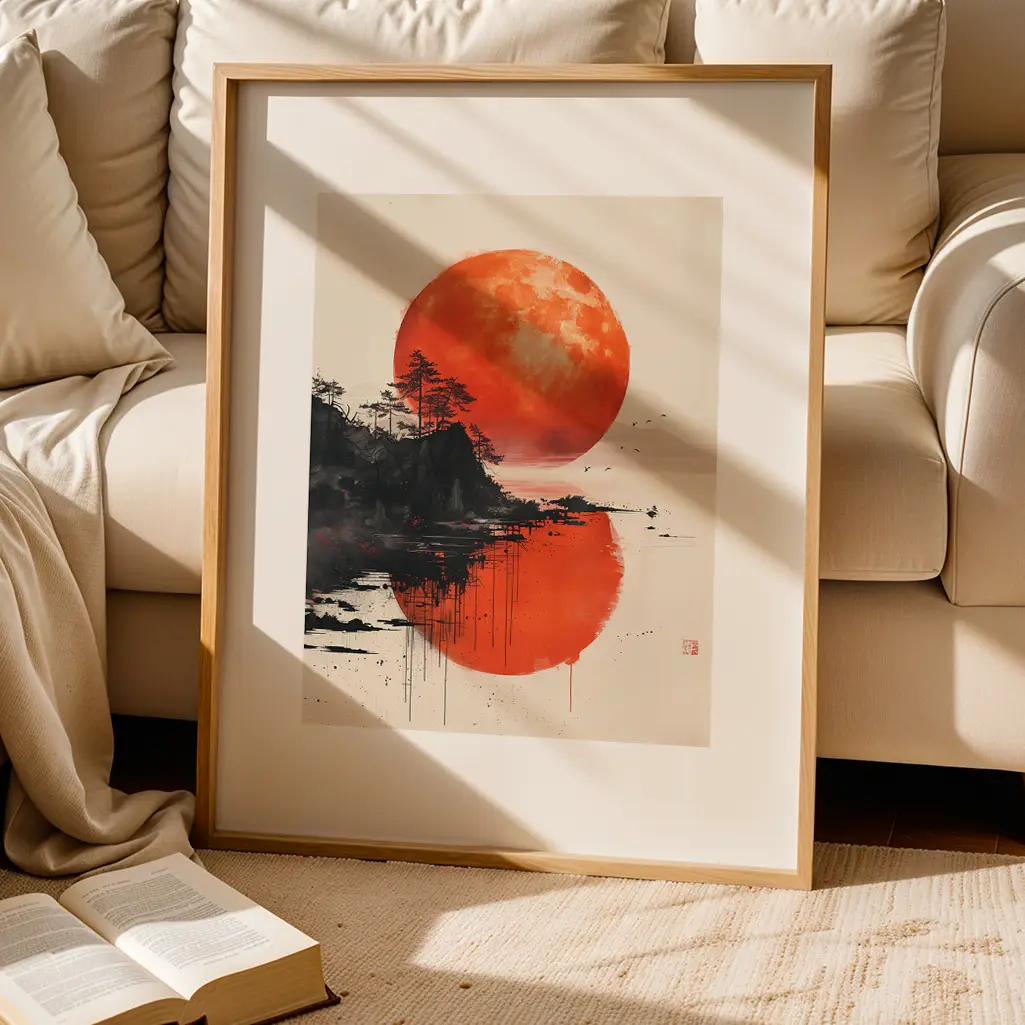
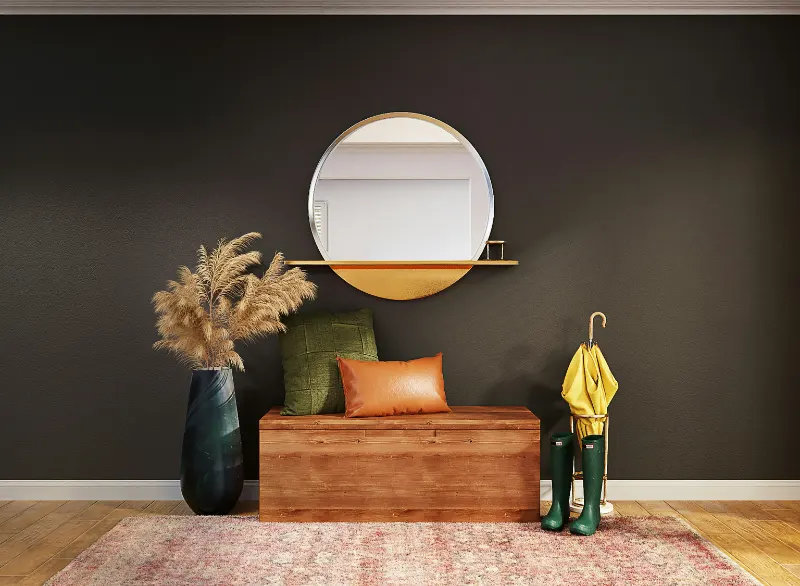
Start with what you see at eye level. Our brains read vertical surfaces first, scanning for cues of safety and belonging. A single piece of art, a simple mirror or a small shelf with something alive on it—a sprig in a narrow vase, a plant that can handle low light—creates a stable focal point. This is not decorating for its own sake; it’s an anchor that tells your attention where to land.
Light is the second messenger. Overhead fixtures in entryways tend to be too bright or too dull, both of which are jarring. If you can, layer a warm lamp on a console with softer overhead light. If you cannot add new fixtures, change the bulb temperature. Somewhere in the warm white range immediately softens edges, especially in the evening when you are most likely to be coming home tired. Consider a timer or smart bulb that switches on a bit before you usually return, so you are literally not walking into the dark.
Underfoot, even a small rug has an outsized effect. It is the tactile punctuation mark after the day outside. Choose something you do not mind seeing slightly imperfect. A rug that looks worse for one speck of dust will keep your brain on alert. A pattern or texture that forgives heavy use lets you actually exhale. If the space is narrow, run the rug lengthwise, visually inviting you further in instead of stopping you at the door.
The final part of that first impression is scent and sound, the quiet sensory layer you notice only when it feels off. If possible, crack a window nearby for a short time each day to reset the air. A subtle diffuser or a small bowl of cedar blocks in a discreet corner can create a consistent, gentle scent. As for sound, a simple habit helps: keep a small speaker or radio in the next room on low, so the house greets you with more than silence but never overwhelms you.
The goal is not perfection but a repeatable calm. Each object by your door should answer a simple question: does this make it easier to cross the line between outside and in, between doing and being.
Practical Beauty: What You Need, Edited With Kindness
Most entryway ideas fail not at the level of aesthetics but at the level of realism. Shoes have to go somewhere. Bags will be dropped. Mail materializes. The challenge is to assume this will happen and design for it, instead of pretending everyone will suddenly become tidier.Begin with circulation, the actual path through the space. Stand at your front door and walk the first ten steps you take when you come home. Notice where your body naturally pauses. That is where a small landing zone belongs, not necessarily where the wall looks most symmetrical. A floating shelf or a shallow console in that spot becomes an ally, catching keys and phones before they migrate to every other room.
Seating, if the square footage allows it, is less about politeness for guests and more about kindness to yourself. A narrow bench, a sturdy stool or even a built in ledge gives you a place to change shoes without half balancing on one foot. Tuck a basket underneath for slippers or seasonal accessories. When storage is integrated into comfort, it is far more likely to be used.
Vertical space is your quiet reserve. Hooks lined up at shoulder height suggest some order but are forgiving when life is not. Think of them as “catch points” rather than permanent homes; coats can migrate to a closet later, but in the meantime they are not slumped on a chair somewhere else. If you share your home, dedicate a hook or two to each person. The simple rule of one or two items per hook sets a soft limit that keeps the wall from becoming a fabric avalanche.
Surfaces, meanwhile, benefit from deliberate scarcity. A console table should not become a horizontal junk drawer. Choose a few specific functions, and let everything else be a “no.” A tray for keys and wallet, a shallow bowl for odds and ends, a vertical sorter for mail. Once these exist, you are not asking yourself where things should go every day; you are simply following a path you designed for your more tired self.
Do not overlook the door itself, the plane you pass through but rarely consider. If it is scuffed or dingy, a fresh coat of paint can transform the mood of the whole area, even if nothing else changes. A quiet color that relates to the rest of your home creates continuity, while a bolder tone makes the act of coming and going a bit more ceremonial. The handle you touch every single day is worth upgrading; a well weighted knob or lever has a grounding effect that you register more by feel than by sight.
In all of this, beauty is not the opposite of function. A simple ceramic dish by the door can do the job of a plastic tray, but each time you drop your keys, the small sound and feel of it will be different. You are not decorating for guests so much as choreographing your own return, turning a habitual crossing into a tiny ritual that signals, “You have arrived, and there is space for you here.”
Finding Calm in a Transitional Space
An entryway is, by definition, between things: inside and outside, movement and rest. That in between quality can make it feel unimportant, a hallway to rush through. Yet it is precisely because the space is transitional that it can hold so much power. It is where you practice the shift from reacting to choosing.When you think about entryway ideas, you are really thinking about thresholds. A small change in how you cross them can reverberate through your day. A chair where you always set down the mail becomes a decision point: will you sort it for ninety seconds before walking away. A hook reserved for your bag asks you to unload what you carried around all day, physically and mentally, instead of letting it trail you from room to room.
Consider adding one small ritual object near your door, something that reminds you to pause. It might be a low shelf with a stone you picked up on a walk, a framed photograph you glance at as you leave, or a candle you light on evenings when you plan to stay in. The point is not sentimentality but repetition. With time, your body will begin to associate that tiny act with arriving or departing more consciously.
If your space is very small, remember that stillness can be visual as well as physical. Choose fewer, larger elements rather than many small ones: a single piece of art instead of a busy gallery wall, one generous plant instead of several tiny pots. The eye rests more easily when it has clear shapes to land on. In a narrow hall, keep the far end simple and inviting; it is the direction you are always moving toward when you come in.
Light, again, plays a subtle role, especially in city apartments where the entryway may be entirely interior. A lamp on a dimmer near the door gives you a way to tune the space to your state of mind. Early morning before work might call for brighter light; late at night, you might want just enough to move through without waking the whole house. Over time, adjusting that dimmer becomes another kind of threshold ritual, an almost invisible act of care.
In the end, making your home feel good from the first step is less about following a checklist and more about listening to your own patterns. Watch how you really arrive: what you drop first, what you forget, what you dread. Then let your entryway meet you halfway, offering a place for those habits to land and, slowly, transform. The space by your front door does not need to impress anyone. It only needs to greet you, which is perhaps the most powerful form of design there is.