The Quiet Architecture of a Calmer Night
There is a moment in the evening when the light outside softens and your home begins to feel smaller, more intimate. For many people, that is precisely when the nervous system does the opposite of what it was designed to do. Instead of settling into rest, it replays the day, scrolls the news, and scans the future for problems to fix. The body may be on the sofa, but internally you are still at your desk, still at the meeting, still in transit.The nervous system is, in its own way, an interior designer. It decides whether a space feels safe or threatening and adjusts your heart rate, breath and muscle tension accordingly. If your evenings feel restless, it is not a personal failing; it is a pattern your nervous system has rehearsed in the same environment night after night. The good news is that patterns can be rewritten, and your rooms can help you do it.
An evening wind-down ritual is less a set of tasks and more a choreography of cues, each telling your body, in a different language, that it can let go. Light, texture, scent and sound become signals of safety. Over time, these repeated signals train your nervous system to associate a particular hour, a particular corner of the room, and a particular sequence of actions with a shift from vigilance to rest.
Think of it as building a small, predictable story into your night. The story might begin when you dim the lights, deepen when you fold away the visible evidence of work, and resolve as you sit in a particular chair with a particular cup. When the same story plays out often enough, your nervous system starts skipping ahead to the ending. It learns that calm is what comes next.
Interior choices matter here, not as decor theater but as gentle interventions in physiology. Cooler, bluer light keeps the brain at attention, while warmer light suggests firelight and dusk. Sharp visual clutter asks the eyes to keep scanning; quiet surfaces, with fewer competing shapes and colors, ask less of your attention. A single soft throw or a familiar ceramic cup becomes a physical anchor, a signal that the active part of the day is closing.
Designing a calmer evening is not about perfection. It is about configuring your space so that relaxation is the default outcome, not the nightly struggle.
Shaping Space as a Signal of Safety
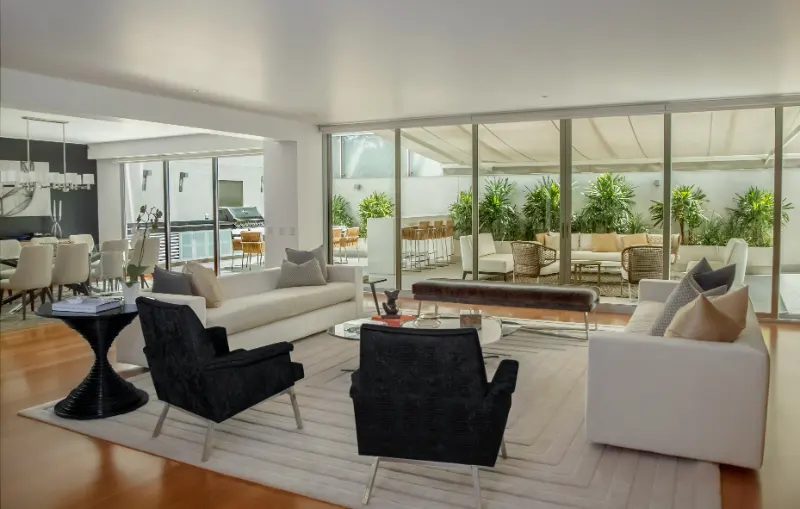
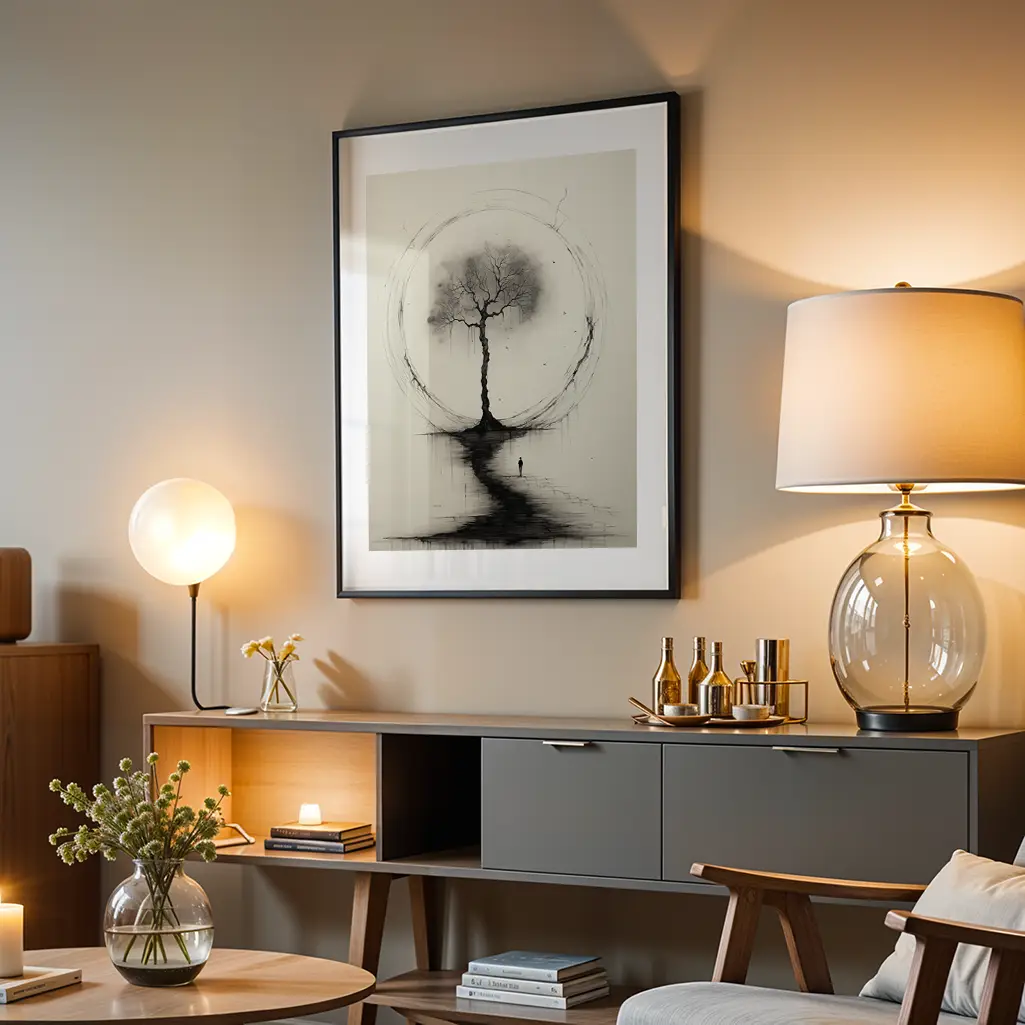
The nervous system reads environments faster than you consciously can. Before you have formed a thought about your living room, your body has already measured light levels, visual complexity and ambient noise. If your goal is a calm evening wind-down, you are really designing for that pre-verbal, fast-reacting part of the brain.Lighting is the most powerful lever, and the easiest to underestimate. Overhead fixtures, especially bright, cool LEDs, mimic midday sun and tell your brain that it is still time to perform. A simple ritual of turning off the main light and relying on two or three low, warm lamps can change the felt character of the room within seconds. The nervous system recognizes dusk, even if you are on the twenty-fifth floor.
Equally important is what your space asks you to pay attention to. Every visible object is a small demand on your nervous system. Stacks of mail, an open laptop, laundry in the corner; each signals something unfinished, which your brain treats as a potential threat to future safety. You do not need a showroom-perfect room, but a modest boundary between daytime tasks and nighttime rest is transformative. A basket with a lid to collect work items, a tray where the laptop disappears, a chair whose only job after dinner is to hold a folded blanket; these are small acts of design that speak directly to your sense of completion.
Sound and scent also matter more than we admit. The nervous system loves patterns, and a repeated soundscape at the same hour each night can become a cue for downshifting. That might be a particular playlist kept low enough that voices soften, or the consistent whir of a fan that masks the sharper edges of city noise. Scent is similarly efficient. You do not need a shelf of candles; one quietly used scent, associated only with evening, can become an olfactory shorthand for rest.
Texture is often overlooked but can be a quiet ally. A smooth wooden table, a heavy ceramic mug, a worn linen pillow; these are tactile invitations to slow down. When you deliberately choose a few materials that feel grounding and reserve them for evening use, you create a bodily memory. Your fingers remember before your mind does that it is time to soften.
None of this requires a renovation. It requires decision. Choose one corner of a room as your evening territory and let it obey different rules than the rest of your space. Softer light, fewer visible tasks, one or two objects that exist solely for your comfort; that is enough to start signaling to your nervous system that the demands of the day are truly over.
Designing a Gentle Sequence You Can Actually Keep
The most effective evening wind-down rituals are strikingly ordinary. Their power lies not in their drama but in their repeatability. Your nervous system is trained by what happens again and again, not by what happens spectacularly once a month.Begin by anchoring your ritual to something that already happens every night. It might be washing the dinner dishes or turning off the television. Whatever you choose, let that action be the doorway. Immediately after it, move through the same small sequence in the same space. Over time, your body will start responding at the first step, anticipating the calm that follows.
A simple sequence might look like this in practice. You clear the table, then walk through the room turning off overhead lights, replacing them with the softer glow of lamps. You gather or cover visible work items, so that your eyes do not keep stumbling over unfinished tasks. You open a window, if you can, to let in a brief wash of cooler air, a physical punctuation mark between the day and evening.
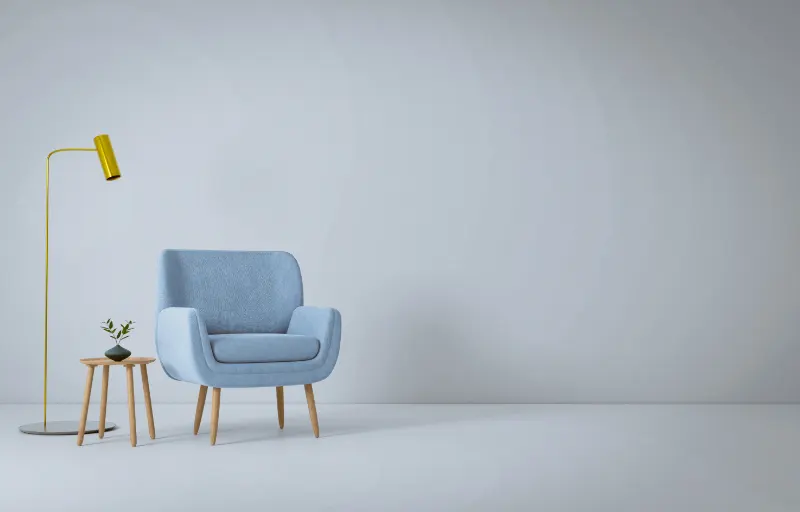
Then you move to your chosen corner. Perhaps there is a chair angled slightly away from the rest of the room, with a small table just large enough for a book and a cup. You sit the same way, wrap the same blanket around your legs, and hold the same mug. This repeated physical arrangement matters. The nervous system begins to recognize the posture of rest as clearly as it recognizes the posture of hunching over a laptop.
Give this ritual a clear ending as well as a beginning. It might be closing a book, turning off a lamp, or drawing a curtain. The nervous system appreciates boundaries. When the evening has a shape, your thoughts feel less inclined to spill out in all directions.
What makes this all work is not intensity but compassion toward your own limits. Design your ritual to be so modest you can keep it even on the worst days. Ten quiet minutes in a familiar chair with gentle light and fewer visual demands will do more for your nervous system than an aspirational hour you never actually take.
Over weeks, this small, consistent evening story becomes part of the architecture of your life. Your home stops being merely the backdrop to your exhaustion and begins to act as a collaborator in your calm, one warm lamp, one folded blanket, one steady breath at a time.
.webp)