Rethinking the Hallway as a Room, Not a Route
Most homes treat the hallway as a shrug: a place you hurry through on the way to somewhere more important. Yet a narrow corridor is the first and last space you see each day, the small “threshold” that quietly frames your experience of home. When you begin to see it as a long, slim room rather than a leftover strip of floor, the design decisions change: you start editing instead of stuffing, revealing instead of hiding.
The core challenge is psychological as much as physical. A tight hallway can provoke a subtle tension: walls press in, light falls flat, doors clash. The goal is not to “fix” its narrowness but to work with it, turning constraint into character. That begins with understanding how your eye moves through space. In a corridor, you almost never stand still; you’re passing through. So priority shifts from seating and comfort to sequence and rhythm. What does your eye land on first? What does it register next, and at what pace?
Designers often start with the envelope: floor, walls, ceiling. In a narrow space, the floor becomes a powerful visual track. A continuous runner elongates the corridor, establishing direction and quieting the visual noise of door thresholds and disparate materials. To prevent a tunnel effect, choose a runner with a gentle pattern or subtle stripe that echoes the length without shouting it. The texture underfoot matters too; a flatweave wool or indoor-outdoor rug keeps the look calm while standing up to traffic.
Walls in a hallway hold more responsibility than in almost any other room. Because you are close to them, color and sheen read more intensely. A luminous off-white or pale stone hue can lift the ceiling and soften shadows, but a darker tone can work just as well, wrapping the corridor in a cocoon. The trick is consistency: keep trims, doors and walls in related tones so the space feels like a single, continuous volume rather than a series of cuts. Where ceilings are low, paint them the same color as the walls or one shade lighter; that reduces visual lines and makes the architecture recede.
Lighting is the final layer of the envelope and the most transformative. Many hallways rely on a lonely flush mount in the center of the ceiling that flattens everything. Think in terms of “beats” instead. A row of modest ceiling fixtures, or slim wall sconces spaced along the length, creates a cadence of light that mirrors your movement. The objective is soft, even illumination, not theatrical spotlighting. Opaque or frosted glass diffusers help, as does warm color temperature. If your hallway hosts art or photographs, consider picture lights or very narrow-beam spots, but keep them aligned; a wandering line of fixtures introduces a low-grade visual anxiety you may not consciously register, yet feel every time you pass through.
Balancing Function, Flow and Storage
Narrow spaces invite overcompensation. Because the hallway is a catch-all zone in many homes, it tends to accumulate hooks, benches, shoe racks and mail piles in a single compressed burst. The result is a visual snarl that makes the corridor feel even thinner. The essential question is ruthless but liberating: what genuinely needs to live here, and what can live elsewhere?
Begin with circulation. Stand at one end of your hallway and imagine the widest person you know walking through with a coat on and a bag over one shoulder. That is your “clear path” requirement. Everything else must defer to it. If the corridor is extremely tight, prioritize vertical storage; a line of slim wall hooks for everyday coats, a narrow shelf high on the wall for baskets or boxes, perhaps a shallow console that projects no more than a few inches. Depth is the enemy; height is your ally.
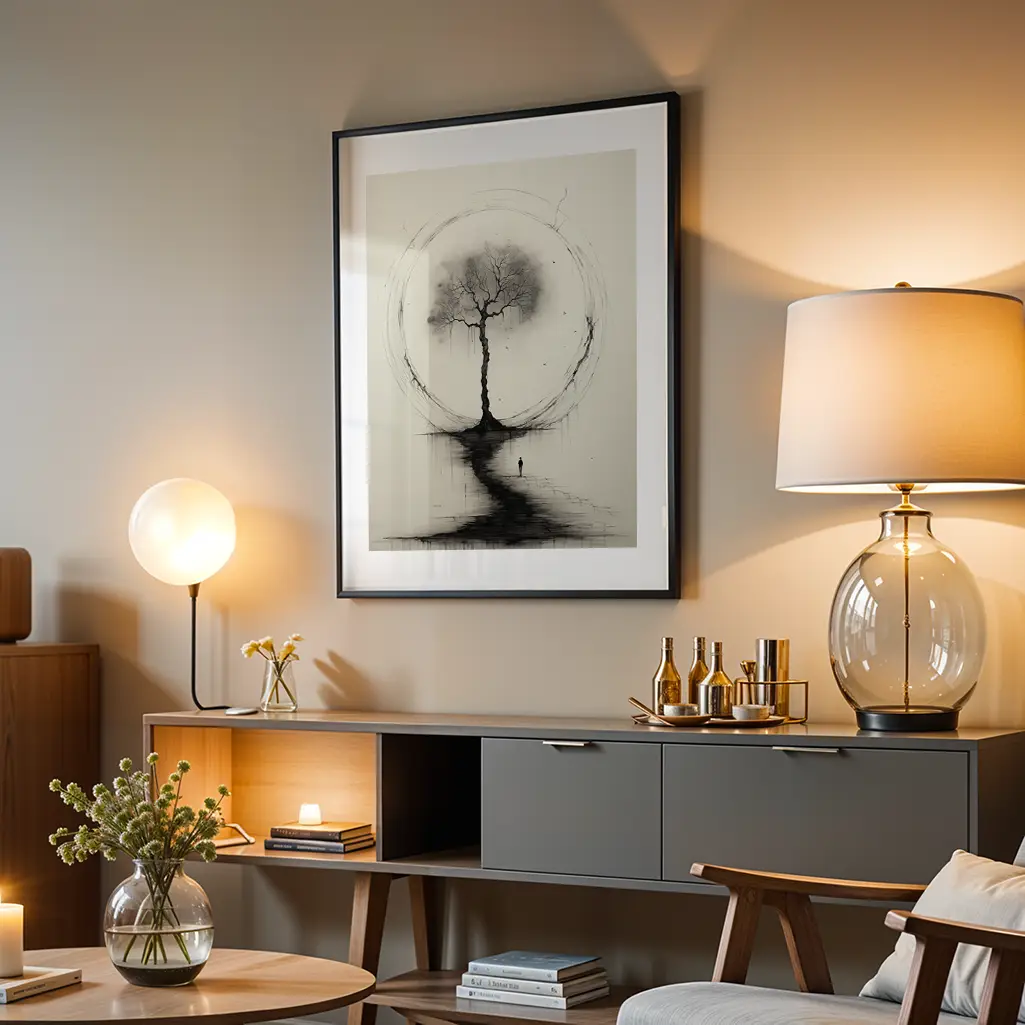
When the hallway is just wide enough to permit furniture, resist the urge to line both sides. Choose a single wall to carry the functional load. A simple, thin console or floating shelf can hold keys, a tray for mail and a small lamp to soften the atmosphere. Open undersides keep the floor plane visible, which makes the space feel less cramped. If you need shoe storage, look for cabinets designed to be shallow and tall, or consider built-in millwork that turns the wall into a paneled surface with concealed doors. The less you see of individual objects, the calmer the hallway becomes.
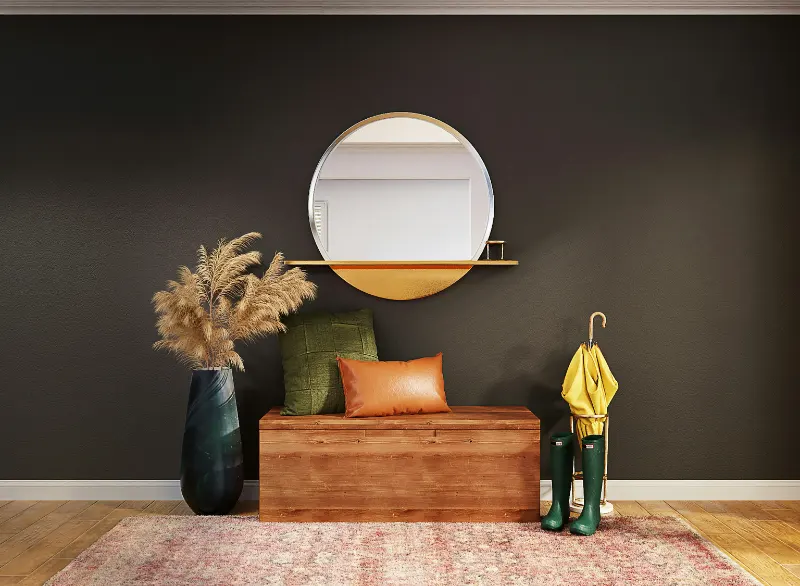
Mirrors can be a gift in a corridor, but they require discipline. A mirror placed opposite a doorway can bounce natural light deeper into the space and visually widen the hallway. Yet too many mirrored surfaces create a sense of visual chatter, as if the corridor never quite settles. One considered mirror, aligned at a natural pause point such as the end of the hall or above a slim console, lets you check your appearance on the way out while extending the room just enough. The frame matters: something with a clear, quiet profile will integrate more gracefully than a hyper-ornate statement piece in a tight space.
Function also includes acoustics and atmosphere. Long, hard corridors can amplify sound, turning footsteps and conversation into a slight echo chamber. Runners, fabric shades and even small wall hangings can absorb and soften noise. The hallway should feel like an exhale between the street and the rest of the home; a place where temperature, sound and light gently transition. Adding a small bowl for found objects, or a single plant where it will not be bumped, gives the space a lived-in, welcoming character without tipping into clutter.
Creating Rhythm with Art, Color and Personal Detail
Once the basics of light, storage and movement are in place, the question becomes how to express personality without overwhelming the narrow proportions. The answer lies in rhythm: repeated elements that guide the eye, punctuated by deliberate pauses. Think of the hallway as a sentence. Too many exclamation points and it becomes exhausting; too few and it reads as a blank.
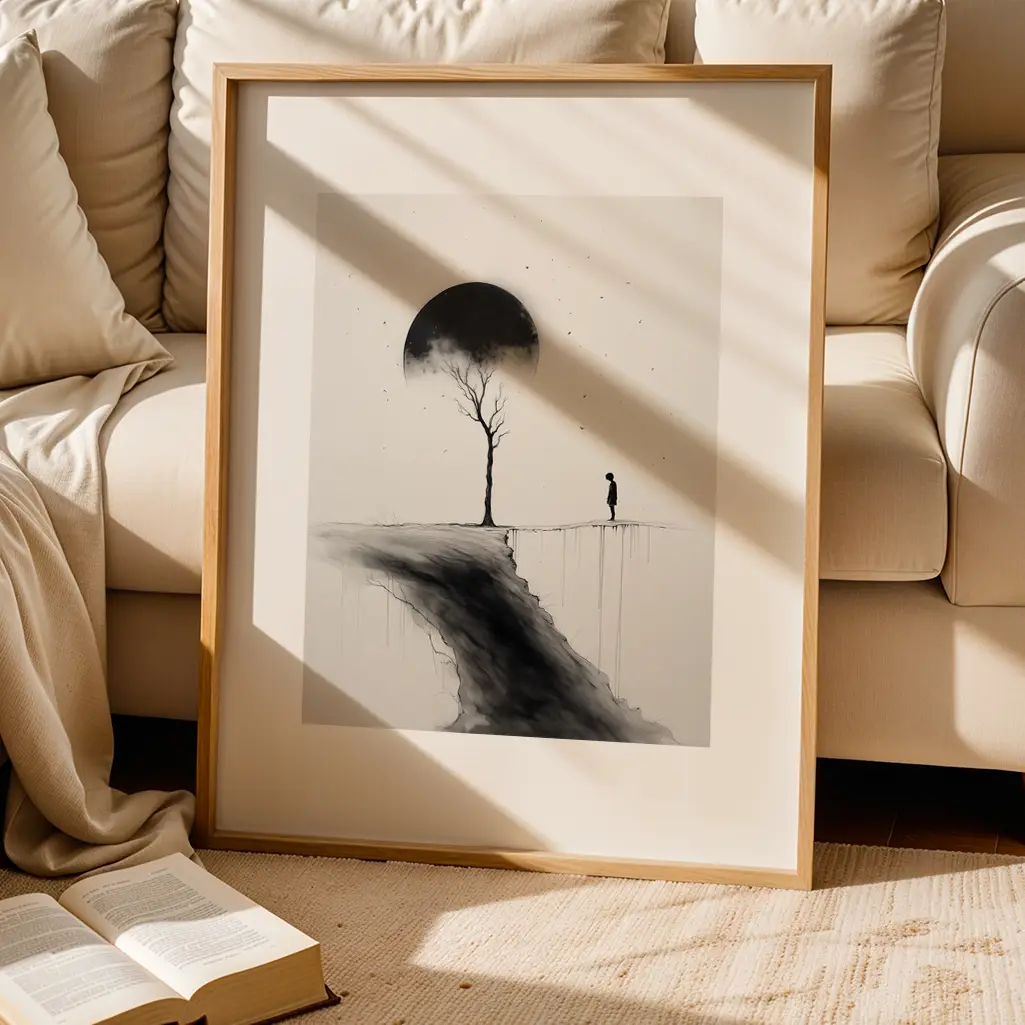
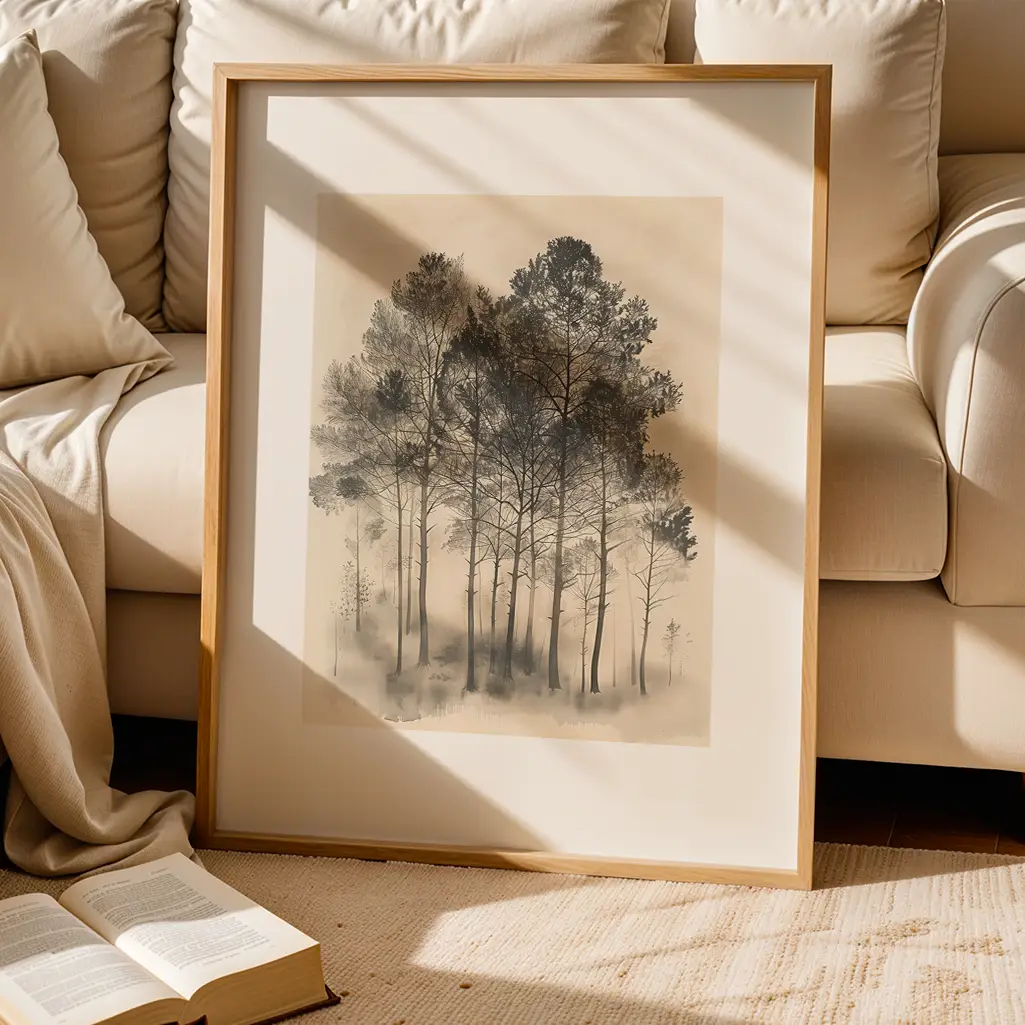
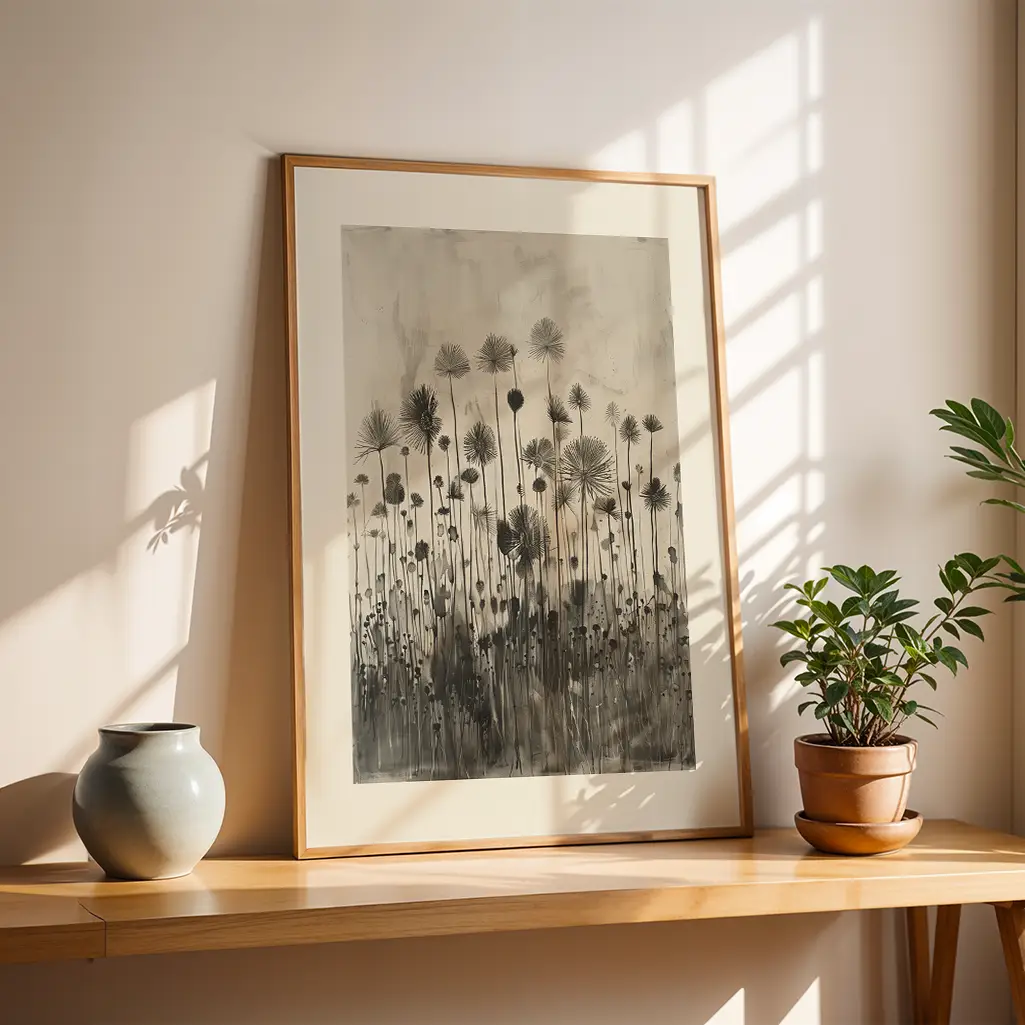
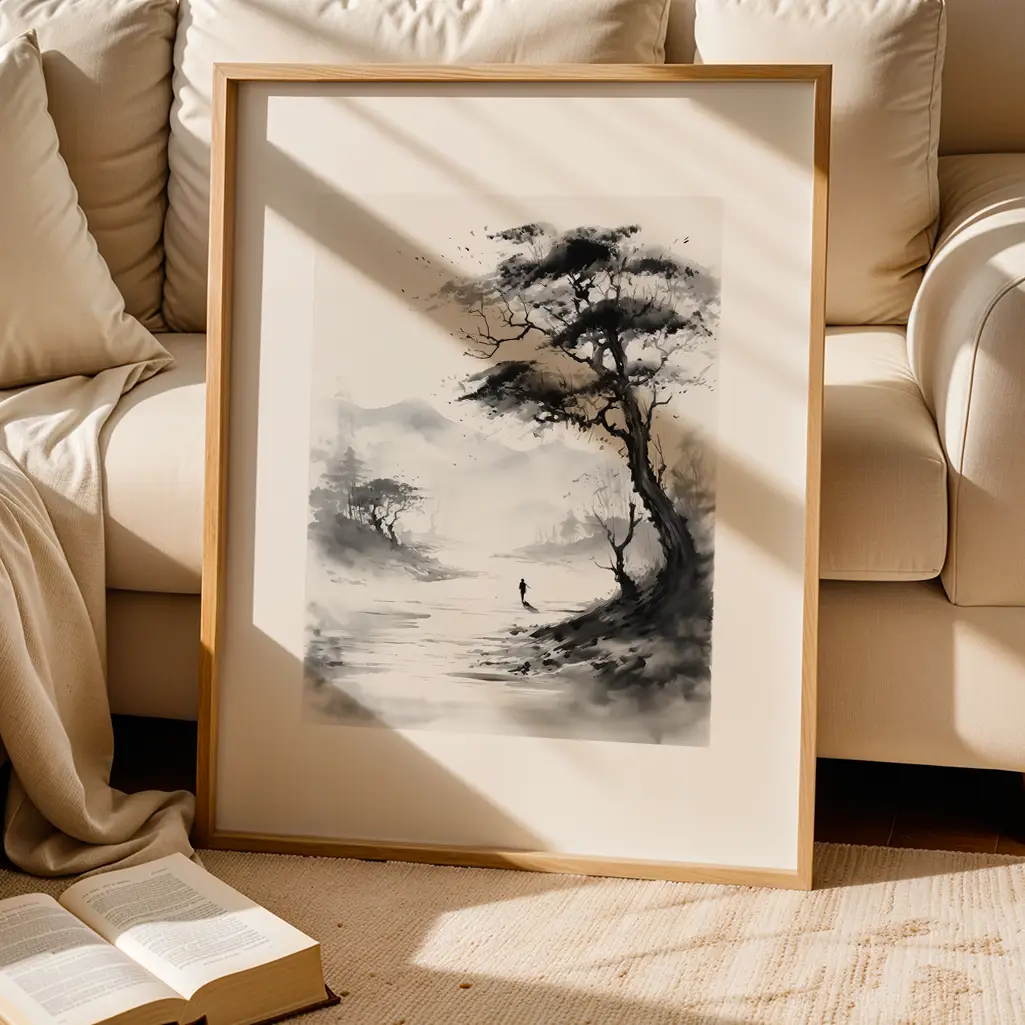
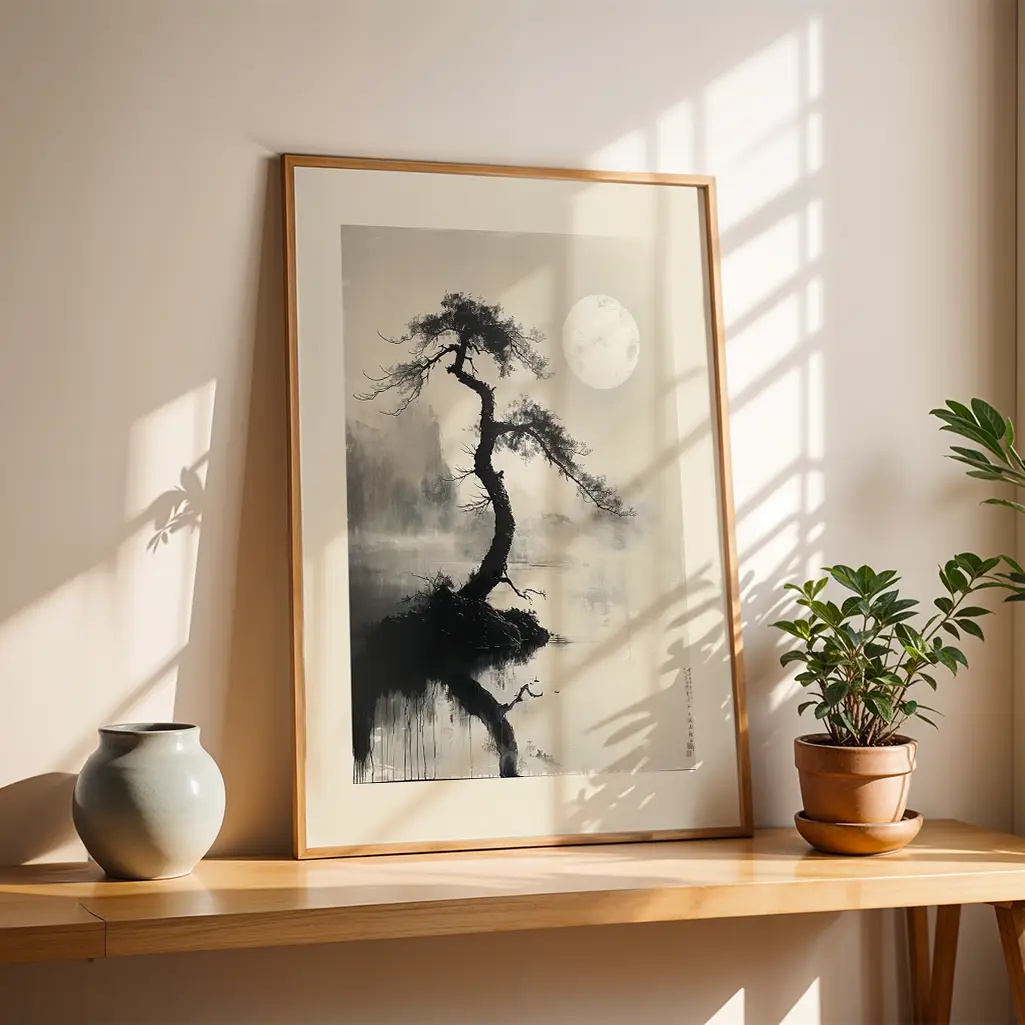
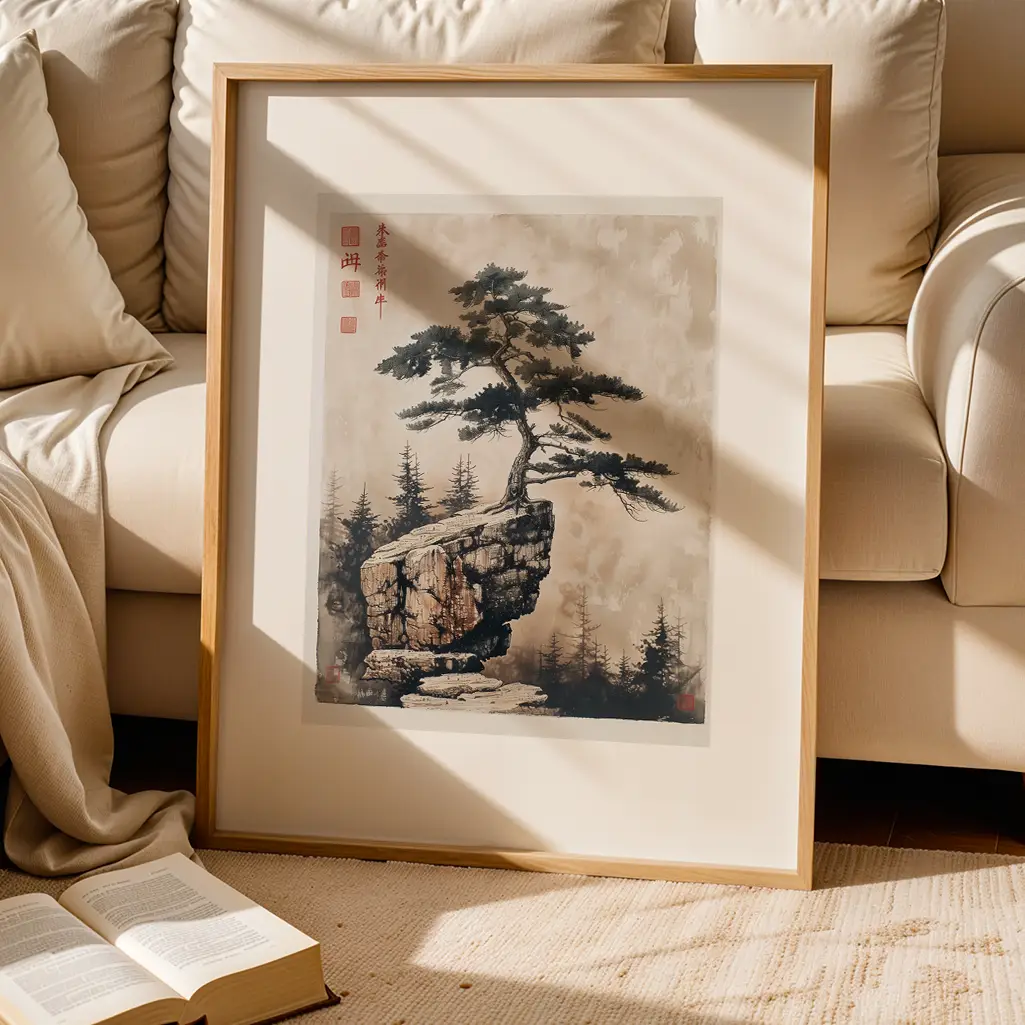
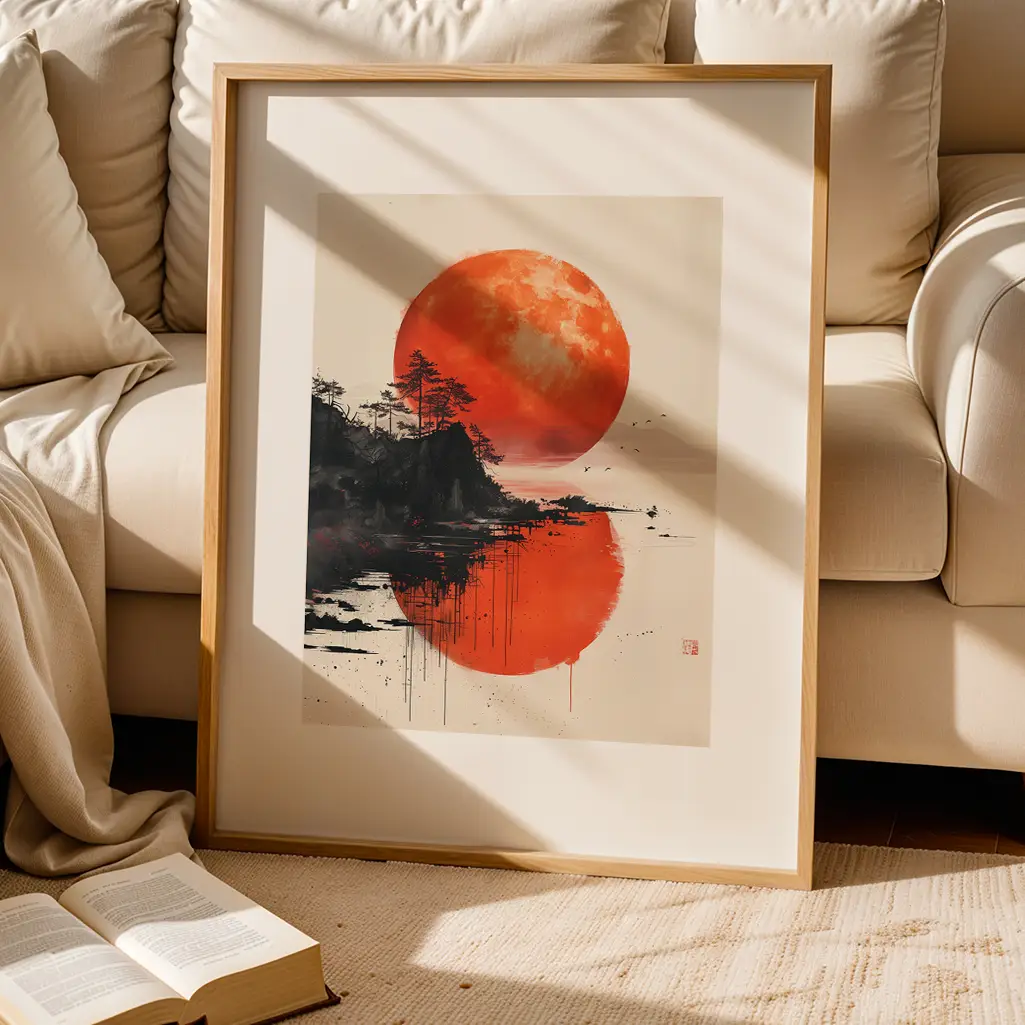
Artwork is often the first instinct, and a gallery wall can be beautiful in a corridor, but editing is critical. In a particularly narrow hallway, hang art on one side only, keeping frames within a consistent color family and aligning their top edges or centers. This creates a visual line that quietly organizes the wall. Varying scale within that structure keeps it from feeling rigid. If your corridor is a bit wider, you can afford more play, but leave pockets of blank wall as breathing spaces; they allow the pieces you do hang to resonate more strongly.
Color can be used to mark transitions, but in a narrow corridor it works best as a “wash” rather than a patchwork. A single hue carried along the length, perhaps deepened at the far wall, draws you forward. Alternatively, you can paint doors to match the walls so that hardware becomes the only glint, letting art and objects take precedence. If you love pattern, consider it on the floor rather than the walls: a patterned runner in a controlled palette can deliver energy without enclosing the space. For a quieter approach, let texture do the work. A grasscloth wallcovering or a limewashed finish, used sparingly and with good lighting, adds depth that you sense more than see.
Personal objects belong here too, but with a curator’s restraint. A small ledge with a rotating arrangement of postcards, a framed child’s drawing, a single ceramic piece found on a trip: these are the kinds of items that reward everyday passing. The hallway is less a gallery and more a narrative spine, carrying small chapters of your life between rooms. When those chapters are chosen with care and given space around them, the corridor stops feeling like a leftover slice of architecture and starts to operate as a gentle, composed journey through your home.