Rethinking the Question: It’s Not a Number, It’s a Feeling
Walk into a room where the walls are either bare or overstuffed with frames and you can feel, almost physically, when something is off. The real question behind "How many pictures should you hang on one wall?" is not mathematical. It is about how much visual energy a wall, and then a room, can hold without feeling anxious or empty.
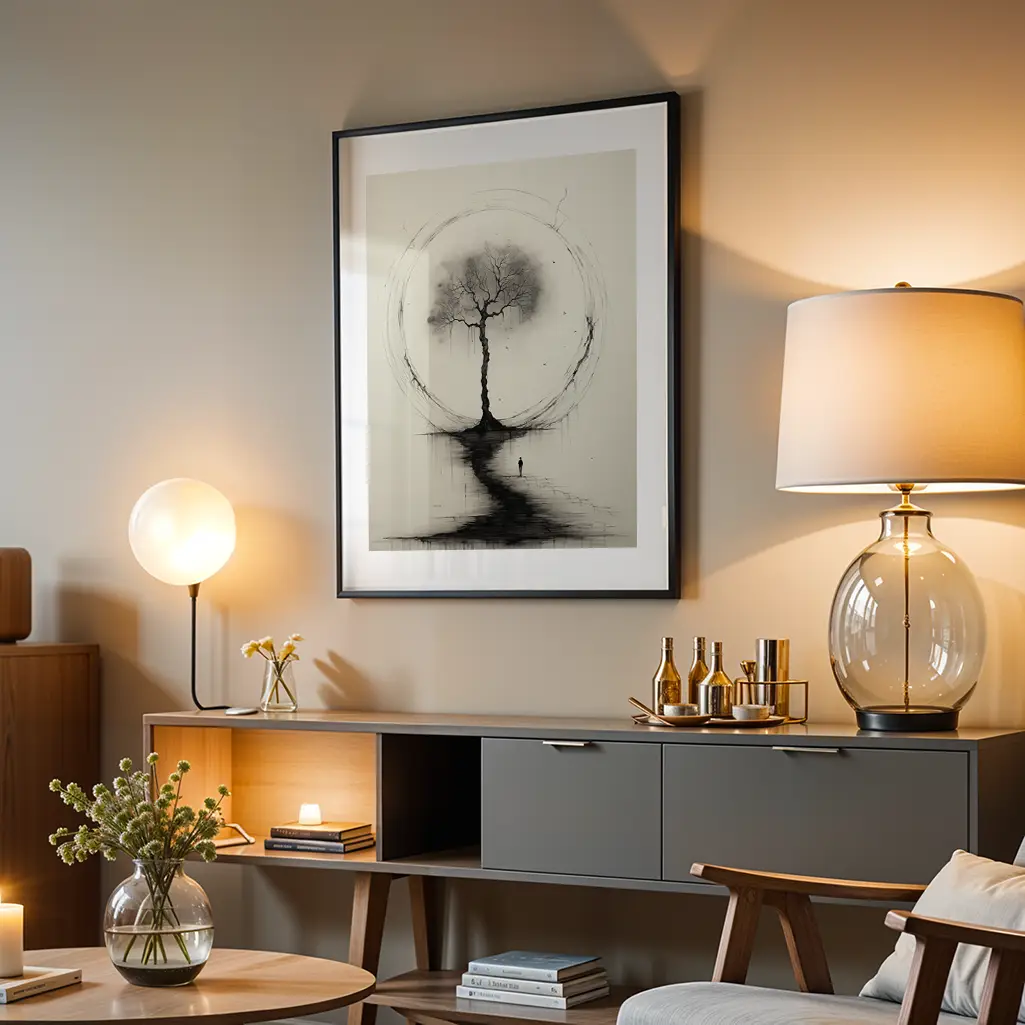
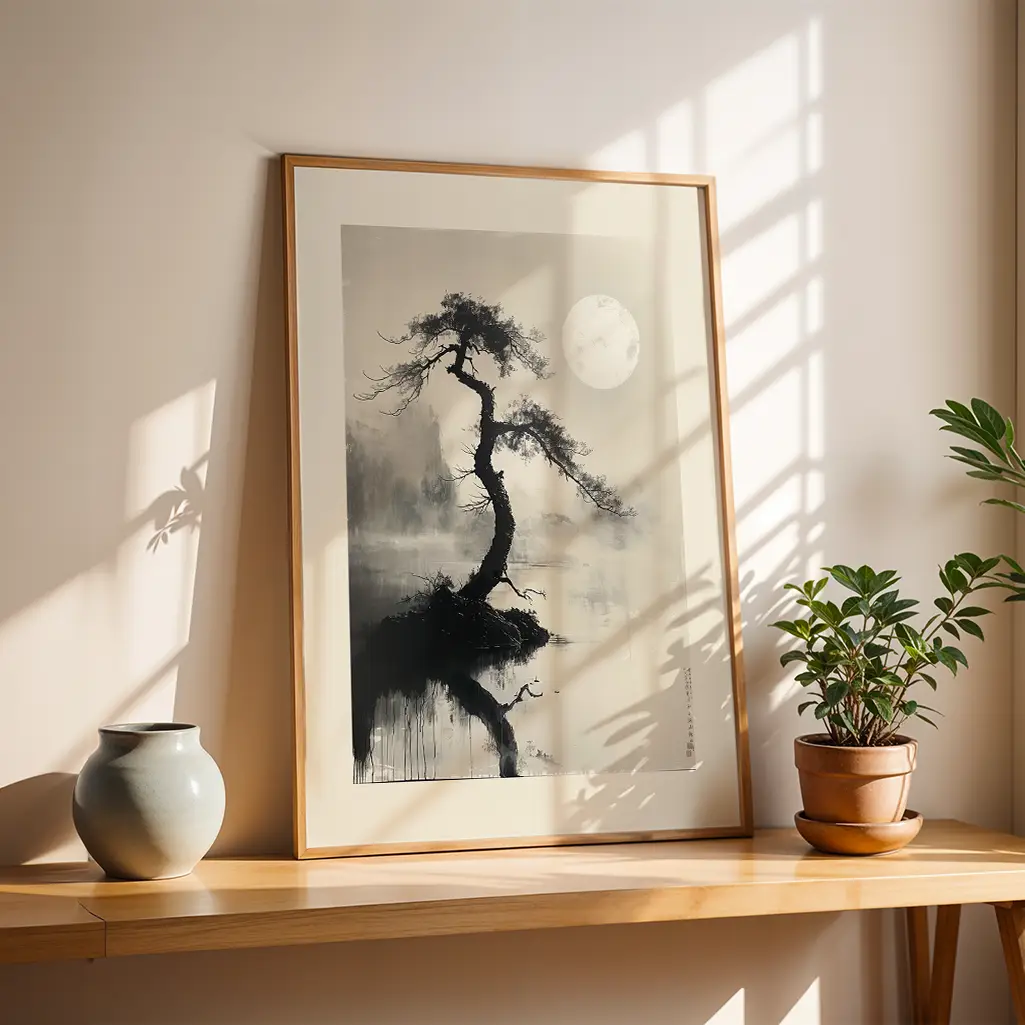
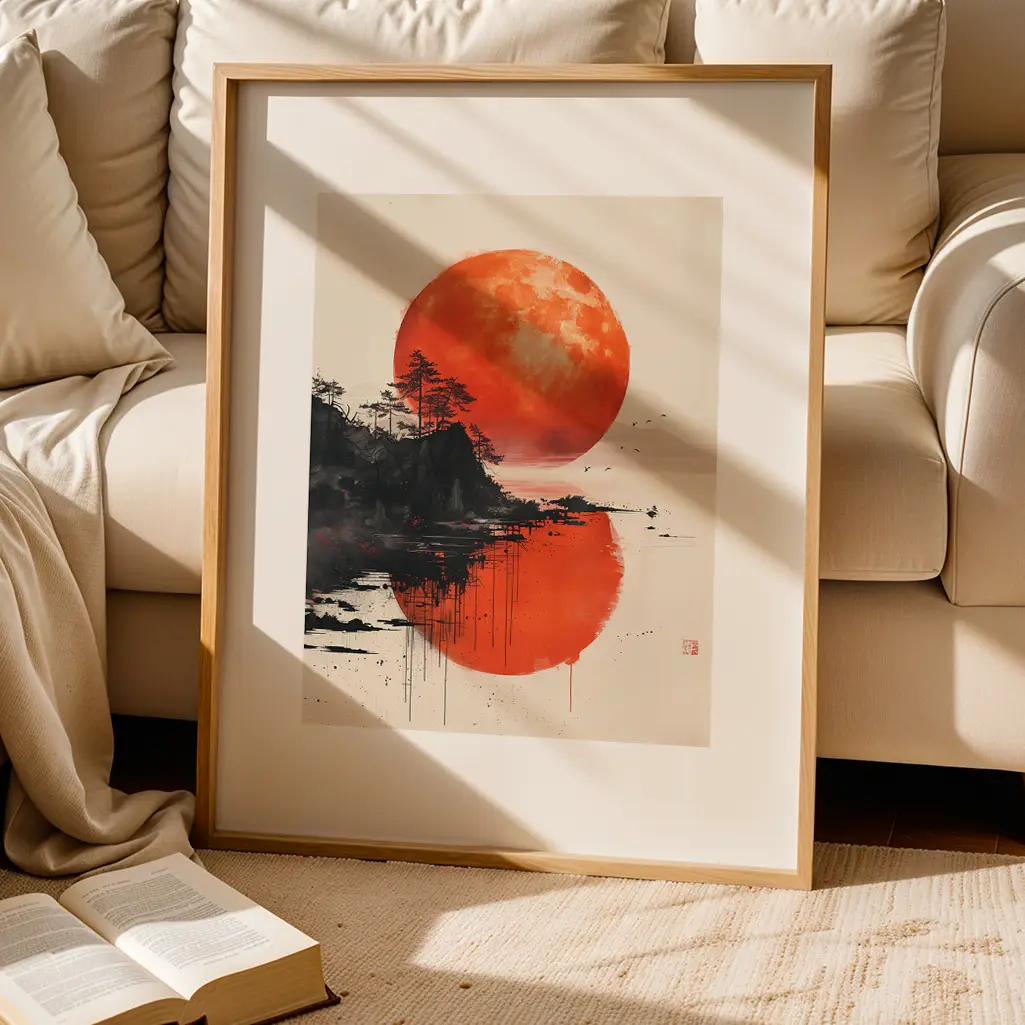
Designers quietly work with three invisible variables: the size of the wall, the size of the art and the amount of negative space around it. The answer you are looking for is the right relationship among those three, not a fixed count of pictures. A single, oversized photograph can feel as full and resolved as a 12-piece salon wall. The harmony comes when the art and the empty space feel like they are having a calm, coherent conversation.
Begin by standing at the main entry point to the room and letting your eyes relax. Notice where your gaze naturally lands. That is the primary focal wall and it can usually handle more visual weight. Secondary walls, like small returns near doors or the space above a side chair, often want just one or two pieces. The more your eye has to work to understand what is happening on a wall, the fewer pictures you should use; the simpler the story, the more pieces you can layer without chaos.
There is also a psychological side to this. Many people overhang because they are trying to fill an emotional gap as much as a physical one. Others hang too little from a fear of getting it wrong. Somewhere between the anxious gallery and the ascetic white box is a middle path in which the pictures feel supported by the wall and your attention can rest on them without strain. That is the threshold you are trying to sense.
Reading the Wall: Scale, Spacing and Visual Weight
To decide how many pictures belong on one wall, imagine an invisible rectangle centered at eye level, roughly between 57 and 60 inches from the floor to the midpoint of the art. Designers often treat this as the calm horizon line of a room. Everything you hang should feel anchored to it, either directly or in relation to it. A single large piece works when it sits comfortably on that line and leaves a generous margin of wall around it. A grouping works when each piece acknowledges that line, even if they are staggered above and below.
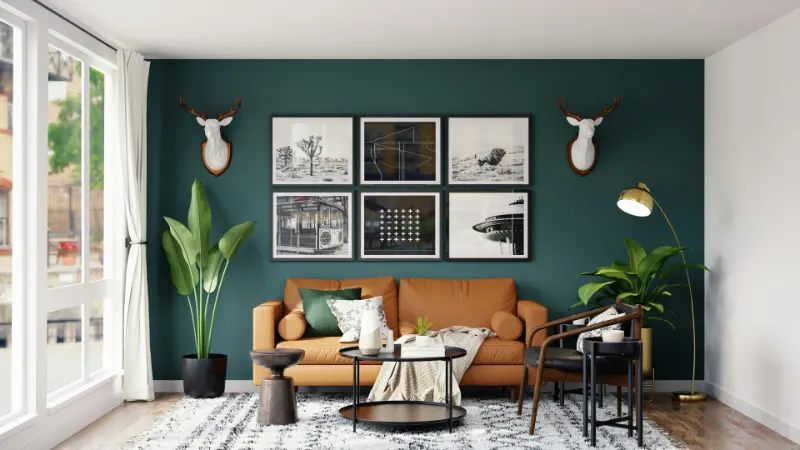
Now consider scale. Large walls behind sofas or dining tables can handle either one big statement or a cohesive grid. If individual pieces are small, you generally need several of them working together as a unit so they do not look like visual punctuation marks scattered randomly. The point is not to hit a quota but to create one clear shape in space. If the frames read, from across the room, as one larger rectangle or square, you are usually in the right range of quantity for that wall.
Spacing is where many rooms lose their poise. Crowding pictures until frames nearly kiss can feel frenetic; floating them too far apart can make each one look lonely. As a rule of thumb, imagine a band of quiet air between pieces, a rhythm that feels similar from gap to gap. When the spacing is consistent, the eye reads the group as a single thought, and you can often hang more pictures without tipping into clutter. When spacing is irregular, even a few pieces can feel like too many because the brain has to keep recalculating what is going on.
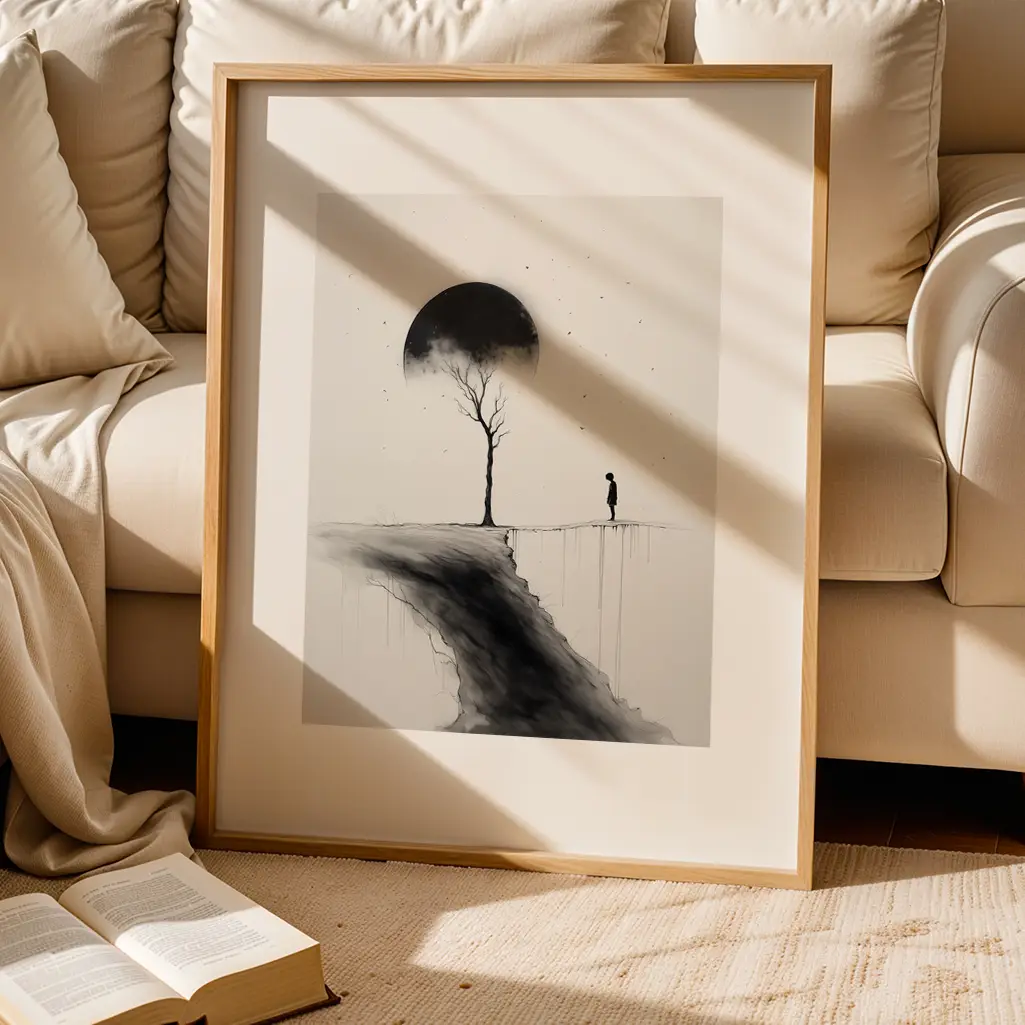
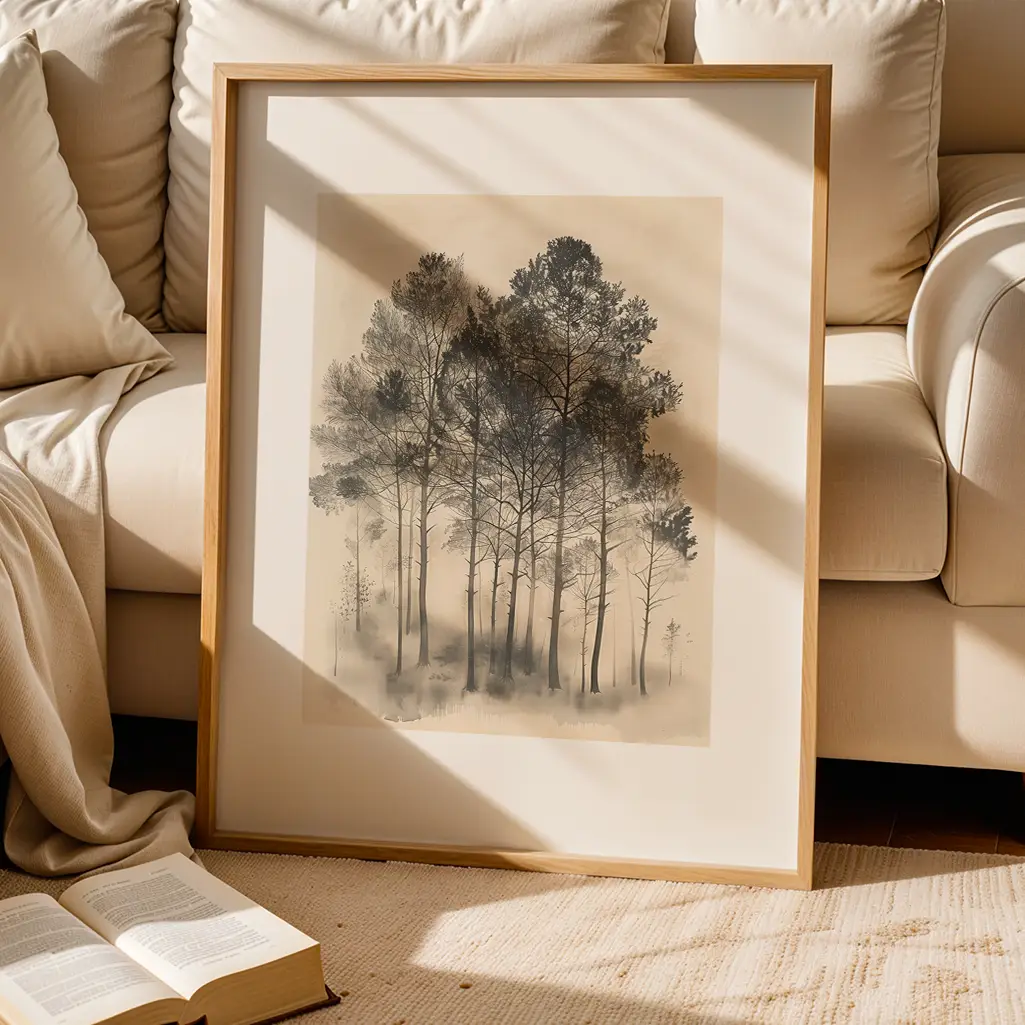
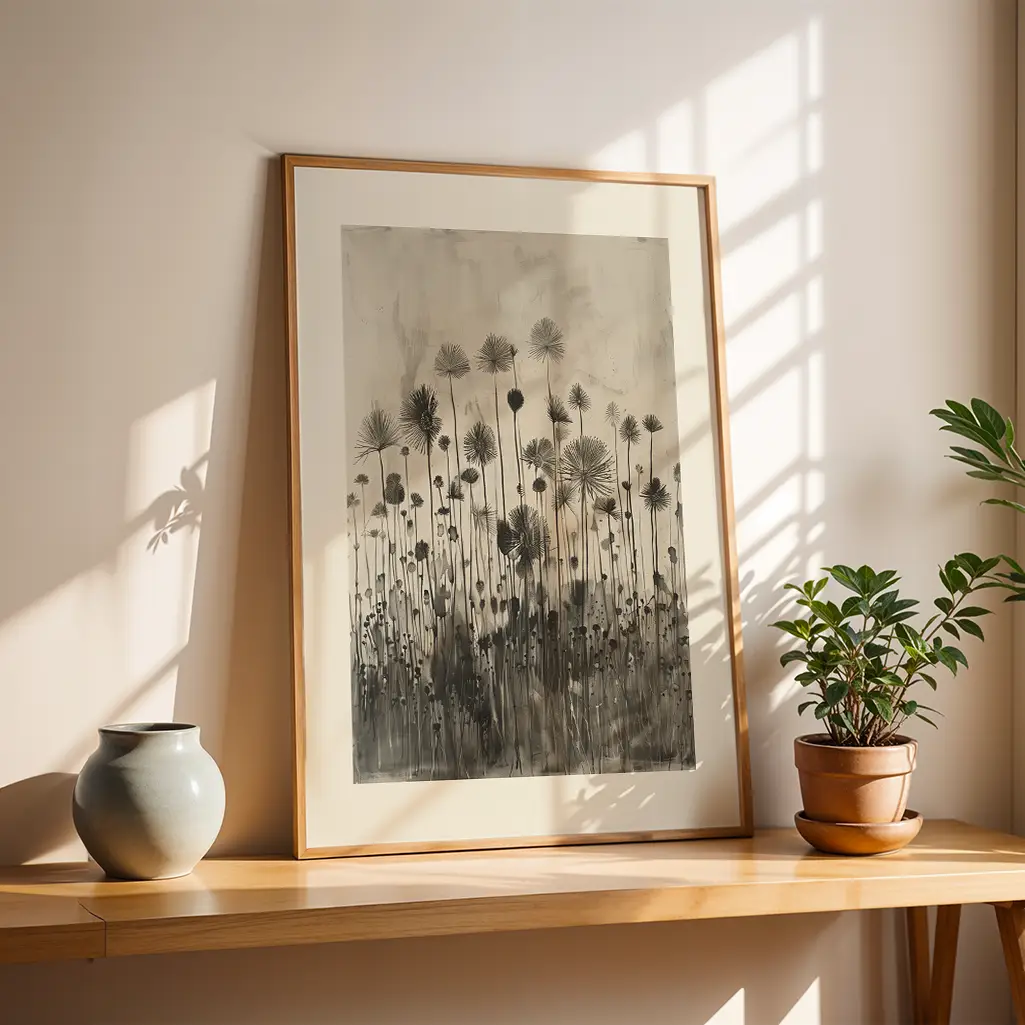
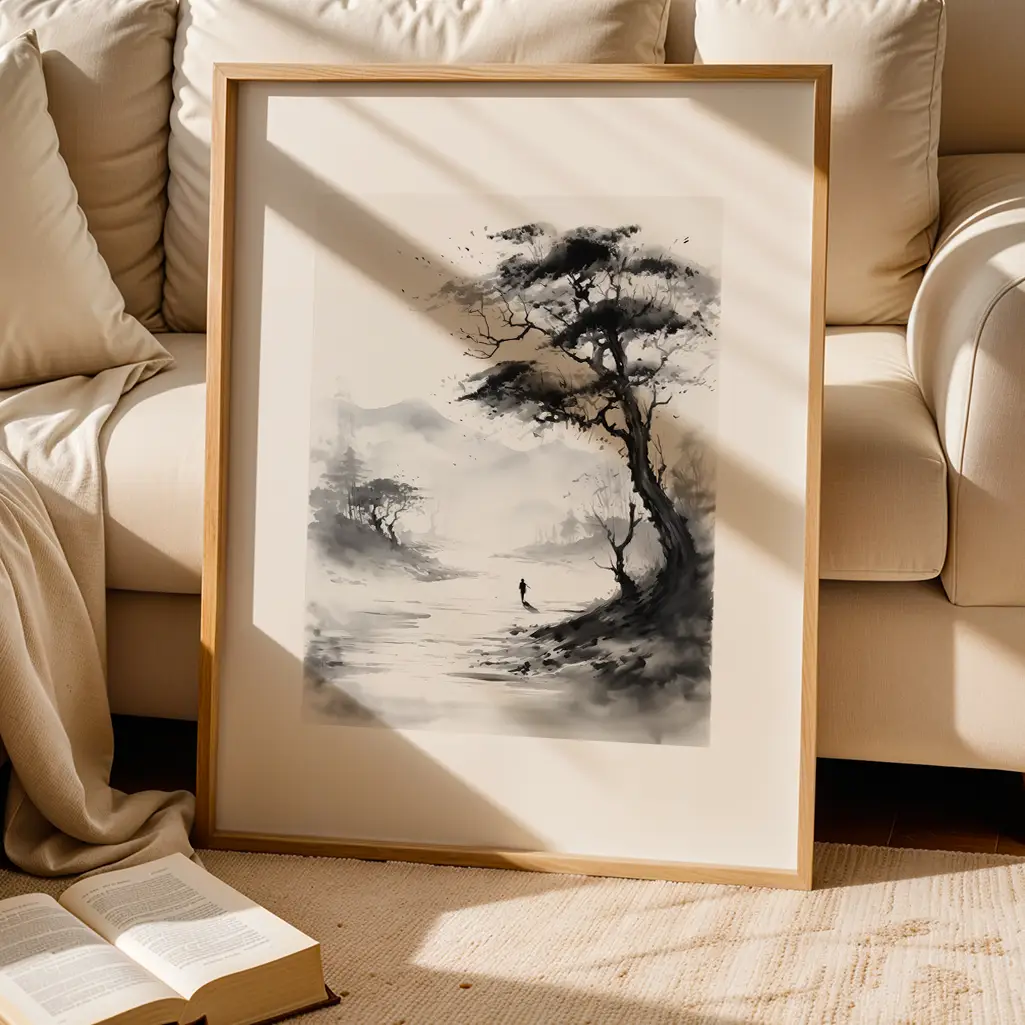
Visual weight matters as much as literal dimensions. A dark, highly detailed painting carries more weight than a pale, abstract print of the same size. A wall of black frames will always feel busier than a wall of slim, light wood frames around equally sized art. When you mix several visually heavy works on a single wall, you may need fewer pieces to keep the room from feeling compressed. When the art is light, airy and simple, the same wall can hold more pictures gracefully. Think of it as sound: heavy, high-contrast pieces are loud; soft, low-contrast works are quiet. The louder the art, the fewer voices you want speaking on that wall.
Composing Calm: Story, Purpose and When to Stop
The wall itself has a job in the room. Above a sofa, it may need to reinforce a sense of grounding and comfort. In a hallway, it might be there to carry you along. Over a bed, it should recede enough to let you rest. The number of pictures you hang should serve that job. A long corridor can be a natural home for an extended gallery of family photos or travel sketches, where repetition feels like a narrative unfolding. The same density over a bed might feel restless, better suited to one or two larger, quieter pieces.
Before you even lift a hammer, lay everything on the floor in front of the wall. Move the pieces around until they form one coherent arrangement, with edges that imply a simple outer rectangle. Step back ten feet and squint. If your eye jumps nervously from frame to frame, there are either too many pictures or not enough structure. If you feel drawn in and then able to rest on the whole, you are close. The moment you notice that adding one more piece makes the arrangement feel nervous, you have found your stopping point, even if you technically have space left.
Living with your walls is as important as planning them. Try hanging slightly less than you think the wall can handle and give it a week. Notice how your body feels in the room. If the wall feels anemic, add a piece or adjust your spacing. If you find yourself avoiding eye contact with a particular cluster, you may have crowded it and can remove one frame to let the others breathe. Over time, you will develop a kind of interior muscle memory for how many pictures belong on any wall you encounter. What begins as a design problem becomes a practice in attention: learning to sense when a space has just enough, and trusting that the emptiness you leave is part of the art.