The Architecture of a Slower Two Days
Most weekends fail before they start because they are treated as a spillover zone for everything the week could not contain. The calendar looks blank, so we load it with errands, social obligations, and domestic triage until the two days meant to restore us become a different kind of “shift.” Designing a calm weekend routine begins with refusing that default and treating the weekend as a space you actively compose, the way you might arrange a room.
The first design choice is tempo. Instead of asking how much you can fit into the weekend, ask what tempo would feel humane. Is it “unhurried but awake,” or “slow and quiet,” or “lightly productive with long pauses.” Give that tempo a phrase and let it become your filter. When an invitation, task, or impulse arrives, you compare it to your chosen phrase. If the activity pulls you into a frenzied energy that does not match, it becomes easier to say no, or at least to edit it down.
Just as a well-designed room has zones, a calm weekend can have a few recurring anchors rather than a detailed hour-by-hour schedule. Think in terms of morning, middle, and evening. One consistent anchor in each is usually enough: a predictable way to wake, a mid-day reset, and a gentle evening wind-down. The art is not in maximizing these, but in guarding their simplicity. A “quiet coffee by the window,” “walk around the block before lunch,” or “half an hour of reading before bed” is more powerful than it sounds when it repeats over months.
It helps to notice what actually restores you rather than what you think should restore you. Some people need solitude and low stimulation. Others feel calm after conversation and movement. Many require a mix, and the balance may shift week to week. A calm weekend routine is not a moral achievement; it is a customized experiment in cause and effect. Pay attention to how you feel on Sunday night. If you are overstimulated, you may need more empty space and fewer screens. If you are dull or restless, you may need more light social contact or a project that asks your hands to work and your mind to soften.
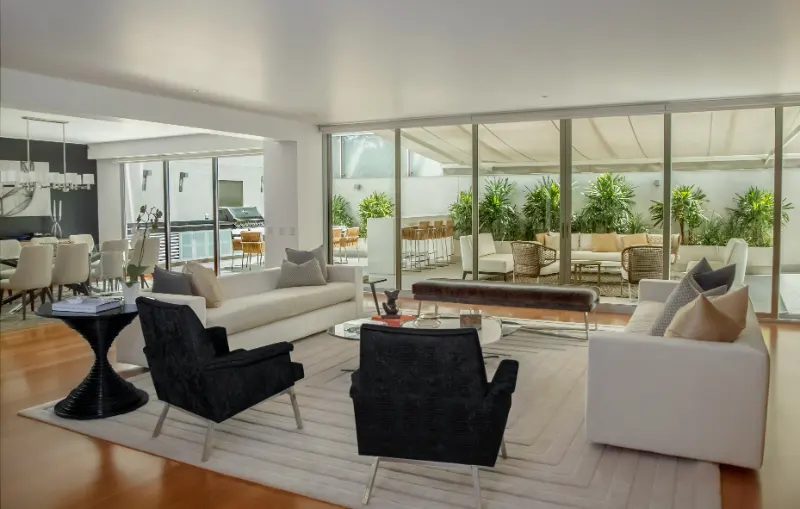
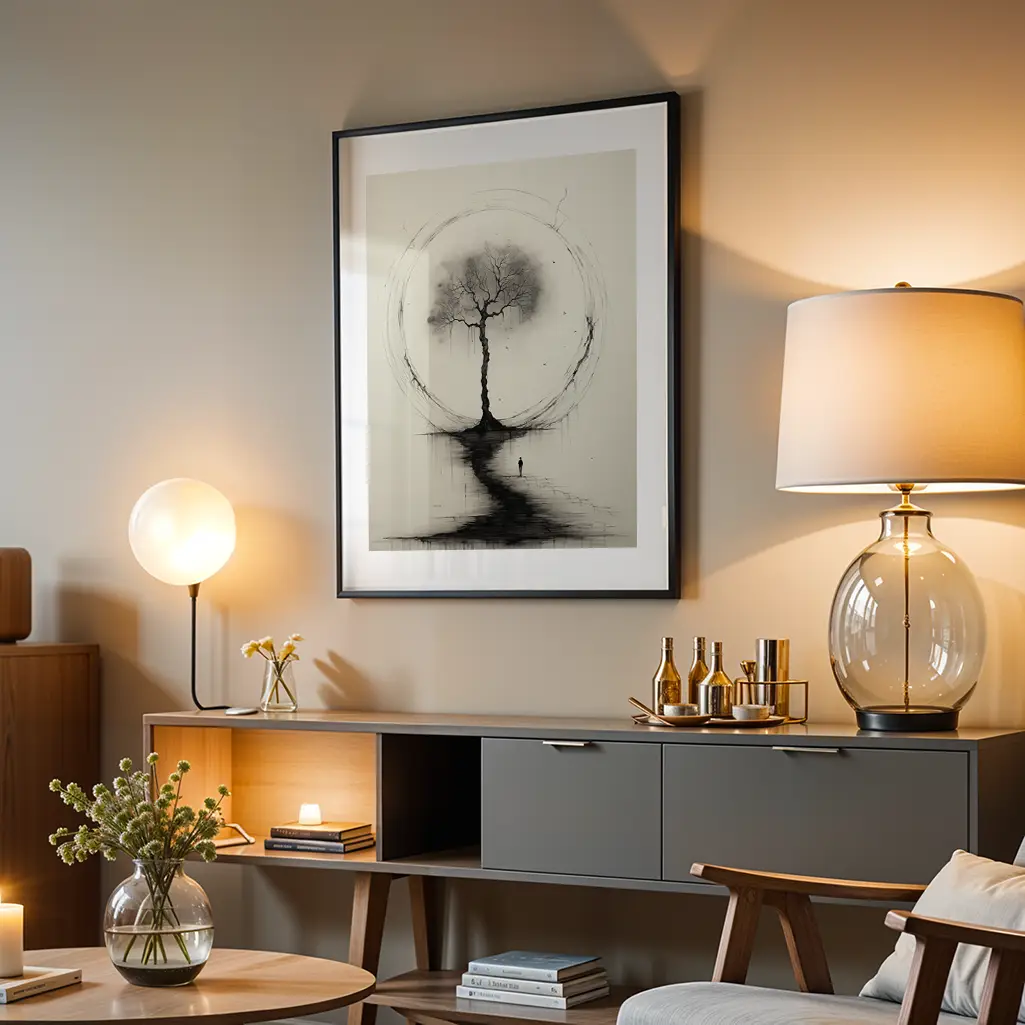
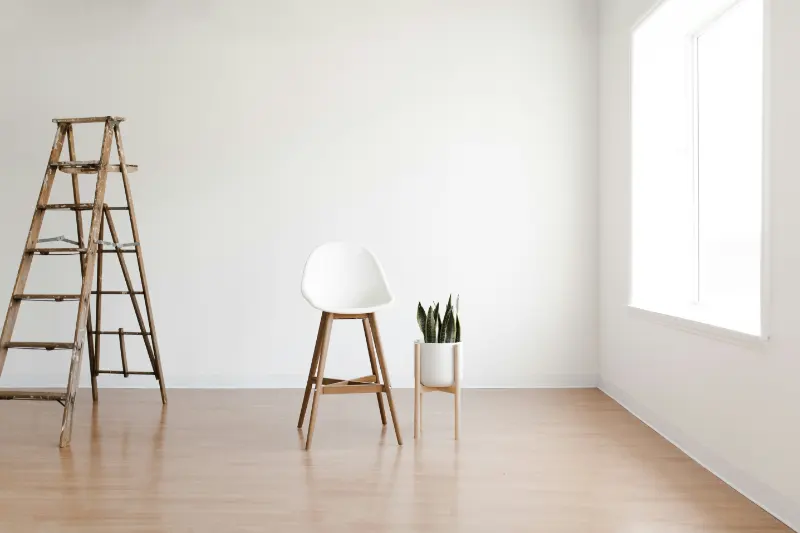
Your home becomes the stage set for this experiment. Visual noise pulls the nervous system into alertness. You do not need a magazine-perfect interior; you need a few sight lines that read as “done.” That might mean clearing the kitchen counters on Friday night, or folding the throw blanket and stacking stray books on a side table before bed. When the eye can land on one calm surface, the mind often follows. Over time, this becomes less about decluttering and more about curating what is visible so that the weekend feels like stepping into a slightly more spacious version of your weekday life.
Designing Gentle Bookends for Each Day
If you think of Saturday and Sunday as two chapters, the opening and closing paragraphs of each day carry outsize weight. The first 30 minutes after you wake and the last 30 before you sleep are where a calm weekend routine quietly takes root.
In the morning, try to let the body, not the phone, be the first thing you check. Light, air, and water are reliable architects of calm. Opening a window, even in winter, changes the texture of the room and signals that the day has begun. Drinking a full glass of water before coffee or tea can serve as a small, grounding ritual instead of an afterthought. These acts are simple, but their consistency gives the weekend a rhythm distinct from the workweek’s rush to screens and obligations.
Consider a “threshold activity” that marks the shift from sleep to wakefulness without demanding much of your attention. This might be sitting on the floor for five minutes of quiet breathing, stretching by the bed, or standing at the window to notice the color of the sky and the state of the street. The point is not to perform mindfulness, but to give your nervous system a gentle gradient rather than a jolt.
Evenings benefit from similar intentionality. A calm weekend routine does not forbid late nights or social gatherings, but it asks you to notice what you need to come down from them. If you have been out with friends, you might create a five-minute landing ritual when you return home: shoes in their place, coat on its hook, a quick tidy of the entry table, a slow breath before lights out. If you stayed in, you might dim the lights, switch from overhead fixtures to lamps, and put your phone to charge in another room. Light levels and screen distance are concrete levers for signaling to your body that stimulation is winding down.
The bedroom itself can support this. Aim for a small triangle of calm: where your eyes land when you enter, what you touch as you get into bed, and what you see when you wake. A made bed, a clear nightstand with one book and a glass of water, and curtains that soften the window can turn the room into a gentle container. These are set pieces in your daily performance of rest, and like all good set design, their purpose is to make it easier for you to inhabit the role you want to play: someone who is allowed to stop.
Letting Home, Tasks, and Time Breathe
So much of weekend anxiety comes from the collision of domestic work with the desire for ease. Laundry, cleaning, groceries, and digital catch-up all demand attention, and ignoring them entirely tends to boomerang into Monday dread. The question becomes how to thread these tasks through your calm weekend routine in a way that feels integrated rather than invasive.
One approach is to give chores a contained frame. Instead of mentally carrying “do laundry” all weekend, you might choose a single laundry window late Saturday morning. You begin the first load, and while the machine runs, you do something deliberately unrelated: read for half an hour, step outside, or sit in a chair that you never use on weekdays. The task is held within a pocket of time that also holds restoration, so it does not expand to fill the entire day.
Your physical environment can support this balance. Think of creating “rest corners” that exist in spite of whatever chaos remains elsewhere. A chair by a window, cleared side table, and a soft throw can become a small sanctuary even if the rest of the room is mid-reset. The calm is not about erasing all evidence of life, but about editing one small zone where your senses can exhale. Returning to this spot at predictable times signals that the weekend is not just a workbench but also a retreat.
Time itself benefits from a similar kind of zoning. Many people move through the weekend in a blur of half-started activities. Instead, you might name just one priority for each day: perhaps a home task on Saturday and a restorative act on Sunday. “Clean out the fridge” paired with “take a long walk in the park,” or “change the bedding” paired with “cook something slow and comforting.” When you finish, you let yourself feel finished, even if the wider to-do list is unfinished by design.
Underneath all of this is a quiet shift in posture: treating calm not as an absence of activity, but as an intentional way of moving through whatever the days contain. A calm weekend routine is less about rigid habits and more about establishing a pattern of kindness toward your future self. You are arranging light, objects, and time so that rest is not something you earn by doing enough, but something that is built into the architecture of your home and the cadence of your days. Over time, the line between weekend and weekday softens, and Monday starts to feel less like a cliff and more like the next step on steady ground.
.webp)