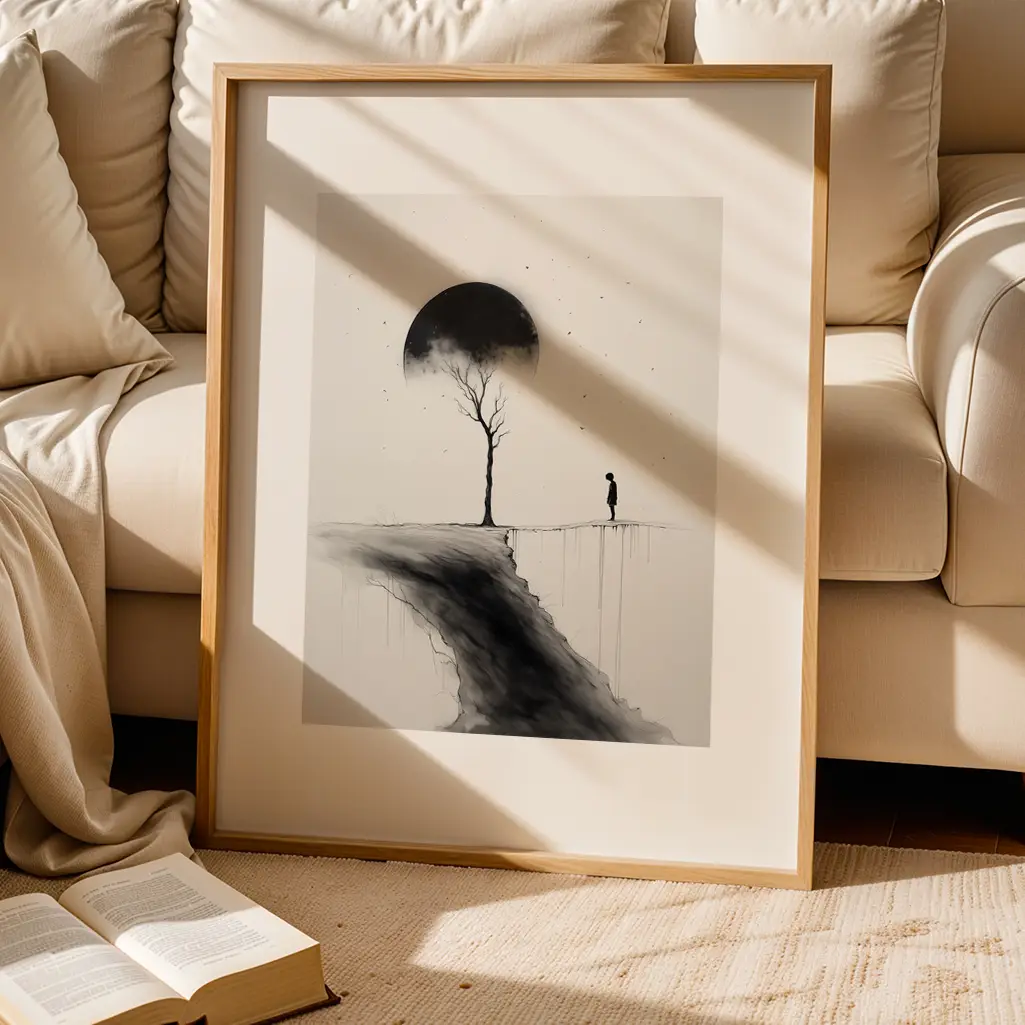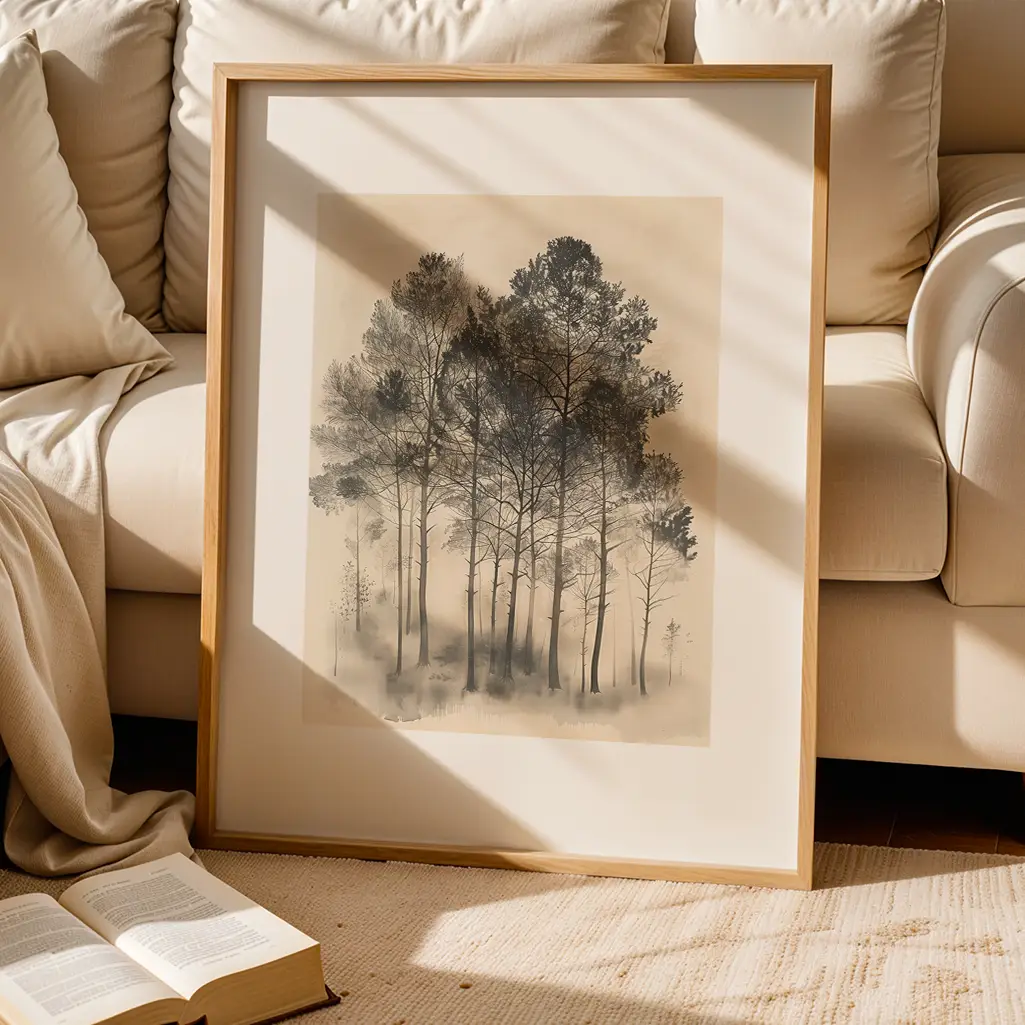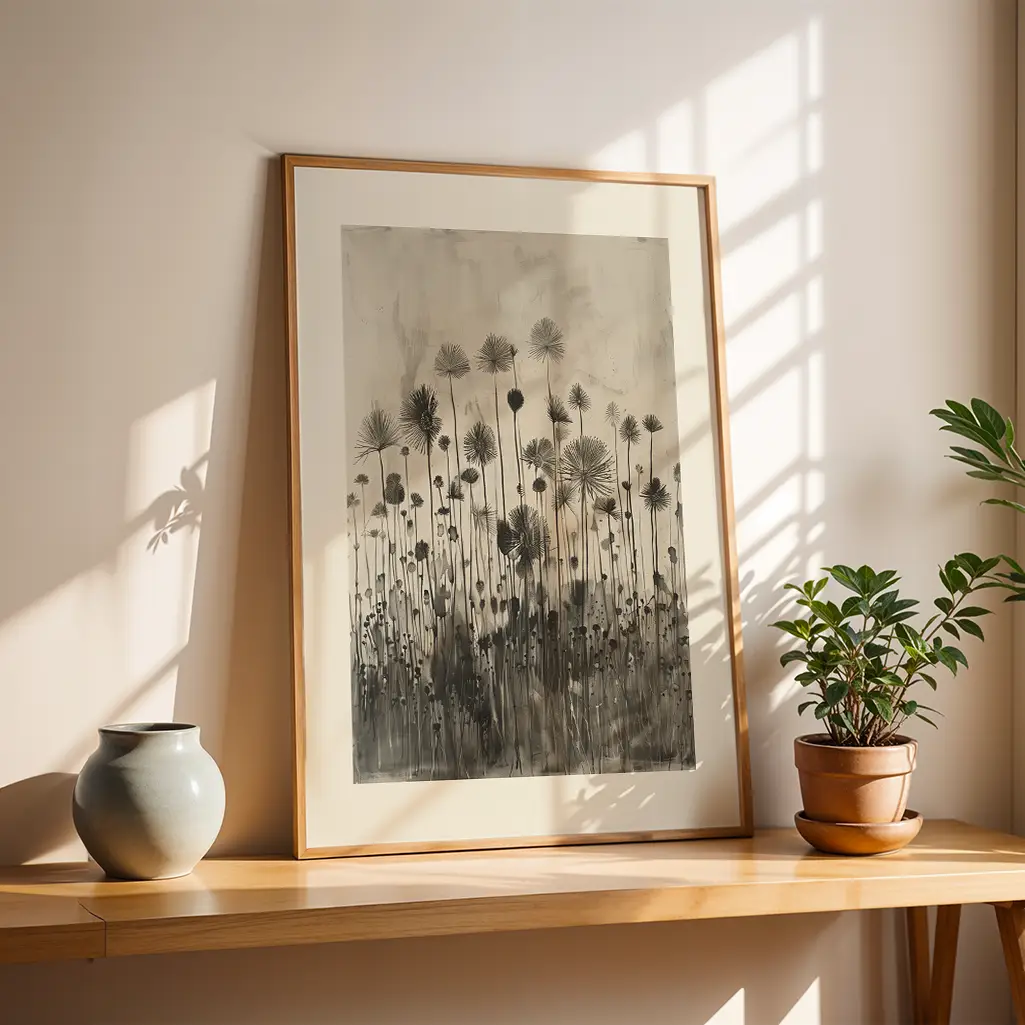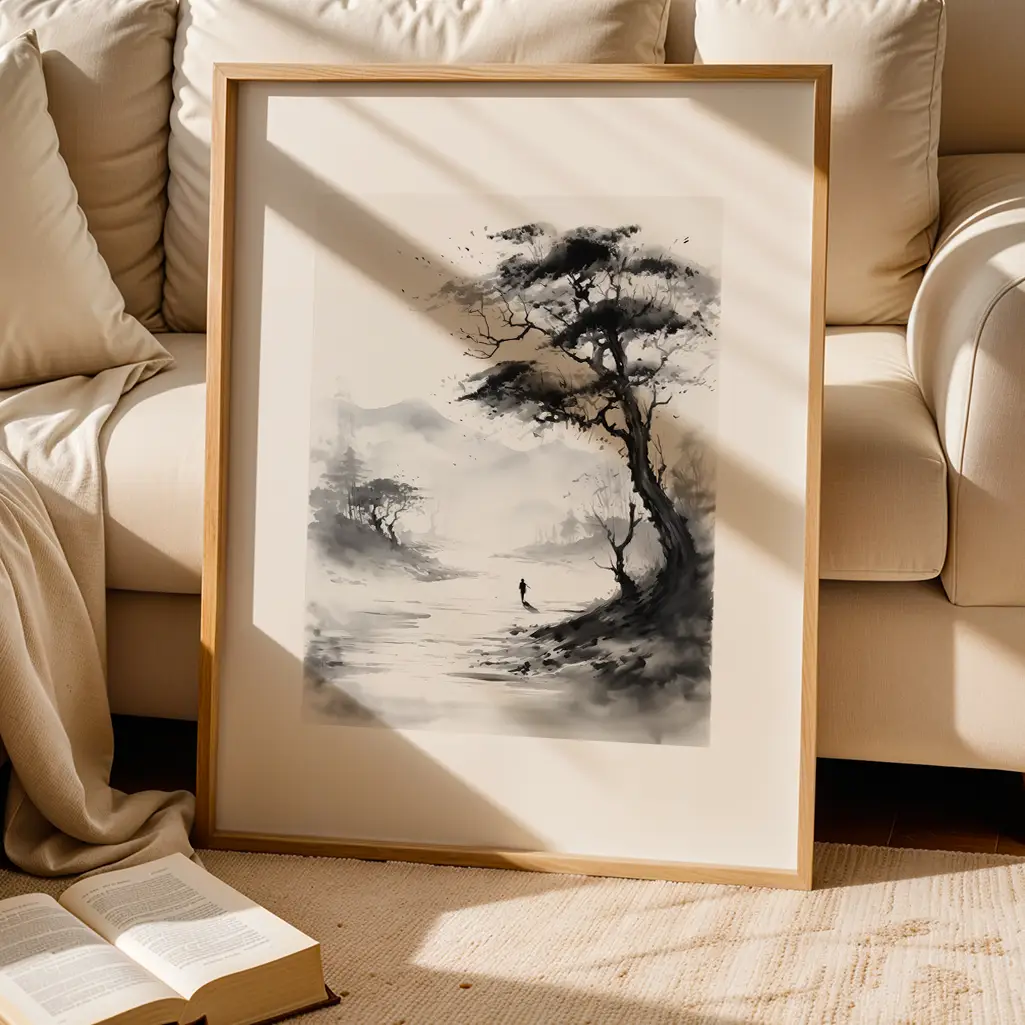
Seeing Your Walls As Part of the Room, Not Afterthoughts
Walk into almost any unfinished home and you notice the same thing first: blank walls. They flatten a space, draining warmth and personality. Choosing wall art is not about filling emptiness; it is about shaping how a room feels, how you move through it, and even how you breathe in it.Treat your walls as architecture. The art you hang has weight and volume, even if it is paper-thin. Before thinking about styles or colors, step back and read the room like a quiet puzzle. Notice three things: how big the wall really is, how light moves across it, and how you use the room. A piece that is perfect in morning light may feel oppressive under a single overhead bulb at night.
Scale is the first decision, and it is almost always underestimated. Above a sofa, a common rule is that art should span roughly two-thirds the length of the furniture beneath it, centered at eye level. But eye level is not a fixed number; it is the shared horizon of everyone who lives there. In a household of tall people, hanging everything at a generic museum height can make pieces feel like they are sinking. Let your own posture decide.
In narrow spaces like hallways, several smaller works in a rhythmic line can stretch the corridor, almost like visual footsteps. In a dining room, one large, calm work can act like a visual tablecloth, unifying everything around it. A tiny piece lost on a large, unbroken wall can create an accidental feeling of loneliness; multiple pieces grouped tightly can become a single, intentional "visual anchor."
Before you buy anything, try mocking up the potential size with painter’s tape or sheets of paper on the wall. Live with these ghost rectangles for a day or two. Notice whether they steal light, bump into door frames, or sit too high above a chair. This is not about perfection; it is about learning what the wall can comfortably carry.
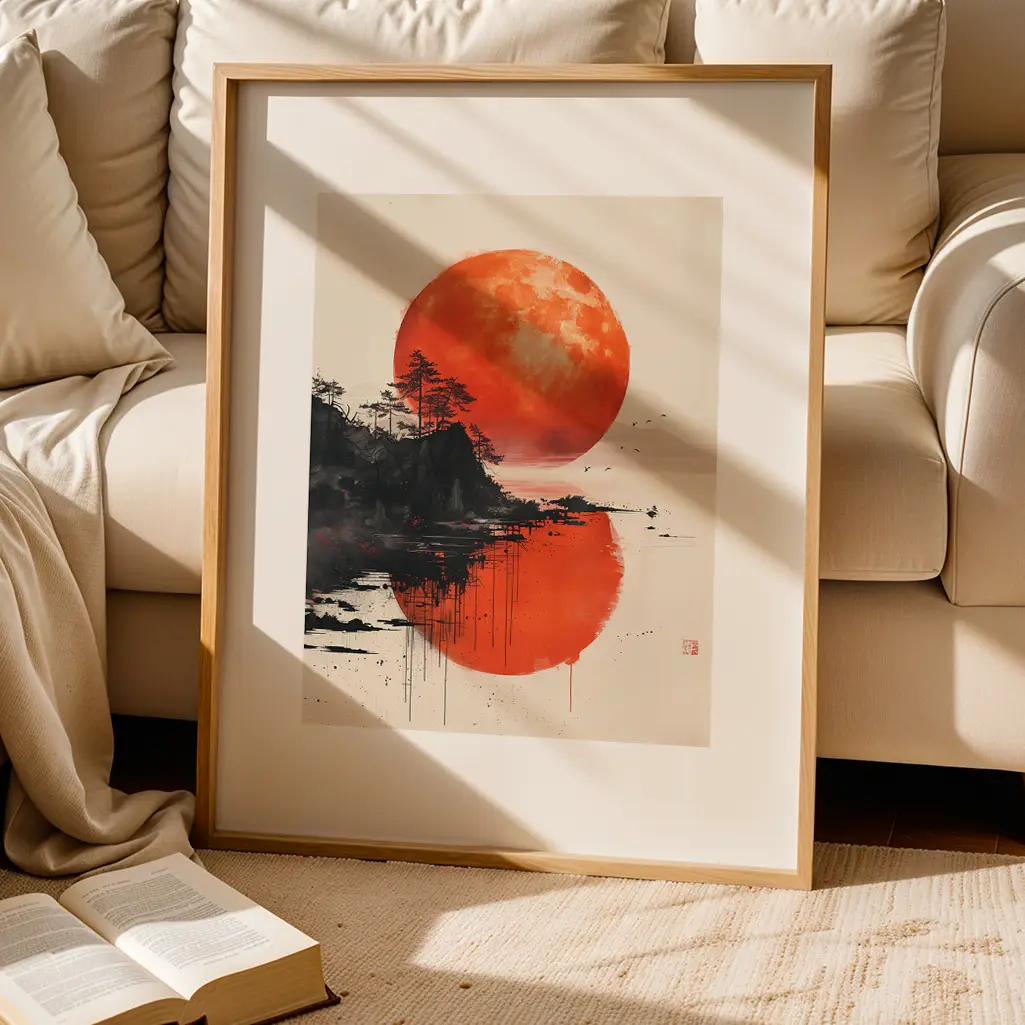
Color is the second major decision, and it has less to do with matching your sofa than with managing the room’s emotional temperature. Warm tones, like terracotta or saffron, tend to advance toward you, tightening the room slightly while adding energy. Cool tones, like blues and blue-greens, retreat, softening the edges of the space and quieting it. If your room is already visually busy, consider art that is more subdued in palette but rich in texture or line. If your space is minimal and pale, a bolder piece can act as a kind of heartbeat.
Yet color should never be purely decorative. Ask what the palette is doing for the mood of the room. In a bedroom meant for rest, high-contrast abstract works in red and black might keep your nervous system mildly alert. Soft gradients, gentle landscapes, or quiet photography, on the other hand, can encourage the kind of exhale you want at the end of the day.
Letting Art Reflect How You Live, Not Just How You Decorate
Beyond size and color, wall art carries something far less tangible: your own story. The most successful spaces are not those with the most expensive pieces or the most coherent style, but those that feel unselfconsciously personal. To get there, start by asking a deceptively simple question: what kind of moments do you want each room to hold?In a living room, you may want conversation and connection. Art here should be generous enough to invite comment but not so aggressive that it dominates. Works with a bit of ambiguity perform well; abstract forms, expressive brushstrokes, or candid street photography all encourage people to project their own interpretations. These pieces become conversational bridges.
In a workspace or studio, clarity and focus matter. Consider art that acts like a compass rather than a mirror: maps, architectural drawings, graphic prints, or quietly intense portraits. These give the eye a place to rest and the mind a point of orientation, while reminding you of the kind of thinking you want to do in that room.
The most quietly powerful art choices often have some trace of your own hand or history: a sketch from a class you took, a photograph from a walk that changed how you see your neighborhood, a child’s drawing framed with the same care as a gallery print. When framed thoughtfully, these pieces do more than decorate; they document how you have moved through the world.
Cohesion across a home does not require strict matching. Instead, think of your collection as a series of related chapters. Perhaps line is the thread: delicate line drawings in one room, bolder graphic forms in another, gestural ink marks in a third. Or maybe the thread is subject matter, such as water, gardens, or city forms, interpreted in many different ways. This loose continuity creates a gentle rhythm as you move from room to room.
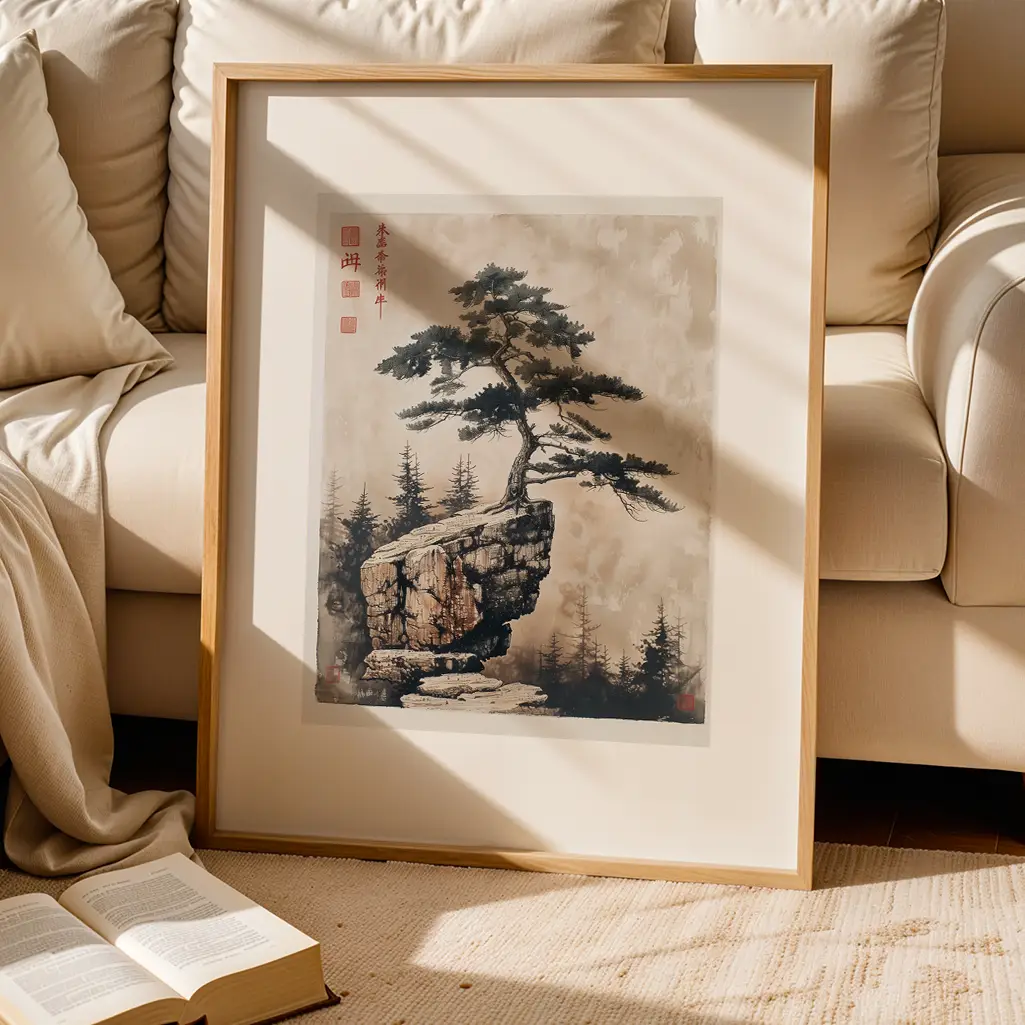
Frames and negative space are the quiet partners in this process. A simple frame, repeated across several different pieces, can unify otherwise unrelated works. White mats offer breathing room between image and wall, especially for smaller works that might otherwise feel lost. On the other hand, going without a mat and choosing a narrow profile frame can make a piece feel more immediate and contemporary.
Editing is part of the design. Not every wall needs art. A deliberately bare stretch can act like silence in music, allowing your favorite piece on the next wall to resonate more fully. If you own more art than you have space, treat your home like a rotating gallery. Store some works safely and change them with the seasons or your own mood. The act of rehanging is a way of noticing what still matters to you.
Practical Ways to Test and Live With Your Choices
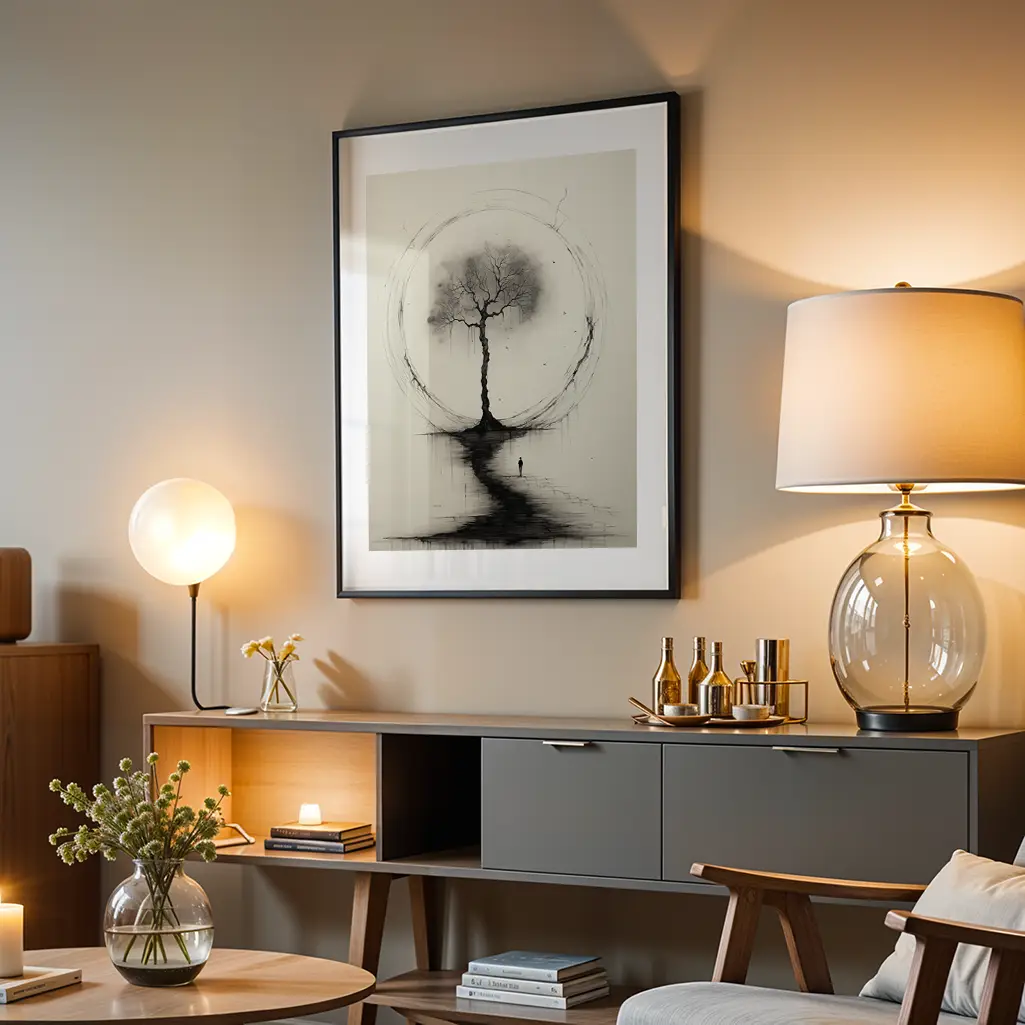
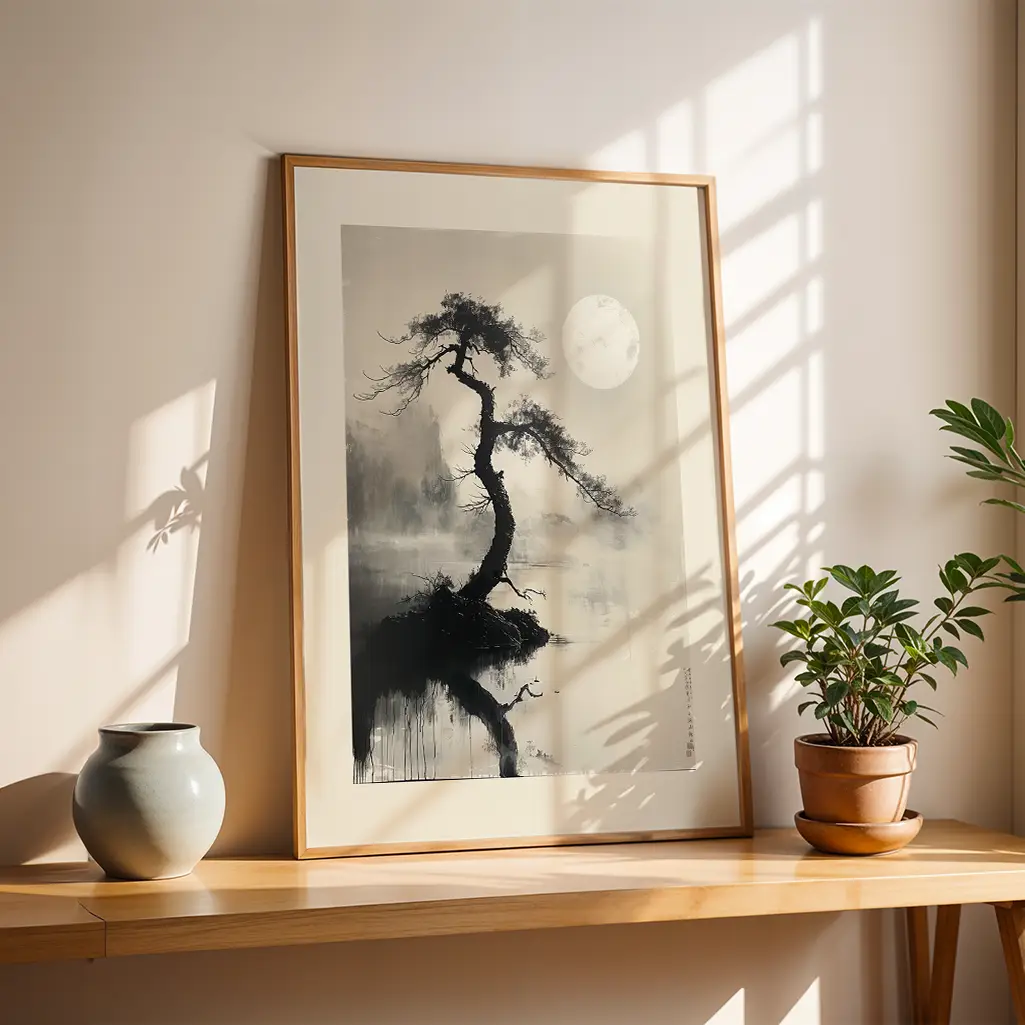
Even once you have a sense of size, mood, and personal meaning, the final step in choosing wall art is more physical than theoretical. It is about how your body responds in the room. Stand where you usually sit and look toward the wall. Do you feel drawn in or pushed back? When you catch the piece in the corner of your eye, does it soothe, intrigue, or irritate you? These small reactions are data.Before committing, consider temporary placements. Prop a piece on a sideboard or shelf instead of hanging it at first. Let it live there for a few days. The lowered height can shift its personality, and you can sense whether the relationship between art and furniture feels natural. For gallery-style arrangements of multiple works, lay them out on the floor in front of the wall, adjusting spacing until the group reads as a single, balanced shape.
Light is the last quiet collaborator. Natural daylight will reveal textures and subtleties that evening lamps may hide, and vice versa. If a piece is particularly sensitive in tone, examine it at several hours of the day before settling on a spot. Avoid strong direct sun for fragile works like watercolors and photographs; hang these in places where light is indirect or filtered. Sometimes a small picture light or a nearby floor lamp can transform an otherwise ordinary piece into the emotional center of a room simply by giving it its own glow.
In the end, choosing wall art for your home is less about following strict rules than about practicing attention. As you begin to notice how size affects calm, how color shifts mood, and how certain images make you feel more at home in your own life, your walls slowly stop being blank and become something closer to a quiet autobiography. The goal is not perfection but resonance: stepping into each room and feeling that the art on the walls is not just seen but somehow understood by the life unfolding beneath it.