The quiet logic behind art that feels “me”
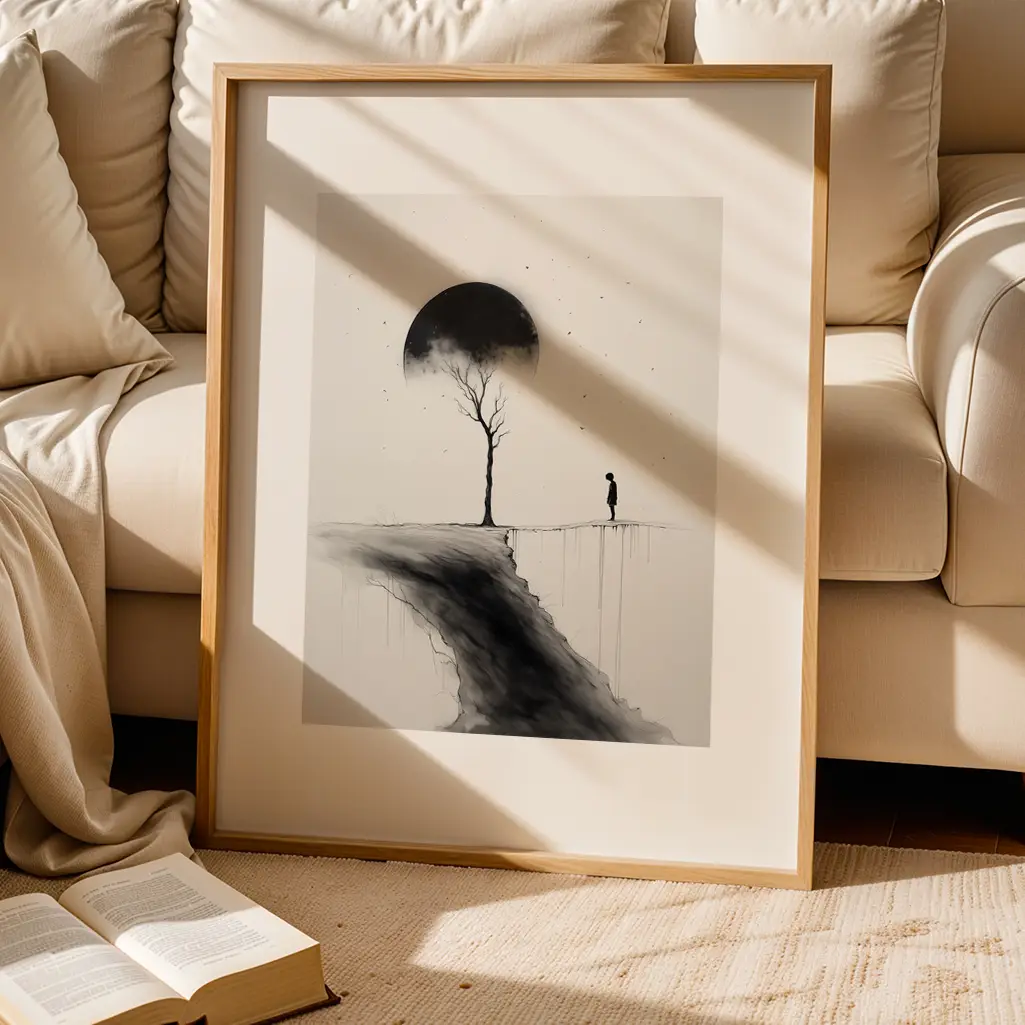
Choosing wall art is less about filling blank space and more about tuning the emotional temperature of a room. The pieces you hang become a kind of visual soundtrack: they can nudge a living room toward lively conversation, make a bedroom feel slower and softer, or lend a hallway a sense of purposeful direction.Before thinking room by room, consider three invisible frameworks that apply everywhere. The first is mood. Ask what the space is supposed to do for you, in realistic, everyday terms. Is your living room a place for long, talky evenings, or mostly for recovery at the end of a hard week. Do you want your bedroom to sharpen your focus when you wake up, or blur the edges so you ease into the day slowly. Let the answer guide color and movement. High contrast and strong diagonals feel energetic. Misty neutrals, horizons and rounded shapes calm things down.
The second framework is scale. Designers often repeat the rule that art should be roughly two thirds to three quarters the width of the furniture below it, especially over a sofa or bed. That simple ratio keeps a piece from feeling timid or overpowering. In small rooms, a single large work can actually make the space feel bigger because the eye reads one clear gesture instead of clutter. In larger rooms, a gallery arrangement can knit distant furnishings together and make the architecture feel more human scaled.
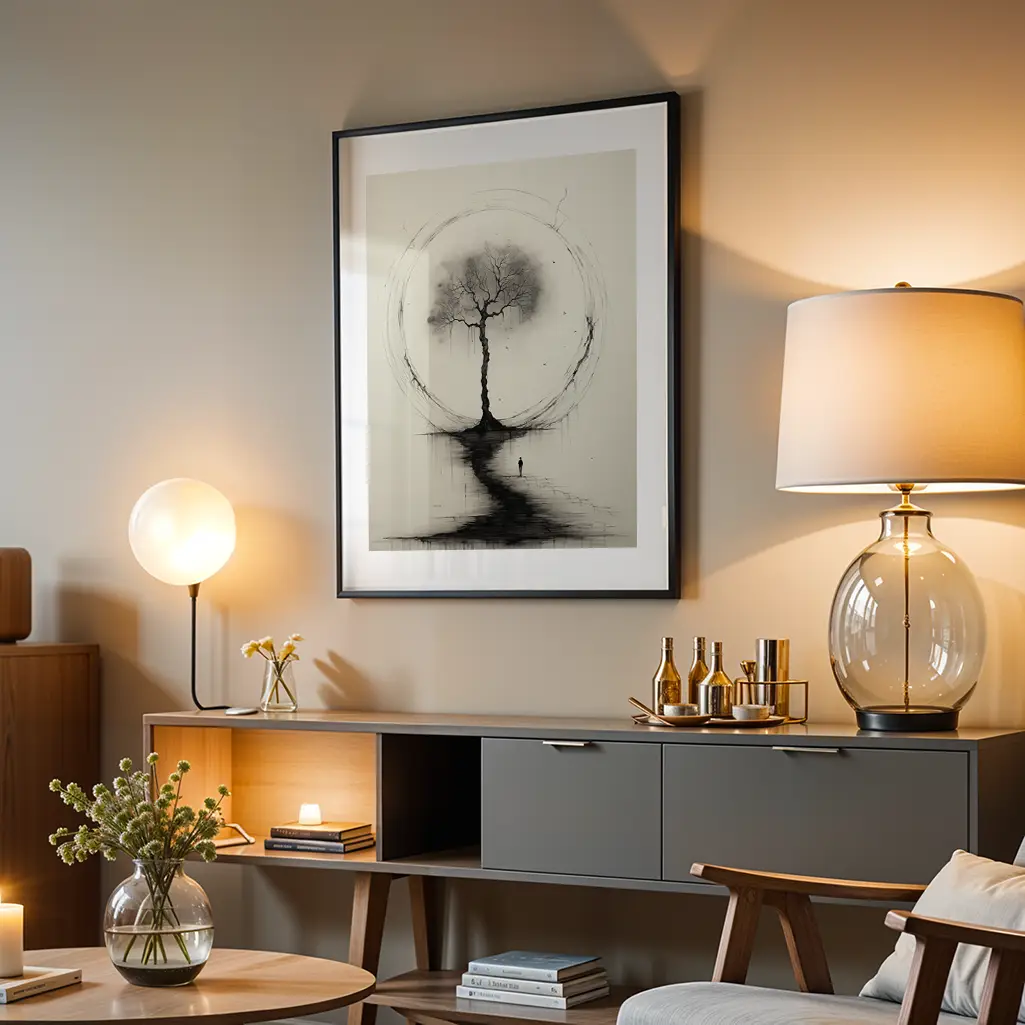
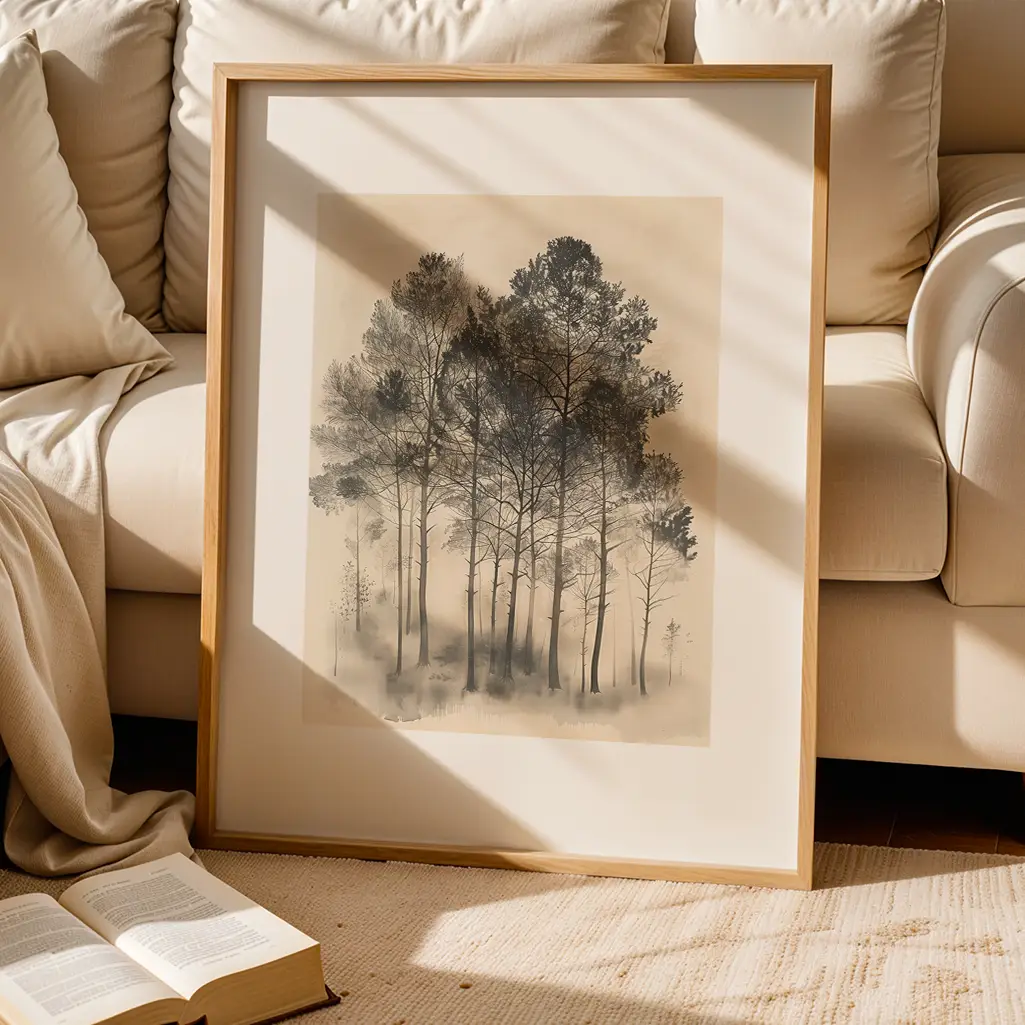
The third is conversation between art and materials. Notice what your room is already saying. If you have a lot of warm woods and linen, art with cool blues or graphite line work can keep the space from feeling too heavy. In a minimal white box with metal and glass, something textured and imperfect, like a rough canvas or a hand torn paper work, can soften the edges. When art and materials echo each other in either color or texture, the room feels intentional even when the style is eclectic.
These quiet principles are your backdrop. With them, you can move deliberately through the house, letting each room ask for what it actually needs rather than what a trend report might suggest.
Room by room: matching art to purpose
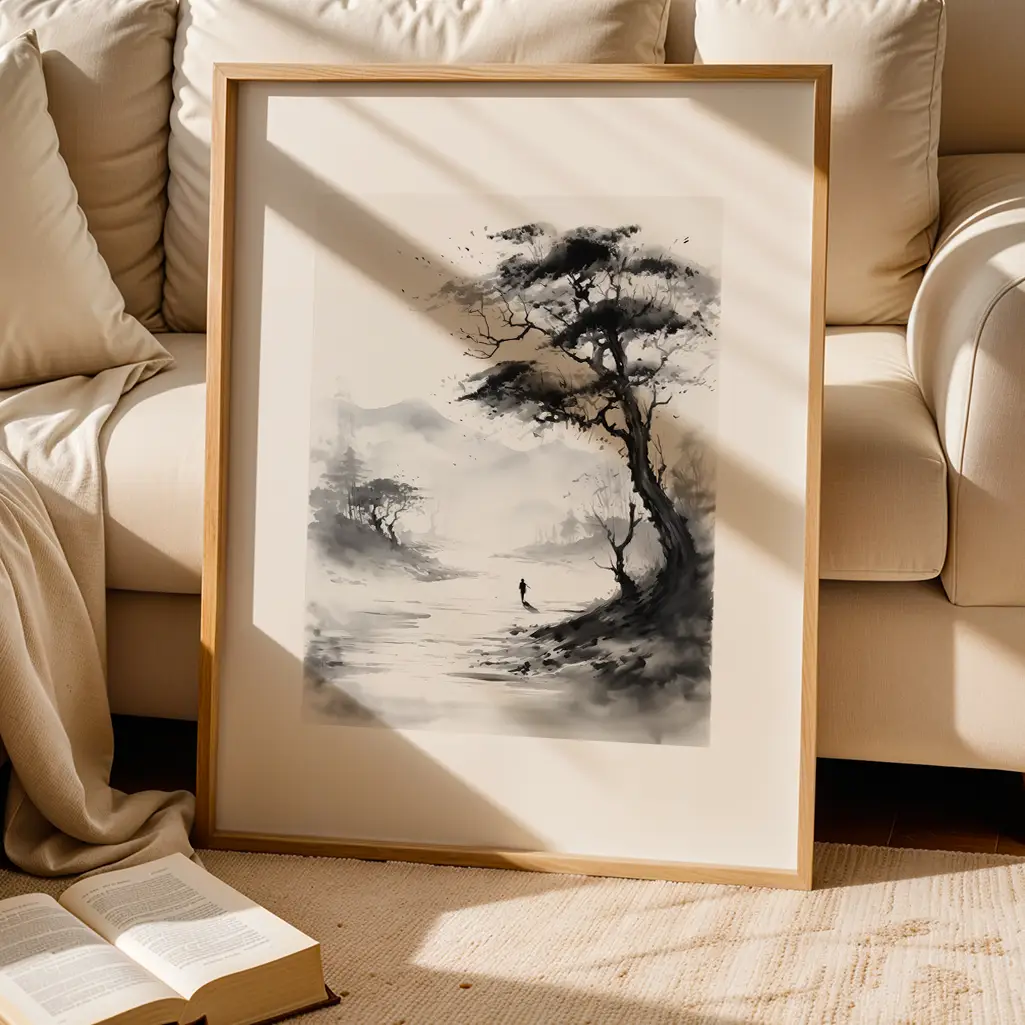
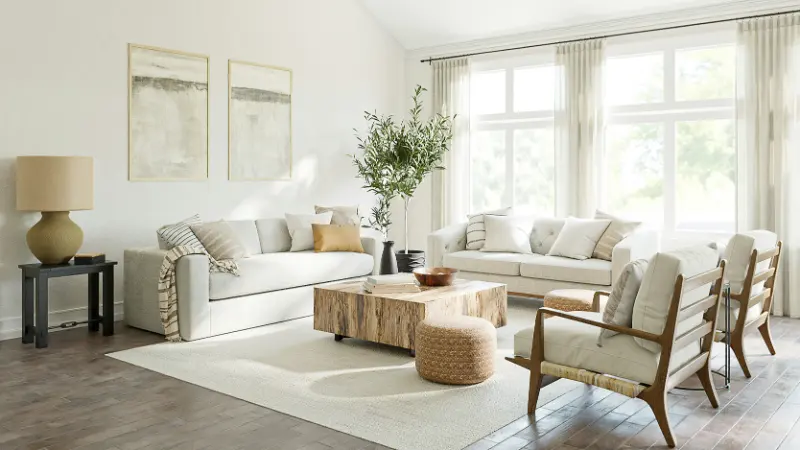
In the living room, start with the wall you see first when you enter. That plane will carry the emotional thesis of the space. Above a sofa, choose a single commanding piece if your furnishings are otherwise simple, or a tight cluster of smaller works if you already have a lot of visual quiet. For a social living room, look for art with a sense of narrative or ambiguity, pieces that invite questions. Portraits that do not fully reveal their subject, abstract works with an almost recognizable shape, or cityscapes with small human details all become natural conversation starters. If your living room is more of a sanctuary, shift toward calm horizontals, landscapes, or monochrome abstractions that give the eye a place to rest.Scale matters strongly here. Measure the sofa and mark the imagined borders of the artwork with low tack tape before you buy or hang. You are checking not only width but also vertical placement. In most rooms, the center of the work should fall near eye level for someone seated, not standing. That brings the art into the social zone, where people actually live, instead of letting it float awkwardly above the action.
In the bedroom, the art’s job is to support whatever kind of rest you are genuinely seeking. Over the bed, avoid pieces with aggressive diagonals, loud typography or stark contrast unless you are deliberately courting drama. Softer palettes, repeated organic lines, and imagery that suggests air, water or distant landscapes tend to harmonize with the purpose of the room. Because you will often view bedroom art from an oblique angle and in low light, prioritize works that read clearly from a distance and feel interesting even when you half see them.
Children’s rooms benefit from art that can age with them. Instead of only literal themes, like cartoon characters, consider bolder graphic prints, simple line drawings or photographic details from nature that can feel playful now but not childish later. Frame pieces so they can be swapped out as tastes change without rethinking the entire wall. In a primary bedroom, consider reducing the number of artworks and increasing the size of each. The visual simplicity leaves more space for the rituals of sleep and waking to define the room, rather than the objects on the wall competing for attention.
Hallways, kitchens and the quiet decisions that finish a home
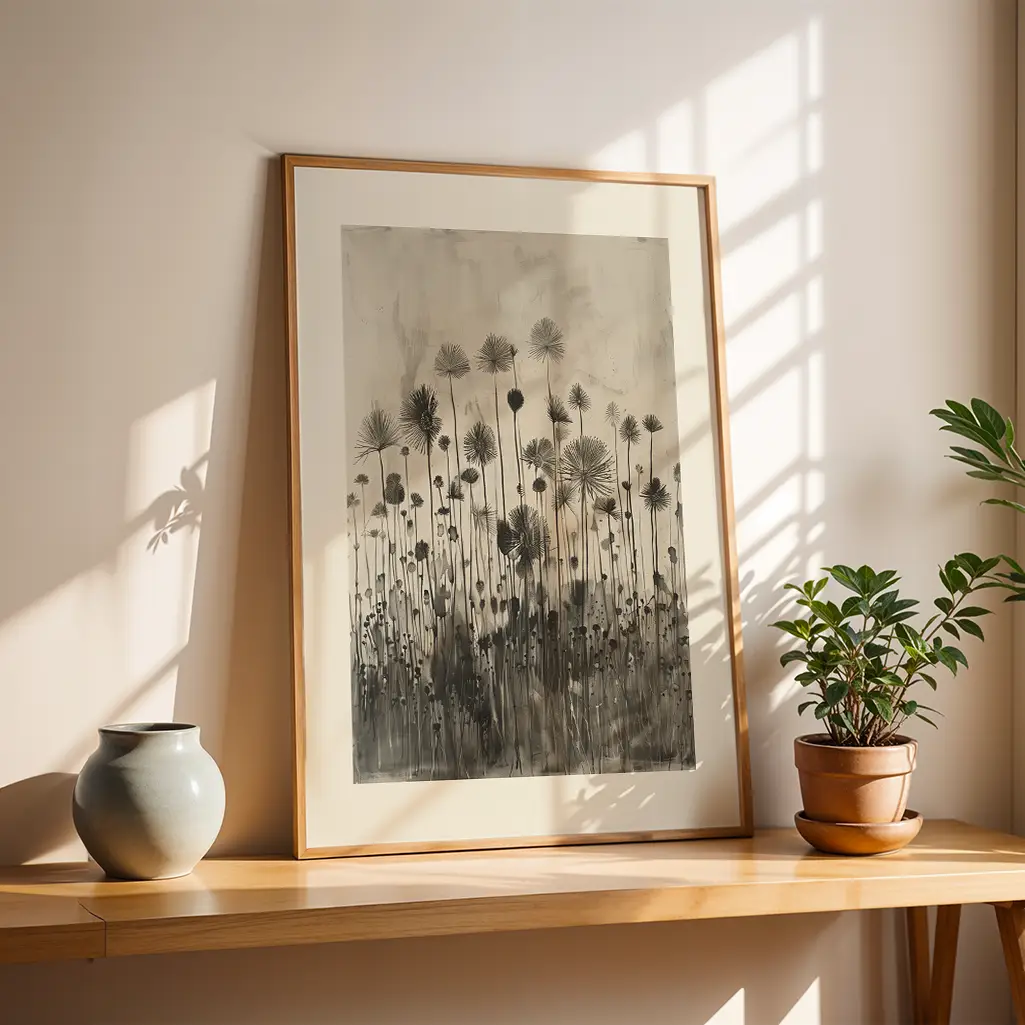
Hallways and entryways work like visual commas, linking one mood to another. Because you move through them quickly, they are ideal for bolder experiments in color or composition that might feel overwhelming in a room where you sit for hours. A narrow hallway can carry a linear sequence of smaller works at consistent heights, creating a subtle rhythm as you walk. An entry can handle a single striking piece that acts as an introduction, telling visitors something about your sensibility before they see anything else.Kitchens tend to be crowded with functional objects, so wall art there should be both resilient and restrained. Small, graphic works or photographs can tuck into the spaces between cabinets and windows, adding personality without stealing focus from the tasks of cooking and gathering. Choose pieces that can tolerate humidity and the occasional splash, or rely on framed prints behind glass. Imagery that quietly relates to the rituals of the room, like abstracted still lifes, botanicals or color fields echoing your cookware and textiles, will integrate more easily than literal food motifs that can quickly feel themed rather than considered.
Bathrooms often surprise people as excellent sites for art. Because they are usually smaller and more enclosed, a single unexpected piece can transform the feeling of the space. Think of works that treat the bathroom almost like a tiny gallery. A black and white photograph or a small, jewel like abstract painting can lend the room a sense of intention without demanding much attention from you when you are simply getting ready for the day.
Across all these spaces, the last question to ask is not whether an artwork “matches” your interior style, but whether it gently clarifies it. Stand in the doorway, look at the room as a whole and notice how your eye travels. If the art pulls you forward and then lets you rest, if it feels like a natural extension of the way you use the space, you are close. A well chosen piece does not complete a room in a final, static way. Instead, it turns the room into a living backdrop for your habits, your quiet moments and the life you are still in the process of arranging.