Seeing Your Wall as a Story, Not a Storage Space
Designing a wall that holds both photography and abstract art is less about matching styles and more about guiding the eye through a story. When these two mediums share a surface, the wall becomes a kind of visual sentence: photography offers clarity, faces, places and time, while abstraction supplies mood, rhythm and the wordless parts of your interior life.
The first step is to choose a single underlying intention. Ask what you want this wall to do for the room. Do you want it to feel like a quiet retreat, an energizing focal point, or a subtle backdrop that visitors notice only after they sit down? Your answer should determine nearly every decision that follows, from color temperature in your photos to the weight of the abstract brushwork.
Once that intention is clear, think in terms of visual hierarchy, not equality. Every strong wall has a "lead voice" and supporting players. If your photographs are intimate portraits, let them be the anchor and choose calmer, more atmospheric abstract work to frame them emotionally. If you own a powerful abstract canvas that dominates the wall, use photography like punctuation, offering small islands of reality around the larger emotional field.
This is also the point to edit ruthlessly. Curate fewer pieces than you think you need. Mixing photography and abstract art can quickly slip into visual noise if each work insists on being seen first. Lay the pieces on the floor and remove any that duplicate a feeling you already have represented. What remains should feel like a small, considered conversation between images, not a crowded party.
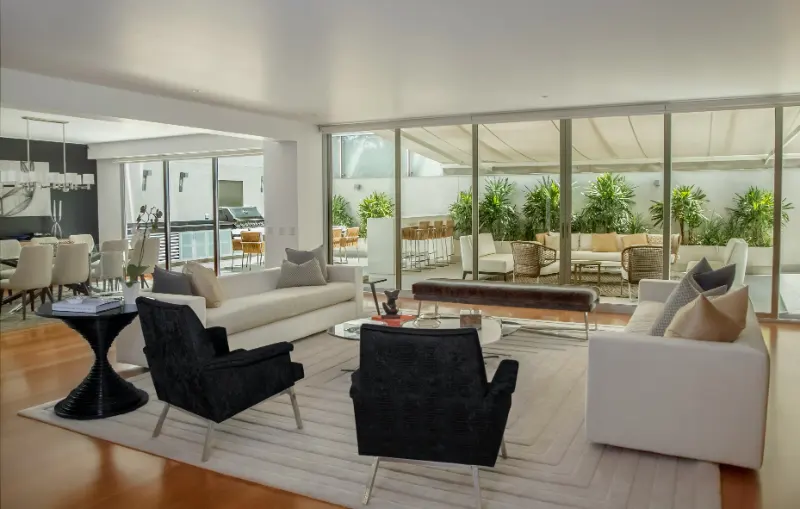
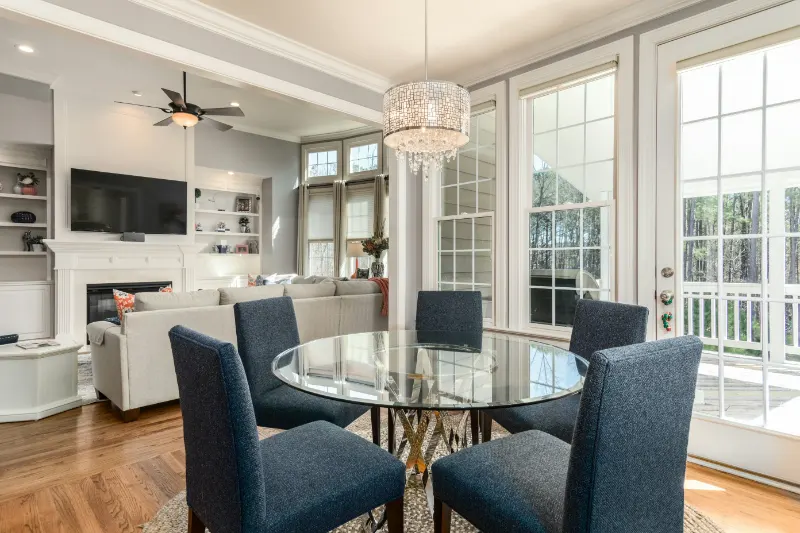
Finally, notice how your wall relates to the rest of the room. The art should echo colors already present in textiles, books, ceramics or the view outside the window, rather than introducing an entirely new palette. That echo can be subtle, like a barely visible lavender wash in an abstract echoing the lilac stripe in a rug, or as direct as a black and white photograph mirroring the graphite lines of a steel floor lamp. Harmony does not require matching, but it does require listening.
Balancing Contrast: Color, Scale and Framing
The tension between photography and abstract art is what makes a shared wall compelling. Photography tends to feel literal and grounded; abstraction often feels open and ambiguous. To prevent that tension from turning into conflict, manage three levers: color, scale and framing.
Color is the easiest and most forgiving tool. Even when the mediums differ, they can share a palette. Start by identifying the dominant undertones in your room, whether they lean warm, like sand and terracotta, or cool, like slate and sea glass. Then adjust your art selections so both the photographs and the abstract pieces either respect that temperature or provide one deliberate counterpoint. Black and white photography is a particularly versatile bridge; it calms busy color and allows one or two abstract works to carry the chromatic energy without competition.
Scale is about rhythm. A wall of similarly sized frames can feel static; a mix of small photographs and one or two larger abstract works creates a sense of breathing space. A generous abstract canvas can act like a visual rug for the wall, grounding a grid of smaller photographs that cluster nearby. When arranging, consider the cadence of your eye as it moves from large to small, dense to sparse. A single oversized piece, especially an abstract, should be allowed a margin of plain wall around it so it can radiate into the room without feeling boxed in.
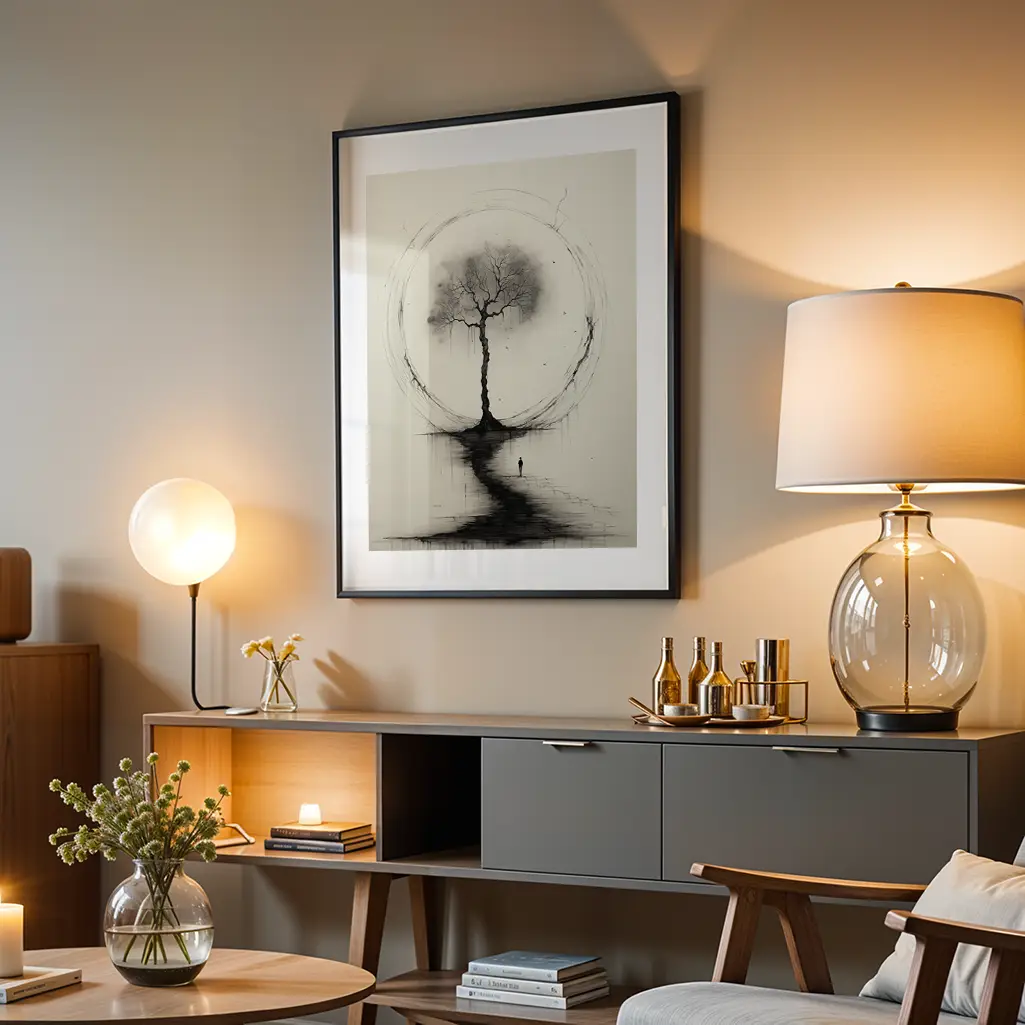
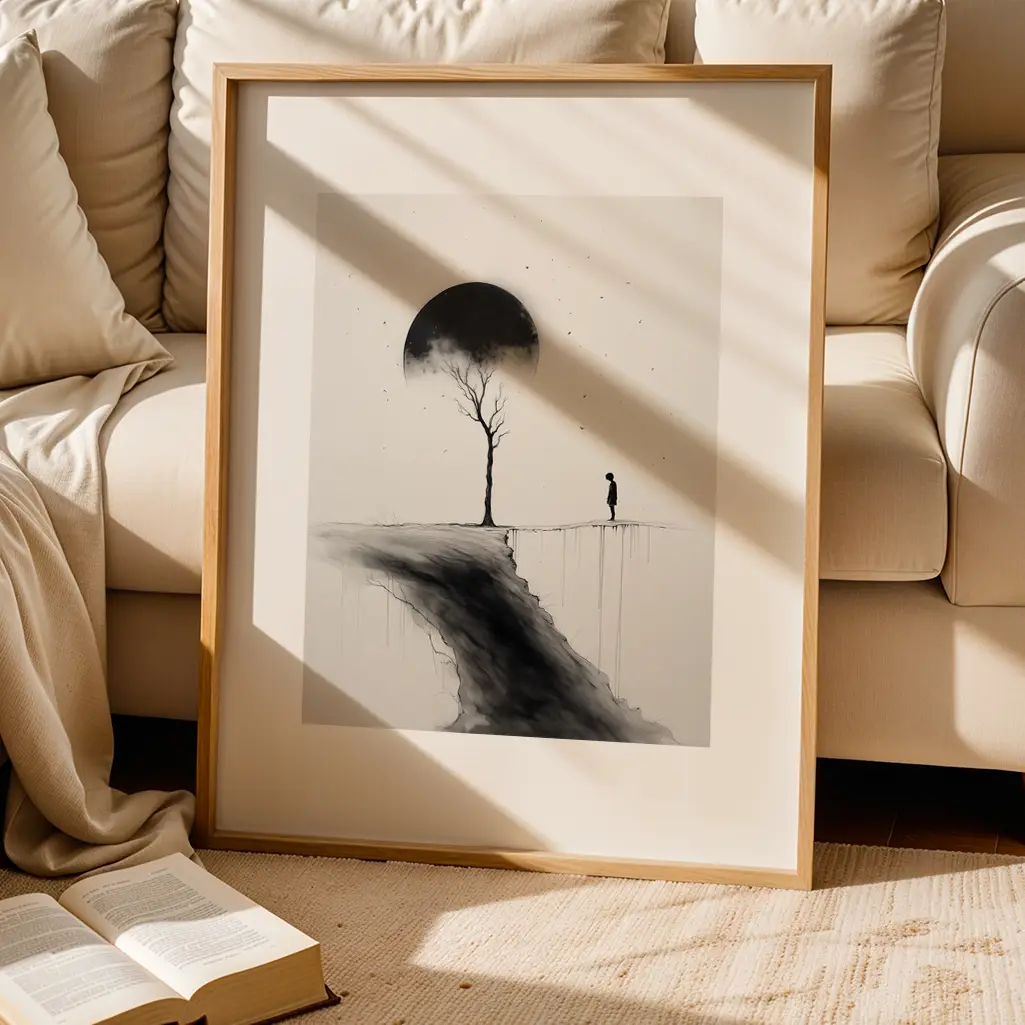
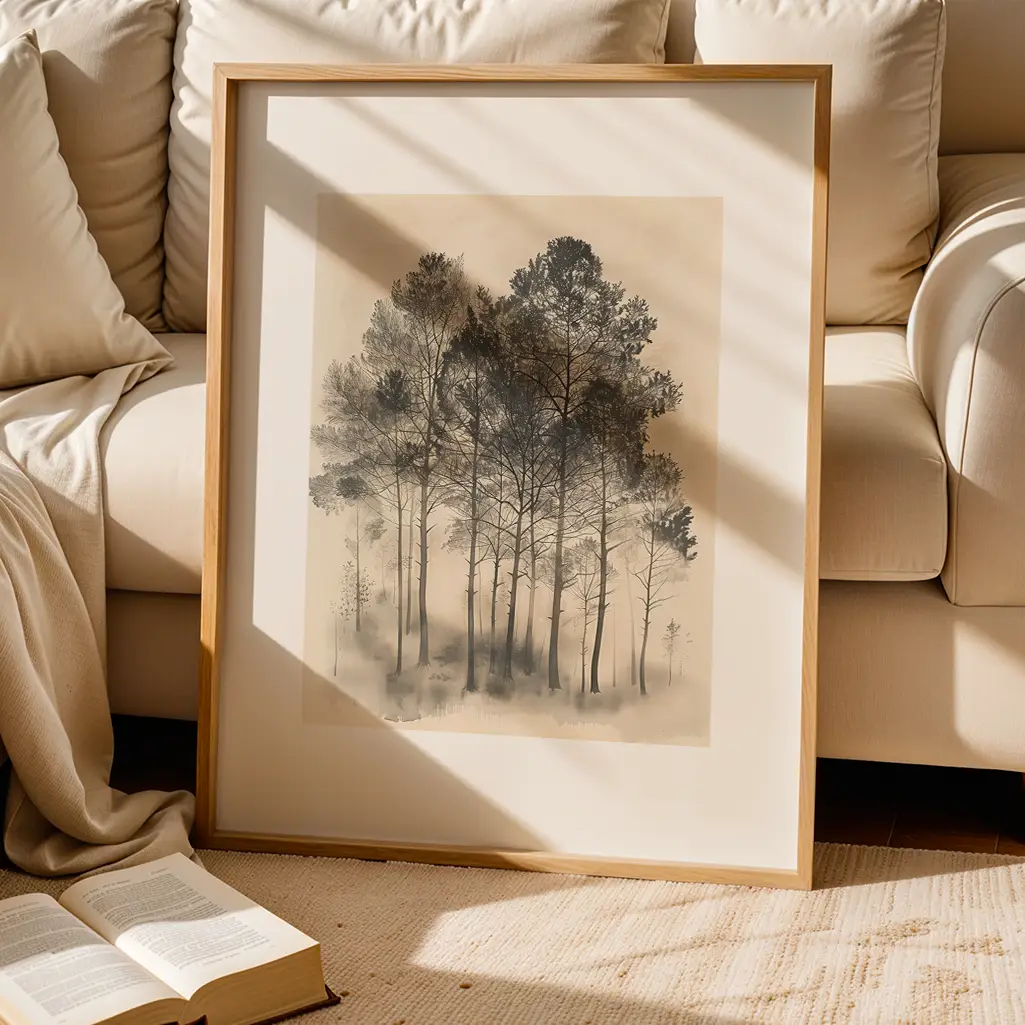
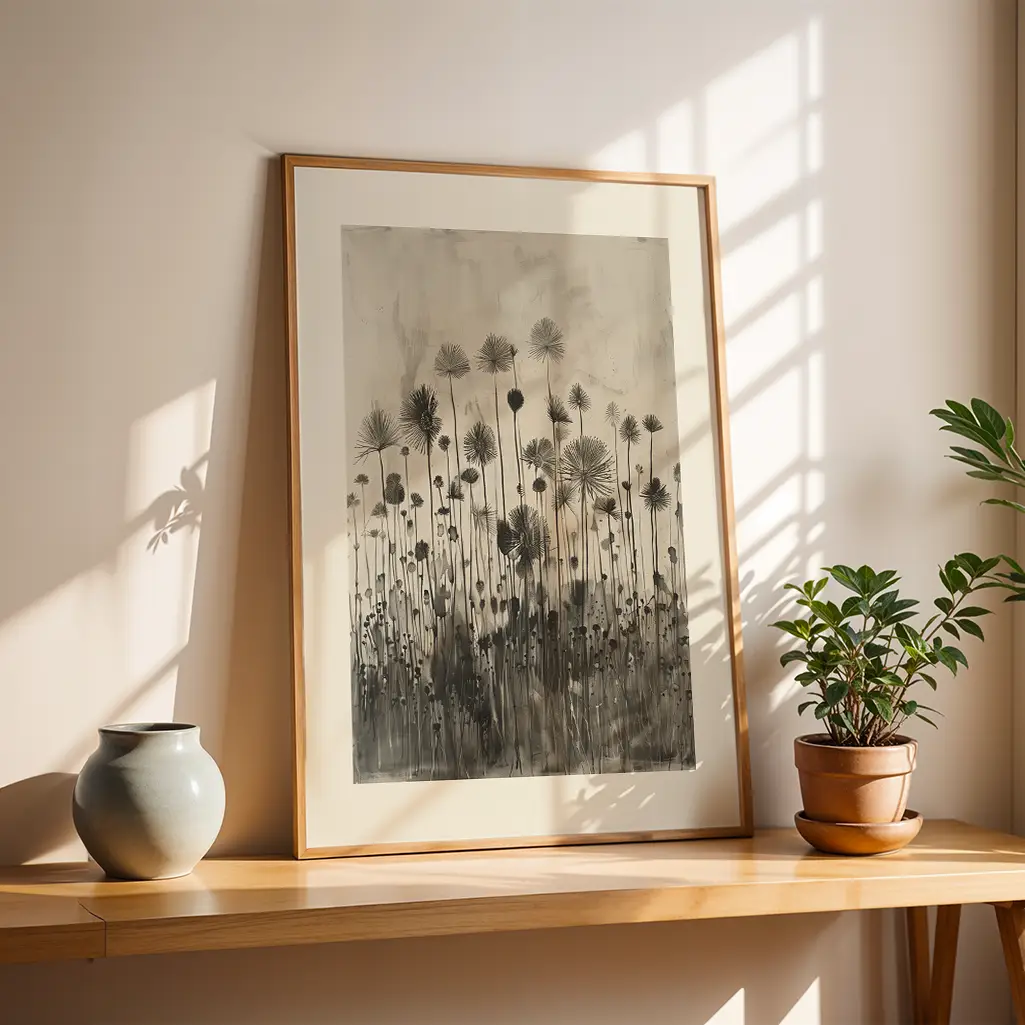
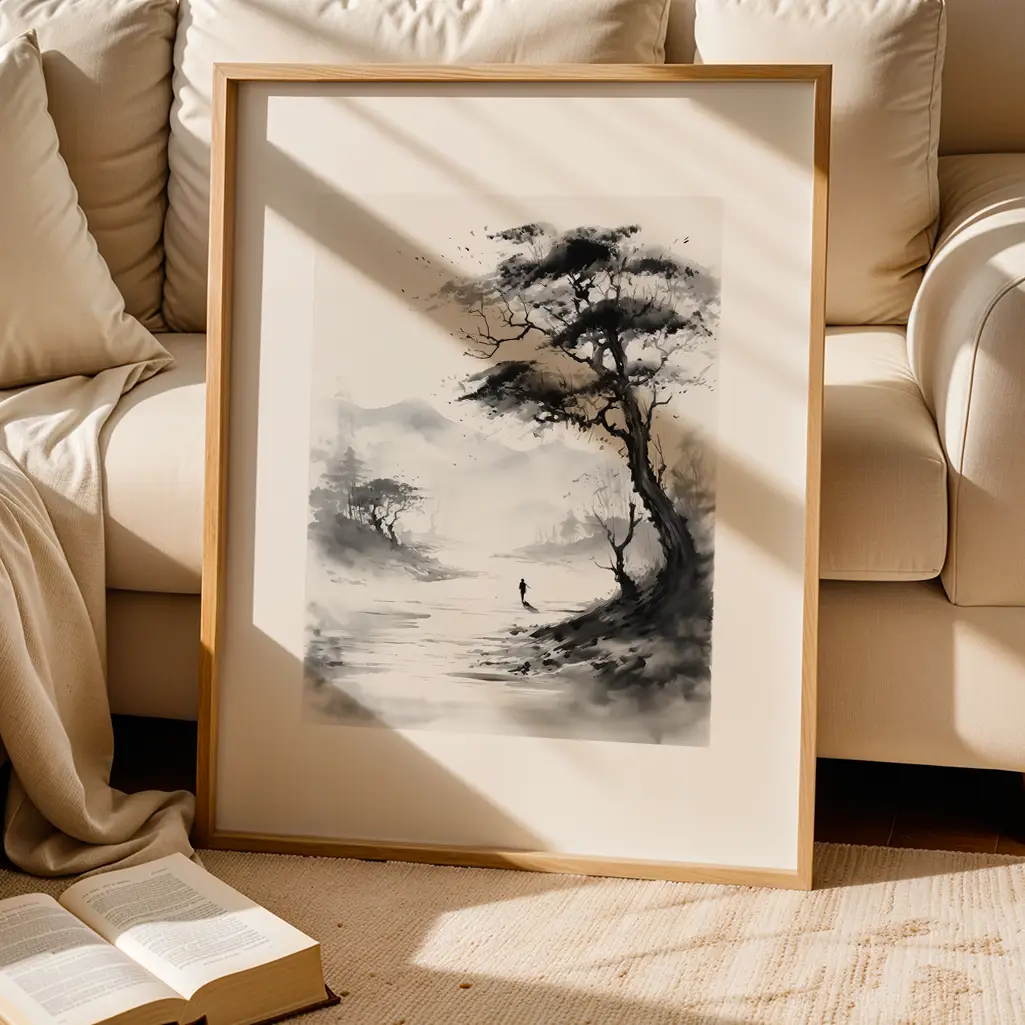
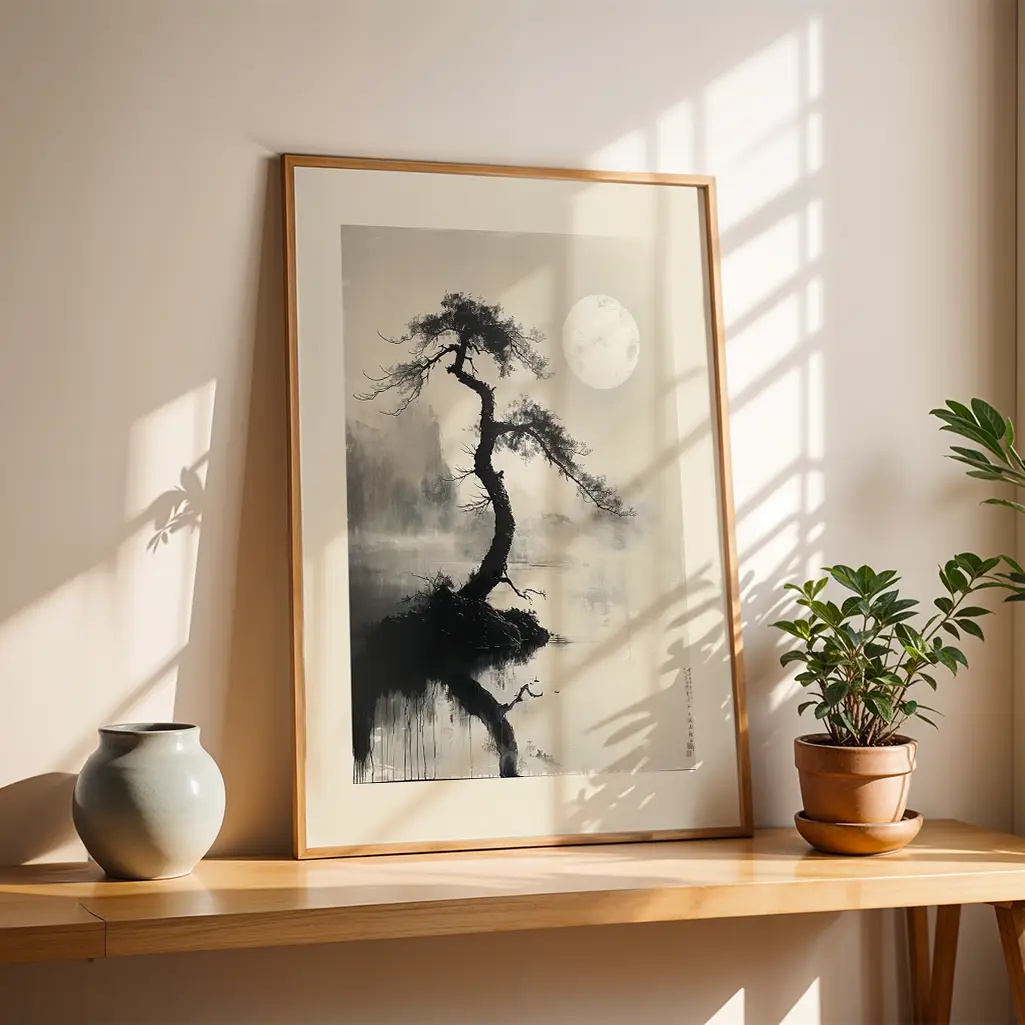
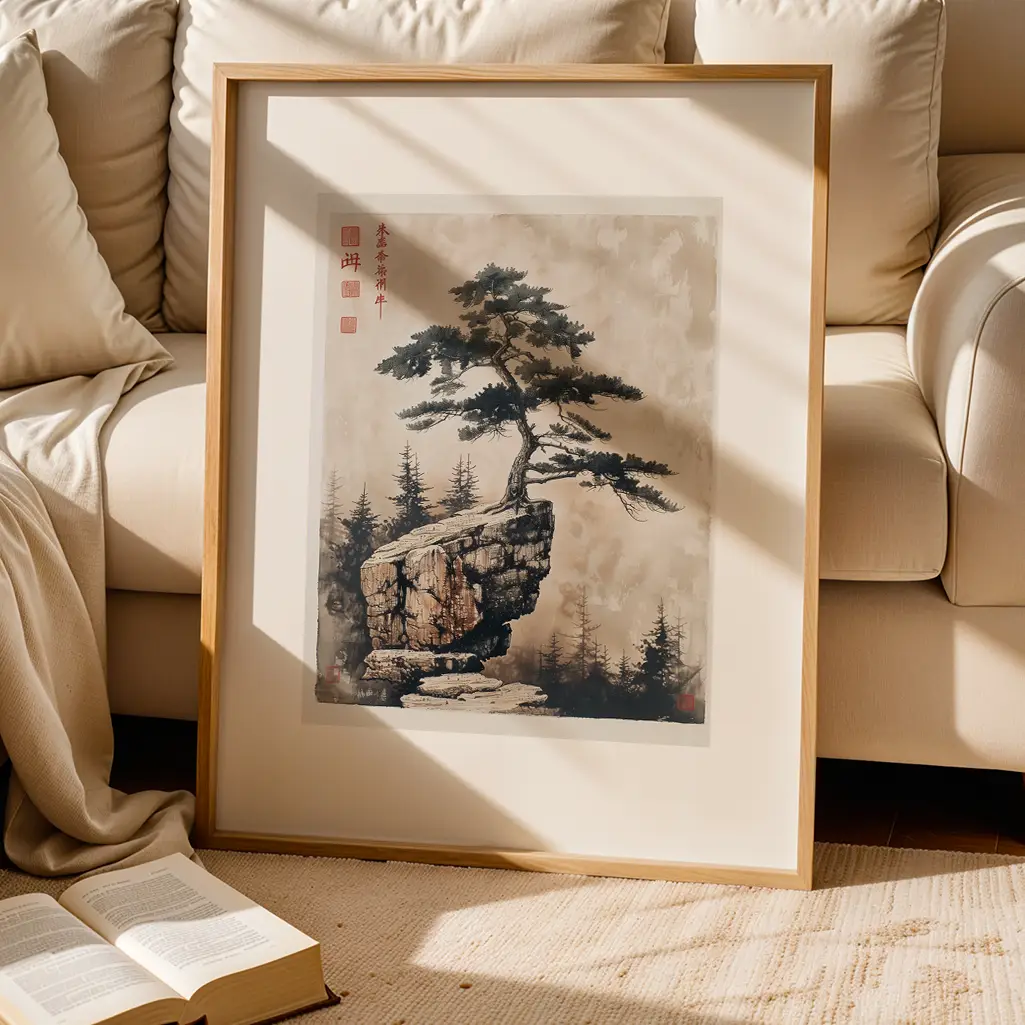
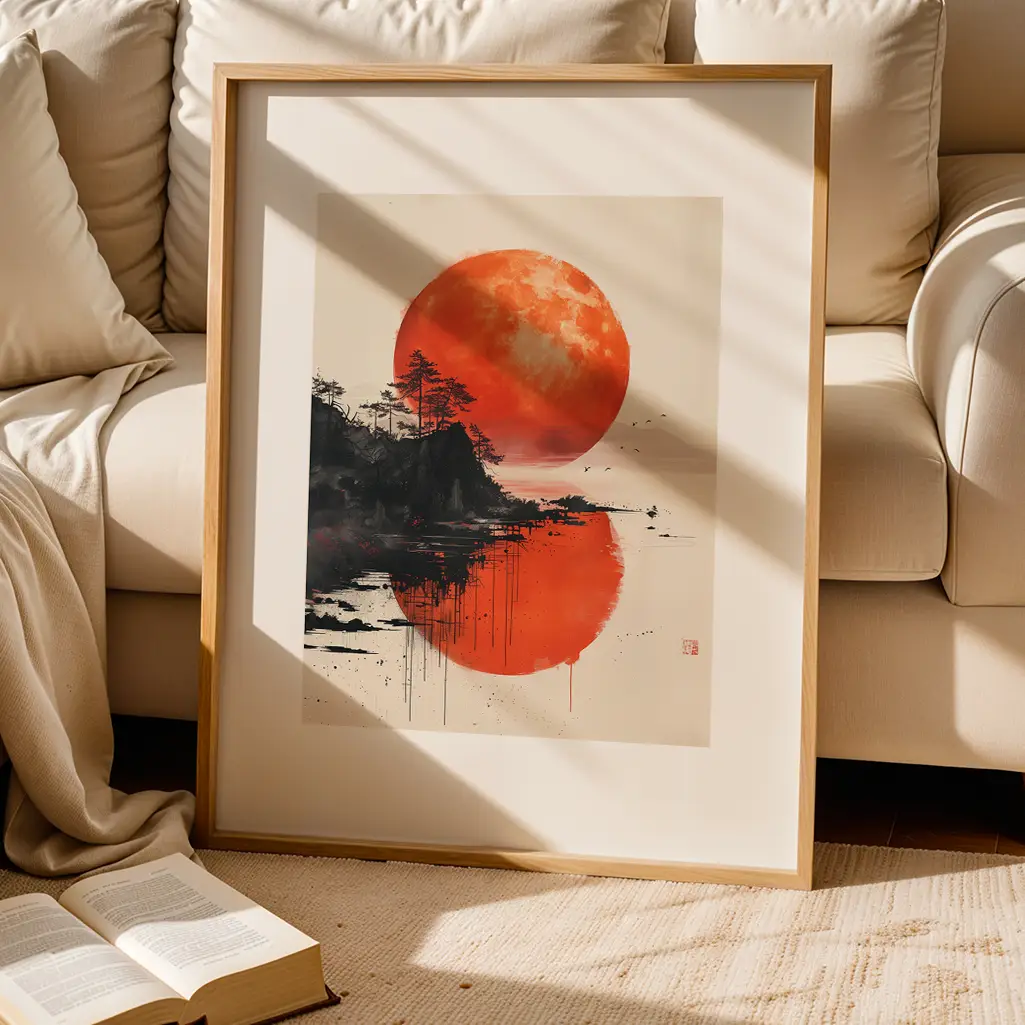
Framing is the quiet diplomat between mediums. Matching frames for every piece can unify a disparate collection, but in a mixed wall this can also feel overly rigid. Instead, aim for what might be called "cousin cohesion." Frames do not have to be identical, but they should appear to belong to the same family. Thin black or natural wood frames work well with both photography and abstract art, particularly when the matting is consistent in tone. A white mat can give a photographic print the same breathing room that a painted border gives an abstract work.
Where possible, let the abstract pieces breathe with slightly larger mats or more wall space, allowing their gestures to extend beyond the literal boundaries of the frame. Photographs, especially documentary or street images, often feel comfortable with tighter crops and closer neighbors. In combination, this difference creates a subtle rhythm of compression and release that keeps the wall engaging.
Lighting is the final, often overlooked, element of balance. If the room’s natural light is directional, notice how it lands on the wall throughout the day. Photography can tolerate more direct light for dramatic effect, but heavy glare across a glossy print will flatten detail. Abstract paintings, especially with texture, often benefit from softer, angled light that reveals brushwork and depth. If you add picture lights or track lighting, aim for an even wash that does not privilege one medium so strongly that the other feels secondary.
Composing the Arrangement: From Floor to Wall
Before you touch a hammer, move everything to the floor. This simple shift turns the arrangement process into a kind of quiet design rehearsal. Tape off the dimensions of the wall on the floor using painter’s tape and start placing the works inside that boundary. The goal is to sense how the mix of photography and abstract art feels at full scale, not to construct a perfect grid.
Begin with the visual anchor. For some walls this is a single large abstract piece; for others it might be a central photograph whose subject carries emotional weight. Place this anchor near eye level, which can be thought of as a gentle average between the heights of the people who live in the home. From there, build outward in loose constellations rather than strict rows. Let clusters form around a shared theme, such as a set of small black and white photographs near a cool, restrained abstract, while a more gestural painting converses with a color photograph across the wall.
When mixing mediums, pay attention to edges. Hard edges, like the crisp borders of a photograph, like to sit near the softer, fuzzier or more gestural edges of abstract works. That juxtaposition keeps the transition between pieces from feeling abrupt. If two artworks both scream for attention at their borders, separate them slightly or interpose a quieter piece as a buffer.
As you adjust, step back frequently, ideally to the point in the room where you usually enter or sit. The question is not whether each piece looks perfect by itself, but whether the wall as a whole feels calm and legible. One helpful test is to half close your eyes so details blur. If you can still sense a pleasing arrangement of light and dark, dense and open, you are close. If one area appears to collapse into visual weight, rework the pieces there, perhaps trading a colorful photograph for a subtler abstract wash.
When the floor composition finally feels right, translate it to the wall slowly. Measure from a fixed reference point such as the center of a sofa or the edge of a window frame, so the composition relates to architectural elements and furniture rather than floating independently. Leave small, consistent gaps between frames, letting the negative space serve as another design element. Those pockets of bare wall are where the eye rests and where the room’s light can breathe.
In the end, the success of a wall that joins photography and abstract art lies in whether it still feels like you can live with it on a quiet evening. A successful arrangement will hold your attention at a glance but reward slower looking, revealing new relationships between images over time. When that happens, the wall ceases to be mere decoration and becomes a kind of ongoing conversation between the representational and the intangible, which is another way of saying between the outer world and your inner one.