
Reframing Winter: From Endurance to Invitation
Winter asks a different question of your home. In warm months, we extend outward, throwing windows open, blurring the line between inside and out. In winter, that line sharpens. The cold pulls us inward, and the rooms we live in begin to matter more, not just as backdrops but as companions. A cozy, quiet home in winter is less about perfection and more about how space behaves when life slows down.
Cozy and quiet are often treated like accessories you can buy, but they’re closer to conditions you cultivate. At their core are three elements: light, texture, and sound. If you approach your home as a kind of winter instrument and tune these three points, even a small apartment can begin to feel like a retreat rather than a holding pattern until spring.
The first step is noticing what winter is already doing to your rooms. Pay attention for a day: Where does the light fall at 8 a.m., at 2 p.m., just before dusk. Which corners feel harsh or exposed. Which spots invite you to sit but never quite succeed. This quiet inventory is the design equivalent of listening before you speak. It prevents the common mistake of layering on objects without understanding the underlying atmosphere.
From there, think about your home in smaller zones rather than as a single, monolithic space. A winter reading chair by a window does not need to be perfectly in sync with a bright, task‑oriented kitchen. This zoning allows you to curate intensity. One area might be dimmer and softer, another clearer and more energetic. The overall feeling of coziness comes not from uniform softness but from deliberate contrast, orchestrated to support how you actually live during cold months.
Silence is rarely literal in a lived‑in house, but you can create what might be called "quiet enough." Instead of chasing absence of sound, aim for gentler transitions: fewer sharp echoes in the hallway, less visual shouting from every surface. The result is not an ascetic space but one where your shoulders drop almost without your noticing.
Tuning Light and Texture for Winter Calm
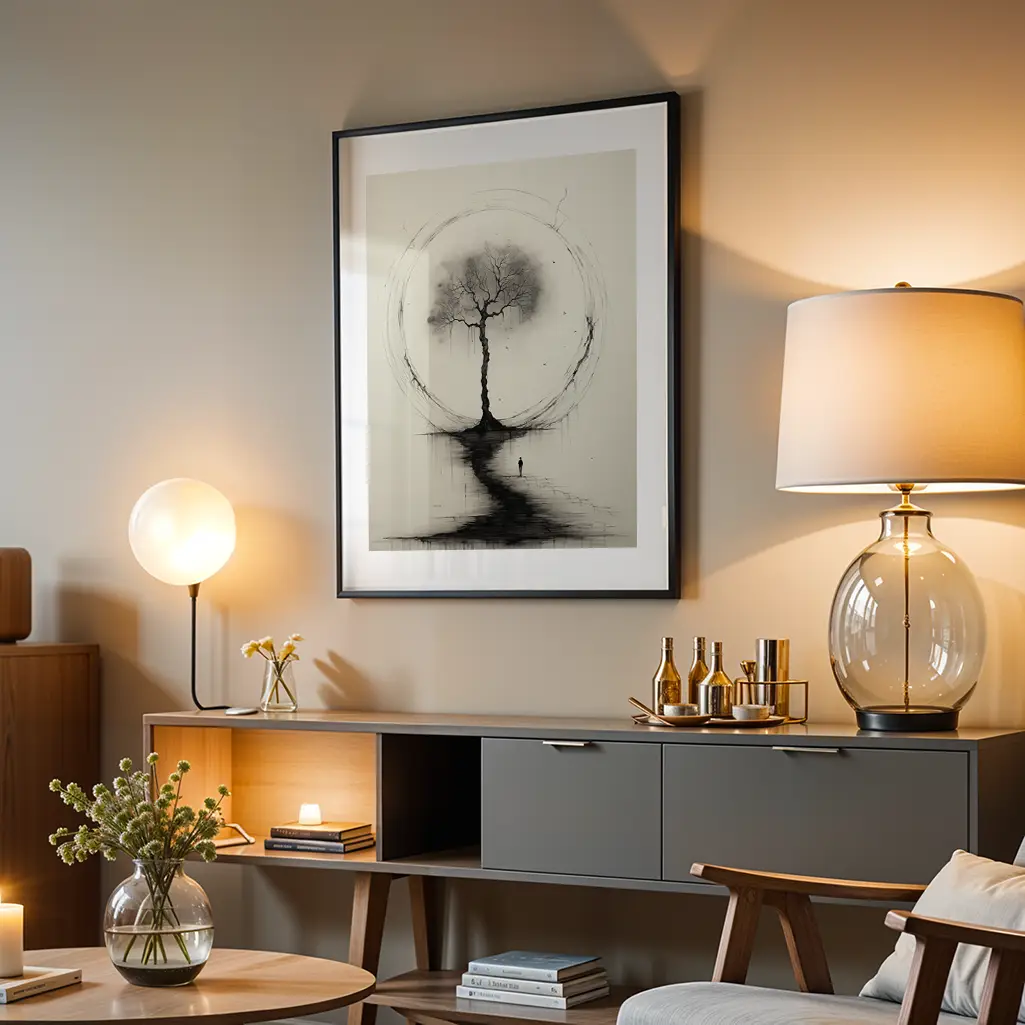
If summer is about bright overhead light, winter is the season of low, layered glow. Rather than relying on a single ceiling fixture to do everything, scatter smaller, warmer sources around the room. Place a table lamp at the end of a sofa, a small reading lamp near a favorite chair, a slim floor lamp in a neglected corner. When lights sit at or below eye level, their glow feels like company rather than interrogation.
Pay attention to the color of the light itself. Bulbs labeled "warm white" in the 2200K to 2700K range mimic the softness of candlelight and early evening, which keeps a room from feeling clinical once the sun disappears at 4 p.m. This warmth is especially important in spaces with a lot of gray winter light; cold daylight plus cold artificial light can leave even a tastefully furnished room feeling faintly hostile.
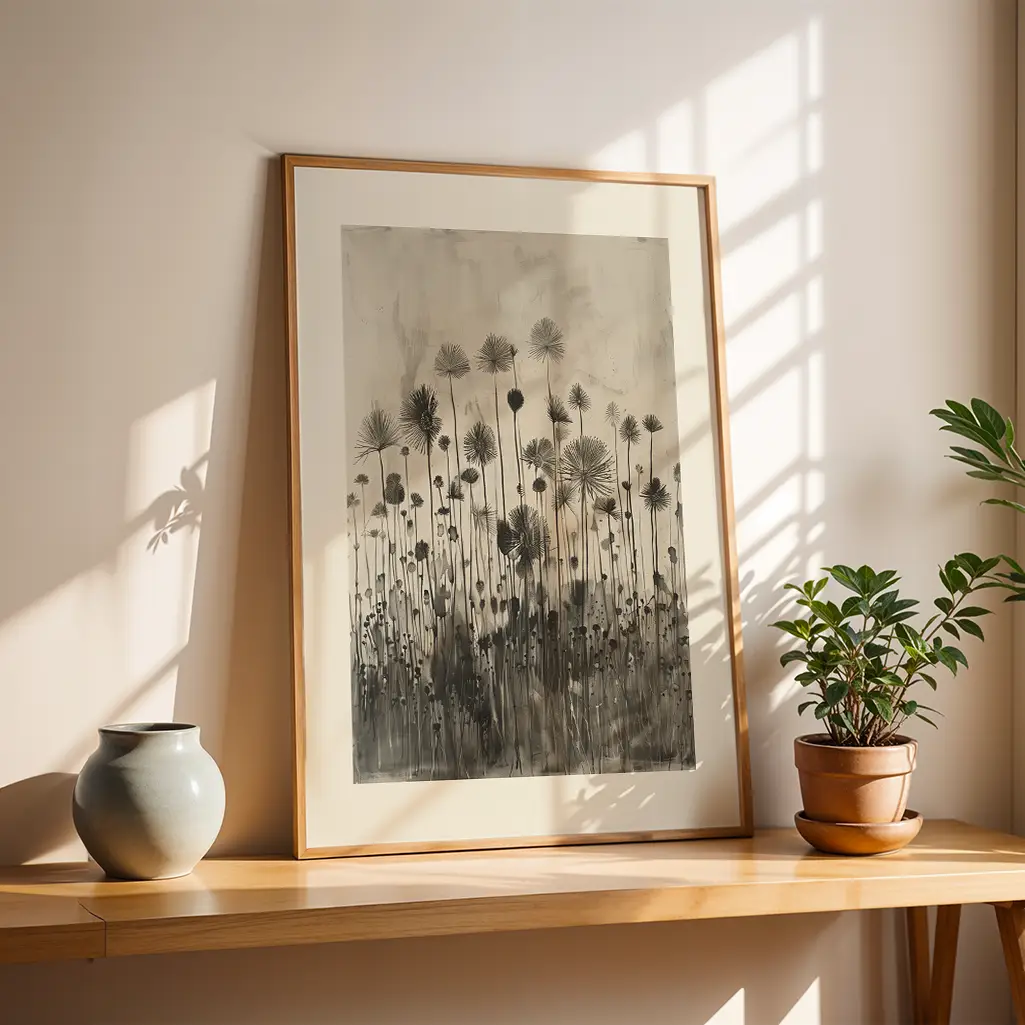
Natural light in winter is a resource that arrives briefly and at an angle. Instead of fighting it, frame it. Pull furniture slightly toward the windows, even if it disturbs your usual layout. Sheer curtains can live behind heavier drapes, giving you control: open both when the sun is out, close only the heavier layer when you need insulation and privacy at night. This creates a small ritual of opening and closing, which marks the winter day more gently than a sudden flip of a switch.
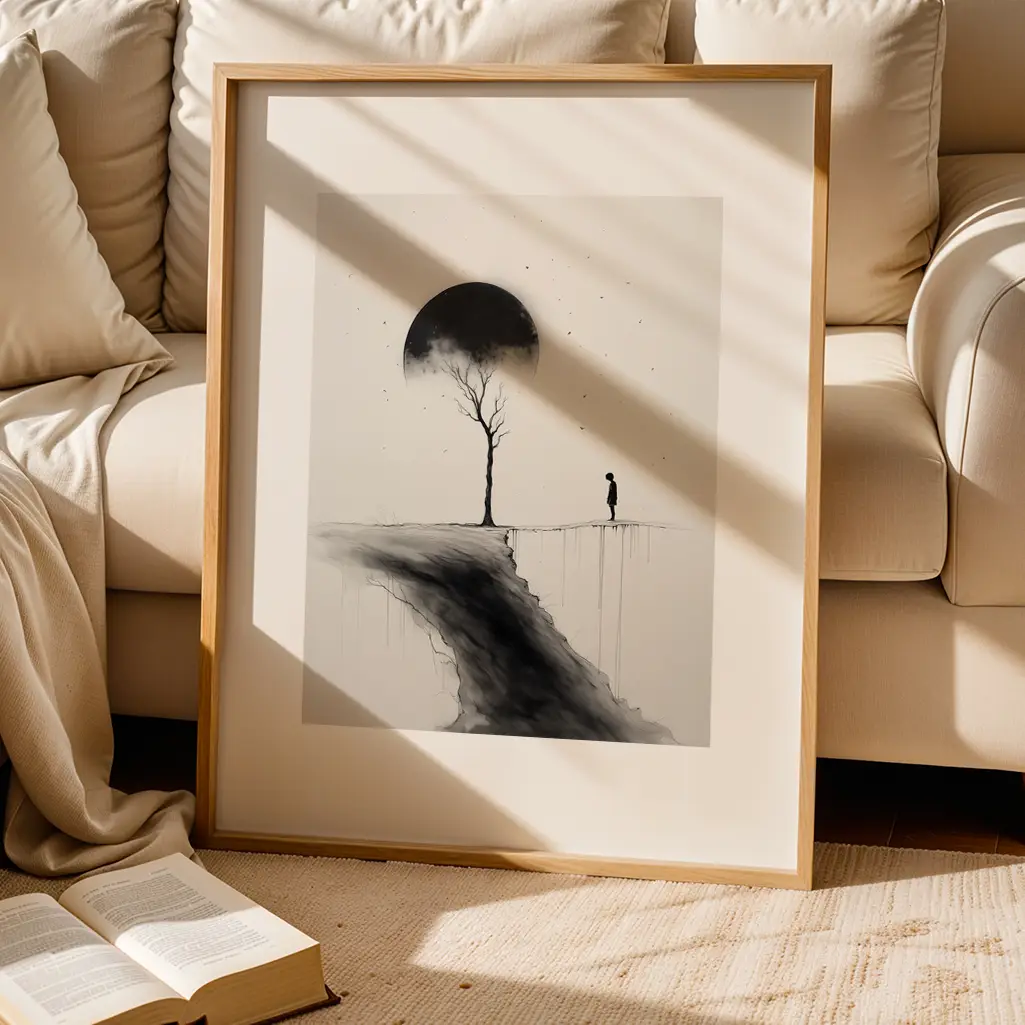
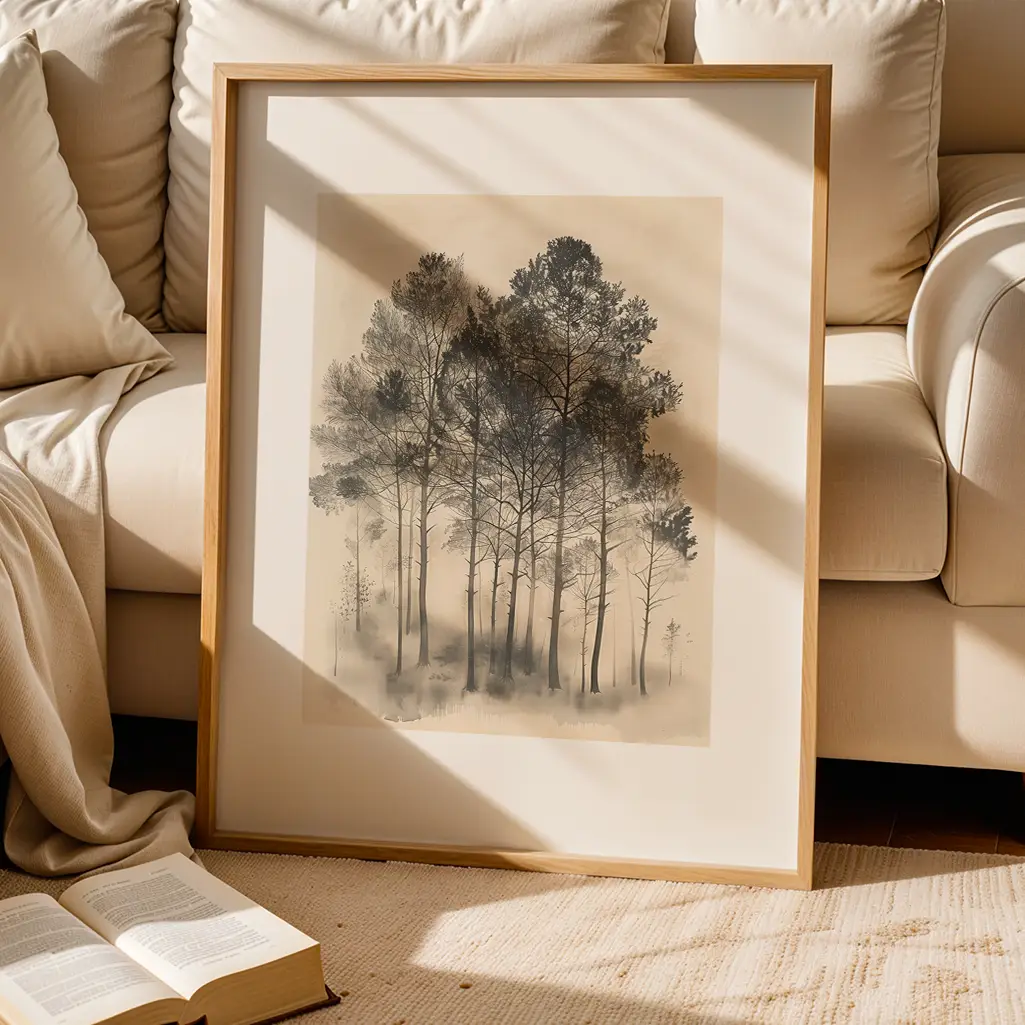
Texture is the physical counterpart to lighting’s mood. When it is sharp outside, our bodies instinctively seek softness. A room can be visually beautiful yet still feel emotionally bare because every surface is smooth and cool. To counter this, think in terms of layers touching layers: a wool or cotton throw over a linen sofa, a textured cushion on a leather chair, a natural fiber rug anchoring a hard floor.
The key is contrast. Pair something nubbly with something sleek, something matte with something faintly lustrous. A wooden coffee table becomes more inviting with a simple fabric runner or a stack of clothbound books. A smooth floor feels warmer when a rug overlaps the edge of your seating area, turning a scattering of furniture into a defined winter "nest." These are small moves, but they change how your body reads the room the moment your feet cross the threshold.
Color behaves differently in the low light of winter. Bright whites can go cold, while deep colors may suddenly feel more natural and embracing. If repainting is not an option, introduce winter‑friendly hues through textiles: a rust throw, moss‑colored cushions, charcoal pillowcases. Even a single darker lampshade can warm the light it casts, tinting the entire corner with a quieter, more enveloping tone.
Softening Sound and Visual Noise
Quiet at home begins with the simple acknowledgment that sound is physical. It bounces, echoes, and lingers depending on the surfaces it meets. In winter, when windows are closed and we stay indoors longer, the acoustics of a space become more pronounced. Hard, bare floors and sparsely dressed windows create a bright, echoing soundscape that can make even an otherwise well‑designed room feel restless.
You do not need professional acoustic panels to change this. Think of every soft surface as a "listener" that absorbs sound: rugs, curtains, upholstered seating, even filled bookcases. A rug in a hallway softens footsteps and muffles the sense that sound is ricocheting from one end of the home to the other. Curtains that reach the floor do double duty, warming both temperature and tone. A wall of books, stacked at varied depths, breaks up echoes more effectively than a blank expanse of drywall and adds a different kind of quiet, the visual suggestion of time spent reading.
Visual noise can be just as fatiguing as audible noise. In winter, when we naturally look inward, every object on every surface gets more of our gaze. A crowded console or an overfull coffee table pulls the eye in a dozen directions, creating a subtle sense of agitation. The antidote is not purging everything but creating pockets of negative space so each object can breathe. Clear one surface completely and reintroduce only a few things you genuinely use or love: a lamp, a book in progress, a single bowl that corrals keys or matches. This restraint makes the items that remain feel intentional rather than incidental.
Consider sound rituals as a form of winter design. The soft scratch of a record, a low‑volume playlist, even the faint hiss of a kettle can create a gentle sonic backdrop that makes other noises less intrusive. The aim is not to drown out your environment but to give it a steady, comforting base note. When layered with warm light and tactile materials, these quiet sounds help your home feel like a refuge that responds kindly to the season, rather than resisting it.
Ultimately, creating a cozy, quiet home in winter is about respect: for your senses, for the reality of shorter days, and for the pace your body would choose if it were listened to. When light is softened, textures are layered, and noise—both sonic and visual—is thoughtfully reduced, your home begins to say something back to you. It says, in its own understated way, "You can rest here."
.webp)