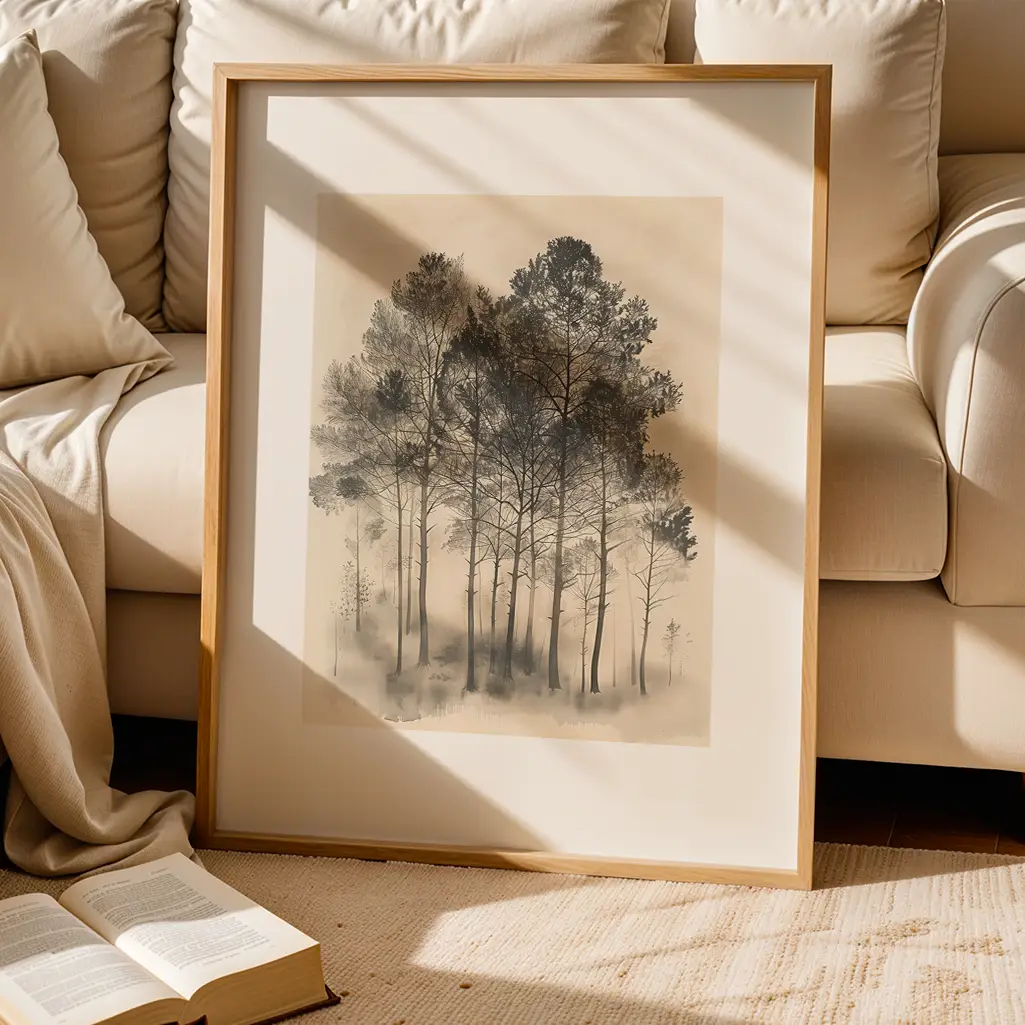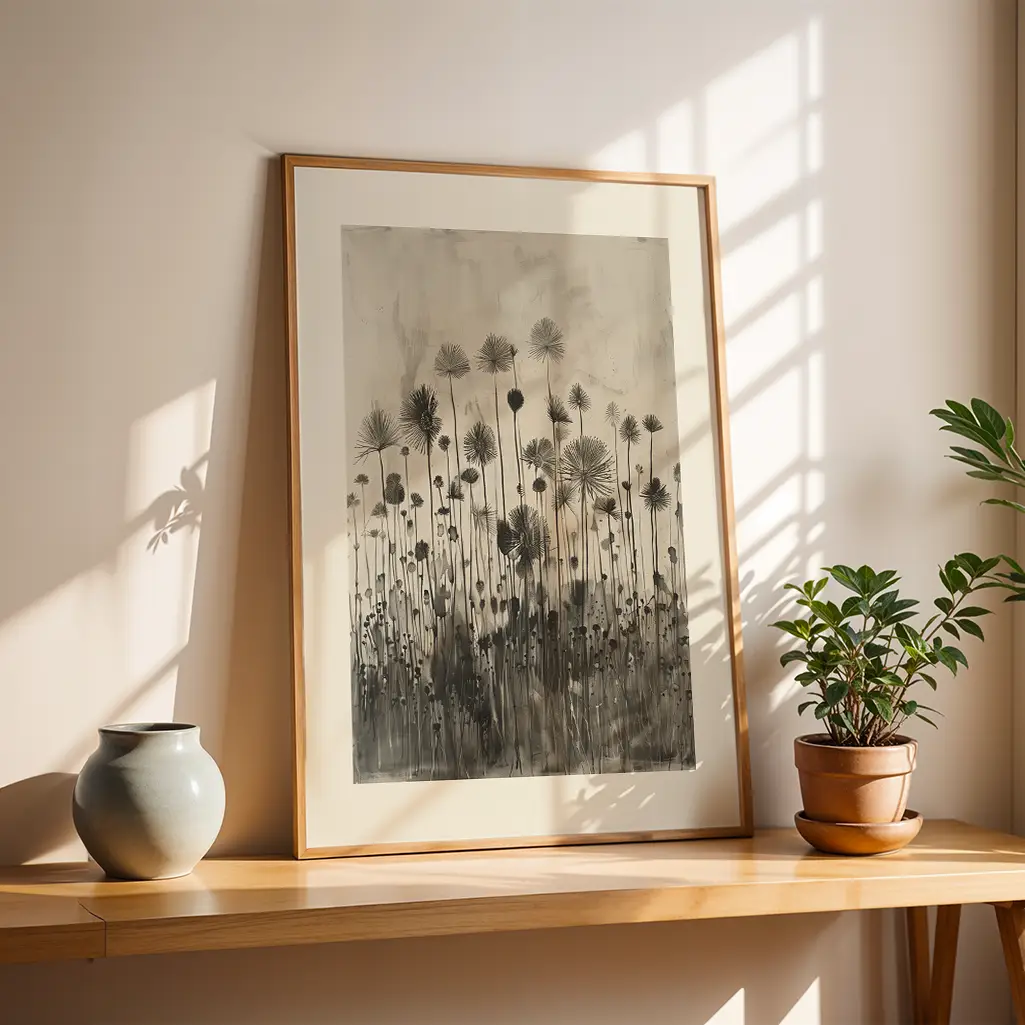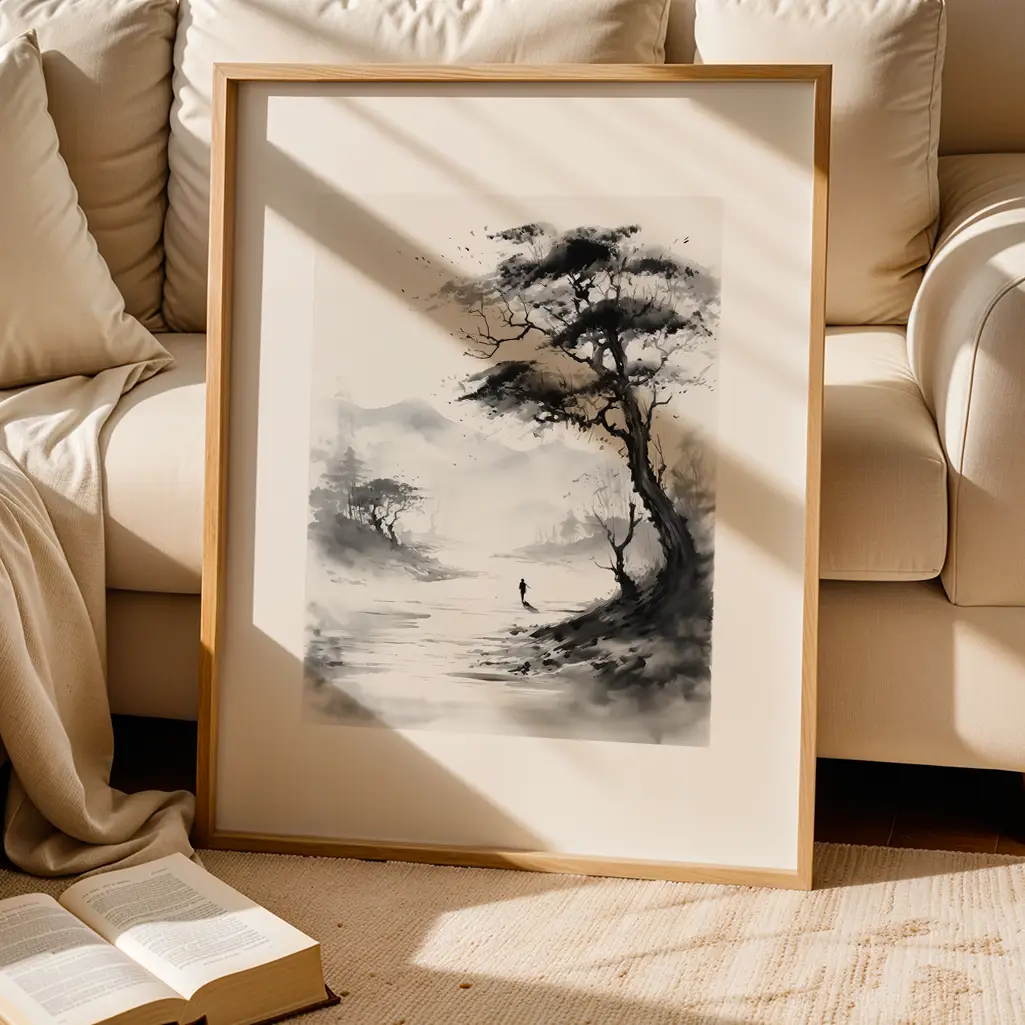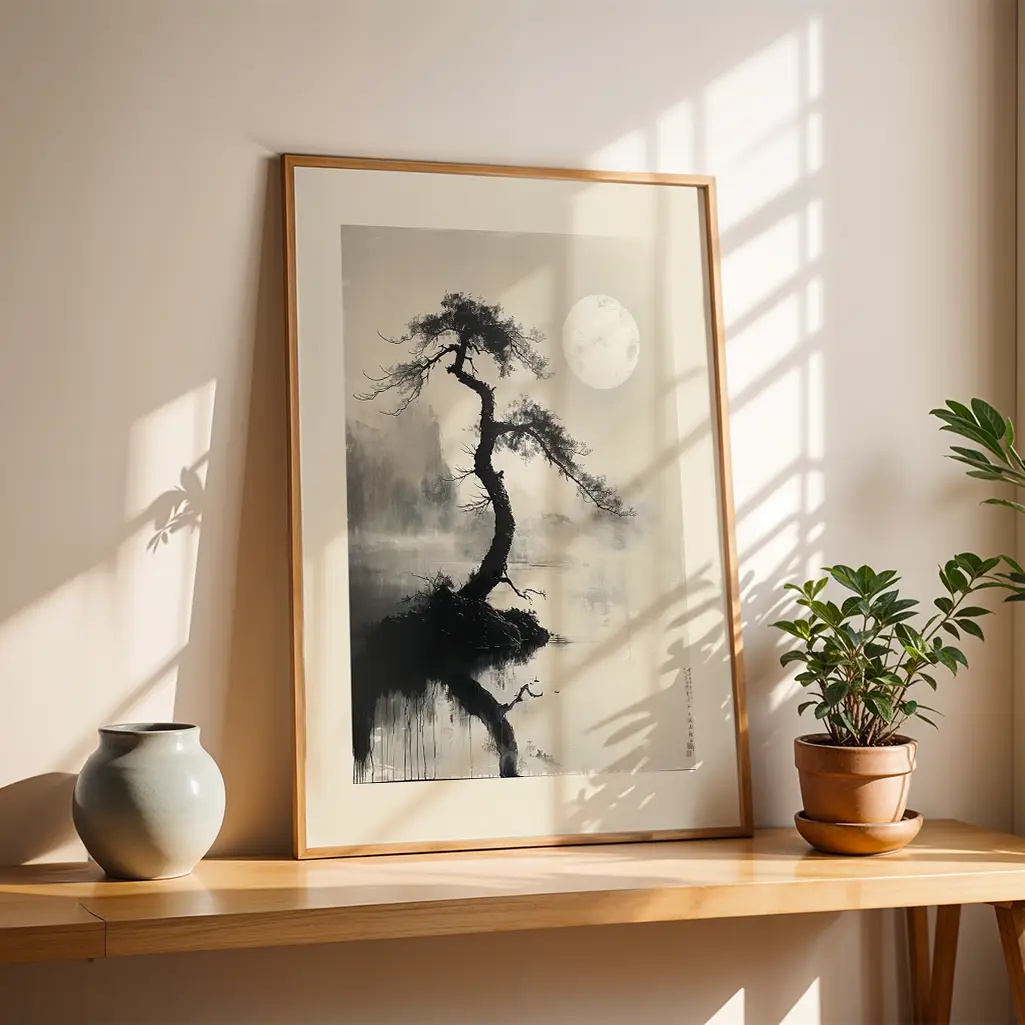
Reimagining Home as a Quiet Understory
Shinrin-yoku, often translated as “forest bathing,” does not ask you to hike, sweat or conquer a summit. It simply asks you to be porous to a place. In the woods that means letting the green, the damp air, the layered sounds and the slow choreography of light filter directly into your nervous system. Translating that experience into an apartment or a busy family house may sound quixotic, but the logic of it is surprisingly practical. You are not trying to pretend your living room is a pine grove. You are asking what the forest does to the body and mind and then editing your rooms so they can do something similar.In a forest, nothing is flat or uniformly bright. There are depths and shadows, textures that invite your hand, scents that are present but not insistent. Time feels slower not because it actually is but because your attention, pulled in many directions outdoors, finally has something soft to land on. To create a forest bathing mood at home you begin with that shift in attention. Instead of designing a room to impress guests in a single glance, you design it so it unfolds gradually, the way a trail does. Corners that reveal themselves only when you sit down. A chair that is not just attractive but strangely persuasive to the spine. Light that pools and drifts rather than flooding every surface.
None of this requires a cabin in the woods or a total renovation. It asks for a different set of priorities. Think of your space as a “domestic landscape,” where you can control three things the forest is quietly expert at: the quality of light, the presence of living material and the pace of movement. From there, the mood begins to assemble itself almost on its own.
Light, Texture and the Art of Quiet Complexity
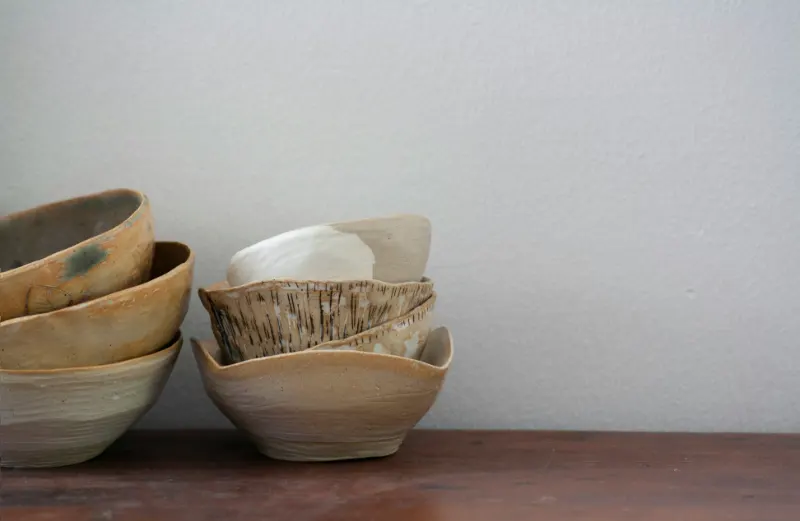
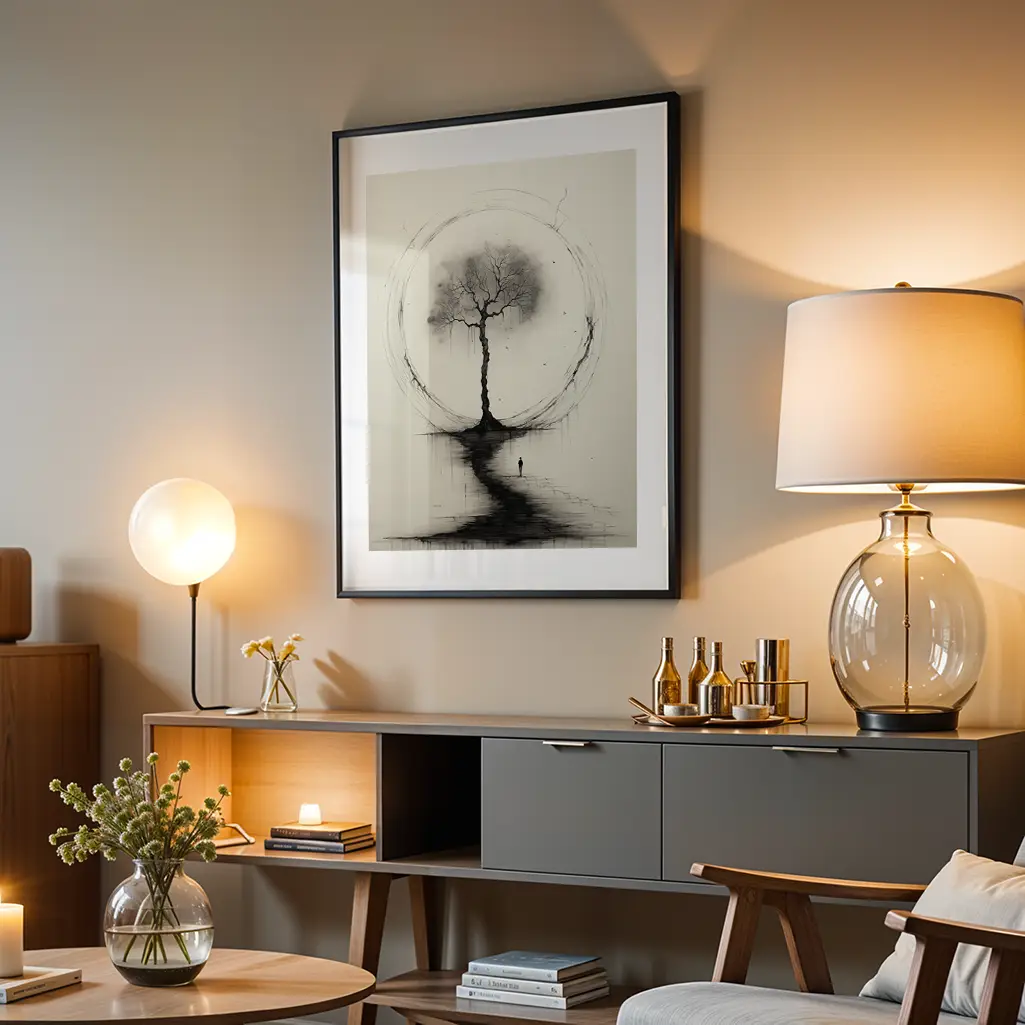
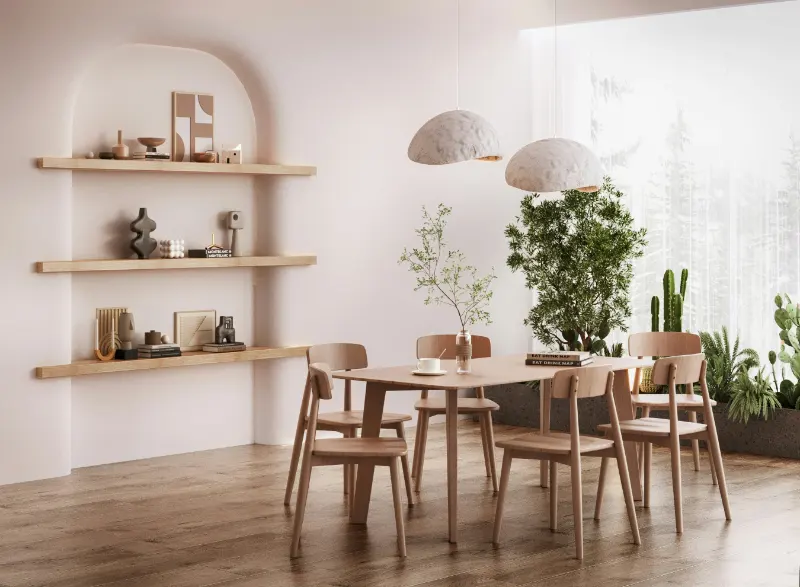
Forests are not bright; they are dappled. Much of the nervous buzz of typical interiors comes from a single overhead fixture that flattens everything into the same intensity. To borrow the forest’s calm, start by layering light at different heights and temperatures. A warm table lamp near where you read, a low floor lamp grazing a wall, perhaps a candle on a windowsill. Let at least one corner remain a little darker, the way a thicket tucks itself away from the path. When daylight is available, thin curtains can soften and scatter it, suggesting a canopy rather than a spotlight.The forest also calms you with a kind of visual “quiet complexity.” Look closely and there is endless detail, but no single object is shouting. You can approximate this by favoring a narrow palette of colors and a wide palette of textures. Instead of adding more decor, deepen what is already there. A wool throw over a linen sofa, a clay mug left out on a wooden table, a sisal or jute rug anchoring a smooth floor. The hand registers these differences as richness, which oddly allows the eye to rest.
Then there is the question of actual nature. Houseplants are the most obvious tools, but their role is more than ornamental. A single well-placed plant at eye level can act as a focal point, the way a tree clears a small circle around it. Several smaller plants grouped together begin to behave like a miniature understory. Mix leaf shapes and heights rather than collecting a row of identical pots. If your home is short on sunlight, even branches gathered on a walk, arranged in a heavy vase with a bit of water, can bring that sense of the outdoors quietly intruding on the interior.
Scent is another understated ally. Forest air is rarely perfumed; it is mineral, resinous, slightly damp. Instead of heavily fragranced candles, look for essential oils or diffusers that lean dry and green rather than sugary. A hint of cedar, cypress or vetiver can suggest moss and bark without announcing itself to every guest who walks in. The aim is not to smell like a spa, but to alter the emotional temperature of the room by a degree or two.
Acoustics finish the picture. Forests are not silent; they are simply free of the mechanical drone we have normalized indoors. Notice what in your home hums, whirs or beeps by default and consider what can be switched off, softened or corralled. Books absorb sound. So do curtains and upholstered pieces. A small tabletop fountain or the soft whir of leaves near a slightly open window can reframe the soundtrack of your evenings without turning your living room into a theme park of “nature noises.”
Designing Rituals and Paths Through Your Rooms
Forest bathing is as much about how you move as where you are. People walk more slowly in a grove; they pause without intending to. Indoors, circulation is usually about efficiency, the quickest line between sofa and kitchen. To invite a forest mood, you can gently complicate those lines. A narrow console table with a plant forces a small arc in your path to the door. A chair angled slightly off axis asks you to pivot your body to sit. A low stool near a window suggests that, for a few minutes, the destination of your walk might simply be that square of light.Ritual is what anchors these spatial cues into felt experience. Choose one or two daily moments to treat as your home version of “stepping into the woods.” Perhaps when you return at night, you resist flipping on every light. Instead you turn on just one lamp, open a window if weather allows, and stand still for three breaths before you put down your bag. Maybe you keep a small tray on a table where your book, a mug and a sprig of something green live together, signaling that this exact spot is for going off-grid, even if only for ten minutes.
The forest teaches comfort with incompletion. Twigs lie where they fall. Not every dead leaf is swept away. Bringing that attitude home does not mean cultivating mess; it means permitting a certain softness. You might let one surface be intentionally empty, a little clearing for the eye. Or you might accept that a basket of blankets and a stack of current reads beside the sofa is not clutter but evidence of a life actively unfolding.
In the end, creating a forest bathing mood at home is less about recreating scenery than about adjusting your interior climate. You guide light into pools rather than floods, let textures speak, invite a few living things to share your rooms and craft paths and rituals that slow you down by a notch. Over time the home stops acting like a charging station and starts behaving more like a glade, waiting quietly for you to step into it and, for a while, simply be.