The Quiet Architecture of Rest
Rest is not a single act but a rhythm, and your home is the drum it plays on. Most spaces are unconsciously arranged for productivity and distraction: bright overhead light, open screens, and furniture positioned as if every moment were a meeting. To create a home that encourages rest, you have to redesign the script your space is quietly reading to your nervous system all day long.The place to begin is not with paint or pillows but with the question "Where does my body exhale here?" Walk through your home and notice where your shoulders drop, where your jaw softens, where you instinctively pause. Those clues reveal the lines of least resistance, the spots already aligned with rest. Often it is the corner by a window, the chair with a view of trees, or the side of the sofa furthest from the TV. Your task is to protect these zones, then slowly extend their influence.
In design schools, students are taught that form follows function. For a restful home, the function is recovery. This means circulation paths that are not constantly interrupted, sightlines that do not demand vigilance, and lighting that does not shout. Instead of asking "Does this look beautiful?" begin with "Does this let me feel off-duty?" Beauty is what happens when that answer is yes, over and over, in small and quiet ways.
Think of your home as a landscape with gradients of stimulation. Some areas can hold gentle activity: making tea, reading, slow conversation. Others should be almost ceremonially quiet. The boundary between those states is where many spaces fail; the bed facing an open closet, the sofa staring at a busy kitchen, the desk wedged into a bedroom. To invite rest, you soften those transitions, blurring the line between doing and being until stillness feels like an option again.
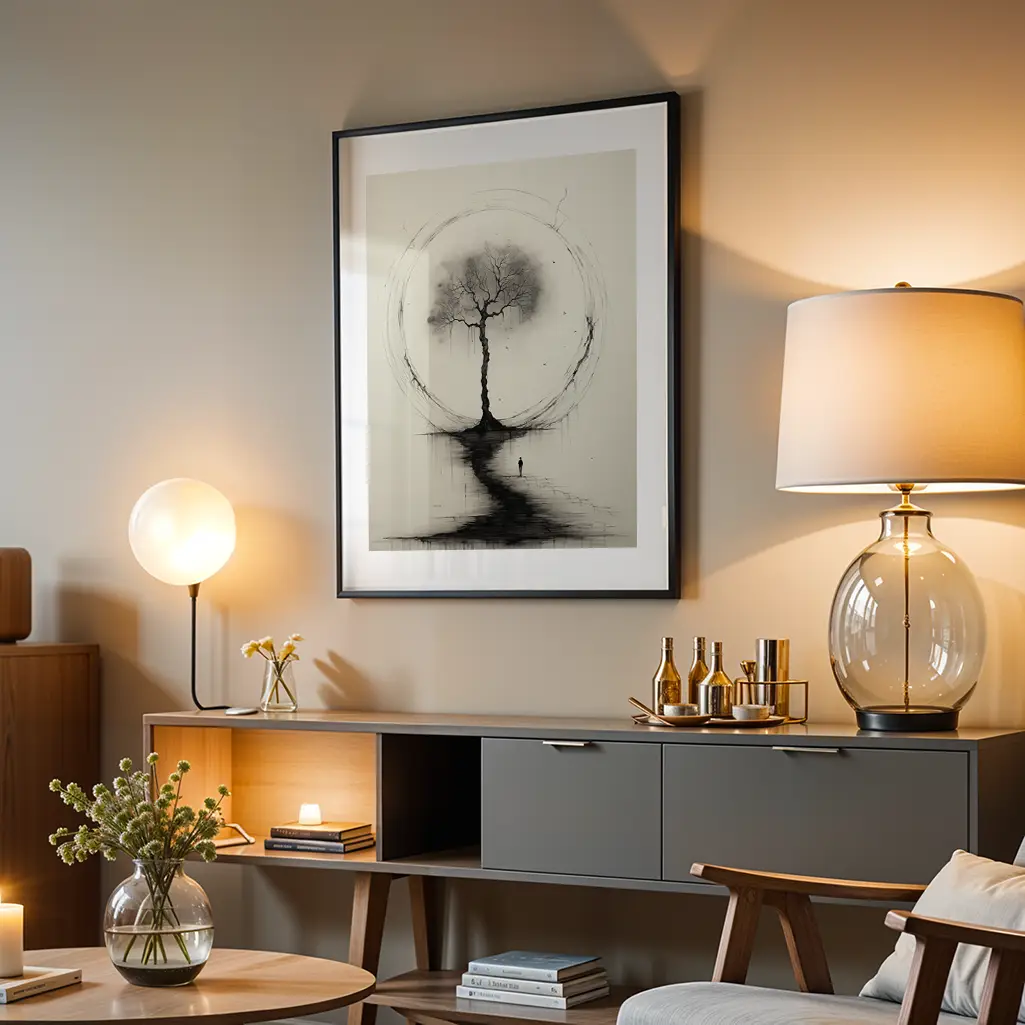
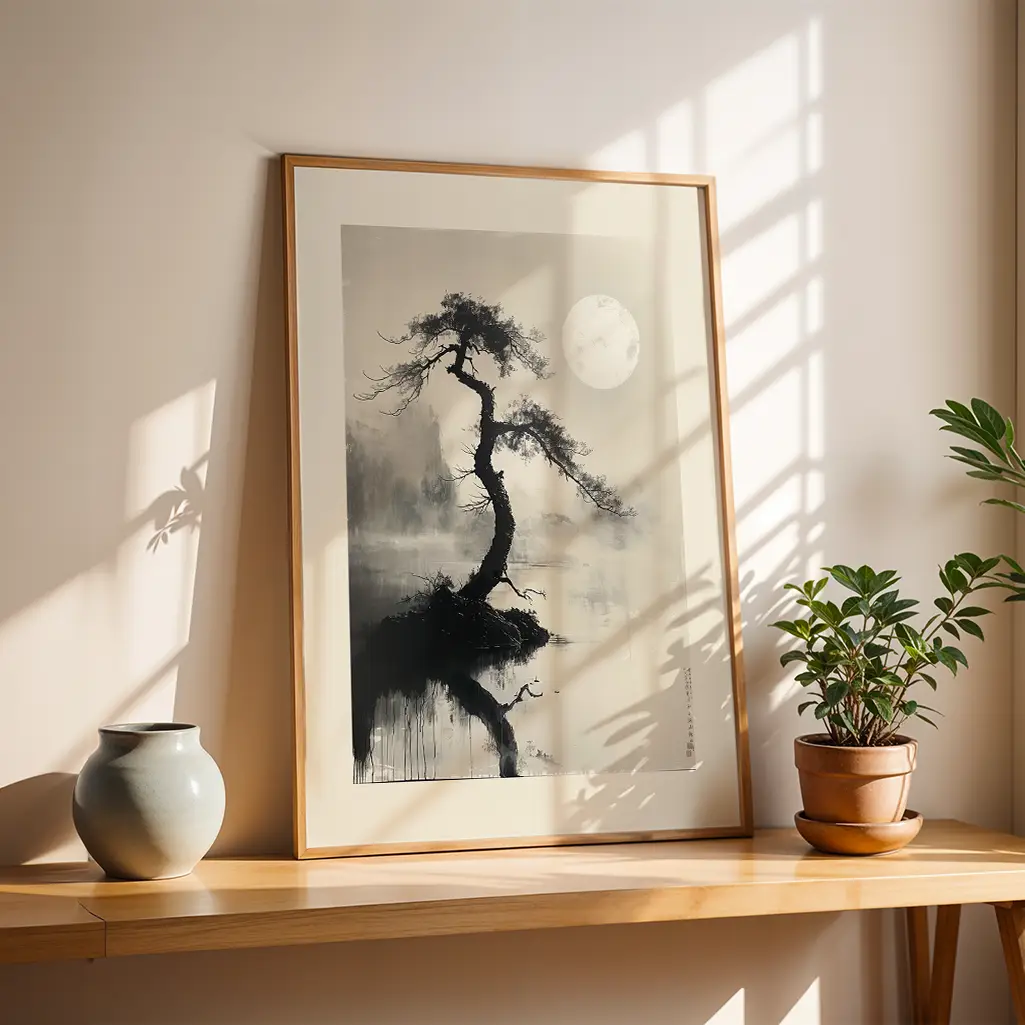
Light is the most powerful, and most overlooked, material in this architecture. Overhead fixtures tend to flatten a room and push our bodies into alertness. To invite rest, layer light at three levels: low at the floor, pooled at table height, and gentle around eye level. Warm bulbs, dimmers, and shaded lamps pull the ceiling down psychologically, making spaces feel contained and safe. A narrow beam on a piece of art or a plant allows the rest of the room to recede, giving your mind somewhere soft to land.
Equally crucial is the way objects speak to you. Every item whispers a quiet command: use, wash, charge, reply, remember. A kitchen counter crowded with gadgets asks you to act; a living room lined with unread mail insists you are behind. Curate surfaces so that the messages are few and kind. One book, not eight. A candle that is actually lit, not stored. A throw that looks as if someone just left a nap. Rest thrives in places where almost nothing is urgently asking for your attention.
Designing Micro-Retreats in Everyday Rooms
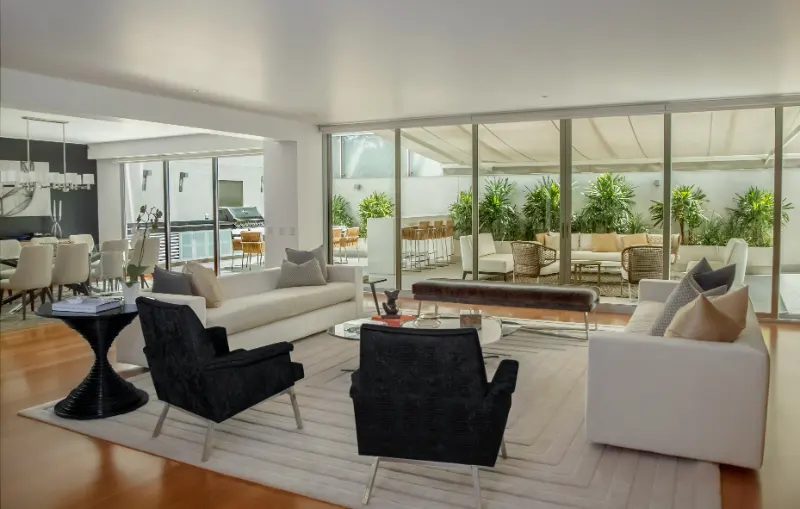
Most people do not need a full renovation; they need what might be called "micro-retreats" inside their existing rooms. These are not showpieces but pockets of alignment between your body and your surroundings, places where rest feels like the most logical next step.In a living area, start by deciding what kind of rest you want to protect. If it is quiet conversation, orient seating so people face each other rather than the television. If it is solo decompression, allow one chair or end of the sofa to turn slightly away from the main axis of the room, as if it is listening more to the window than to the world. A low side table within easy reach for a glass of water and a book tells your nervous system that staying put is encouraged.
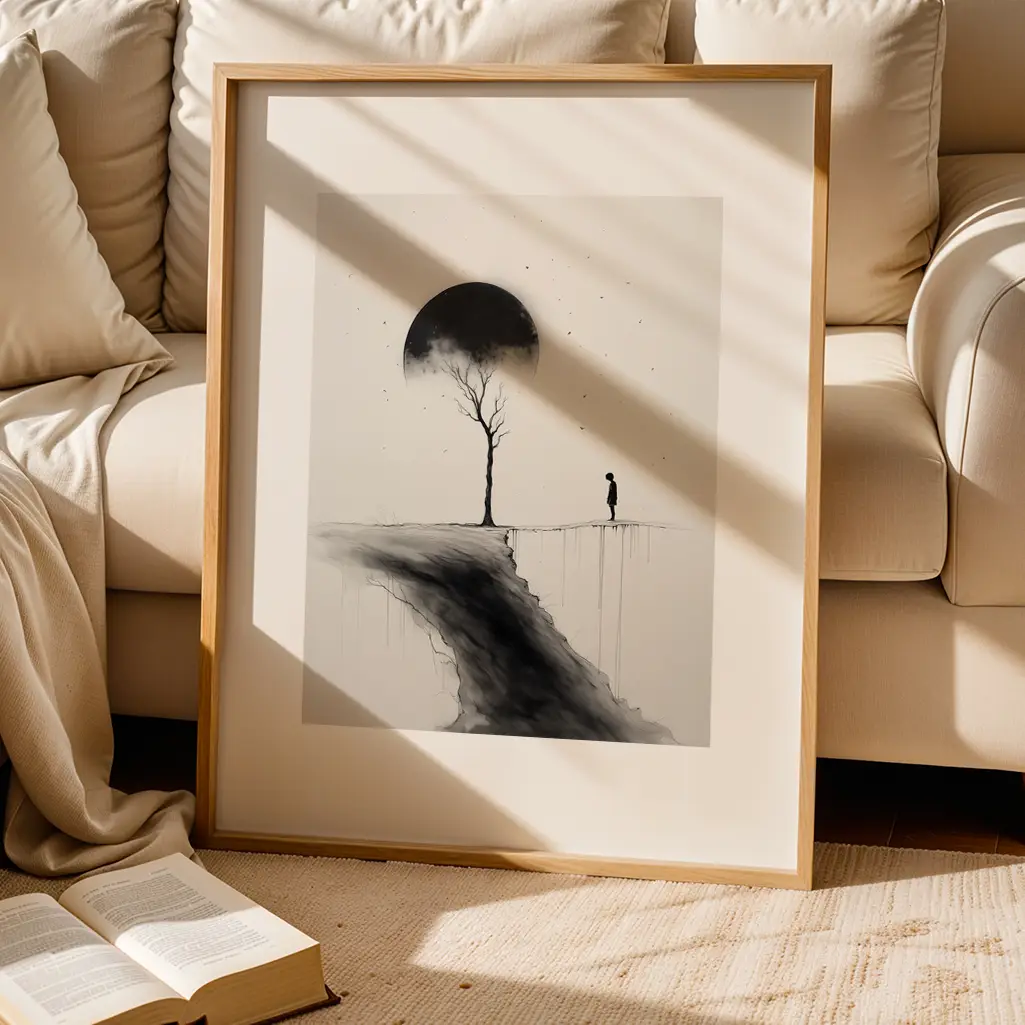
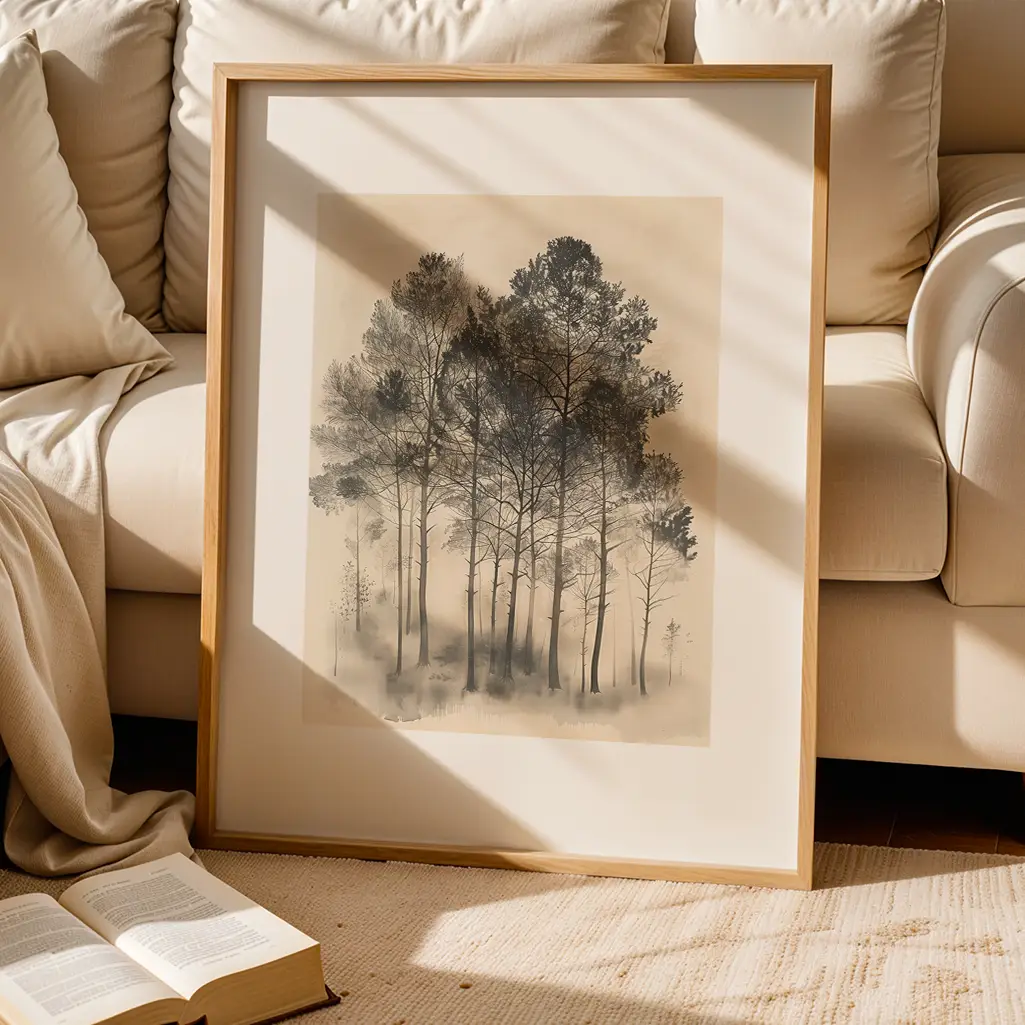
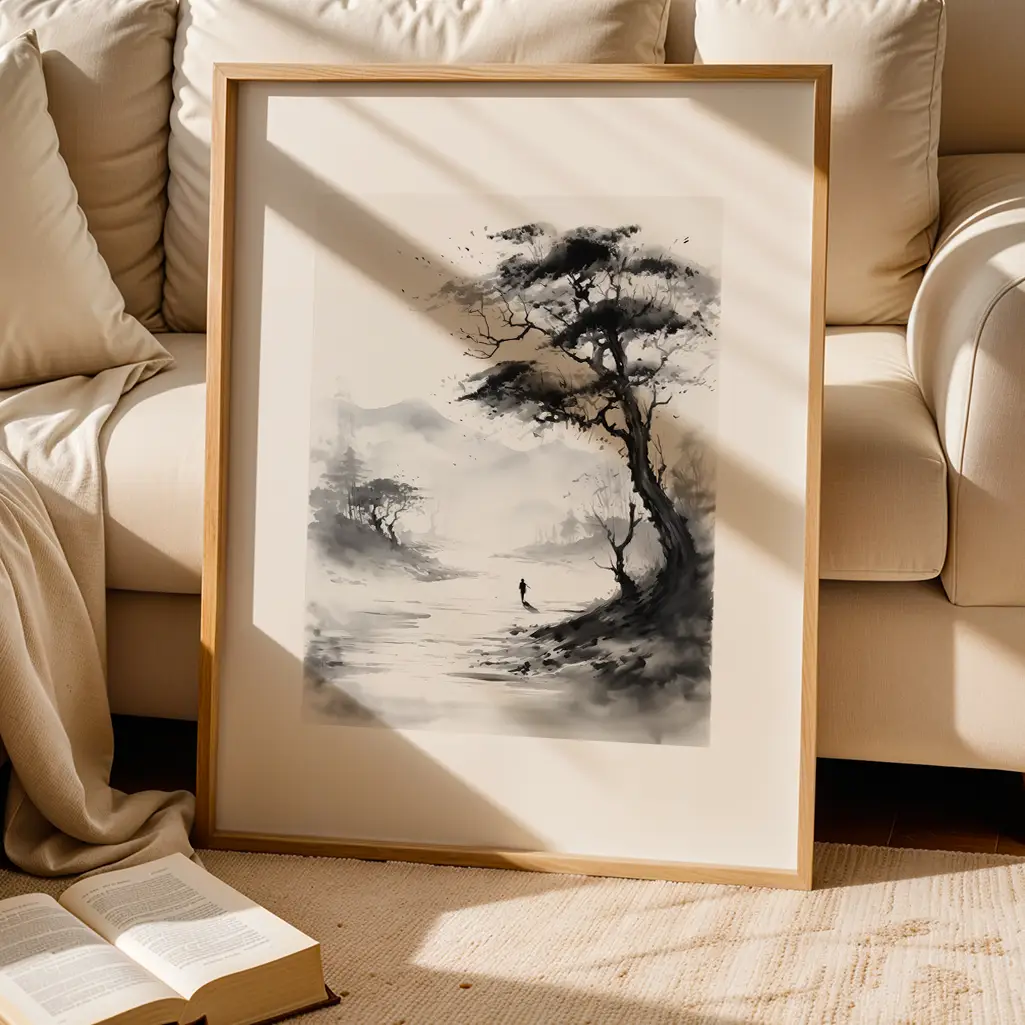
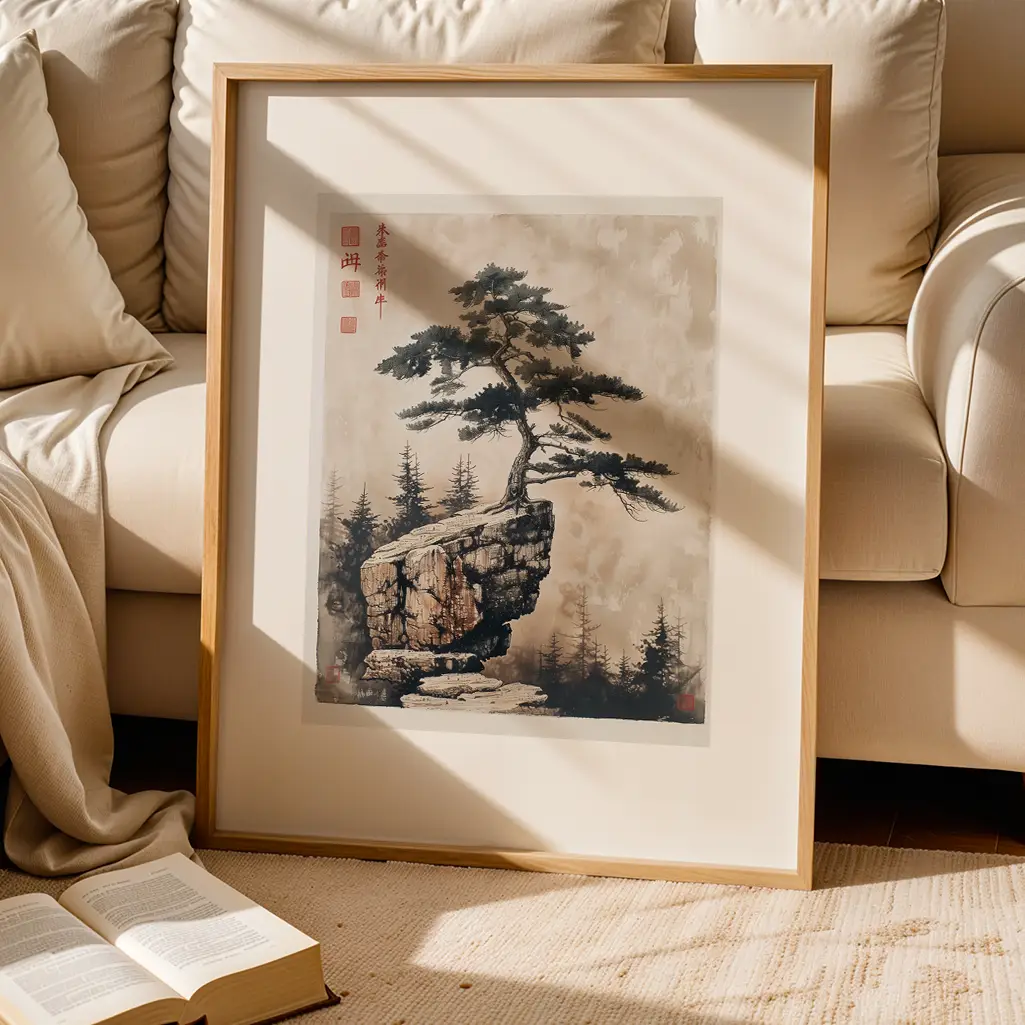
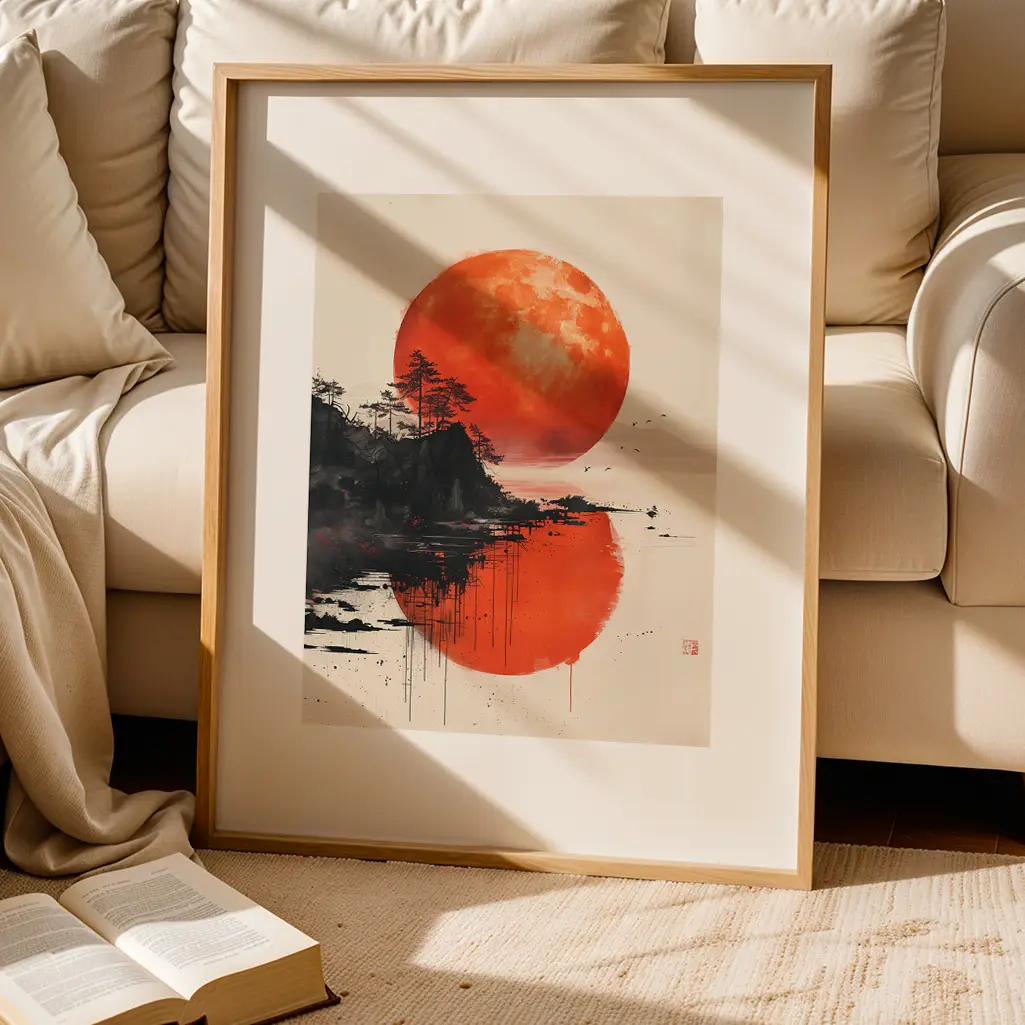
Bedrooms are often visually busy, filled with reminders of unfinished life. A restful bedroom begins with restraint. Instead of thinking of the bed as the central object, think of the act of lying down as the central ritual and shape the room around that. What do you see from the pillow? If it is a laptop, a laundry pile, or a bright hallway, the room is still oriented toward demand. If it is a soft wall color, a single framed piece of art, or light tracing the edge of curtains, the room begins to hold you rather than summon you back to doing.
Sound is a structural material, too. Hard floors, bare walls, and large windows can turn a home into an echo chamber, keeping your nervous system subtly braced. Introduce absorbent textures where you rest most: a thick rug, lined curtains, upholstered chairs rather than hard surfaces. These are not merely stylistic moves; they shape the acoustic profile of a room, lowering its internal volume so thoughts can arrive more slowly.
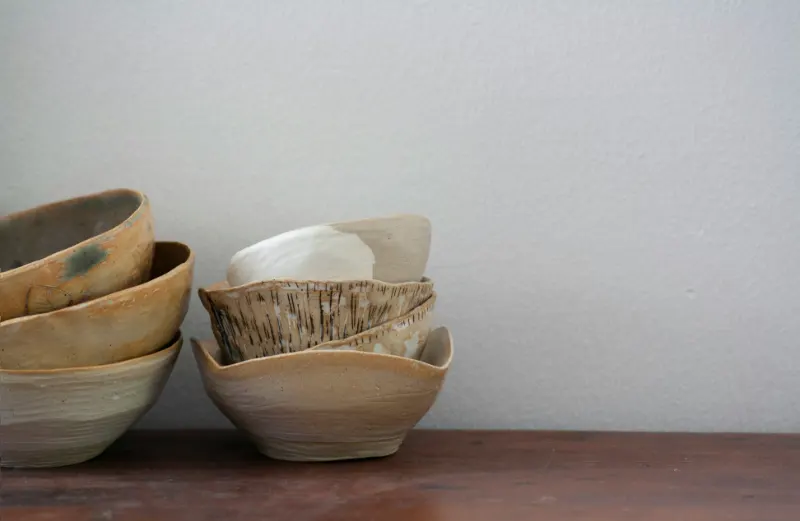
Scent offers another layer. A home that encourages rest does not need to smell like a spa, but it helps if it smells intentional. Open windows when you can; fresh air is the most powerful and least decorative design element available. Then choose one or two quiet smells, not a chorus. A favorite tea, a single incense you return to in the evenings, or the faint resin of a wooden bowl can become part of your "off" signal, telling your body it has stepped into a different tempo.
Do not underestimate the design power of what you put away. Closed storage is the unsung ally of rest. Visible clutter is not just visual noise; it is a catalog of postponed actions. A simple box beside the sofa for remote controls and charging cables, a tray on the entry table for keys and mail, a basket in the bedroom for tomorrow’s clothes turns potential disorder into deliberate containment. The goal is not minimalism but mercy: fewer open loops confronting you when you are trying to unwind.
Rhythms, Rituals, and the Art of Enough
A home that encourages rest is less about perfection and more about rhythm. Design is the backdrop, but your daily rituals are the actors. The way you close your laptop, dim a lamp, fold a blanket over a chair, or place a glass of water by the bed teaches the space what it is for. Over time, those repeated gestures soak into the room, creating a kind of muscle memory in the walls.It can help to assign each room a primary restorative role. Perhaps the living room is for unwinding with others, the bedroom for true stillness, the kitchen for slow making rather than rushed eating. This does not mean you never answer an email on the sofa, only that the room has a declared intention. When objects try to pull the space away from that role, you are more likely to notice. The stray stack of work papers on the dining table becomes not a neutral fact but a small act of resistance against the dinner conversations you want to have there.
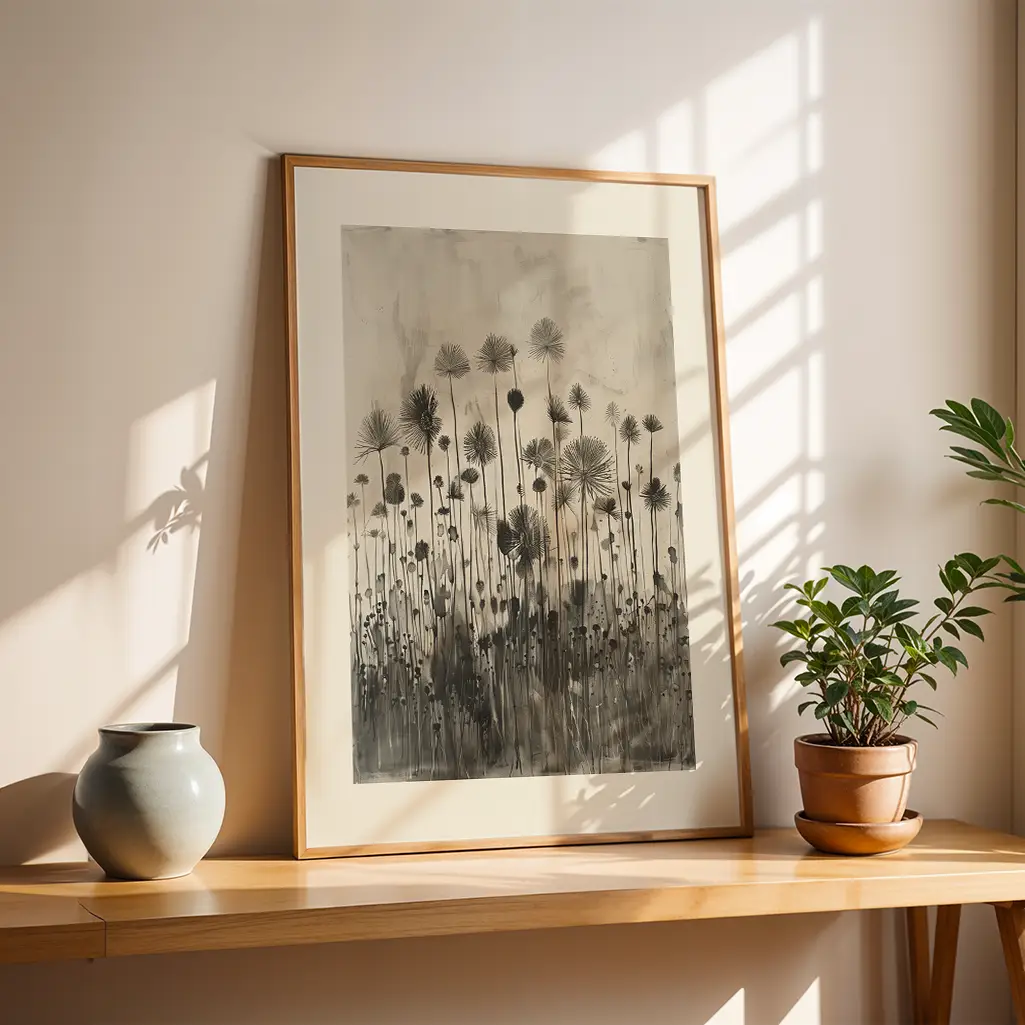
Rest also depends on the presence of negative space, the parts of a room where nothing much is happening. In painting, this emptiness gives form to the subject; in a home, it gives your mind a place to stretch out. Leave a section of wall bare. Let one shelf remain only partially filled. Allow the top of the dresser to hold a single vase instead of a biography of your daily life. This is not austerity, but a kind of kindness, an acknowledgment that you deserve a visual pause.
The deeper question beneath every cushion and curtain is "What is enough?" Many homes are exhausted by their own ambition, trying to be gallery, office, gym, cinema, and restaurant all at once. A restful interior knows its limits. It welcomes beauty, but not so much that beauty becomes another performance to maintain. It invites comfort, but not so much that comfort tips into stagnation. It permits technology, but in ways that do not shout over the quieter invitations of a book, a nap, a wandering thought.
If you are unsure where to begin, choose one small ritual and one small adjustment. Perhaps you decide that each evening you will light the same candle and turn on only two lamps, signaling to your body that the day is softening. Maybe you rotate your favorite chair a few degrees toward the window and set a single book there, making rest the easiest choice. These are minor acts, but repeated, they begin to rewrite the code of the home.
Ultimately, to create a home that encourages rest is to design for your own humanity rather than your productivity. You are building not a showroom, but a landscape that forgives you for being tired, that expects you to stop, that assumes you will sometimes need quiet more than anything else. When walls, light, objects, and rituals all lean gently in that same direction, rest stops being something you must schedule and becomes something your home quietly, consistently allows.
.webp)