Begin with the feeling, not the furniture
Most people start a meditation corner by shopping for objects: a cushion, a mat, perhaps a small statue. The more useful beginning is a question: what do you want to feel here that you do not feel elsewhere in your home? Calm, clarity, grounding, soft alertness—each suggests a different kind of space. Designing for feeling first prevents your corner from becoming another decorative vignette that you rarely use.
Walk slowly through your home at a quiet time of day. Notice where your body relaxes a little as you pass, and where it tightens. Pay attention to light, drafts, sounds bleeding in from the street or the hallway. The corner you choose does not need to be photogenic; it needs to be forgiving. A sliver of wall near a window, the foot of your bed, even a cleared section of a walk‑in closet can work if it can hold a sense of “away” from your daily circuits.
Once you have a candidate spot, sit on the floor there for a few minutes without changing anything. Observe how the light falls on your face, where your eyes want to rest, and what visual noise distracts you: outlet covers, a tangle of cords, an overflowing bookshelf. You are not judging your home; you are reading it, the way a gardener reads soil. The meditation corner emerges from this reading, shaped by actual conditions rather than an abstract ideal.
It is tempting to imagine a total transformation, a sanctuary radically unlike the rest of your apartment. In practice, your corner will feel more sustainable if it is a gentle shift, a slightly quieter note in the melody of your home. You are weaving a new ritual into existing life, not staging an escape from it.
Sculpting the senses: light, texture, and sound
With a place chosen, you begin a subtler kind of design: editing what your senses encounter the moment you sit down. This is less about acquiring special objects than about fine‑tuning light, texture, and sound until they nudge your attention inward.
Light sets the emotional temperature of your corner. Harsh overhead lighting pulls the mind outward; softer, lower light encourages dwelling. If you have natural light, notice its pattern. Morning sun is often crisp and clarifying, late afternoon light warmer and more contemplative. You might place your cushion where the light grazes, not glares, so your eyelids feel gently illuminated rather than assaulted. If the corner is dim or windowless, a small lamp with a warm bulb and a fabric or frosted shade can simulate the hush of late afternoon. The goal is not drama, but consistency; a light you can turn on at roughly the same time each day becomes a quiet signal to your nervous system that practice is beginning.
Next is texture, a frequently underestimated teacher of attention. When you sit to meditate, your body learns the corner through contact: the floor under your knees, the fabric beneath your hands. Choose materials that invite you back. A firm cushion that holds your posture without strain is more valuable than a beautiful but collapsing pillow. A simple folded blanket or a woven mat can define the boundary of the space, carving out a small island of intentionality on an ordinary floor. If your home skews visually busy, consider calmer textures here: unpatterned linen, soft wool, natural fibers that age gracefully rather than demand attention.
Sound is both the hardest and the most crucial element to shape. You cannot fully control traffic or neighbors, but you can decide which sounds you regard as part of the practice. Instead of chasing complete silence, look for a soundscape you can make peace with. A small tabletop fan can create a neutral hush that softens sharper noises. If you live in a very quiet setting, the opposite might be true: the ticking of a clock or the faint hum of a diffuser can prevent silence from feeling cavernous or intimidating. The meditation corner is not a vacuum; it is a frame that helps you relate differently to what you hear.
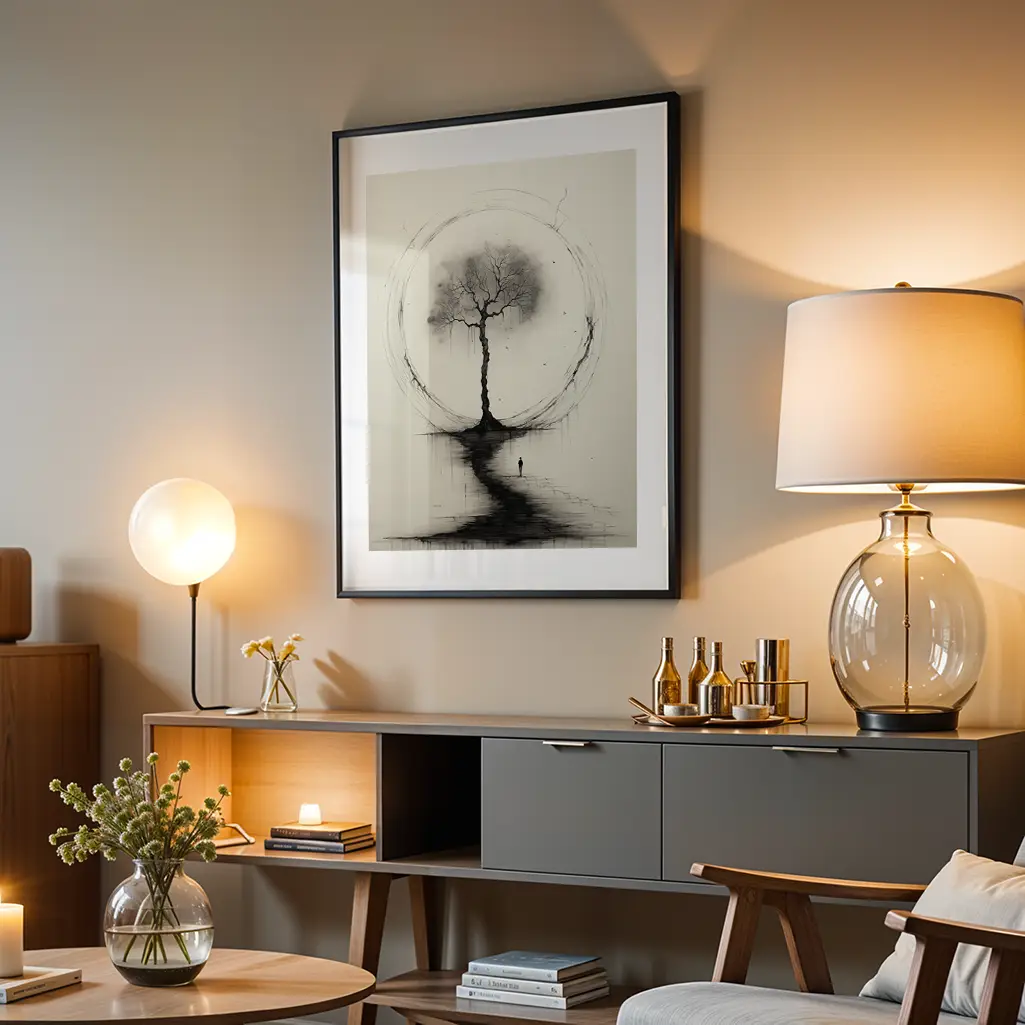
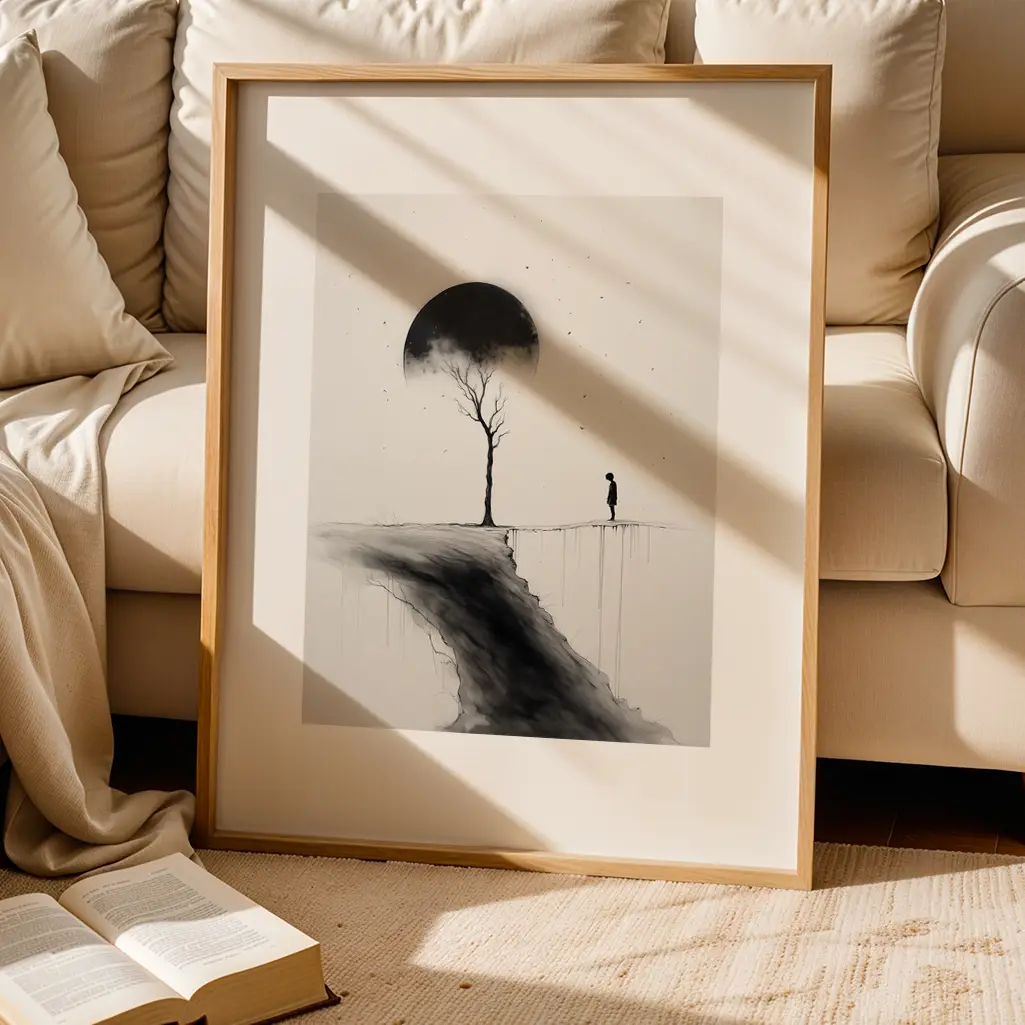
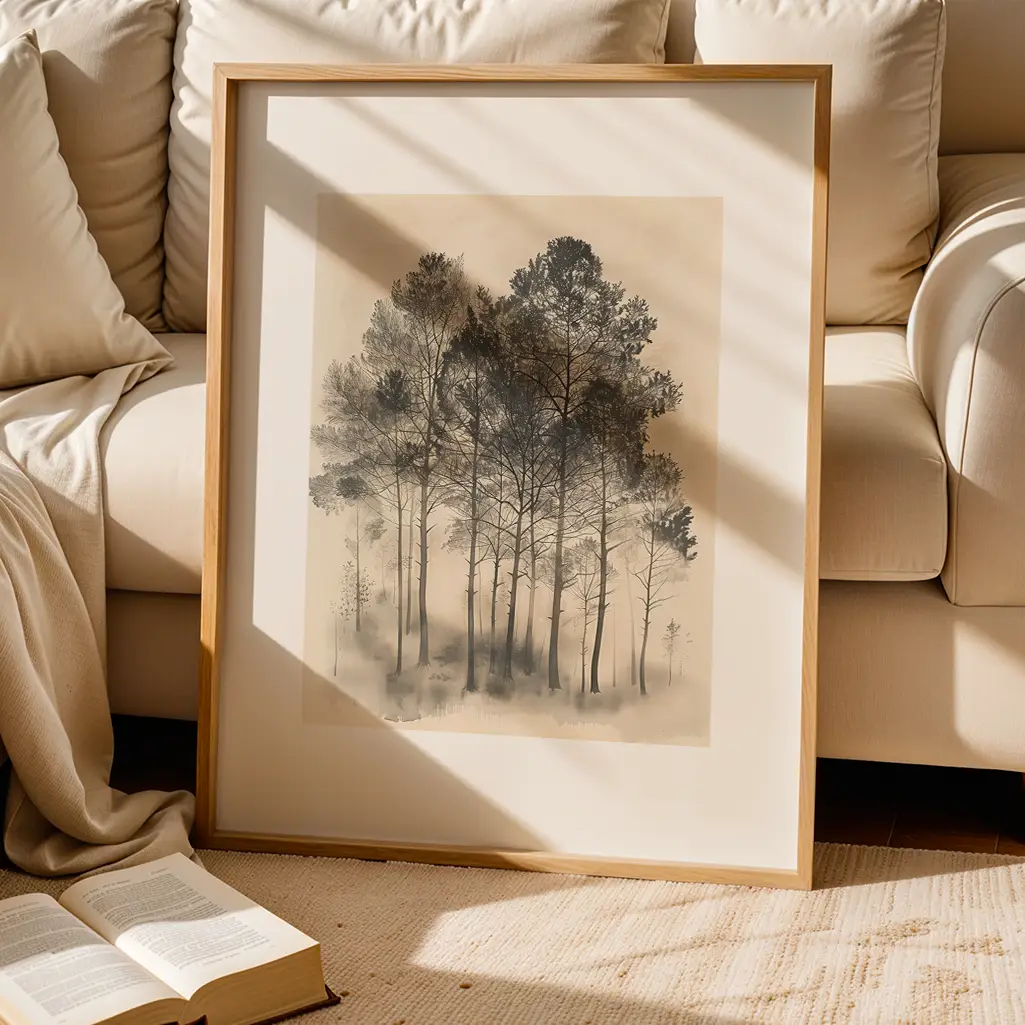
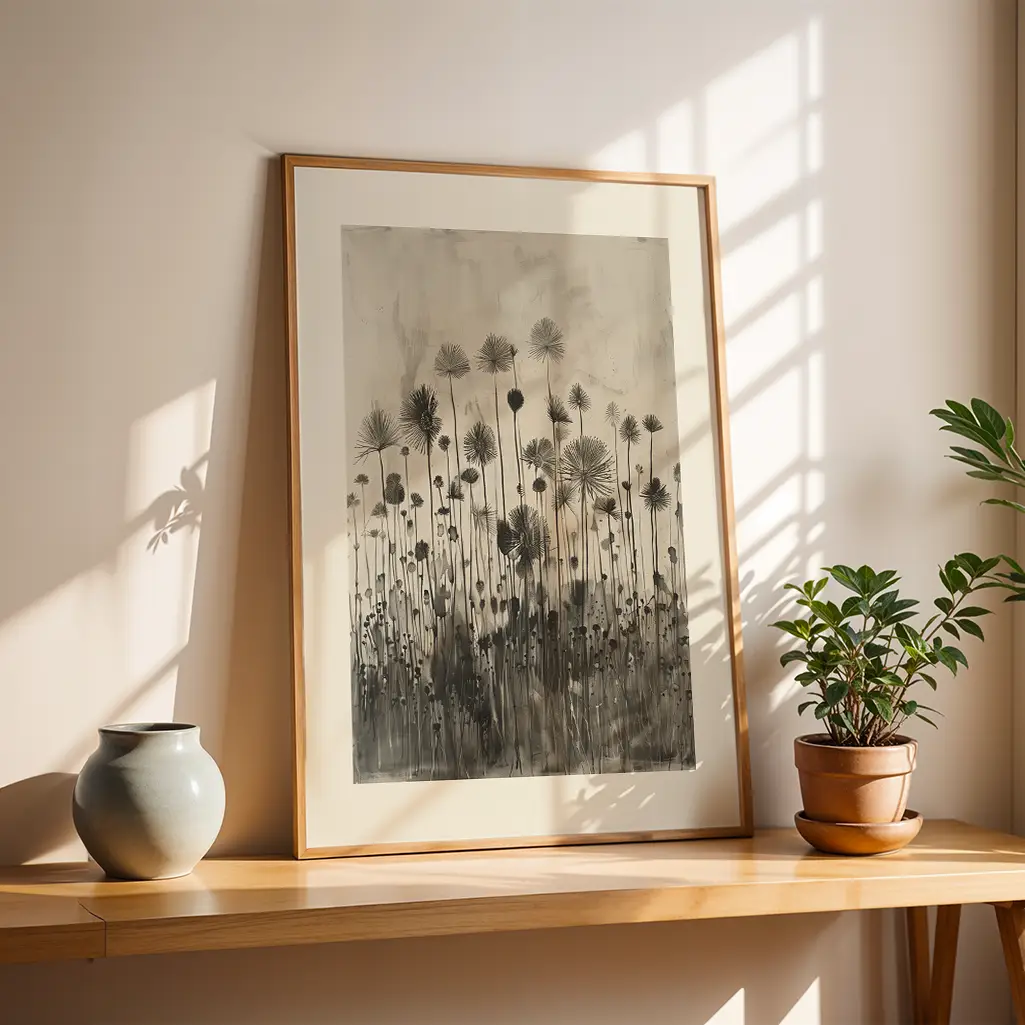
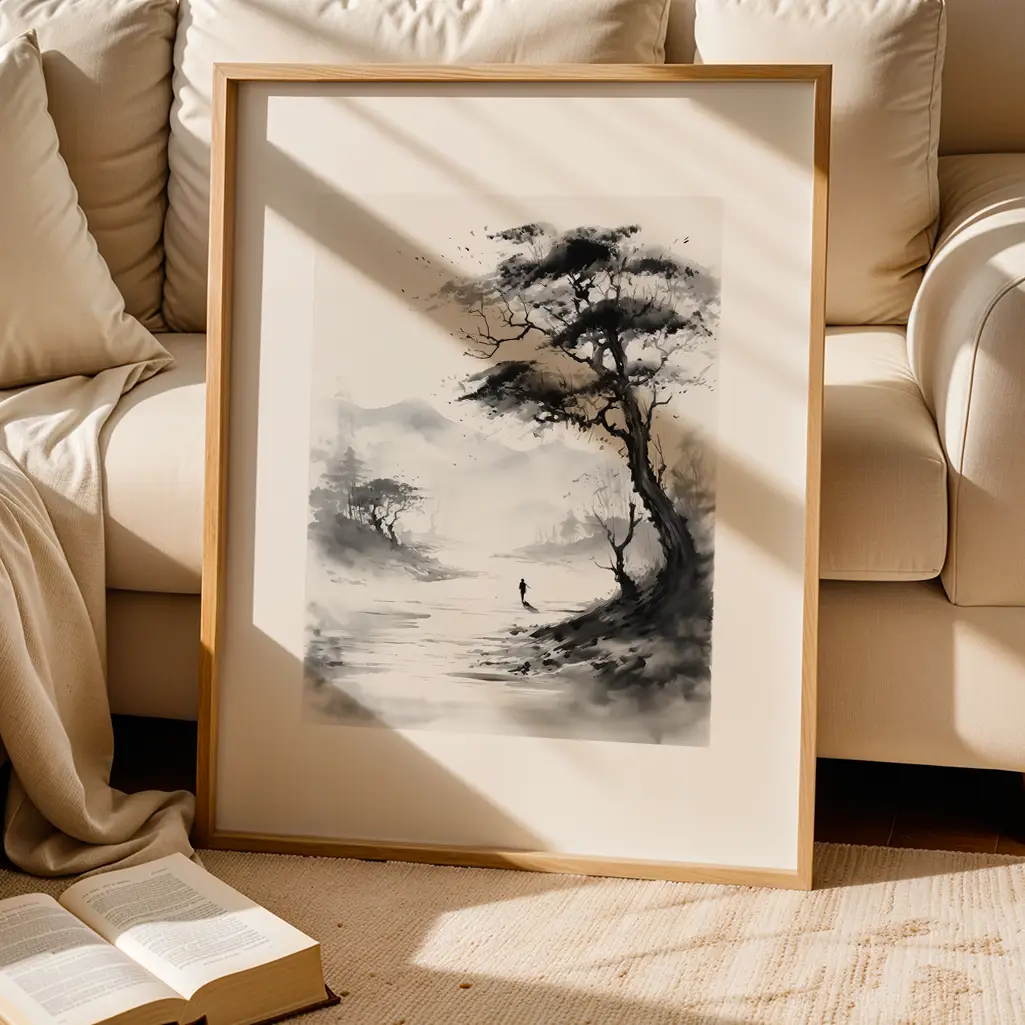
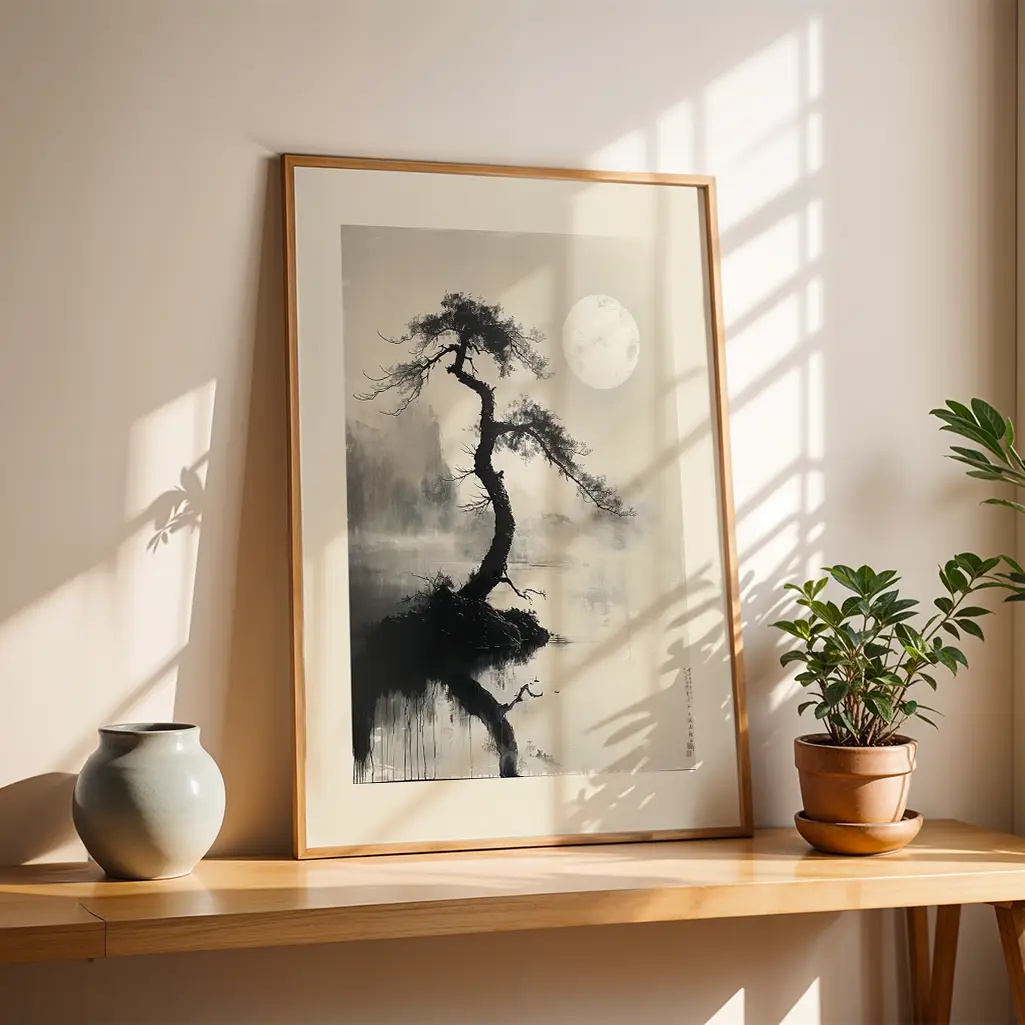
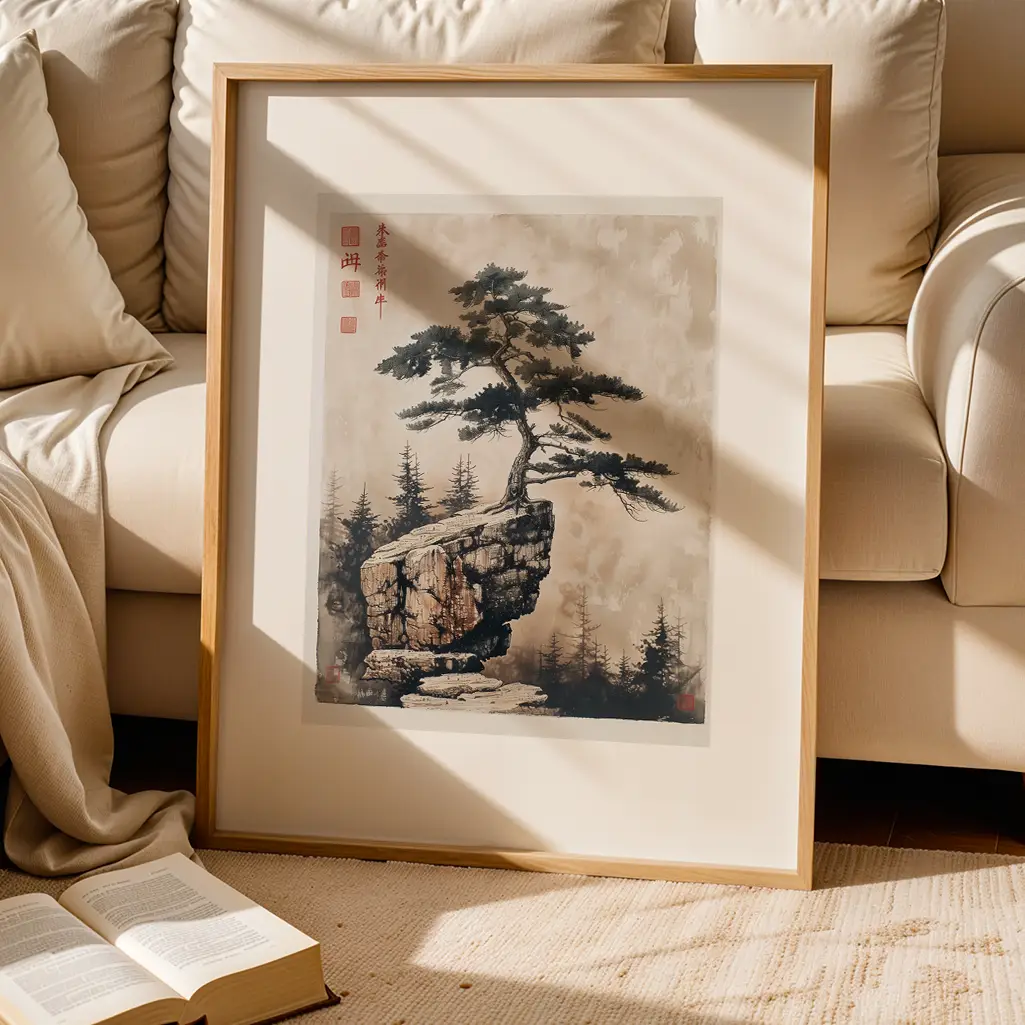
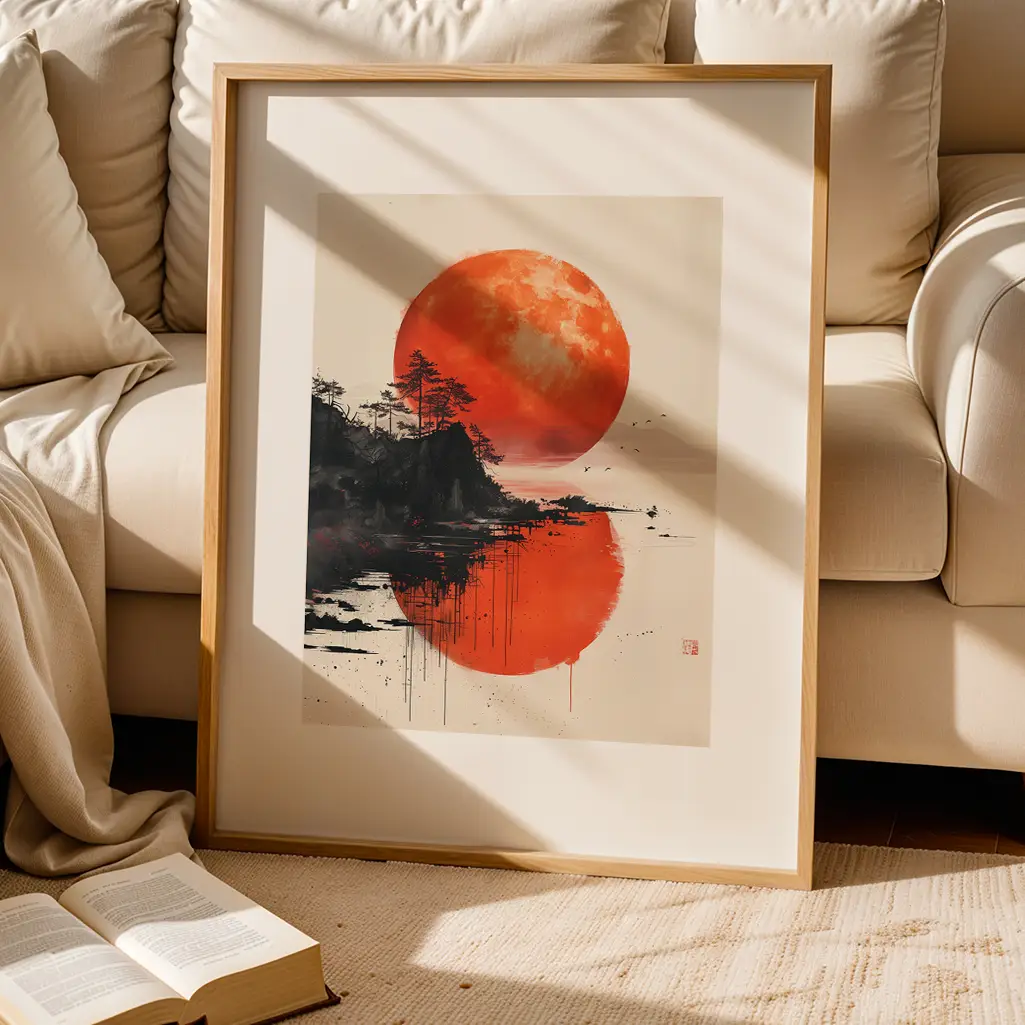
Sight is the last sense to curate because your eyes are often closed or half‑closed. But what they glimpse when they open between breaths matters. Ideally, your natural gaze should land on something steady and simple: a plain wall, a plant, a single framed image that holds personal meaning without demanding analysis. Reduce visual clutter in a narrow cone in front of where you sit; you do not need to clear the whole room. You are designing a view from one specific posture.
Ritual, not perfection: letting the corner evolve
The true life of a meditation corner is the pattern of use that builds up over time. Perfection at the start is less important than repeatability. Ask yourself what tiny ritual you can anchor to this place: lighting a candle, turning on the same lamp, folding the same blanket. These acts are not decorations; they are cues, teaching your body that when you do this here, your attention shifts. Over months, the corner becomes saturated with this association, and settling becomes easier.
It helps to think of the corner as a collaborator rather than a finished project. After a few weeks of practice, notice what you avoid. Do you unconsciously choose the chair instead of the floor because the cushion is too low or too soft? Adjust it. Do you find yourself fidgeting with objects within arm’s reach? Remove most of them. Maybe the plant you thought would be calming actually sheds leaves that bother you. Replace it with a stone, a bowl, or nothing at all. Each small revision is a conversation between your actual mind and the idealized one you imagined.
Clutter is inevitable in lived spaces, especially small ones. Instead of insisting the corner remain spotless, define a minimal reset: perhaps pushing one side table back into place, coiling a cord, returning the cushion to its spot. The reset itself can be part of your ritual, a brief act of care for the space before it cares for you. The aim is “ready enough,” not immaculate. Overly rigid standards quickly become another excuse to skip practice on messy days, which are often when you need it most.
Finally, allow the corner to reflect your inner seasons. You might add a heavier throw in winter, a small vase of branches in spring, a different candle scent in high summer. These adjustments acknowledge that both you and your home are changing. A meditation corner is less a shrine to serenity than a living room for your attention, a modest place where the ordinary materials of home—light, fabric, sound—are arranged so that, for a few minutes a day, they lean toward stillness instead of distraction.