Why a Quiet Corner Matters More Than a Room
In small apartments, calm can feel like a luxury item, something that belongs to people with spare bedrooms and generous square footage. But a quiet corner is less about space and more about attention. It is essentially a deliberate interruption inside your home, a place where the visual noise drops a few decibels and your nervous system has a chance to unclench.
Designers often describe this as creating a "moment" rather than a room. The goal is not to build a home spa in 40 square feet, but to script a certain feeling: a small pocket that suggests slowness, reflection, and soft focus. Even a sliver of floor between the sofa and the window can hold that feeling if you treat it as something distinct from the rest of the apartment.
The first step is to observe how your home behaves over the course of the day. Notice where the light softens in late afternoon, where the sound of the street is muffled, or simply where you already tend to drop a book or your phone. These are clues. Quiet corners work best when they are nested inside the natural rhythms of the space rather than imposed on them. A shaft of morning light in a studio may become a reading nook; a dim hallway end can become a meditative pause point; the unused side of a bed might become a micro library.
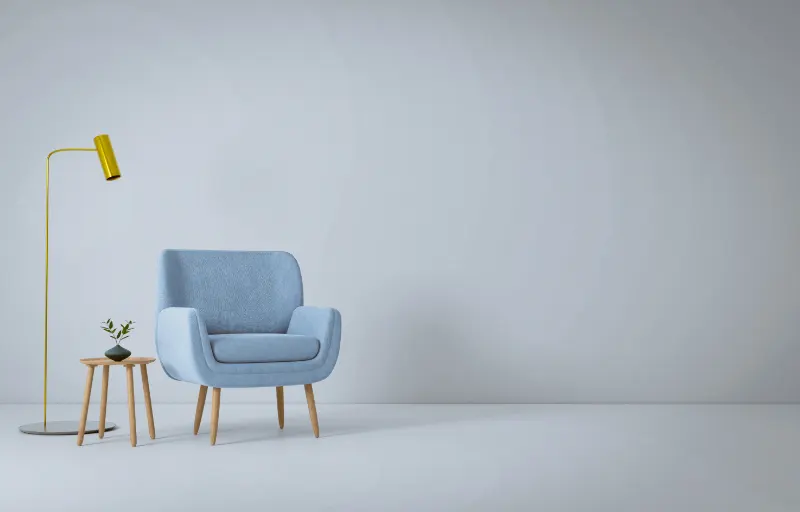
Psychologically, a corner works because it introduces a tiny ritual of transition. When you step into that area, even if it is only a chair tucked behind a plant, you are crossing a threshold with a different script. The surrounding apartment may be multitasking, but that small zone is single purpose: you are there to read, breathe, write, or simply not scroll. That clarity of intention is as important as any lamp or cushion you choose.
The constraint of a small home can help rather than hinder. When space is tight, you are forced to define what quiet really means to you. Is it the absence of conversation, or of screens, or of visible clutter. Once you answer that, you can design the corner around reducing that specific form of noise instead of chasing a generic idea of serenity copied from a spa catalog.
Carving Out Space: Boundaries, Light, and Texture
Carving a quiet corner from an existing room is architectural in spirit but not in cost. You are sketching an invisible room with signals rather than walls. The most powerful of those signals are boundaries, light, and texture.
Boundaries come first. In a small apartment, they must be thin, mobile, and forgiving. A low bookcase placed perpendicular to a wall can mark off a reading area while still letting light pass through. A tall plant becomes a soft green column that screens you from the dining table. Even the placement of a chair angled slightly away from the room can say "in here, we turn inward." If you cannot add furniture, use the floor. A small rug, distinct in color or texture from the rest of the room, gives the corner its own ground to stand on. The edge of that rug becomes a visual threshold you cross when you sit down.
Light is the mood engine. If the rest of your home runs on ceiling fixtures and screens, let the quiet corner be lit from lower, warmer sources. A shaded table lamp, a plug in wall sconce, or even a rechargeable lantern can gather the light closer to the body, encouraging slower activities. If you only have overhead lighting, consider a lower wattage bulb and a dimmer plug for the corner. The aim is for light that invites you to exhale. Natural light also matters, but do not worry if you do not have a sun splashed window. A wall washed in gentle light can be just as calming as a view, provided the surfaces around it are not shouting for attention.
Texture is where quiet becomes physical. Hard surfaces bounce sound and feel brisk; soft ones absorb it and slow time down. A single generously proportioned cushion can make a slender chair feel like an invitation rather than an obligation. A throw with real weight to it, draped over the arm, can become a kind of portable gravity. If your floors are loud, a woven rug underfoot can deaden the echo of footsteps and subtly signal that this is a place where you move differently. Think of texture not as decor but as a way to change the way your body receives the space.
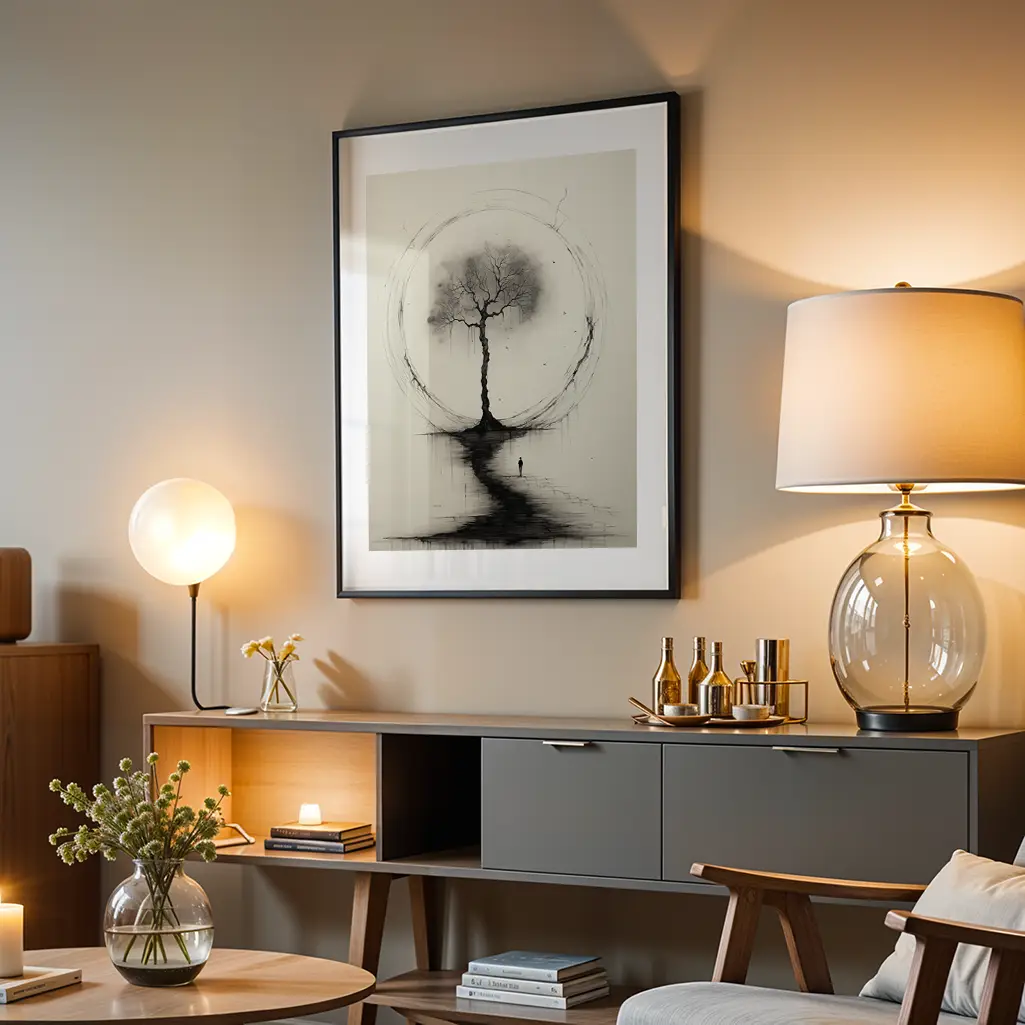
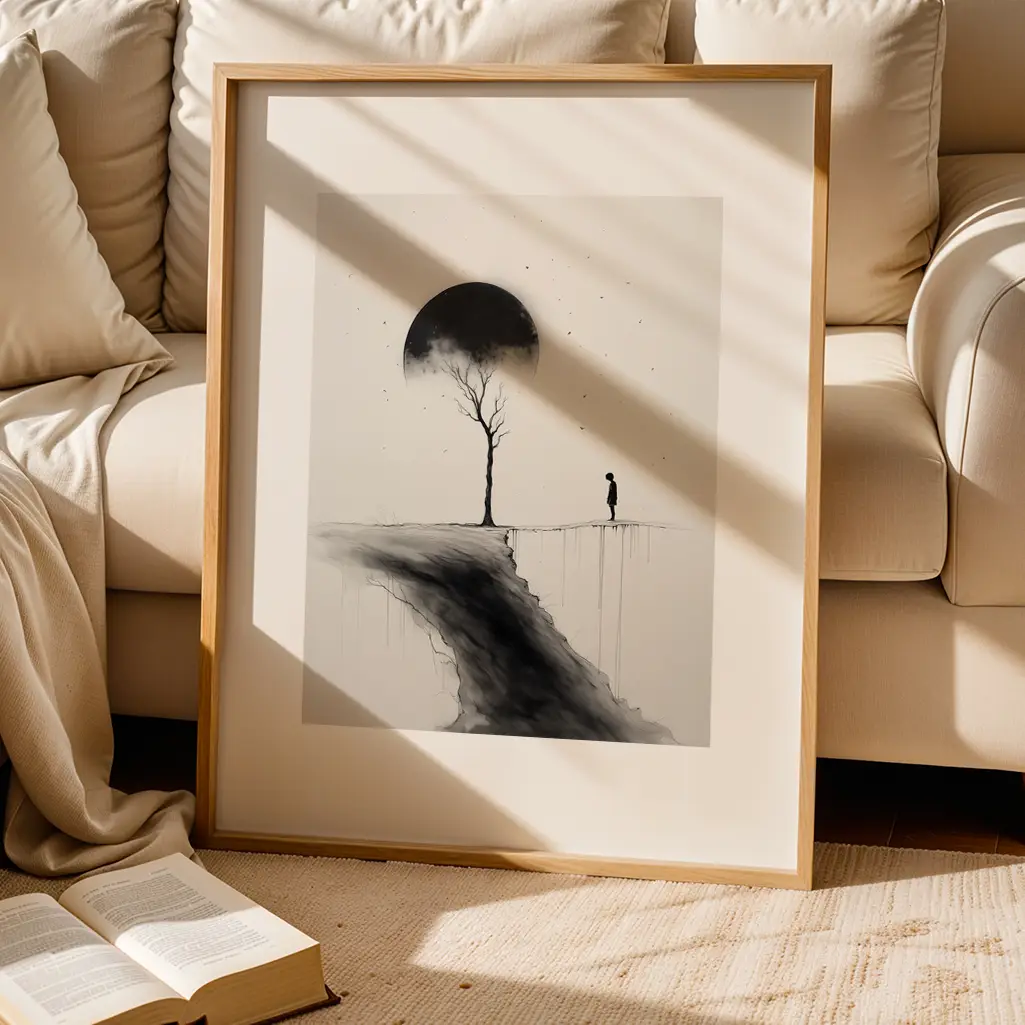
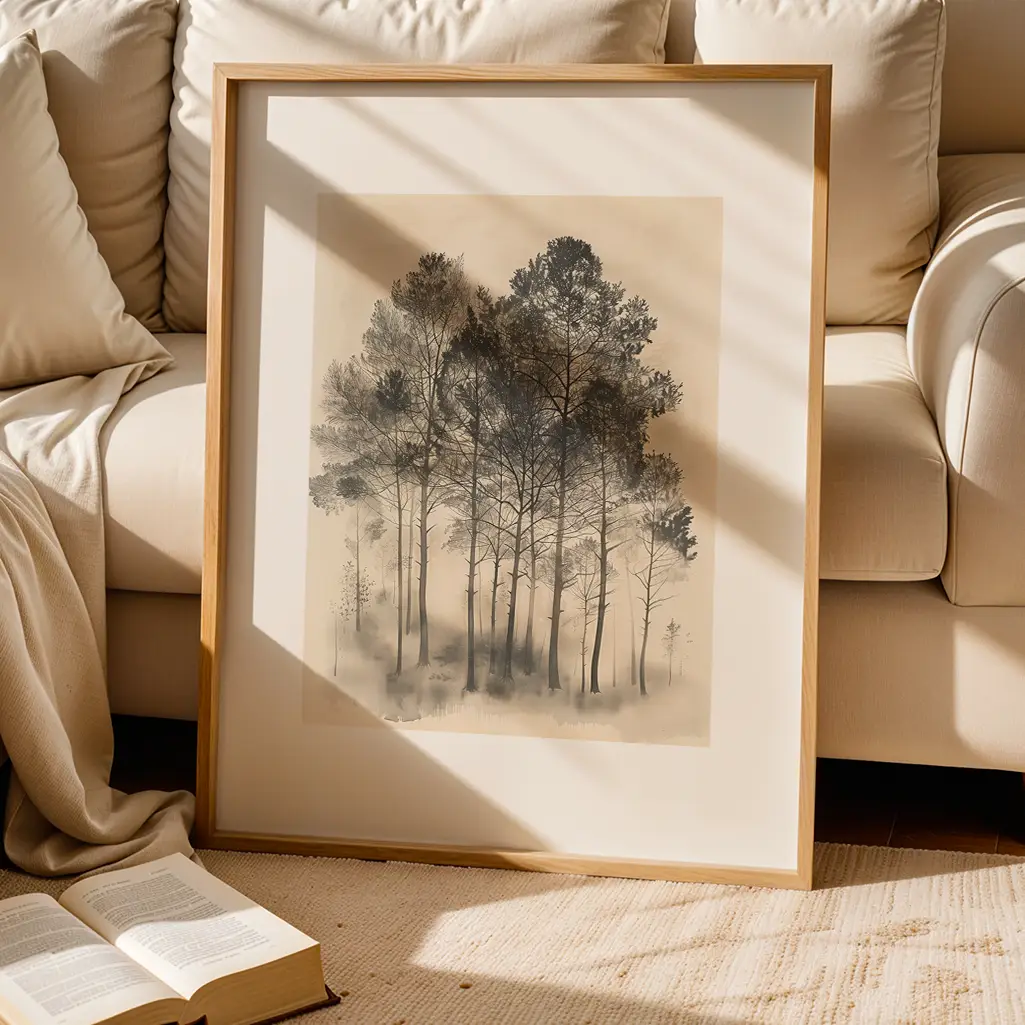
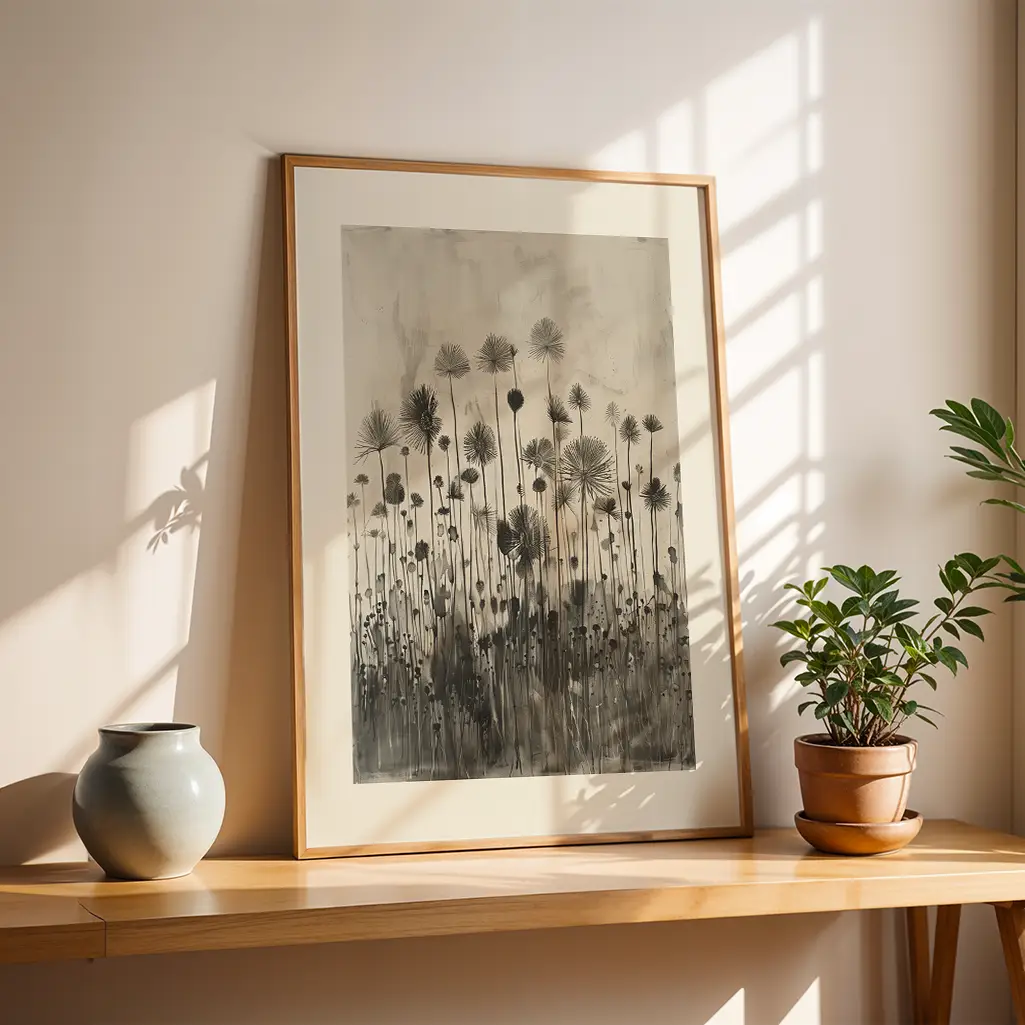
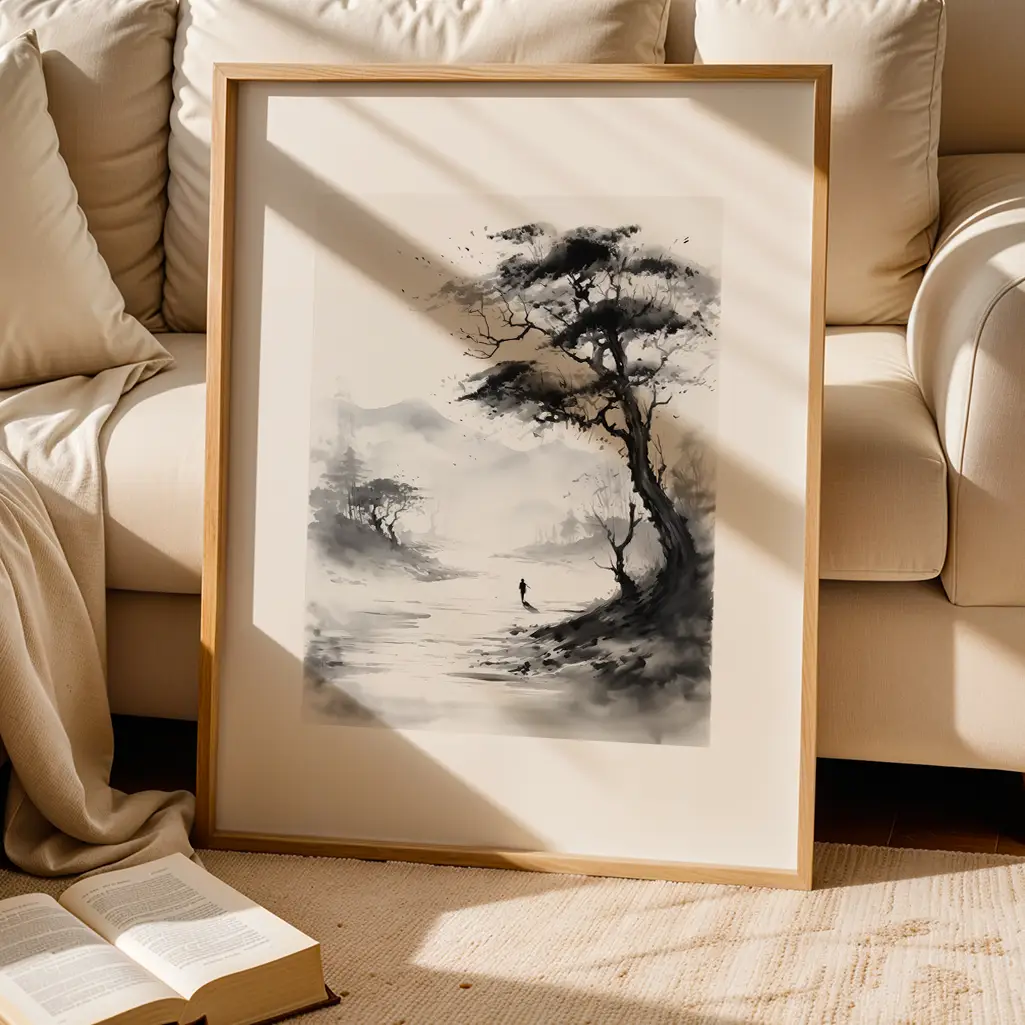
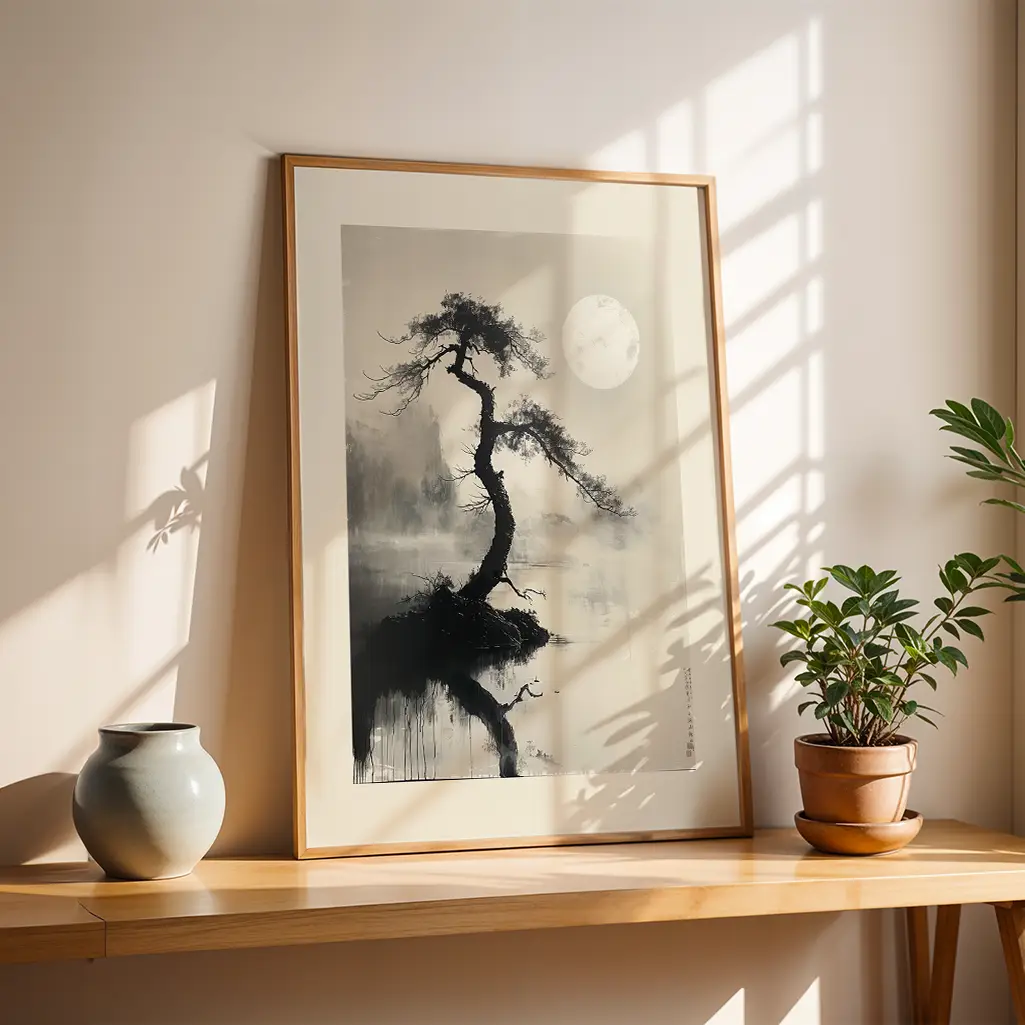
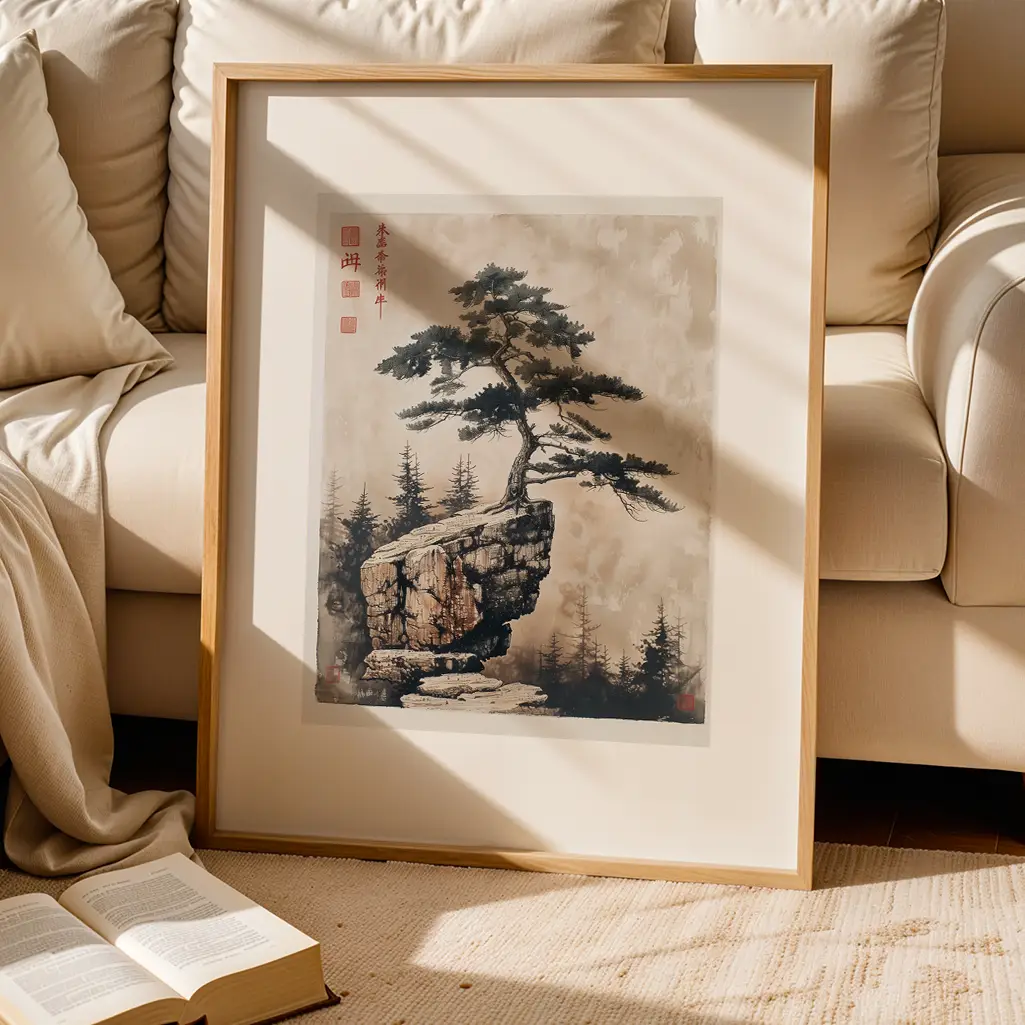
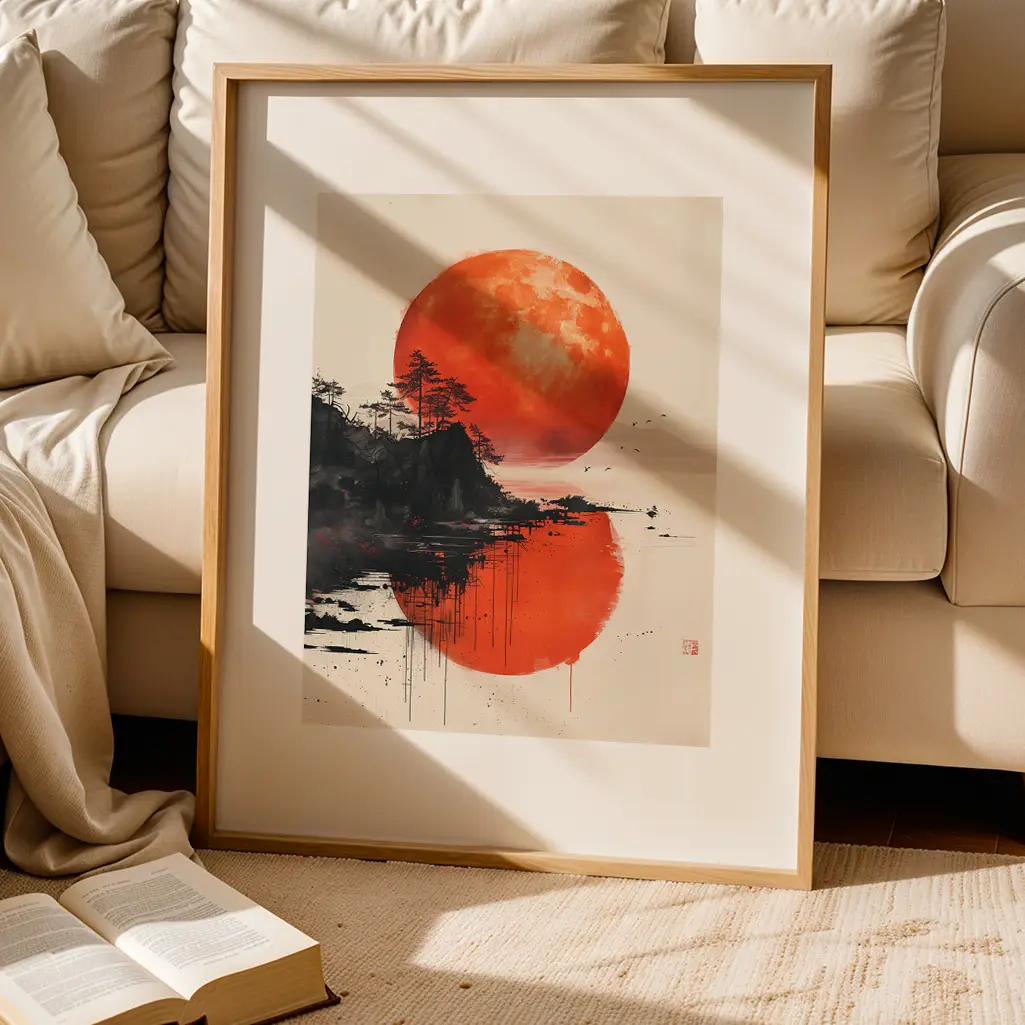
Color and clutter operate as background noise. In a small apartment, walls may already be busy, shelves already full. Instead of attempting a full aesthetic overhaul, choose one plane in the corner that will be visually calmer: a blank stretch of wall with a single framed print, or a shelf with only a few objects set apart. Your eyes, and by extension your mind, will rest where there is room to rest. In this sense, leaving some surfaces empty is not neglect; it is the design gesture that makes quiet legible.
Rituals, Objects, and the Everyday Life of a Quiet Corner
Once you have drawn the corner into existence, it will not stay quiet by itself. What gives it staying power are the rituals and objects you allow into it, and the discipline of keeping out everything else. This is where design and daily life braid together.
Start by naming the primary use of the corner in a sentence simple enough to remember. Perhaps it is "this is where I read for twenty minutes" or "this is where I sit with coffee before any screens." That phrase becomes a silent instruction embedded in the furniture layout. If the purpose is reading, make the surface beside your chair large enough for a stack of books but too small for a laptop. If it is for meditation, resist the urge to add storage that will eventually fill with unopened mail and chargers.
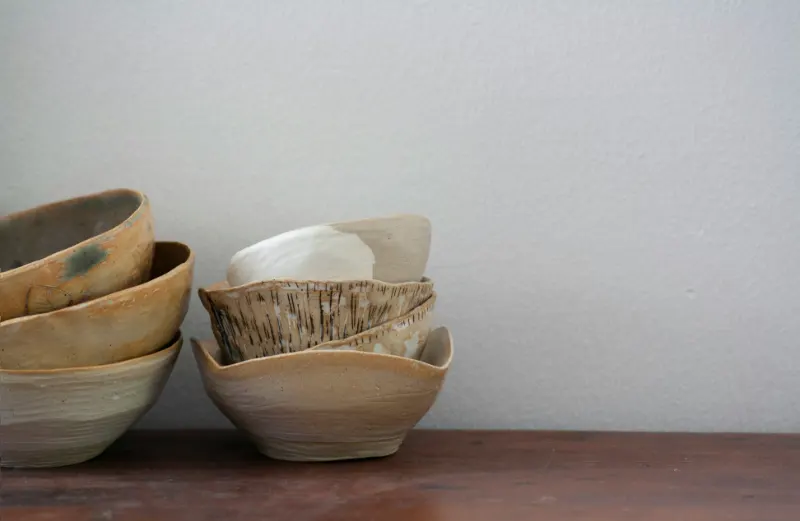
The objects you choose should feel slightly elevated compared to the rest of the apartment, not in price but in intentionality. A small ceramic tray for a candle and a notebook, a glass of water placed on the same coaster each evening, a pen that lives only in this corner. These are not luxuries; they are cues that tell your brain, "here, we do this one thing." By repeating them, you deepen the groove of habit until the corner feels magnetic.
Sound is another material you can design with. In a small apartment, silence may be unrealistic, but you can curate what you hear. A simple white noise app on a low volume, the hum of a fan, or a short playlist of instrumental music can act like acoustic wallpaper. The idea is not to drown out the world, but to give your attention a softer surface to rest against. If you share the apartment, consider establishing gentle signals with others: when the lamp in the corner is on, conversations stay outside that zone unless urgent.
Maintenance is where many quiet corners quietly fail. Over time, the chair becomes a coat rack, the floor a landing strip for grocery bags. You can design against this by making it slightly inconvenient for clutter to land there. No hooks on the wall for jackets, no empty baskets that beg to be filled with laundry. Instead, allow the corner to be a little under furnished, with more negative space than the rest of the room. At the end of the day, take thirty seconds to reset it: fold the blanket, stack the book, straighten the cushion. That tiny ritual is not just tidying; it is the act of re drawing the boundary you created on the first day.
In the end, a quiet corner is less a piece of interior design and more a small architecture of attention. It proves that calm does not require square footage, only a willingness to compress your desires into a space that fits your actual life. When you sit down in that corner and feel the rest of the apartment blur a little at the edges, you are experiencing something rare in contemporary homes: a sense that, for a moment, the room is not demanding anything of you. You built that moment. And once you know how to build it in a single corner, you may find it easier to invite that same quality of quiet into the rest of your space, one small decision at a time.
.webp)