The Psychology of a Nook You Actually Return To
A reading nook that you actually use is less about a perfect Pinterest corner and more about how your body and mind feel when you sit down. The most magnetic spaces are not the prettiest ones, but the ones with the least friction between you and your book. That friction can be physical, emotional, or even visual.Start with where your attention naturally settles. Notice the corners where you already pause: the end of the sofa you always drift toward, the chair by the window where your coffee tastes better, the patch of floor where the light pools in late afternoon. These are clues. A good nook listens to those instincts instead of fighting them. If you place a reading chair where you never naturally linger, you are asking your habits to perform gymnastics every time you pick up a novel.
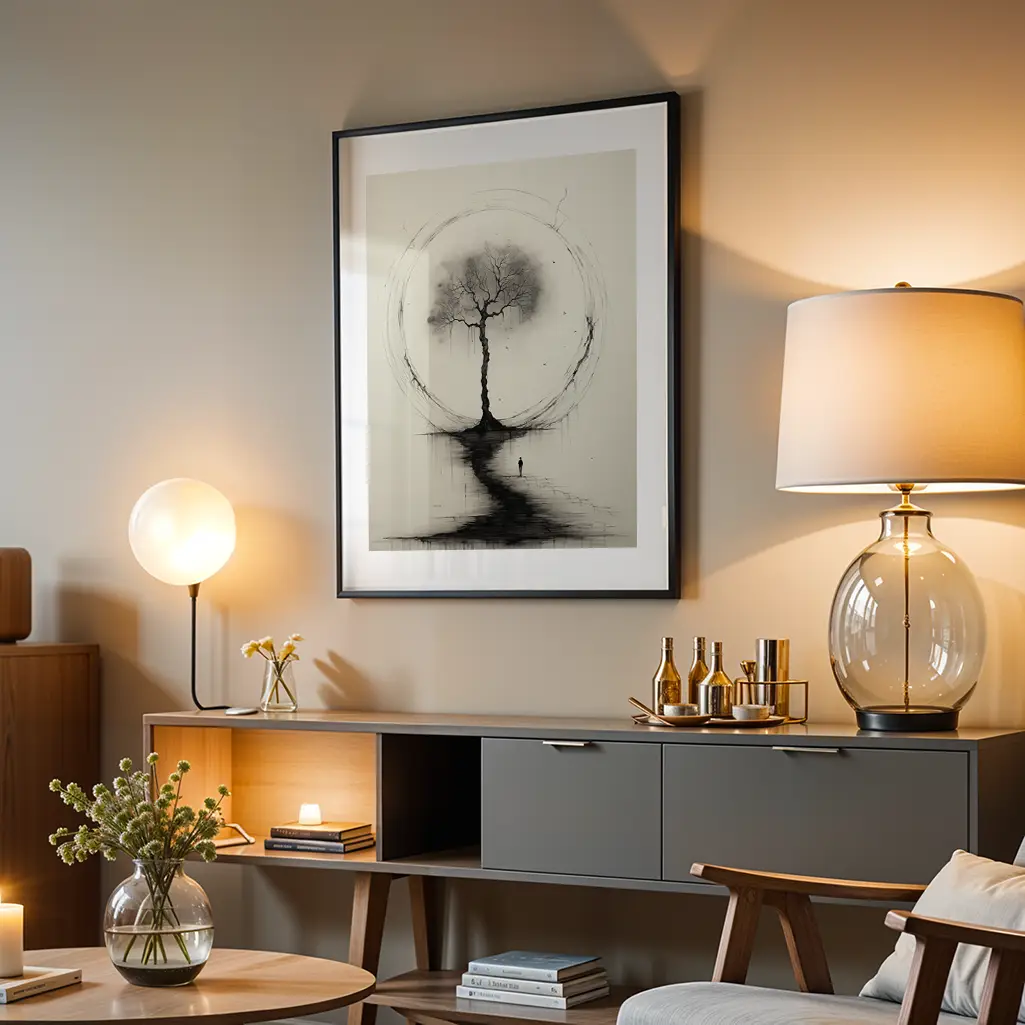
Light is the quiet negotiator between you and your attention span. Daylight by a window, even muted, tends to keep you alert without strain. But the goal is not maximum brightness; it is a calm, steady pool of light that does not shout. Think of a reading pool of light as a circle drawn just wide enough for your page and your hands. Everything beyond that circle can be softer. When the light on the page is clear and the room around it is slightly dimmer, your gaze knows exactly where to land.
Then there is comfort, which is often misunderstood. The most inviting nook is not the plushest one, but the one that holds your body without swallowing it. If you sink so deep you cannot shift without effort, you will reach for a screen before you reach for another chapter. Look for a seat that lets your feet touch the floor or a footstool, supports your lower back, and gives you at least one armrest. The body that is gently supported is the one that can disappear into the story.
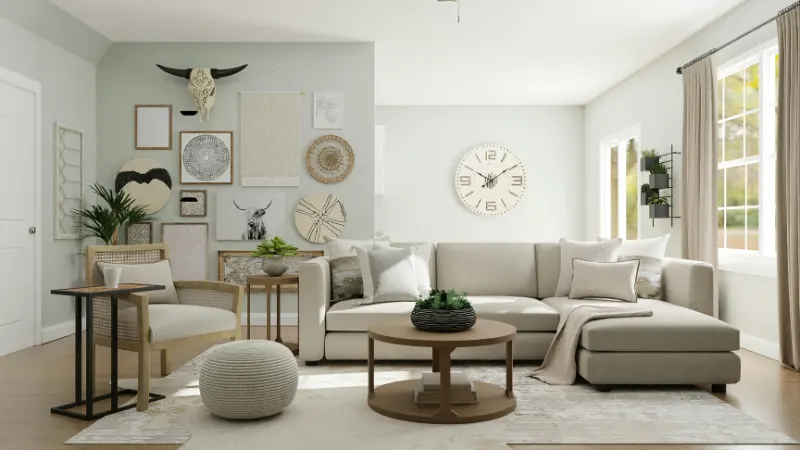
Visual noise is another hidden barrier. A chaotic backdrop does not forbid reading, but it asks your brain to multitask. You do not need a monastic white cube, but you do need a limited cast of characters in your visual field. Two or three colors repeated, a few textures you actually enjoy touching, and a surface that can stay roughly clear are often enough. When your eyes can rest, your thoughts are more likely to follow.
Finally, a nook works when the threshold into it feels low. If you must rearrange throw pillows, move a laptop, search for a lamp switch, and fetch reading glasses from across the room, the nook becomes an errand. Every small obstacle is another vote against picking up a book at the end of a long day. Designing the nook is really about removing these votes in advance.
Designing the Space: Light, Comfort, and Quiet Abundance
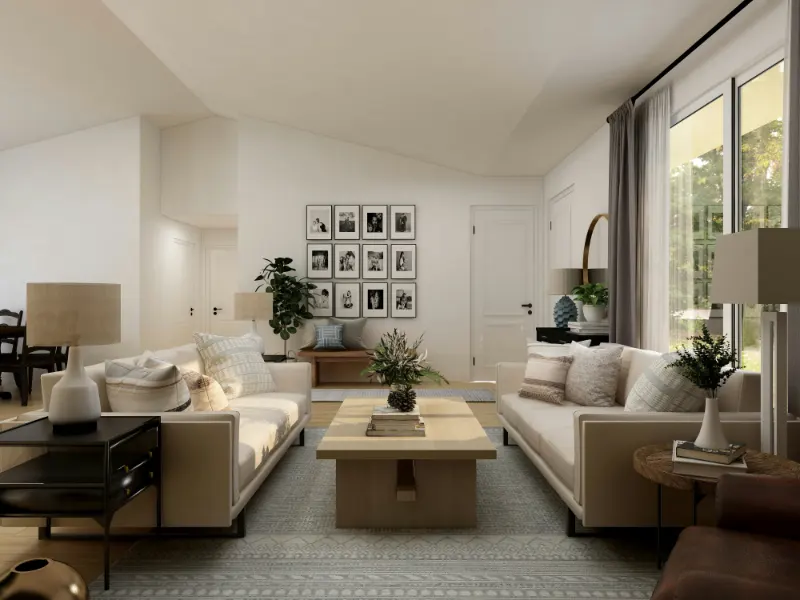
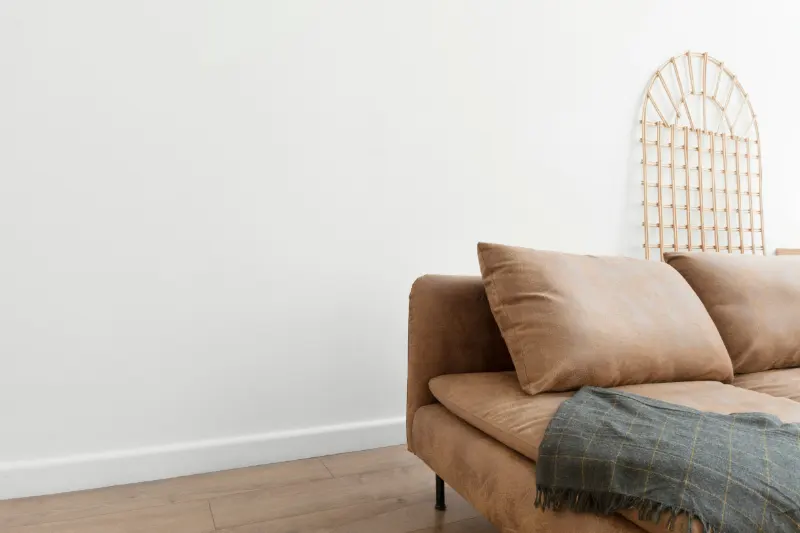
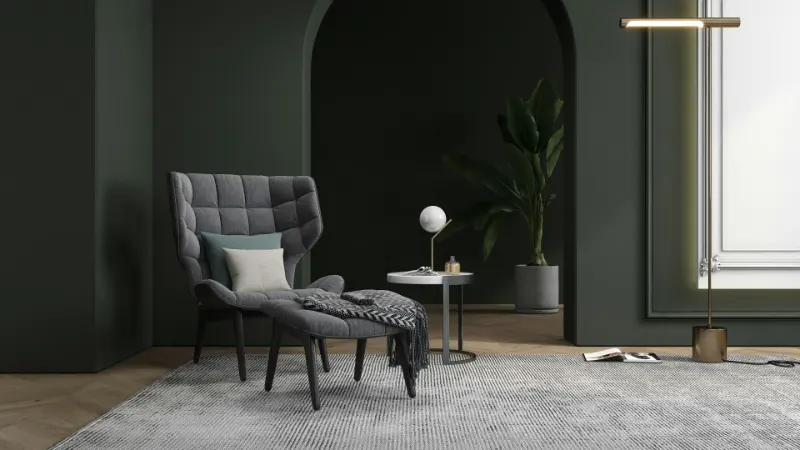
Begin with the anchor: seating. In a tight apartment, this might be the end of your existing sofa, claimed quietly with a different throw and a small table. In a larger room, a dedicated chair at a slight angle to the wall feels more human than one pressed flat against it. Angling the seat toward a window or a doorway opens the space psychologically, as if your peripheral vision can still sense the life of the house while your focus narrows to the page.Layer the light with care. Overhead fixtures tend to flatten everything and can create glare on glossy paper. Instead, pair ambient light with a focused reading source. A floor lamp that arcs over your shoulder or a table lamp at about eye level when seated can give you that gentle pool of light. Warm white bulbs soften the scene and make evening reading feel like a retreat rather than an extension of screen time.
Textiles do more than soften the Instagram frame. They tune the temperature of the nook. A breathable cushion for warmer months, a denser wool or knit throw for colder nights, and a rug underfoot to quiet sound all combine into what might be called visual hush. Repeating one texture, such as linen or bouclé, across pillow and curtain can subtly gather the space into a single thought.
Surfaces matter because they mediate between object and ritual. A small side table, large enough for a mug, a book stack, and perhaps a small bowl for bookmarks or reading glasses, tells your mind that everything you need is in arm’s reach. If the only available surface is already claimed by mail, chargers, and keys, the nook will be permanently half occupied by unfinished tasks. Give the reading life its own landing strip.
Storage can be both functional and symbolic. A slim shelf, a crate, or even a single dedicated basket beside the chair is enough to keep two or three books in rotation, a notebook, and a pen. Limiting the number of visible books near the chair increases the chance you will finish one. Too many spines shouting at once turns the corner into an obligation instead of a refuge.
Sound is part of the design, even if you do not name it. If your home is lively, consider how to soften edges. A curtain instead of a bare doorway, a soft rug instead of naked floor, even a small white noise source can create a cocoon without sealing you off. The soundscape does not need to be silent, just predictable enough that your nervous system is not startled every few minutes.
Turning a Pretty Corner into a Real Habit
A reading nook becomes real when it is woven into the fabric of your day. Think less about grand resolutions and more about subtle cues. A book placed open, face down on the side table signals unfinished business in the best possible way. A mug coaster waiting beside it is a quiet invitation: this is where you bring your tea when you are ready to land.Ritual is what turns space into practice. You might decide that the first ten minutes after waking belong to the chair by the window, or that the lamp in that corner is only ever turned on for reading. The brain loves association. When a particular light, texture, and posture repeat often enough with the same activity, your attention starts to slip more easily into reading mode the moment you sit.
Editing the nook over time is as important as creating it. Pay attention to what you unconsciously move or avoid. If the throw blanket never leaves the arm of the chair, perhaps it is too heavy or too small. If you routinely shift a decorative pillow to the floor before sitting, it may be beautiful but in the wrong place. Let the nook evolve until nothing in it has to be negotiated with.
Be honest about your books as well. A corner filled with aspirational titles you feel you should read can become a monument to self criticism. Mix in what genuinely delights you: rereadable novels, slim poetry, illustrated essays. When you look toward that chair, you should feel pulled, not judged.
In the end, a reading nook you actually use is a form of hospitality extended to your future self. It says, I know you will be tired, distracted, tempted by quicker screens. Here is a place where the lighting is already right, the seat already adjusted, the next chapter already waiting. Design for that moment, and your most loved corner will not be the most photographed, but the most quietly occupied.