Begin With What the Room Wants to Be
Decorating a living room starts long before the first cushion appears. It begins with a quiet inventory of what is already there: light, proportions, views, and how you actually live. Instead of asking, “What style do I want?” it is more useful to ask, “What does this room want to be, and how do I want to feel here?” Those two questions will guide every later choice, from sofas to lamp shades.Stand in the doorway and imagine the room empty. Notice where the natural light falls in the morning and the evening; that will tell you where to place reading chairs, where a plant will thrive, and where a screen will glare. Observe the quirks: a low window, an off‑center fireplace, an oddly placed radiator. These are not obstacles as much as prompts, nudging you toward asymmetry, built‑ins, or a floating layout pulled away from the walls.
Then move from feeling to function. List the real things that will happen in this room: long movies, short visits, toys on the floor, laptops on the coffee table, occasional overnight guests. A living room for quiet reading needs different sight lines and different light than one meant for game nights and big conversations. When you are honest about function, you stop chasing images from social media and start honoring your own life instead.
From there, choose one anchoring element. For some people it is a rug that sets the palette, for others a beloved painting, a vintage chair, or even the view from a single window. That anchor becomes the visual north star. Every new piece has to “talk” to it, either by echoing a color, contrasting a texture, or balancing a shape. The goal is not perfect coordination but a kind of visual conversation, calm but alive.
At this early stage, measure everything. Measure the room, the existing pieces you plan to keep, the distance between outlets, the height of the windows. A living room that feels serene on completion often owes that feeling to unglamorous arithmetic at the start: sofas that leave space to walk, coffee tables that sit close enough to reach, rugs that are large enough to gather all the main seating at least partially on top. Harmony is often nothing more than proportion behaving itself.
Finally, sketch a simple floor plan, even if it is only on scrap paper. Mark where you imagine the main seating group, side chairs, a reading corner, a small desk or console. This is the skeleton of the room. Decoration will come later, but this underlying structure will decide whether the space feels open and breathable or cramped and restless.
Build the Quiet Structure: Layout, Color and Light
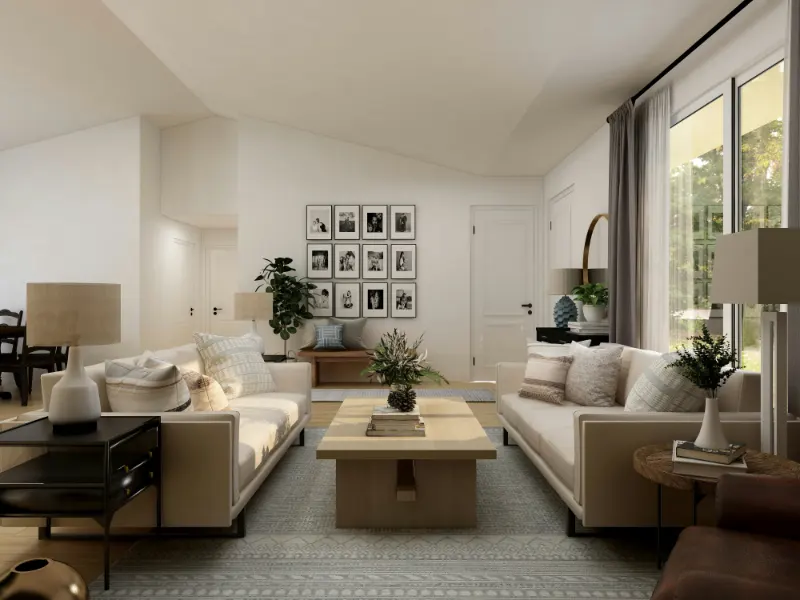
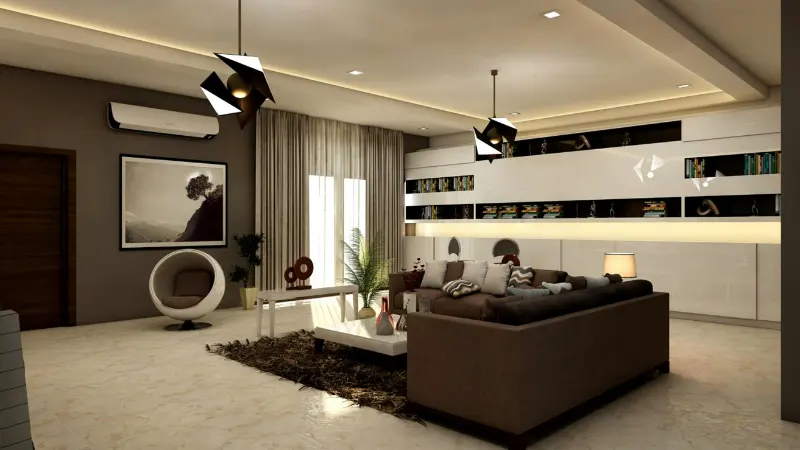
With a plan in hand, turn to the invisible architecture of the room: layout, color, and light. These are the elements guests do not always notice directly but feel immediately. A good living room is like a well‑composed photograph; your eye knows where to land and how to travel without being told.Begin with the layout. The question here is not “Where does the sofa go?” but “Where does conversation happen, and what do we want to look at while we talk?” In many homes, the television has stealthily become the focal point. If that matches your life, acknowledge it and frame the screen with other elements so that it is part of a larger composition, not a lonely black rectangle. If you would rather the focal point be the fireplace, a window, or a piece of art, arrange seating to face that instead, letting the television take a supporting role on a side wall or inside a cabinet.
Float furniture where you can. Pulling a sofa a modest distance away from the wall creates a feeling of intention and leaves space for a console or a narrow bench behind it. Angle a reading chair toward a window, not just toward the center of the room, so that the view becomes a daily luxury. Leave clear paths wide enough for people to move without turning sideways; this is how a living room signals ease rather than tension.
Color comes next, and it is useful to think of it in layers rather than as a single decision. Choose a quiet base: the shade of the walls, the dominant tone of the largest pieces, and perhaps the rug. Neutrals work because they let objects breathe, but a colored neutral—a smoky blue, a muted olive, a warm clay—can feel more personal while remaining calm. Then bring in two or three accent tones that repeat across the room in varied ways: in a throw, in the spine of a book, in the painting you love. This repetition is what ties the space together without making it feel like a matching set.
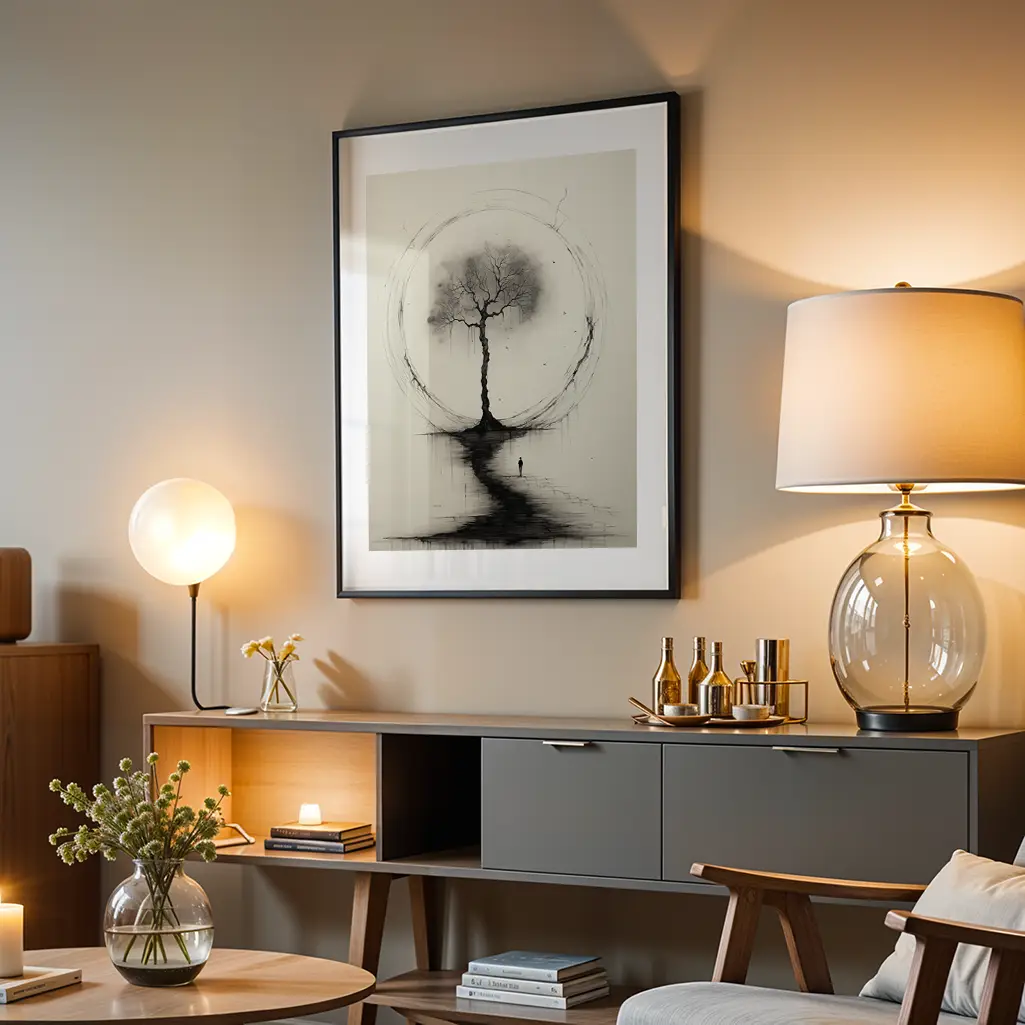
Lighting is where a living room either comes alive or collapses. Overhead light alone tends to flatten faces and kill atmosphere. Instead, aim for at least three kinds of light: an overhead source dimmed low, lamps at about eye level when seated, and small, intimate points of light—a reading lamp, a candle, a picture light. Imagine lighting the room for a quiet evening and ask whether the glow would feel soft enough to rest your thoughts in. When in doubt, add another lamp and another dimmer; control is the luxury here.
Layer in Texture, Objects and the Daily Rituals of Living
Once the bones are in place, decorating becomes an exercise in subtle layering. This is where a living room stops looking like a furniture showroom and starts feeling like a home. Texture is often the missing ingredient. Without it, even well‑planned spaces can feel strangely sterile.Think of texture in opposites. If your sofa is smooth and tightly upholstered, bring in a nubby wool throw or a linen pillow. Pair a sleek metal floor lamp with a woven basket beneath a side table. A natural fiber rug under a glass coffee table keeps the surface from floating visually. These contrasts give the eye something to rest on and invite touch, which is another way of saying they invite you to stay awhile.
Objects—books, ceramics, plants, framed photographs—should earn their place by either carrying a memory or advancing the room’s quiet story. Rather than covering every surface, create small still lifes: a low stack of books with a single sculptural object on top, a tray gathering remotes beside a small vase of branches, a plant whose leaves catch the light in late afternoon. Leave pieces of emptiness between these groupings. In design, as in music, the pauses matter as much as the notes.
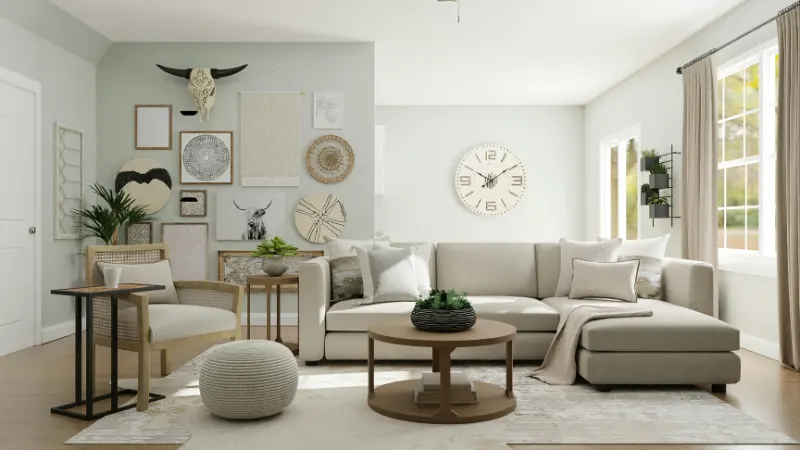
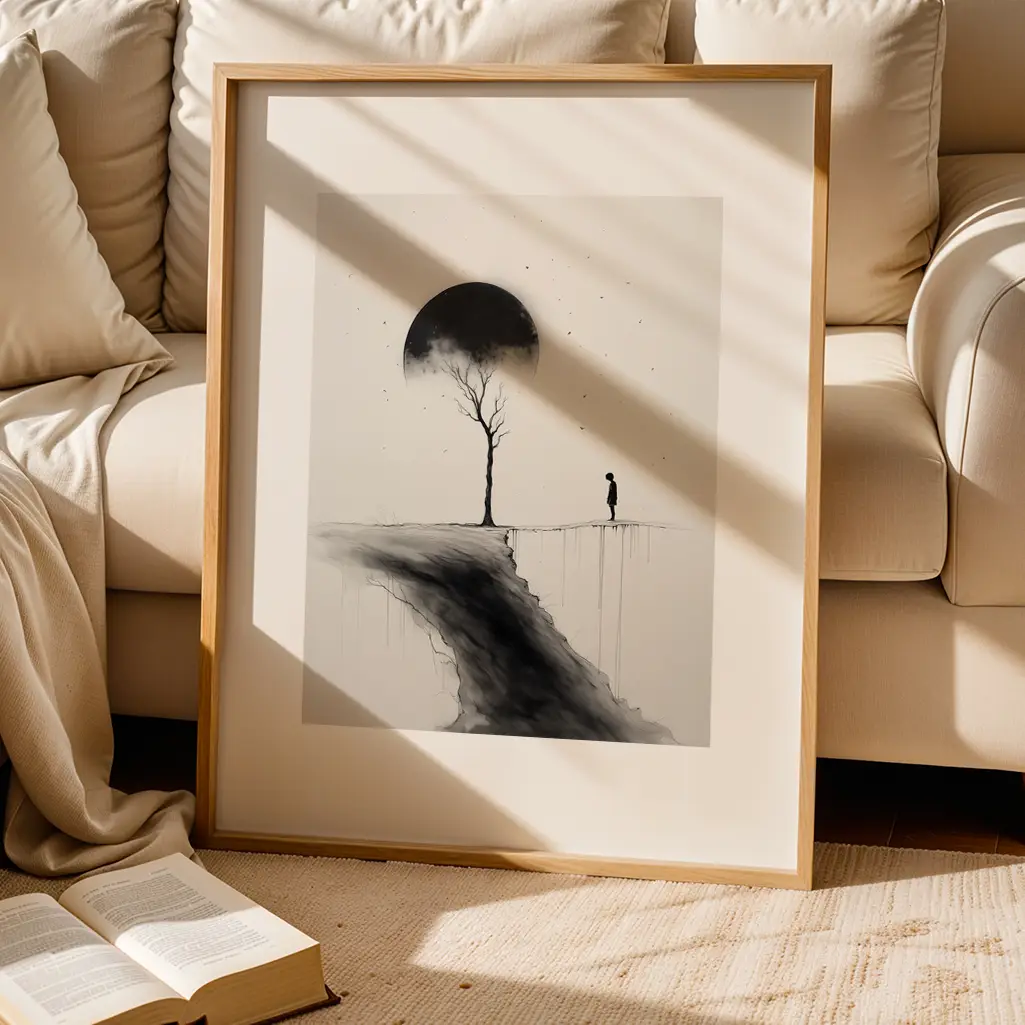
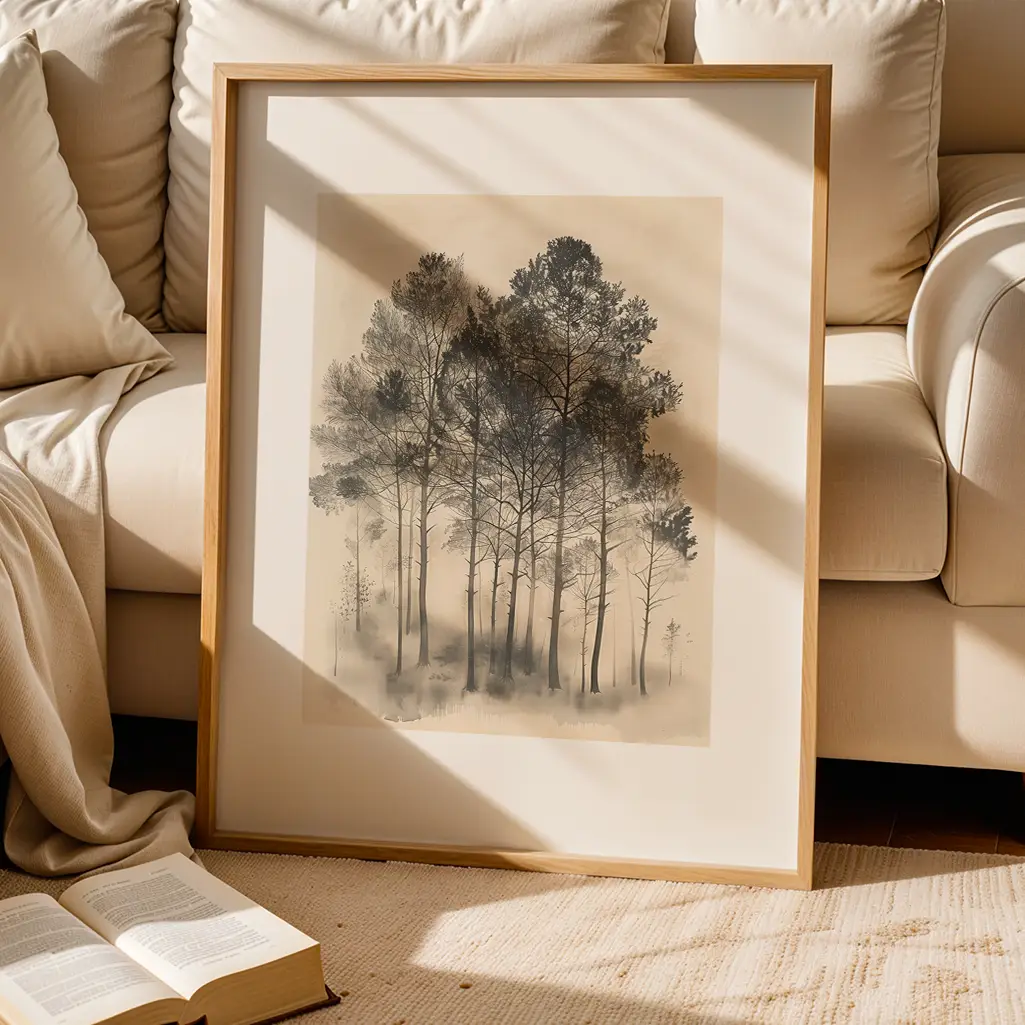
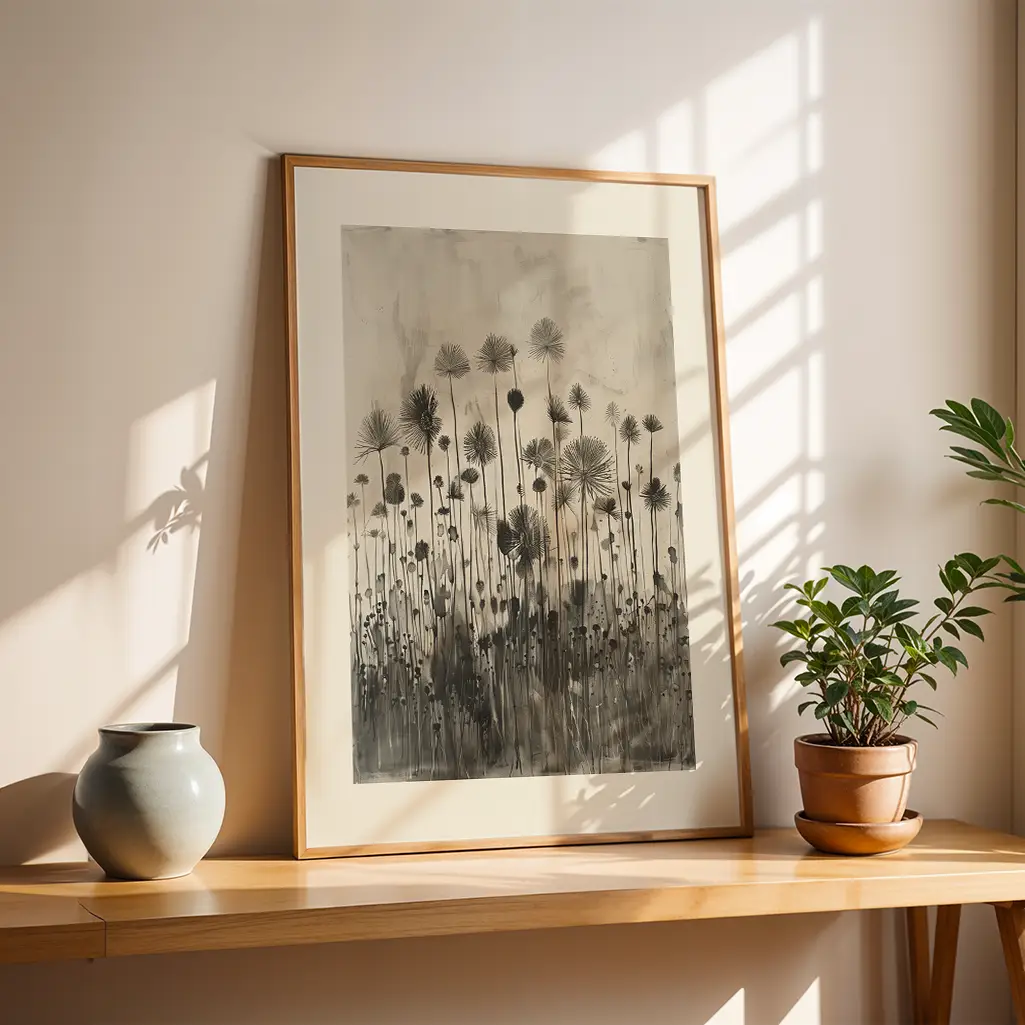
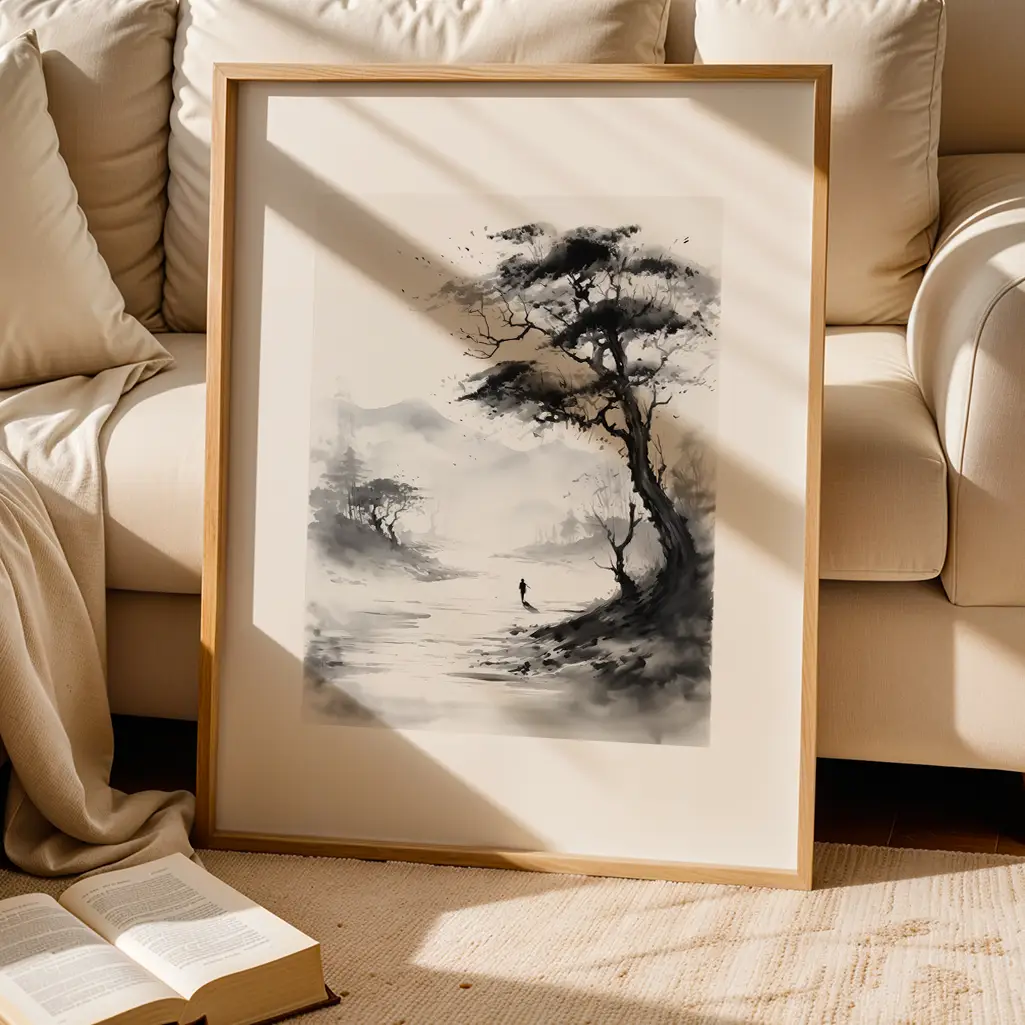
Art deserves its own kind of attention. Hang pieces at or slightly below eye level so that seated people engage with them. When arranging a gallery wall, begin with the largest work at the center or just off center, and build outward, keeping the spacing between frames largely consistent. The goal is not to fill the wall but to create a composition that feels intentional, even if the frames do not match and the styles vary wildly. A living room that reflects a life well lived rarely looks like it was sourced in a single season.
Finally, design around the rituals you want to encourage. If you want to read more, place a comfortable chair with a warm lamp and a small table for a mug in a corner that feels just slightly tucked away. If you hope to host, make sure extra seating is lightweight enough to move and that surfaces exist for people to set down a glass without thinking. If you crave quiet, choose materials that soften sound: curtains, rugs, upholstered pieces, even fabric on the wall in the form of a tapestry or a pinned textile.
In the end, decorating a living room is less about ticking off a checklist and more about learning to listen: to the architecture, to your habits, and to the subtle way a space feels at different hours. When those three elements come into alignment, the room stops being a backdrop and becomes an ally in the daily work of being human at home.