The Quiet Architecture Inside a Big Room
Open-plan living promises freedom: more light, more air, more easy conversation between the stove and the sofa. But anyone who has actually lived in a single sweeping room knows the shadow side of that promise. Without walls, objects drift. Cables snake. Sofas float awkwardly in the middle of nowhere. The space begins to feel less like a home and more like a furniture showroom at closing time.
What your open-plan room is missing is not more things, but more invisible architecture. When the walls go away, the job of organizing space does not disappear; it just shifts to other elements. Floors, ceilings, rugs, sofas, even lamps become stand-ins for the walls you chose to take down. Decorating without chaos therefore means thinking less about “where does the sofa go” and more about “what quiet structure will guide how we move, talk and rest here.”
Start with pathways. Before you place a single chair, trace how you naturally cross the room, from door to kitchen to balcony. Those routes are the arteries of your home. Resist the instinct to block them with large furniture; instead, let them stay open and obvious. Once these invisible lines are honored, you can begin to “hang” your zones off them, the way side streets branch from a main road in a well-planned city.
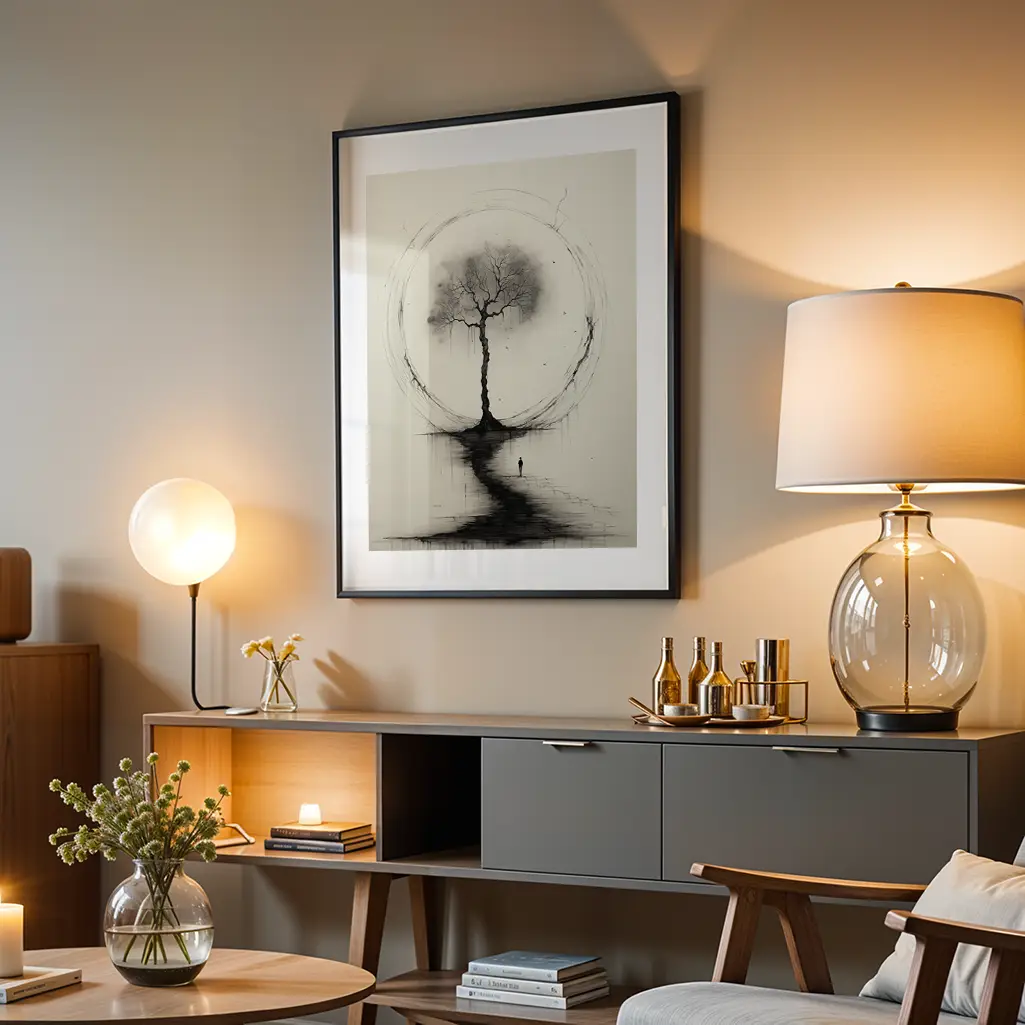
Light becomes your second architect. An open room often has one commanding window, but calm comes from layering multiple, smaller light sources. A pendant over the dining table, a floor lamp behind the sofa, a soft lamp on a console near the entry: together they sketch a map of use. At night, if all overhead lights are off and only task and ambient lamps are on, you should be able to guess where each activity happens, even if the room is otherwise empty. This is the test of whether your decorating has created legible zones instead of visual noise.
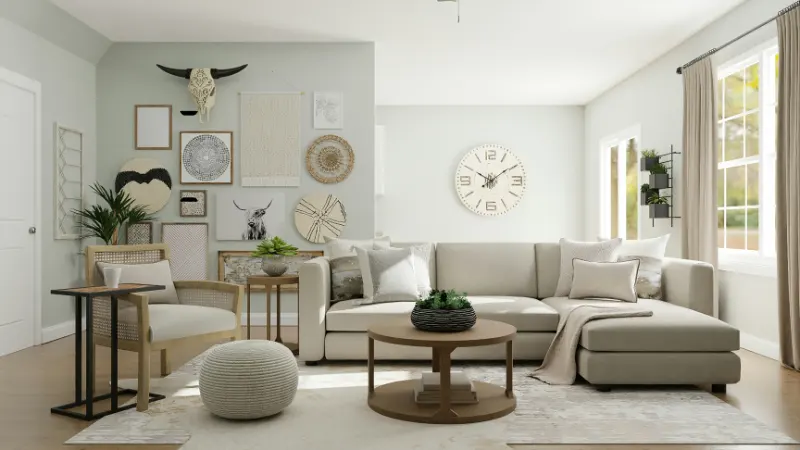
Color and material finish the invisible blueprint. You do not need different palettes for every zone; in fact, that usually creates the very chaos you are trying to avoid. Think instead in terms of “shifts” rather than breaks. Maybe the kitchen cabinets are a deep olive, while the living area leans into warm sand tones, but a shared thread of muted terracotta repeats in a cushion, a painting, and the ceramic bowls by the stove. These echoes make the room feel like a single thought, expressed in different dialects.
All of this requires a slower way of seeing. Stand in one corner and scan the room as if it were a single painting. Where does your eye jump first. Does it get stuck in one overstuffed corner or lost in an empty stretch of wall. Decorating an open-plan space without chaos is less about “styling” and more about editing: reducing visual arguments so that objects speak softly and in turn, rather than all at once.
Zoning Without Walls, Clutter or Conflict
Once the invisible architecture is sketched, you can begin to define actual zones. The temptation is to carve the room into hard territories, but peaceful open-plan living relies on porous borders. A rug under a dining table is not a fence; it is a gentle underline, suggesting where the ritual of eating begins and ends.
Rugs are often the single most effective zoning tool. In an open living-kitchen-dining space, three rugs in related tones and textures can do more to calm the eye than any amount of cabinetry. A flat-woven runner might quietly mark the working lane in front of the kitchen, a low-pile rug can anchor seating, and a smaller durable weave can define a reading corner. The key is to keep their colors in conversation rather than competition. If one rug shouts with pattern, let the others whisper in solids or subtle weaves.
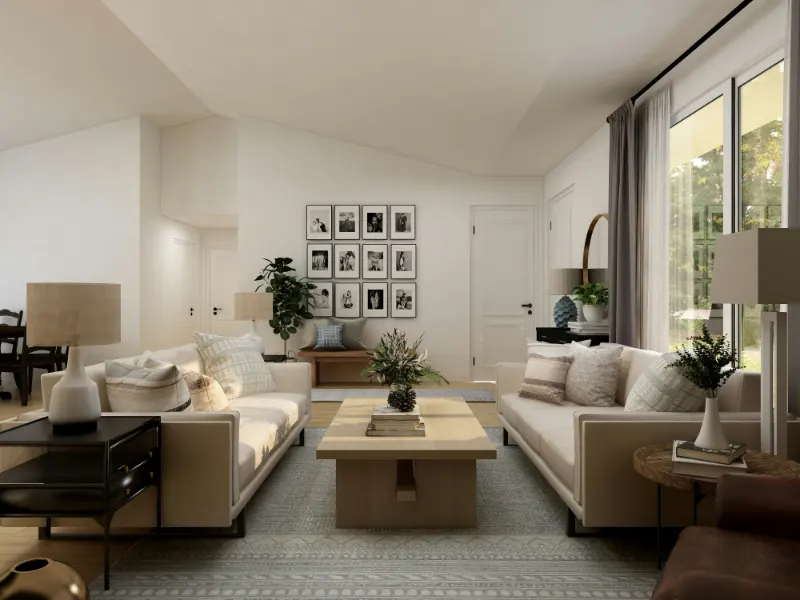
Furniture placement works best when you think of each grouping as a “conversation circle,” even if it includes only a single lounge chair and a side table. Sofas need not hug walls simply because the walls are there. In many open rooms, floating the sofa nearer the center lets you create a back that becomes an organizing edge. A narrow console table behind it can then act as a soft partition, with a lamp and a stack of books facing the living area and hidden baskets beneath facing the kitchen side, catching all the everyday fragments that otherwise migrate underfoot.
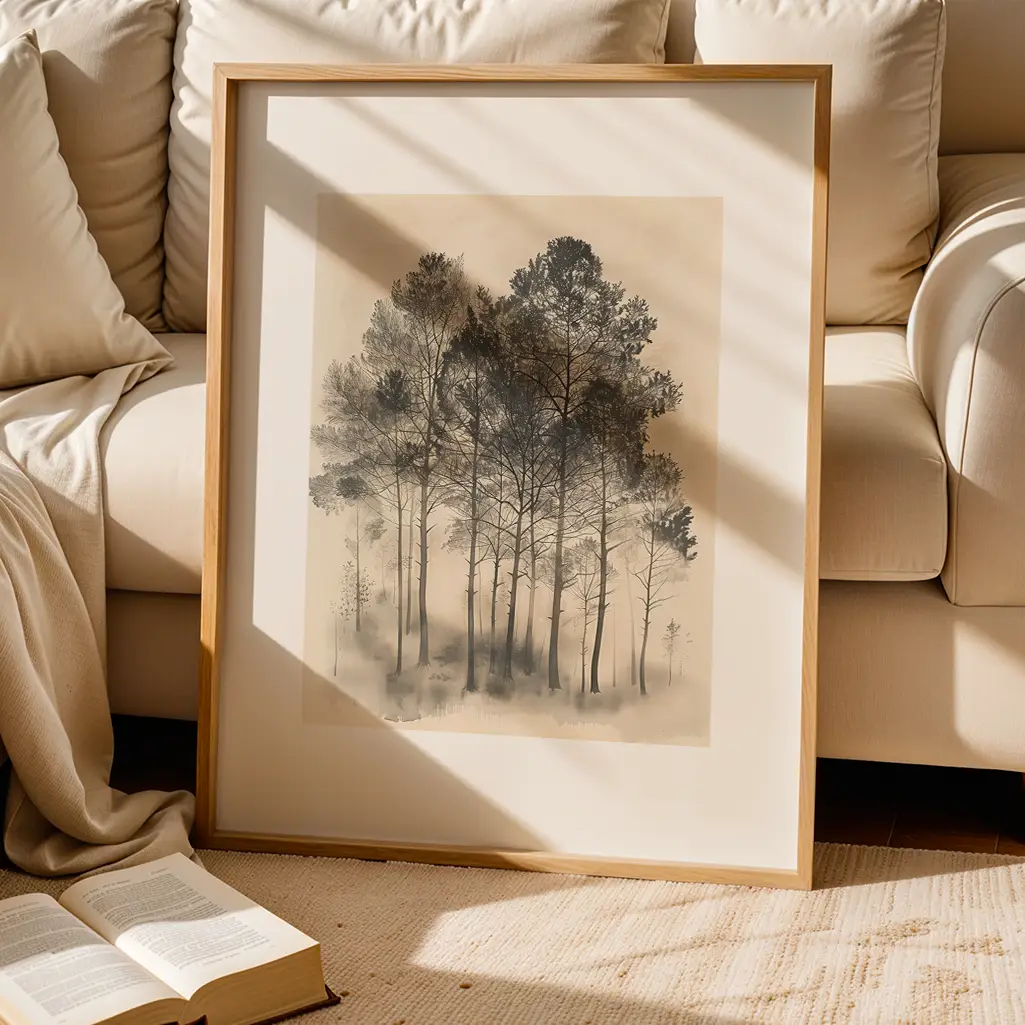
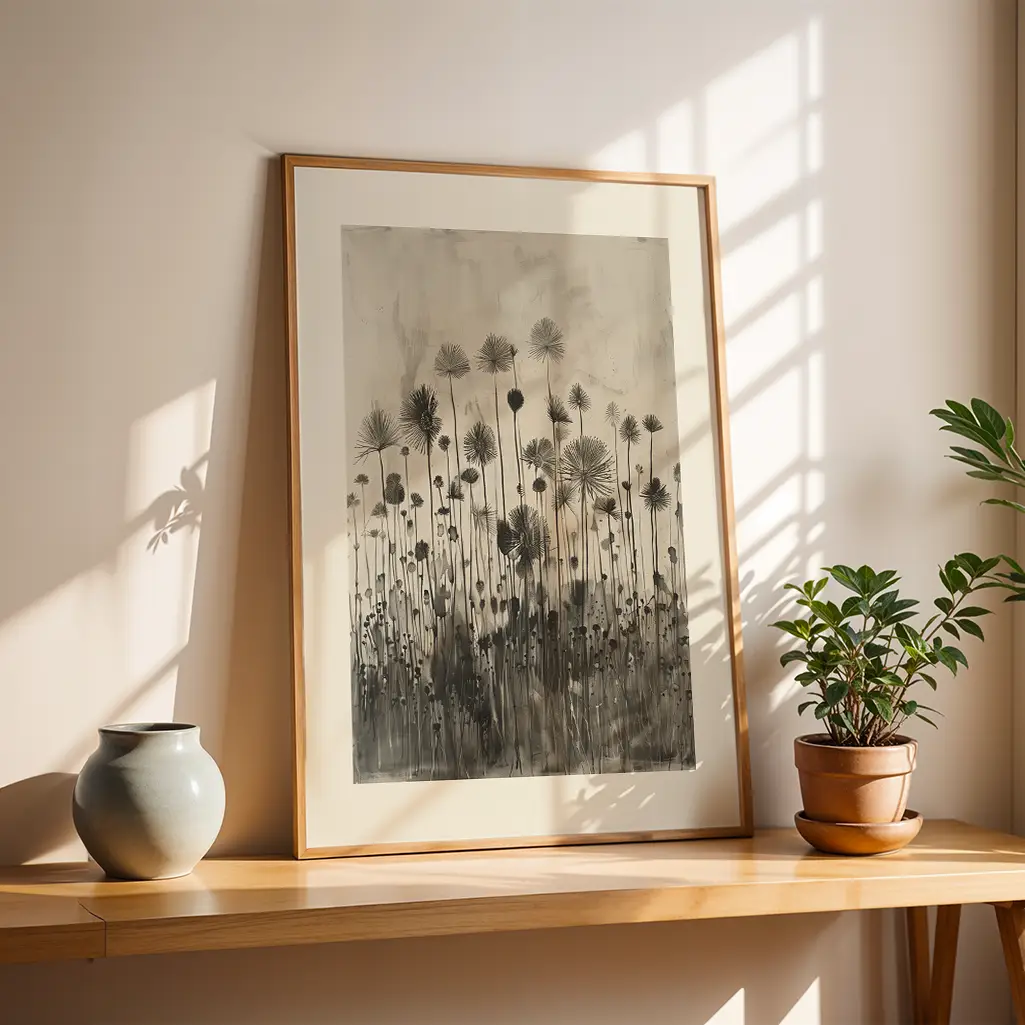
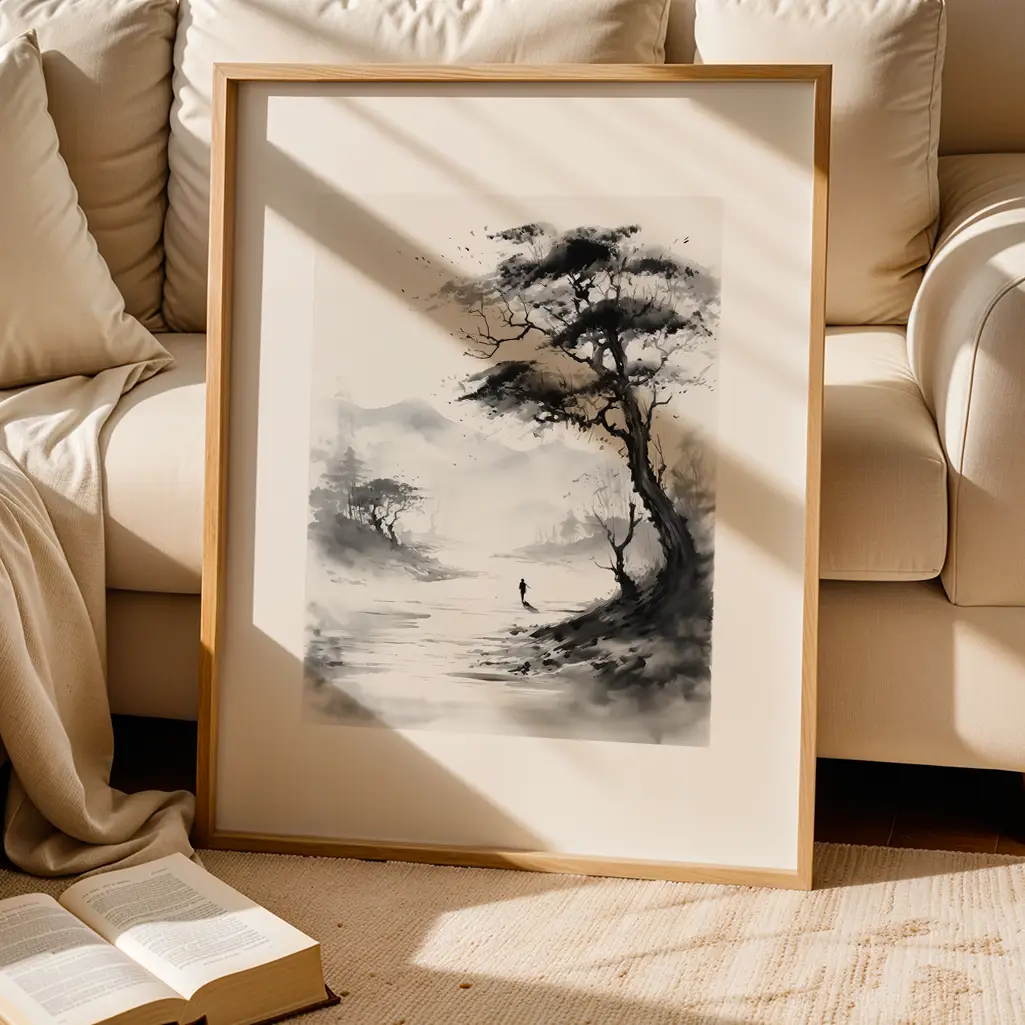
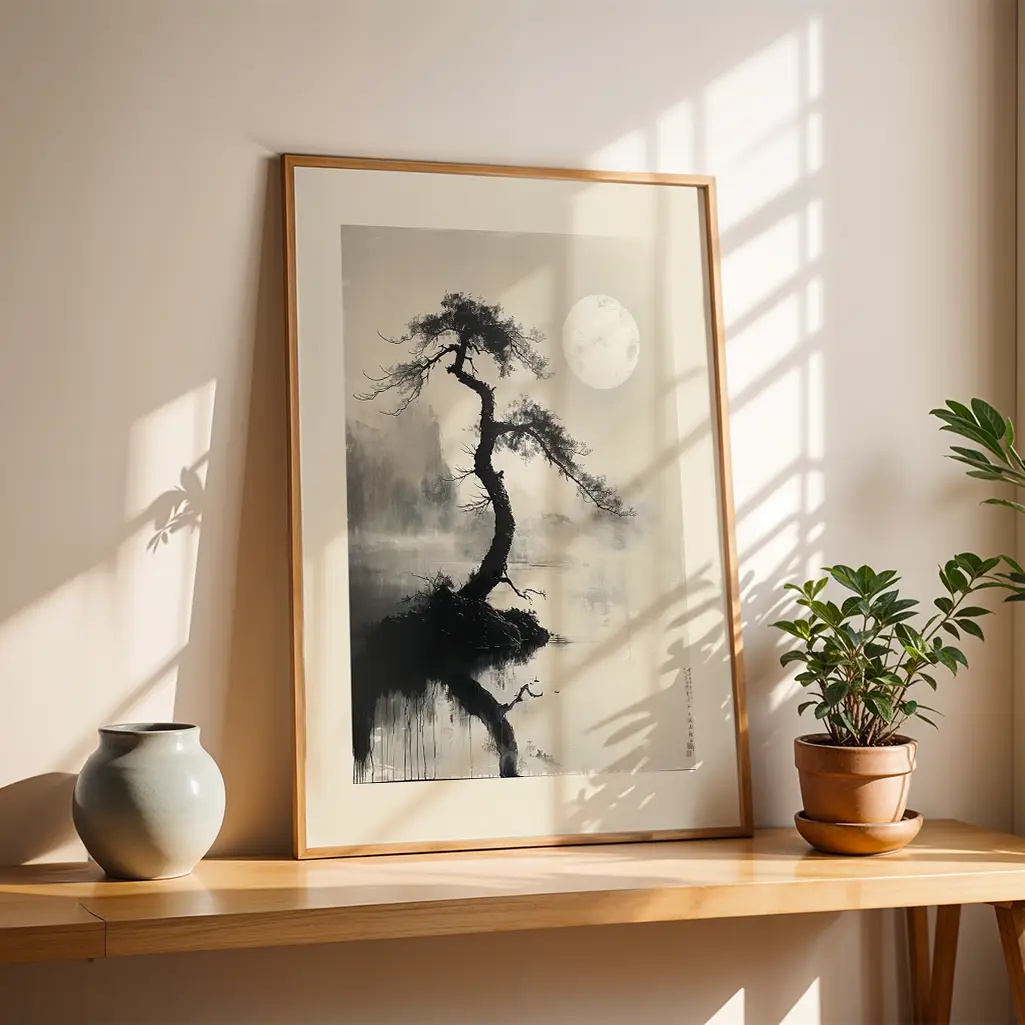
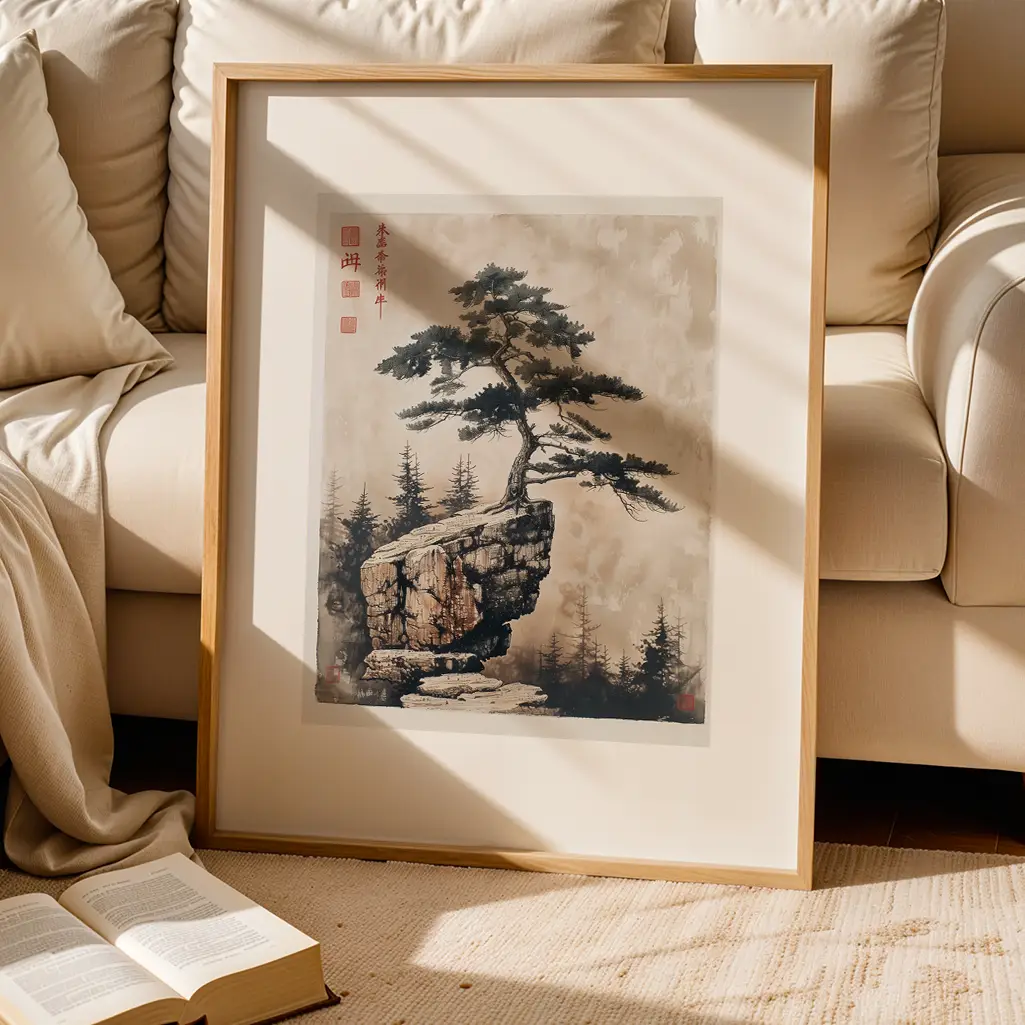
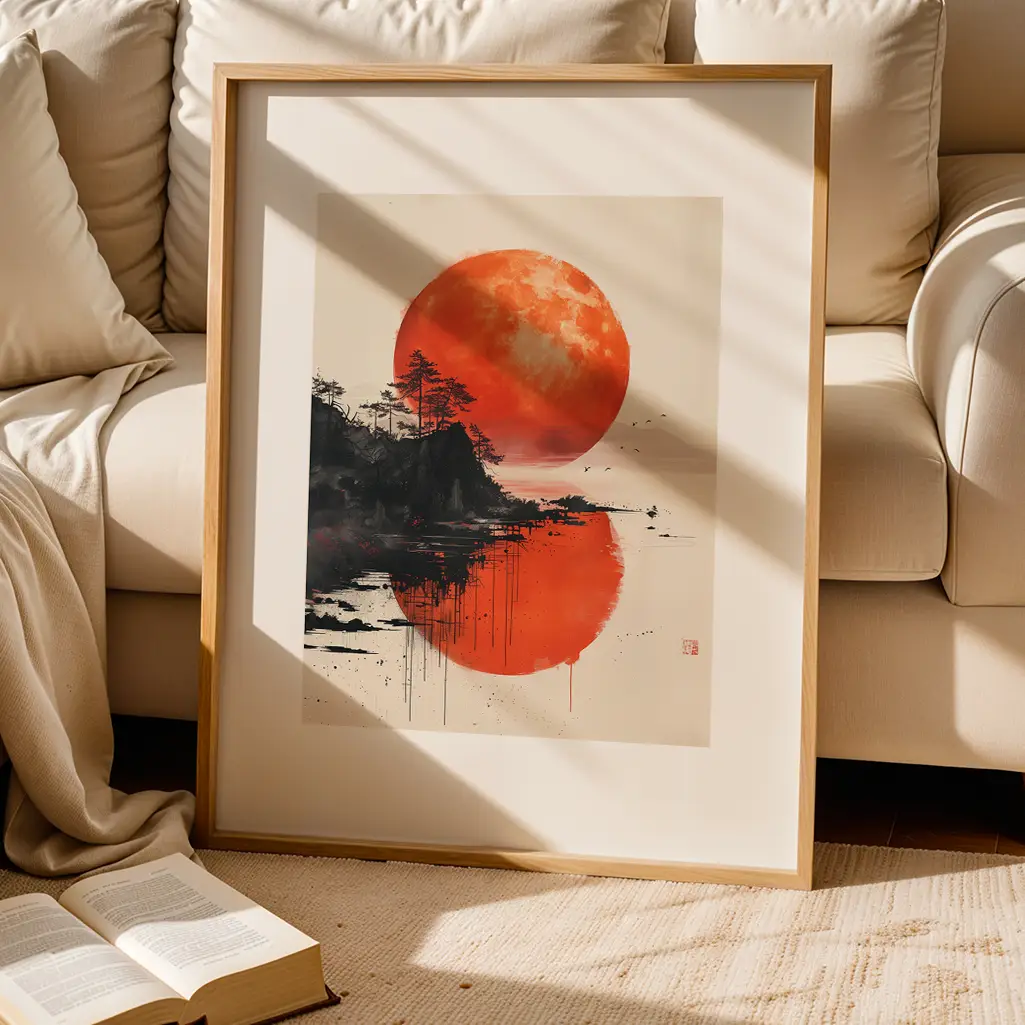
Storage, when it appears in the middle of a room, must behave with particular politeness. Tall bookcases that slice sightlines can make an open-plan space feel like a maze. Lower pieces, such as sideboards and benches with internal compartments, preserve the long views that make open living appealing in the first place. Treat these lower elements as “horizon lines” that keep the whole room feeling grounded. Above them, walls can stay mostly quiet, with a few large artworks rather than many small ones, so the eye reads the room in broad strokes instead of staccato notes.
Noise, too, has a spatial dimension. In a single large room, the clatter of dishes and the hum of appliances bleed easily into the places meant for reading or rest. Soft materials help. Heavy curtains, even if rarely drawn, absorb sound and visually frame large windows. A fabric-covered pinboard near the kitchen can do double duty: practical command center, and modest acoustic panel. These are subtle gestures, but over hours and days they temper the room the way a rug tempers an echoing gallery.
The emotional center of the space matters as much as its physical center. Decide what you want the room’s mood to be at its quietest moment. Is it a Sunday afternoon stretched on the sofa with a book. Friends lingering at the table long after dessert. Once you have that image, let it guide the hierarchy of attention. If conversation is the priority, the dining table might claim the best light. If unwinding is essential, the softest seating should occupy the calmest corner, not be exiled near the entry.
Rhythm, Repetition and the Art of Leaving Space
Without the punctuation of doors and frames, open-plan rooms can slide into monotony or, just as unnerving, into restless variety. The way out of both extremes is rhythm. Designers borrow the term from music because it captures what the eye experiences standing in a well-resolved space: a sequence of subtle repeats and rests that feels neither rigid nor random.
Repetition is your friend here. If a warm brass finish appears on the kitchen hardware, allow it to reappear in a reading lamp or a picture frame. If the dining chairs are a pale oak, let the legs of the sofa nod to that tone, and perhaps one low stool at the edge of the room repeat it once more. These echoes create a visual beat that carries you through the space. Chaos often shows up as orphan objects, pieces that share nothing with their surroundings. When in doubt, ask of any new item: what, exactly, will you connect to.
Just as important as repetition is the deliberate absence of things. Open-plan rooms invite accumulation because there is always another corner to fill, another surface to top off. But the most harmonious examples often keep one or two expanses almost bare: a clean stretch of wall, an uncluttered edge of countertop, the floor around the dining table free of side chairs that are rarely used. These rests in the visual rhythm let the elements you love actually register. Without them, even the most beautiful pieces blur into general busyness.
Plants are one of the gentlest ways to add both rhythm and relief. A single large tree in a simple pot can act as a kind of living column between kitchen and living area, softening the junction without blocking it. Repeating the same variety of plant in smaller pots across the room, rather than collecting a dozen mismatched species, brings a sense of deliberate calm. The greenery also draws the eye upward, balancing the horizontal sprawl that open plans naturally encourage.
Ultimately, decorating an open-plan space without chaos is less about perfection than about attention. It asks you to notice how your home behaves over time: where clutter lands uninvited, which corners you gravitate to, which seats stay empty. Instead of forcing the room into a rigid diagram, you adjust slowly, moving a chair a few inches, removing one extra side table, swapping a noisy pattern for a quieter solid. Over weeks, the room begins to feel less like a puzzle you are trying to solve and more like a landscape you understand intuitively.
The reward for this patience is a space that holds different parts of your day without argument: breakfast at the counter, emails at the table, a stretch on the rug while dinner simmers nearby. The room stops shouting and starts humming. You have not rebuilt the walls. You have simply taught the space to speak in a single, clear voice, one that makes coming home feel like stepping into a calm, coherent thought.