The Quiet Theater of Arrival
The first time a guest steps into your home for the night, the room you offer them becomes a kind of quiet stage. Every object, every shaft of light, every folded corner of a blanket is a line in an unspoken script: You are welcome here. Boutique hotels have elevated this script into an art form, turning shelter into experience. You can borrow this choreography at home without imitating a lobby or buying a designer headboard. What you are really designing is a feeling of considered hospitality, not a themed set.
Begin with the bones of the room, the way a good hotelier begins with architecture rather than accessories. Ask yourself what your guest first sees when they cross the threshold. If their eyes land on the bed, that bed must read as unequivocally ready: a simple, calm duvet, two sleeping pillows with fresh shams, and, if possible, a lighter throw folded at the foot. White or soft-neutral bedding is not a hotel cliché by accident. Pale textiles reveal cleanliness and catch light, creating a visual exhale after travel. They also form a blank canvas for smaller gestures of color in art, books, or a single patterned cushion.
Hotels lean on symmetry because the human brain finds it quietly reassuring. You do not need matching furniture, but flanking the bed with two surfaces that can act as nightstands, each with its own light, sends the same signal of order. One side might be a small table, the other a stack of sturdy books. What matters is that, half-asleep, a guest can locate water, a place for their phone, and a way to turn off the light without navigating an obstacle course. The room should feel legible at a glance, as if its logic could be understood even in the middle of the night.
The boutique feeling emerges most clearly in what you remove. Too often, a guest room is a storage annex wearing a blanket. If possible, edit away the family overflow: the old treadmill, the intimidating wall of labeled boxes, the desk piled with mail. Objects broadcast stories; your guest does not need to be cast as an intruder in your unfinished projects. Leave a single closet bar or a few hangers free, clear a drawer, and keep surfaces surprisingly open. Negative space is a kind of hospitality. It tells your visitor that the room is not just borrowed but prepared for them.
Scent completes the arrival quietly. Instead of saturating the room with a strong candle, aim for a barely-there note that echoes the visual palette. A small bowl of lavender, a sprig of eucalyptus in a glass, or simply the faint trace of recently laundered cotton does the work. The goal is not to impress but to reassure. The most memorable boutique hotels imprint themselves on the senses in this subtle, cumulative way; your guest room can do the same, one quiet layer at a time.
Comfort as an Invisible Infrastructure
The difference between an average guest room and one that feels like a boutique hotel often hides in the invisible infrastructure: the systems of comfort that work so well your visitor barely notices them. Start with temperature. A spare throw or quilt in plain sight gives guests agency over their own warmth, as does a small fan or clear access to windows they are actually allowed to open. If adjusting the thermostat requires an advanced degree, a simple note explaining how to manage it is more luxurious than any scented candle.
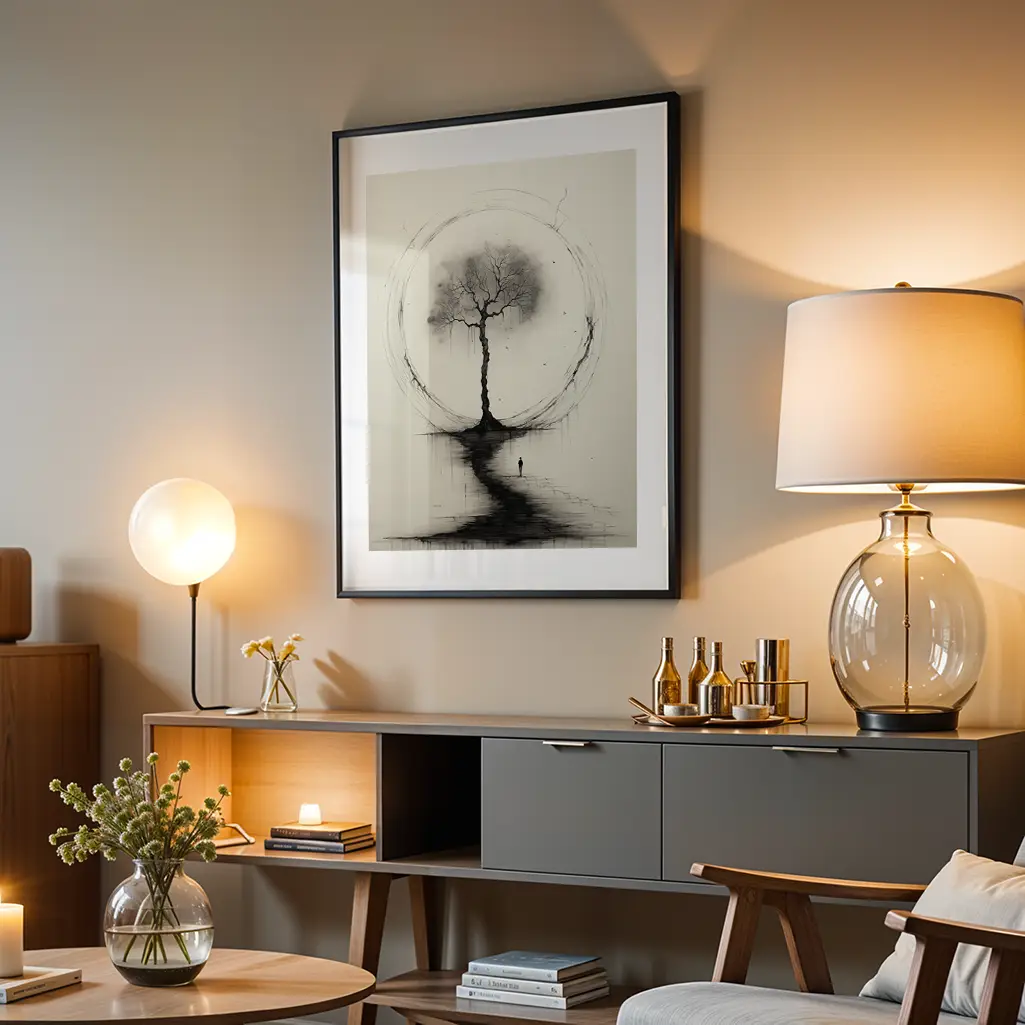
Lighting may be the most transformative tool you have. Boutique hotels rarely rely on a single overhead fixture. Instead, they create a layered glow: ambient light for the room as a whole, task lighting for reading, and a softer, directional light near a chair or corner. At home, this can be as straightforward as a shaded lamp on the nightstand, a floor lamp angled beside a chair, and perhaps a small, warm bulb in a corner to erase harsh shadows. Warm color temperatures keep faces and fabrics gentle; your guest should not feel like they are in a fitting room. Light that can be dimmed or switched off from bed respects the moment when the day finally lets go.
Then consider the quiet practicalities that hotels have trained us to expect but we rarely offer to friends. A visible outlet or small power strip beside the bed, an extra phone charger, and a small tray or dish for jewelry and keys keep tiny anxieties from accumulating. A carafe or bottle of water with a glass suggests that waking up thirsty at 3 a.m. will not involve a fumbling expedition to the kitchen. A box of tissues, a wastebasket that is not an old shopping bag, and an extra set of towels stacked within reach all signal that your guest does not need to hunt or ask for basics.
Comfort also lives in the way the room anticipates different rhythms. A small chair with a throw folded over it creates an alternative to sitting on the bed fully dressed, and it transforms the room from a sleeping cell into a small suite. If there is space, a narrow console or desk with a simple chair gives someone a place to open a laptop or write a note, even if the view is nothing more dramatic than a tree across the street. Boutique hotels are masters at convincing you that any window is a scene. At home, a modest vase with a single branch or flower on the sill can do similar work, turning outside light into decor.
The Personal Signature, Not the Souvenir Shop
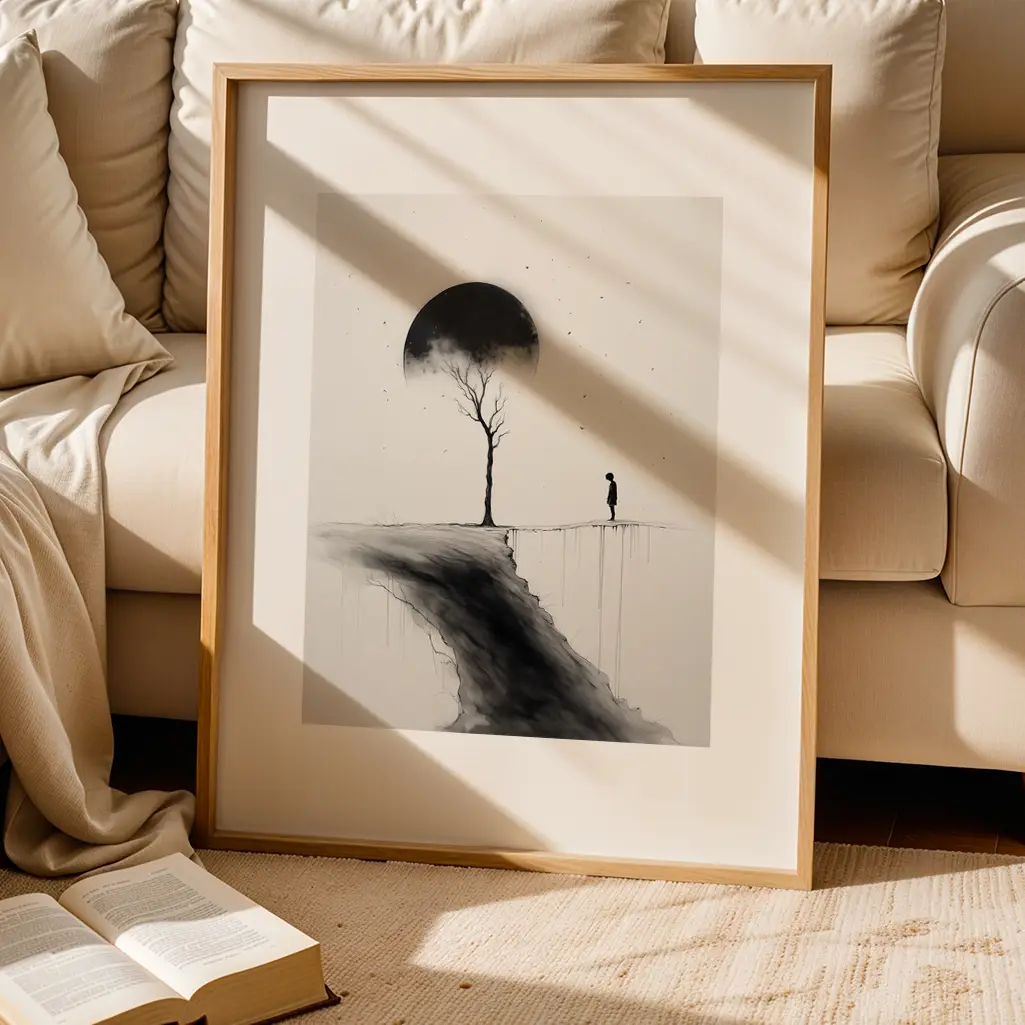
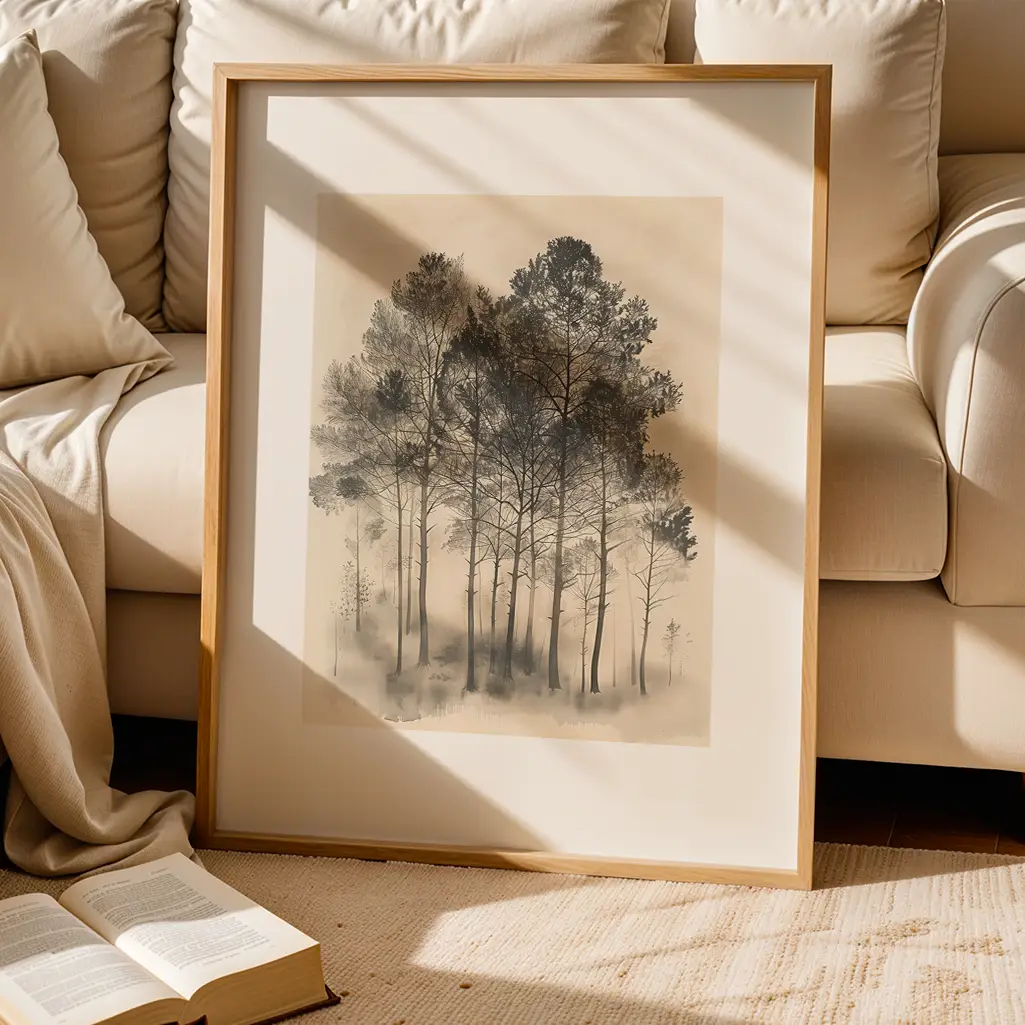
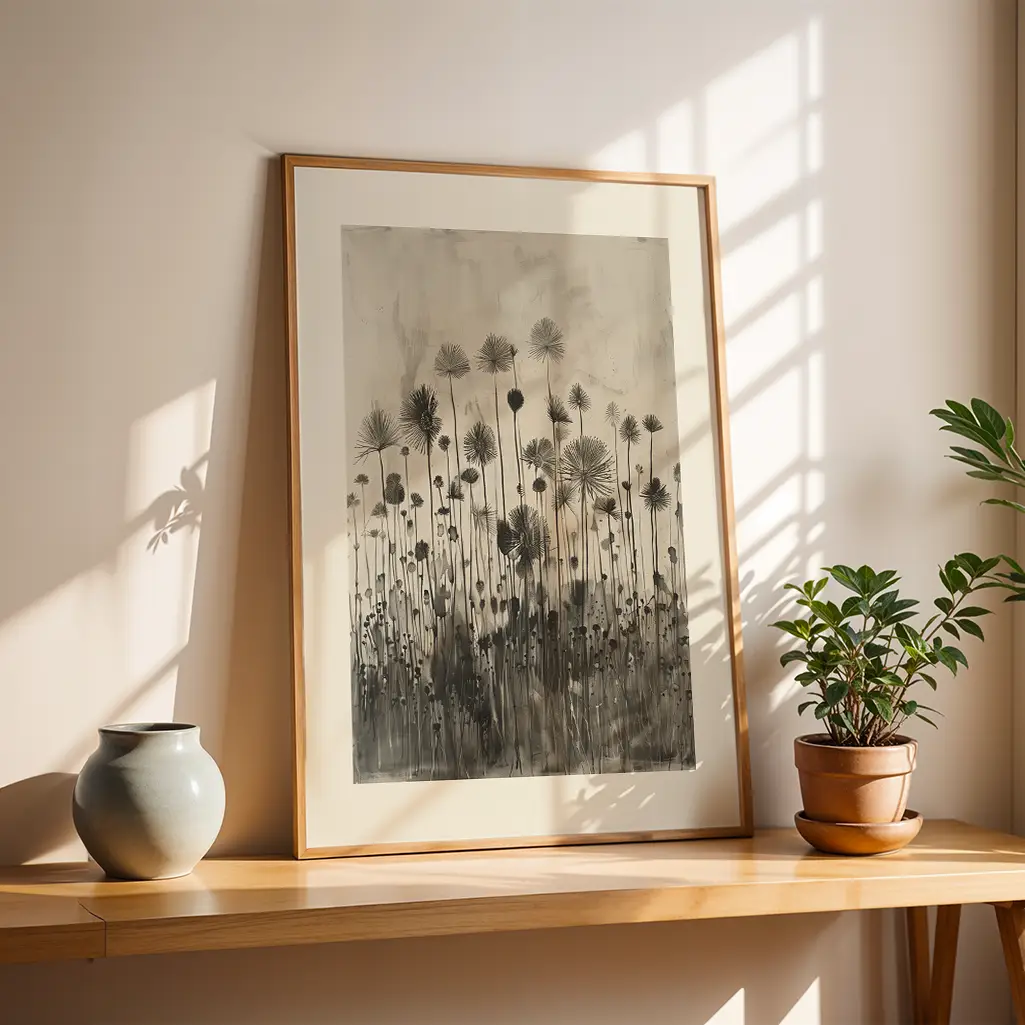
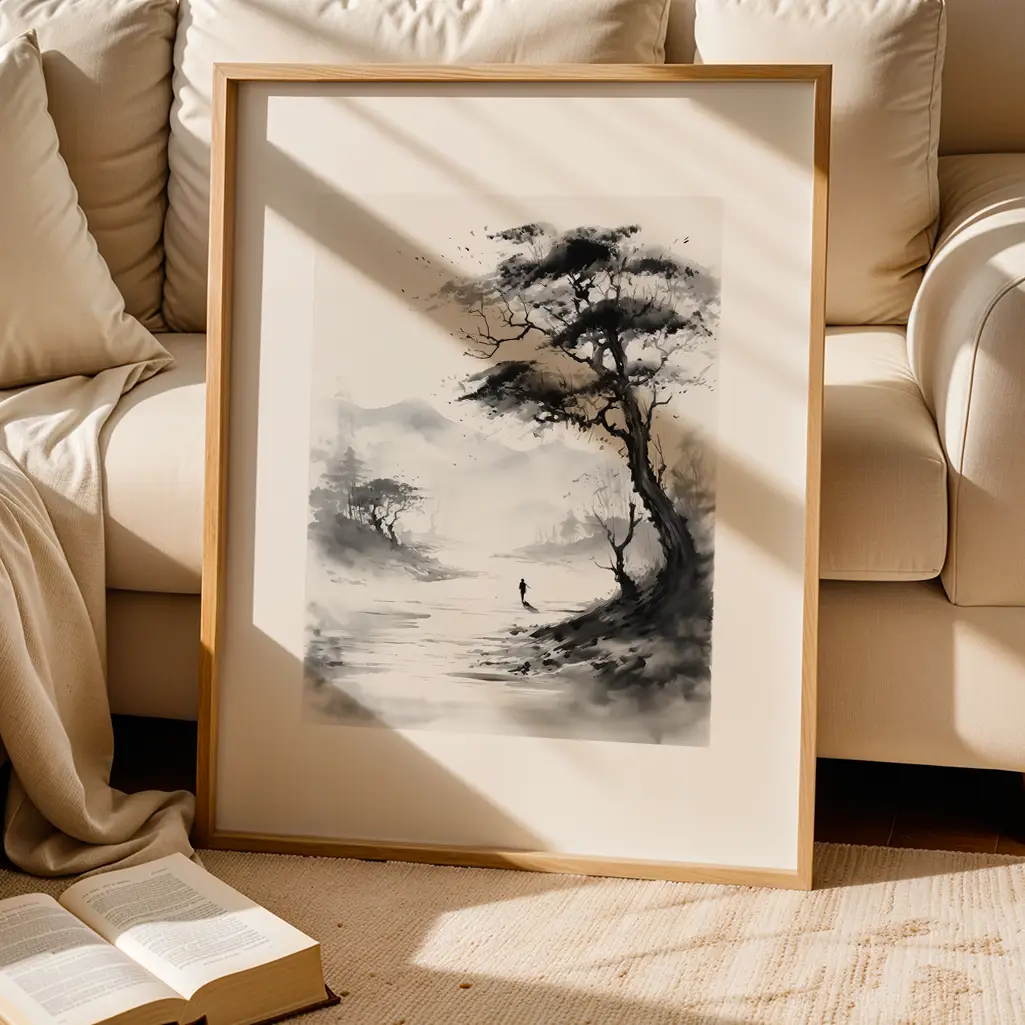
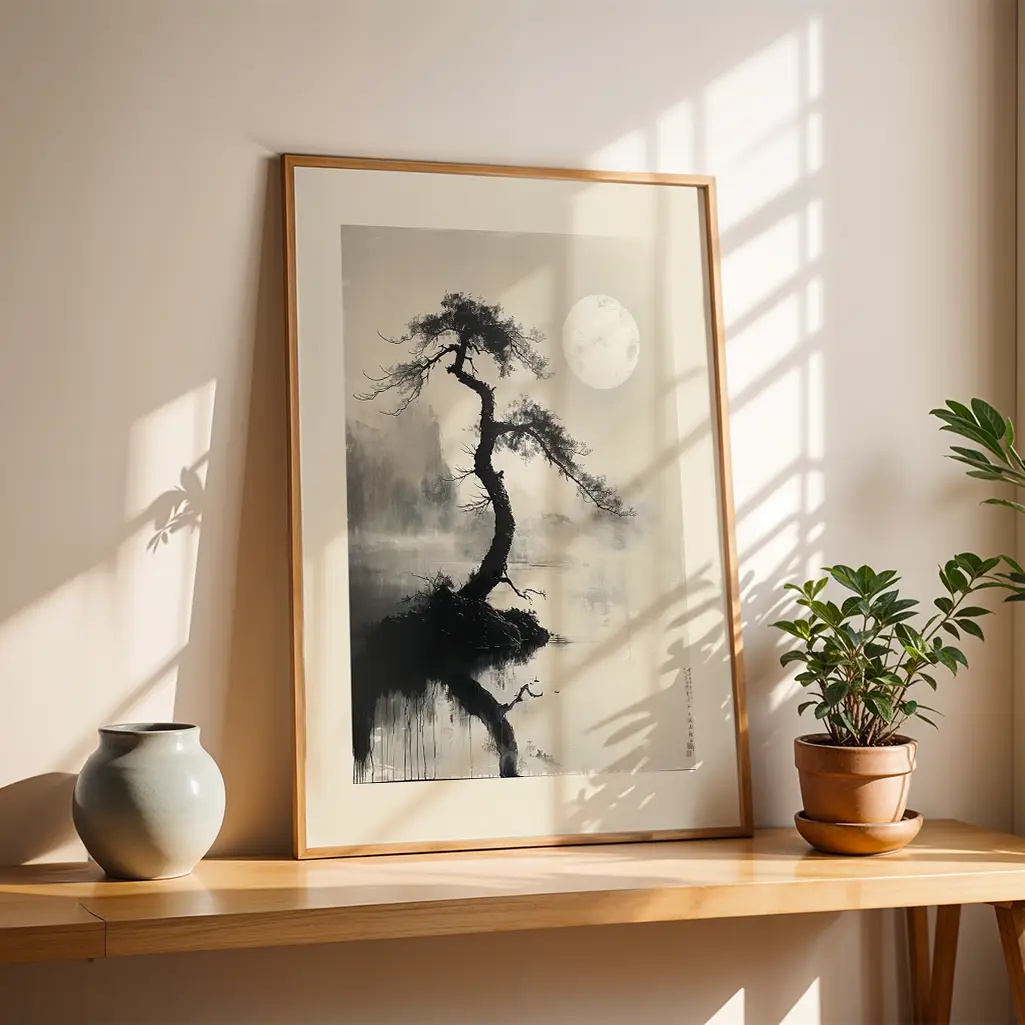
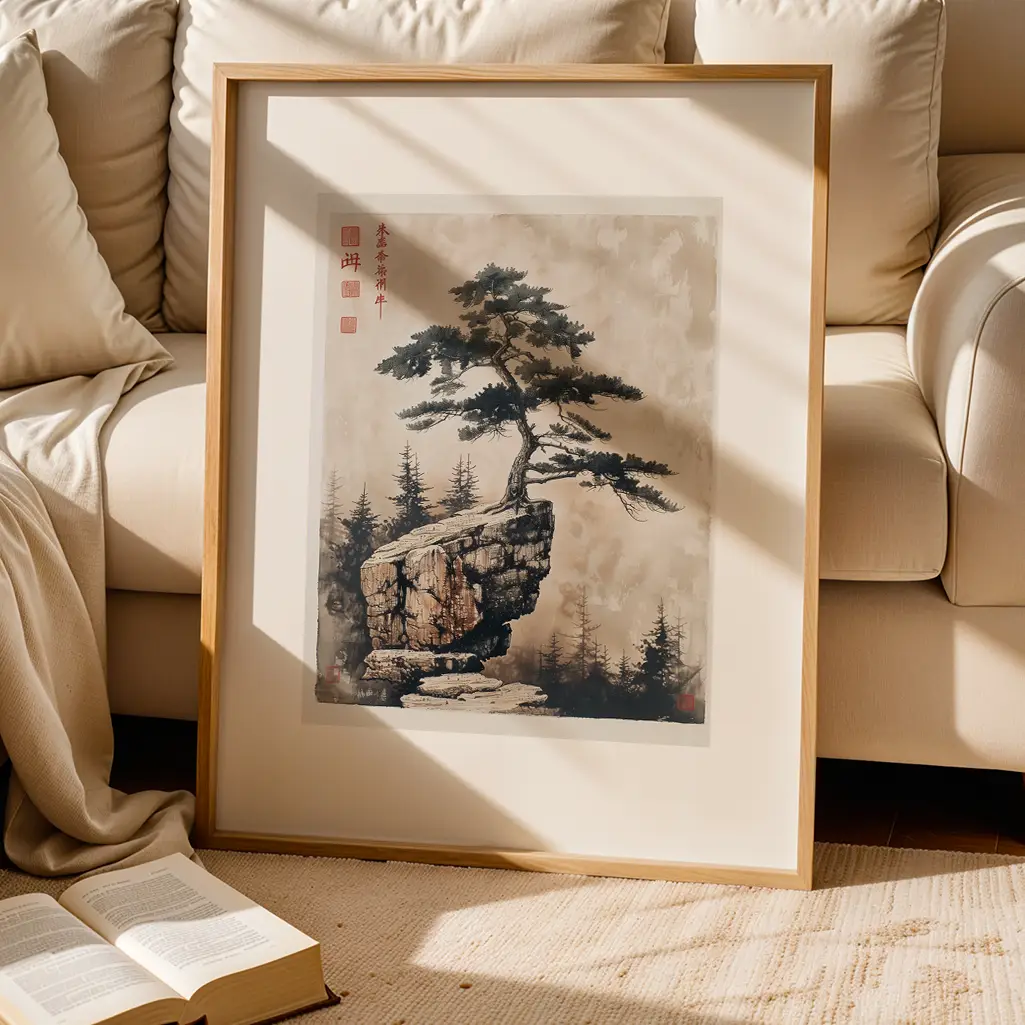
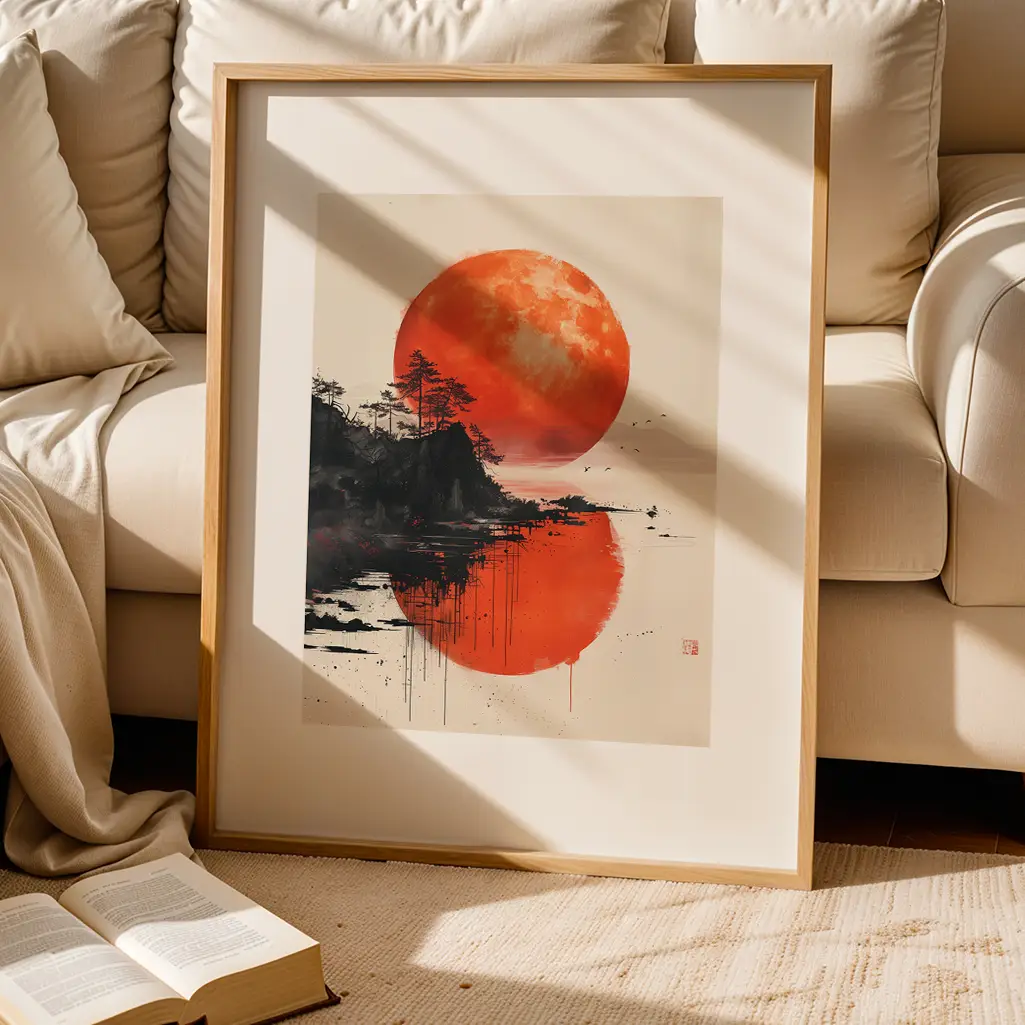
What distinguishes a boutique hotel from a chain is not just better sheets; it is a sense of place, a personality that has been edited rather than shouted. In a guest room at home, this means choosing a few deliberate touches over a cascade of decorative enthusiasm. A piece of art above the bed that you genuinely love, even if it is simply a framed photograph or a child’s drawing in a clean mat, brings more depth than a generic print chosen to match the rug. The subject does not need to be literal or travel themed. What matters is that it feels cared for, as if your guest has been invited into a story rather than confronted with a slogan.
Reading material is a quiet way to curate that story. Instead of stacking every paperback you have finished, choose a small mix that reflects the character of your home: a book of essays, a slim volume of poems, a magazine, perhaps a design or travel book that a guest can leaf through before sleeping. This is not staging; it is an offering, a way of saying, here is what we find beautiful or interesting. Boutique hotels often place a single well chosen book on a nightstand for the same reason. You can think of it as a conversation that continues after you have said goodnight.
Finally, allow the room to acknowledge your guest specifically. A handwritten card with the Wi-Fi password, perhaps a note that mentions the café on the corner or the best walk in the neighborhood, transforms generic hospitality into something almost tailored. A small bowl with a few snacks, fruit, or tea bags nearby rescues a late arrival who has missed dinner without obliging them to rummage through your pantry. These gestures do not need to be elaborate to feel generous; their elegance lies in their precision.
The aim is not to erase the fact that this is a home, not a hotel. A boutique feel emerges when domestic warmth meets the discipline of design: edited surfaces, considered light, honest textures, and a quiet respect for privacy. When a guest senses that you have imagined their experience from the moment they drop their suitcase to the moment they switch off the lamp, the room becomes more than a place to sleep. It becomes a small sanctuary, a temporary address that lingers in memory long after they have left the key on the table and closed the door behind them.