The Difference Between Cozy and Cluttered
Cozy is less about the number of things in a room and more about how the room makes your nervous system feel. You notice it in the first 10 seconds: your shoulders drop, your breath slows a little, and something in you says, "I could stay here." The mistake many people make is assuming that feeling comes from adding more—more pillows, more decor, more everything—until the room starts to close in.What you are really after is a sense of visual warmth paired with physical ease. That means the eye can rest and the body can move without bumping into anything. In a truly cozy room, your attention is gently guided, not pulled in 15 directions. When every surface is busy, your brain works harder to sort the scene; the result is a subtle unease that feels the opposite of calm.
A helpful way to think about this is to treat your room like a quiet conversation rather than a crowded party. You want clear focal points and a few memorable details, not a chorus of competing voices. The walls, floors and larger pieces of furniture are the tone of voice; textiles, art and smaller objects are the words. When the tone is gentle and the words are chosen with care, the room feels intimate without becoming heavy.
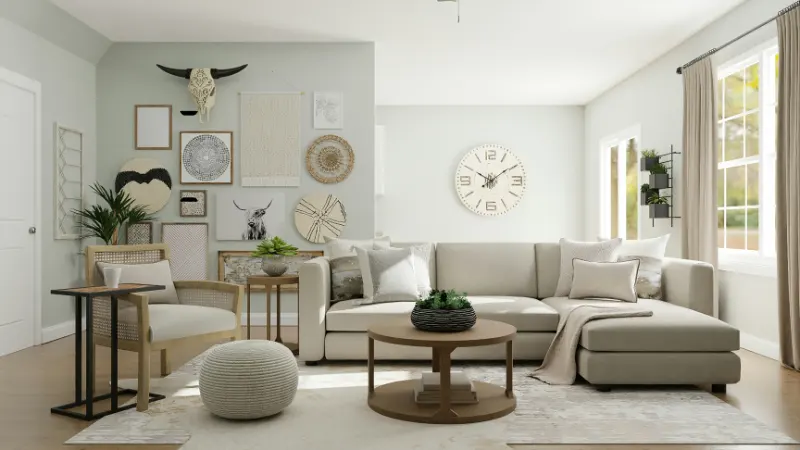
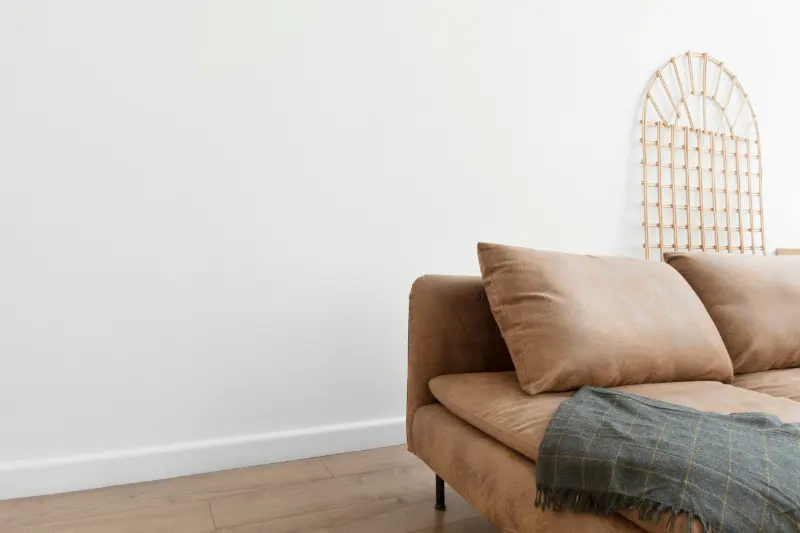
Start by noticing your visual horizon when you enter the space. Does your eye land on a single inviting point—the sofa, a window, a piece of art—or does it ricochet between shelves, screens and piles? To make a room feel cozy without making it small, you want one or two quiet anchors. A low, comfortable sofa with a throw in a natural texture can do more than a dozen small accessories. A large, simple rug that gathers the seating area will warm the room psychologically and acoustically, yet it actually clarifies the floor plane, making the overall space feel more open.
Color contributes as much to perceived size as it does to mood. Deep, cocooning hues on every wall can be wonderful, but in a modest room they can compress the space if you do not balance them with light and empty surfaces. You can keep the airiness by using mid-tone, warm neutrals for the largest expanses—off-whites, soft greiges, gentle mushroom tones—then layering deeper shades in smaller doses: a rust pillow, an olive throw, a charcoal lampshade. This gives you the "nest" feeling around the body while the room as a volume stays bright.
Clutter is not just about quantity. It is about interruption. Too many contrasting shapes, colors and finishes fracture the room visually. If you crave a cozier feel, edit first, then add selectively. Remove one or two small pieces of furniture that are doing very little; you create negative space, which works like a pause in music. The remaining pieces suddenly feel more intentional, and that sense of order registers as peaceful.
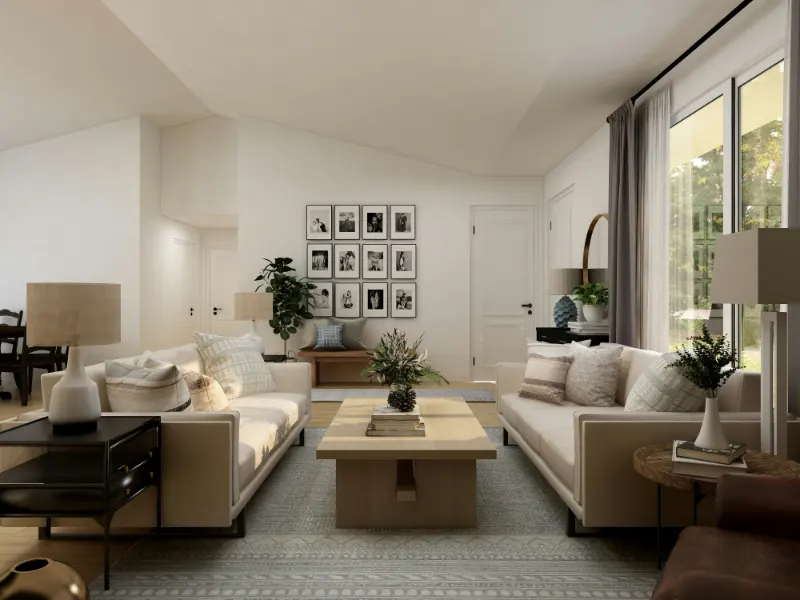
Finally, consider the view under and behind things. A sofa on slim legs that shows just a bit of floor will keep the horizon line continuous, making the room feel longer. A coffee table with an open base lets light pass through. You do not need all your furniture to float, but if several key pieces have this sense of lift, the room reads as spacious even as you layer in elements that make it feel soft.
Layering Light, Texture and Scent for Spacious Warmth
If scale and editing set the stage, light does most of the emotional work. Overhead lighting alone tends to flatten a room and exaggerate its boundaries, which can make a small or medium space feel exposed rather than embraced. The goal is multiple, softer light sources at different heights, each contributing a pool of warmth that overlaps without glaring.Think of three layers. The first is ambient: a paper lantern, a shaded ceiling fixture, or even track lights aimed at the walls instead of the center of the room. Bouncing light off surfaces softens shadows and makes corners recede slightly, visually expanding the space. The second is task: a reading lamp beside a chair, a small desk lamp on a console, under-cabinet lighting in a kitchen. The third is accent: a candle on the coffee table, a discreet strip of LED on a bookshelf, a picture light over a modest artwork. Each source is relatively small, but together they create a halo effect that feels intimate while the room’s edges blur.
Texture brings the warmth that light reveals. To keep the room from feeling crowded, use larger fields of texture rather than many tiny accents. A single wool or cotton rug is more calming than three layered mats. A linen curtain that reaches the floor gives a soft vertical line, framing the window without chopping up the wall. One substantial throw in a nubbly knit reads as generous and grounding, where a pile of thin, patterned blankets can feel fussy.
Mix textures by contrast, not competition. Pair a smooth leather sofa with a chunky wool pillow, a sleek lacquered side table with a raw ceramic lamp. The friction between smooth and rough, shiny and matte, creates richness that the eye reads as coziness. Because the contrasts are on the surface level, not in the room’s footprint, you gain depth without losing breathing space.
Do not overlook scent and sound, which shape your perception of scale more than you might expect. A subtle, consistent scent—a single candle, a bit of incense, a diffuser with herbal or woody notes—helps the room feel like a coherent whole. Harsh or competing fragrances, like visual clutter, create agitation. Likewise, consider the acoustics: curtains, rugs and upholstered furniture not only look soft but absorb echo. The quieter the room, the more we perceive it as a retreat, not a hallway.
Finally, add personal objects with restraint and intention. A stack of books with a worn spine on the coffee table, a small vase with one branch on the nightstand, a framed photo or two at eye level: these are the touches that say "someone lives here" without shouting. Leave a margin of emptiness around them. In the same way white space makes a printed page easier to read, visual space around your belongings makes the room easier to live in.
The paradox of coziness is that it often emerges when you are willing to keep a little less and leave a little blank. By editing what you own, choosing a few honest textures, and letting your light fall gently rather than harshly, you arrive at a room that feels like a soft landing while still giving you room to stretch and breathe.