
The Quiet Work of a Sanctuary Bedroom
A sanctuary bedroom does not announce itself with drama. It works in the background, a steady barometer for your nervous system. When you walk in, your shoulders drop a half inch, your breath lengthens, and you feel, at a level beneath language, that you are allowed to stop.Designing that feeling is less about chasing perfection and more about removing friction. Everything that clutters your line of sight, interrupts your rituals, or nags for attention is a small tax on your energy. The sanctuary mindset asks a different question: what can this room gently take off my mind?
The first step is to set an intention that is specific enough to measure against your choices. Do you want the room to help you fall asleep faster, to wake more peacefully, to read and journal without screens, or to feel like a retreat from roommates or young children? The clearer your answer, the easier it becomes to decide what belongs and what does not.
Interior designers often talk about a bedroom in terms of style—minimalist, bohemian, coastal. Sanctuary is about effect. You can reach the same calm with linen and oak as with velvet and plaster if the underlying principles are sound. Those principles fall into three intertwined categories: sensory tuning, visual order and personal meaning. Think of them as quiet dials you can slowly turn rather than rules to obey all at once.
Begin with what the room currently makes you feel. Walk in at night and again in the early morning. Notice, without judgment, what your body does. Do your eyes jump to a pile of laundry, a leaning stack of books, a blinking router? Does the light feel harsh or murky? Where does your gaze want to rest, and what does it land on? That simple inventory will tell you more than any trend report.
Once you understand the baseline, you can start editing not by asking what is attractive, but what is supportive. A beautiful chair that becomes a clothing catchall may undermine the very calm it was meant to create. In a sanctuary bedroom, beauty is measured in how well an object behaves in daily life.
Sensory Tuning: Light, Color and Texture
Sanctuary is ultimately a sensory experience. You feel it before you analyze it. That is why the technical details of light, color and texture matter so much; they are the invisible scaffolding that either agitates or soothes your nervous system.Light is the most powerful of these. Overhead fixtures that blast the room with a single color temperature tend to flatten everything, including your mood. Instead, think in layers. A soft, warm bedside lamp for winding down, a slightly brighter task light for reading or getting dressed, perhaps a small, low-glow fixture that keeps you oriented at night without flooding your retinas. If you can, choose bulbs in a warmer temperature range so the light feels more like late afternoon than midday office.
Natural light deserves equal attention. In the morning it can act as a healthy cue to wakefulness; at night you want to control it. This is why the right combination of window treatments can feel almost medicinal. A sheer panel that diffuses daylight, paired with a heavier curtain or shade that blocks street glare, allows you to choreograph the atmosphere across the day rather than simply react to it.
Color, in a sanctuary, is less about fashion and more about emotional resonance. Cool neutrals and muted tones often earn their reputation for calm because they recede visually, letting your eye rest. But if you grew up in a house full of pale walls that never felt like home, a more saturated hue might be what releases you into ease. The key is not whether a color is light or dark, but whether the room holds a consistent palette so your gaze is not constantly shifting between competing statements.
Texture performs another kind of quiet work. Your skin remembers how your bedding feels long after you stop thinking about thread count. A slightly weighty duvet can mimic the reassuring pressure of a hug; a natural fiber rug softens the first steps of the morning. Even the grain of a wooden nightstand or the smoothness of a ceramic lamp can signal that you are in a room meant for human hands, not simply for photographs.
Tuning these elements does not require starting over. Changing a single harsh lightbulb, removing a noisy fabric, or adding one deeply comfortable layer can tip the room toward sanctuary more effectively than a wholesale redesign. The metric is not visual novelty, but how your body feels after a week of living with the change.
Order, Ritual and What You Choose to See
If sensory tuning is the foundation of a sanctuary bedroom, visual order is its architecture. Clutter is not morally wrong, but it is visually loud. Every object in view is a small open tab in your awareness. At the end of the day, a room crowded with unresolved decisions—where to put that bill, whether to fold that shirt—is a subtle invitation to keep thinking when you most need to let go.Creating order does not mean erasing personality; it means deciding what your eyes meet first. Imagine lying in bed and tracing your sightline around the room. Ideally, you see only what belongs to rest: perhaps a calm artwork above the headboard, a plant that softens a corner, a nightstand with only what you reach for nightly. Items connected to work, finances or fitness can live in closed storage or in another room entirely, not because they are shameful but because they belong to a different state of mind.
The bed itself is both symbol and tool. A made bed is less about tidiness than about creating a reliable baseline. When you smooth the cover each morning, you perform a tiny reset: the day may become chaotic, but this one surface will welcome you back in a predictable way. That consistency teaches your body that the bedroom is a place where some things are under control, even when much of life is not.
Ritual turns the room from a pretty space into a sanctuary. Consider a brief sequence that marks the transition from day to night: drawing the curtains, dimming the lights, placing your phone to charge out of arm’s reach, opening a book or a journal. The design of the room should make that sequence almost frictionless. A small tray to catch a watch and ring, a carafe of water within reach, a dedicated spot for the novel you are reading—these are design decisions disguised as kindnesses to your future self.
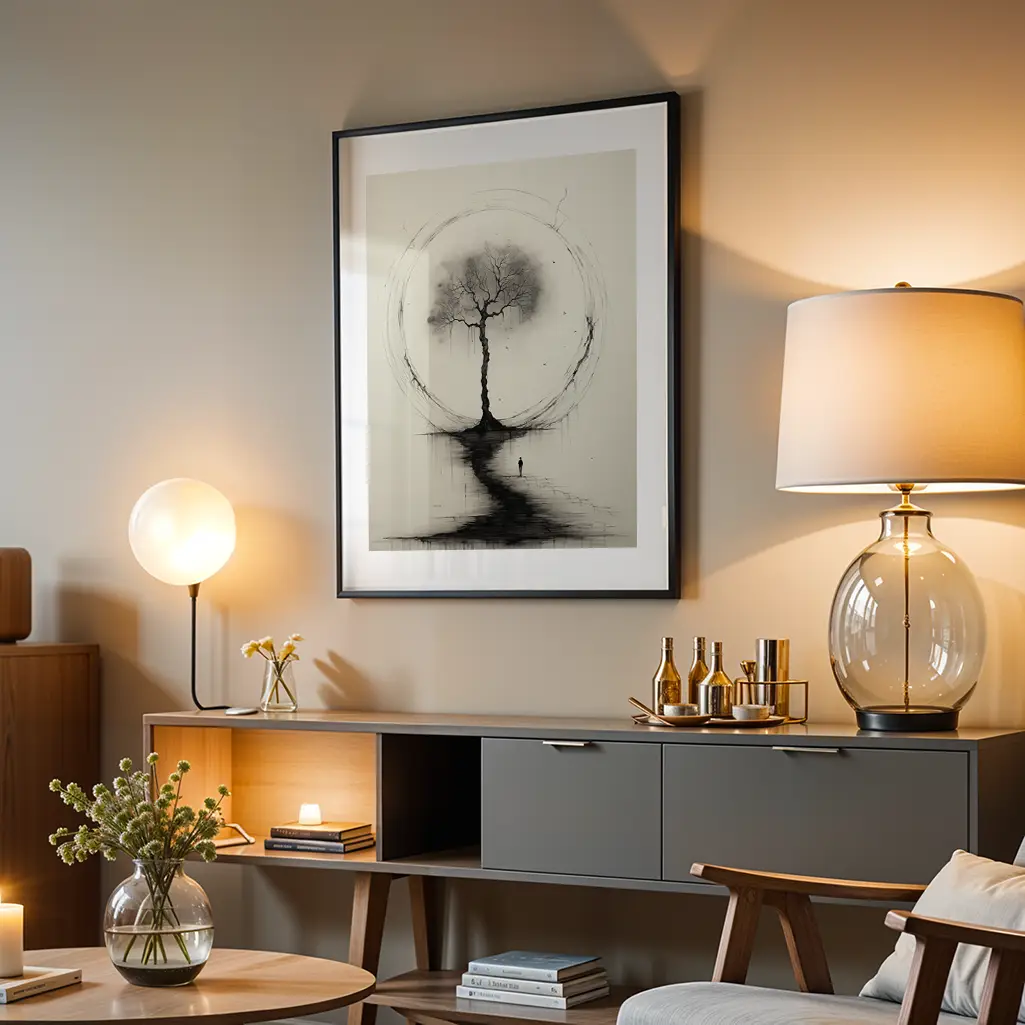
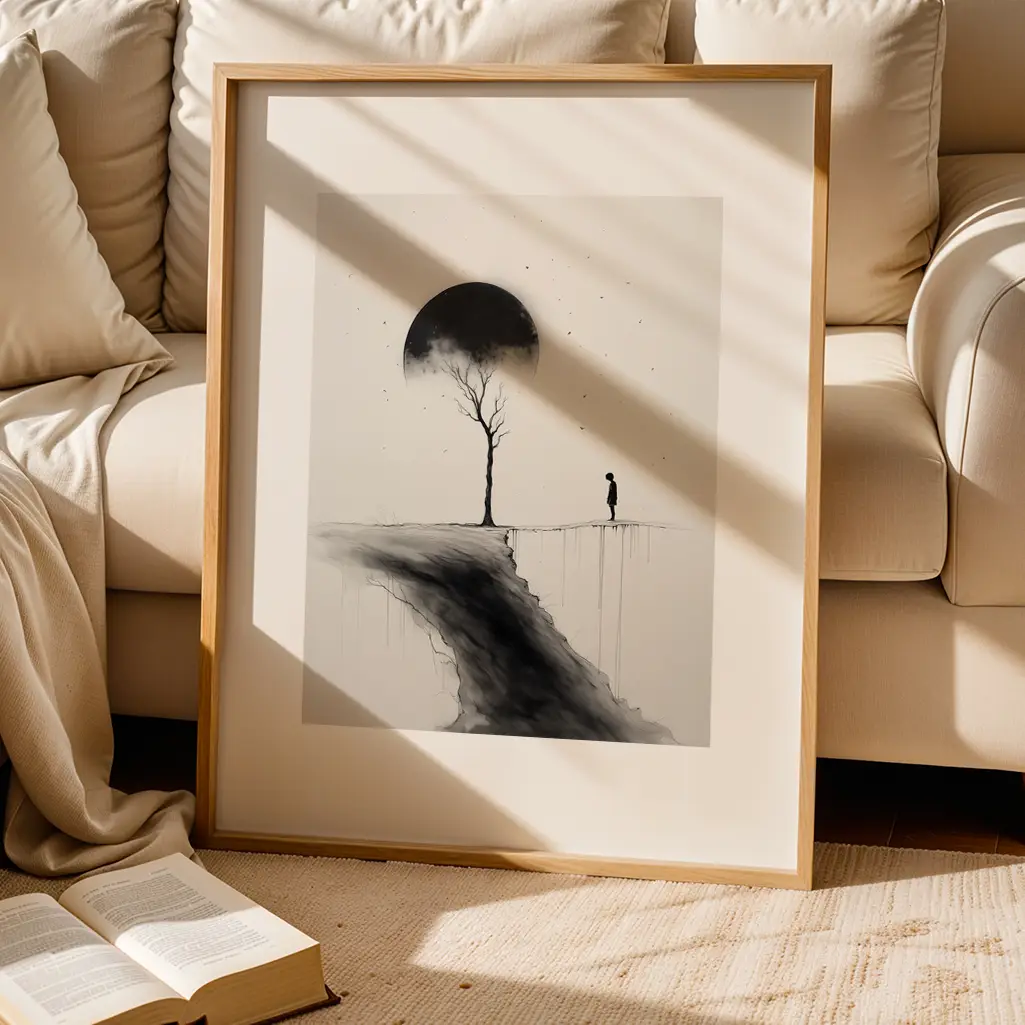
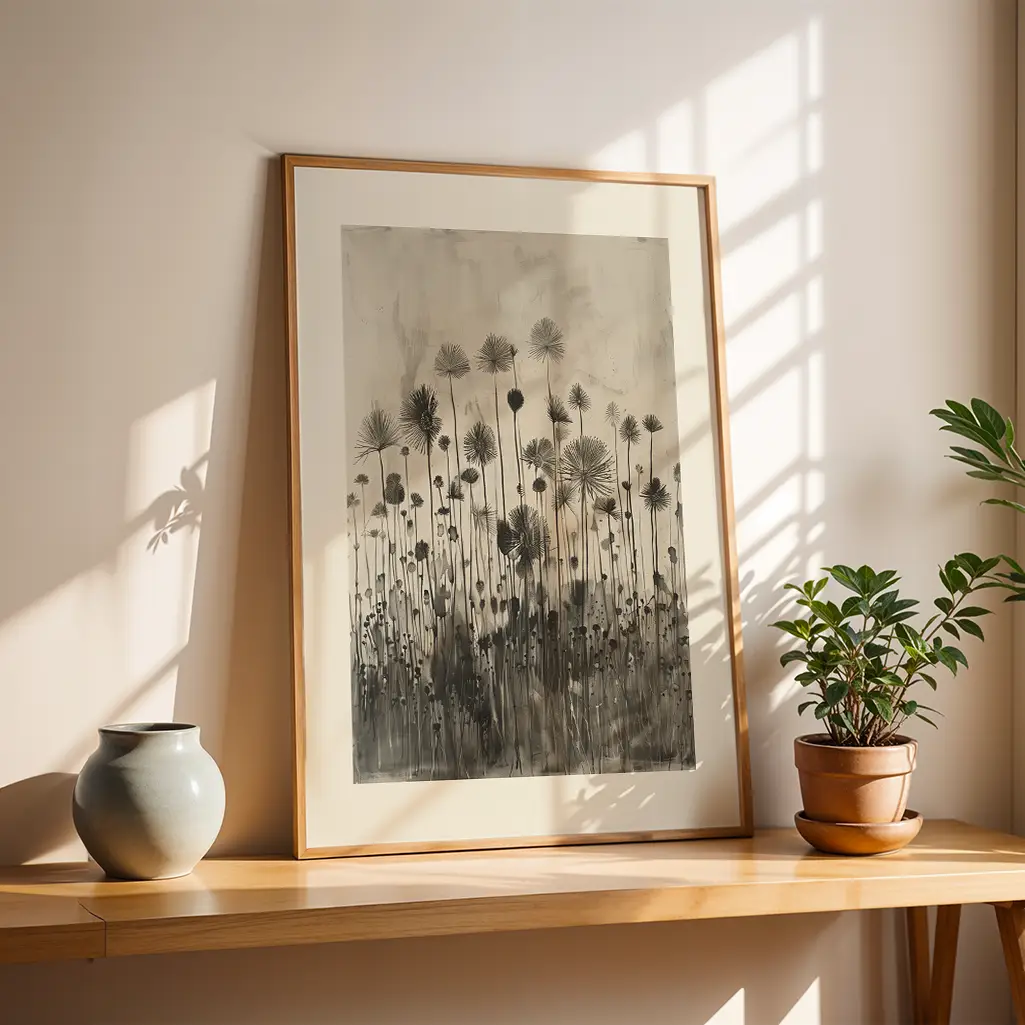
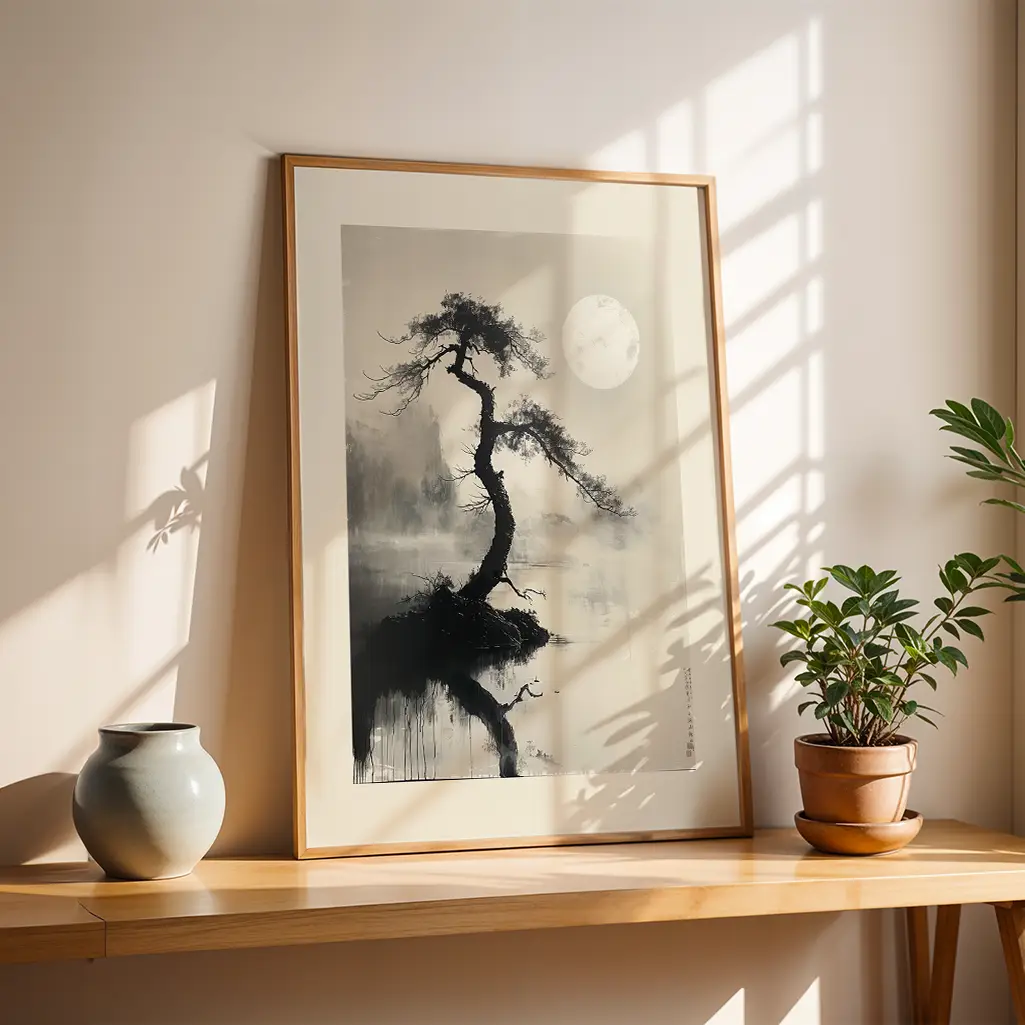
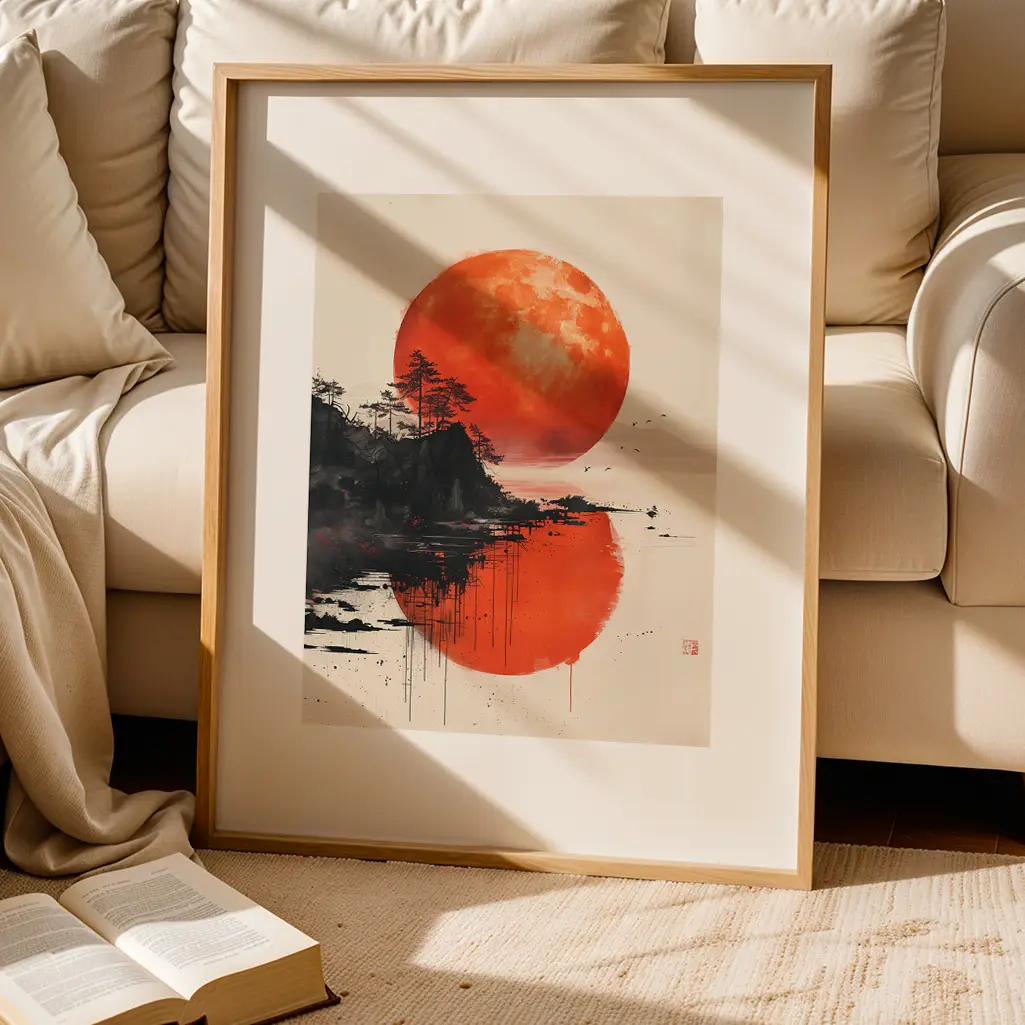
Personal objects matter here, but only in calibrated doses. A single framed photograph that makes you exhale can do more for the room than a gallery wall you stop seeing after a week. A favorite stone from a beach, a candle you light only in this room, or a piece of art that reflects how you want to feel rather than how you look all anchor the space in meaning. The question to keep asking is not whether an object is cute or impressive, but whether it makes your breathing easier.
Ultimately, making your bedroom feel like a sanctuary is an ongoing conversation between your inner life and your outer environment. As seasons and circumstances change, your needs from the room will shift as well. The most successful bedrooms are not frozen achievements but flexible companions, quietly adjusting as you do, always returning to the same promise: here, for a few hours, you do not have to perform. You only have to rest.