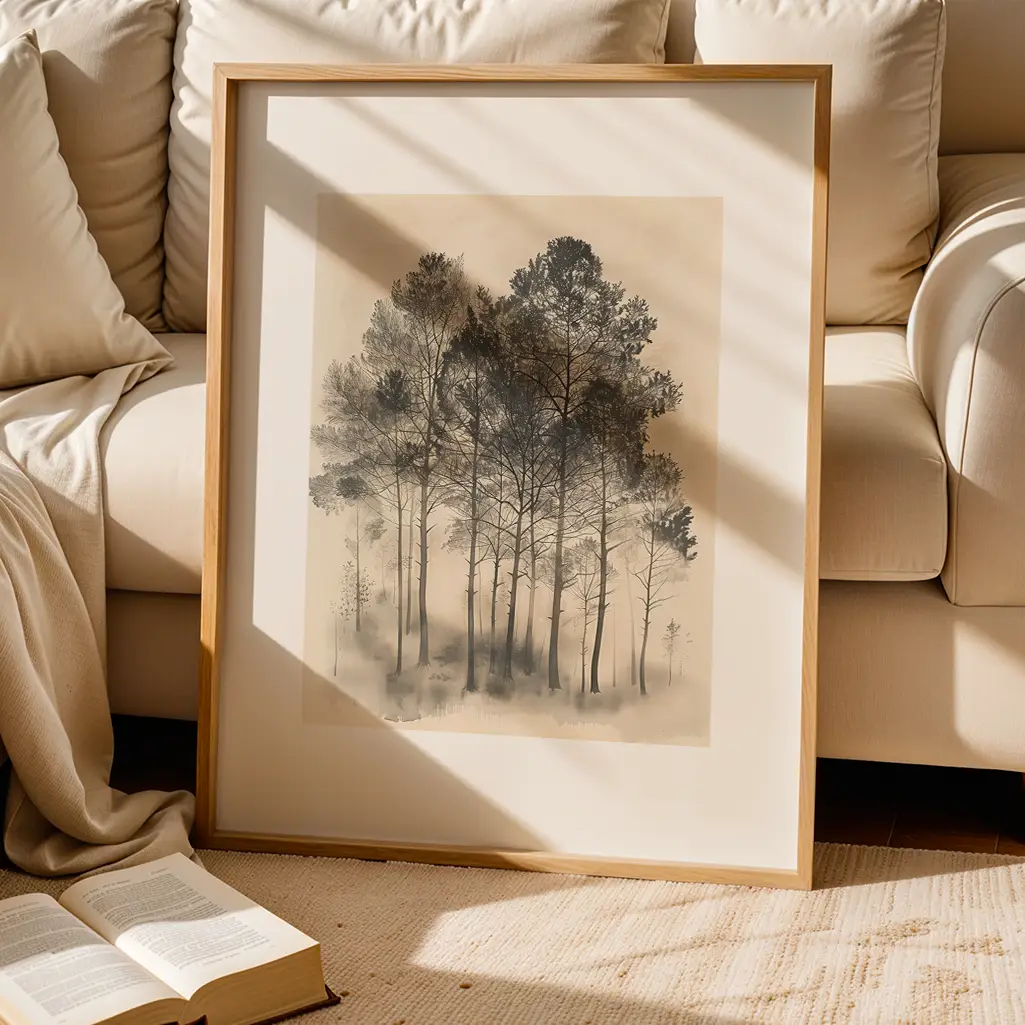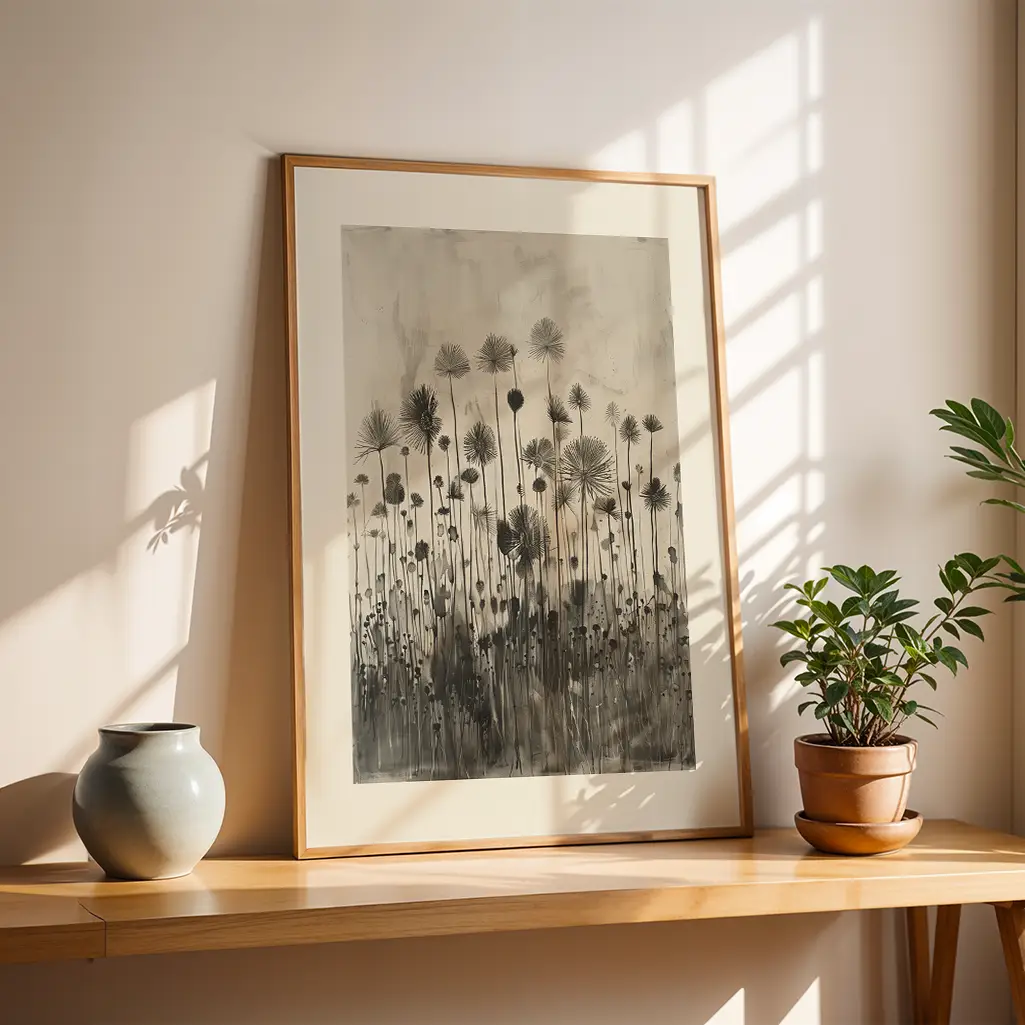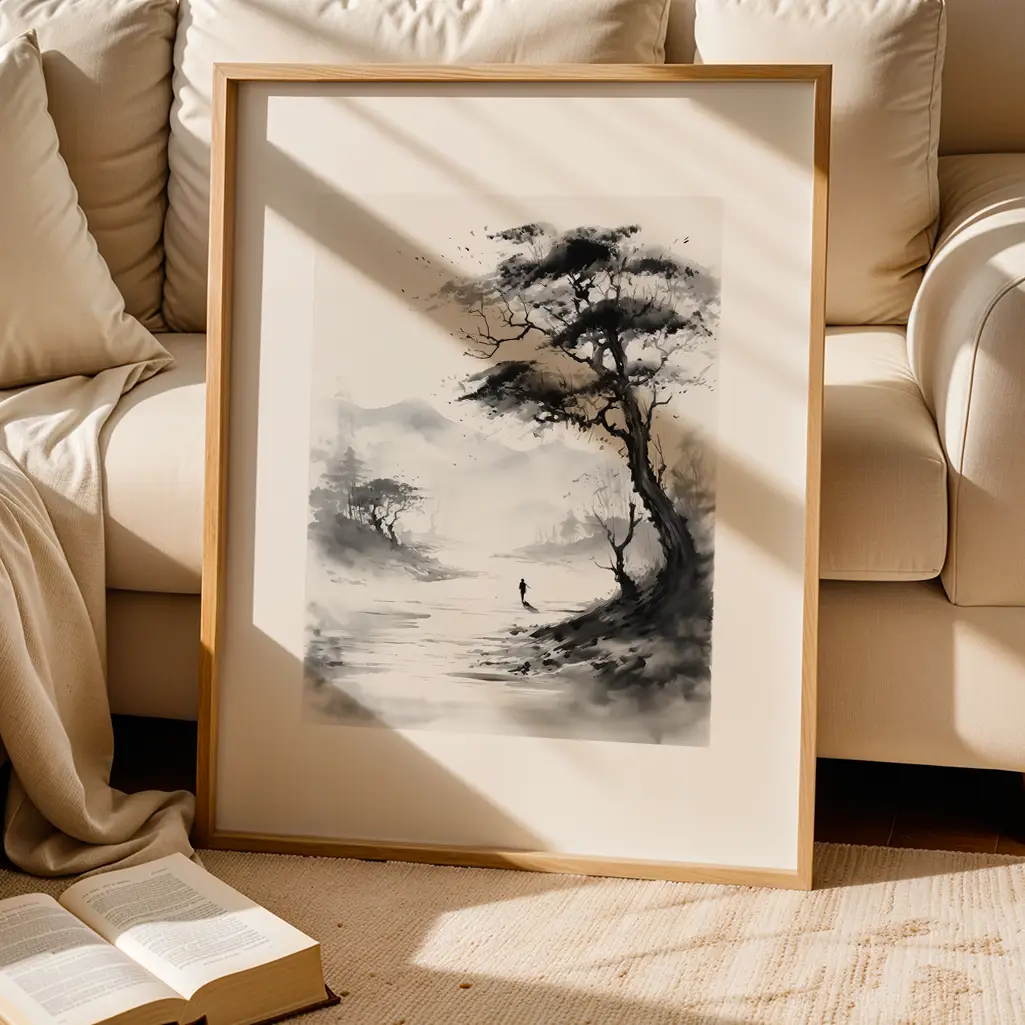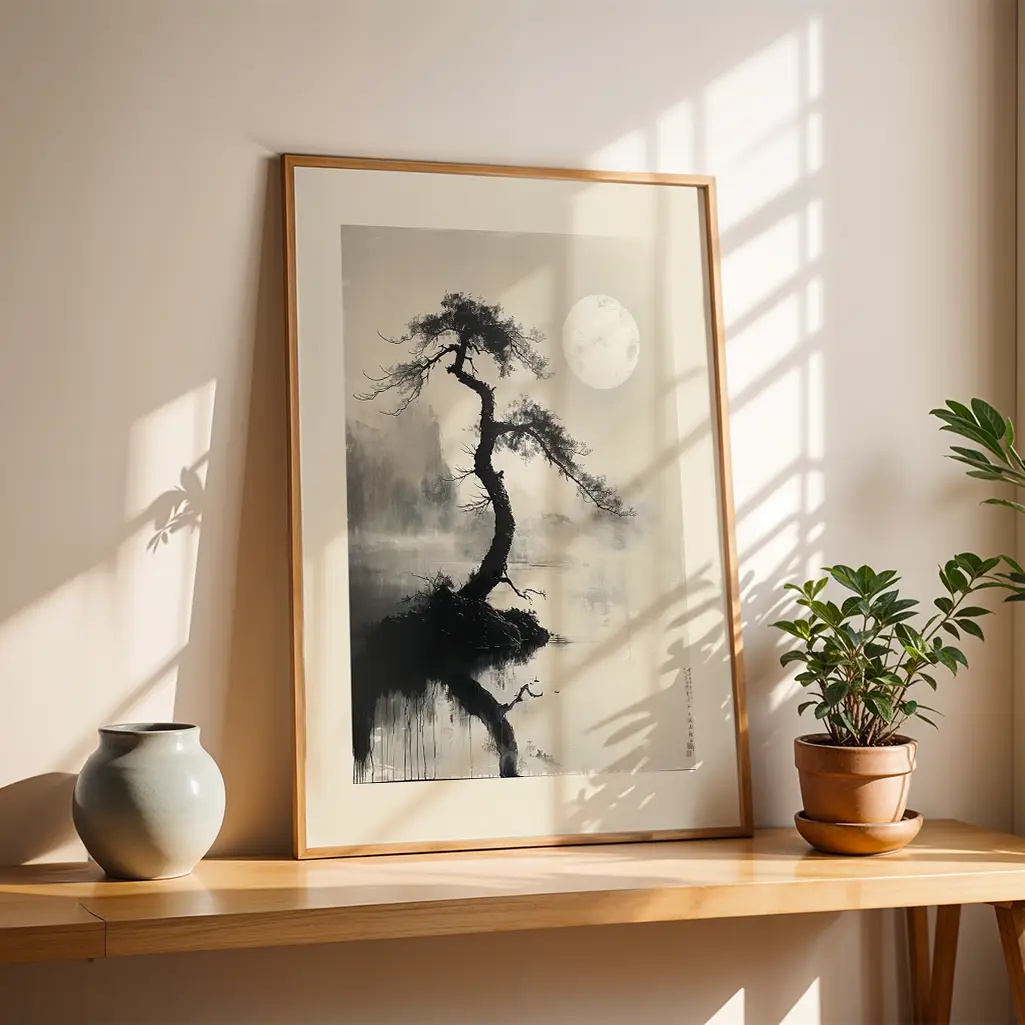
The Difference Between Eclectic and Chaotic
A mixed art wall can feel like a chorus or a shouting match. The pieces may all be beautiful on their own, yet when they gather on one wall, something goes off: the eye ricochets, the room feels smaller, and you suddenly understand why galleries are so spare. The line between eclectic and chaotic is thin, but it is not mysterious. It mostly comes down to how you manage three things: rhythm, hierarchy and repetition.When people say a wall looks “messy,” they are rarely talking about dust. They are registering that their eyes have nowhere to rest and no clear path to follow. In visual terms, the wall has no rhythm. Every piece demands equal attention, or none do. Calm, layered walls, by contrast, offer a sequence: your gaze lands on something, travels, pauses, and then discovers more. The same way a piece of music balances loud and quiet, your mixed art needs contrast in order to feel intentional.
Hierarchy is the quiet organizer behind this. In any grouping, one or two works should lead. They do not have to be the largest or most expensive; they simply need to anchor the composition. When there is no leader, everything competes. When one piece holds the center, the others can support it, echo it or gently argue with it without dissolving into clutter.
Then there is repetition, the designer’s version of a reassuring refrain. You can bring together a Renaissance portrait, a minimalist photograph and a bright abstract and have them coexist peacefully if they share a few threads: a color that reappears, a similar frame tone, a recurring subject like botanicals or architecture. These threads do not need to be obvious; they just need to be present enough that the brain can sense coherence. Without them, your wall becomes a collage of unrelated thoughts. With them, you have a conversation.
The point is not to make everything match. It is to give difference a framework. Once you understand that rhythm, hierarchy and repetition are the invisible grid behind harmonious variety, you can stop worrying about rules like “only black frames” or “all pieces must touch.” Instead, you start asking better questions: Where does my eye land first? Where does it go next? What, if anything, connects these works beyond the nail that holds them up?
Finding the Quiet Rules Behind Your Wall
Designing a mixed wall of art is less like solving a puzzle and more like editing a paragraph. You place a sentence, read it, then shift it until the meaning is clear. Walls work the same way. You are searching for a quiet set of rules that will hold many voices together without silencing their individuality.Begin with your anchor piece. This is the work you would keep if you had to give everything else away. Hang it closer to eye level than you think, and let it breathe. Notice its qualities with more precision than “I like it.” Is it mostly curved or mostly straight in its lines? Is the energy vertical, horizontal or diagonal? Is the mood introspective, playful, tense? These attributes become clues for what will sit comfortably nearby.
Now consider scale and weight. Large, dark works feel visually heavier; small, pale ones feel lighter. Mixing styles successfully often means balancing these weights so one side of a wall does not feel like it is tipping over. A tiny pen drawing can sit next to a bold canvas if you pair the drawing with a generous mat or frame, giving it more visual presence. You are adjusting volume, in a sense, so that no piece shouts purely because of its size.
Color is the most forgiving and the most powerful unifier you have. Look for a hue that appears in multiple works, even faintly. It might be a recurring deep blue, a warm ochre, or simply the soft white of the paper itself. By letting that color appear at several points across your arrangement, you create a rhythm the eye recognizes. This is where different genres suddenly feel related: a graphic print and a landscape can speak to each other if they share that same thread of blue running quietly through them.
Frames and edges are another subtle rule. You do not need uniform frames, but you do want a sense that they belong to the same world. One way is to stay within a family: all woods, all metals, or all painted surfaces, even if the profiles differ. Another is to vary frame styles while keeping the spacing between works consistently narrow or consistently generous. Spacing, in fact, is an underused tool. Tighter gaps create a sense of collage and energy; wider gaps feel calm and gallery-like. You can mix many art styles and still avoid visual noise simply by choosing one spacing language and sticking to it across a wall.
Finally, think about subject matter as atmosphere. A whimsical illustration directly next to a somber portrait can be delightful, but if every work is emotionally loud in a different direction, the room will feel restless. Ask what mood you want the room to hold when no one is talking. Then let that mood be the quiet filter as you decide which pieces earn a place together and which belong elsewhere in the home.
Letting Your Collection Evolve with Intention
A mixed-style collection is not a problem to be solved once; it is a living part of your home. The most inviting spaces treat art as something that can move, rotate and respond to the seasons of your life. Knowing that, you can be both bolder and gentler with your choices.One helpful approach is to think in zones rather than in a single, fixed gallery wall. Perhaps one corner of your living room holds quieter, monochrome works that calm the eye after a long day, while the hallway becomes a corridor of visual experiments, where color and eccentricity are welcome. By assigning each zone a loose role, you give yourself permission to collect widely while still protecting the overall coherence of the home.
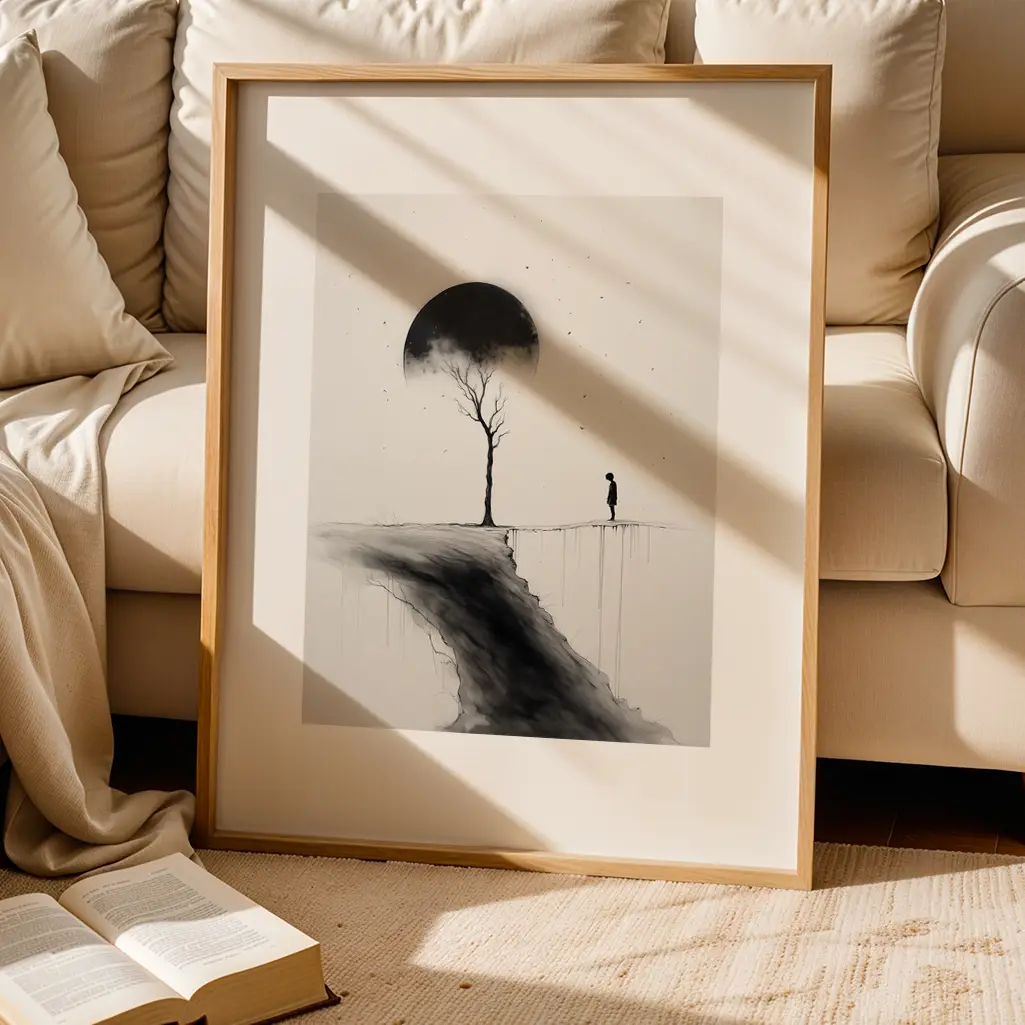
When you bring a new piece in, resist the urge to hang it immediately in the most obvious empty space. Instead, lean it against a wall or place it on a console for a few days. Notice how it behaves with what is already there. Does it amplify a color that felt timid before? Does it compete with an anchor work that now seems diminished? This pause is not about overthinking; it is about letting the room tell you what it wants more of and what it has enough of already.
Editing is as important as acquiring. Every so often, stand in the doorway and look at a wall the way a guest might, seeing it fresh. If one piece feels like an interruption rather than an intriguing twist, consider moving it. Removing a single work can suddenly let others harmonize. The goal is not perfection; it is a sense of ease when you walk into the room, the feeling that the art is in conversation rather than in conflict.
In the end, mixing art styles gracefully is less about memorizing design rules and more about cultivating attention. When you learn to notice rhythm, hierarchy and repetition, your walls become less intimidating. You start trusting your own eye, recognizing when something feels off and knowing you have the tools to tune it. Your home begins to read like a thoughtfully edited book of images: varied in voice, rich in story, and unmistakably, quietly, yours.