When Your Eyes Can’t Rest, Your Mind Can’t Either
Visual noise is the physical clutter, competing colors and scattered objects that keep your eyes scanning instead of settling. It’s the open shelving layered with mismatched mugs, the tangle of cords beneath the television, the gallery wall that somehow grew into a collage of things you stopped seeing months ago.Your brain is wired to notice contrast and novelty. Each object, label and pattern is a tiny request for attention. One or two are fine; hundreds, layered across a room, create a constant low hum of stimulus. You may call it feeling “on edge” at home without knowing why. That unease can show up as low-grade fatigue, irritability or the sense that your to-do list is endless even when you are sitting still.
Reducing visual noise is not about living in a perfect, beige box or policing your belongings. It is an exercise in editing what the eye encounters first, so that the mind has a chance to exhale. Think of it as turning down the volume, not muting the track entirely. You are looking for a home that feels more like a steady breath than a breaking news alert.
One useful way to see visual noise is to look for what designers sometimes call visual friction. Anywhere your gaze stutters or jumps is a place to investigate. A busy refrigerator door can pull focus from a calm dining area. A pile of shoes at the entry makes returning home feel like a chore before you have even taken off your coat. In each case, the problem is less moral than mechanical. Too many competing signals crowd the same visual field.
Begin by taking photographs of a room from your normal vantage points: sitting on the sofa, standing in the kitchen doorway, lying in bed. Photos flatten the space and make noisy zones painfully obvious. You might notice a line of half-used products along a bathroom counter, or a bookcase whose every inch is filled edge to edge. These are not failures; they are invitations to edit.
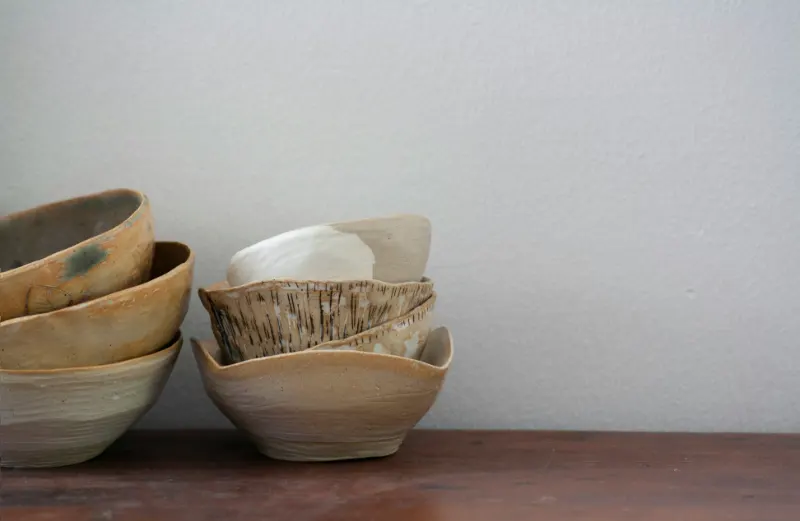
Editing does not mean you abandon personality. The ceramic bowl from your grandmother, the painting your friend made, the stack of novels you are genuinely reading right now all deserve their moment. The goal is to make them legible. When they are surrounded by visual static, their emotional resonance is diluted. Clearing the field around them allows them to carry more of the room’s story with less effort on your part.
Designing Quieter Rooms Without Erasing Yourself
Once you see where visual noise gathers, you can soften it through a series of small design decisions that interact like a quiet conversation. Start with surfaces. Countertops, coffee tables, nightstands and dressers tend to become landing pads for everything that does not yet have a home. The fix is twofold: reduce what lives there permanently and create contained zones for what must remain.Instead of lining up every spice jar beside the stove, corral your most-used ones in a simple tray or low basket. The tray becomes one visual unit instead of a dozen small interruptions, and your brain can categorize it quickly and move on. In the living room, a single ceramic bowl for remotes, chargers and lip balm reads as an intentional object, not a scattering of minor obligations.
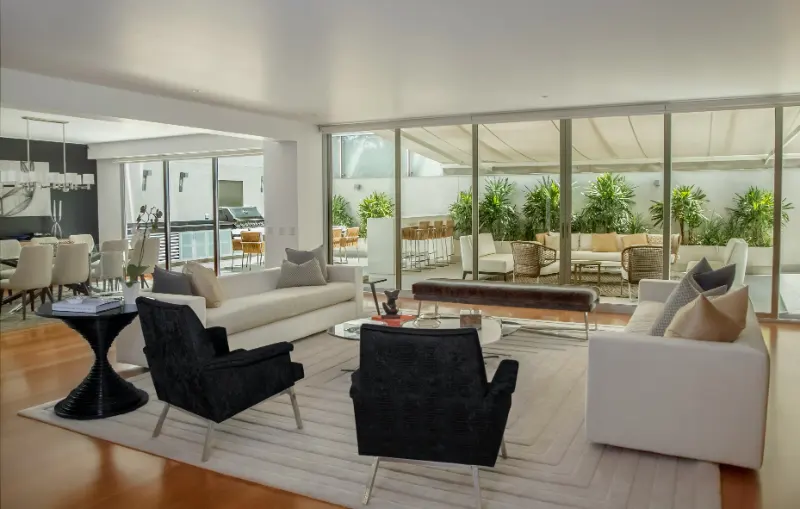
Color and pattern are another powerful lever. A room draped in unrelated hues and intricate prints asks your eyes to recalibrate every few inches. You do not need to commit to a rigid palette, but choosing a limited family of colors and repeating them helps the space feel coherent. A sofa, rug and curtains that share a base tone can patiently hold a bolder piece of art without letting it erupt into chaos.
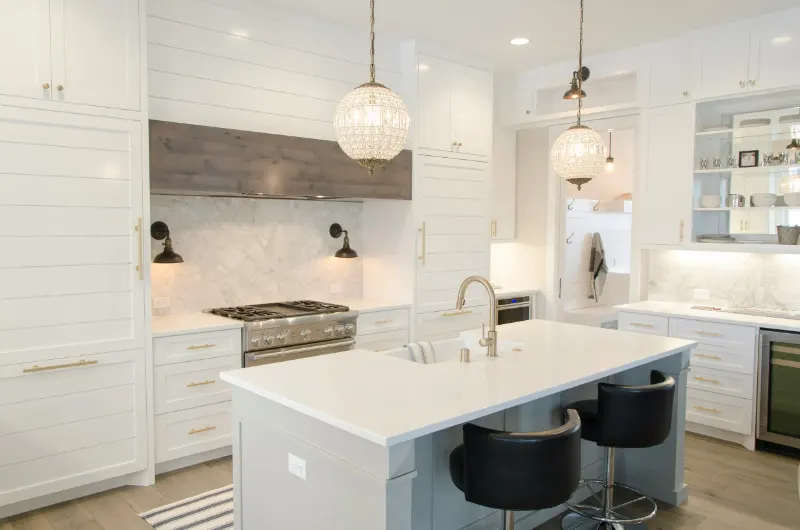
The same principle applies to storage. Closed doors and drawers are allies in reducing visual noise, not enemies of honesty. A calm row of cabinet fronts reads as one shape; open shelving packed with toiletries or pantry goods reads as dozens. Where you cannot add new storage, disguise the variety. Matching baskets on an open shelf, identical glass jars for dry goods, or simple boxes for children’s toys quiet the scene even if the contents are wildly eclectic.
Line and sightline matter as much as color. When furniture is slightly askew or every piece is a different height, the eye zigzags and keeps searching. Aligning the tops of frames on a wall, keeping the backs of dining chairs roughly level, and leaving intentional gaps between furniture and walls help create a rhythm that feels both orderly and breathable. Empty space is not wasted; it is the pause that gives shape to everything else.
Light plays its own role. Harsh overhead lighting can make even a tidy room feel interrogated, amplifying every object. Softer, layered lighting lets the eye settle into pools of focus and pockets of shadow. A table lamp by the sofa, a small fixture over the kitchen counter, a warm bedside lamp: each one invites attention to a particular zone while gently letting the rest recede.
Making Peace a Daily Design Practice
Reducing visual noise is less a weekend project than a quiet habit, like rinsing your coffee cup or opening a window in the morning. Once you have softened the loudest areas, the work shifts to maintenance through small daily gestures. A two-minute reset at night, returning items to their trays and baskets, protects the calm you created without demanding perfection.It can help to choose one sightline that matters most, perhaps the view you see when you first enter your home or the angle from your favorite chair. Decide what belongs within that frame and what does not. If shoes and mail always gather near the door, offer them a dignified landing place that feels like part of the design: a bench with a drawer, a lidded box for envelopes, a single hook for the bag you actually carry.
There is also a psychological piece. Many of us hold onto objects out of guilt or vague obligation, and they become a kind of visual background noise of unfinished decisions. Setting aside time to address a single category at a time, like mugs or throw pillows, is easier than confronting your entire home. Ask what still feels alive and what belongs to an earlier version of you. Letting a few things go often does more for visual clarity than any new purchase ever could.
As you pare back, be attentive to how your body responds. Notice whether your shoulders drop a bit when you walk into a clearer room, whether you breathe differently when your bedside table holds only what you need for sleep and waking. This feedback is the most reliable design tool you have. The goal is not a magazine-ready interior but a home that reliably returns you to yourself.
Over time, you may find that your rooms begin to ask gentler questions. Instead of constant visual reminders of undone tasks, you are greeted by a few chosen objects, some open space and light you can actually see. In that quiet, you have room to think, to rest, to notice the people and activities that matter. Reducing visual noise is not an aesthetic trend; it is a way of giving your attention back to your own life, one cleared surface and softened sightline at a time.