Rethink the Bones of the Room
Refreshing a room without buying new furniture begins with seeing what you already own as if you have never lived with it before. This is both a design exercise and a mental reset. Instead of asking what is missing, ask what is not yet working hard enough. The goal is to reassign duties, adjust proportions and allow empty space to carry as much weight as any object.
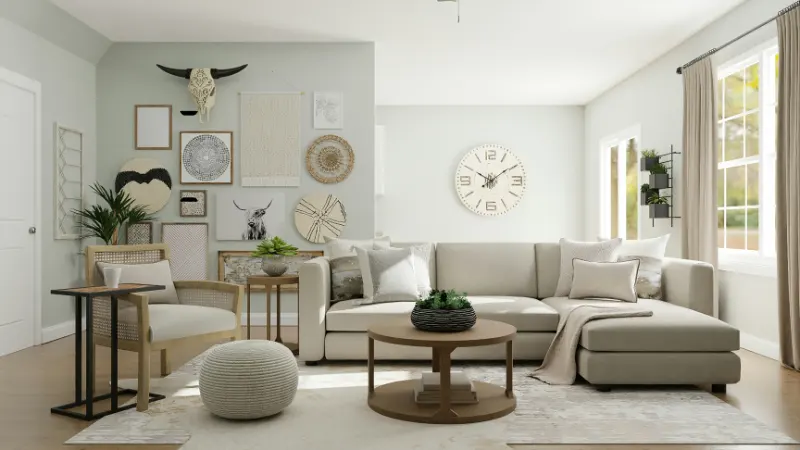
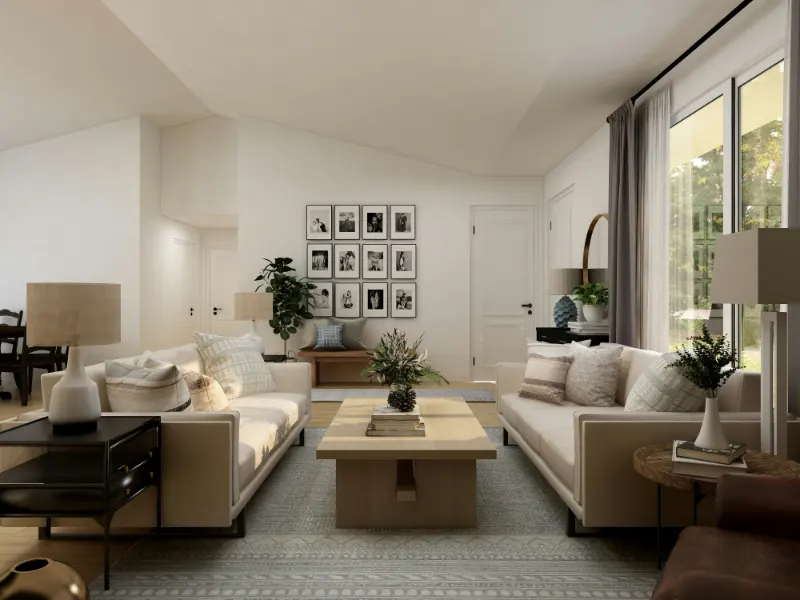
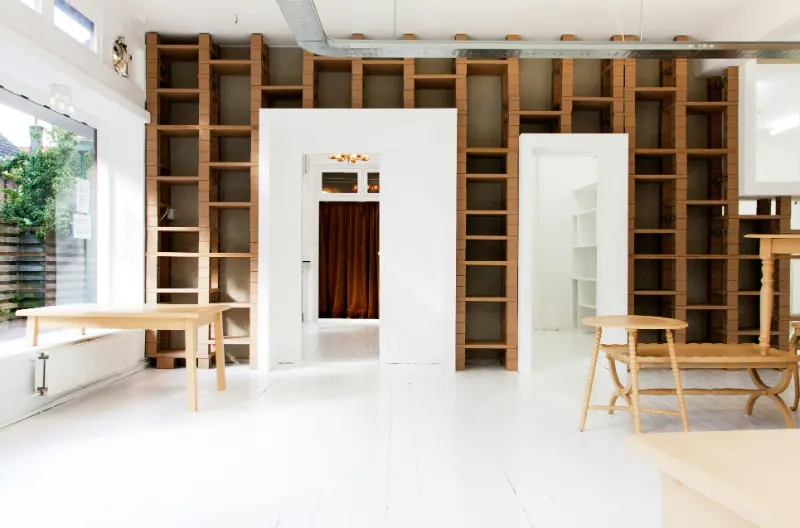
Start with the layout. Most rooms default to a familiar pattern: sofa against the longest wall, bed centered, chairs pushed to the edges. Step back and rewrite those assumptions. Slide the sofa a foot away from the wall to introduce a line of breathing space behind it. Angle a chair that has always faced the television so it now faces a window or a conversation partner. Pull the bed slightly off center to align with a view or a shaft of morning light instead of the architectural middle of the wall.
Think in terms of zones rather than furniture pieces. Ask where in the room you naturally reach for your coffee, where you like to read, where you tend to drop your bag. Then rearrange to support those rituals. A small side table relocated next to the brightest chair can transform a forgotten corner into a reading nook. A bench that once lived at the end of the bed might become a low, quiet divider between a living area and a work corner, visually separating functions without adding clutter.
Scale is the next lever. Many rooms feel tired because the visual weight of the furniture is unbalanced. If everything heavy is on one side, the room slants energetically in that direction. Trade places between large and small pieces. Move the tall bookcase from the window wall to the bare wall that feels flat and underpowered. Let a low dresser live beneath art that previously floated high and lonely. Even rotating a rug ninety degrees can subtly adjust the proportions of the space, making it feel longer, wider or more grounded.
Finally, edit. A refresh is as much about subtraction as it is about movement. Remove one piece that has always been there but never truly earned its footprint. Take out the extra chair that blocks the natural path, or the side table that only holds old mail. Live with that small absence for a day or two. The air where something used to be will often feel like a new feature, a zone of rest for the eye and the body.
Use Light, Color and Texture as Your Real Furniture
Once the bones are reconsidered, turn to the more subtle tools that quietly define mood. Without new furniture, light, color and texture become your most powerful instruments. They are also the least expensive to alter, because they mostly require rearranging what you already own and paying closer attention to timing and perception.
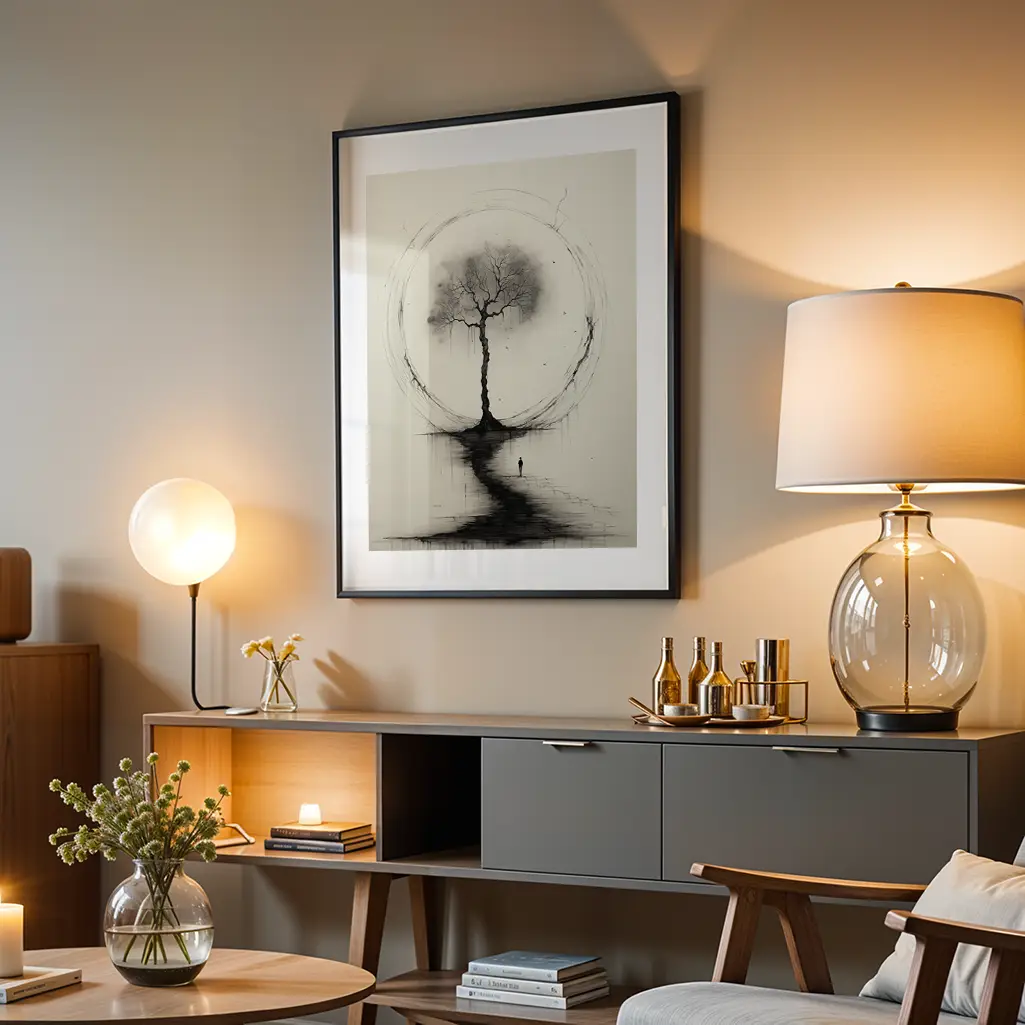
Begin with light. Walk through the room at three different times of day and notice where light lands and where it fails to reach. Shift lamps, not just for utility but for rhythm. Place a lamp where daylight fades in late afternoon to create a gentle handoff between natural and artificial illumination. Swap shades between lamps if you have them; a whiter shade can clarify a dim corner, while a darker or textured shade can soften glare where you want calm. If a single overhead fixture flattens everything, rely on it less. Create a constellation instead: a floor lamp near seating, a task lamp by the desk, a small lamp on a credenza. This layering of low, mid and high light mimics the complexity of daylight and instantly makes the room feel more considered.
Color does not require a paintbrush to shift. Look at everything soft in the room: throws, cushions, bedding, curtains, even the spines of books. Gather items of similar tone from other parts of your home and test what happens when they live together. A sofa dressed with two or three cushions borrowed from a bedroom can read as almost new. A neutral room can gain warmth from a single concentrated pocket of color, such as a stack of terracotta books with a clay pot on top. Conversely, a room that feels overly busy might benefit from grouping similar colors and removing one contrasting accent altogether, allowing the remaining hues to harmonize.
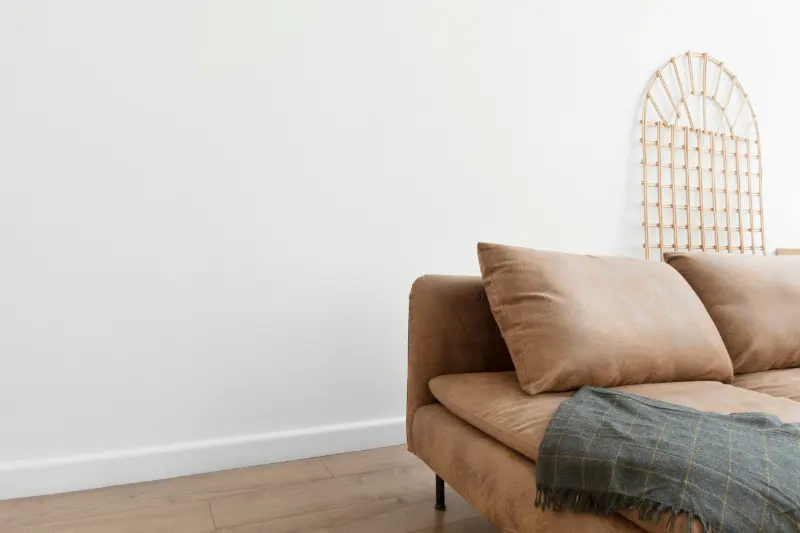
Texture is where quiet luxury hides. You do not need more objects; you need more sensory contrast. Fold a woven blanket at the foot of an otherwise flat duvet. Trade the locations of a slick metal tray and a rough wooden bowl. Place a plant near something hard and angular so their shapes speak to each other. If you have an old scarf, consider draping it along the back of a chair to soften its silhouette. These shifts are minor but cumulative. A room refreshed through texture feels more touchable, more human, as if it has loosened its shoulders.
Curate Surfaces and Views Like a Gallery
The final layer of a no new furniture refresh is curation. Most surfaces slowly accumulate objects that were never meant to live together. To refresh the room, you are not decorating so much as editing the story the room is telling about you and your days.
Choose one surface at a time: a coffee table, a dresser top, a sideboard. Clear it completely. Then return items with intention. Think in triads of height, not in themed sets. A tall item, a medium one, and a low one often feel stable together, especially when they share a tone or material. A stack of books can raise a small object to meet the eye. A single framed photograph placed slightly off center can feel more intimate than a tight row of many.
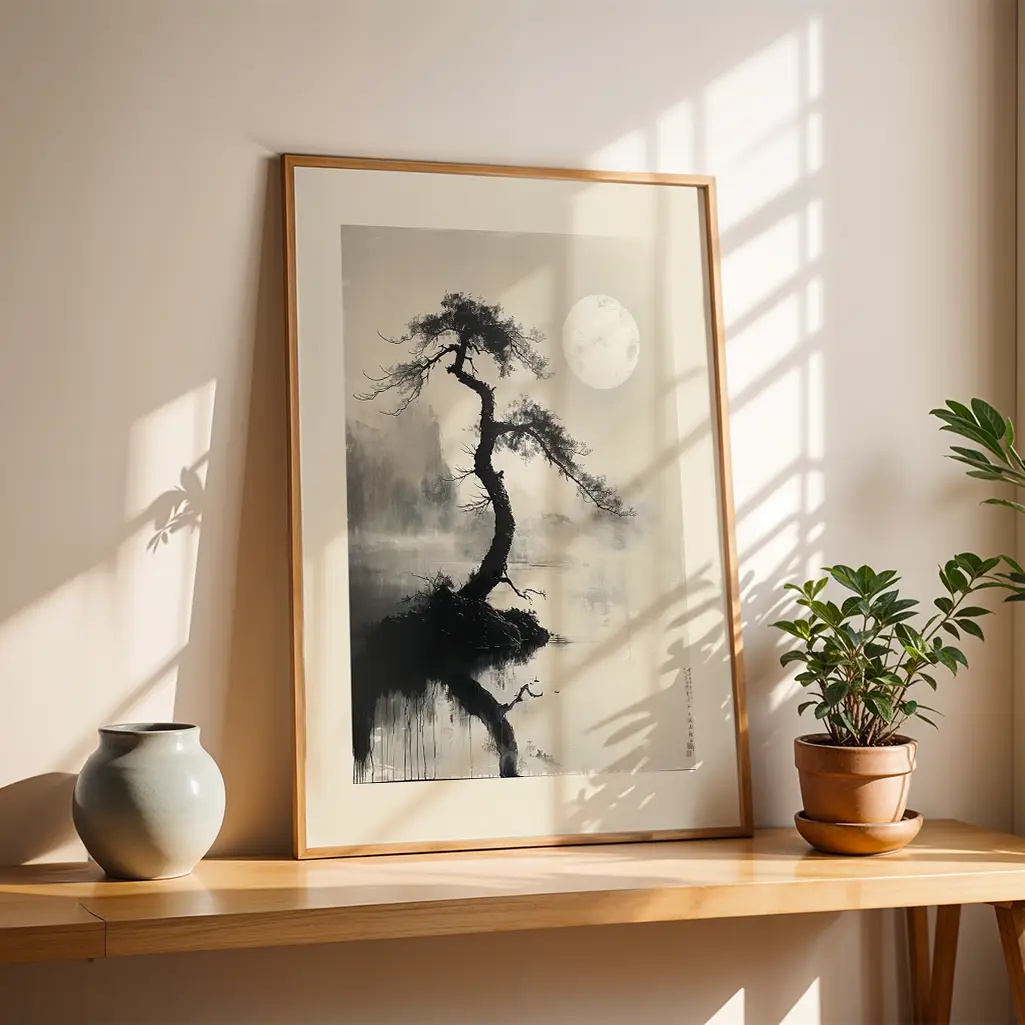
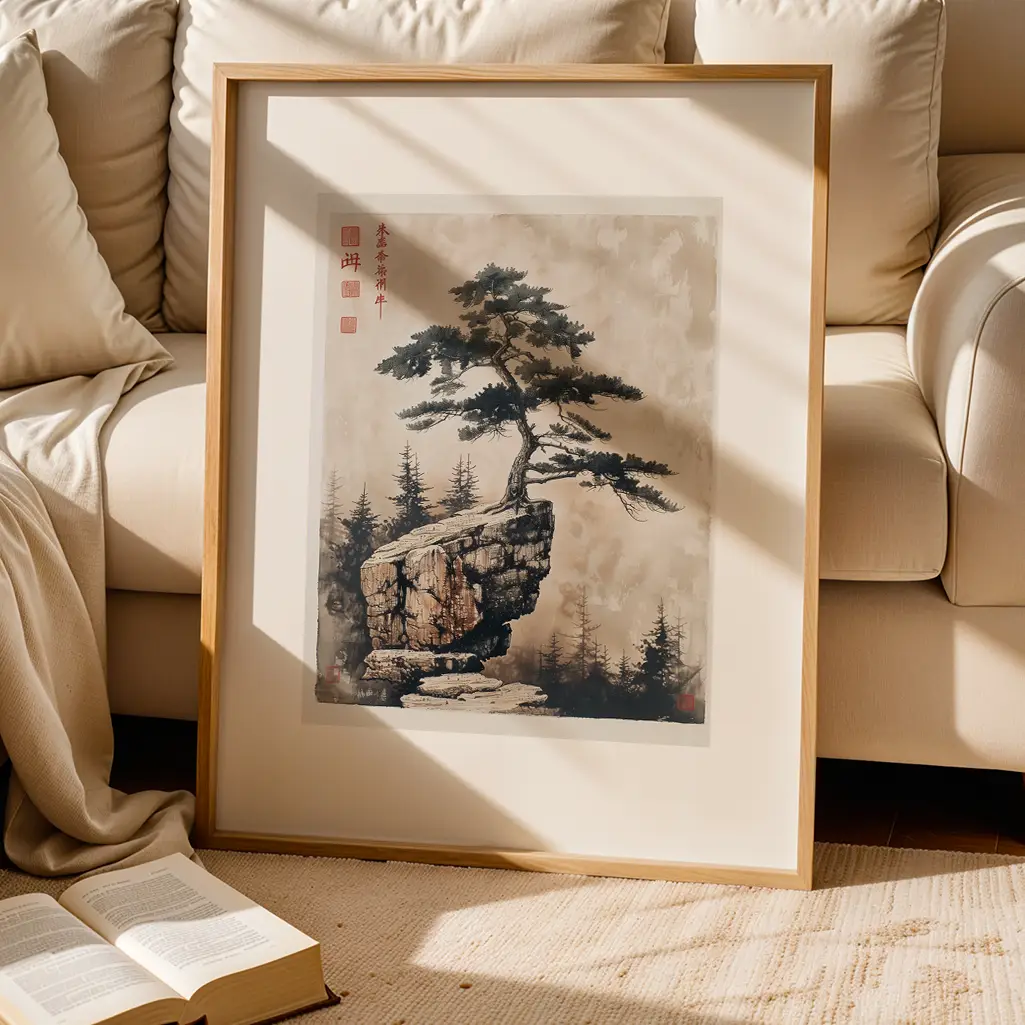
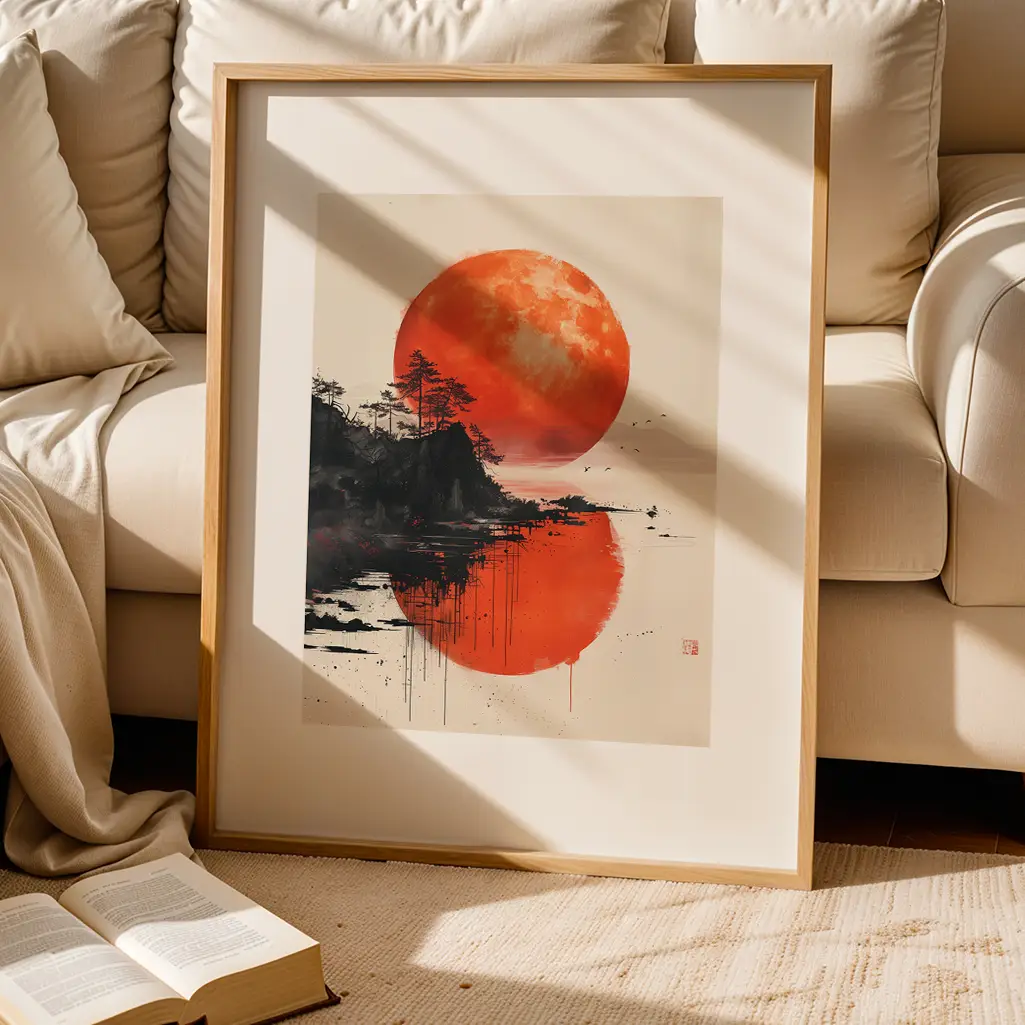
Apply the same principle to walls. You may not be buying new art, but you can change the context of what you own. Consider rehanging a favorite piece lower than you think, closer to the top of a chair or sofa, so the artwork participates in the seating area instead of floating above it. Swap pieces between rooms so you see old images with fresh eyes. A mirror borrowed from an entry hall might transform a dim corner, bouncing light and creating the subtle illusion of more space without adding a single object.
Finally, pay attention to what you see first when you enter the room and what you see last when you leave. Those two views determine much of your emotional impression. Stand in the doorway and note the focal point. If it is a tangle of cords or the back of a chair, adjust until you are greeted by something calmer: perhaps a plant, a piece of art or a softly lit lamp. Then stand at your usual resting place, maybe the sofa or the bed, and look toward the exit. Simplify what meets your eyes there. Even placing a single, well chosen object on a console near the door can act as a visual period at the end of the room’s sentence.
Refreshing a room without buying new furniture is essentially an exercise in attention. You are rearranging not only objects but habits, guiding your own gaze and movement toward ease. When the layout serves your rituals, when light follows you from hour to hour, and when surfaces speak in a quieter, more coherent voice, the room will feel renewed. Nothing is new, and yet everything is different.