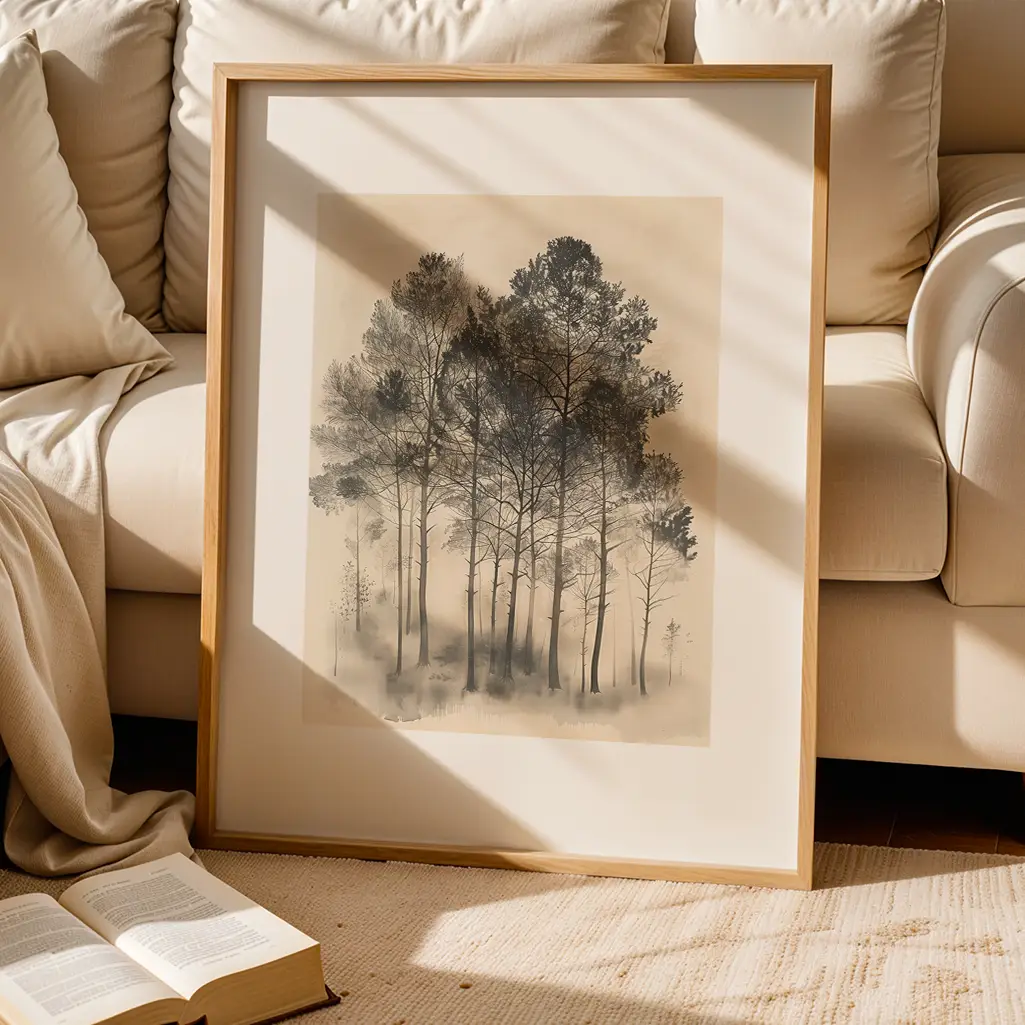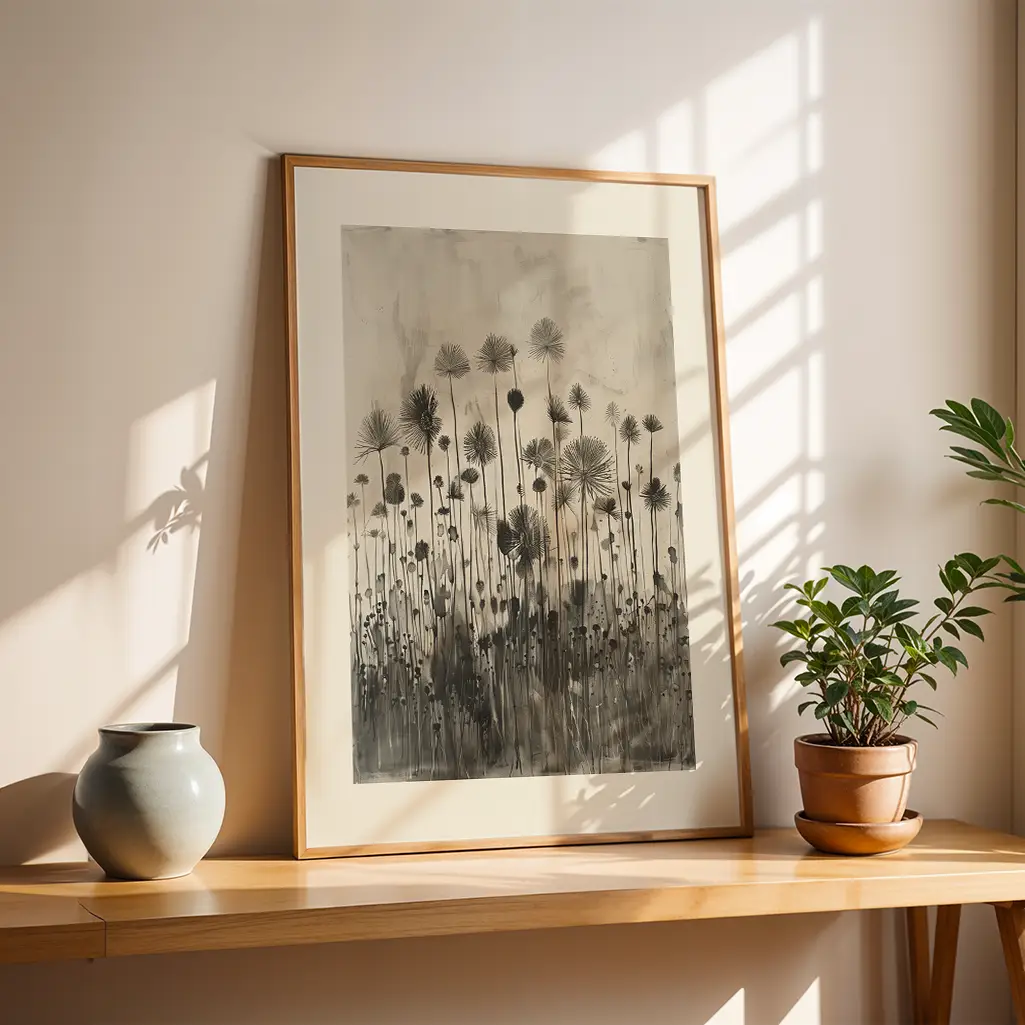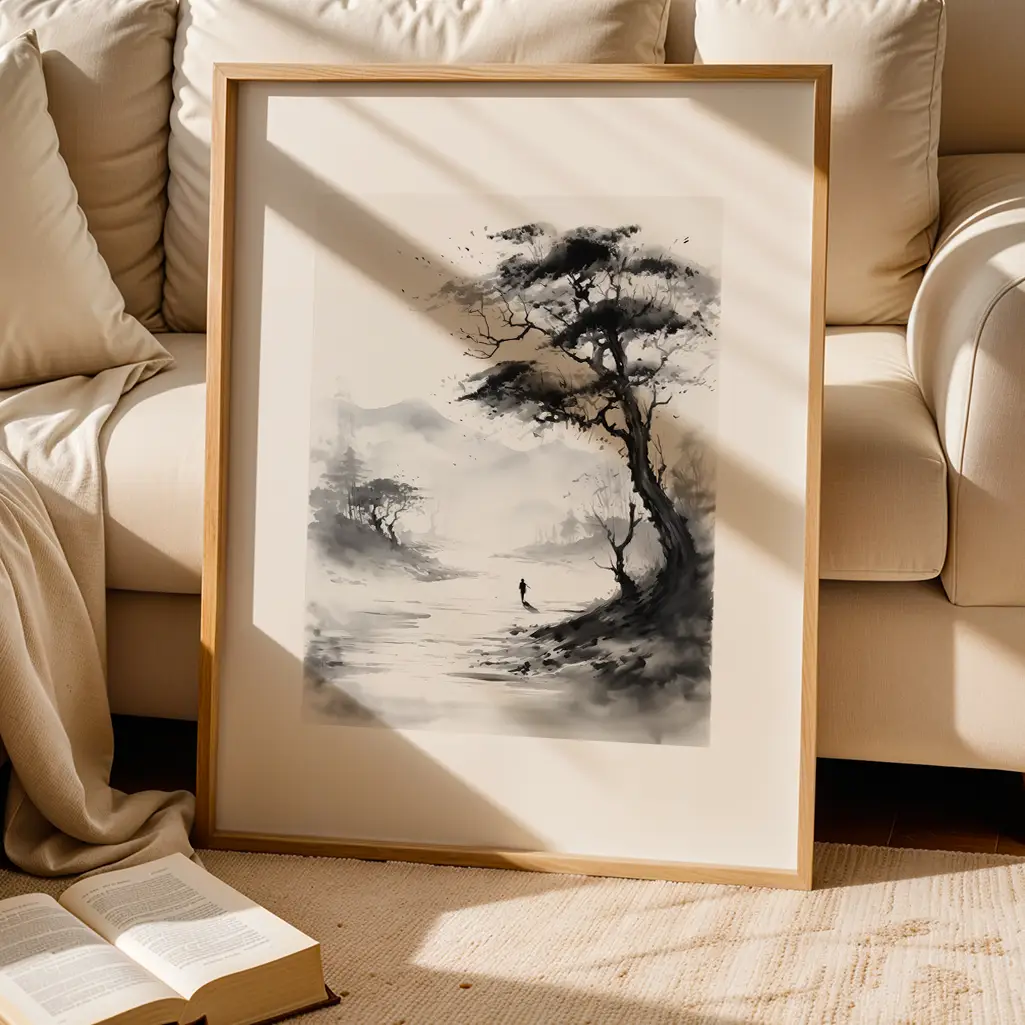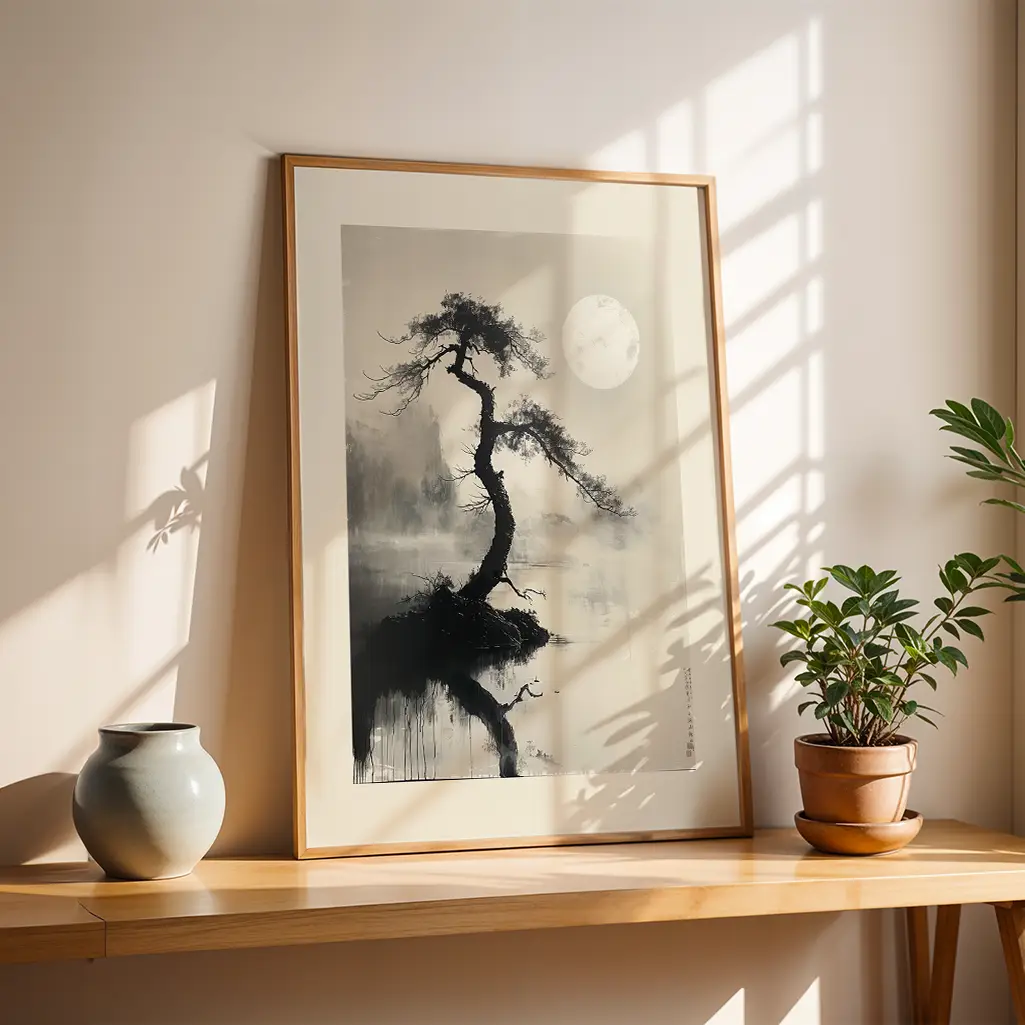
The quiet power of a fireplace focal point
Styling art above a fireplace can feel strangely high stakes. The space is small, but the visual impact is oversized, a kind of stage set for the room. The eye goes there first, then everything else organizes itself in response. When the art is too tiny, the mantel looks timid. When it is too grand, the room can feel overruled. Finding the right balance is less about rules than about understanding how our eyes read proportion, rhythm and visual weight.
Begin with the relationship between the fireplace opening, the surround and the wall plane. The art above should feel connected to this architectural composition rather than hovering independently. Designers often aim for a piece that is roughly two thirds to three quarters the width of the mantel, but that proportion only matters because it keeps the artwork in dialogue with the architecture below. The goal is a sense of conversation: the firebox as the grounded, earthly element, the art above as the reflective, more atmospheric one.
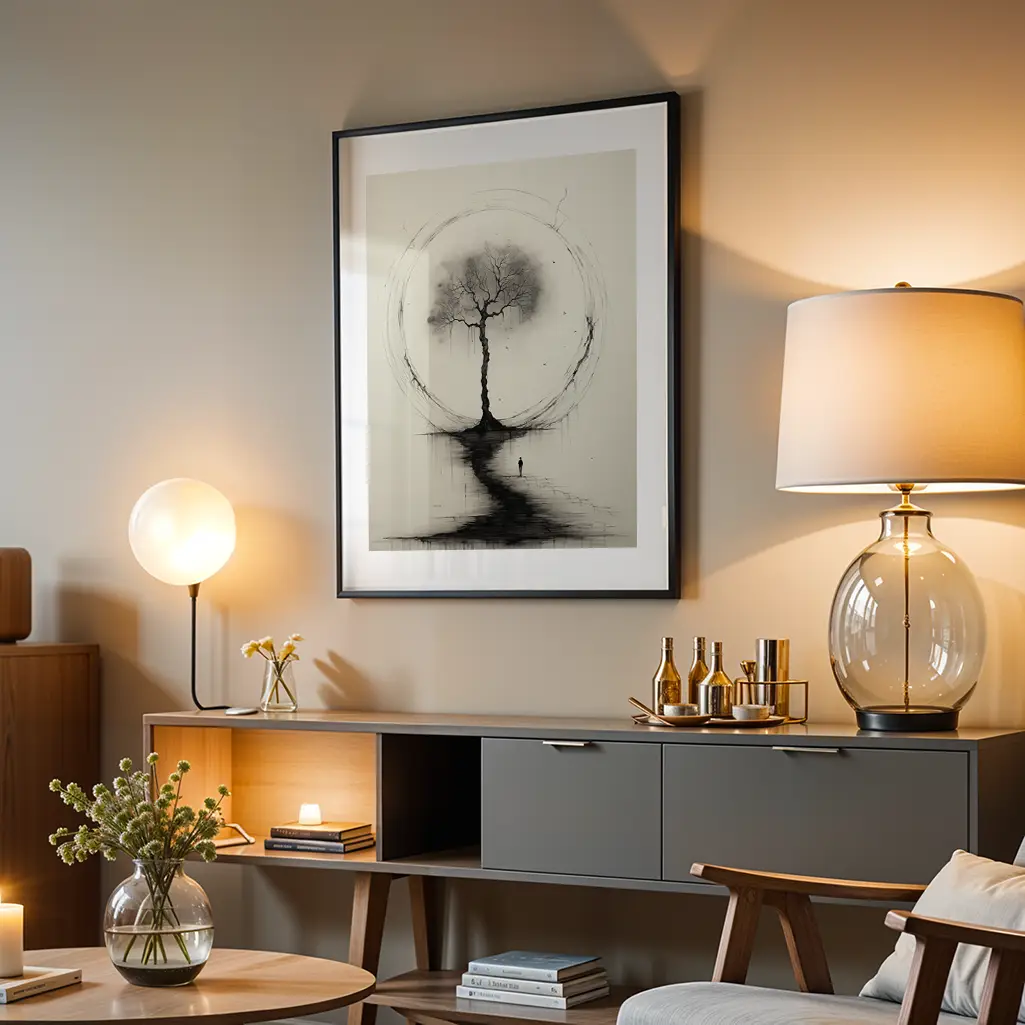
Height plays a similar psychological role. Art hung too high becomes a kind of floating thought bubble; too low and it crowds the mantel, visually compressing the space. A useful starting point is to let the bottom of the frame sit four to eight inches above the mantel. That gap becomes a visual breath, a pause between the solid line of the shelf and the start of the artwork. If your ceilings are low, closing that gap slightly can elongate the wall. With taller ceilings, opening it up a bit allows the composition to stretch without feeling disconnected.
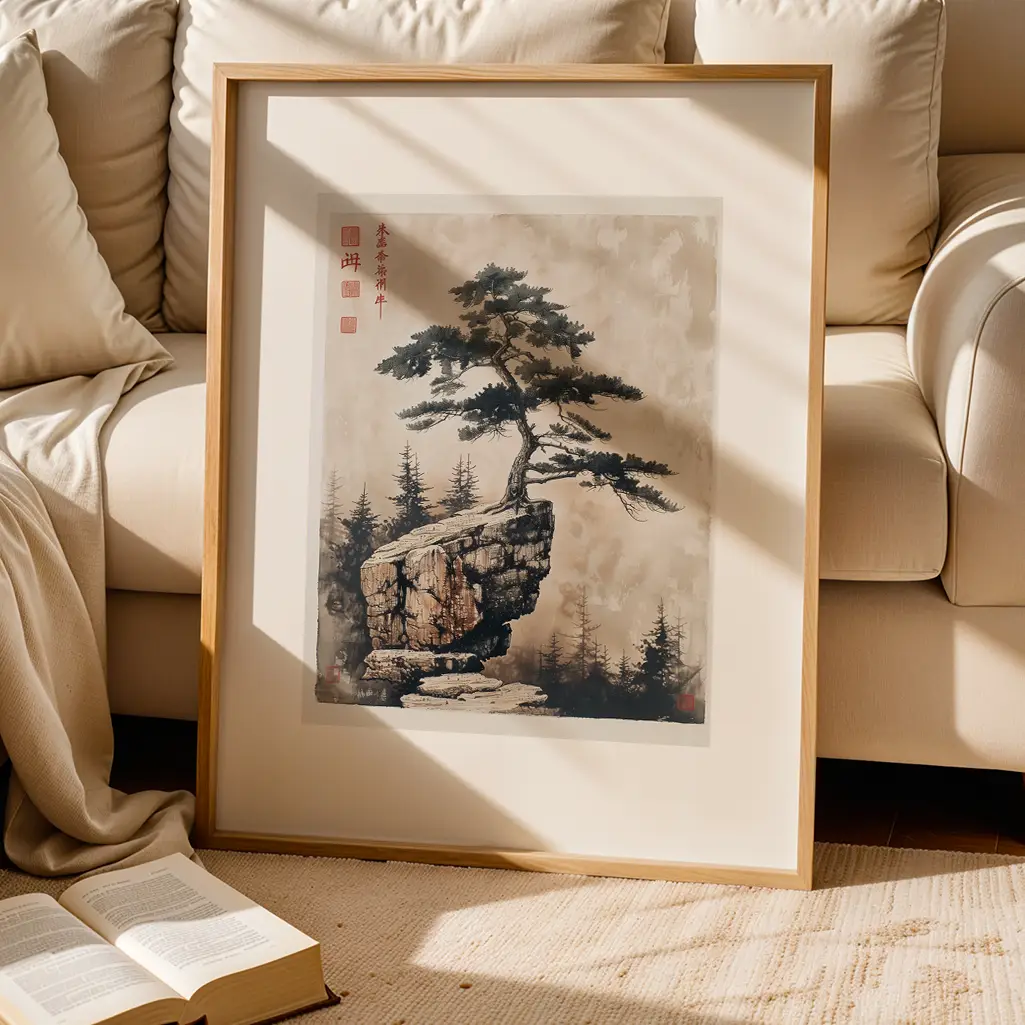
Consider, too, the nature of the fireplace itself. A traditional carved mantel with ornate details calls for art that can hold its own without competing. A modern ribbon fireplace in a minimal surround may be better served by something quieter but commanding, perhaps a single large canvas with a restrained palette. Ask yourself what role you want the fireplace wall to play: Should it be a dramatic focal point or a more meditative anchor that supports the rest of the room? Your answer will guide the kind of art and scale that make sense.
Balancing art, object and negative space
Once the main artwork is chosen, the question shifts from what to hang to how to live with it. The mantel becomes not just a shelf but a small landscape. The most successful fireplace compositions respect three elements in equal measure: the art above, the objects on the mantel and the negative space around them.
Imagine the wall as a sort of quiet grid. The artwork claims the central column, but the air to its left and right matters just as much. If the art is strong in color or pattern, allow more empty wall to frame it. If the piece is minimal or tonally soft, flanking objects on the mantel can provide a counterpoint without overwhelming it. The eye likes variation in height, but it also craves cohesion. A single tall ceramic vase at one end and a low stack of books at the other can create a gentle diagonal that leads the gaze back to the center.
Symmetry can be reassuring, especially above a fireplace, which architecture has already declared a center point. Two matching sconces or a pair of candlesticks can provide a classical calm. But asymmetry can feel more relaxed and personal, especially in contemporary spaces. The key is not whether both sides match but whether the composition feels balanced. A large piece of art slightly off center can be visually counterweighted by a cluster of objects on the opposite side of the mantel. Trust your eye here: step back, squint and notice whether one side feels like it is pulling down the scale.
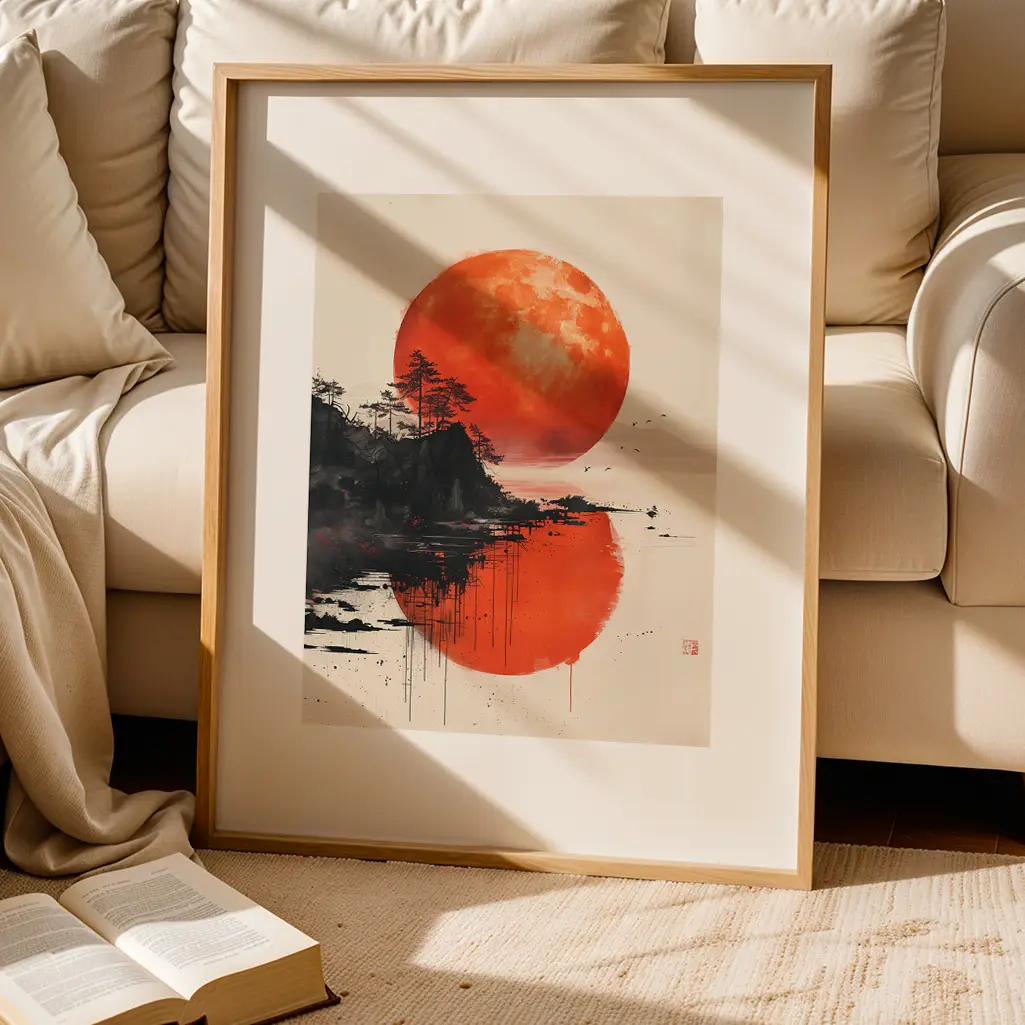
Color is another way to tune the atmosphere. Art above a fireplace is often lit by natural daylight during the day and firelight or lamps at night, so think about how hues will shift under warm illumination. Deep blues and greens can become velvety in the evening, while bright whites can glare if they are not softened by texture. Repeating a color from the artwork in a small object on the mantel, or in a nearby chair or cushion, creates a subtle thread that stitches the room together. When in doubt, prioritize harmony over perfect matching; a family of related tones almost always feels more sophisticated than a single exact accent repeated too literally.
Negative space may be the most underrated design tool over a fireplace. Leaving stretches of bare mantel can be an active choice, not a sign that the styling is incomplete. The empty surface allows the artwork to breathe and the architecture to show. If you are unsure whether you have too much on display, remove half the objects and see if the space relaxes. Often, the room itself will feel larger and calmer when you edit with a slightly ruthless hand.
Personality, safety and the seasons of a room
The fireplace wall is not just a composition exercise; it is also a kind of autobiography. The most compelling arrangements carry a trace of the people who live with them. A single framed photograph blown up beyond modest scale can be more interesting than a generic landscape. A drawing by a child, matted generously and framed with care, can hold its own above a mantel otherwise filled with vintage pottery. The question is less whether something is objectively important and more whether it has enough presence, emotional and visual, to stand at the center of the room.
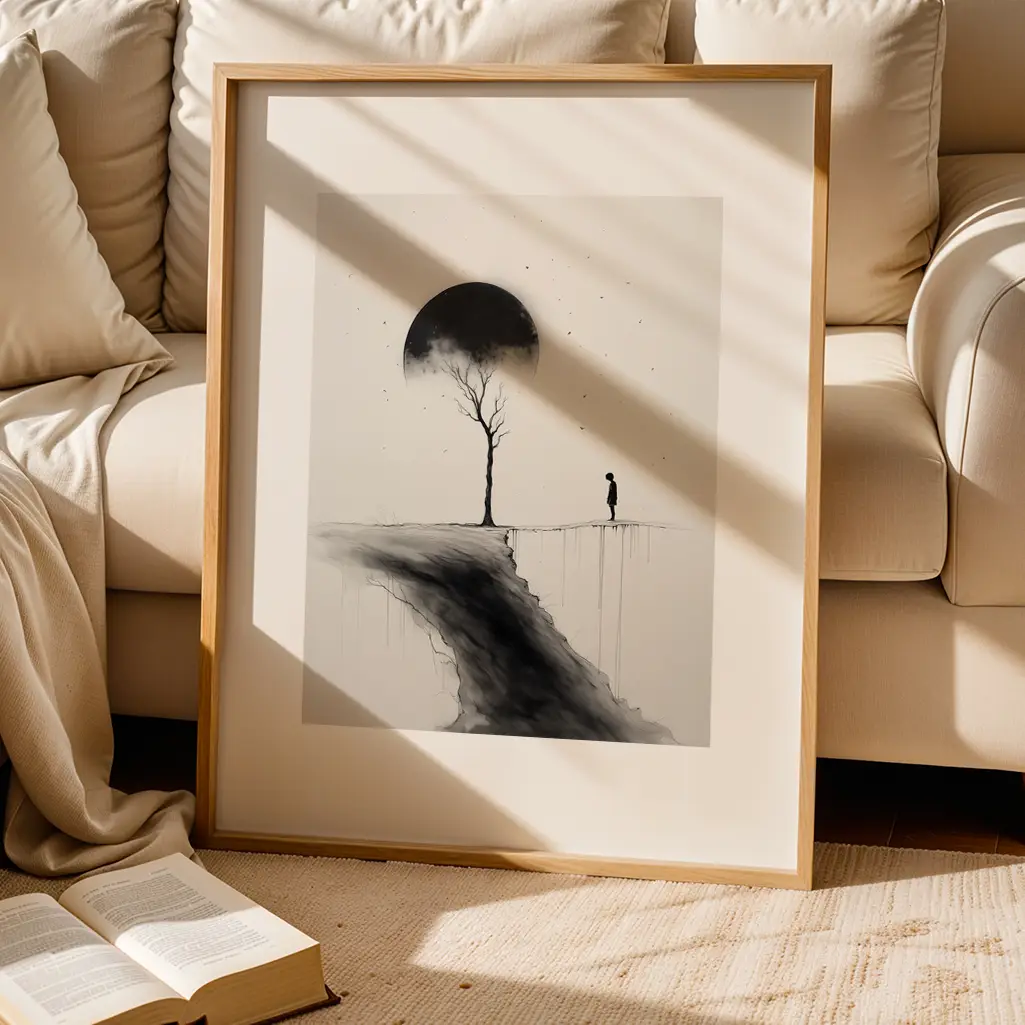
This is also a place where materials matter. If you burn fires regularly, be mindful of heat and soot. Oil paintings and delicate works on paper are better placed slightly higher and behind glazing, or replaced by pieces that can tolerate the occasional microclimate of warmth. Avoid leaning art at such a low angle that it can be warped over time. Check the surface temperature of the wall above the fireplace during use; if it becomes uncomfortably hot to the touch, reconsider the type of art you place there.
Lighting can quietly transform the way art above a fireplace behaves. A small picture light can add a halo of intimacy, but even carefully positioned floor or table lamps can graze the surface of the artwork, bringing out texture and depth. Be wary of harsh downlights that create glare on glass; a softer, indirect glow will keep the mood aligned with the contemplative nature of a hearth.
Finally, allow the space to evolve. A fireplace is tied to the seasons, and the art above can respond in kind. In cooler months, a moody landscape or a dense abstract can feel cocooning. In summer, swapping in something lighter, perhaps a spare line drawing or a coastal photograph, can shift the room without moving any furniture at all. Think of the mantel as an altar to the present moment. Rotate a small sculpture, add a sprig of green in a single vessel, or pare everything back to one beloved object. Over time, the way you style art above your fireplace becomes less about getting it right once and more about learning to read what the room, and your life within it, is asking for now.