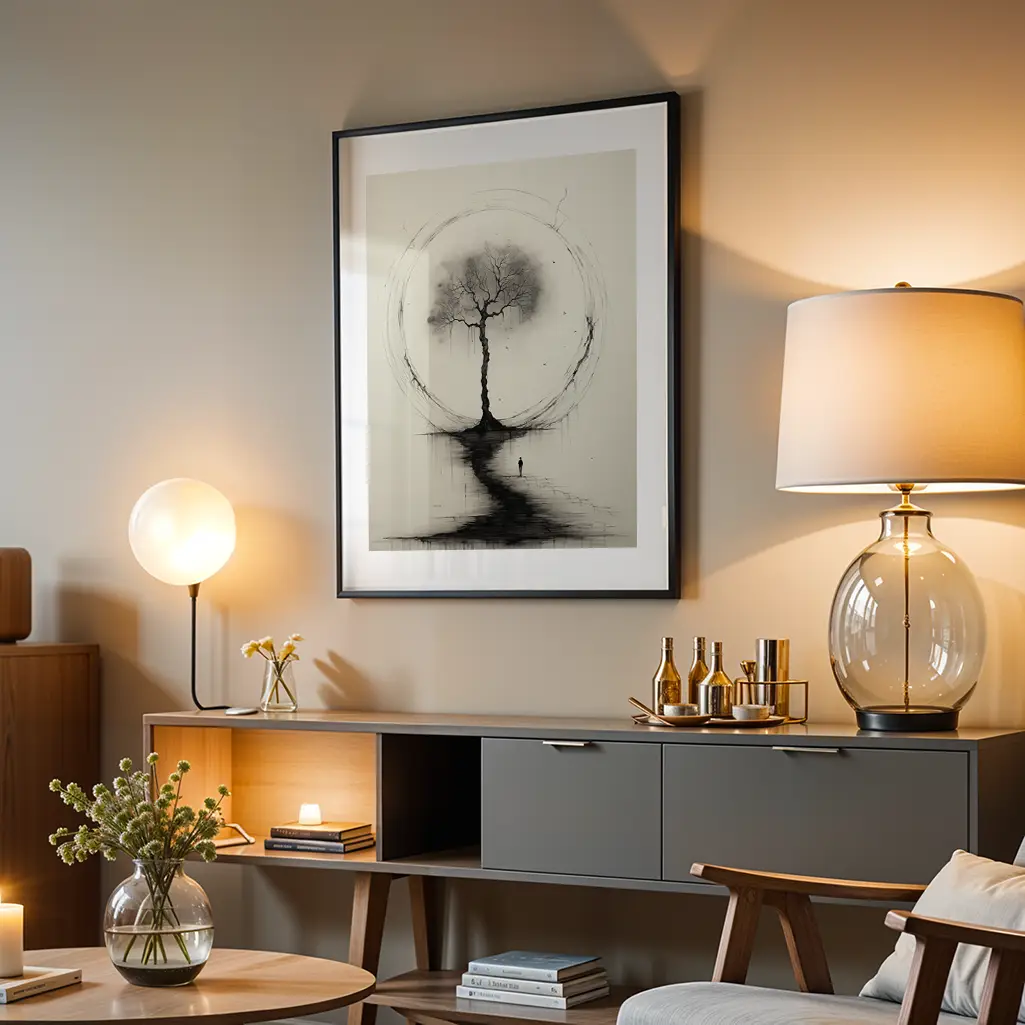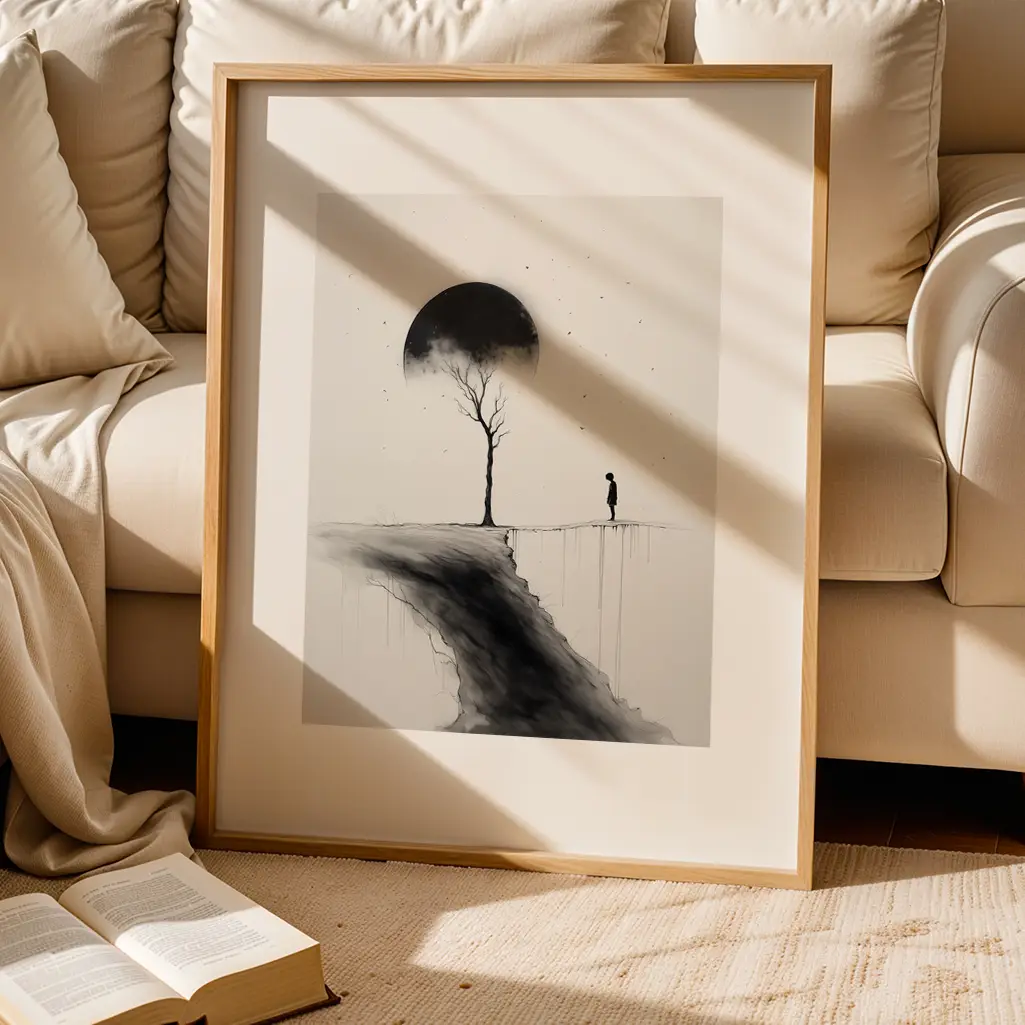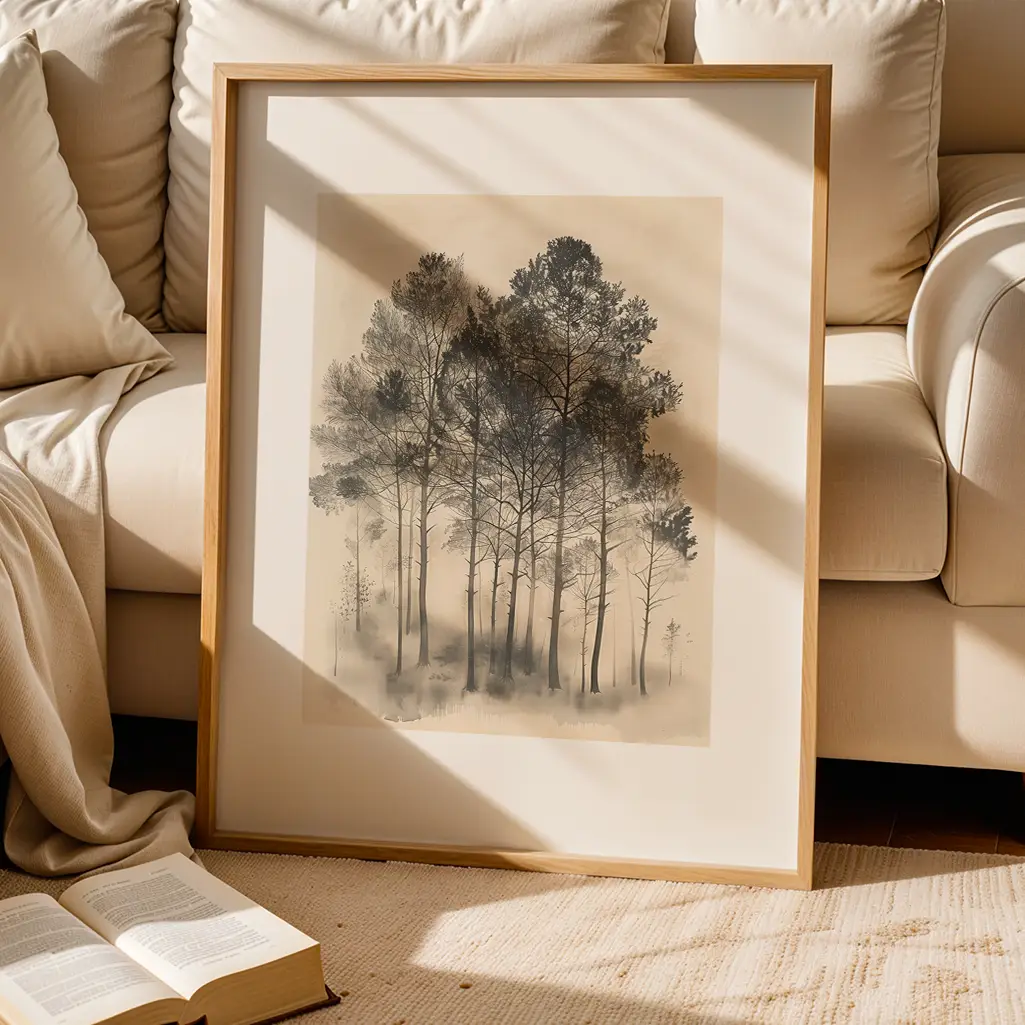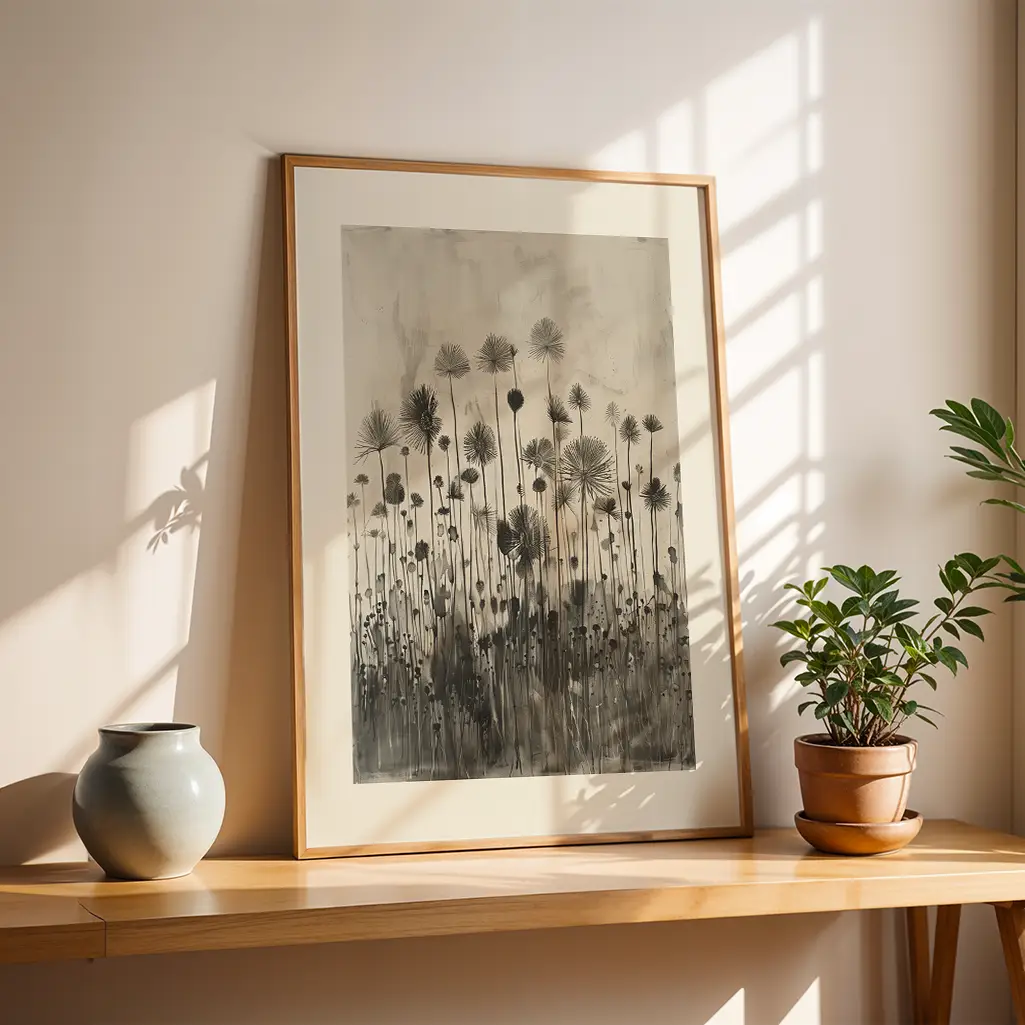
The quiet fact that nothing stays the same
In Buddhist thought, "anicca" is the simple but unsettling observation that everything is in flux. Relationships evolve, bodies age, cities rebuild, and even the wall you painted last year is already fading microscopically. Impermanence is not a philosophical ornament. It is the operating system of the world.What makes impermanence hard is not the change itself but our resistance to it. We keep buying furniture and making five year plans as if we could freeze both the couch and the calendar. When reality refuses to be frozen, we call it chaos. Yet the chaos is mostly in the gap between what we expect and what actually happens.
Designing a home with anicca in mind does not mean living in a bare meditation cell or treating your belongings as meaningless. It means acknowledging that everything you own is a temporary collaborator, not a permanent guarantee. The chair will wobble one day. The rug will stain. The view from the window will eventually be scaffolding or sky or someone else’s lights.
Instead of treating these shifts as failures, you can regard them as part of the story your home is telling. The chipped mug becomes the record of mornings survived. The sun-bleached spine of a favorite book turns into a soft archive of afternoons. Impermanence turns décor into narrative.
Curiously, seeing how everything changes can ease anxiety about loss rather than intensify it. The anxiety often comes from hoping that the right sofa, the right neighborhood, the right partner will lock in a lasting happiness. When these inevitably fall short, it feels like a personal error in judgment. Anicca suggests something kinder. Nothing is wrong with you for not managing to secure permanence. Permanence was never on offer.
Home, then, becomes the rehearsal stage for learning how to let change be what it is. Your space can teach you, quietly and repeatedly, how to hold on lightly. That lesson is not only spiritual; it is practical, visible in paint and fabric and dust.
Designing with anicca: a home that can breathe
Most interior advice focuses on arriving at a finished look, as if the perfect living room is a still life waiting to be framed. Living with impermanence invites a different posture. The question shifts from "How do I get this right once?" to "How can this space keep adapting without exhausting me?"Start by noticing where you are secretly demanding permanence. It might be the expensive table you refuse to use without a thick layer of protection, or the delicate lamp that terrifies you every time a guest reaches for it. These objects do not necessarily need to go, but they reveal a contract you have tried to sign with time. You are asking them to stay flawless so you can stay unworried.
One way to design with anicca is to choose materials that age visibly yet gracefully. Solid wood that can be refinished, metal that can patina, textiles that soften instead of simply fray. These choices do not prevent change; they choreograph it. Scratches on an oak table read differently from peeling veneer. The first feels like evidence of use. The second feels like a quiet collapse.
Rearranging is another practical ritual of impermanence. Moving a chair, rotating artwork, or rethinking the objects on a shelf reminds you that no layout is final. The room becomes a place of small experiments rather than a display to be protected. The act of shifting things around is a gentle way to update not only the space but your expectations of it.
There is also value in leaving some surfaces deliberately unresolved. A sideboard that changes with the seasons, a windowsill where the current book stack comes and goes, a pinboard rather than a perfectly gridded gallery wall. These zones absorb your evolving interests and moods. They are architecture’s version of a penciled margin, always ready for revision.
Even clutter feels different when seen through anicca. The pile of mail, the sneakers by the door, the half finished puzzle on the table are not moral failures. They are traces of life in motion. Instead of vowing to exile every sign of transition, you can create containers and rhythms that acknowledge it. A generous tray by the entry, a regular time to clear the dining table, a basket for projects in progress. You are not waging war on change; you are giving it a shape.
Letting go, gently: when home teaches you to release
If impermanence is the rule, letting go becomes an essential skill, not a rare heroic act. Every object eventually leaves your life, by choice or by accident. Practicing small, voluntary partings at home makes the larger ones a fraction less brutal.You might start by noticing which possessions you are keeping for an imagined future that never quite arrives. The dress waiting for a perfect occasion, the perfect dishes you never dare to chip, the box of decorative items that no longer match who you are but still whisper "someday". Anicca suggests asking a different question: "Is this still participating in my life now?" If the answer is no, releasing it is not a loss; it is a realignment with the present.
This is not an argument for ruthless minimalism. Emptiness can be its own form of denial. A meaningful home will probably contain more than you strictly need. Yet each thing you keep is a commitment of attention, care, and storage. Because everything changes, every commitment will one day be renegotiated. Being conscious of that fact makes you more tender with the objects that remain and more merciful toward the ones you let go.
Impermanence also reframes the fear that giving something up is irreversible. The truth is that nothing you keep is irreversible either. That chair can still break, that book can still mold, that photograph can still fade. You do not control duration. What you do control is the quality of your engagement while the object is here.
So you begin to use the nice glasses on a weekday, even if one might crack. You light the special candle instead of preserving it like a relic. You put the fragile ceramic bowl where you will see it, not in a cupboard above the fridge. Enjoyment becomes less about defending things against time and more about accompanying them through their brief stay.
Living with anicca does not require constant serenity. You will still flinch when something precious breaks, still feel a tug when you part with a beloved but impractical piece. The difference is that you recognize these moments as expected weather, not evidence that the world is collapsing. Your home, with all its dents and rearrangements, becomes a small training ground in realism and kindness.
In the end, the grace of impermanence is that it keeps returning you to what is here. The afternoon light on the floorboards, the sound of a neighbor’s radio, the softness of a well worn quilt. None of this can be stored or guaranteed. It can only be noticed, appreciated, and then, inevitably, allowed to change. That may be the quietest, most enduring form of security your home can offer.

.webp)