Why We Keep Bringing Home Things We Don’t Need
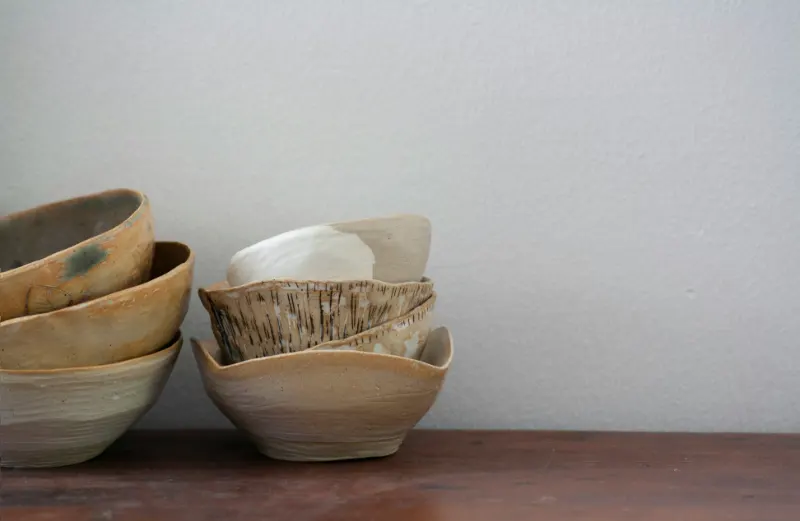
Walk through any home store on a Saturday and you can watch the choreography of impulse unfold. A scented candle hops into the cart, then a throw pillow, then a tiny ceramic bowl whose purpose is unclear but whose glaze feels persuasive. None of these objects is especially extravagant, yet together they slowly reshape a home into something closer to a storage unit than a sanctuary.
Impulse home shopping is less about weak willpower than about how our brains respond to beauty, novelty and promise. A new object whispers a kind of future tense. The linen duvet offers better rest, the sculptural lamp offers better taste, the new set of glassware offers more gracious dinners. This imagined life is powerful enough that the price tag sometimes becomes secondary. You are not simply buying things; you are buying a different version of yourself, projected into the living room.
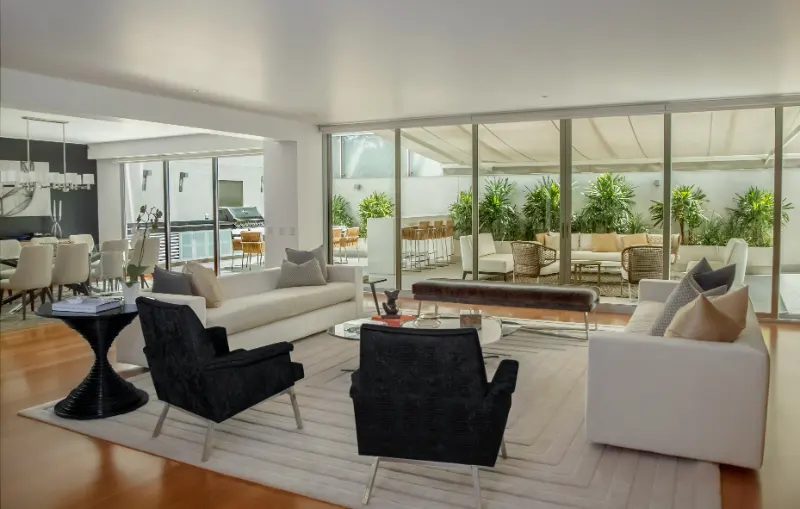
Retail design sharpens that fantasy. Lighting is warm, surfaces are uncluttered and vignettes are styled to suggest a whole life assembled from a handful of items. Place the same vase on your already busy credenza and the magic falters. The object has not changed, but the context has. What feels like sudden disappointment at home is actually a quiet lesson in how design depends on negative space, proportion and restraint.
There is also a softer, more emotional layer. Many people shop for their homes at the end of depleted days. The small thrill of a purchase can act like a reward or a soothing ritual. During uncertain periods, buying a new basket or lamp can feel like progress, a tangible improvement when larger problems resist solution. The problem is not that these emotions are wrong; it is that the object can only gesture at comfort while the bill lingers with perfect clarity.
Intentional buying begins with noticing this tangled mix of desire, fatigue and fantasy. Instead of treating impulse as a personal failing, you treat it as information. What are you actually hungry for when you find yourself wandering the aisles or scrolling late into the night? Calm? Control? Beauty? Hospitality? When you can name the underlying longing, you are more likely to choose something that genuinely serves it, whether that is an object, a rearranged room or simply a pause.
A well-designed home is not a museum of perfect objects but a conversation between your life and your space. Every impulse purchase is a voice that joins that conversation. Some are welcome; others become visual noise. The work of intentional buying is not about austerity but about editing that chorus so your rooms can finally say something coherent about who you are and how you want to live.
Designing a Home That Buys Less But Means More
To stop impulse home shopping, you do not begin at the store; you begin at home, standing in the very rooms you are trying to improve. Before you buy anything, you look. Really look. Where does your eye rest comfortably, and where does it twitch with mild irritation? Which surfaces are overburdened with decor doing the same job three times? Which corners feel strangely vacant, not in a minimalist way but like a sentence missing a verb?
Try this simple exercise: choose one room and imagine it empty, as if you were moving out. Then mentally add back only the pieces you truly love or use daily. The chair you reach for every evening. The lamp whose light makes winter bearable. The rug that anchors the room rather than simply covering floor. Now compare that imagined space with the one around you. The gap between the two is where most impulse buying hides, gathering in the form of duplicates, near-misses and decor that once fit a version of you that has since quietly expired.
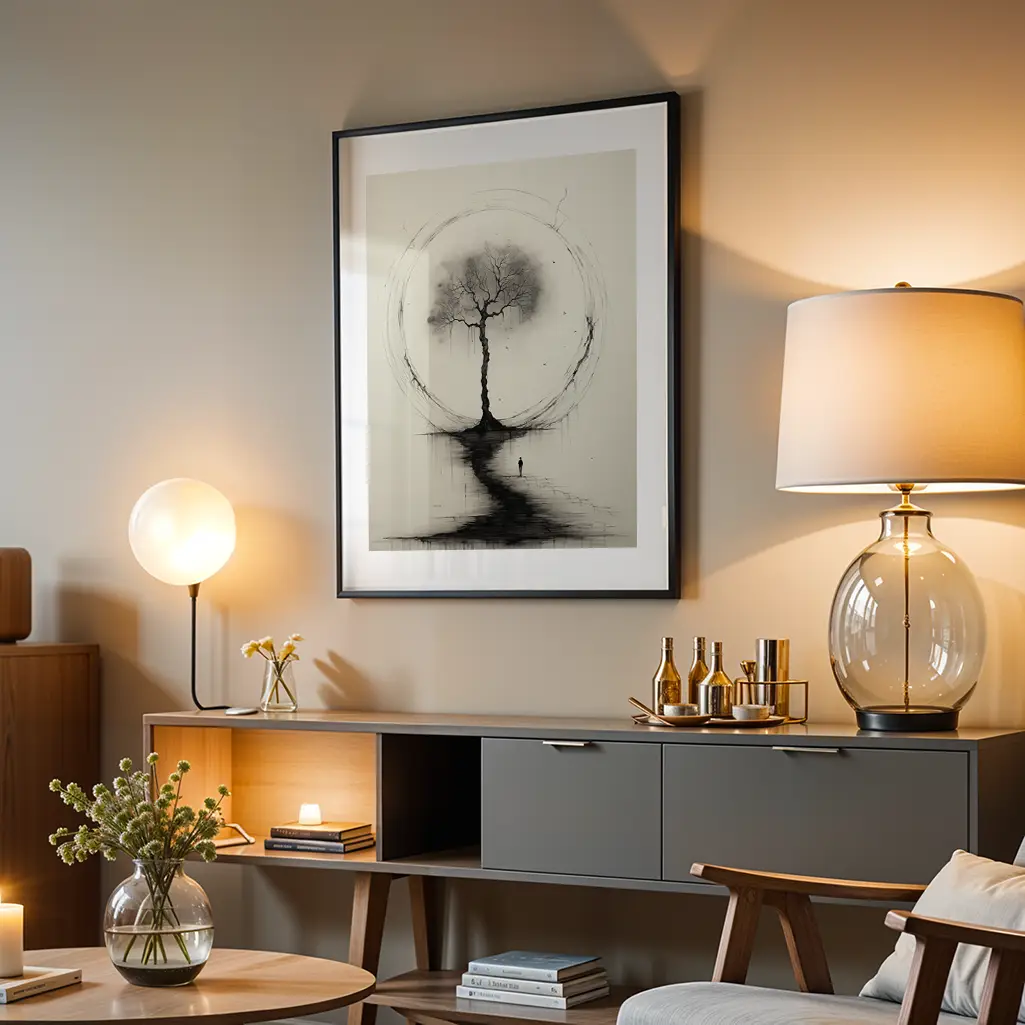
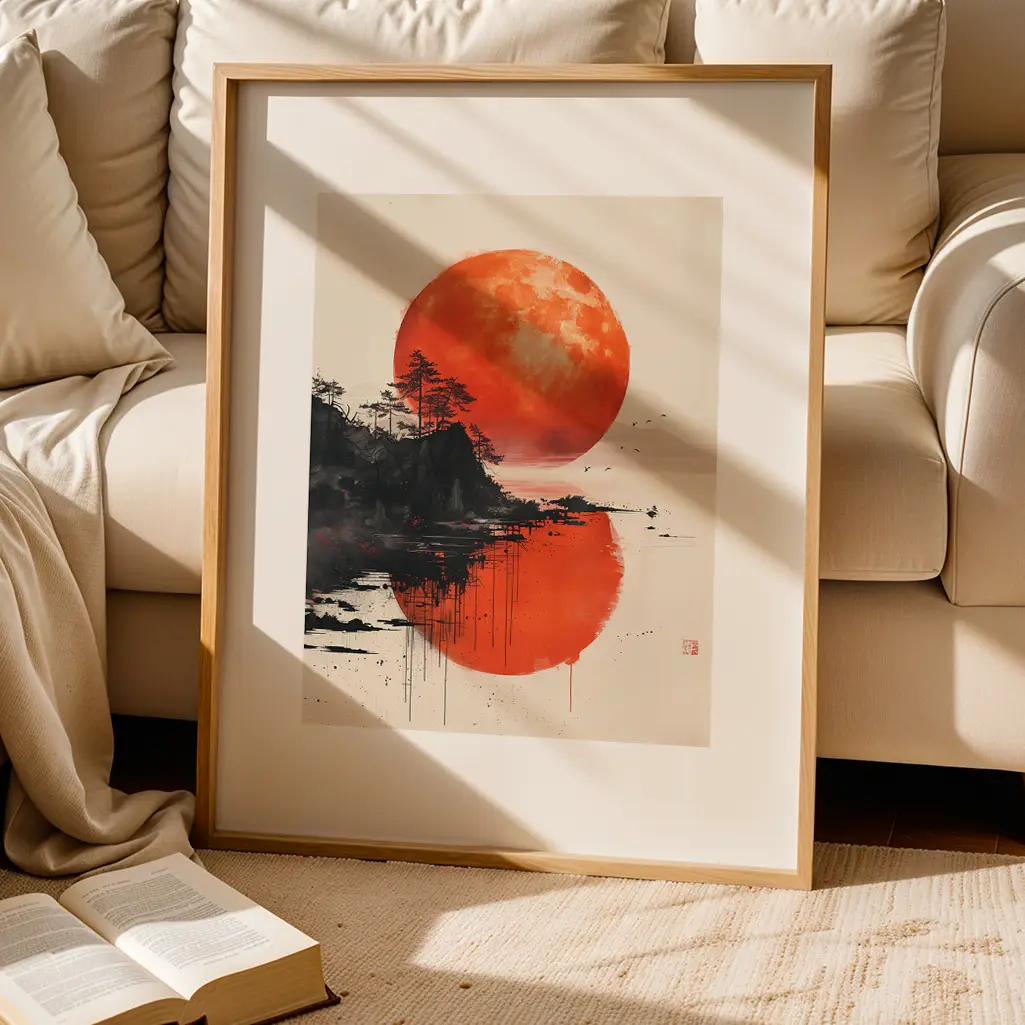
Once you see that gap, you can start making a home plan. Not a mood board of aspirational images, but a written, almost boring outline of what your space actually needs. The living room might need one reading lamp with a warm, focused beam, storage for the stack of books that currently migrates across the floor and a single piece of art large enough to claim the main wall. The kitchen might need better under-sink organization and a single handsome bowl for fruit instead of three small trays that collect keys and mail in a perpetual shuffle.
When you create this plan, you are not merely listing items to buy; you are sketching how each object will earn its place. The question shifts from "Do I like this?" to "What specific job will this do in my home, and what will it replace?" That last clause matters. If a new throw blanket comes in, perhaps one goes out. If a new bookshelf arrives, perhaps the stack of decorative boxes trying to imitate storage finally leaves. By linking acquisition to release, you transform shopping from accumulation into curation.
A more intentional home also depends on rhythm. Instead of sporadic, emotionally charged purchases, you schedule brief, regular check-ins with your space. Once a month you walk through with a calm eye, noting what actually bothers you, what no longer earns its footprint and what might be solved by rearranging rather than buying. Sometimes the answer to a dull bedroom is not a new duvet but moving the bed to catch morning light, or clearing the top of a nightstand that has become a landing pad for unresolved tasks.
The surprising effect of this rhythm is that it dulls the urgency of the store. When you know you will review your space again in a few weeks, you are less tempted to solve every aesthetic discomfort at the register. The home becomes a place of ongoing conversation rather than a series of retail emergencies. Objects arrive more slowly, but they land with greater clarity and gratitude.
In the end, intentional buying is not about moral purity or endlessly optimized rooms. It is about granting your home the same kind of discernment you wish for your time and attention. Each new piece you allow in shapes the story your rooms tell when you are too tired to curate anything at all. When those objects are chosen with care, your home begins to do some quiet emotional labor on your behalf, steadying you instead of asking to be managed. That is the opposite of impulse: a space that feels like it was assembled on purpose, one considered choice at a time.
.webp)