Where Calm Meets Play
Designing a child’s room often begins with a negotiation between adults who crave calm and children who crave color, noise and novelty. The instinct is to choose sides: a serene, beige cocoon that photographs well but leaves little room for imagination, or a riot of primary colors and plastic that quickly overwhelms everyone. The more satisfying answer is found in a quiet middle ground, where the room is composed like a good children’s book: clear, simple pages with one delightful surprise at a time.
This kind of kids room decor starts with deciding what calm actually means in your household. It is less about silence and more about a legible space where a child can see where things go, move freely and understand what the room is asking of them. A bed that looks ready for sleep, a table that telegraphs drawing or building, a rug that invites sprawling. Playfulness, in that context, becomes a layer rather than the whole story: a mobile that catches the light, a single wall of pattern, a box of costumes that can open and close instead of overflowing endlessly onto the floor.
The guiding principle is to treat the room as a long conversation with a growing person, not a themed set. “Calm” becomes the stable background of the conversation, and “playful” is the changing vocabulary that can be swapped out as your child moves from stacking blocks to practicing piano. When you think this way, every choice from paint color to toy storage becomes easier to judge: will this help the room exhale, or will it shout over everything else?
Color, Light and the Art of Gentle Energy
Color is usually where kids rooms lose their composure. In the name of fun, walls become saturated, furniture competes for attention, and toys supply endless accents of plastic red and yellow. A calmer approach borrows from the logic of landscape painting: build a wide, muted horizon first, then place lively details where the eye can land without feeling cornered.
Muted greens, dusty blues, warm grays and soft creams create a backdrop that signals rest without feeling prim. They are colors you might find on an overcast beach day or in a worn picture book from the 1970s. Onto that, you can layer more electric tones in smaller, movable forms: a tomato red stool, a mustard blanket, a handful of boldly striped cushions. The room remains a place where energy is possible, but not required at every hour. When a favorite phase passes, the color can leave with the object rather than with a painter’s tape line.
Light works much the same way. Overhead fixtures tend to flatten a space, especially in small rooms where ceilings feel close. Instead, imagine lighting as a choreography of moods. A warm shaded lamp near the bed invites winding down, a swing arm over a desk supports focus, and a small string of fairy lights or a paper lantern becomes the one clearly playful note in the evening. Dimmer switches and layered lamps let a single room transform from Saturday-morning play zone to quiet reading den without redecoration.
Pattern and imagery are where playfulness can slip into agitation if used without restraint. Rather than wallpapering every surface in a busy motif, concentrate pattern on one wall, curtain or rug that the child can discover rather than endure. A field of tiny animals, a gently abstract botanical, or a simple grid can all introduce “movement” without visual chaos. The rest of the surfaces can remain as visual white space, so the pattern feels like an illustration in a book, not the entire story shouting at once.
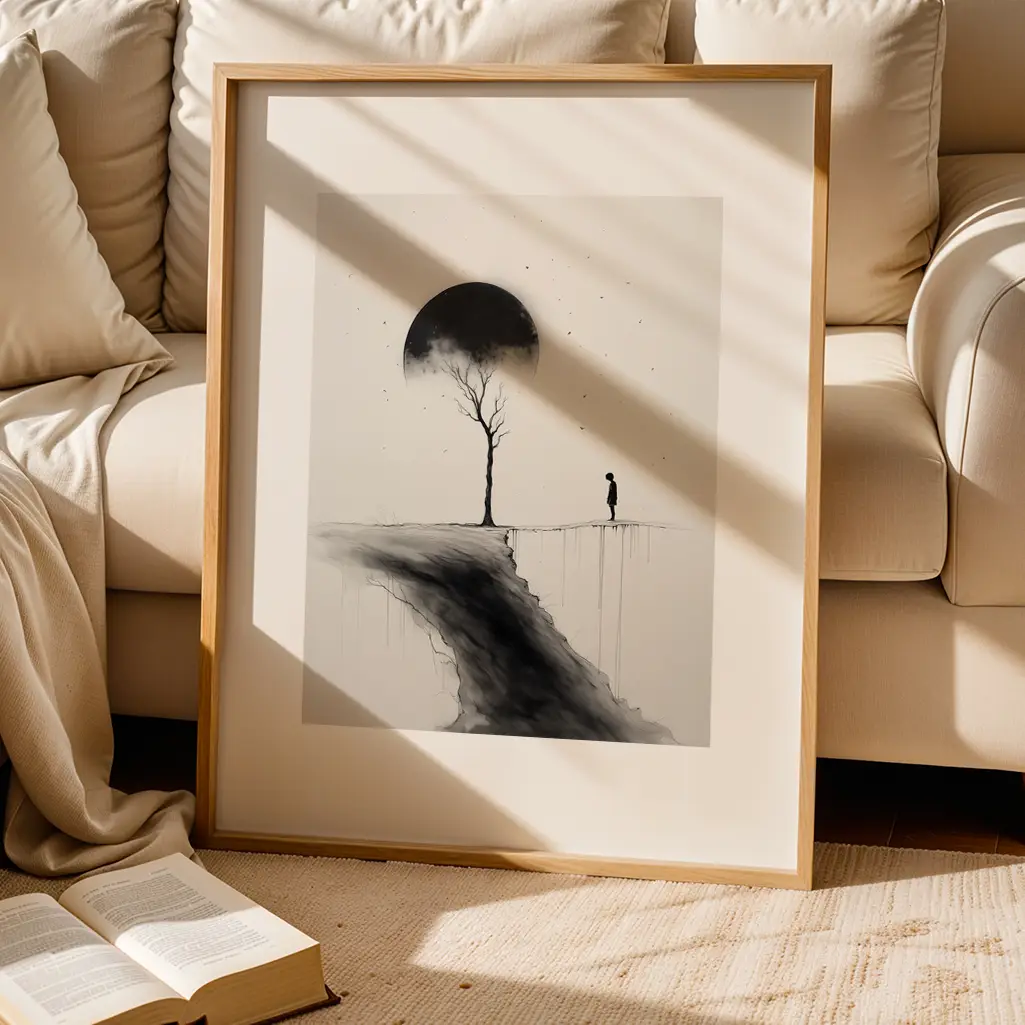
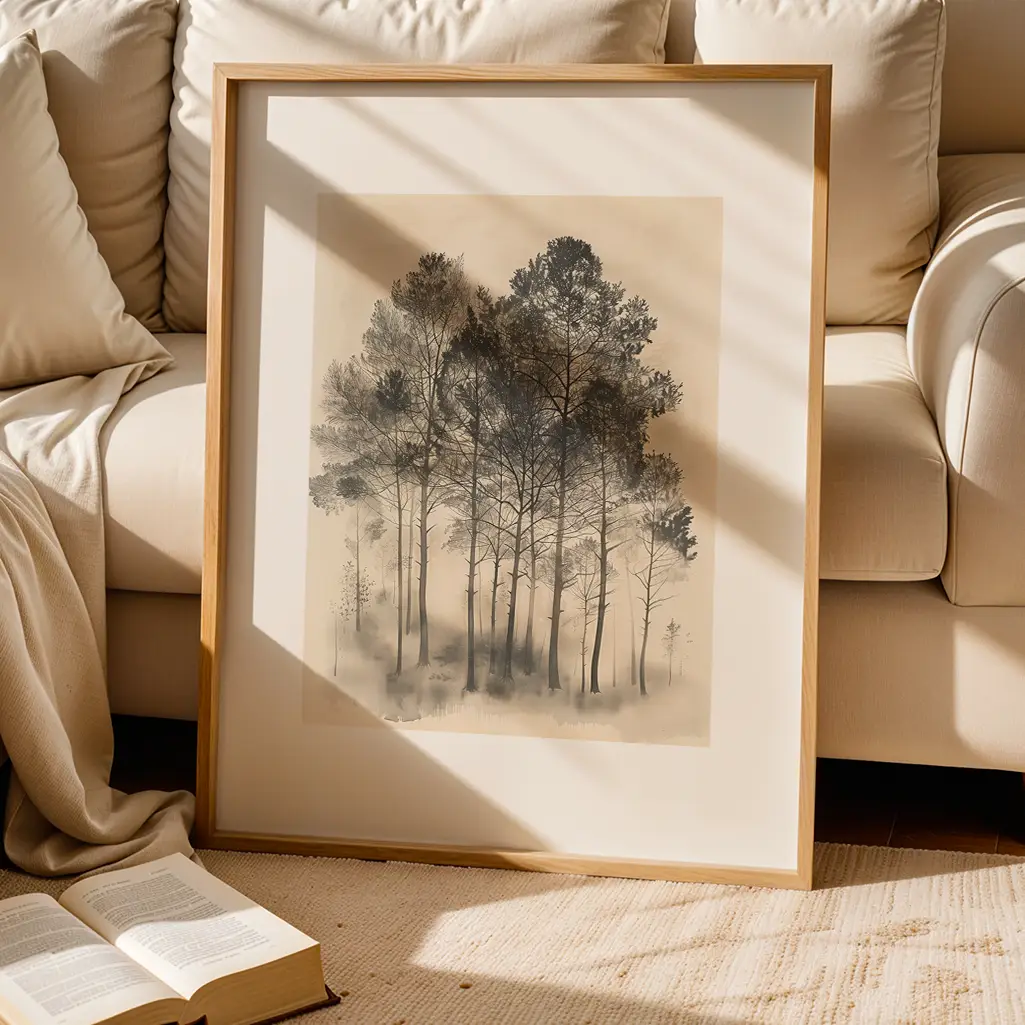
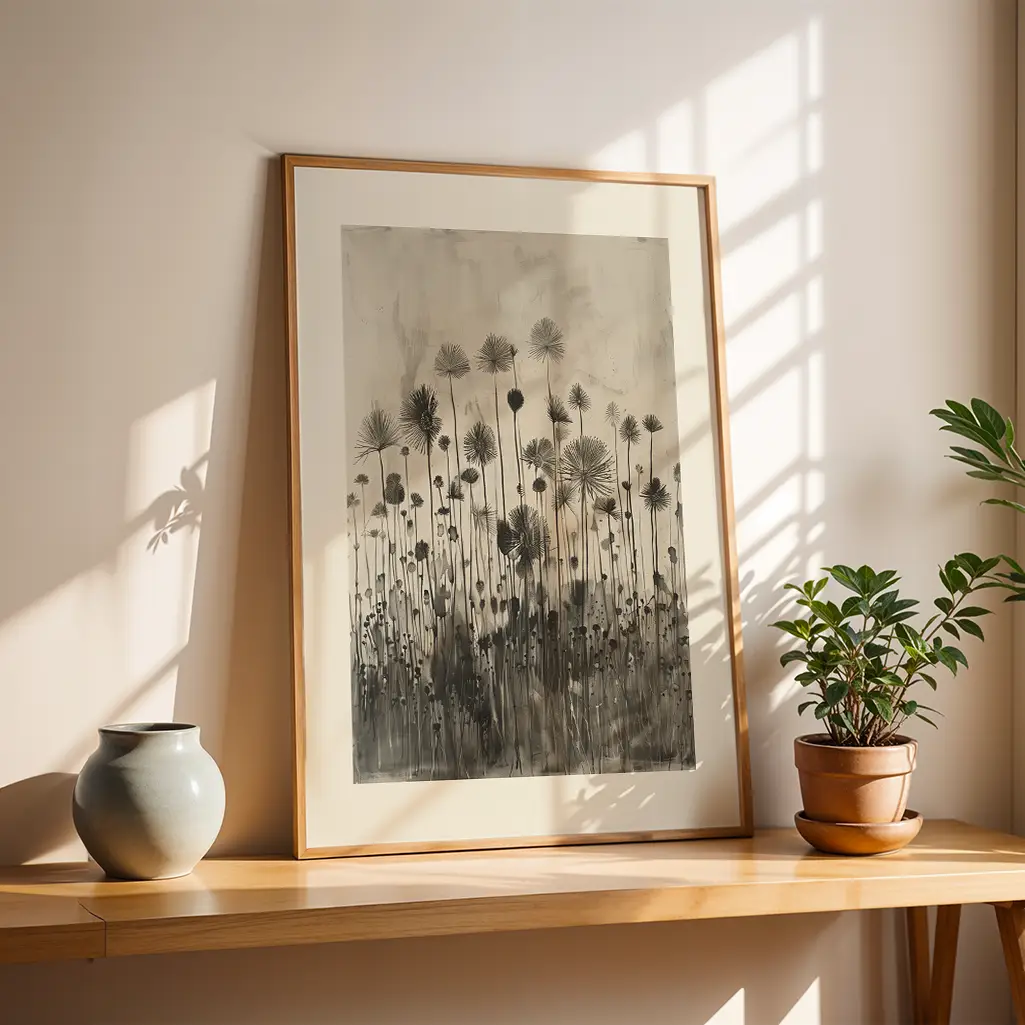
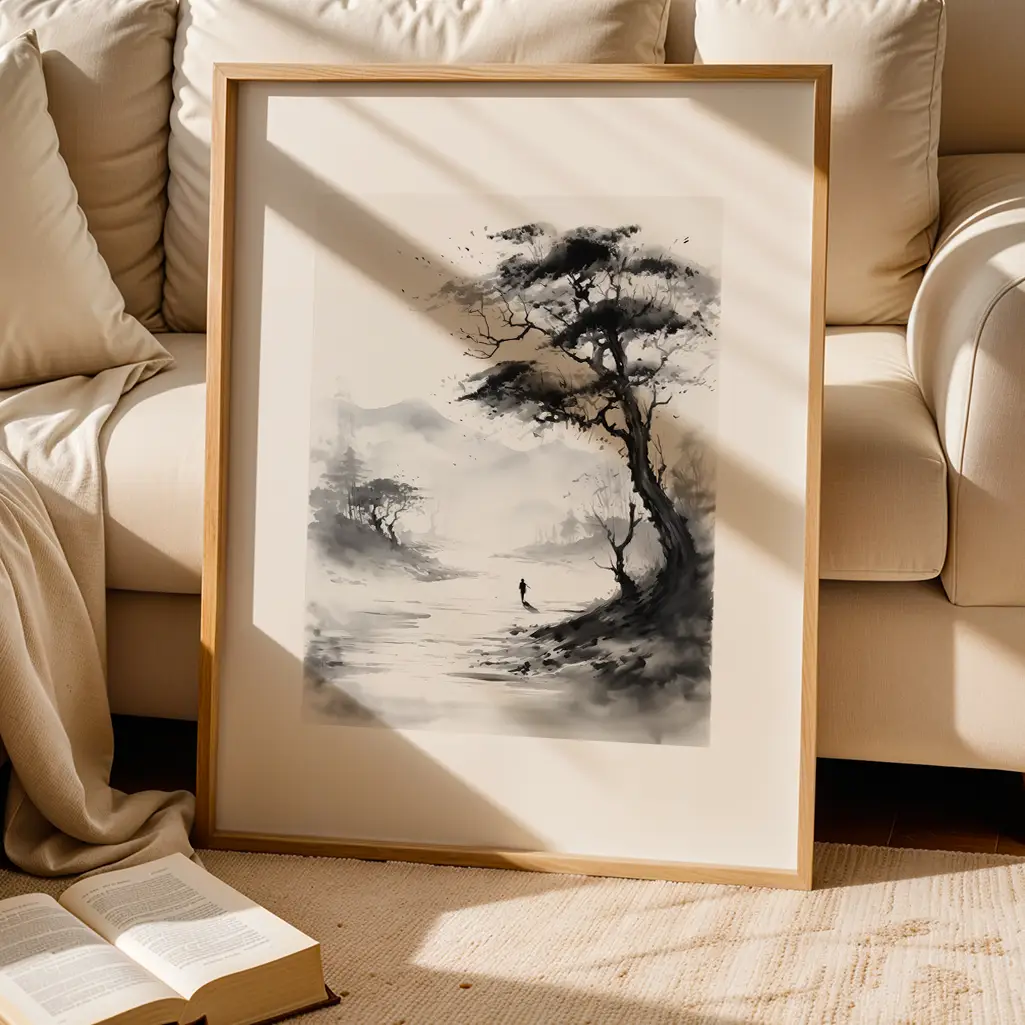
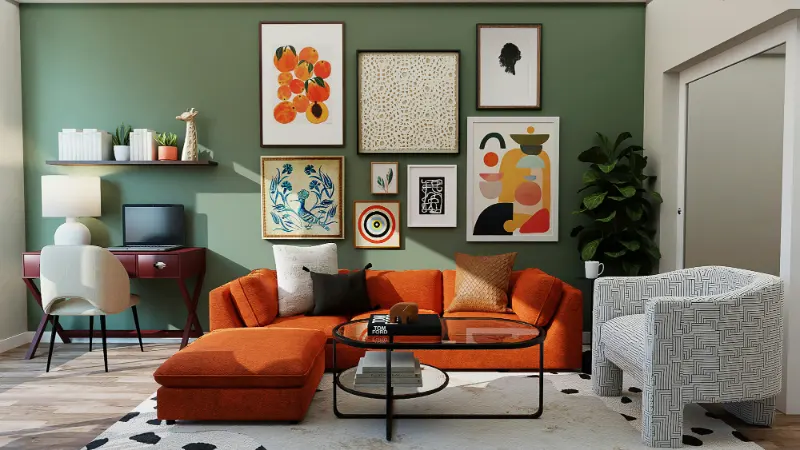
Artwork is the most direct way to inject personality, and also the easiest to rotate. Instead of committing to large, permanent murals tied to a single obsession, use frames, clips or a rail system to treat the wall like a gallery. Children’s own drawings, postcards, and inexpensive prints can come and go. Calm is preserved by keeping the frames consistent in shape or color, even as the images within them change. The message is that the room is steady, but the ideas inside it are always allowed to evolve.
Objects, Storage and the Ritual of Tidy Joy
The tension between serenity and fun often reveals itself most dramatically in the five minutes before bedtime, when the floor is an obstacle course of toys, paper and clothing. Calm design does not demand that play be invisible; it asks that play have a clear beginning and end. Storage, in this sense, is not a cosmetic afterthought but a teaching tool, a way for children to rehearse the rhythm of “take out, explore, put away.”
Open shelves at child height, low cubbies and labeled baskets communicate that each object has a temporary home. Rather than concealing everything behind doors that adults control, you are drawing a simple map that a child can actually read. This turns cleanup from an abstract scolding into a nearly physical puzzle: the red blocks return to the red bin, the costumes slip into the fabric trunk, the books stand up again like quiet neighbors along the shelf. The room can reset quickly, revealing the calming architecture that was there all along beneath the day’s experiment.
Furniture, too, can be chosen with this rhythm in mind. A bed with drawers below, a bench with storage inside, a desk with a single deep drawer all invite objects to disappear without drama. The shapes of these pieces matter. Soft edges, rounded corners and simple lines reduce visual noise and literal bruises; they also make the room read as one coherent space rather than a scatter of competing fragments. A small child senses, even if they cannot name it, when their surroundings feel fragmented versus gathered.
The final layer of play lives in texture and small rituals rather than constant spectacle. A sheepskin over a reading chair, a woven rug that is forgiving of crumbs, linen bedding that wrinkles softly instead of shouting each stain: all of these make the room feel lived in, not staged. A special basket of bedtime-only books, a single musical mobile switched on for a few minutes, a scented pillow spray that appears only at night turn daily tasks into miniature ceremonies. These are the details that convince a child that their room is not simply decorated, but cared for.
In a culture that often equates childhood with noise and maximalism, choosing calm kids room decor can feel almost subversive. Yet the quietest rooms are often the ones where play feels the most possible, precisely because there is space for it to unfold and then recede. When you let calm handle the architecture and invite playfulness to dance across the surface, you are not denying your child exuberance. You are giving it a stage, and the wisdom to know when the curtain can fall for the night.