
Relearning What “Enough” Feels Like
Open almost any closet, calendar, or browser tab and the pattern repeats: more. More clothes, more commitments, more digital noise. Yet the lived experience of this “more” is rarely abundance; it is often a low hum of overwhelm.The designer Dieter Rams, looking at a world of overdesigned products, proposed a gentler rebellion: “less, but better.” His principle was aesthetic, but its implications are startlingly practical. Instead of adding, refine. Instead of maximizing, choose with care. The point is not absence for its own sake, but a more deliberate presence of what truly serves you.
In everyday life, “less but better” begins with a simple question: what actually earns its place in your home, on your calendar, or in your field of attention. It is not a minimalist performance, defined by how ruthlessly you can empty a room. It is an ongoing negotiation with your own sense of enough.
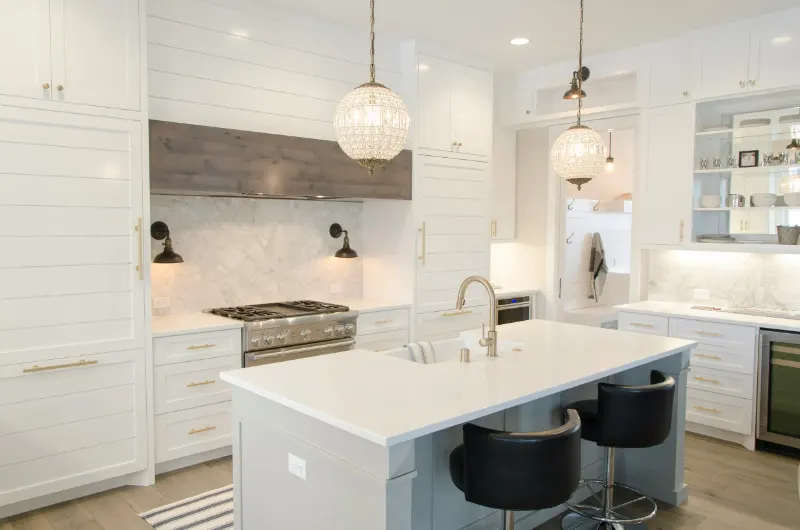
Notice, for instance, how a room feels when every surface is busy. Your eye never lands; your nervous system never quite lowers its shoulders. By contrast, a room with fewer, well‑chosen pieces allows spaces of visual rest. The gap between objects becomes as important as the objects themselves. This negative space is not a lack. It is what makes the remaining pieces legible, almost like a pause that lets a sentence be understood.
Relearning “enough” is mostly a sensory project. Pay attention to the moment a space tips from calm to cluttered, a day from full to frayed. That threshold is where “less but better” lives. It is rarely located in a spreadsheet. It shows up in the tightness of your jaw, the speed of your breathing, the way you find yourself avoiding a room because you do not know where to begin.
If you treat that discomfort as data rather than failure, you begin to see a pattern. The possessions you do not use, the commitments you dread, the digital streams you skim without satisfaction; all of them are candidates for subtraction. Not because they are inherently bad, but because they are costing you attention without returning enough meaning.
In this sense, “less but better” is not moral purity. It is a kind of energetic bookkeeping. What you own, do, and consume all extract a fee from your finite attention. The philosophy simply asks whether the fee is worth what you receive in return.
Designing a Quieter Home with Fewer, Truer Objects
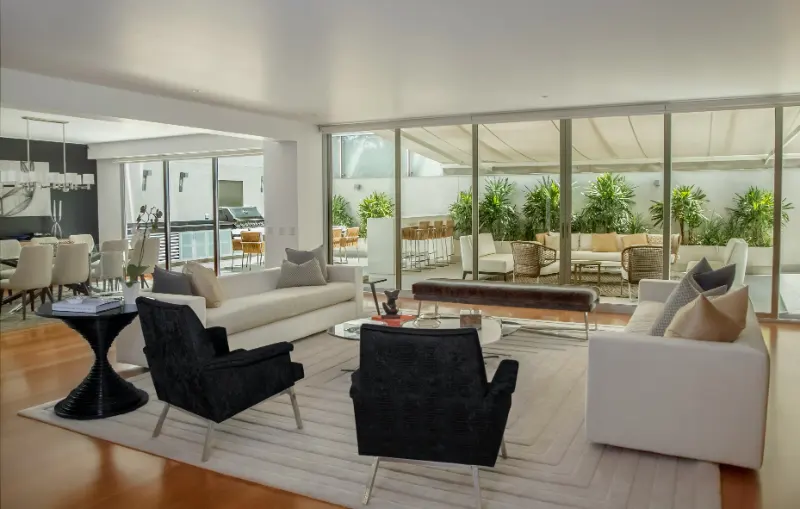
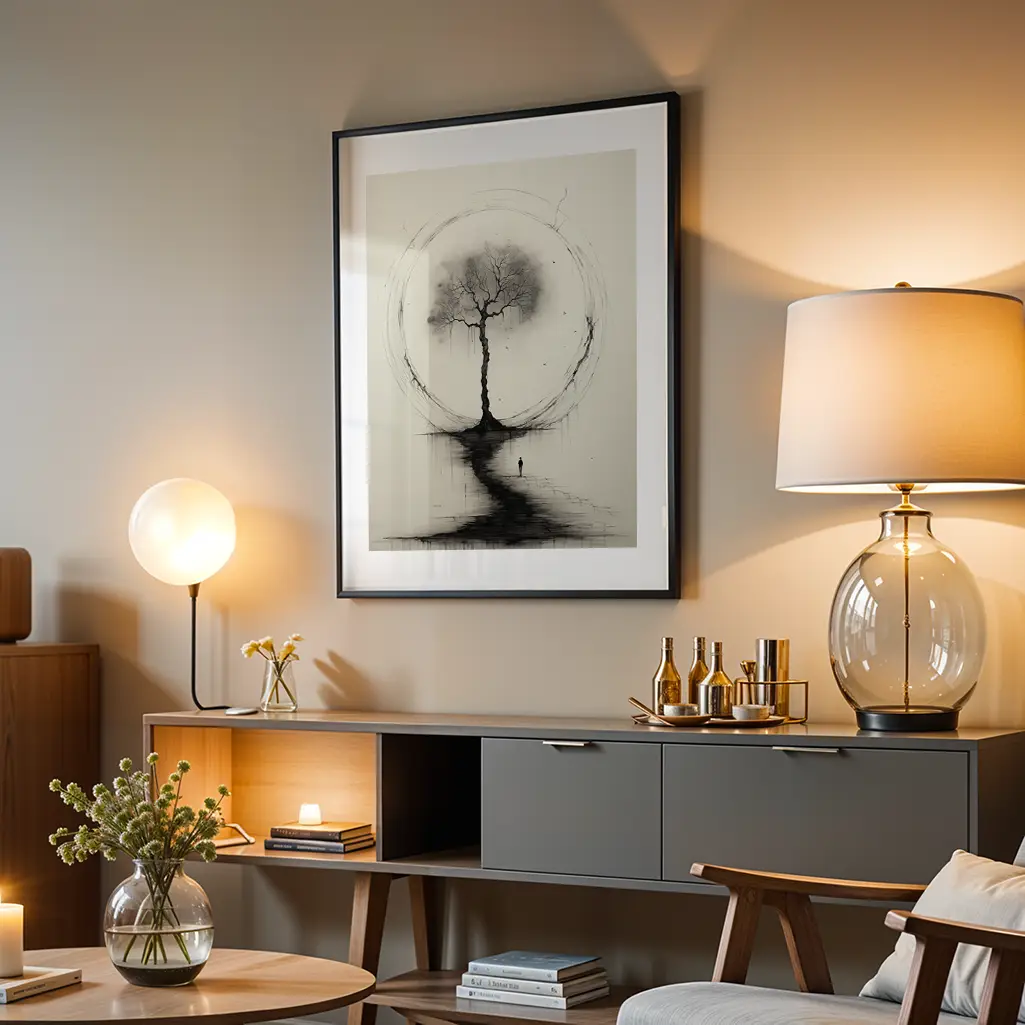
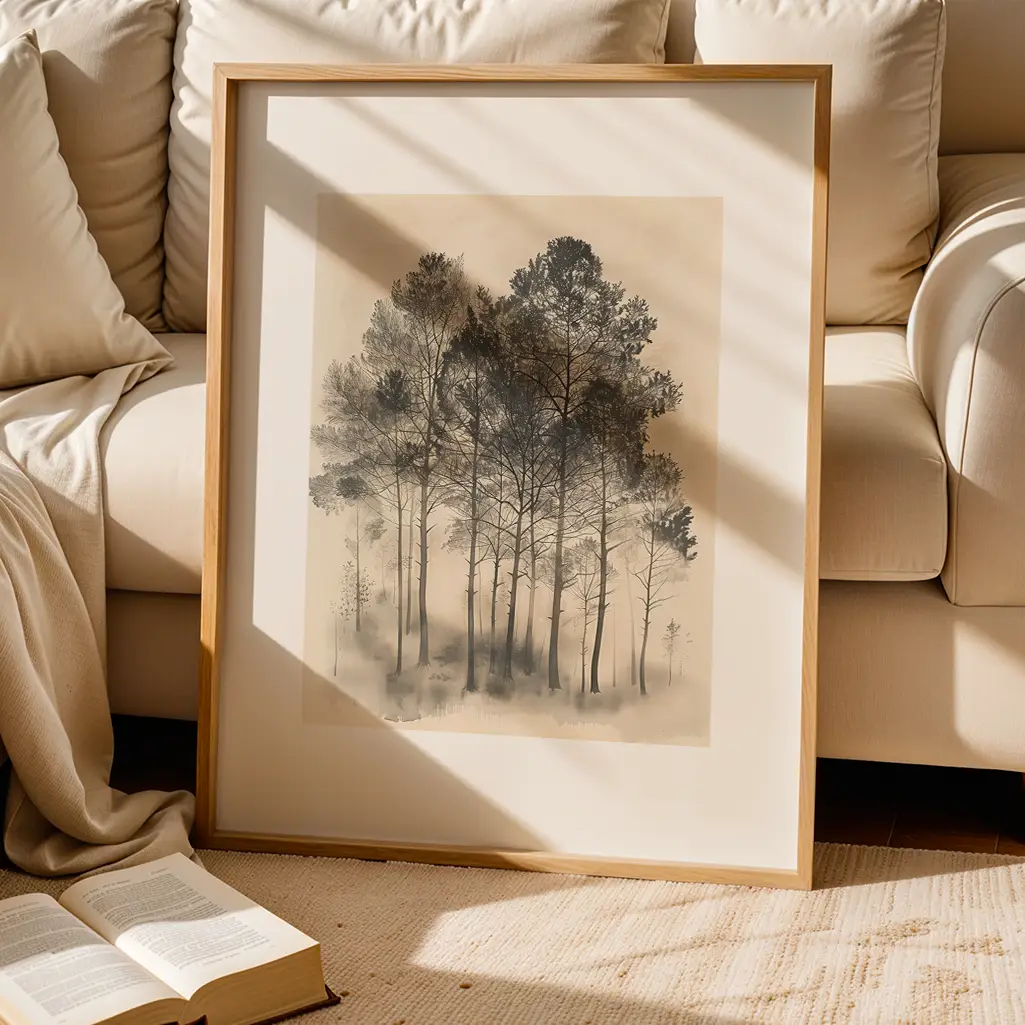
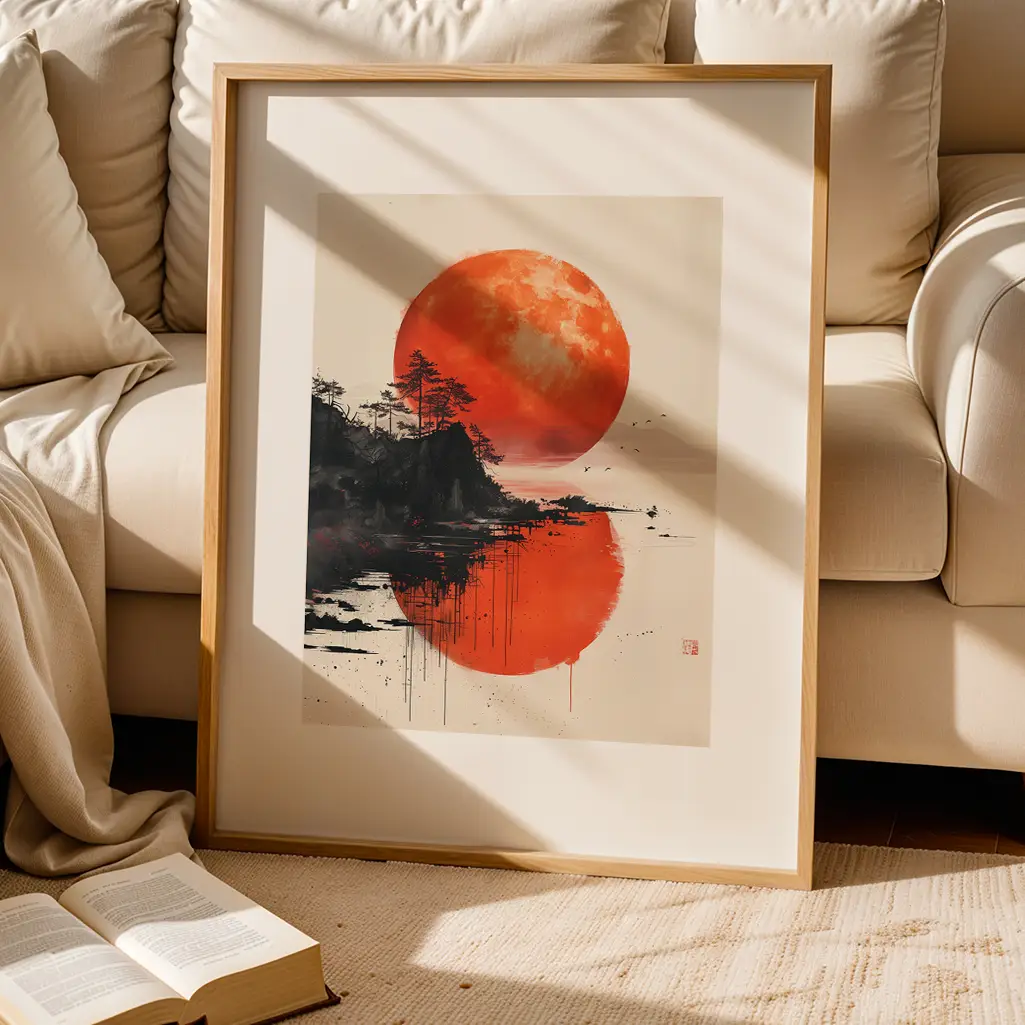
Imagine walking into your living room and instantly understanding the story it is telling. A low, comfortable sofa that actually fits the way you sit. A reading chair that is not the most fashionable, but perfectly meets your back. A single painting that slows you down just enough to notice the light at a certain hour. Not empty, not austere, simply edited.“Less but better” design starts here: with ruthless honesty about use. Ask which objects you reach for daily, almost without thinking. These are your anchor pieces. They deserve quality, care, perhaps even a little ceremonial treatment. A well made table that hosts your meals and work, a lamp whose warm light softens the room in the evening, storage that quietly swallows visual chaos. When you invest in these, visually and financially, you create a backbone for the space.
Around that backbone, you can begin subtracting what only performs the idea of a life you are not actually living. The aspirational kitchen gadget you never touch, the fourth set of throw pillows, the precarious stack of coffee table books no one opens. Each item is a tiny promise you made to yourself at some point. Keeping it indefinitely will not fulfill the promise. Allowing it to leave might make room for one you can finally keep.
Crucially, “less but better” does not mandate a specific style. A baroque room can practice it as faithfully as a bare loft. The question is not how much ornament exists, but how intentional it is. An ornate mirror that catches afternoon sun and amplifies light may be deeply “better” than three small, generic prints bought out of obligation. A single vase that you love to fill with seasonal branches will serve you longer than a cabinet of decor that never quite feels right.
Color and texture are also part of this edit. Too many competing hues and finishes fragment a room into visual static. Choosing a tighter palette does not mean embracing beige asceticism; it means deciding which colors you want to live with every day rather than sampling an entire paint deck at once. When in doubt, let the view outside a window guide you. The greens, stone grays, and sky tones already present can quietly tether your interior to the world beyond the glass.
Storage, often overlooked, is where “less but better” proves its humility. The goal is not to hide everything, but to give everyday objects clear homes where they can be found and returned without friction. A simple tray by the door for keys and mail, a lidded basket for the blanket you actually use, a single drawer for the things that resist categorization. These modest decisions slowly dissolve the vague background anxiety that comes from never knowing where anything is.
Over time, this approach changes how you buy. Instead of asking, “Do I like this, in this moment,” you begin to ask, “Where will this live, what will it replace, and will I still be glad for it when the novelty wears off.” The answer will often be no, and that no quietly protects the yeses that matter.
Applying “Less But Better” Beyond the Room
The objects in your home are the visible portion of an invisible architecture: how you spend your time and attention. Once you start editing the physical layer, it becomes difficult not to notice the cluttered corners of your schedule and your screens.A packed calendar can feel successful from a distance, but from inside it often feels like living in a room where every surface is covered. You dart from one obligation to the next, never lingering long enough to inhabit any of them fully. Here, “less but better” means choosing fewer roles to play in a day, and inhabiting them more completely. The evening you guard for dinner with a friend may require saying no to three other worthy invitations. The refusal is not a rejection of those possibilities; it is a form of respect for the ones you have already chosen.
The same holds for digital life. Tabs breed like unchecked mail. Notifications splinter your focus into confetti. You may find that the number of inputs you allow in a day has more impact on your sense of peace than the number of hours you work. Curating what you follow, silencing nonessential alerts, even designating small stretches of time where no screen is allowed to claim you, all follow the same logic: better input, not necessarily more.
A helpful test is to notice what leaves a residue. After a scroll, a meeting, a conversation, how do you feel. Clear, energized, quietly satisfied. Or blurred, vaguely diminished, oddly restless. The former experiences almost always involve some element of depth: enough time, enough presence, enough room to respond. They are the “better” that justifies their claim on your day.
Designing a life around “less but better” is not a one time purge; it is a rhythm of periodic review. Rooms drift toward clutter, calendars toward crowding, inboxes toward excess. Rather than seeing this drift as a personal failing, treat it as gravity. Your task is not to defeat it once and for all, but to keep gently reorienting toward what truly matters.
Each time you choose one beautiful, well used object over several indifferent ones, or one meaningful commitment over a handful of lukewarm obligations, you are, in effect, redesigning the room in which your days unfold. You may find that your home grows quieter, your schedule looser, and your attention more available. Not because you have subtracted joy, but because you have made space for it to be seen.