The Quiet Drama Of Having Less, But Better
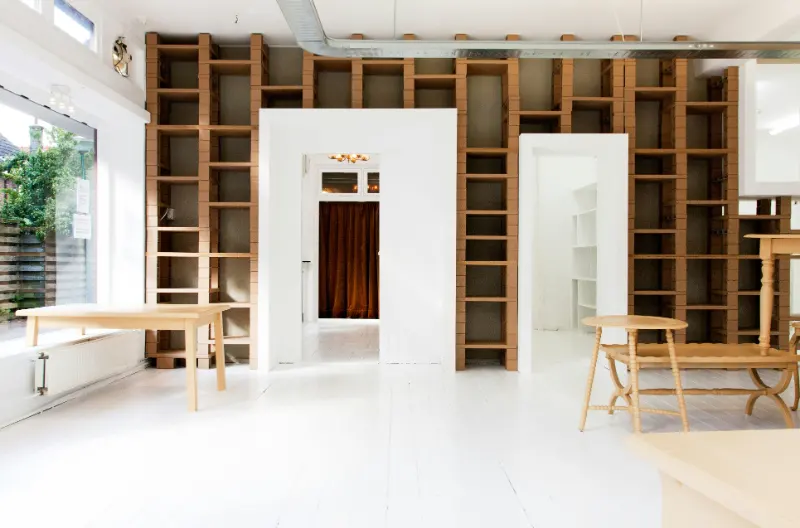
Luxury minimalism isn’t about living in a white box with one lonely chair. It is about “edited abundance”: owning fewer things, each chosen with such intention that the space feels calm, layered and quietly expensive.The paradox is that minimal rooms can just as easily look cheap and unfinished as they can look serene and luxurious. A sparse room without thought feels like a move-in day that never ended. A sparse room with thought feels like a gallery: every object earns its place, and the empty space around it becomes part of the composition.
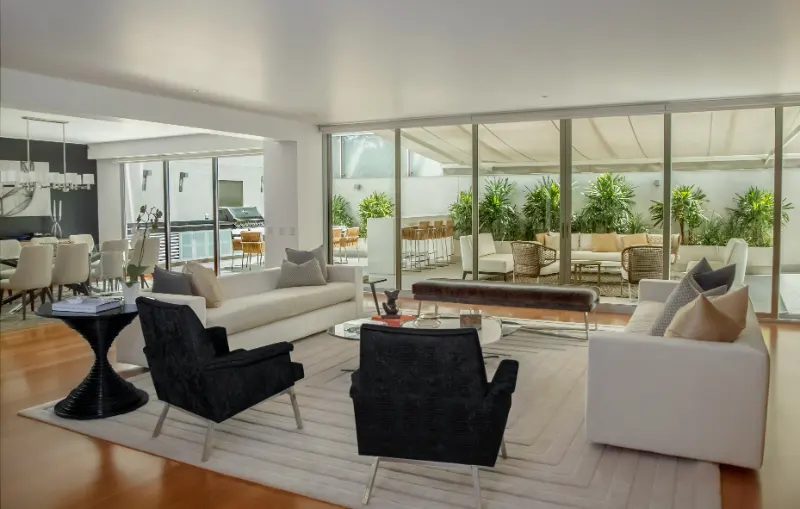
The difference lies in three intertwined ideas: proportion, materiality and continuity. Proportion asks whether pieces feel appropriately scaled to the room and to one another. A sofa that is too small will make a minimal living room feel pinched; a slightly oversized, low-profile sofa can make the same room feel generous, like a hotel suite. Materiality is the quiet language of surfaces: the difference between a flat, cold laminate and a softly honed stone, a squeaky synthetic fabric and a textured wool. Continuity is the thread that keeps the eye from tripping. When color, shape or materials repeat in subtle ways, the room feels deliberate rather than improvised.
Think first about what the room should do to your nervous system. Luxury minimalism is less about impressing guests and more about regulating your own mood. You are designing an emotional temperature. Do you want the space to feel like a “monastery with better upholstery,” or like a light-filled pied-à-terre? This will guide whether your palette tilts warm or cool, whether lines are crisp or softly rounded, and how much contrast you invite into the room.
Begin with subtraction. Temporarily clear surfaces, roll away visual clutter, and live for a day or two with the almost-bare room. Notice what you miss. The lamp you reach for nightly deserves an upgrade; the decorative object you do not search for can probably go. Luxury minimalism grows from this kind of honest audit. You are not styling for a photograph but for your daily rituals: where you drop keys, sip coffee, stretch on the floor. A room built around real habits will always look more convincingly refined than a room built around a mood board.
Once you have a skeleton—the necessary furniture and lighting—you can begin to thicken it with better bones, not more stuff. Upgrade a single piece at a time, prioritizing those that you touch or see constantly: the sofa fabric under your hand, the nightstand where your phone sleeps, the handle you grasp ten times a day. Discreet moments of quality, repeated, read as luxury even when the room is visually lean.
Material, Light And The Art Of Subtle Contrast
In a minimal room, surfaces have to work harder, because there are fewer of them. The eye will linger on the grain of the wood, the weave of the rug, the sheen of metal. This is where luxury can whisper instead of shout.Choose a restrained palette, but avoid flat sameness. An all-white room can feel sterile if every white is exactly the same. Instead, aim for a stack of close cousins: warm ivory on the walls, chalk on the sofa, bone in the rug. The micro-shifts keep the space from feeling like a blank page. A single darker anchor—perhaps a chocolate wood coffee table or a charcoal framed print—provides “visual punctuation” that keeps the room from floating away.
Texture becomes your richest tool. A minimal bedroom with a plain cotton duvet and bare floors may feel like a dorm; swap in a linen duvet with a slight slub, a wool rug underfoot and a smooth lacquered tray on the nightstand, and the same minimal layout suddenly feels deliberate. Rough against smooth, matte against gloss, cool stone against warm wood: these small frictions create depth without adding clutter.
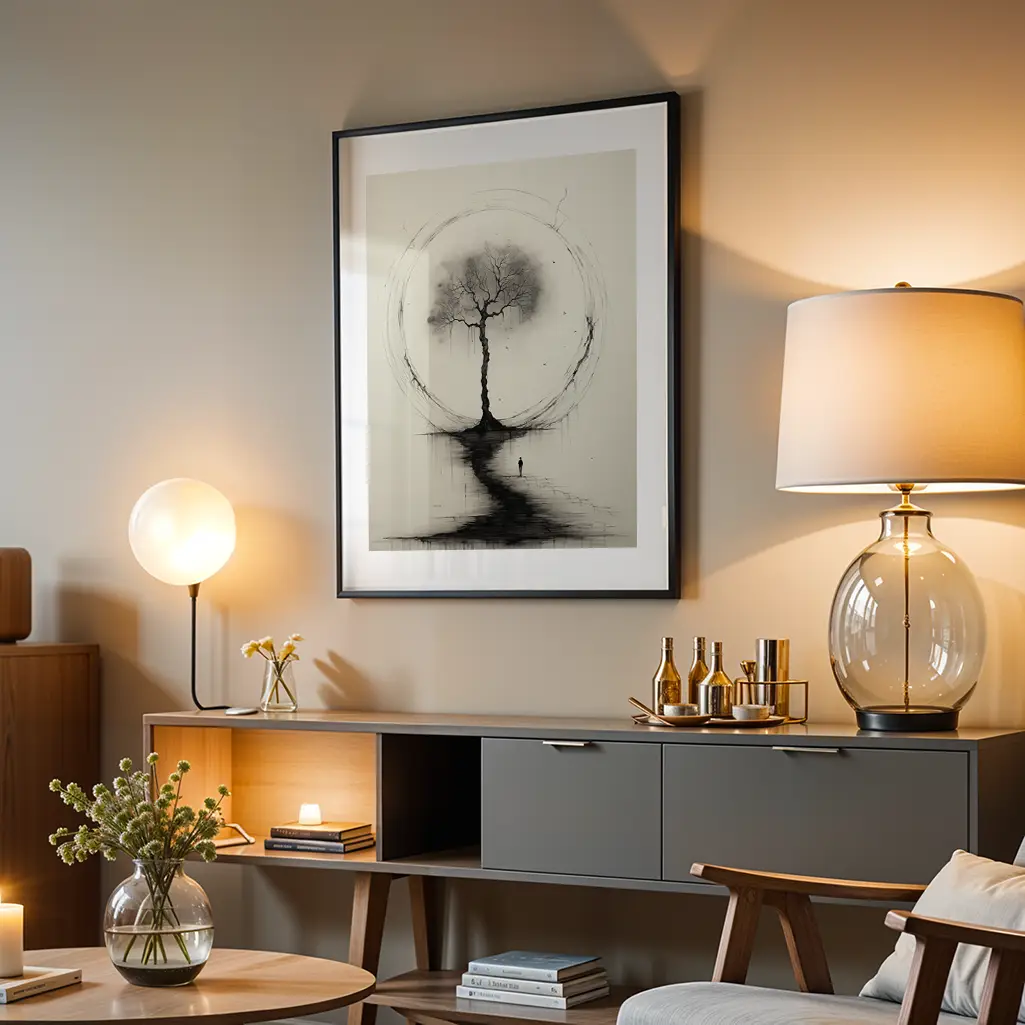
Light is another form of material. Harsh overhead lighting can flatten even the most carefully chosen pieces. Instead, think in layers. A quiet, “expensive” minimal room often relies on diffuse, low light: a floor lamp that washes a wall, a table lamp that pools on a book, a hidden strip of LED that grazes a shelf. The light is rarely the star; it is the frame that makes the objects legible. When possible, leave windows as unencumbered as privacy allows. The luxury is in seeing the day move across your walls.
Pay attention to how objects meet the ground. Cheapness tends to reveal itself in awkward junctions: a rug that is too small and floats in the center of the room, chair legs that tangle with cords, a tangle of items jammed under an open console. In a luxury minimalist space, the floor reads almost like negative space in a painting. Rugs are sized generously so furniture sits fully on or around them; cords are managed; storage is contained behind doors or in boxes that echo the room’s materials. In this way, absence feels intentional.
Using Restraint To Tell A Personal Story
The risk of minimalism is that it can start to feel like a hotel: elegant but anonymous. Luxury minimalism, if it is to feel like home, needs a personal accent that does not break the spell of restraint.The key is to think of personal objects as “soloists” rather than crowd members. Instead of displaying every book you own, choose a tight row that you truly revisit. Instead of scattering travel souvenirs across every surface, cluster a few on a single shelf and give them space around. A single ceramic bowl with an irregular rim, sitting alone on a console, can feel more luxurious than a crowd of decor. The space around it becomes its stage.
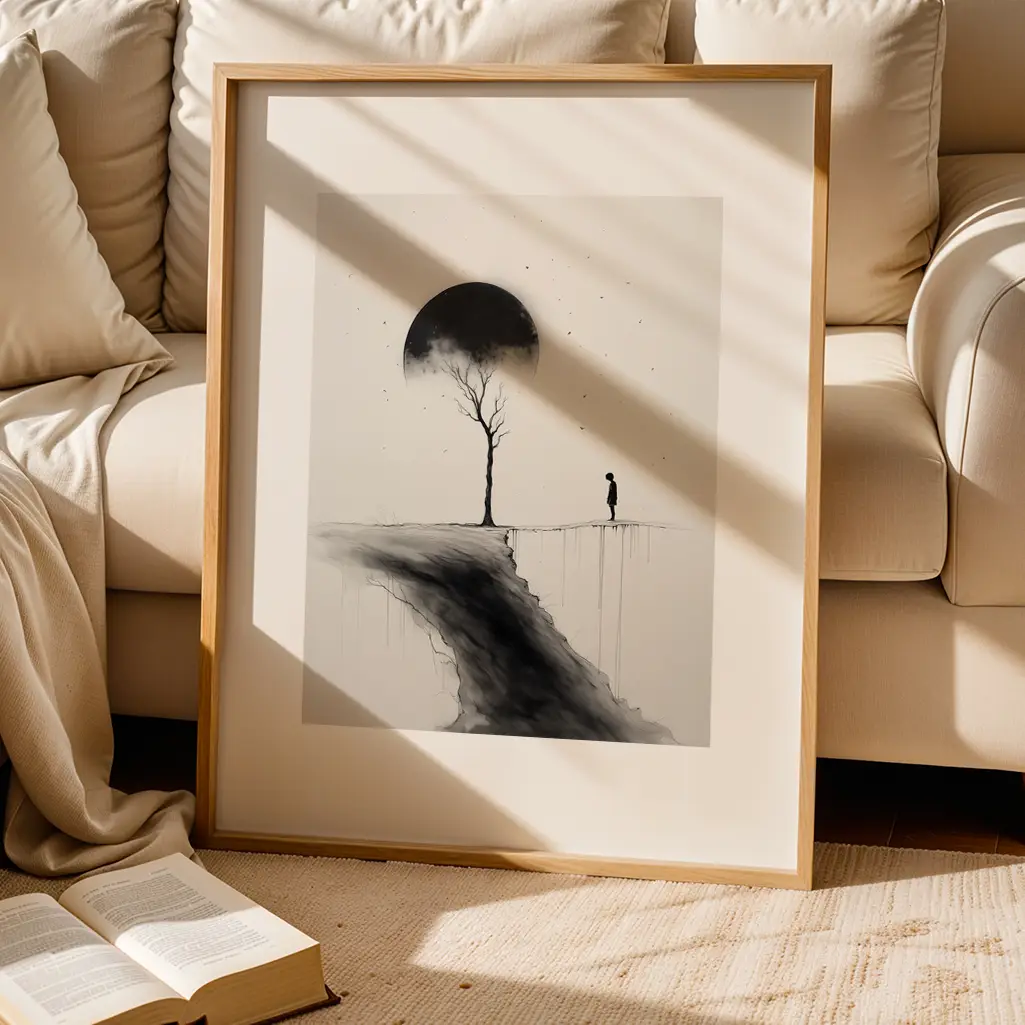
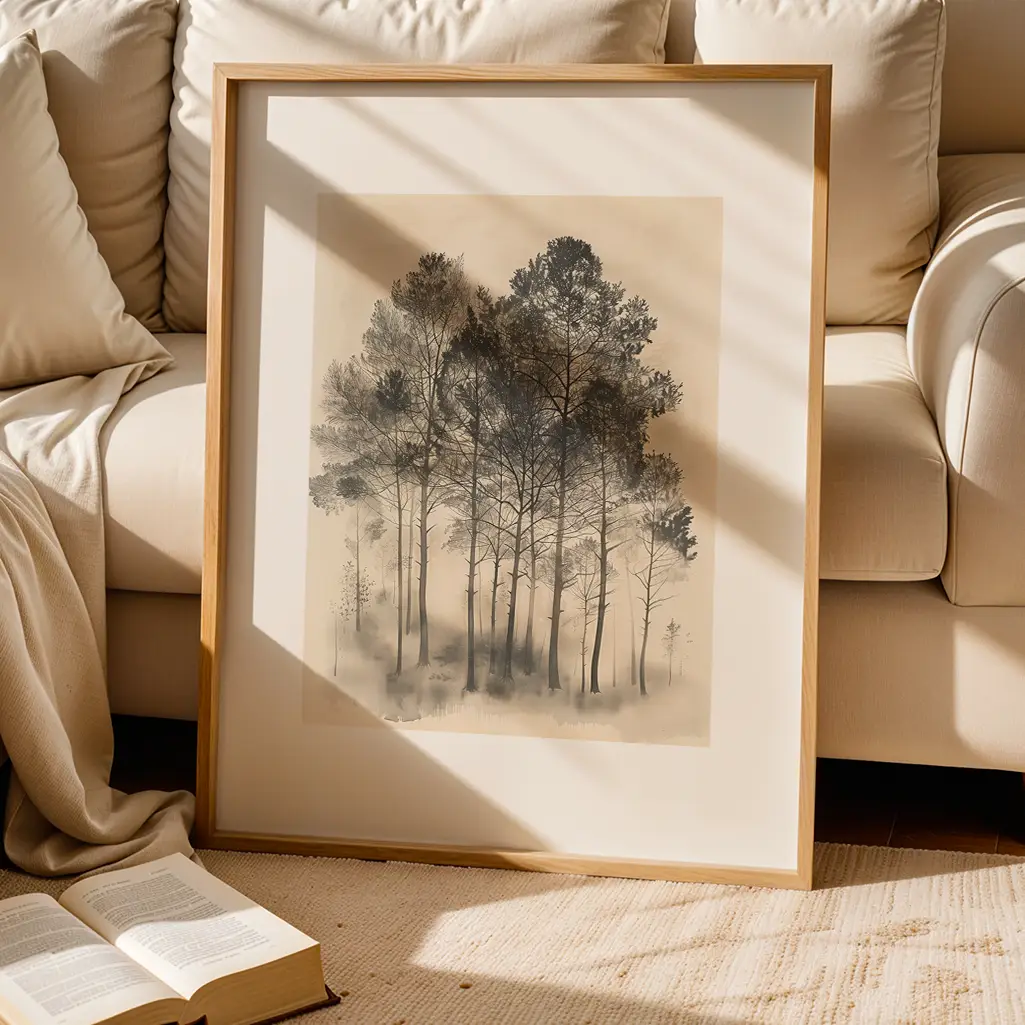
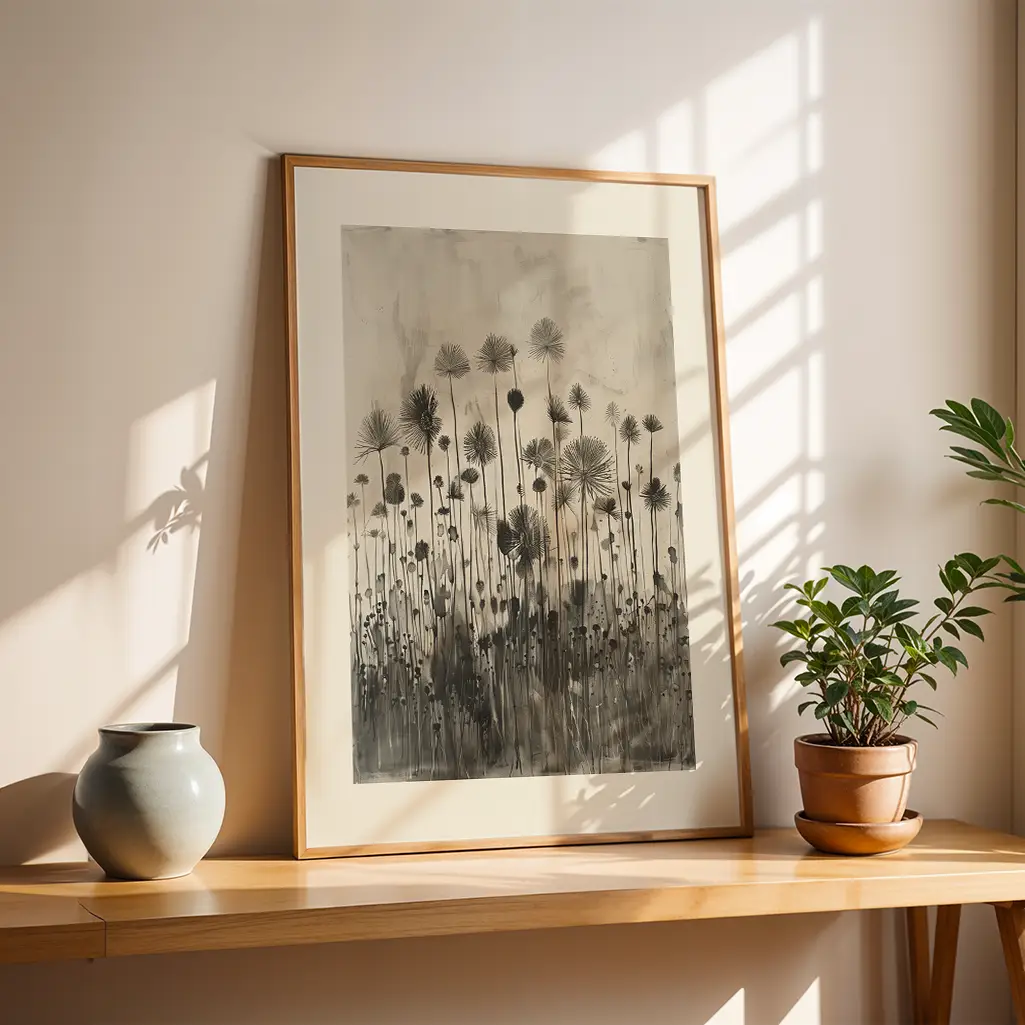
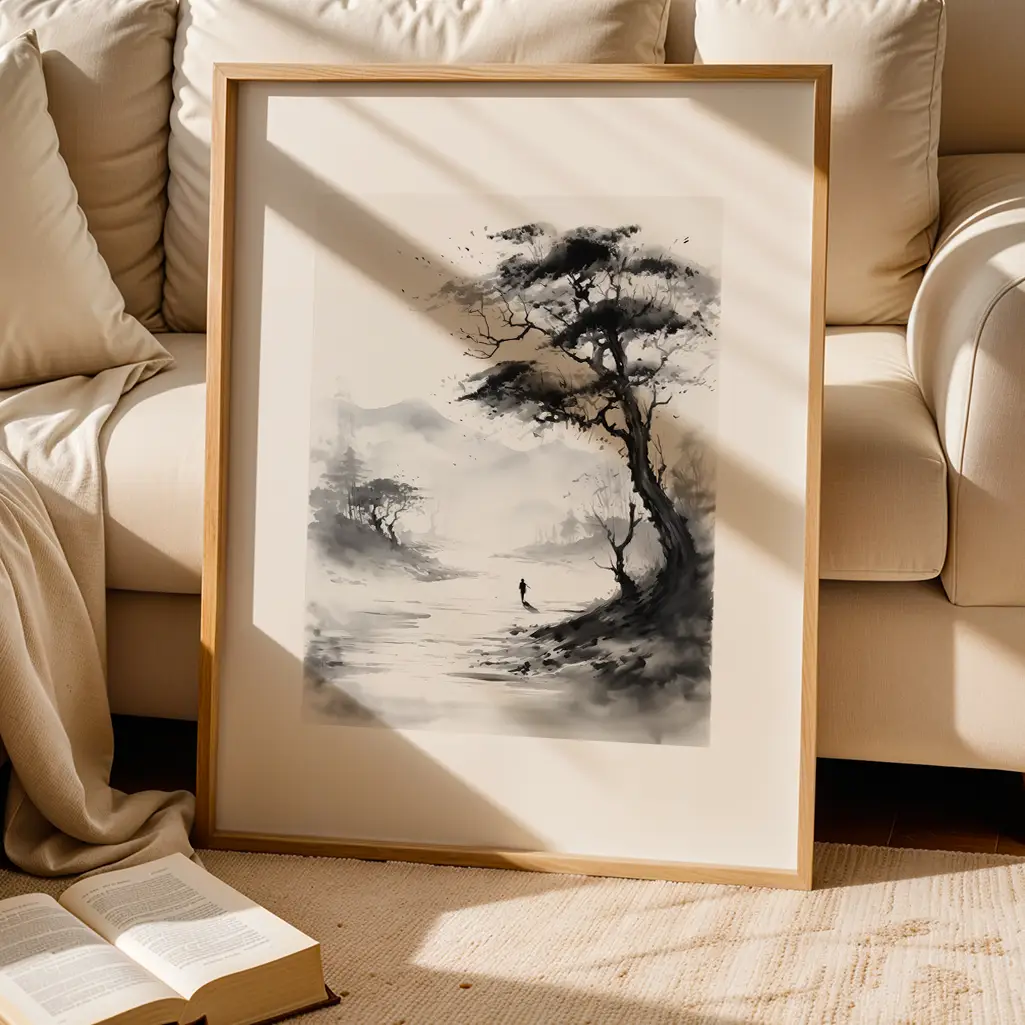
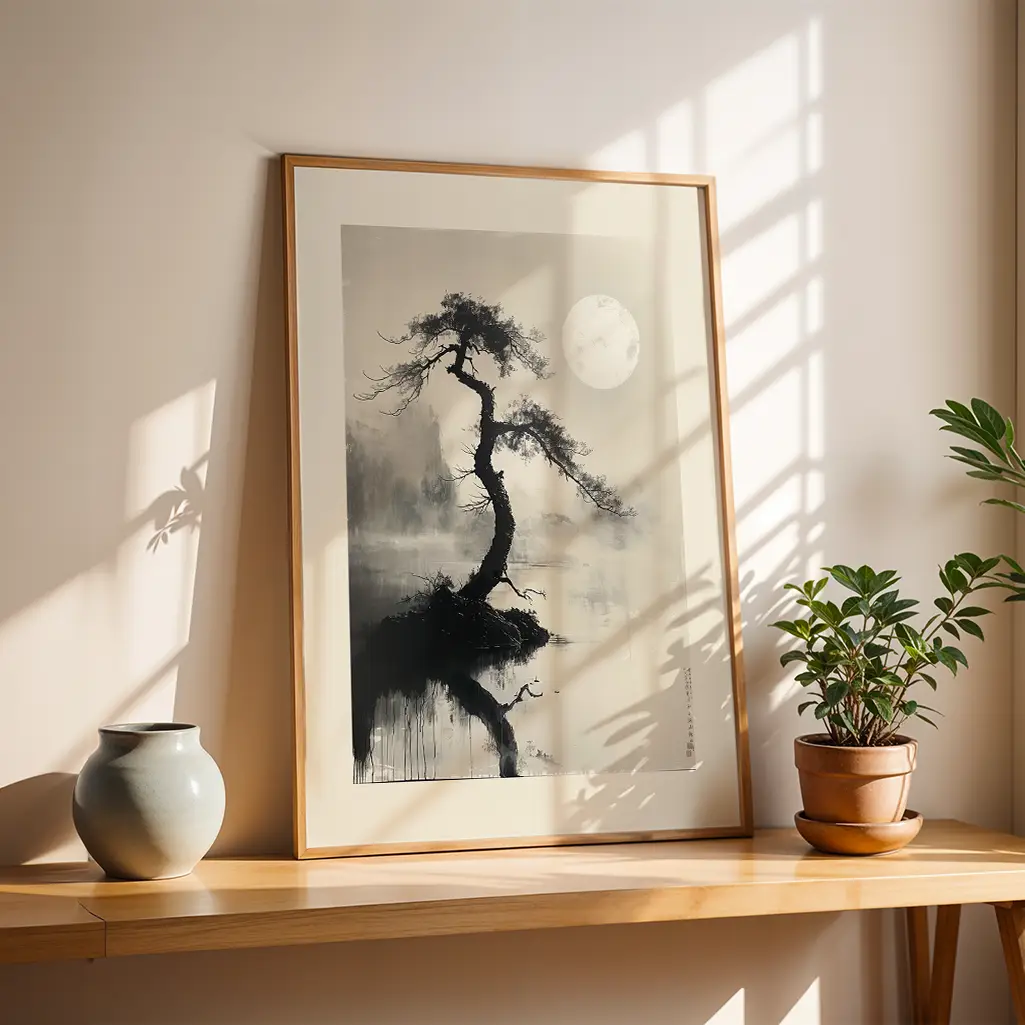
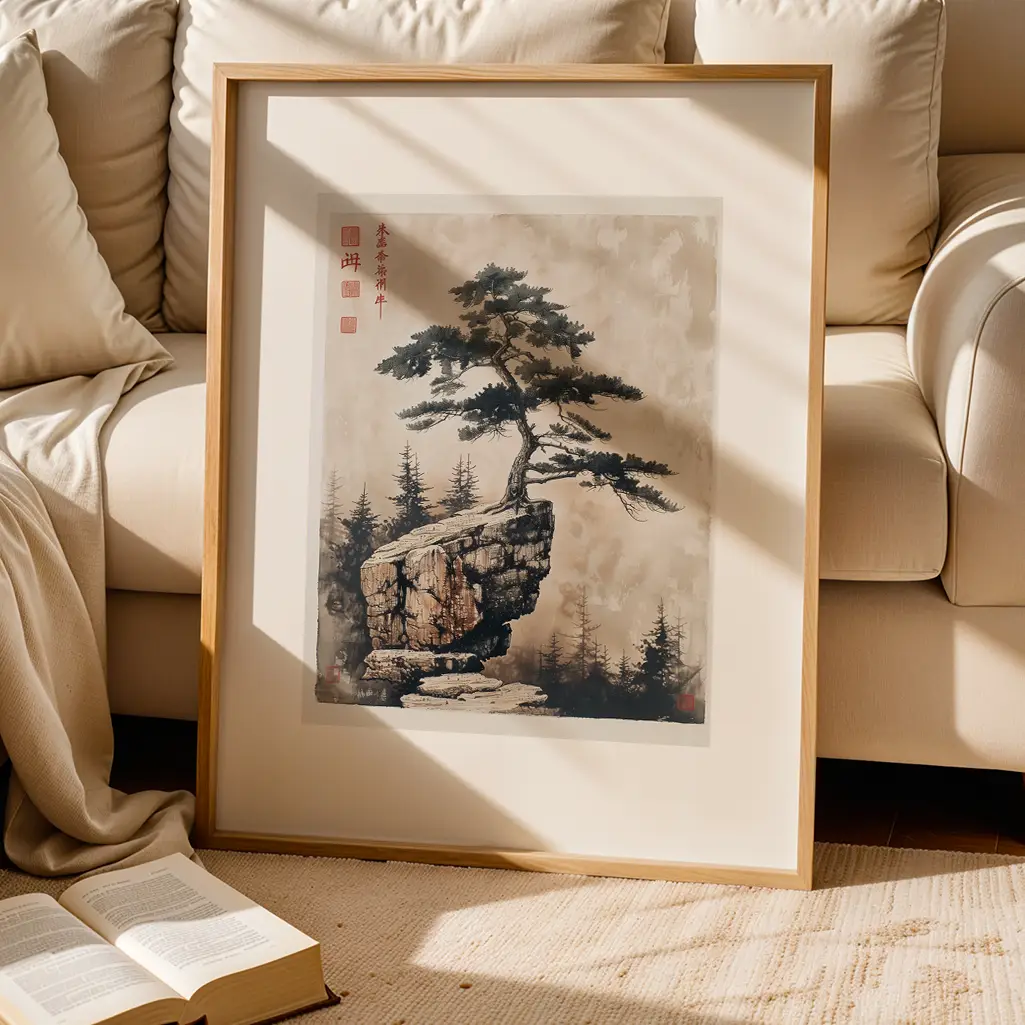
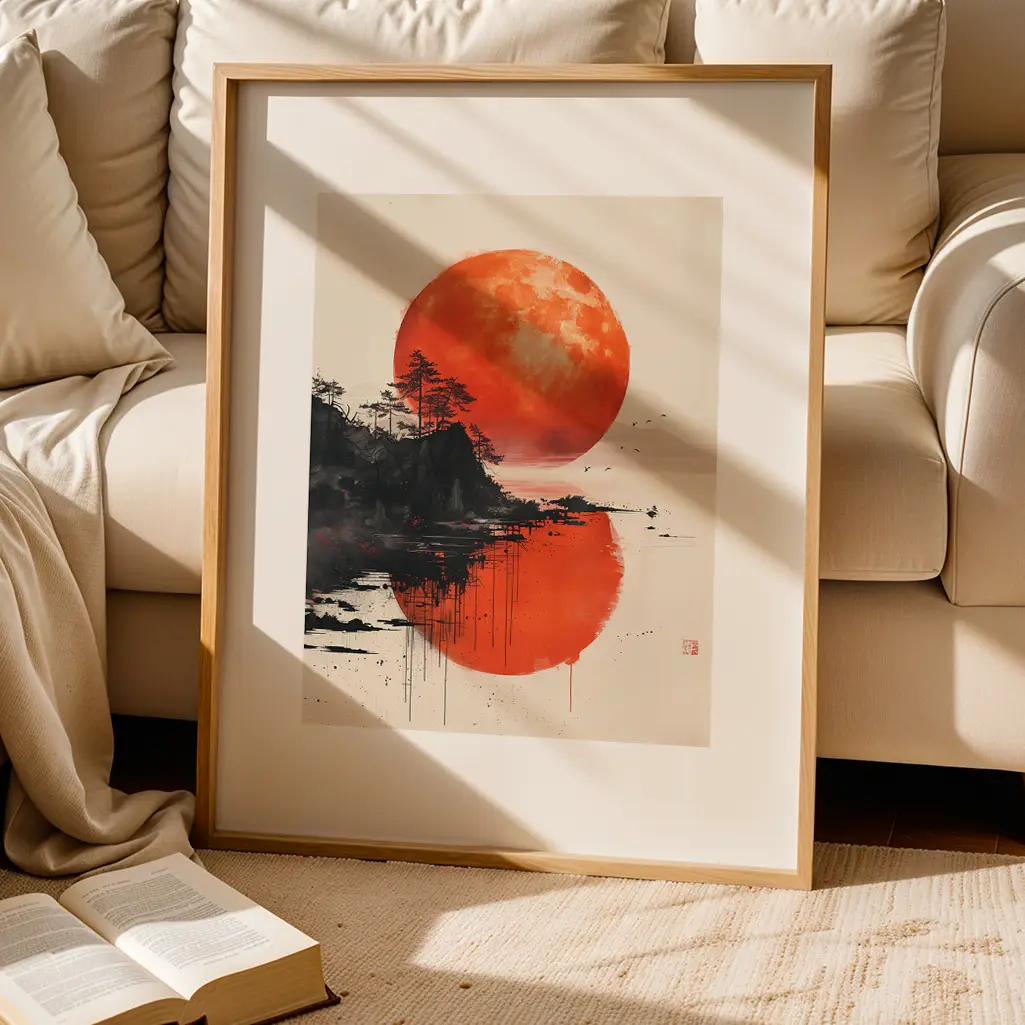
Art is where you can be surprisingly bold without cluttering the room. A large, simple piece—an abstract wash of color, a restrained photograph, even a framed swath of linen—can add drama while maintaining minimal lines. Overscale art in a minimal room often feels more luxurious than multiple smaller pieces, which introduce visual noise. The emptier the walls, the more each piece matters; choose only what you love enough to look at daily.
Scent and sound, though invisible, are powerful contributors to the feeling of luxury. A quiet playlist, a single quality candle, the hush created by soft textiles on hard floors—these are forms of “sensory minimalism.” When you edit objects, you amplify other senses, and the space can feel more fully inhabited, not less.
Ultimately, making minimal decor look expensive is less about money than discipline. It is the discipline to say no to almost-right purchases, to wait for the piece that aligns with your palette and your proportions. It is the discipline to keep surfaces clear enough that the one object you place there can actually be seen. And it is the discipline, perhaps hardest of all, to keep asking what the room gives back to you when you sit quietly in it.
Luxury minimalism, at its best, feels like a kind of domestic meditation. The room does not clamor. It hums. Each item has purpose, each material has presence, and the open spaces between them allow you to notice your own life unfolding there.