Understanding Ma: More Than Empty Space
In Japanese, the character Ma (間) is drawn as a sun or moon shining through a door. It is an image of light entering a gap, a reminder that space is not absence but a kind of presence. Ma is the charged interval: the pause in a conversation, the silence between musical notes, the bare wall that makes a single painting feel important. In design, Ma is the art of giving things room to breathe so that their quiet power can actually be felt.
Unlike many Western ideas of minimalism, which often focus on reducing possessions, Ma is concerned with the relationship between things and the spaces around them. A room can be sparsely furnished and still feel lifeless if there is no attention to proportion, rhythm and the way light moves. Conversely, a room with very few objects can feel surprisingly rich if each object is placed in a way that honors the void surrounding it. Ma lives precisely in that interplay: it is the invisible architecture that shapes your sense of calm.
You can notice Ma most clearly when it is missing. A crowded bookshelf where no single spine stands out, a countertop layered with small appliances, a gallery wall in which every frame competes for attention. In each case the eye scrambles from object to object, with no resting point. There is no pause, no silence. The result is a low, persistent visual noise that quietly drains your attention. Designing with Ma is a way of turning down that volume and allowing your rooms to speak more softly and clearly.
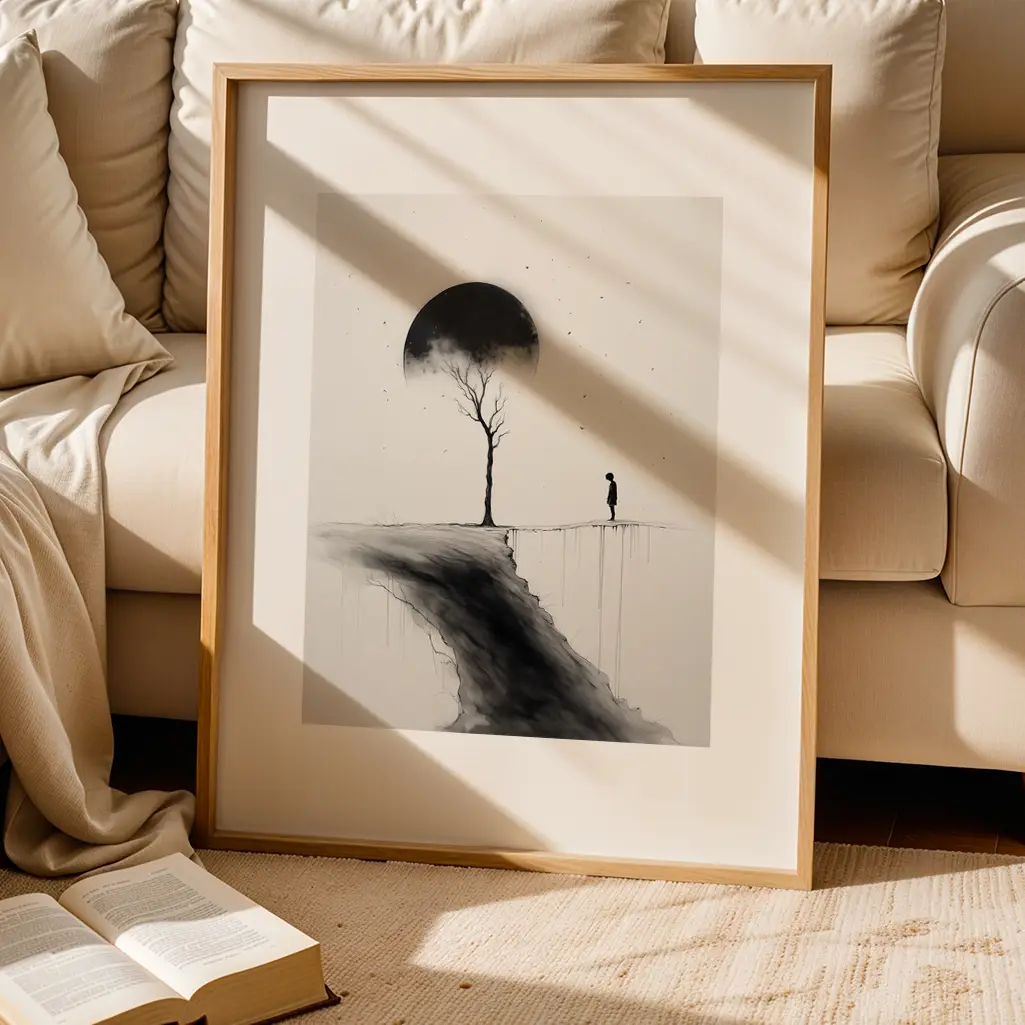
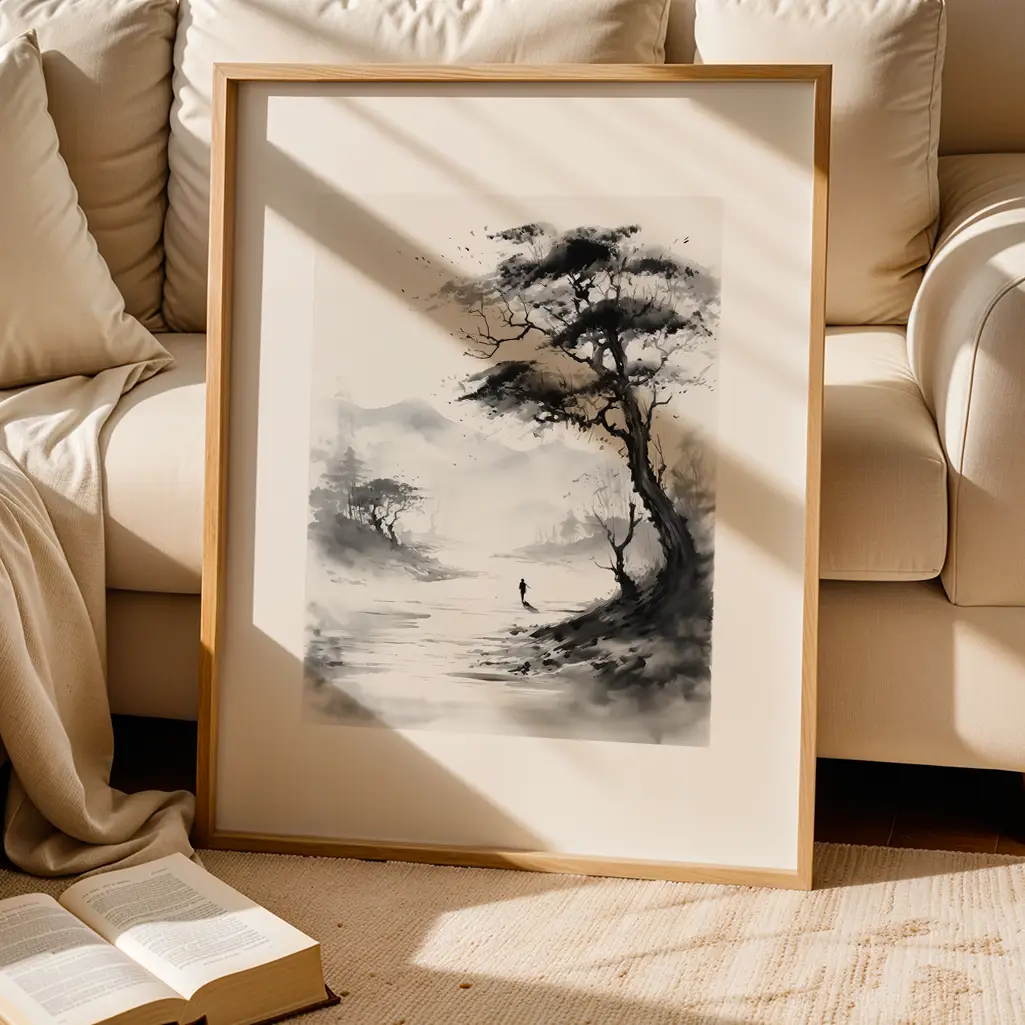
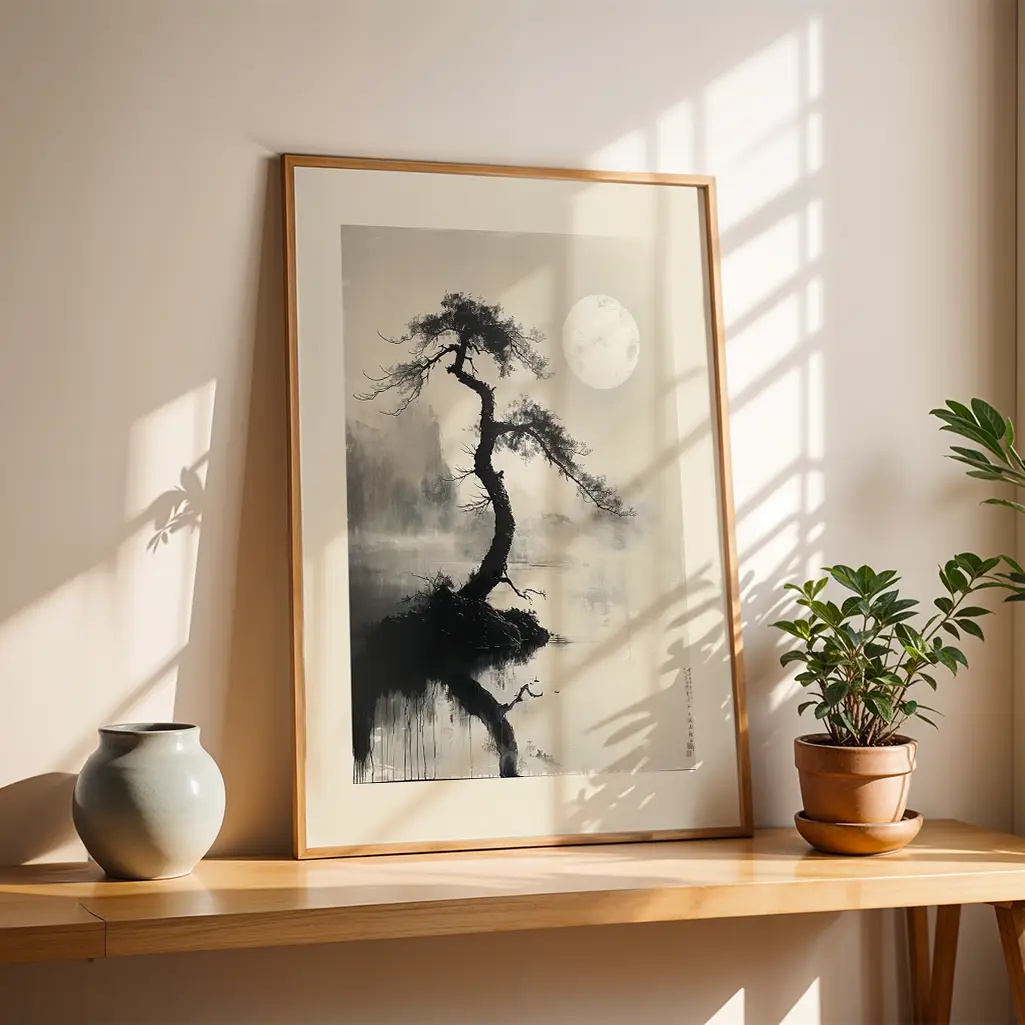
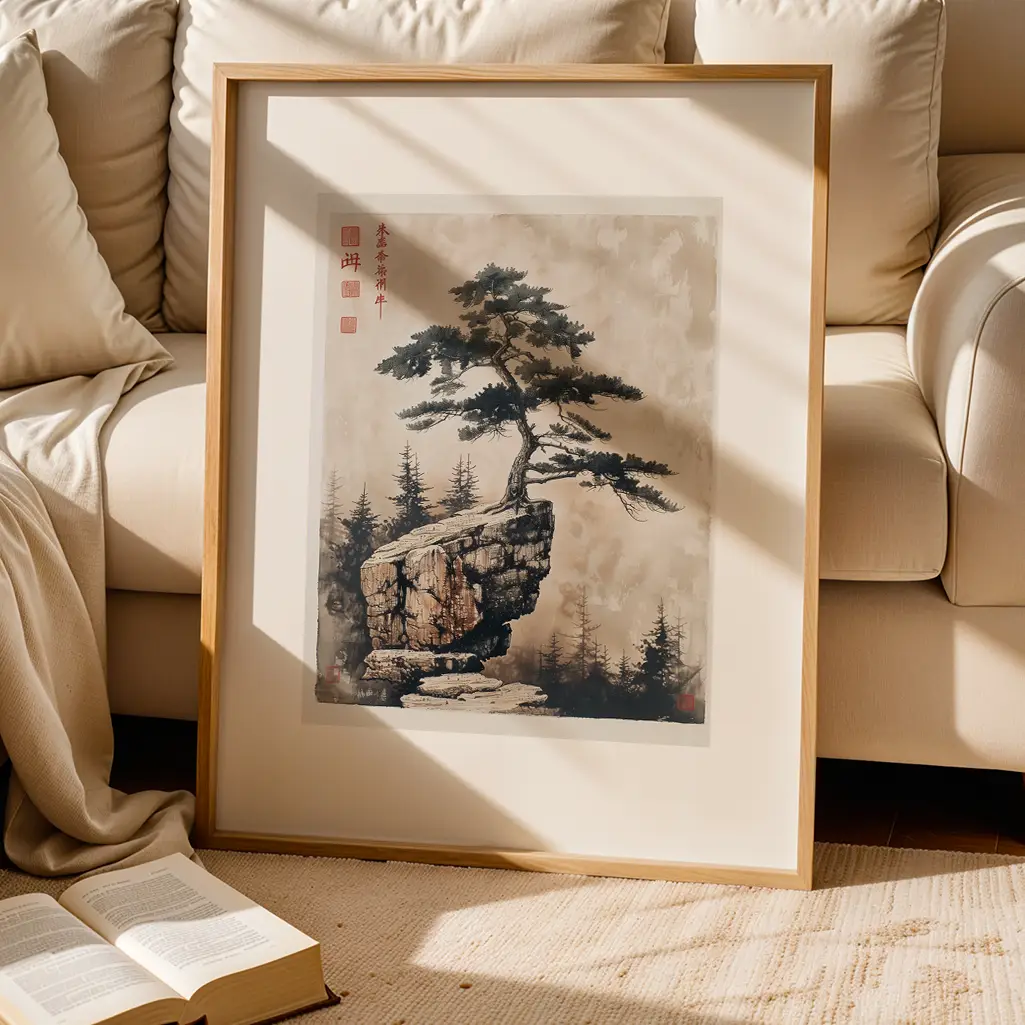
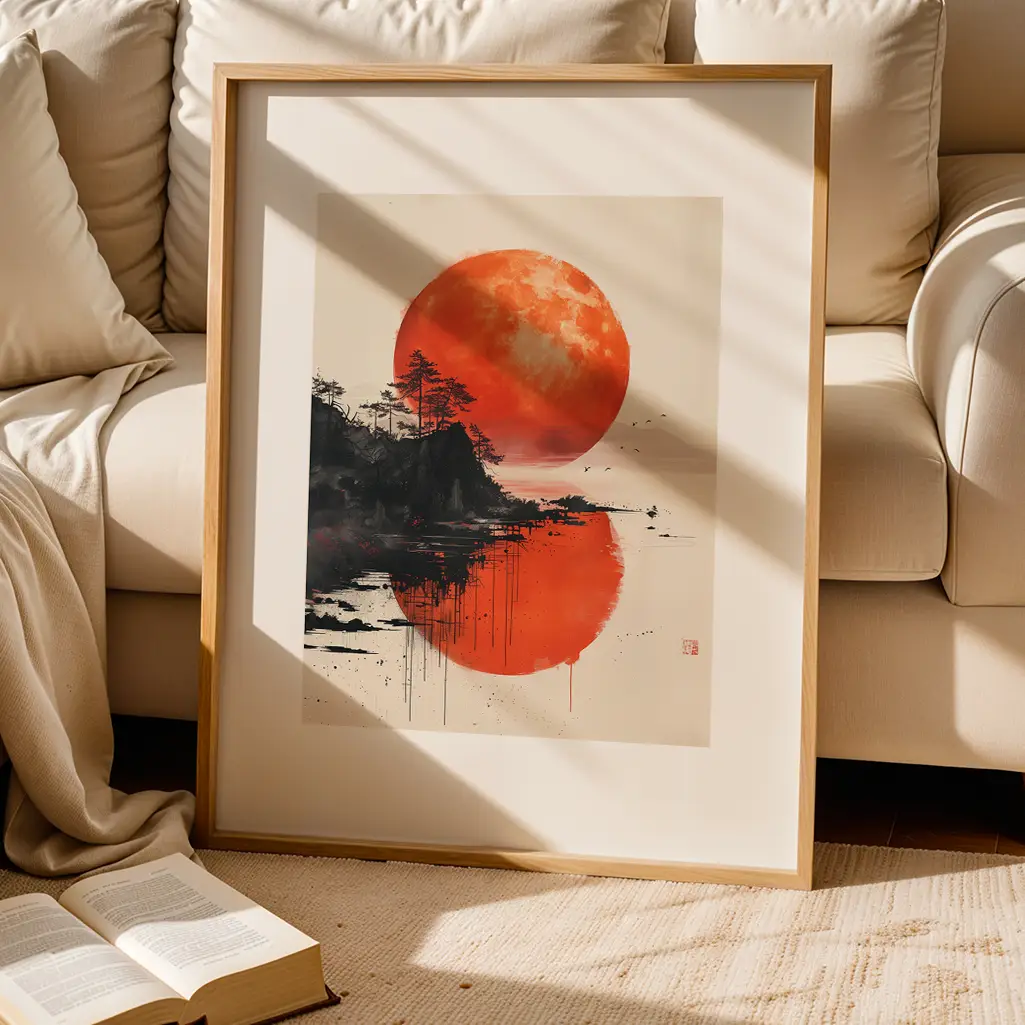
This has roots in Japanese aesthetics beyond interior design. In traditional ink painting, the artist may leave most of the paper untouched, allowing a single branch or mountain ridge to emerge from expanses of white. In Noh theater, the slowness of movement and the deliberate use of silence invite the audience to inhabit the moments between gestures. The same sensibility can guide a living room or a bedroom: what you leave unfilled is as significant as what you choose to place.
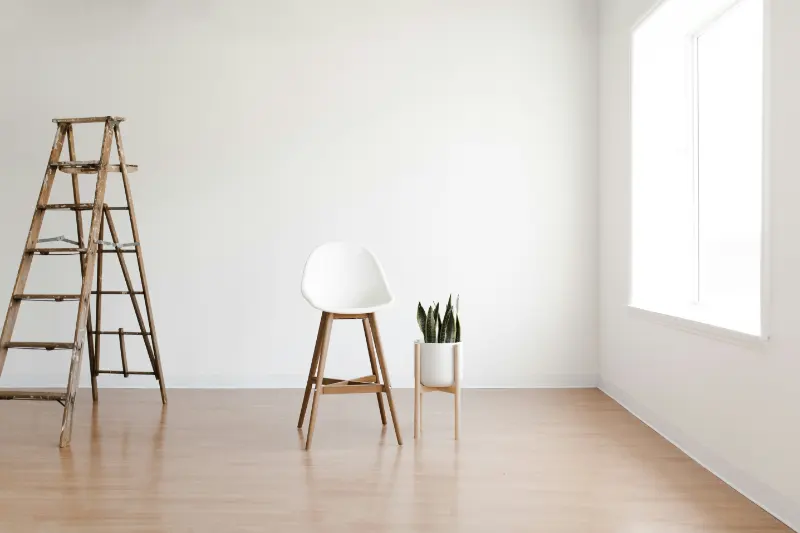
Thinking in terms of Ma encourages you to ask not simply, "Do I like this object?" but "How does this object breathe in relation to its surroundings?" A chair next to a window is not just a chair; it is a pause in the wall that lets light land on fabric, lets shadow pool beneath its legs, and offers your body a place to rest. The more you attend to these subtle relationships, the more your home begins to feel composed rather than merely furnished.
Translating Ma into Everyday Rooms
Bringing Ma into your space does not require a complete aesthetic conversion to Japanese interiors. It asks instead for a shift in how you read your rooms. Begin by noticing where your eye can rest. Stand in the doorway of a room and track your gaze. Does it pinball from object to object, or does it move slowly, landing on a few clear focal points? If everything is competing to be seen, Ma is likely missing. If there are quiet areas, open stretches of wall or floor that feel intentional rather than unfinished, you are already partway there.
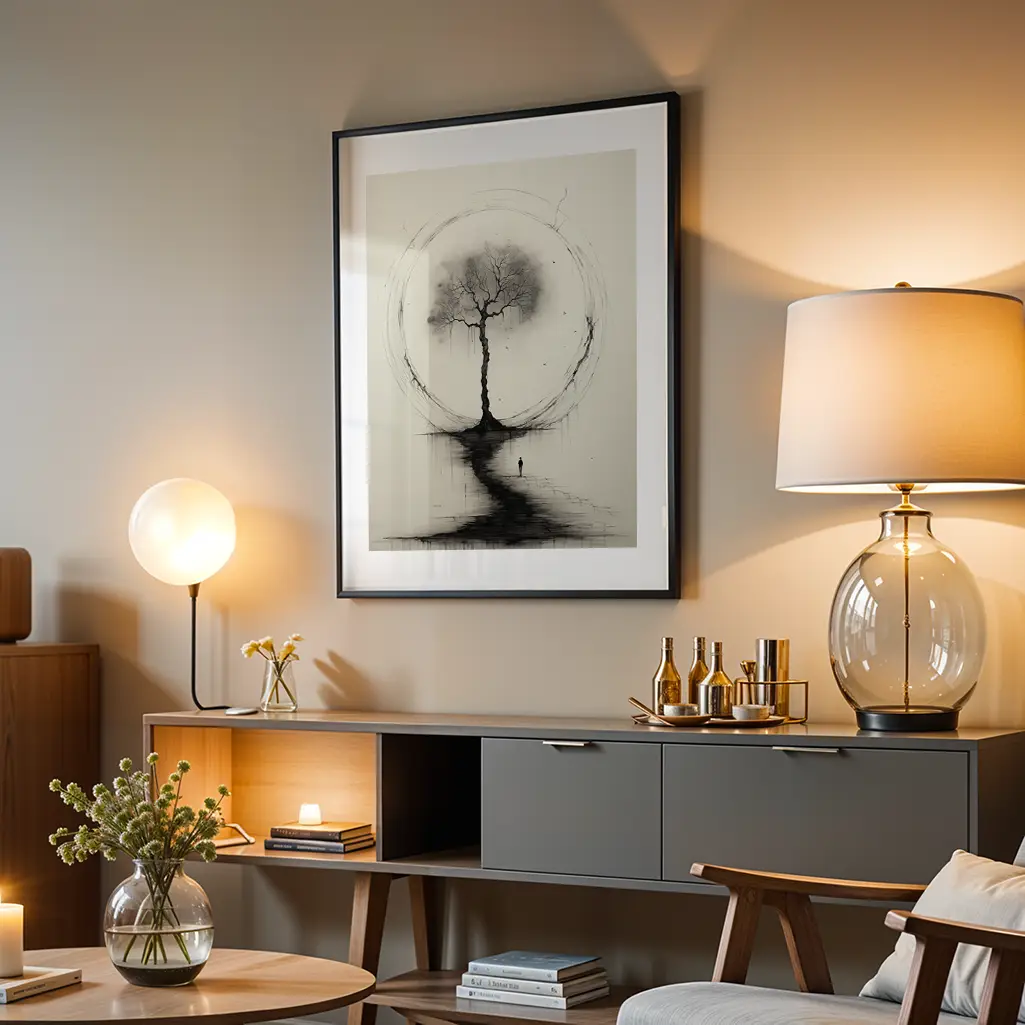
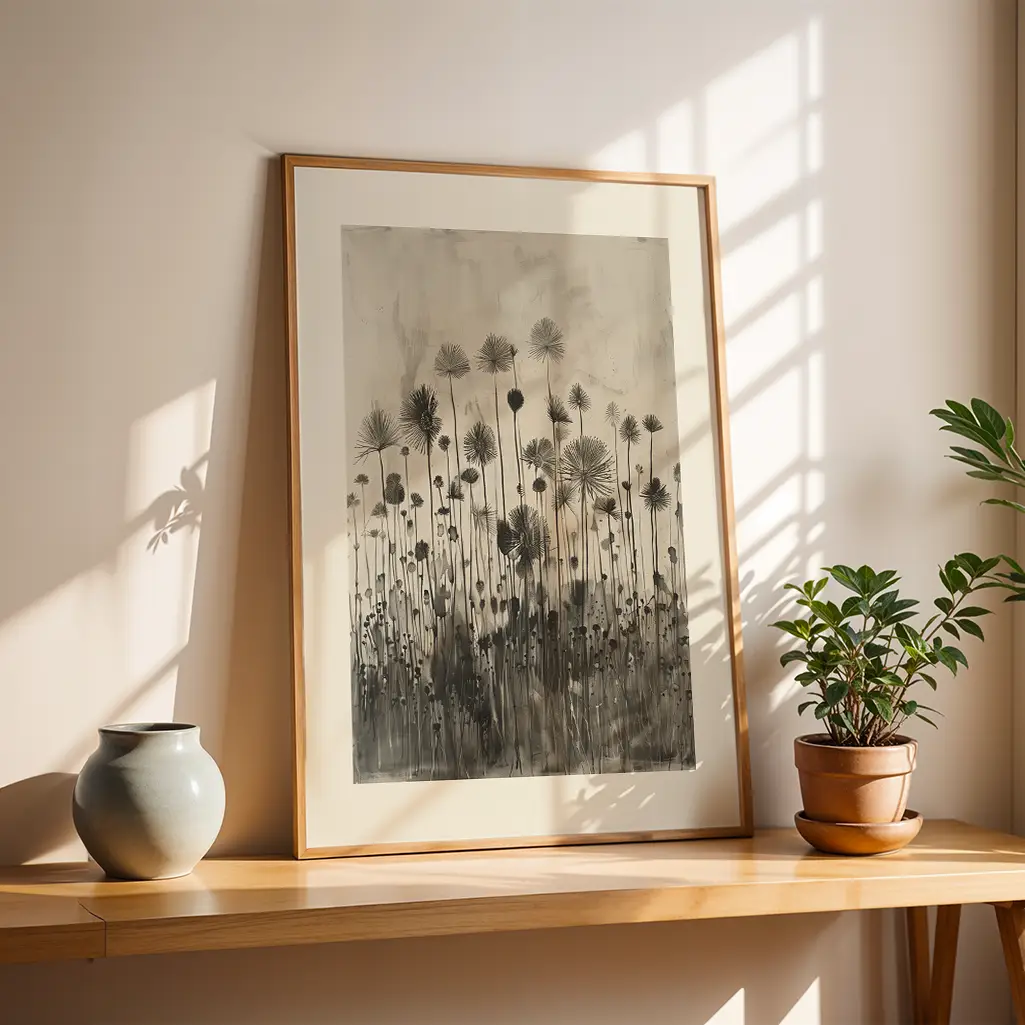
One of the simplest ways to cultivate Ma is to edit placement rather than objects. Take a console table that has become a catchall. Clear it completely. Then, instead of returning every piece, choose one or two that you most want to notice: a vessel whose shape you love, a small lamp that creates a soft pool of light. Leave the remaining surface empty, even if the blankness feels awkward at first. That slight discomfort is often the feeling of Ma arriving, the mind relearning how to be at ease with visible pauses.
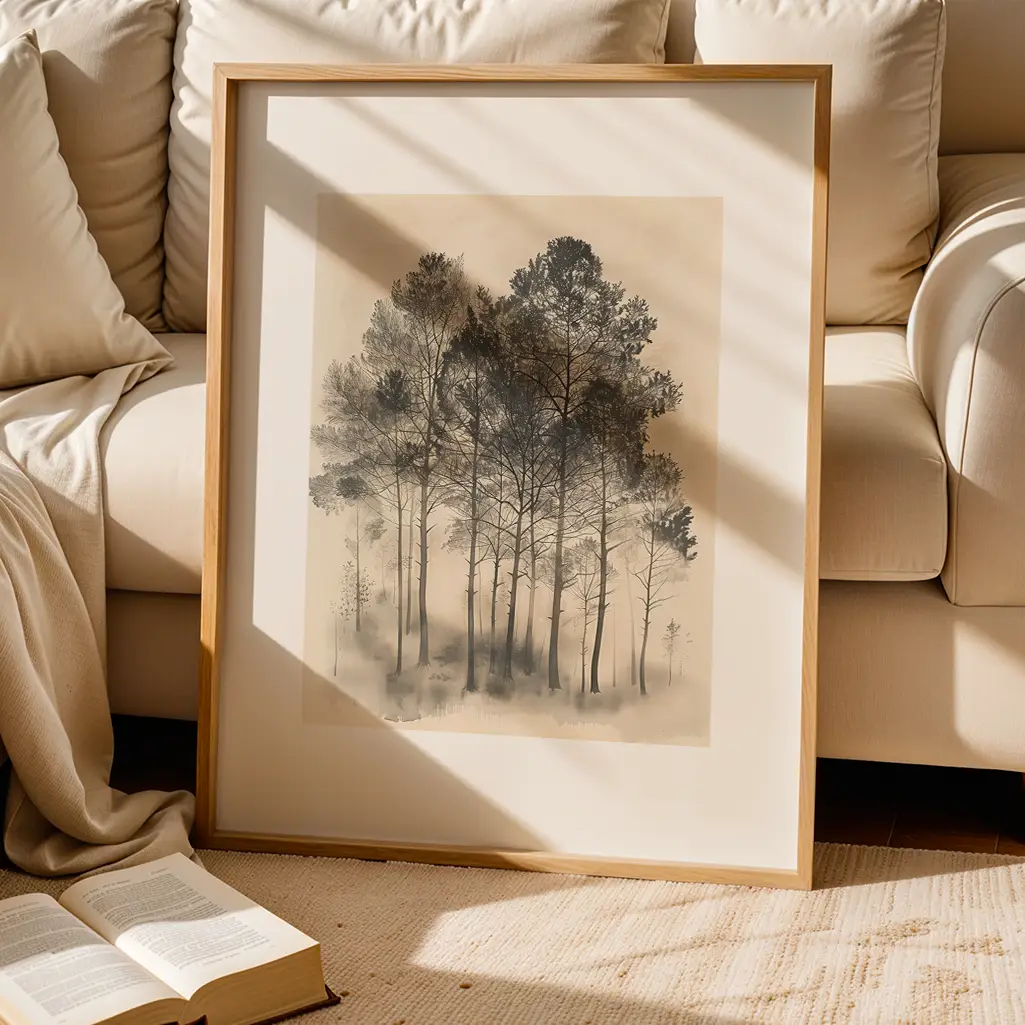
Spacing matters as much as selection. A single artwork centered on a wall can feel ceremonial if you allow generous margin around it. A sofa pulled slightly away from the wall creates a narrow band of negative space that light can slip through, softening the room. Even the simple act of aligning objects along a shared visual line, and then giving them breathing room on either side, establishes a rhythm that is calmer and more legible.
Light is a collaborator in Ma. Notice where natural light enters and where it fades. An empty corner that sunlight grazes for only an hour each afternoon can become a moment of quiet drama if you keep it largely clear. A reflective surface placed within that beam can echo a soft glow deeper into the room. By not filling every bright spot with furniture, you allow light itself to become one of the room’s key inhabitants.
Sound and movement also reveal how Ma works. Imagine walking from your front door to the farthest room. Do you encounter small obstacles at every step, or are there clean, unhurried paths? A hallway free of visual clutter functions like a held breath between busier zones. The absence of objects here is not a lack but a transition, giving your senses a moment to reset. In this way, Ma turns circulation spaces into intentional pauses, much like the white space between paragraphs on a printed page.
Living with Silence: The Emotional Texture of Ma
At its core, Ma is a form of hospitality, not just for guests but for your own attention. It recognizes that the mind needs places to rest, that constant stimulation—even of beautiful things—can be quietly exhausting. When you allow stretches of visual silence in your home, you are, in effect, inviting your nervous system to settle. The room stops insisting on itself and begins to listen back.
This does not mean your space must be austere or monochrome. A room full of books can still embody Ma if the shelves are punctuated by gaps where the spine of a favorite volume has space to stand alone, or where a simple stone or photograph interrupts the linear density. A dining table can host lively meals yet feel grounded if the surrounding surfaces remain mostly clear, letting the central activity of eating and talking rise into focus without competition from the edges.
Living with Ma also involves a certain tolerance for incompletion. There may be a wall you do not rush to decorate, a corner you allow to stay open until its purpose reveals itself. In a culture that often celebrates efficiency and instant results, this waiting can feel countercultural. Yet the patience built into Ma is part of its emotional depth: it trusts that meaning can emerge slowly, through repeated daily encounters with your surroundings.
Over time, attending to Ma can change not only how your home looks but how you inhabit time within it. Mornings might include a brief pause by a window you have kept unencumbered, evenings a moment on a bare patch of floor where the last light pools. These rituals are less about adding new behaviors than about noticing the ones that were already possible once space was made for them. The home becomes less an inventory of things and more a sequence of quiet experiences.
In this way, Ma is both a design principle and a gentle discipline of attention. It asks you to subtract just enough to reveal what matters, then to protect the spaces that remain unfilled. The silence between objects, like the pause between breaths, turns out not to be emptiness at all, but the subtle medium through which a calmer, more intentional life at home can take shape.