Seeing Your Home With New Eyes
Minimalist decor is often misunderstood as an aesthetic of deprivation: white walls, one chair, a single solemn plant trying its best in the corner. In practice, it is less about owning very little and more about owning with intention. The most useful minimalist decor checklist is not a shopping list; it is a way of seeing.Imagine walking into your living room as a guest who has never met you. What would you notice first. The soft weight of the sofa cushions. The glare of a television. A pile of shoes staging their quiet revolt by the door. Minimalism asks a simple question of every object in that scene: What are you doing here.
That question has three possible answers, each forming its own part of the checklist. An object either earns its place and you keep it. It drains the room and you remove it. Or it reveals a gap, and you add something carefully chosen to restore balance. This rhythm of keep, remove and add becomes less a one time purge and more an ongoing conversation with your space.
The goal is not to erase personality but to distill it. A minimalist room that works feels like a deep breath. It holds empty space the way a good sentence uses silence around a phrase. You are not decorating for an imaginary magazine spread. You are designing the backdrop for the life you actually live on an ordinary Wednesday.
Before you touch a single shelf, define how you want the room to feel in three words. Calm, bright, grounded. Or maybe warm, thoughtful, quiet. Those words become your private design brief and the standard by which everything in the room will be evaluated.
Stand in the doorway and take a slow sweep with your eyes. Notice where they snag. That stack of unread mail on the console. The gallery wall that once delighted you but now hums with low grade visual noise. The chair that is really just a laundry rack in costume. These friction points are the early clues for your minimalist decor checklist, telling you what might need to leave or be re imagined.
Minimalism is gentler when you treat it as editing, not erasing. You are the author, and the room is a draft. The objects are sentences. Some are doing too much and need trimming. Some are so precise and right that the best thing you can do is give them more air.
What to Keep and What to Remove
The keep column of a minimalist decor checklist is the most revealing. These are not simply items that happen to be expensive or currently on trend. They are the things that work hard for you, either functionally or emotionally.A sofa that fits your body and your life stays. A dining table that gathers people with ease stays, even if its wood is gently scarred. The lamp whose light makes you want to read rather than scroll stays. The framed photograph that still makes you pause every time you pass it, that stays too.
Ask of each piece: Would I miss this if it disappeared overnight. Does this earn the space it occupies in light, comfort, storage or memory. Your answers are your criteria, not someone else’s aesthetic doctrine.
Once you have identified what must remain, look at everything else with a calmer eye. Objects that are truly redundant reveal themselves quickly. Identical vases clustered out of guilt. Extra side tables that hold nothing but hesitation. Decorative accents bought in the hopeful rush of a sale and never quite loved.
Visual clutter is not only about quantity but about contrast. Ten small items in competing colors and materials will scream louder than three large ones in quiet conversation. Consider removing any object that creates restless contrast without adding meaning: the lone bright plastic bin in an otherwise soft palette, the patterned throw that does not speak to anything else in the room.
There are also the invisible anchors to confront. The bookshelf that has become a horizontal junk drawer. The surfaces you no longer see because they are always crowded. Clear one of them completely, even just as an experiment. Live with the emptiness for a day or two. Notice your nervous impulse to refill it and what that says about your relationship to stuff and to silence.
The deeper work of removal is emotional. Some objects are placeholders for a version of you that never quite materialized. The guitar you never learned to play but keep as a quiet reproach. The aspirational juicer. Minimalism is not asking you to give up on yourself. It is inviting you to release the quiet accusations and make room for who you already are.
What to Add, Gently
When people think of minimalist decor, they often imagine a one way path of subtraction. Yet most homes, once edited, reveal gaps. A room can be bare but not serene, empty yet not at peace. This is when the add column of your checklist becomes useful.Look first at comfort. Do you avoid sitting in a particular chair because there is no place to set down a glass of water. Does the hallway feel unwelcoming at night because the lighting is either too harsh or too dim. Adding a small side table or a warm lamp is not a betrayal of minimalism; it is its fulfillment. The space is serving you, not an idea.
Next, notice rhythm. Minimalism without rhythm becomes monotony. If everything is smooth, pale and hard, the room can feel more like a showroom than a shelter. Introduce one or two elements of gentle contrast. A linen curtain against a painted wall. A woven basket near a sleek sofa. A single plant whose organic shape breaks the straight lines around it. You are composing a quiet piece of music; every texture is a note.
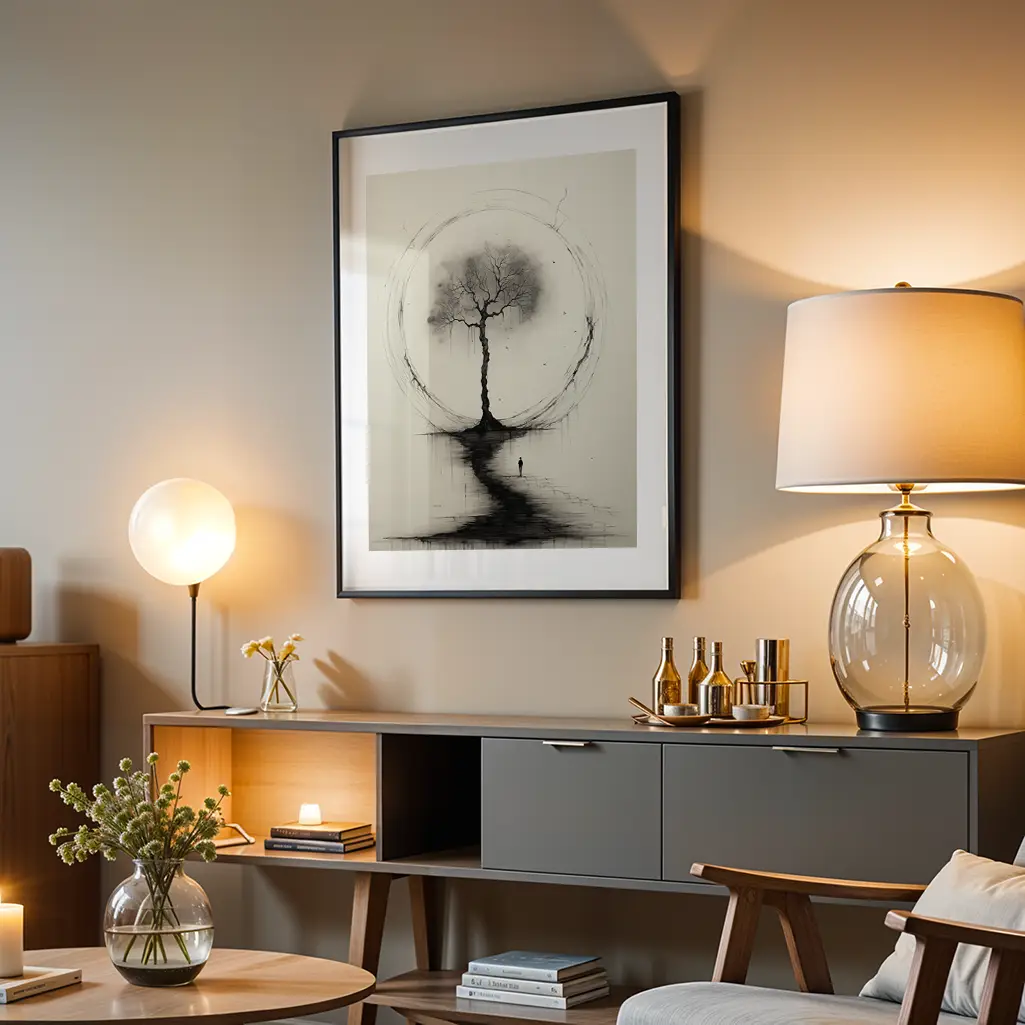
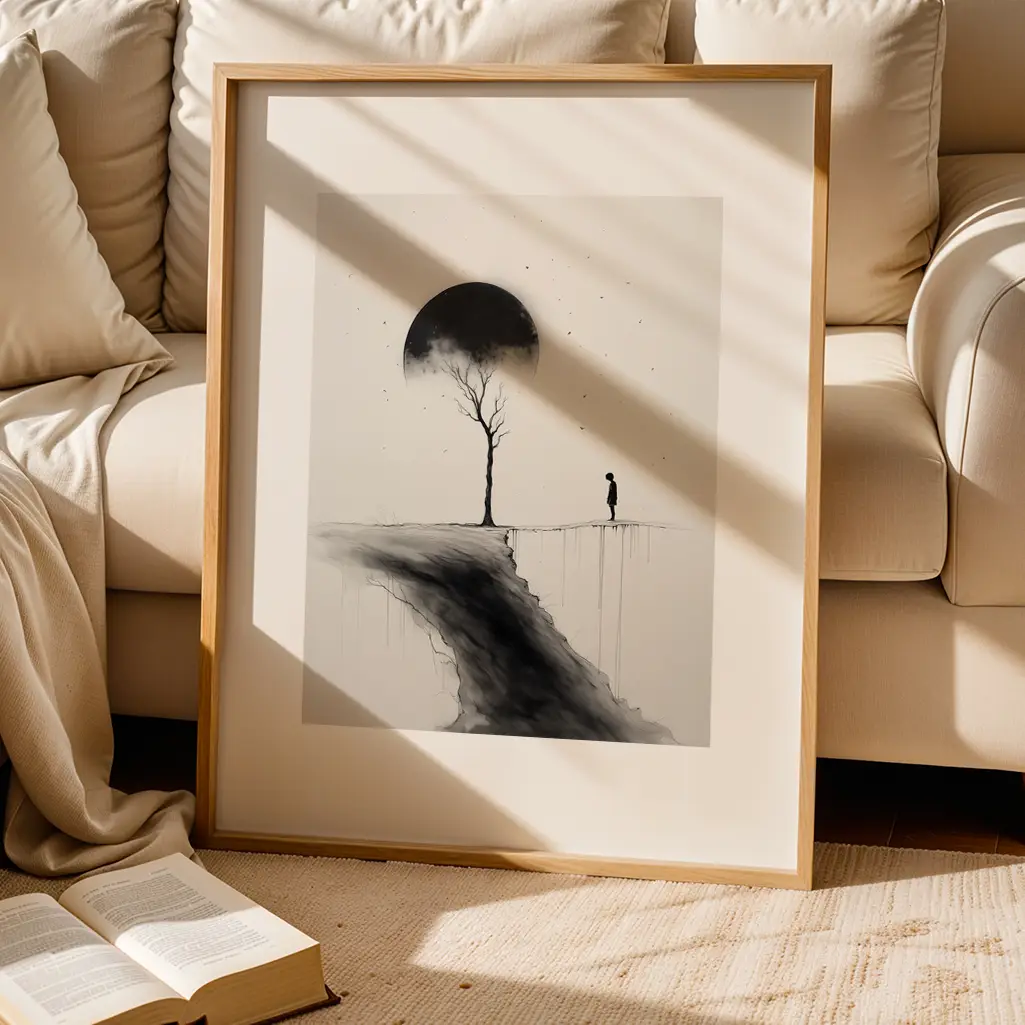
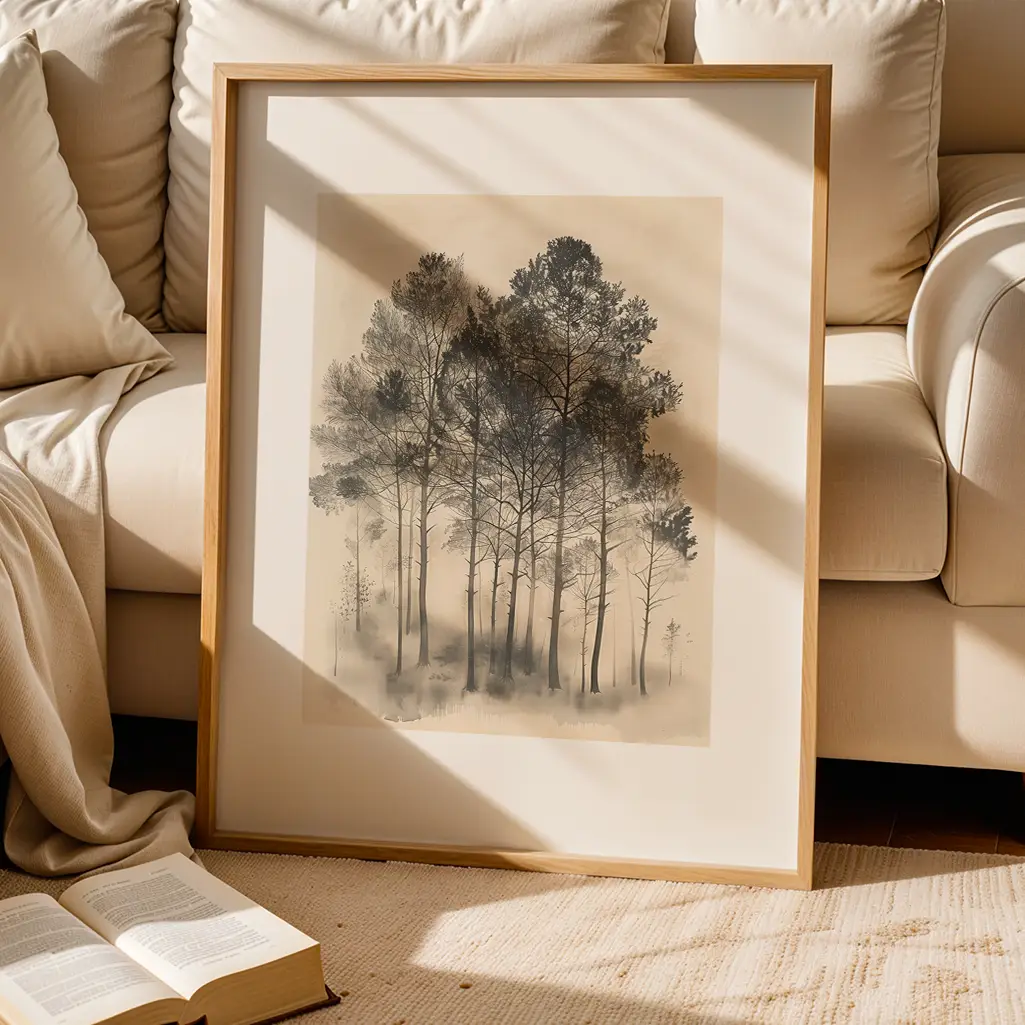
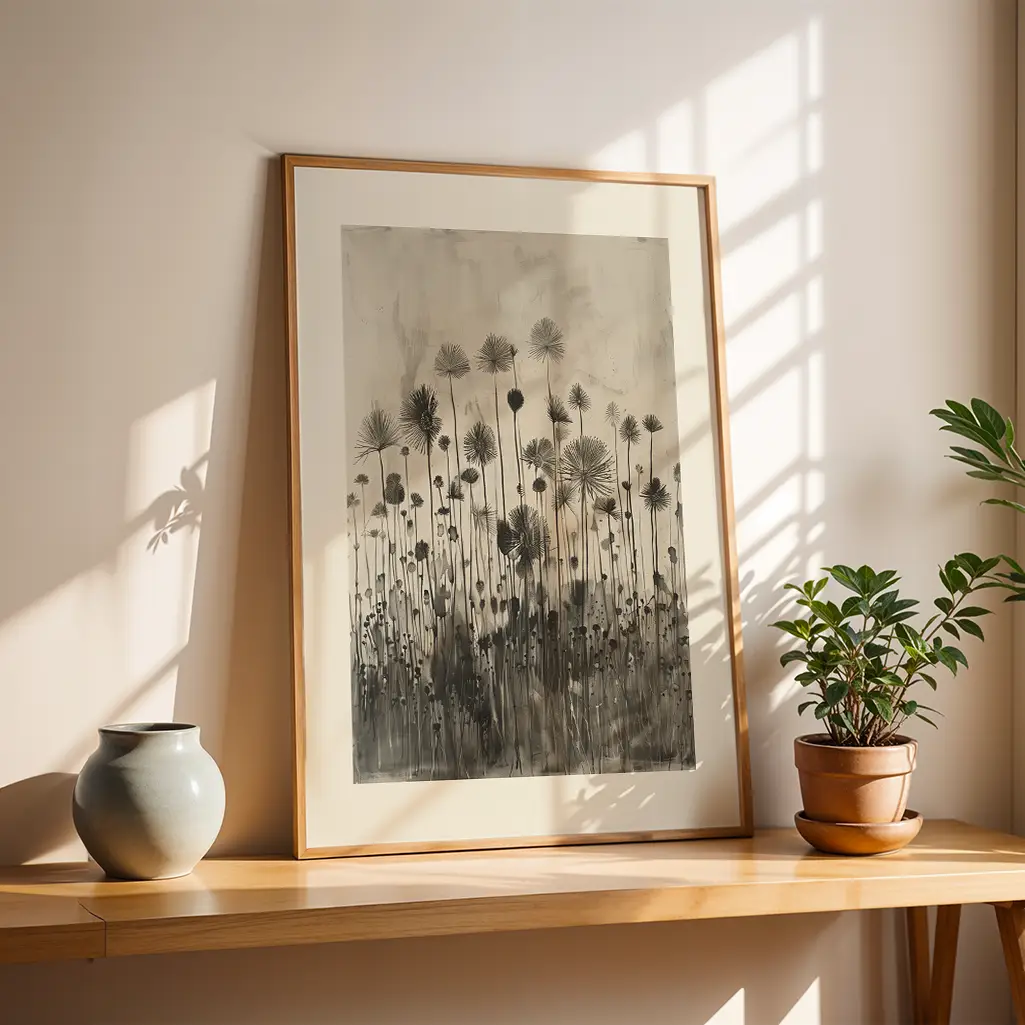
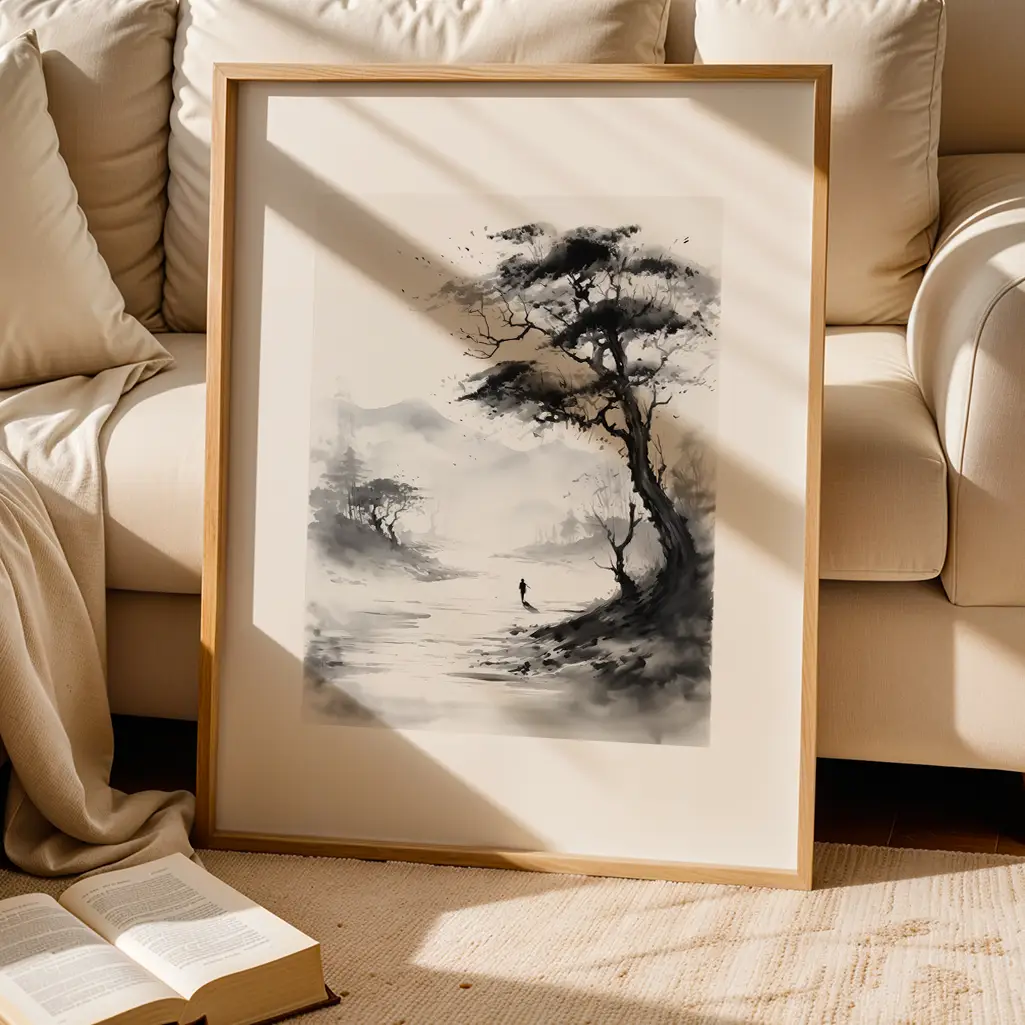
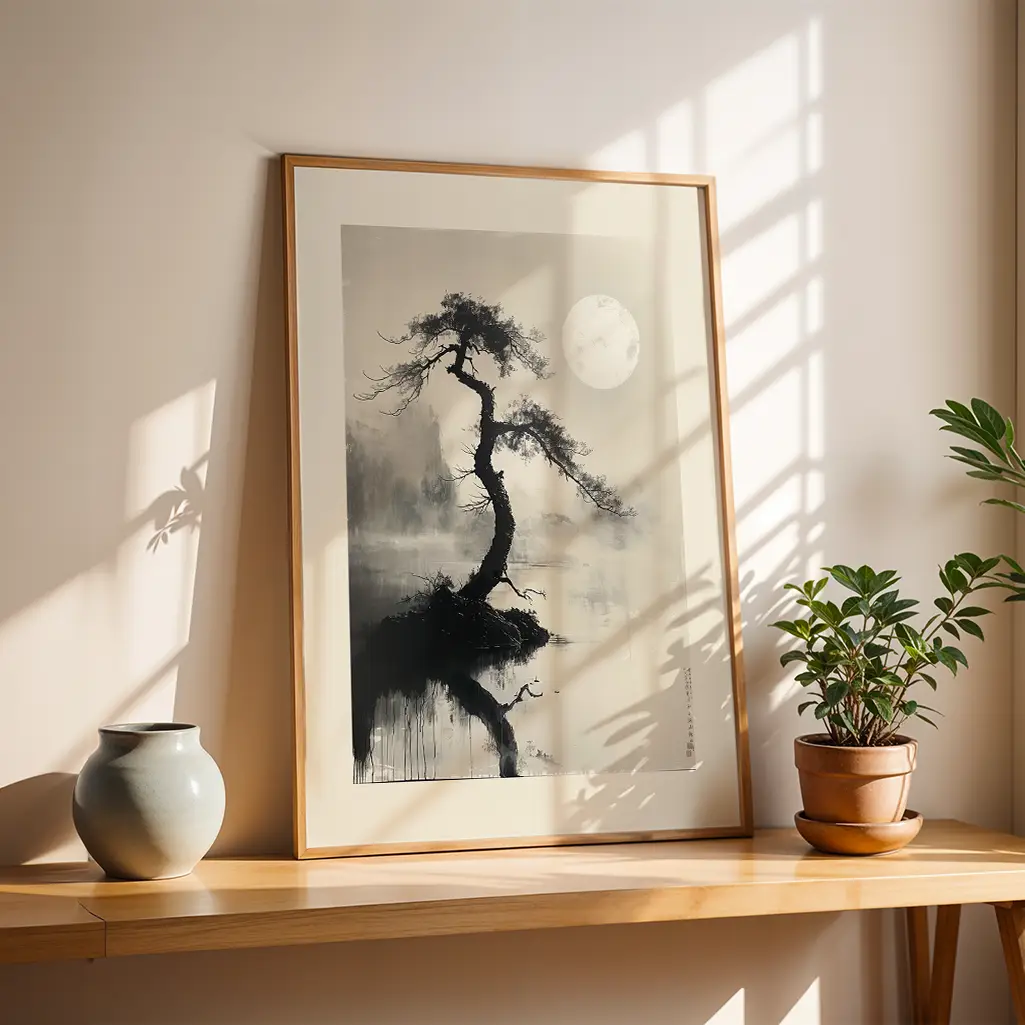
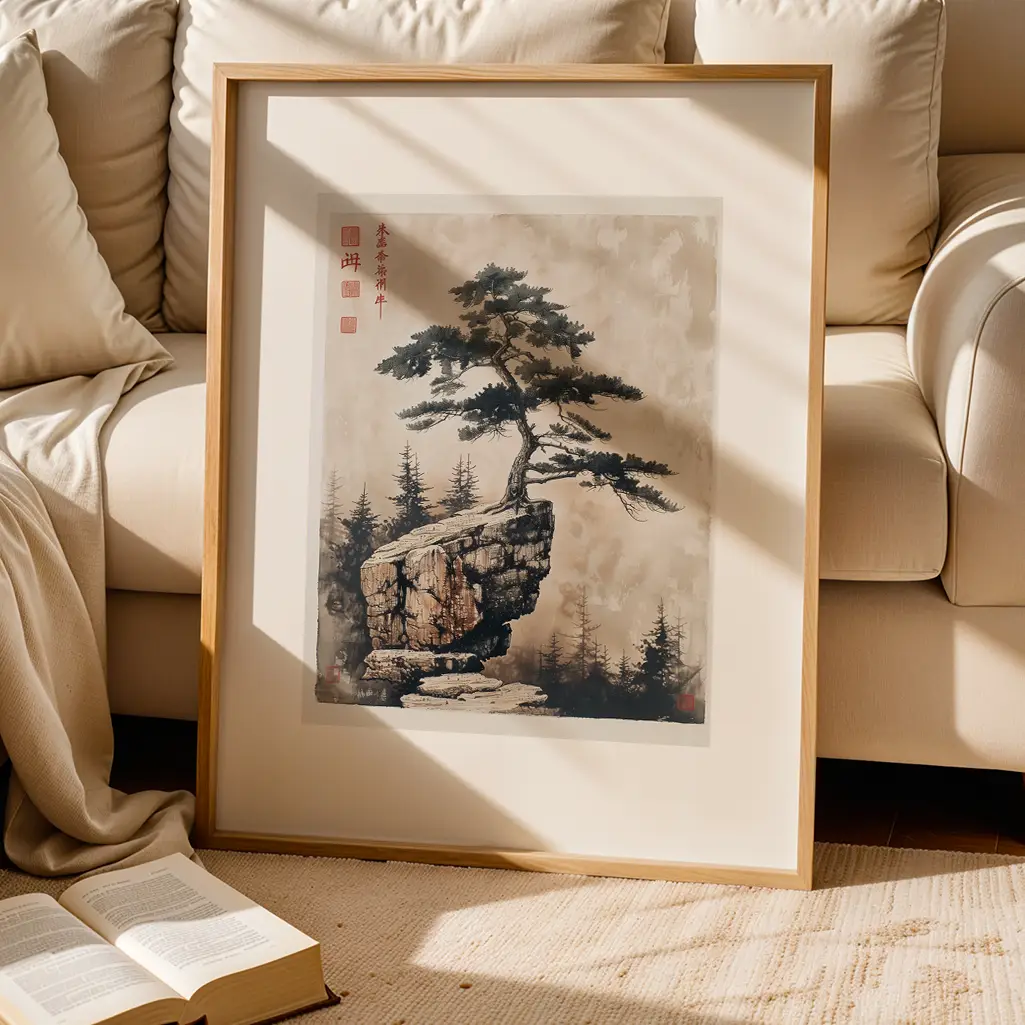
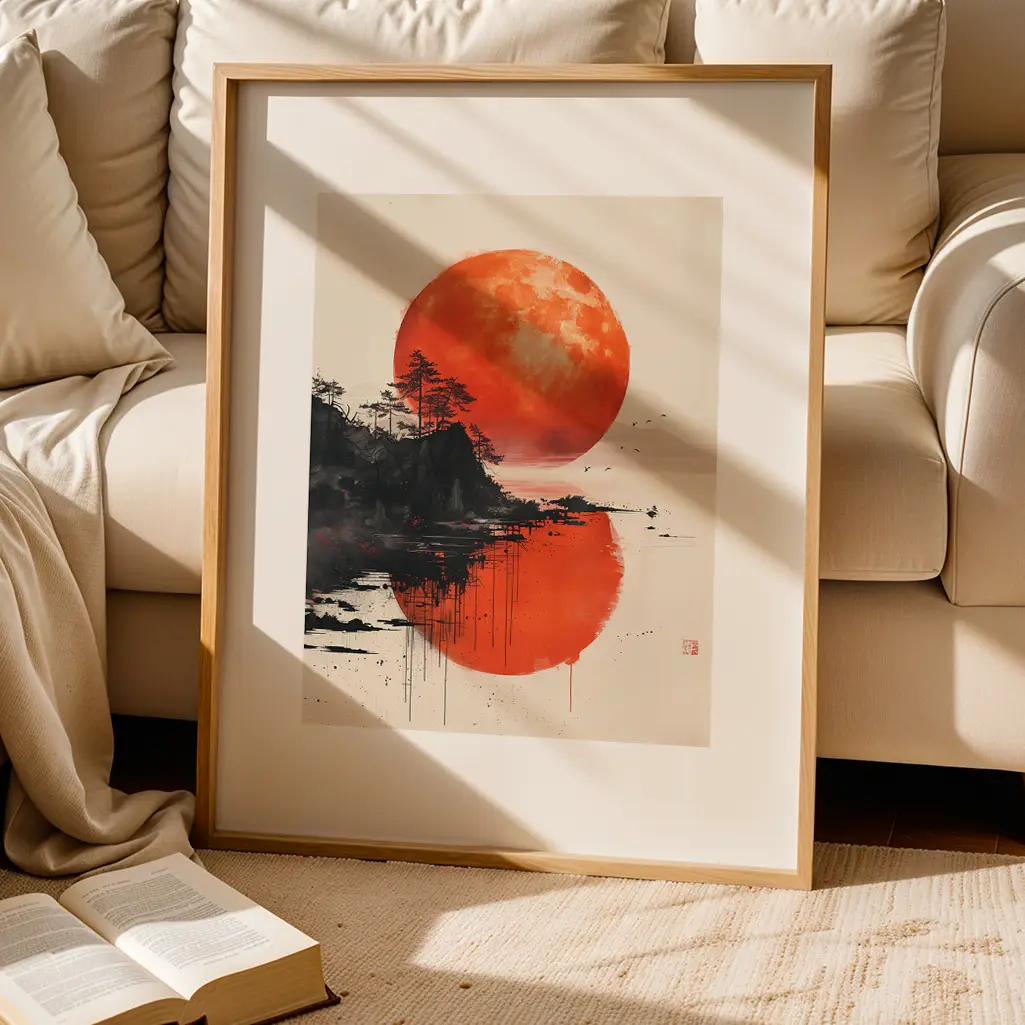
Art and personal objects deserve careful addition. After decluttering, a blank wall can feel brutally honest, exposing the bones of the room. Resist the urge to cover it quickly. Instead, wait for a piece that resonates so strongly that you instinctively want to give it space. When you hang it, let it breathe. One artwork, perfectly placed, is more powerful than a crowded arrangement of almosts.
The final additions are not objects at all but habits. A minimalist room stays that way not through rigid discipline but through small rituals. A five minute reset before bed where surfaces are cleared and cushions are coaxed back into shape. A practice of pausing before any new purchase and asking where it will live and what it will replace.
Over time, your minimalist decor checklist becomes internal. You will sense when a corner is asking for a small table or when a shelf wants to be half empty. You will recognize the low hum of visual noise and know how to dial it down. The home slowly shifts from a storage container of accumulated decisions to a living space that reflects you with clarity. In that clarity, there is room not only to move, but to exhale.