The Difference Between Calm and Cold
Minimalism began as a rebellion against clutter and visual noise, a way of saying "enough" to rooms stuffed with objects and obligations. Yet in many homes, a well‑intentioned minimalist decor quietly drifts from "peaceful" to "clinical," leaving spaces that feel more like waiting rooms than refuges.The distinction lies in what you remove and what you choose to keep. When minimalism is treated as a subtraction game only, you are left with absences rather than presence. The eye has nowhere to land, the hand has nothing to touch, and the body never quite relaxes. A space like that reads as cold, even if it is technically tidy and well edited.
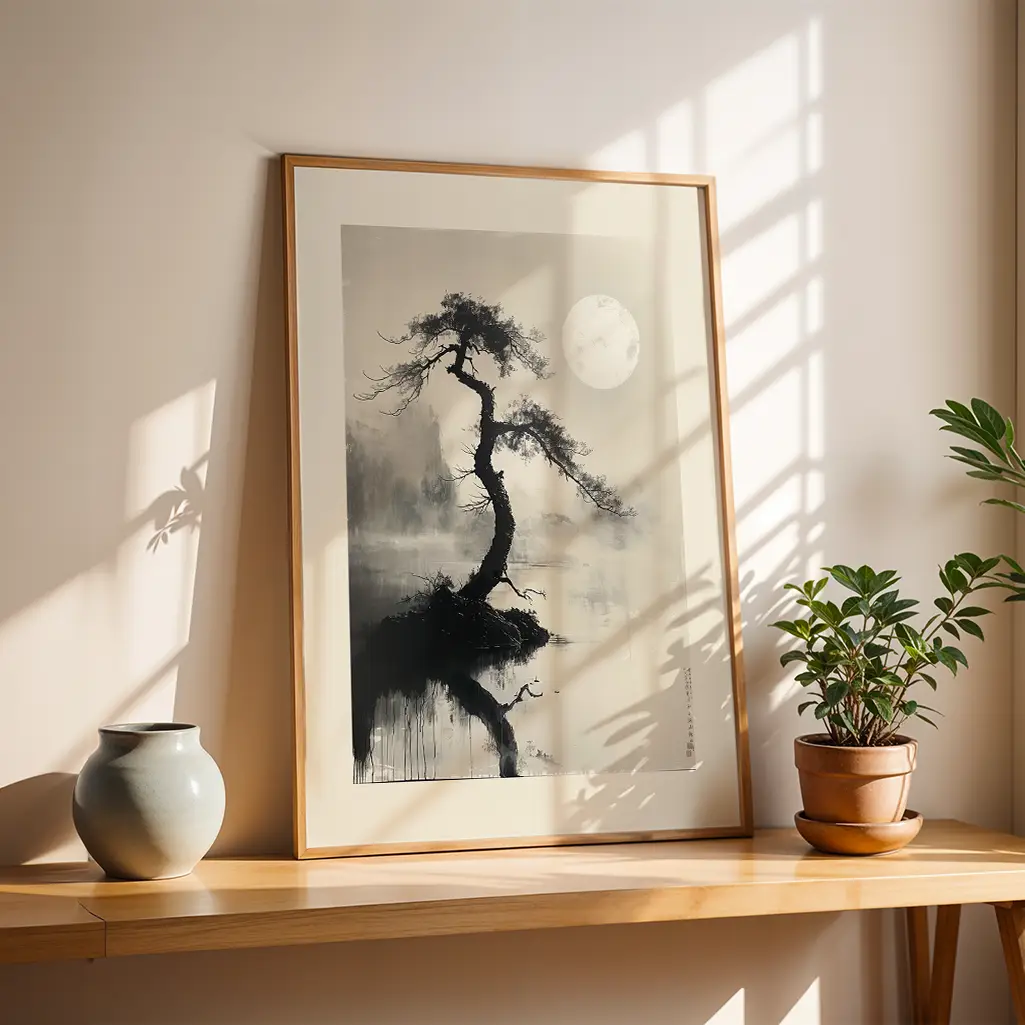
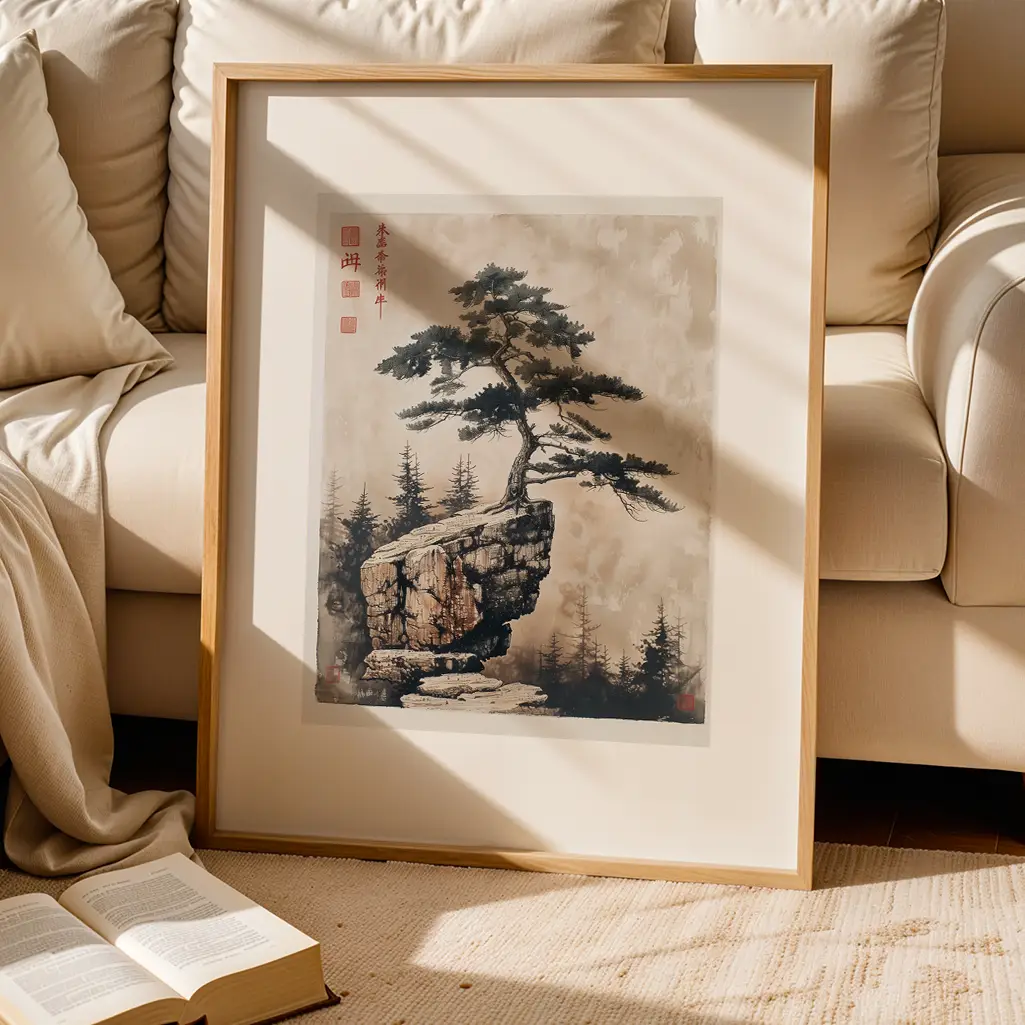
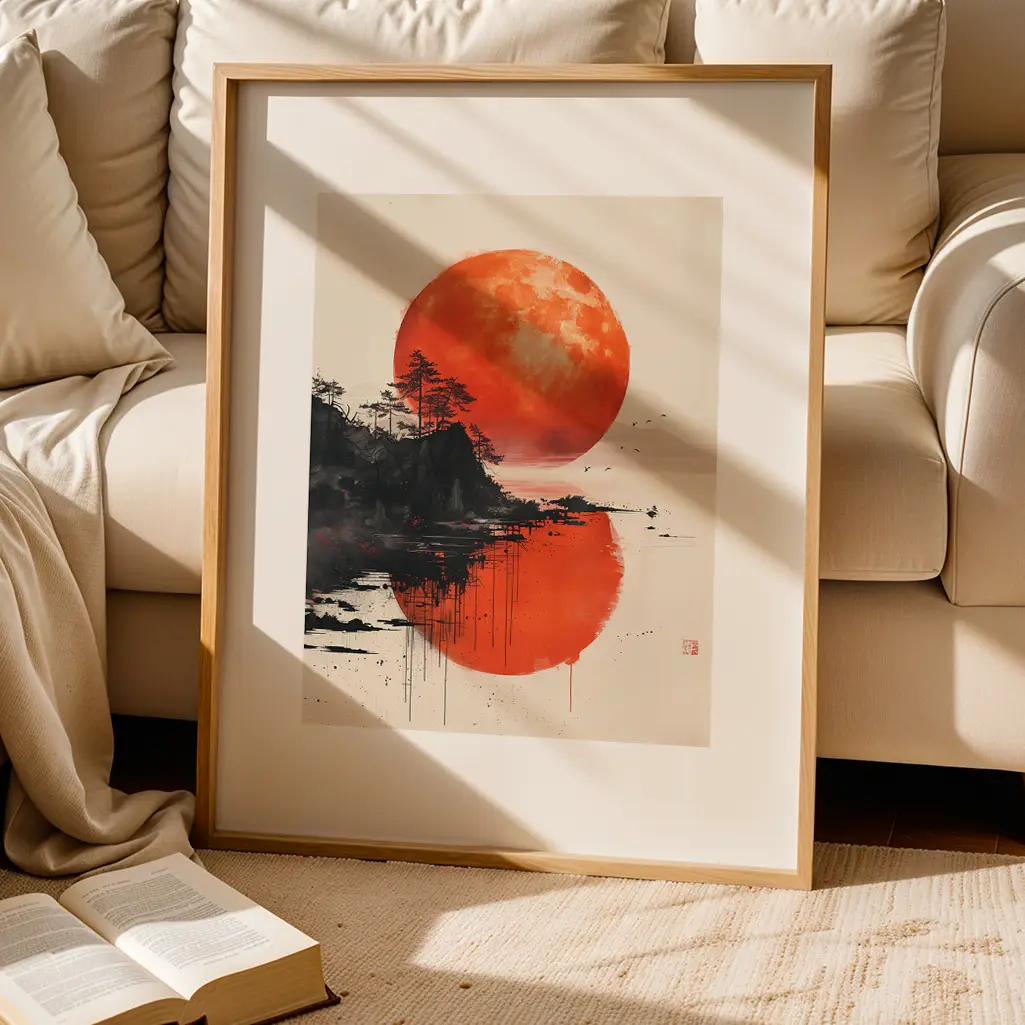
Think of a great gallery: white walls, yes, but also warm wooden floors, carefully placed seating, and one or two works of art that hold the room together emotionally. Minimalist homes can work the same way. They are not about owning less for its own sake; they are about making each remaining element carry more meaning, more texture, more quiet drama.
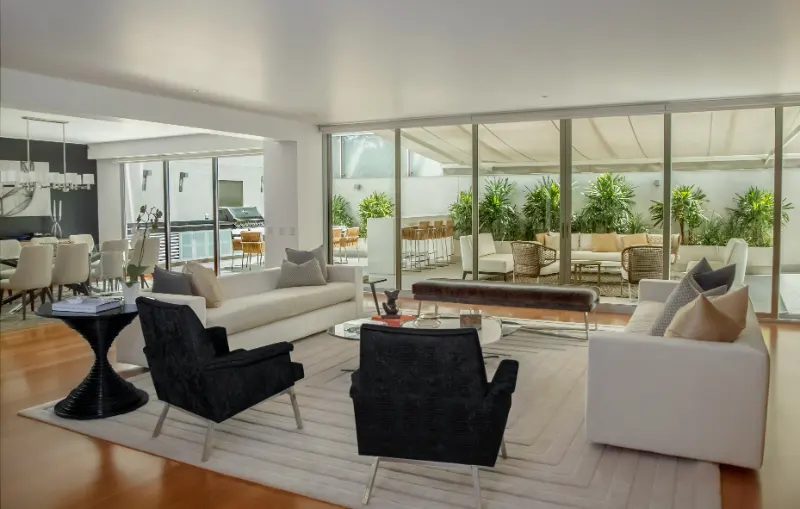
Many common minimalist decor mistakes stem from confusing "minimal" with "lifeless." Bare walls with no focal point, a sea of identical gray, a sofa that photographs beautifully but feels like a bench in a bank lobby. These are not failures of taste so much as incomplete ideas, rooms that have stopped at restraint instead of moving on to resonance.
A warmer minimalist room begins with the invisible things: how it feels to wake up there on a winter morning, how sound travels when friends gather, what your eye sees first when you return at night. From that vantage, it becomes easier to notice which stripped‑down choices support your life and which simply drain it of color and contour.
The Subtle Mistakes That Chill a Room
One of the most common minimalist decor mistakes is mistaking a limited palette for a lifeless one. Entire rooms in white, black, and flat gray can veer from serene to sterile when every surface is the same temperature. Your brain reads that uniform coolness as distance. You can keep a restrained palette, but let the whites bend a little warm, the grays turn toward mushroom or stone, the blacks soften into ink rather than hard lacquer.Another quiet culprit is the obsession with empty surfaces. A clear coffee table can feel refreshing; an entire room of cleared planes can feel like an airport lounge. When every book, bowl, and blanket is hidden, your home stops revealing anything about you. A single reading stack left on the side table, a small bowl of matches by the candle, a half‑folded throw on the arm of the sofa: these are not clutter, they are evidence of life in progress.
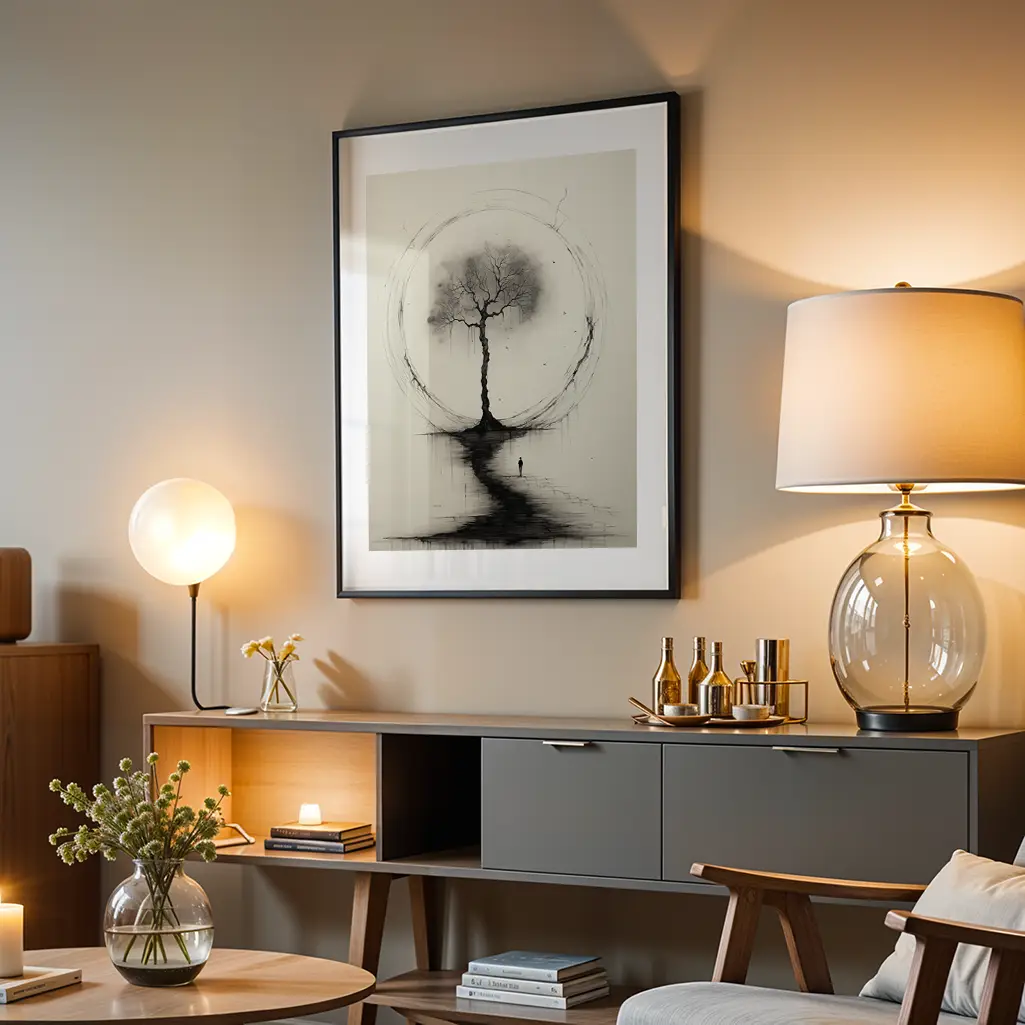
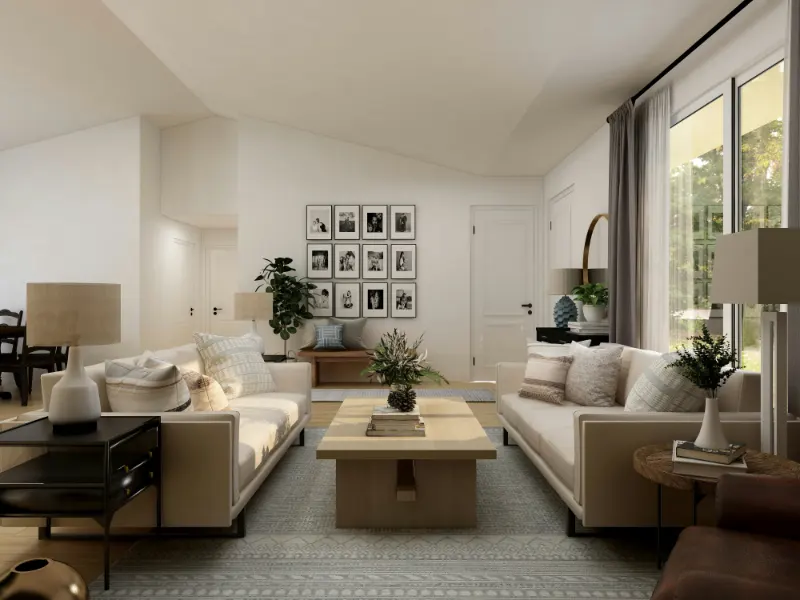
Lighting makes or breaks minimalism. An overhead fixture alone, particularly in a cool LED temperature, will flatten a pared‑back space into something that feels like a task environment. Without shadows, corners, and layers, there is no sense of depth. Warm minimalist rooms rely on a few different light sources at different heights: a soft pool of light at the sofa, another by the bed, perhaps a low glow on a console. The fixtures themselves can stay simple, but the light they cast should feel like an invitation, not an interrogation.
Texture is another place where good intentions go astray. Smooth walls, smooth floors, smooth leather, even the art under glass: when everything is sleek, nothing feels touchable. The key is not to introduce pattern and color everywhere, but to let the eye register contrast. Linen against plaster, wool against wood, matte ceramic against polished stone. If you can trace a path of changing textures from floor to wall to furniture, the room will feel layered without becoming busy.
There is also the mistake of rigid symmetry. In an effort to look composed, minimalist rooms are often arranged like diagrams: two identical lamps, two identical chairs, artwork centered with a ruler. Symmetry has its place, but a perfectly mirrored room can feel ceremonial rather than human. Shifting a chair off axis, hanging art a little lower than expected, or choosing one substantial lamp instead of two small ones can introduce a soft asymmetry that reads as relaxed.
Finally, coldness creeps in when personal objects are banished. The fear is understandable; one souvenir leads to ten. But erasing every photograph, every handmade mug, every visible book leaves a vacuum where your story should be. The solution is curation, not exile. Choose a single small photograph for the nightstand, a favorite bowl on the kitchen counter, a slim shelf of books you truly reread. Within a minimalist envelope, these become anchors, not distractions.
Designing Minimalism That Feels Human
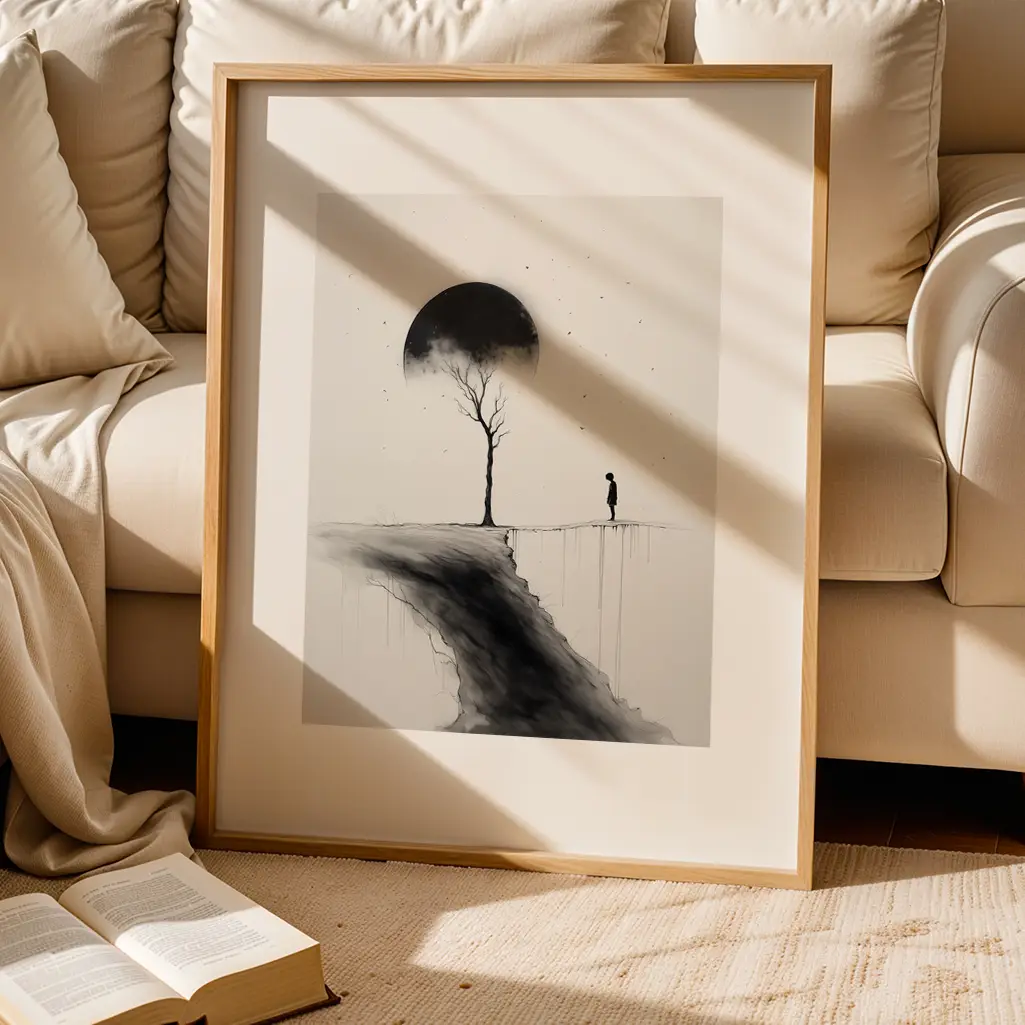
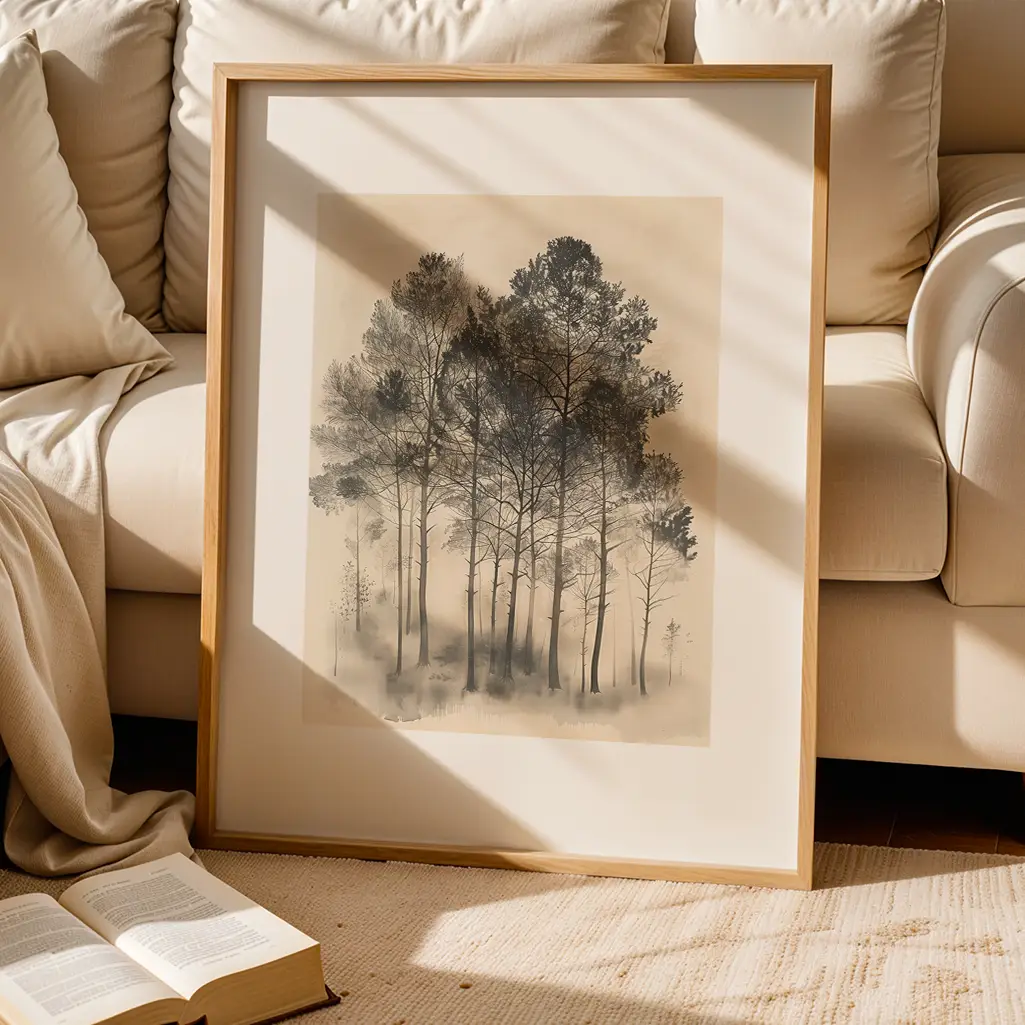
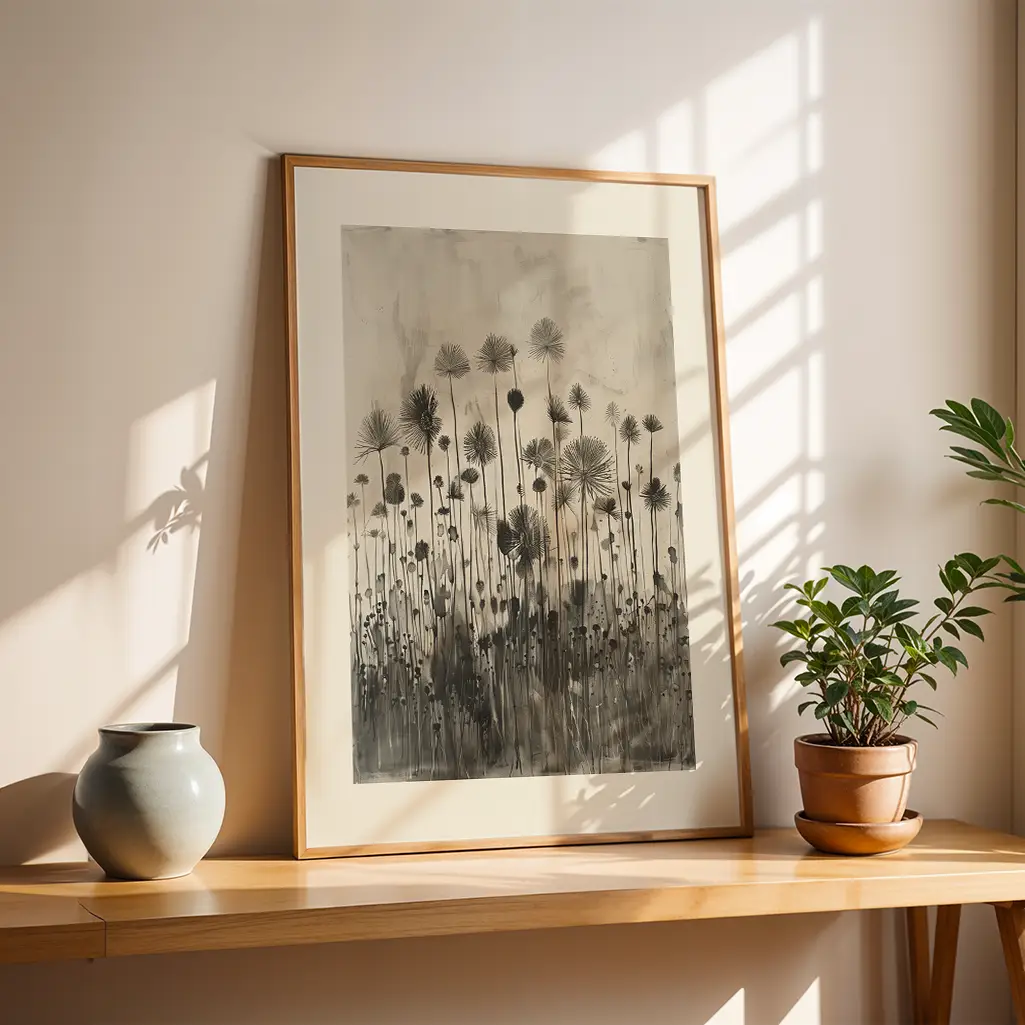
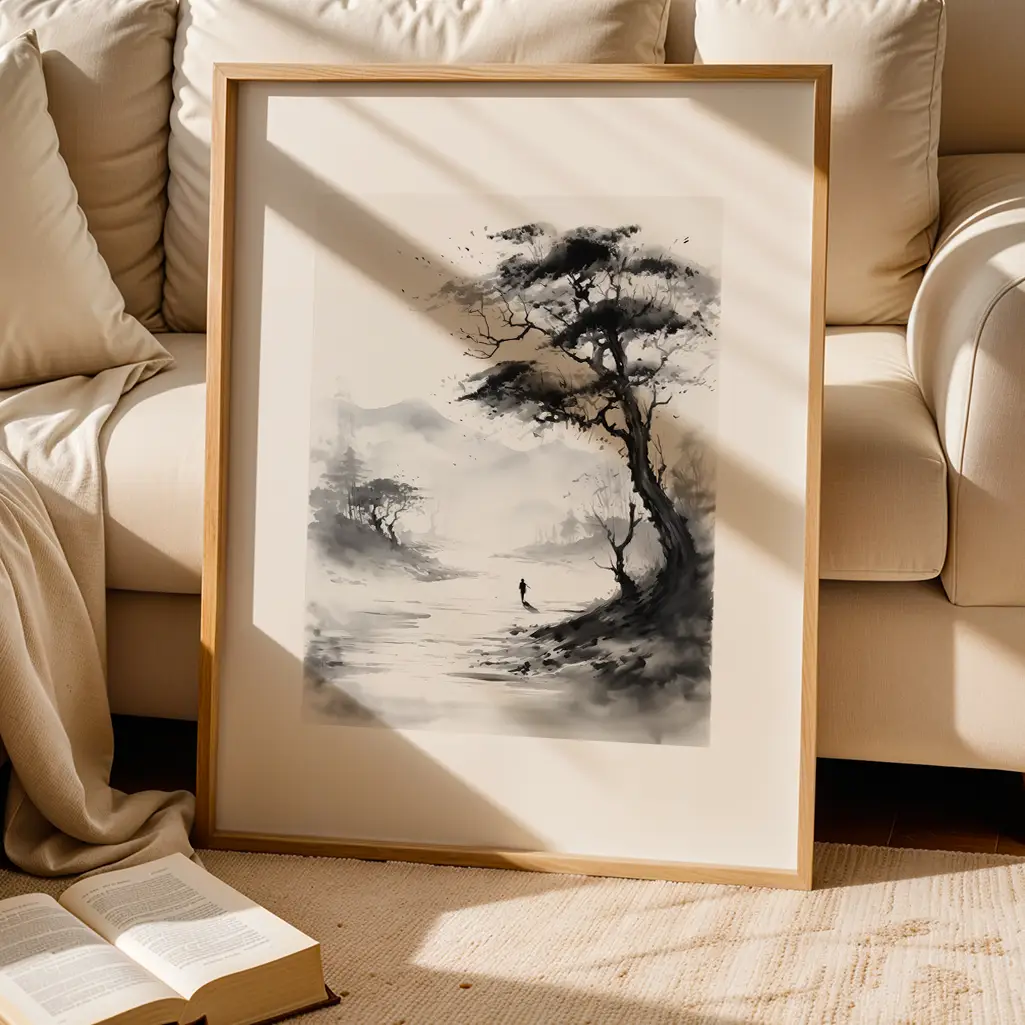
If your home currently feels more "showroom" than sanctuary, the answer is rarely to buy more. It is to edit differently, to add intention rather than volume. Start by standing at the entrance to each room and noticing what your body does. Do your shoulders drop or tense. Do you know where to sit, where to put your cup, where to look. Cold rooms leave you slightly suspended, hovering between gestures.Begin by giving each room a focal point that is gentle rather than loud. A large, quiet artwork; a low, generous sofa; a window framed by simple drapery that softens the light. Let everything else recede a little. When you have one point of emphasis, you no longer need decorative noise, and the minimalism feels deliberate instead of deprived.
Then, look for places to exchange hard edges for soft ones. A woven rug under a metal coffee table, a rounded side table next to a boxy sofa, a fabric shade instead of a bare bulb. These small shifts change how a room receives you. You are still living with less, but that "less" now includes comfort and warmth as non‑negotiables.
Color, too, can remain subtle while still offering warmth. Think of "stone," "bone," and "sand" rather than just "white." Bring in a single, repeating accent, like a muted rust in a pillow and a print, or deep green in a plant and a ceramic vase. Repetition calms the eye; it is the scattered, unrelated accents that feel chaotic, not the presence of color itself.
Above all, let your habits have a visible place to land. If you read on the sofa, leave space for a small stack of books and a light that can be angled toward the page. If you meditate, keep a cushion out in a corner rather than hiding it in a closet. Minimalism that erases evidence of living will always feel cold. Minimalism that gives your daily rituals a clear, uncluttered stage feels not just warm, but quietly luxurious.
The most successful minimalist rooms do not announce themselves as "minimal" at all. They simply feel clear and kind, as if the architecture has stepped back to let your life come forward. When you correct the subtle mistakes that sap warmth, what remains is not an aesthetic exercise but a gentler way of inhabiting your space.