
What Mono no Aware Really Means
“Mono no aware” is often translated as “the pathos of things,” but that phrase barely skims the surface. In Japanese, “mono” means “things,” and “aware” is a kind of tender, almost aching feeling. Put together, mono no aware is the felt awareness that all things pass, and that this passing is not only sad but also strangely beautiful.
This idea emerged in classical Japanese literature, especially in “The Tale of Genji,” where small moments carry immense emotional weight. A falling cherry blossom is not just pretty; it is a reminder that the blossom is most beautiful just as it begins to disappear. The feeling is gentle, not dramatic. It is the quiet recognition that the moment is slipping away even as you are inside it.
Mono no aware is different from simple nostalgia or melancholy. Nostalgia looks backward and longs for what is gone. Melancholy often sinks into loss itself. Mono no aware lives in a thinner, more present layer of experience. You see the present while it is becoming the past. You sense that something is already a memory, even as you are still touching it. There is sorrow, but not despair; loss, but also gratitude. The tenderness comes from knowing that you are a witness to a fleeting scene that will never repeat itself in quite the same way.
In modern terms, mono no aware might feel like the hush right after guests leave your apartment, when the glasses are still on the table and the room is filled with a fading warmth. It might be the way late afternoon light moves across your living room wall, painting a brief band of gold that you know will vanish in minutes. These are ordinary situations, but the sensibility of mono no aware turns them into small, luminous events.
Understanding this idea is not an academic exercise. It is a way of looking that changes what you notice in your own space. It gives you permission to value temporary arrangements, to see beauty in the chipped mug you will one day replace, to recognize a softened corner of a rug as a record of all the walking, sitting, and living that has already taken place there.
Bringing Mono no Aware into Your Home
To invite mono no aware into a home, you do not need to adopt an entire aesthetic vocabulary of tatami, shoji screens, and carefully raked gravel. What matters more is the mental lens through which you see what is already around you. Interior design becomes less about locking down a perfect, finished scene and more about noticing how your rooms change through time, season, and use.
One place to start is with materials that age in visible ways. A raw wooden table that darkens and gains hairline scratches, a brass tray that slowly softens into a matte patina, linen that wrinkles and relaxes after years of washing: these surfaces record time. Instead of resisting these changes with constant polishing and replacement, you can read them as evidence of life lived. The first watermark on a wooden counter may sting, but over time a quiet acceptance can emerge, a recognition that the counter is no longer just a product; it is a companion that has grown older with you.
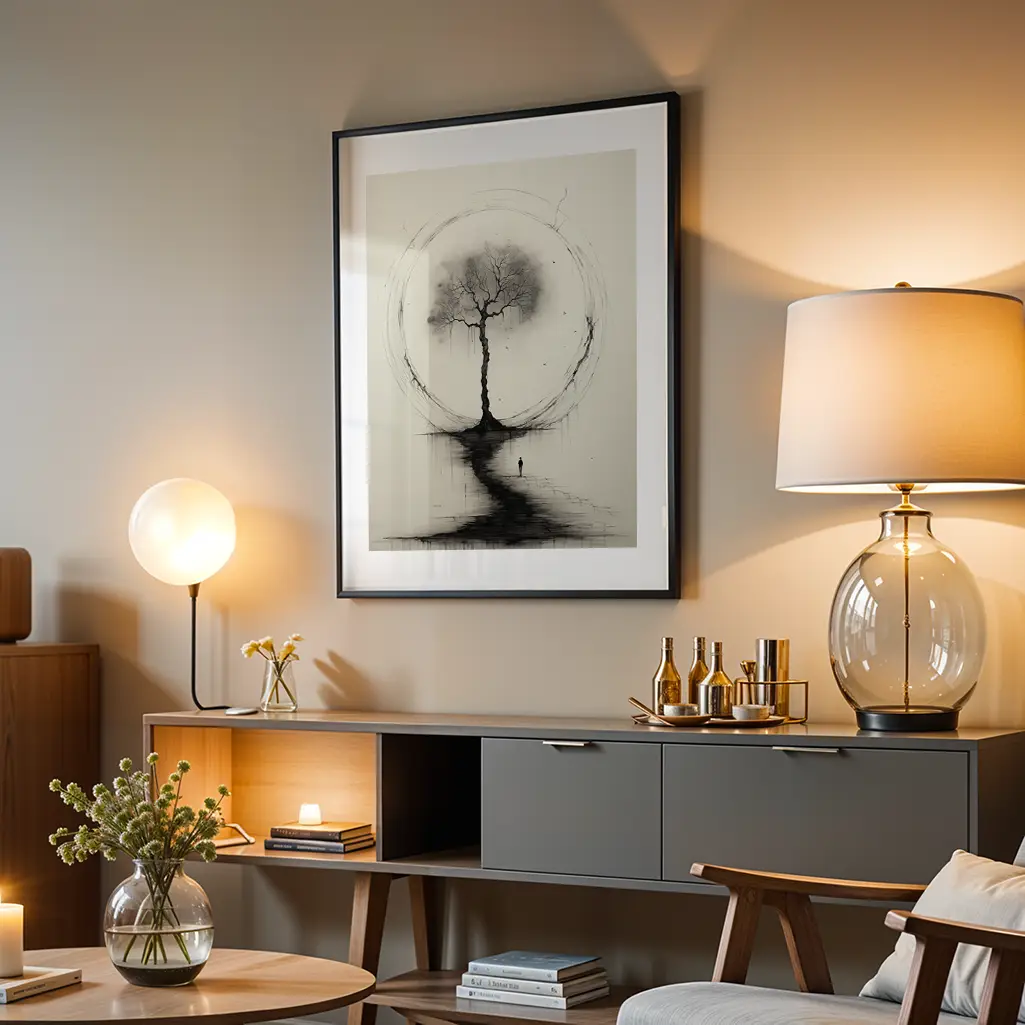
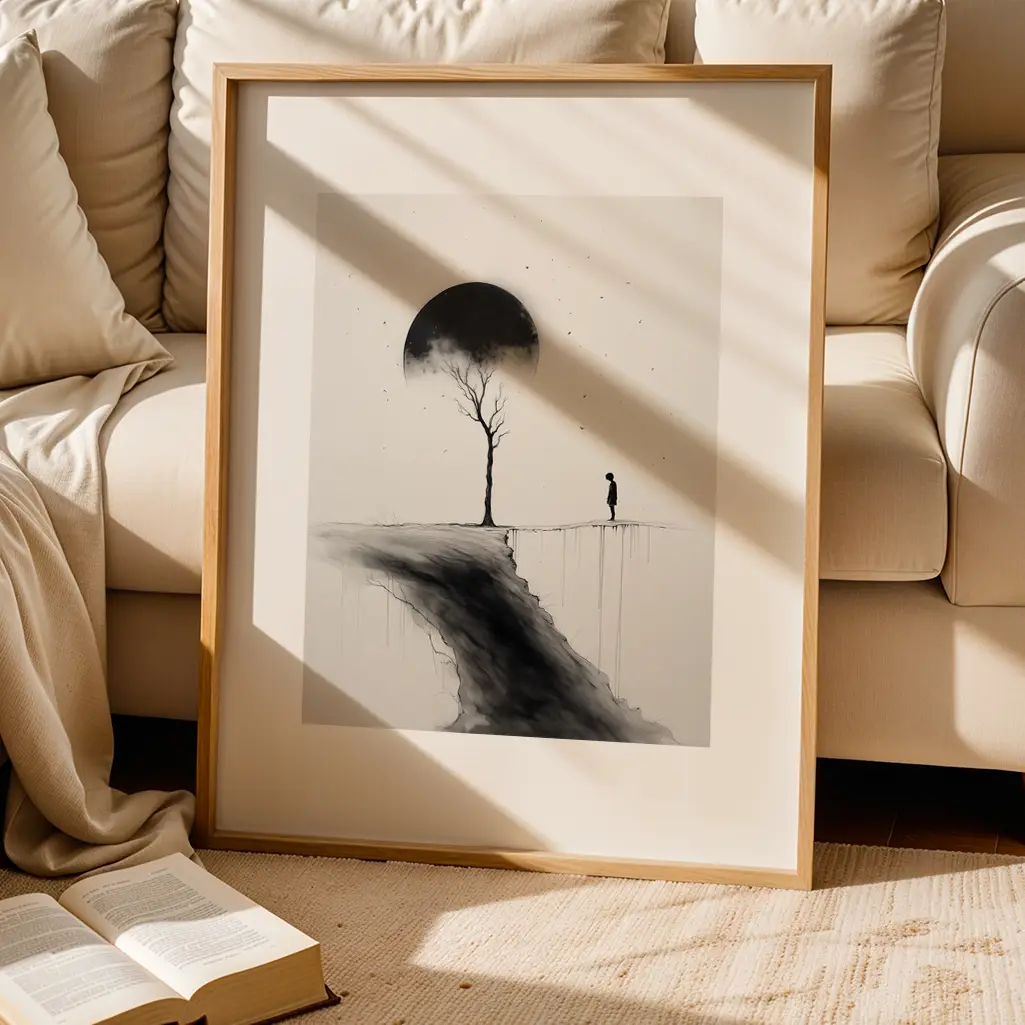
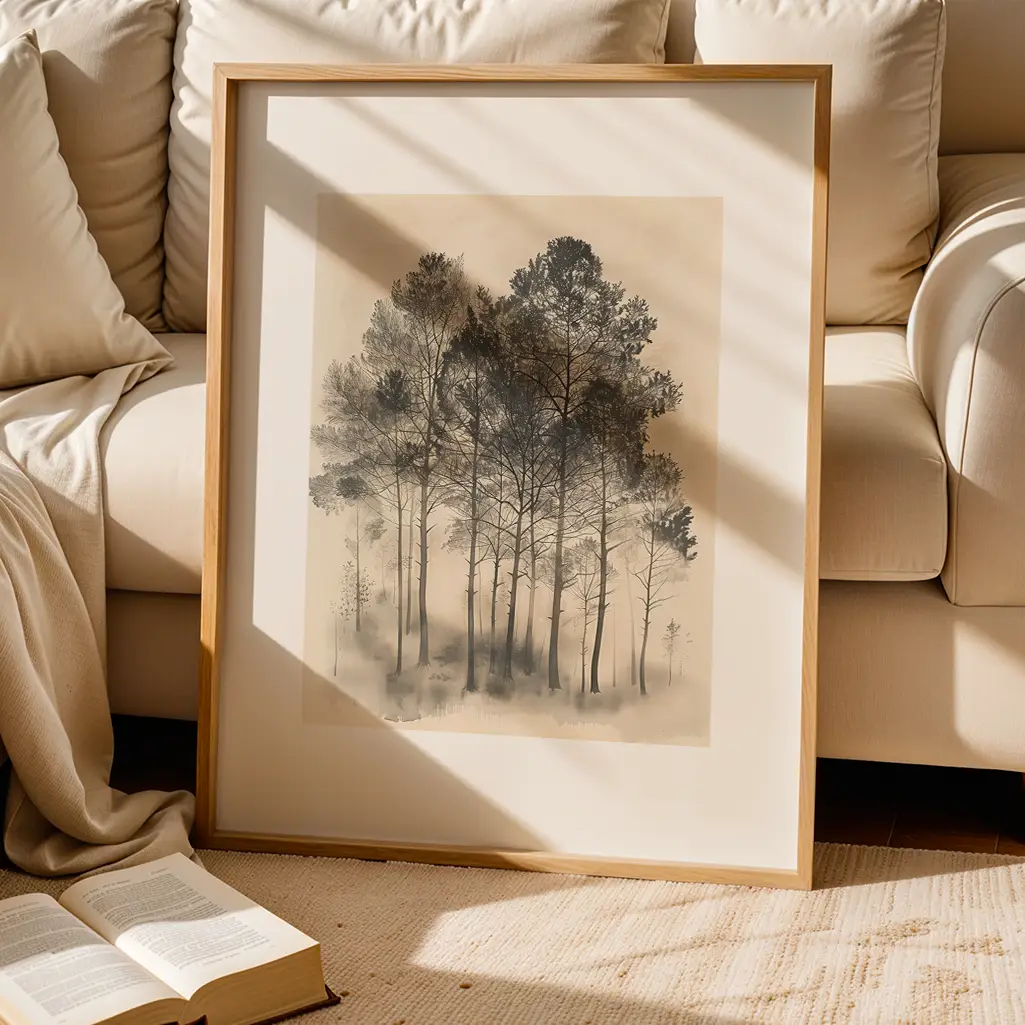
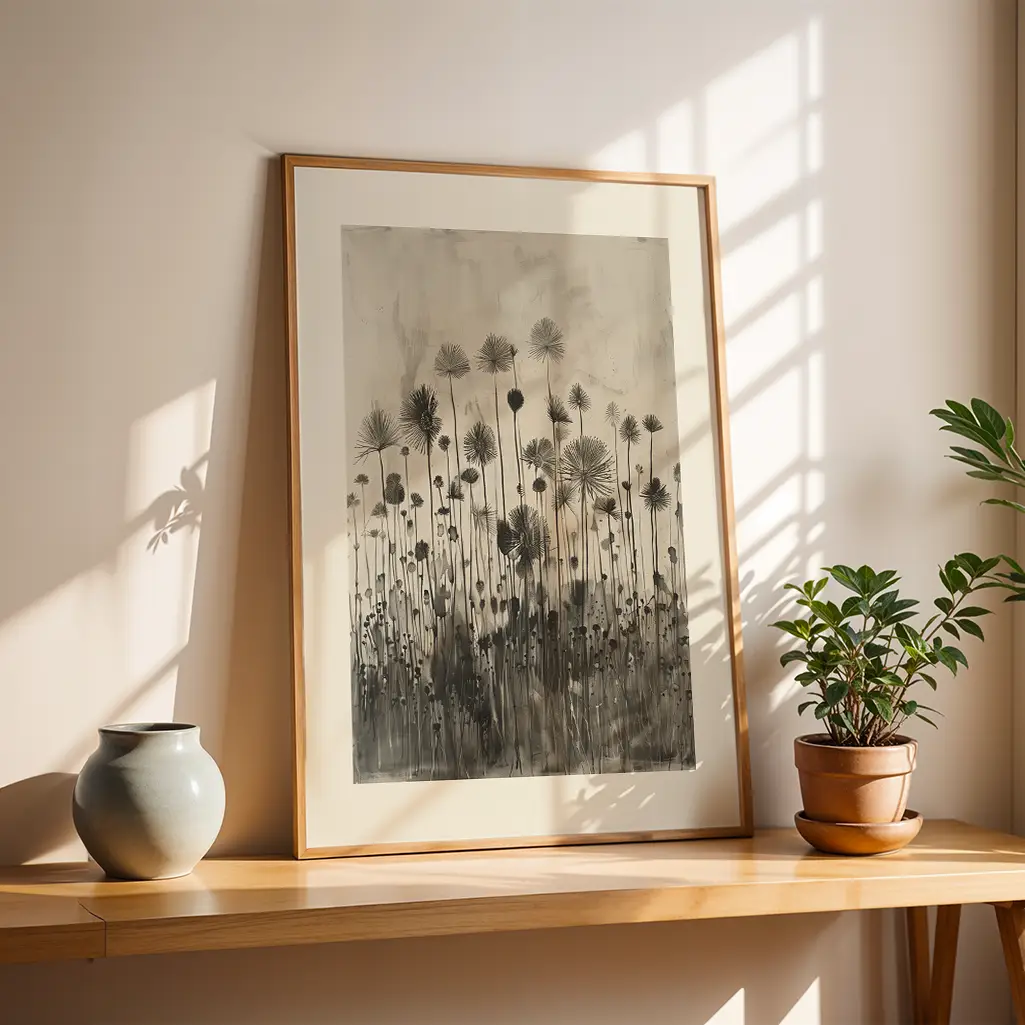
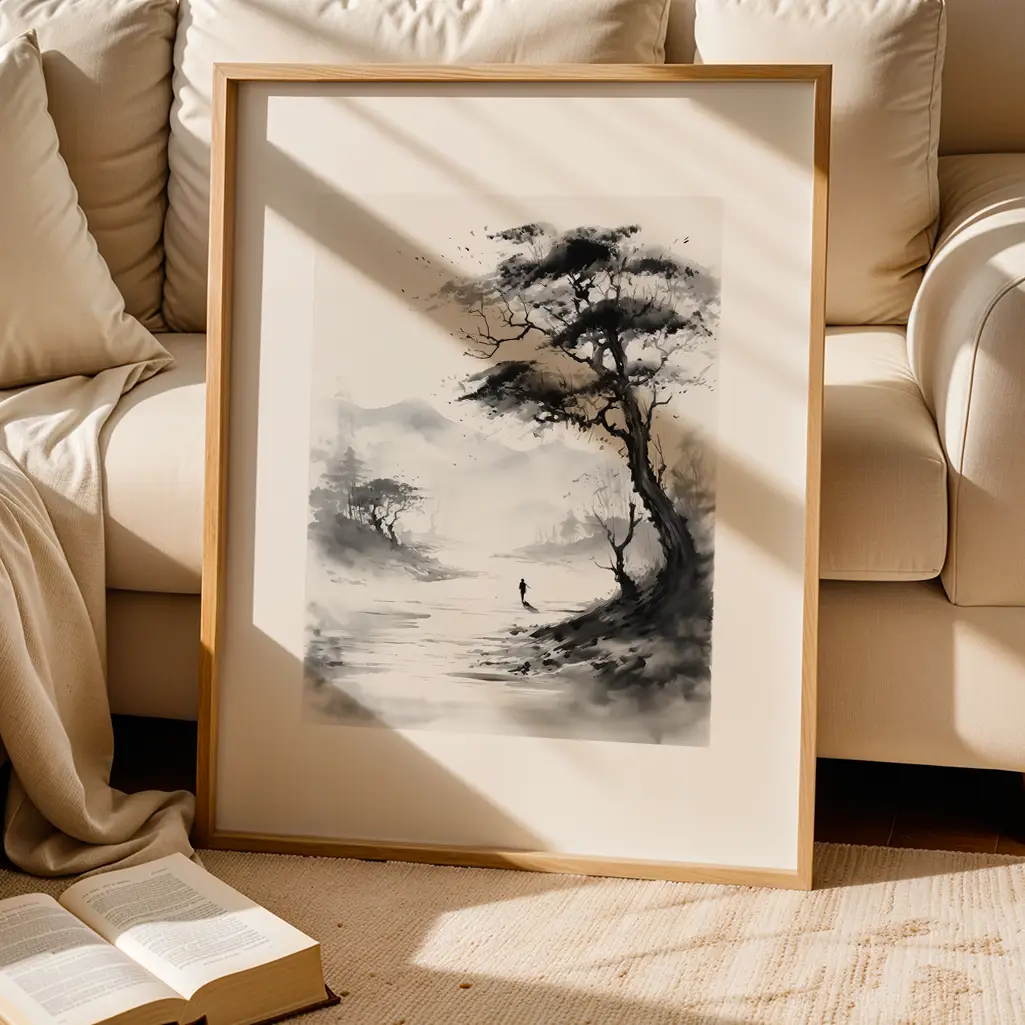
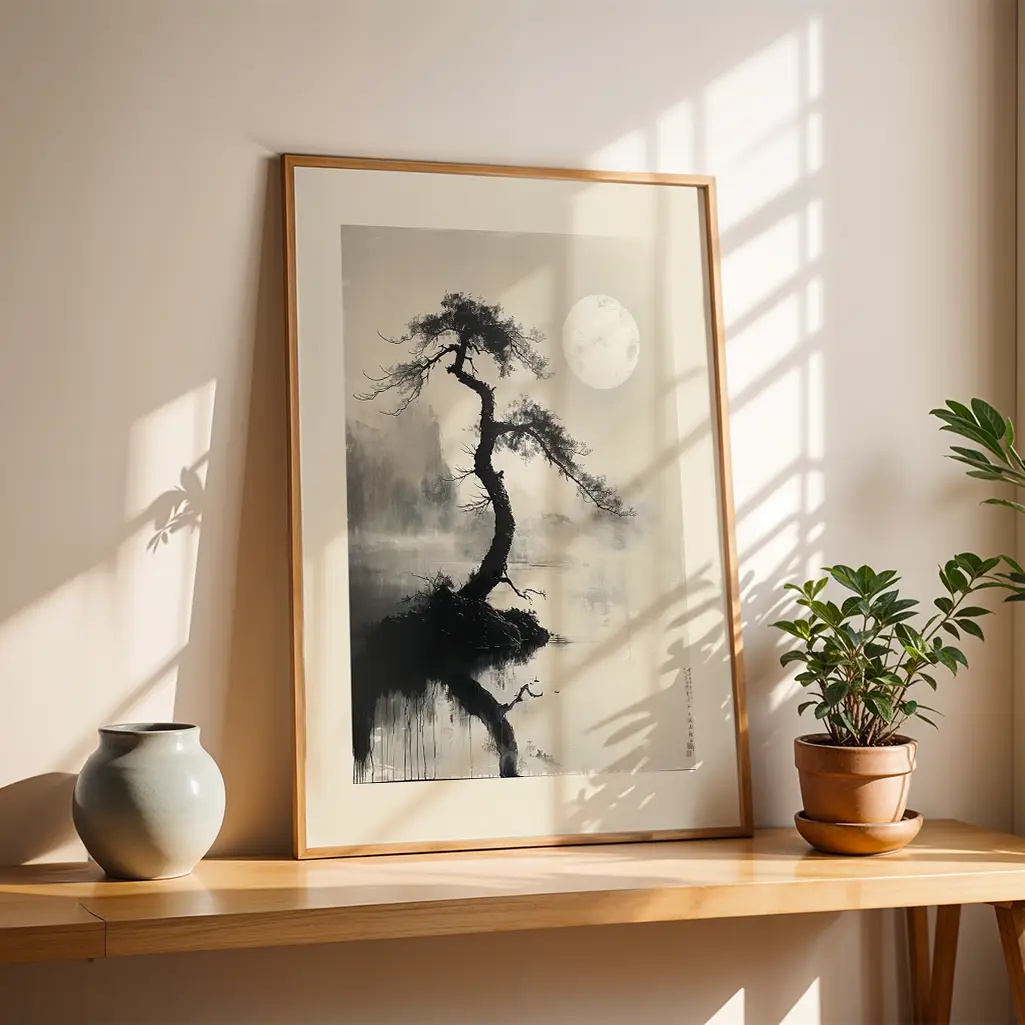
Light is another subtle teacher of transience. If you sit in the same chair at different hours of the day, you will see your home as a sequence of temporary scenes. Morning light, angled and pale, lends a softness to pale walls and bare floors. At noon, everything sharpens, colors flatten, and shadows withdraw. Evening moves in warm and low, turning objects into silhouettes. Without spending money, you can design your space by noticing where the most expressive light falls and placing chairs, plants, or artwork where these brief shows unfold. The goal is not to control light but to collaborate with its daily departures.
Flowers and branches, even when modest, embody mono no aware in the most literal sense. A single stem in a glass on your kitchen counter will move from tight bud to full bloom to a drooping, paper-thin shell of itself. Many people discard the stem at the first sign of decline. To practice this sensibility, you might instead leave it a little longer, observing how the petals change color and shape. The arrangement is not just “before and after.” It is a sequence of almost imperceptible stages, each with its own quiet dignity.
Consider, too, the arrangement of objects on a shelf or coffee table as something provisional. A stack of books left mid-read, a half-burned candle, a pair of glasses placed on top: these are not failures of tidiness. They are signs that a life ran through the room and paused. Rather than styling your surfaces into rigid perfection, you can allow room for the casual and unfinished. The trick is to keep things intentional but not frozen. Straighten the pile of books, perhaps, but allow the open one to remain, marking the exact sentence where you stopped reading last night.
Designing for Tender Impermanence
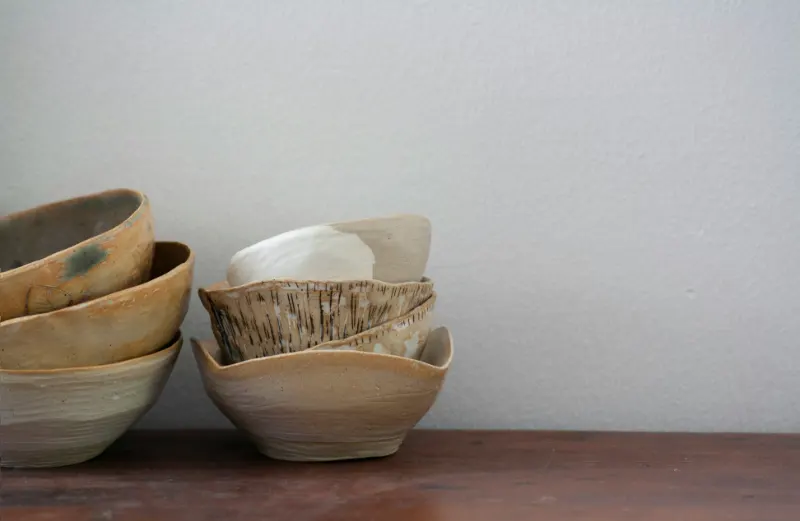
Once you start to see mono no aware, it becomes a quiet design principle. You might find yourself choosing fewer but more resonant objects, those that can carry stories as they age. A handmade ceramic bowl, slightly uneven, will reveal every chip and hairline crack; these marks can become part of its biography rather than immediate grounds for replacement. A rug faded by a particular strip of sunlight may slowly develop a band of lighter color that tells anyone attentive enough to look where the day used to move through the room.
Seasonality is another dimension of this awareness. Instead of fixing your home in a single aesthetic season, you can let it subtly shift as the year turns. In cooler months you might bring in thicker textiles, deeper colors, and softer lighting. In warmer seasons, you can clear surfaces and introduce more negative space and air. The act of changing a throw, moving a lamp, or rotating a piece of art becomes a ritual acknowledgment that the environment outside is changing and the interior must breathe along with it. The home becomes not a static backdrop but a living instrument that responds, however quietly, to the world beyond its walls.
Mono no aware also invites you to notice the emotional patina of your belongings. There may be a small chair that no longer fits anyone particularly well, but that held countless conversations in a previous apartment. There may be a chipped bowl from a market trip years ago that still feels more alive than a flawless new purchase. Keeping such items in circulation, not as clutter but as chosen witnesses, acknowledges that your home is layered with time. You do not need to display every memory, but selecting a few objects that openly carry their history can add a depth that new, untouched things cannot match.
Finally, there is your own presence inside the space. Mono no aware suggests that the most beautiful version of your home may be the one that exists only for a moment: the living room just after you finish tidying and before anyone sits down, or just after a long evening when the table is still marked with rings from glasses and a stray napkin on a plate. You can rush to erase these traces, or you can pause for a breath or two and simply look. This pause, this small act of witnessing what is about to vanish, may be the purest way to bring the beauty of transience into the everyday shape of your home.