Why Your Brain Softens in Front of Mountains
Step into a room with mountain wall art and the air feels fractionally slower. The sofa is the same, the rug unchanged, but something in the shoulders drops. This is not just taste. It is the brain quietly recognizing a pattern it has trusted for thousands of years: distance, horizon, shelter, and sky.
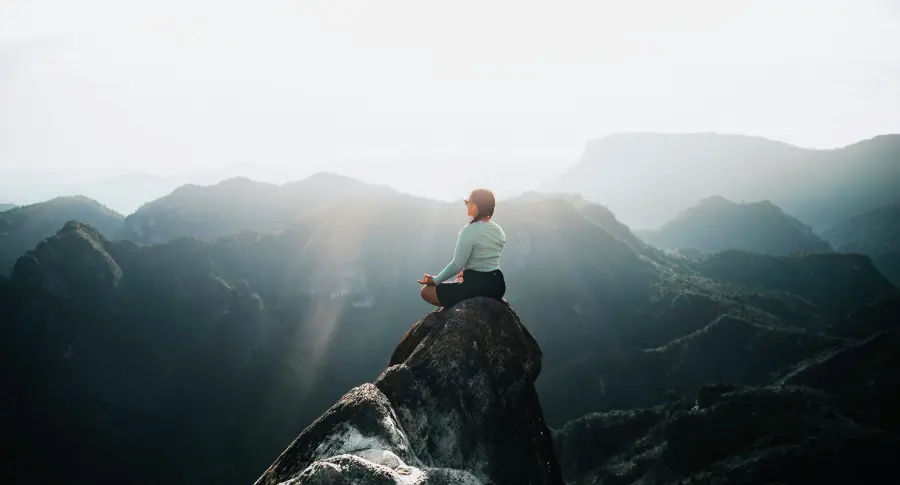
Environmental psychologists sometimes call this the "refuge and prospect" effect. Humans tend to feel safest in spaces where we can see a long way out while still sensing some form of cover. A painted or photographed mountain range offers that prospect, a sweep of space just beyond reach. Even on drywall, that illusion of depth can reduce subtle vigilance, the background scanning that modern life keeps on a low simmer.
Mountains also tap into what researchers describe as "soft fascination." Hard fascination is the attention you spend on a spreadsheet, a heated conversation, or dodging traffic. It is narrow and effortful. Soft fascination, on the other hand, is the way your gaze drifts across a ridgeline or follows the slow fade of light across snow. It gently holds your attention without draining it. Landscape art, especially with clear forms like peaks and valleys, invites this kind of gaze. The eye roams but does not strain. The mind follows, but lightly.
Color and form matter. Cooler palettes—slates, deep greens, foggy blues—tend to lower heart rate and perceived stress, while sudden neons or high contrast reds can nudge the nervous system into alert. Notice how many classic mountain prints lean on a narrow, muted spectrum. This restraint is not accidental; it is a visual equivalent of quiet conversation instead of a party shout. Broad, simple shapes also ask less of the visual cortex. A mountain silhouette against sky is easy to decode. The brain can relax in the absence of cluttered, intricate detail that demands constant interpretation.
There is an emotional memory embedded in these images as well. Mountains have long been used to symbolize permanence and endurance. When you carry that symbolism into your living room, the association can work as an anchor. On days when your inbox or family calendar feel unmanageable, a silent, indifferent ridge of stone on the wall is a reminder that not everything moves at the speed of your notifications. The mountain is not there to fix your mood, but it does offer a counterpoint, a slow, geological rhythm against which the day’s urgency looks slightly less absolute.
In this way, mountain wall art becomes more than decoration. It is a negotiated truce between your nervous system and your surroundings, a rehearsal of spaciousness in a space that may otherwise be compressed by furniture, screens, and obligations.
Designing Calm with Landscape Imagery at Home
Translating this quieting effect into an actual room requires attention to scale, placement, and the existing emotional temperature of your home. Think about where your mind is most likely to spin. That might be a desk, the corner where bills are paid, or the kitchen table that doubles as a workstation. These are prime candidates for the presence of a landscape, not as a distraction but as a "visual exhale" inside your field of view.
Above a sofa or bed, a horizontal mountain panorama can act like an extra window. The key is proportion. Too small, and it reads as an accessory; too large, and it can feel imposing, like a theatrical backdrop that overwhelms the furniture. Aim for an image whose width is substantial but leaves breathing room on either side, so that the wall still feels like wall, not stage set. The psychological goal is to open the room, not drown it in drama.
Consider your personal relationship with mountains. For some, snow-capped peaks mean adventure and altitude; for others, they recall long drives, family cabins, or early mornings of silence. When the imagery carries a memory that belongs to you, the calming effect deepens. The art becomes less of a generic "serene landscape" and more of a quiet conversation between the present you and the places that have steadied you before.
Light interacts strongly with landscape art. A mountain print blasted by harsh overhead light can feel flat, even aggressive, whereas the same image grazed by a soft lamp in the evening becomes almost cinematic. Try to position the art where it will catch indirect daylight during the morning and softer, warmer artificial light at night. The changing illumination lets the landscape shift subtly over the day, echoing the way real mountains never look exactly the same twice.
Color harmony with your existing decor is less about matching and more about echoing. If your room is already calm—think oatmeal linens, pale woods, and a few well-chosen objects—then a stormy, high-contrast ridge might introduce a needed note of drama without sacrificing overall ease. In a visually busy space, however, quieter valleys, mist, or distant hills will help absorb some of the energy rather than compete with it. You are aiming for an overall feeling that the landscape "belongs" to the room’s climate, even if it comes from a very different latitude.
Finally, allow the mountain to be a ritual, not just a backdrop. Sit where you can face it with a cup of tea in the evening, or let your gaze rest on it for a minute before opening your laptop in the morning. Over time, the brain begins to associate that image with a micro-pause, a learned slowing. In this sense, mountain wall art becomes a modest but persistent form of design-led self-care: a way of instructing your home to help you remember the view from higher ground, even when you are standing in socks on the living room floor.