What Non-Attachment Really Is (And What It Is Not)
Non-attachment is easily mistaken for indifference, as if caring less were a spiritual achievement. In many wisdom traditions, though, non-attachment is closer to a refined kind of intimacy. You see clearly, you feel fully, yet you do not cling. It is less a cold detachment and more an easeful, spacious way of relating to everything, including your own home.
Think of attachment as the tight fist and non-attachment as an open hand. The object is the same, the room is the same, the relationship is the same. What changes is the pressure with which you are trying to hold it in place. When the grip loosens, you do not suddenly lose what matters; you simply stop demanding that it stay exactly as it is, forever, on your terms.
Psychologically, attachment is fueled by an anxious equation: "If I lose this, I lose myself." That "this" can be a person, a sofa, a corner office, or the idea of yourself as perfectly put together. Non-attachment questions the equation rather than the feeling. It asks whether your worth truly dissolves if the chair scratches, the vase breaks, or the guest is not impressed.
Emotional numbness, by contrast, is a shutting down of feeling in order to avoid overwhelm or pain. It is a survival reflex, not a philosophy. Where non-attachment opens space for experience, numbness compresses experience until it can no longer be felt. From the outside, both can look similarly calm. Inside, however, one is breathable and the other is suffocating.
To sense the difference, notice what happens in your body when you imagine a treasured object in your home getting damaged. If you feel panic and a sense of inner collapse, that is attachment. If you feel nothing much at all, that may be numbness. If you feel a pang of sadness yet also sense that you would still be you, with a basically intact day and a basically intact life, you are approaching non-attachment. The feeling is allowed, and it is not everything.
Non-attachment is not a demand that you stop caring about your home or your things. It is a quiet invitation to rearrange the hierarchy: people over objects, experiences over possessions, presence over performance. Instead of living as curator of a museum, you live as host of a living, changing space where scuffs and surprises are part of the story.
In this way, non-attachment often enhances care. When you know that a chipped plate or coffee stain is not a personal failure, you are freer to choose better things, to maintain them thoughtfully, and to release them when they no longer serve you. Care becomes an expression of love, not anxiety.
Bringing Non-Attachment Into Your Home
Non-attachment can sound abstract until you walk through your own rooms and notice where you are clenching. A home is a visible ledger of attachments: the dress kept for a fantasy life, the chair that does not suit your body but cost too much to admit as a mistake, the ornate lamp your relative insists you display. The question is not whether to banish these things in a fit of minimalist zeal. The question is what story they are telling about who you have to be.
Begin with a single surface you see daily, perhaps the entry table or the bedside stand. Look at every object and ask, as plainly as you can, "Do you actively serve my life as it is now, or do you mainly protect my image of myself?" This is not a moral interrogation. It is a way of separating living needs from frozen narratives. Non-attachment tends to grow wherever that distinction becomes clearer.
When an item is bound up with guilt or obligation, non-attachment might mean letting it go and allowing the discomfort of that choice to pass through you. When an item genuinely supports your real routines, non-attachment might paradoxically mean investing in it more, upgrading a flimsy chair to one that genuinely supports your back. You are less attached to the specific object, more committed to the role it plays in the rhythm of your days.
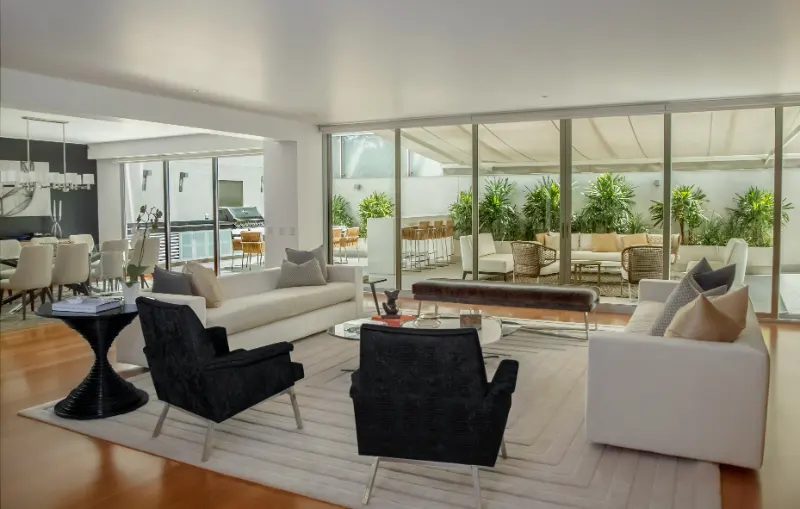
Design-wise, a home touched by non-attachment usually feels calm rather than perfect. There is negative space on shelves, blankness on a wall or two. The palette is allowed to be simple. A room does not strain to impress you; it quietly supports you. This is not a rule against color or ornament, only a refusal to make every corner shout. You choose a few things to truly celebrate and let the rest recede into functional anonymity.
It can help to regard every object as on a kind of "gentle loan." Even the heirloom table and the carefully chosen rug are temporary companions. Sunlight will fade fabric, children will scuff wood, time will date what now feels current. Rather than fighting this, non-attachment leans into patina, the softened edges and worn patches that record actual life.
To keep from sliding into numbness, stay curious about how your rooms feel, not only how they look. Notice whether you breathe more easily when the dining table is cleared, or whether a small arrangement of flowers next to the sink subtly steadies your mood. Attention is not attachment; it is a form of care that can remain flexible. You can appreciate deeply and still be willing to rearrange, donate, or repaint when your life shifts.
Over time, your home becomes a kind of conversation between who you were and who you are becoming. Non-attachment ensures that this conversation can keep evolving instead of ossifying into a shrine. You honor the chapters that mattered without insisting that this page must never turn.
Living With What You Love, Lightly
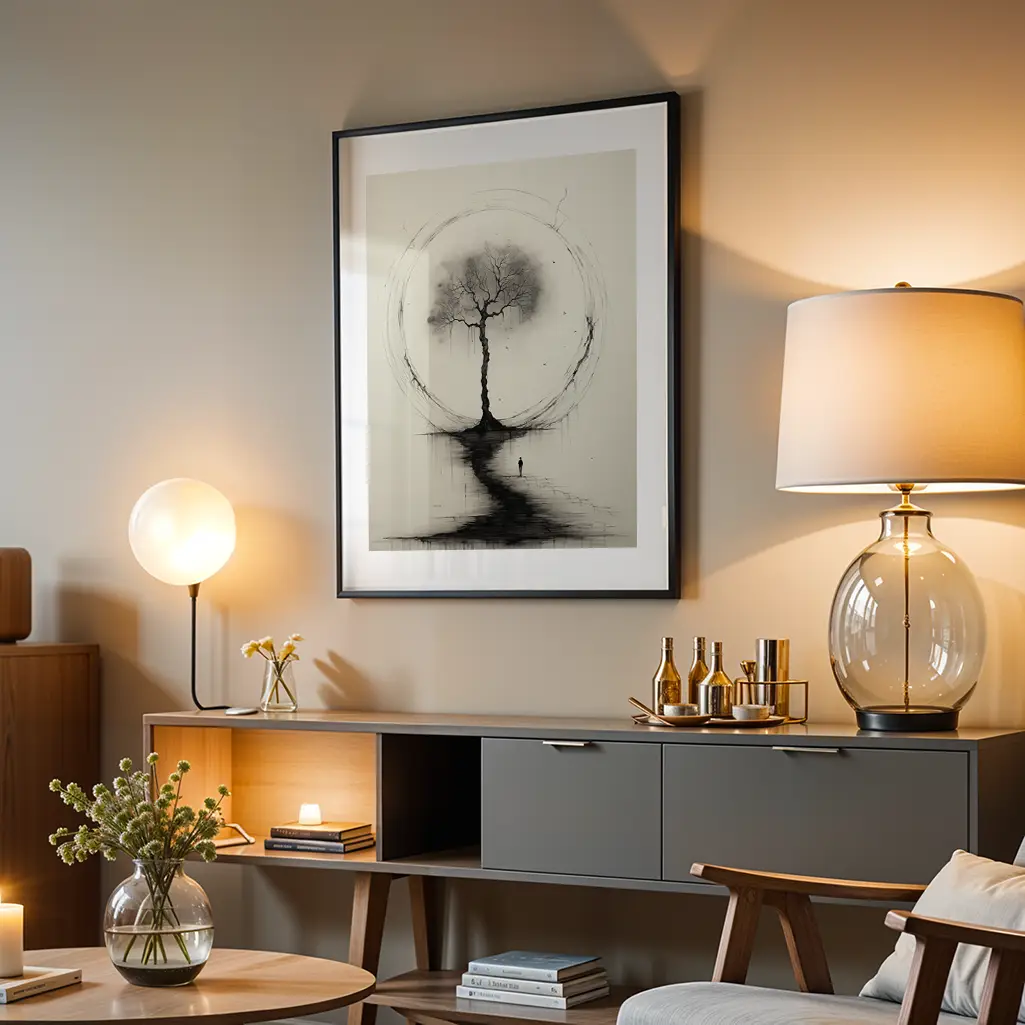
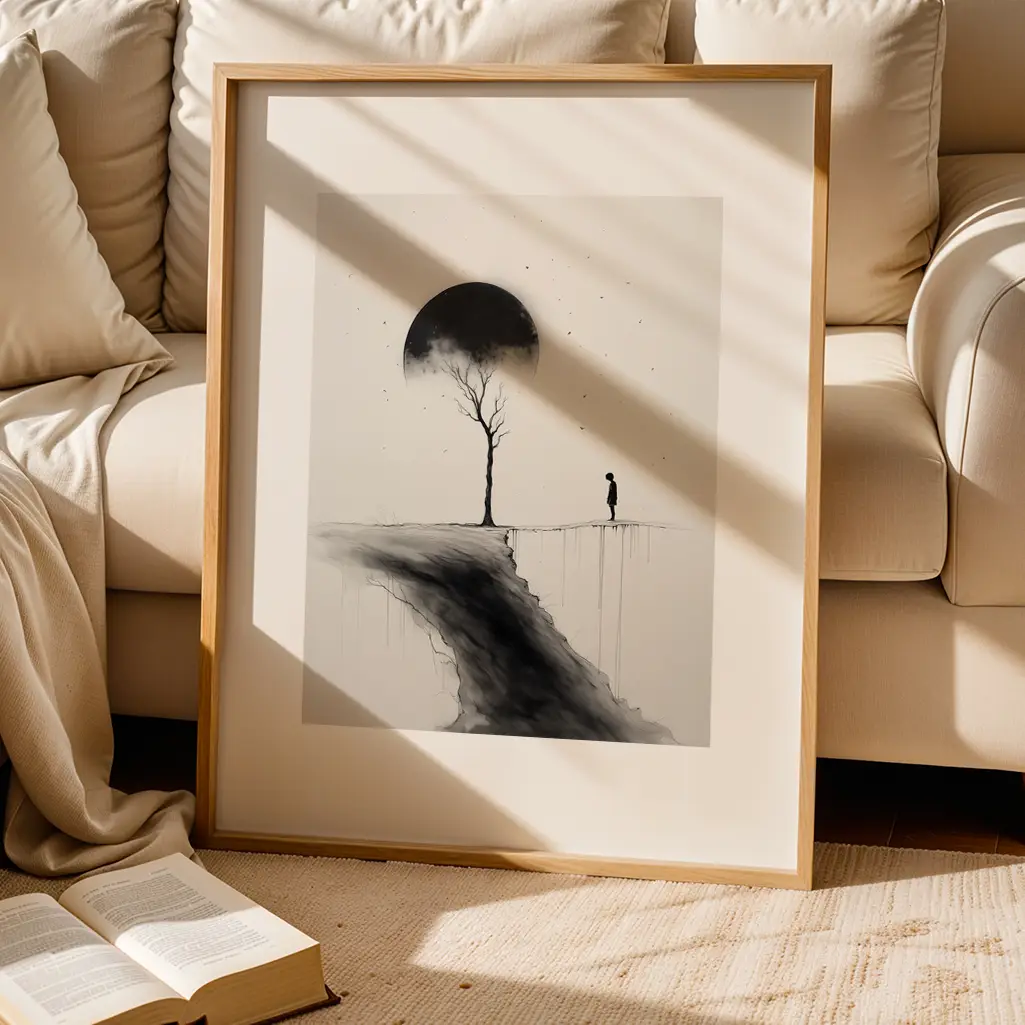
If non-attachment has a design motto, it might be "Love this, but do not lean your entire life against it." Love the morning light in your kitchen, knowing that one day you might move. Love the sofa you picked after careful research, without imagining that it preserves your identity as a certain kind of person. Love the art on the wall, yet allow the possibility that you might one day take it down and feel, not loss, but a new kind of clarity.
Practically, this can look like choosing fewer, more meaningful pieces instead of filling every gap because emptiness makes you uneasy. It can mean delaying a purchase until you understand what problem you are solving, so that the new thing is not a quick patch on an inner restlessness. It is a shift from acquiring to attuning.
Emotional non-attachment similarly transforms how you host, share space and argue about the placement of the sofa. When you stop tying your worth to impressing guests, entertaining becomes less about performance and more about presence. A slightly mismatched set of plates can coexist with exquisite conversation. A living room where people feel safe to exhale is often one where not every throw pillow is perfectly arranged.
This does not mean chaos. It means a hierarchy of values in which warmth and honesty sit higher than polish. The scratch on the floor is a record of a dropped pan during a crowded holiday; the water ring on the coffee table remembers a late-night talk. Non-attachment lets you feel the tenderness in these traces instead of only the flaw.
Ironically, once you stop needing your home to certify your adequacy, you often design it more thoughtfully. You can experiment, repaint, sell the table that never quite worked. Your environment becomes a studio rather than a showroom, a place where your days are made rather than staged.
Non-attachment, in the end, is not cold distance from your life but a clearer, kinder proximity. You still care about the color of the rug and the comfort of the chair; you still wince when the favorite cup cracks. But beneath the wince runs a quiet confidence that you are more than what you own, and that your home is a living setting for your days, not an altar to be guarded at all costs. From that place, you are free to arrange, to release, and to enjoy, without going numb and without holding on so tightly that you cannot move.

.webp)