How Your Brain Reads a Room
Clutter looks innocent enough: a stack of mail, a jacket on a chair, a half-finished project on the table. Yet the feeling it creates is rarely neutral. Many people report that a messy room makes them oddly tired, distracted, or inexplicably irritable. The gap between what a chair is doing and what a mind is doing to interpret it is where the psychology of space quietly lives.Your brain is a prediction machine, constantly scanning for patterns and threats. Every object in a room is a data point. When the visual field is crowded, your brain must work harder to sort signal from noise. Neuroscientists call this additional effort cognitive load, the amount of mental energy required simply to process what you see. Even if you are not consciously thinking about the piles on your desk, your attentional system is repeatedly bumping into them, like a browser with too many tabs open. The page still loads, but more slowly.
Clutter is not just a question of quantity; it is also a question of coherence. A studio filled with paints, brushes, and canvases can feel energizing when everything supports one clear purpose. The same number of objects scattered without relationship feels chaotic. Your perceptual system looks for groupings it can understand and label. When objects do not obviously belong together, the mind keeps trying to organize them, and that ongoing, low-level effort shows up as fatigue, restlessness, or the desire to flee the room altogether.
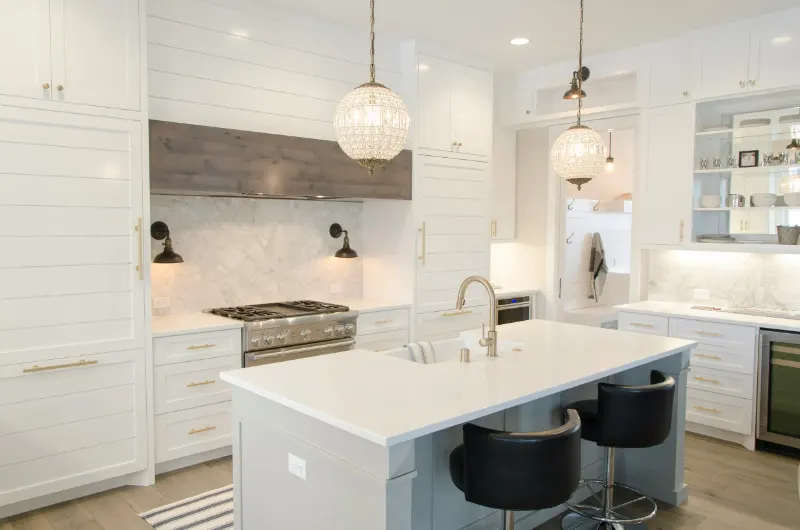
This is why certain spaces, even when full, do not feel cluttered. A well-arranged bookshelf, for example, presents many items, but they are neatly aligned, contained within a frame, and clearly part of one visual story. Your mind reads it as a single element rather than a hundred tiny demands on your attention. By contrast, a countertop where keys, receipts, chargers, and vitamins mingle without boundaries forces the eye to constantly refocus and re-decide what matters. The psychology of space is, in this sense, the psychology of decisions. Every visible object quietly asks, Do you need me right now.
Emotional associations deepen this effect. Objects can carry unresolved stories: the shirt you meant to return, the abandoned hobby kit, the unopened letter. These items are not just visual; they are narrative reminders of procrastination, guilt, or self-critique. The room becomes a physical to-do list you never officially wrote, and your mind registers its presence each time you glance around. The sense that clutter is mental clutter is not metaphorical; it is an accurate report from your attentional and emotional systems about the work they are being asked to do in that environment.
Designing Calm: Space as a Silent Collaborator
If clutter taxes your attention, then a calmer space is not merely prettier; it is functionally supportive. The goal is not sterile perfection but a home that collaborates with your mind rather than competes with it. Designing such a space starts with understanding how your habits interact with your rooms, and then gently shaping the environment so it asks fewer questions and offers more obvious answers.Begin by noticing the friction points in your day. Where do things reliably accumulate. The pile on the dining table may be less a moral failing and more a spatial signal that the house has nowhere else for those items to land. The psychology of space suggests that behavior follows the path of least resistance. If there is a hook by the door, your coat eventually finds it. If there is no clear home for mail, it migrates to the nearest flat surface. Clutter often reveals design gaps rather than character flaws.
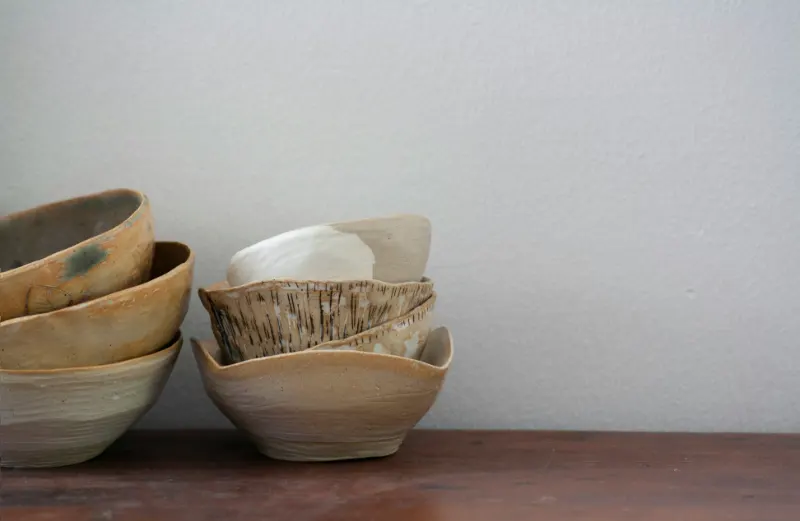
You can respond by creating what might be called visual anchors, intentional zones that tell your brain, This is where this type of thing belongs. A shallow tray for keys and wallets, a single ceramic bowl for loose change, a low basket beside the sofa for throws: these are simple design elements, but psychologically they act as small contracts between you and the space. They limit the spread of objects and convert what could be noise into framed, legible information.
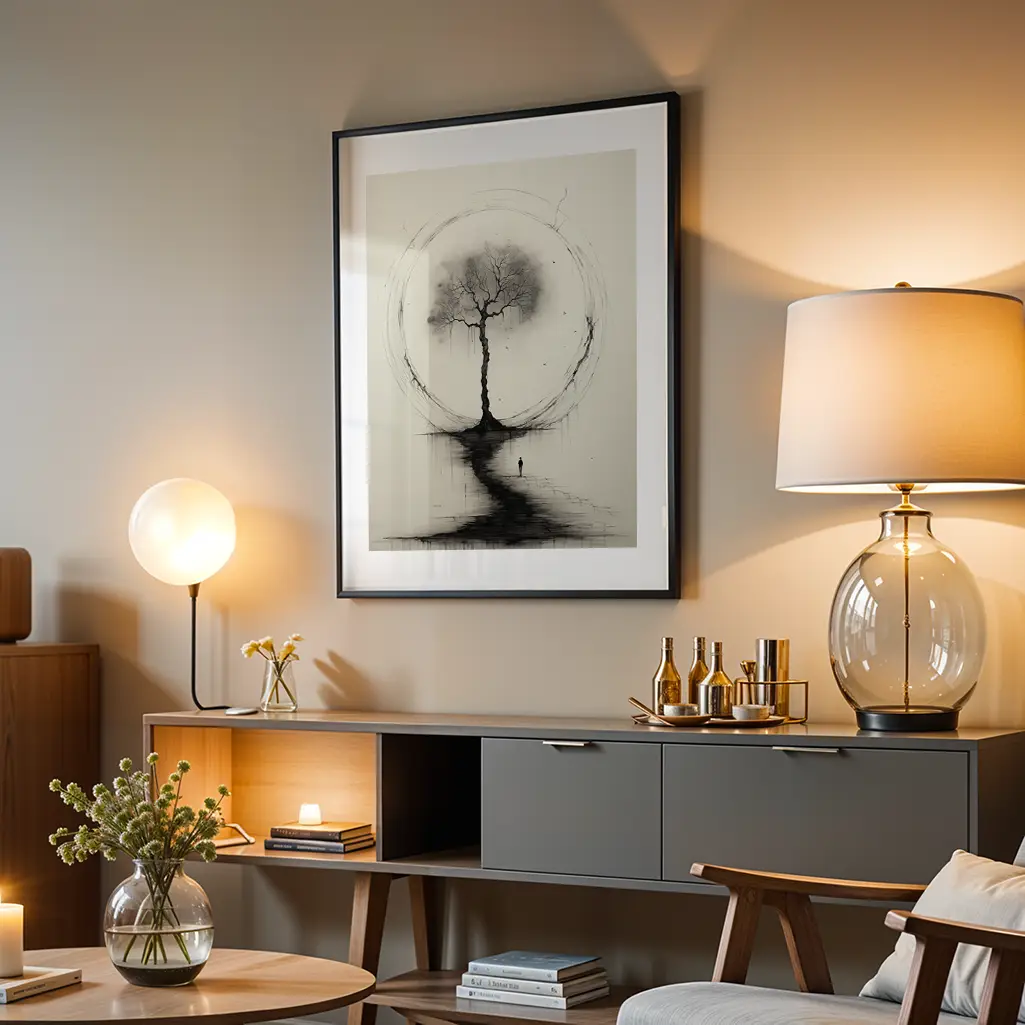
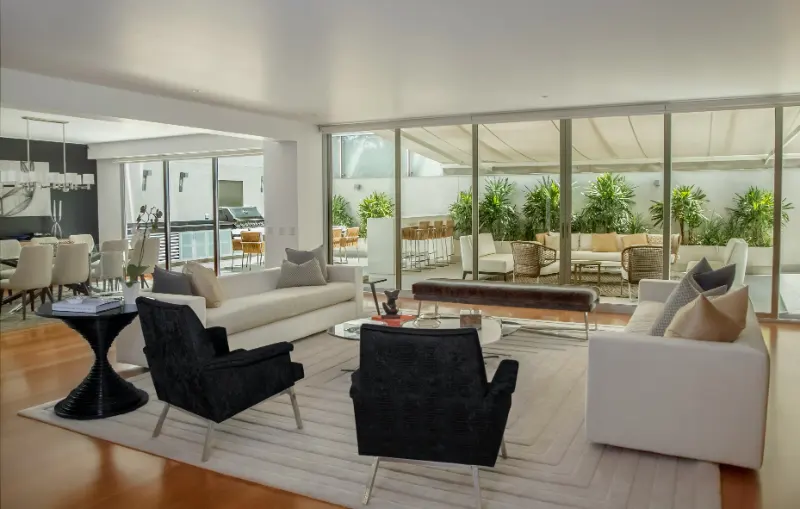
Negative space, the empty area around objects, is equally important. Your nervous system needs these intervals of visual rest the way a piece of music needs silence between notes. When every surface is filled edge to edge, there is nowhere for the eye to land without encountering new data. By intentionally leaving some areas spare, you create a rhythm in the room that alternates between stimulation and calm. A clear stretch of wall beside a single artwork, an uncluttered corner with only a chair and small table, gives the mind a place to settle.
Light and color subtly participate in this process. Natural light tends to reveal clutter more honestly, which is why daytime messes can feel harsher than evening ones. Softer, warmer lighting in the evening can make even imperfect spaces feel more forgiving because it lowers contrast and visual sharpness. Similarly, a restrained color palette on larger surfaces allows the inevitable daily items phones, toys, bags to register as temporary accents rather than permanent chaos. The aim is not asceticism but harmony, a background quiet enough that everyday life can unfold without turning into static.
Crucially, designing a calmer home is less about a single heroic decluttering session and more about tuning the environment so that tidy outcomes are easier than messy ones. Hooks instead of hangers for the entryway if you dislike opening closets. Open shelves for frequently used dishes so they are simpler to return. A small basket in the hallway for things that must leave the house soon, turning anxious reminders into a graceful ritual of checking the basket on your way out. Each of these choices reduces the number of tiny negotiations your brain must conduct every day.
Over time, you may notice that as surfaces clear, thoughts do as well. It is not that an organized room guarantees an organized mind, but that it removes one layer of interference. With less visual and emotional noise, it becomes easier to feel what you are actually feeling, to start what you mean to start, or simply to rest. The psychology of space suggests that your home is not just a backdrop for your life; it is an active participant. When you treat it as such, tending to it becomes less about chasing perfection and more about quietly supporting the person who lives there: you.