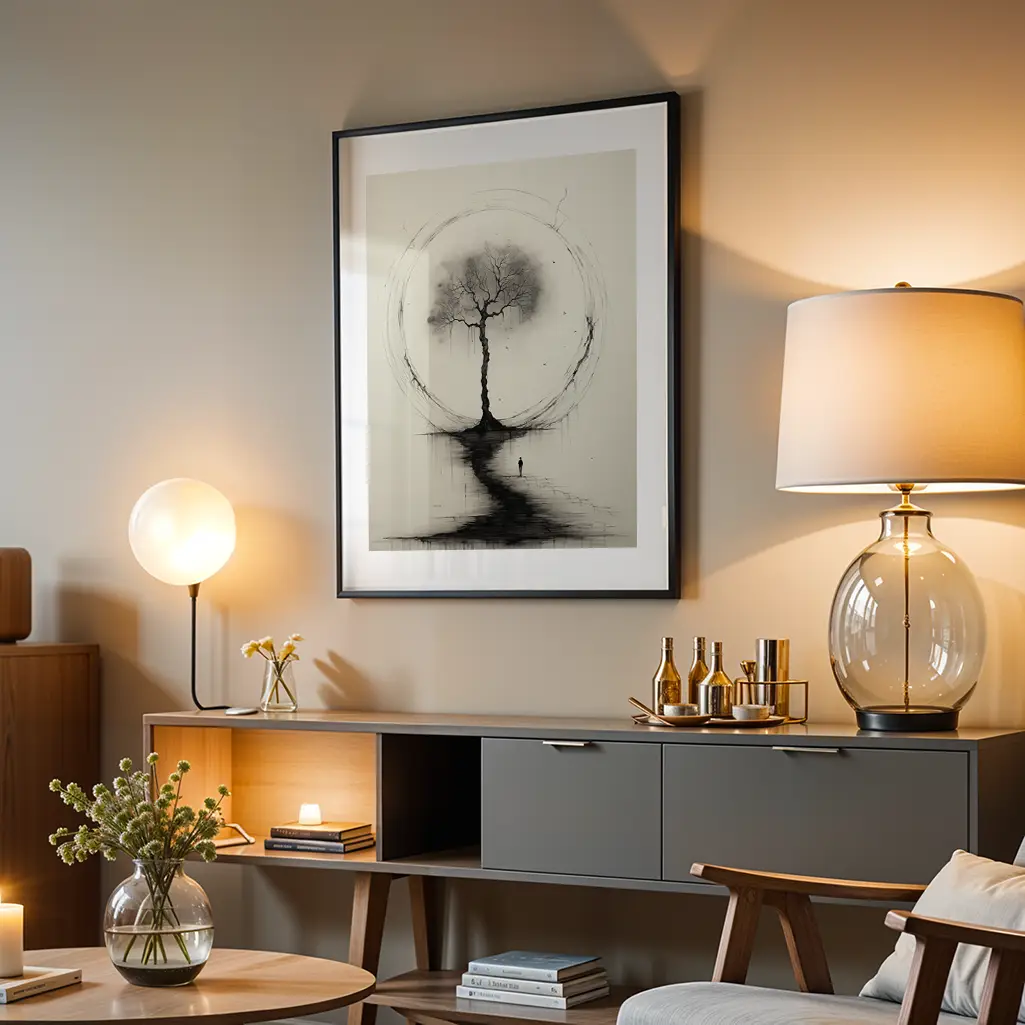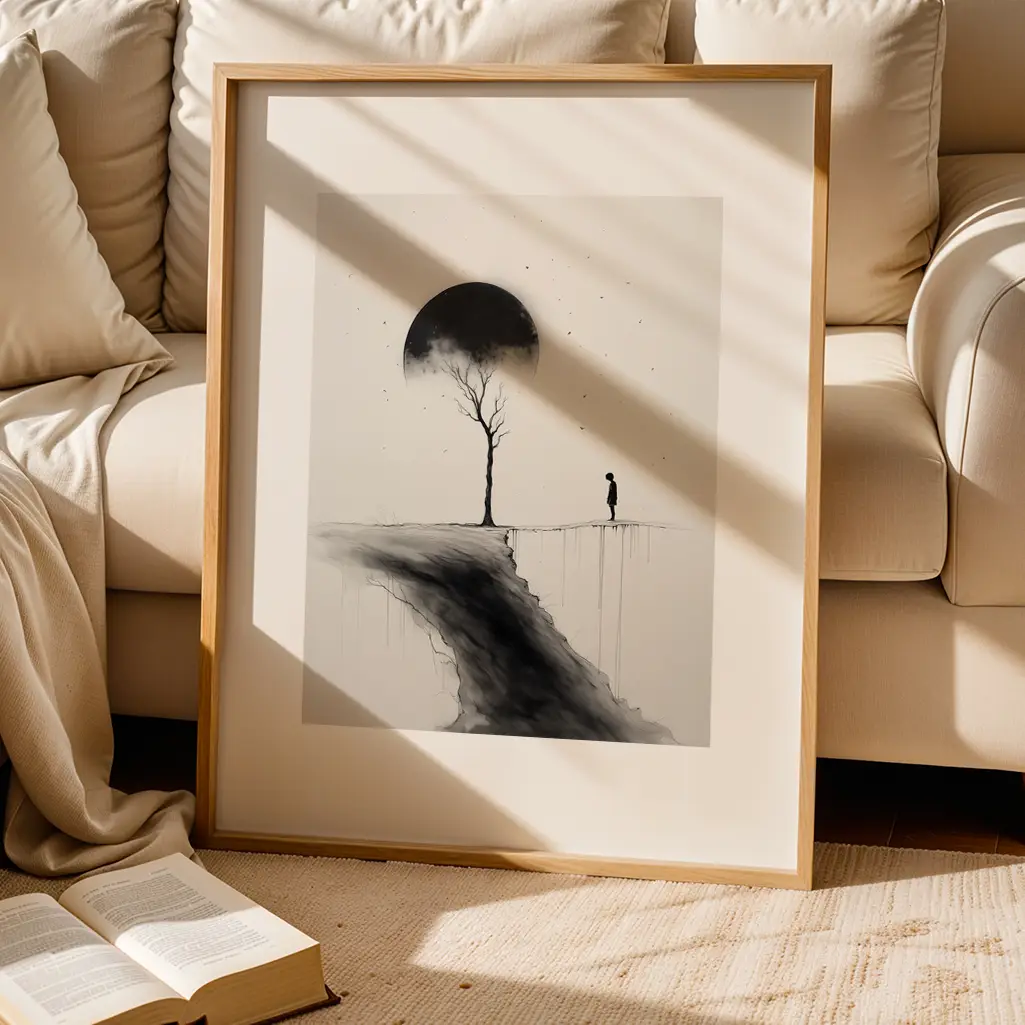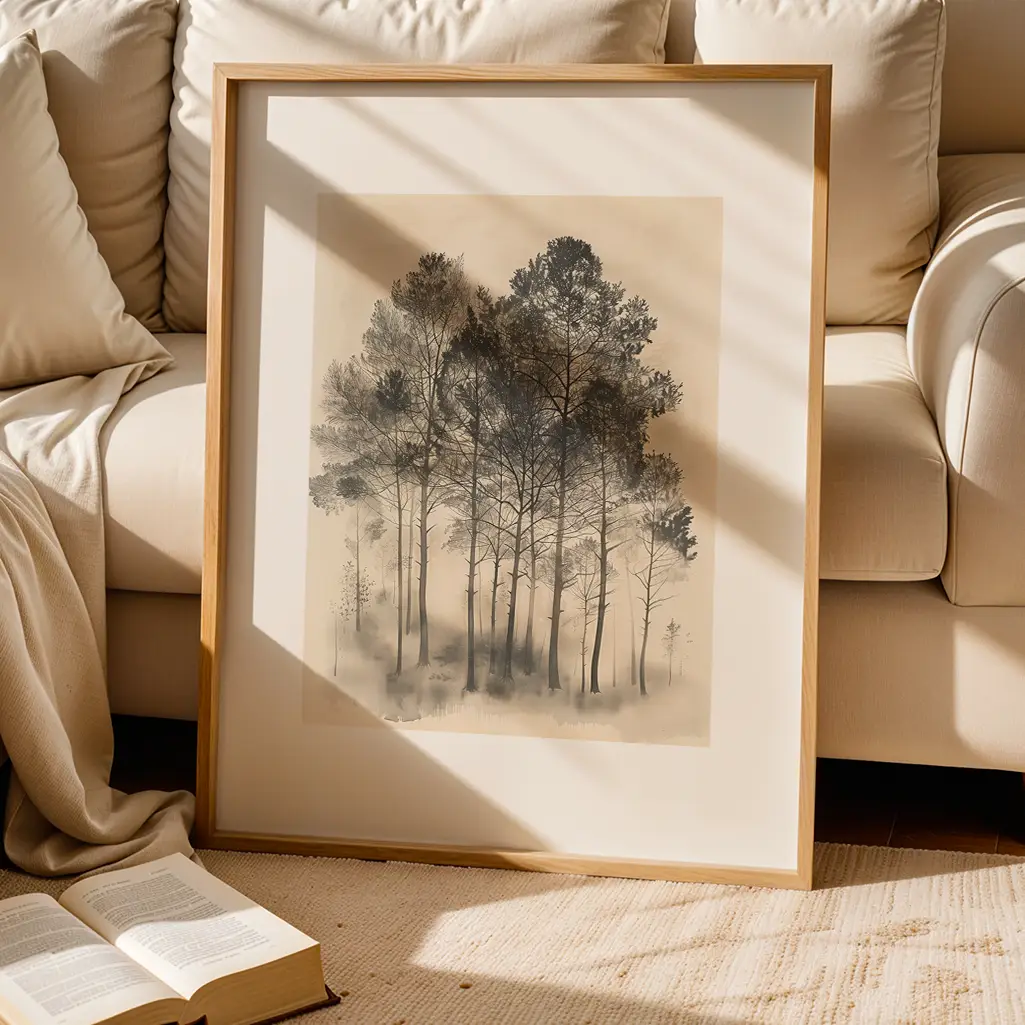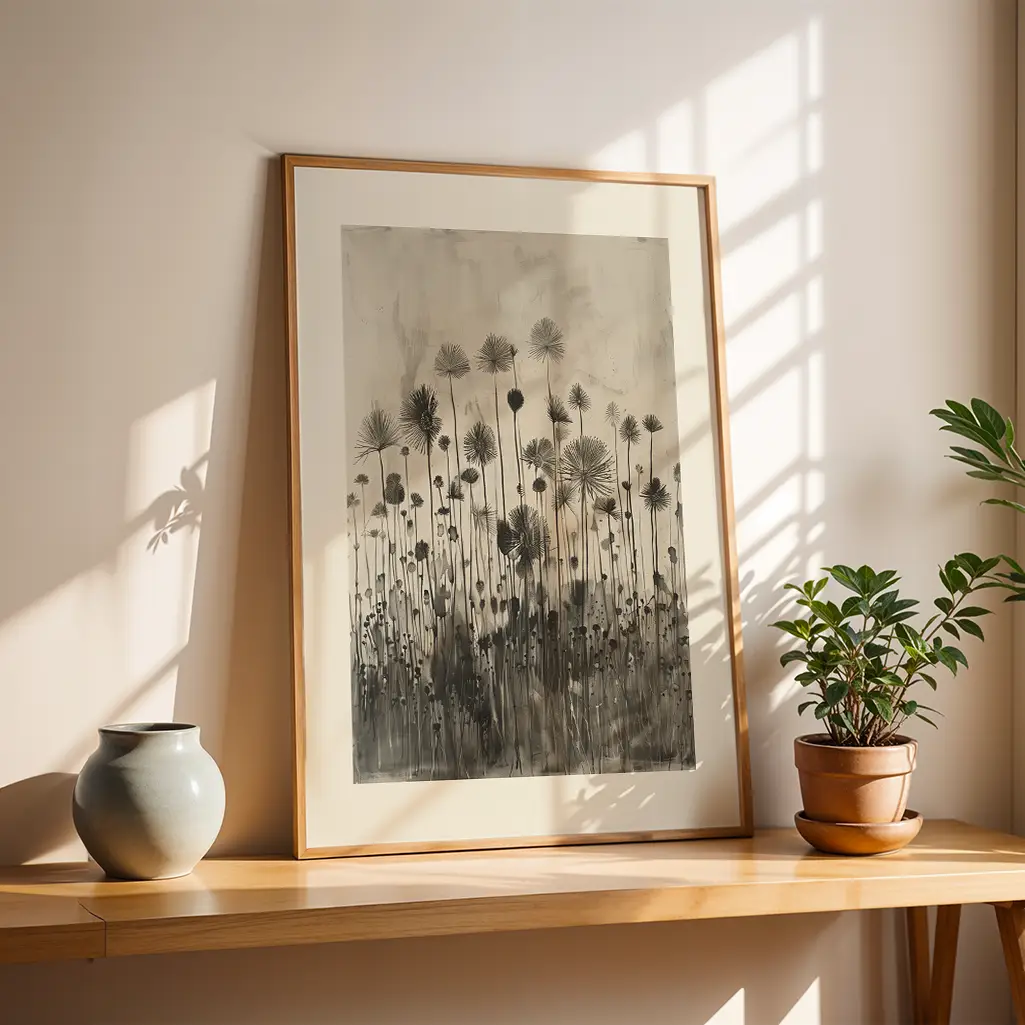

Listening to the Quiet Clock of the Year
Interior trends tend to shout. Seasons, by contrast, whisper. The rhythm of the year is a slower, quieter metronome, and tuning your home to it is less about swapping out themed decorations than learning to read the changing light, temperature, and energy around you.In Zen aesthetics, a room is not a finished product; it is a conversation between the present moment and what is gradually passing away. The Japanese concept of "kisetsukan" describes a sense of the season made visible in a space. It does not mean a wall of pumpkins in October or a plastic wreath in December. It is a subtle recognition that time is moving, and your surroundings are paying attention.
To work with the year’s rhythm, begin by noticing the most basic seasonal shifts where you live: when daylight lands on your floors, when shadows lengthen, when the air dries or thickens. These are not abstract observations; they carry design implications. Slanting winter sun might reveal dust on a dark console that went unnoticed in August. Summer humidity might make layered textiles feel heavy instead of comforting. Seasonal Zen means adjusting your space to these realities with humility rather than forcing one fixed ideal of "perfect" decor.
There is a psychological dimension to this. Our bodies and moods sync, however imperfectly, with the seasons. Yet modern interiors are often built to deny that fact, sealed against drafts, lit to a constant brightness, scented year-round with the same candle. When your home refuses to acknowledge time, it can become strangely dissonant. The goal is not to dramatize each season but to let it register: a slight thinning of objects in late summer, a gentle thickening of textures as the cold approaches. You are not redecorating so much as editing with the calendar in mind.
The most radical shift you can make is mental: stop thinking of your home as finished. Think of it instead as something that breathes. A breathing space inhales and exhales objects and light. It holds on, then lets go. That is where Zen enters; not as a style, but as a willingness to respond to change rather than resist it.
Four Quiet Shifts: Moving with the Seasons
Instead of themed overhauls, consider four gentle seasonal adjustments that repeat each year. They are small enough to be realistic but meaningful enough to change how a room feels.As winter deepens, the natural world withdraws, and your home can compensate for what is missing outside. This is the season of softening and drawing close. Light becomes precious; the angle of the sun is lower, and daylight hours shrink. Respond by focusing on how illumination lands in corners, not on ceilings. A single warm lamp beside a chair will feel more honest than a ceiling light turned to its highest setting. Textiles can grow thicker and more tactile, but notice the difference between warmth and clutter. One well-placed wool throw on a pared-back sofa can be more luxurious than five blankets draped over every surface.
When spring arrives, it brings the energy of reversal: what was buried comes forward again. This is a natural moment for subtraction before addition. Instead of buying new objects, remove the layers that made sense in winter. Fold away the heaviest blankets, put candles you burned nightly into a cabinet, and clear surfaces you layered for comfort. The act of putting things away, deliberately and with respect, becomes its own kind of seasonal ritual.
Only then decide what to add. Spring does not demand florals everywhere; it asks for signs of life. That may be a single branch in a tall vase, changed every week, or a plant moved closer to a bright window. Let that be enough. Zen design favors a few elements with real presence over many with shallow impact. The emptier space around those signs of life is part of the aesthetic, the visual equivalent of silence in music.
Summer, especially where heat is intense, is a season of lightening and loosening. Your goal is to lower the sensory temperature of a room. Permit more emptiness. Remove one piece of furniture that is rarely used and notice how the room exhales. Trade heavy cushions for linen covers, roll up a dark rug for a few months if your flooring allows, or at least open visual pathways across the floor. The relationship to the outdoors also shifts. Windows become thresholds, so consider them carefully. Heavier curtains can be pulled back to widen the sense of view; privacy can be handled with sheer panels that glow rather than block.
Autumn is about transition and preparation. It is tempting to rush directly into a harvest tableau, but a seasonal Zen approach pays attention to the in-between. Early autumn may still be warm, yet the light sharpens and evenings cool. Respond first to the change in tone, not the temperature. Colors in your space can deepen slightly; a terracotta vessel placed where a pale ceramic once sat may be enough to ground the room in the season. As the air cools in earnest, layers can quietly return, but this time with intention shaped by what you learned last winter. Which blanket was always left untouched? Which lamp became indispensable at dusk? Let experience, not trends, guide what comes back into use.
Designing a Home That Breathes with You
A seasonal home is not a stage set; it is a living environment that gives you feedback. The key is to trade rigid rules for recurring questions. At the turn of each season, stand in the room you spend the most time in and ask: what feels heavy, what feels thin, what feels out of sync with the weather and the light right now. Your answers will never be identical from year to year, and that is the point. Zen design accepts that you are changing right alongside your environment.Storage becomes an ally in creating this rhythm. Having a designated place for "off-season" objects allows you to rotate elements without the guilt of abandonment. A box for winter candles and thicker pillow covers, a shelf for summer ceramics, a drawer for table linens that only make sense when windows are open. You are building your own quiet archive of seasonal possibilities that can be woven in and out without excess.
What emerges over time is a subtler awareness of what truly matters to you. The objects that survive several rounds of seasonal editing are often those with emotional weight or deep usefulness. A favorite mug that feels right in your hand in January and July. A chair placed where the light touches it for at least part of each day. Through repetition, your home reveals a kind of personal canon: a small set of forms, materials, and colors that resonate in any season.
The promise of living with the year’s rhythm is not constant novelty but a calmer familiarity. When you accept that your space is supposed to shift, even slightly, you also accept that you will, too. The house stops being an image you maintain and becomes a partner that adjusts with you. That partnership is where seasonal Zen quietly does its work, making a room not just prettier, but more honest about the time you are actually living in right now.
.webp)