The Quiet Rebellion of Slow Decorating
“Buy everything now” is the dominant message of contemporary interiors, from algorithmic shopping carts to impeccably styled social media grids. Slow decorating suggests the opposite: that a deeply personal home is less a shopping project than a long conversation with your own life.
At its core, slow decorating borrows from the ethics of slow food and slow fashion. It asks not just what a sofa looks like, but how it will live with you over years; not whether your bedroom is “finished,” but whether it lets you sleep, read and wake without low-level visual noise. This is a shift from performance to presence, from impressing visitors to building a landscape where your nervous system can finally exhale.
The first mental adjustment is accepting that an unfinished room is not a failure but a season. Bare walls, a mismatched chair, a lamp that migrated from a former apartment: these are rough sketches, not mistakes. When you stop rushing to erase that awkward in-between state, you allow your home to reveal how it actually needs to function. You notice where you always drop your bag, which corner attracts the afternoon light, which wall feels oddly empty no matter how much art you hang on it.
This kind of noticing is essentially a design practice. Before you buy anything significant, live with the room. Watch where shadows fall at different hours. Listen to sound: does the space echo, or feel muffled and dense. Pay attention to your own body. Do you consistently avoid one chair, or gravitate to a certain spot on the sofa. These micro-observations quietly redraw your floor plan in ways mood boards cannot anticipate.
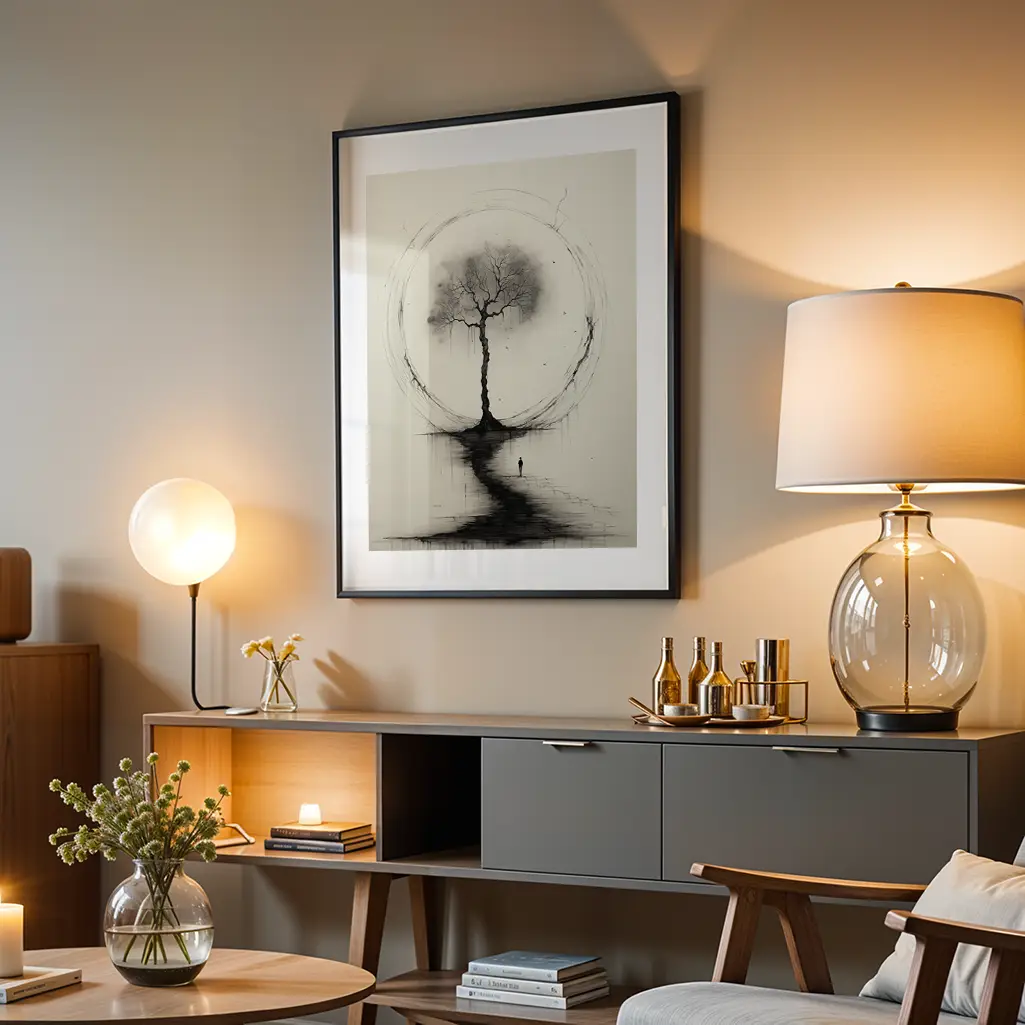
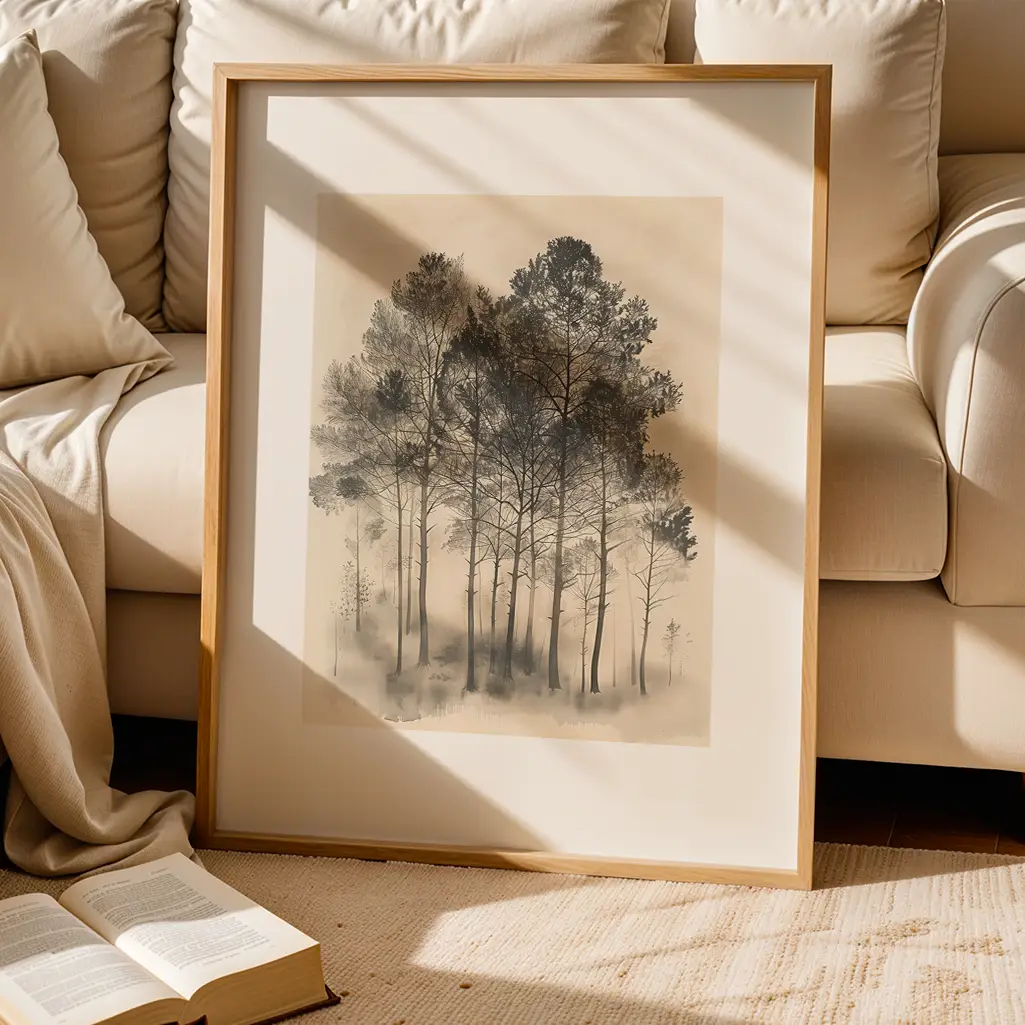
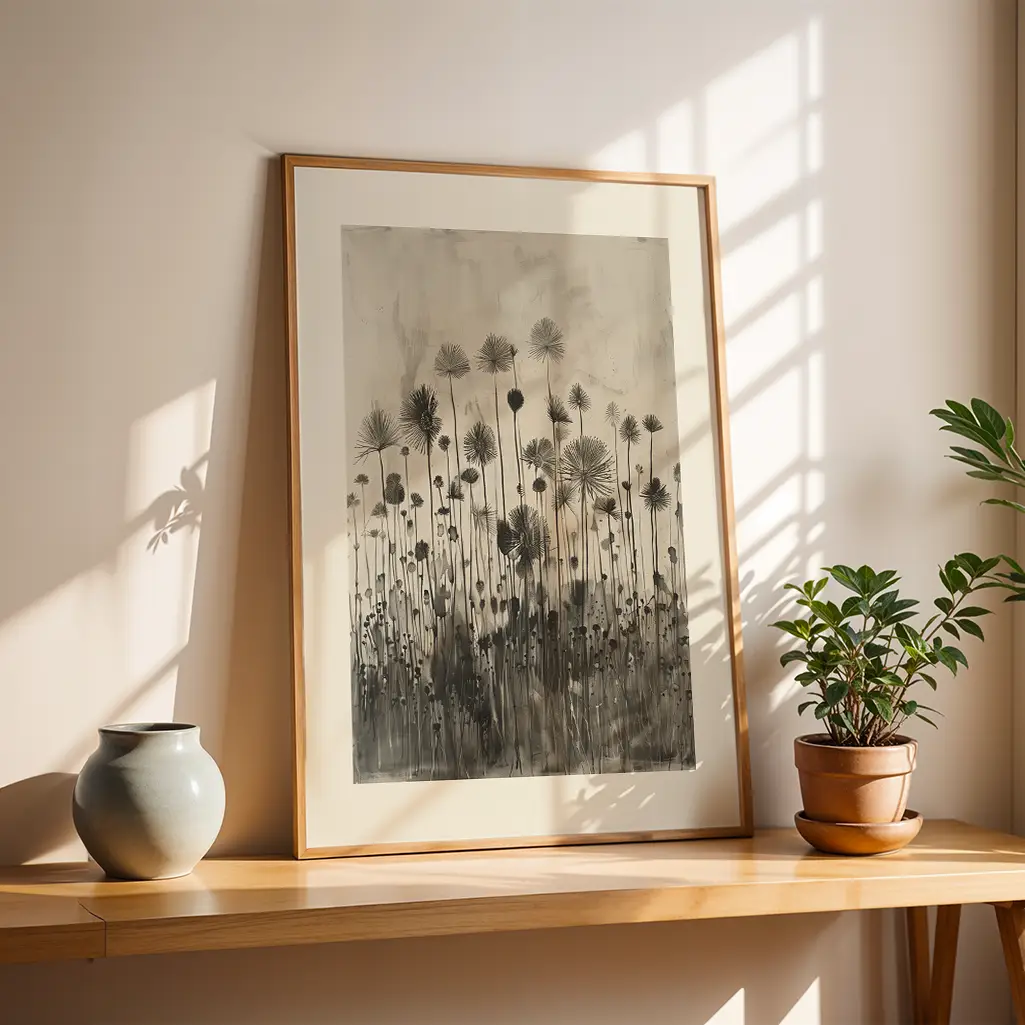
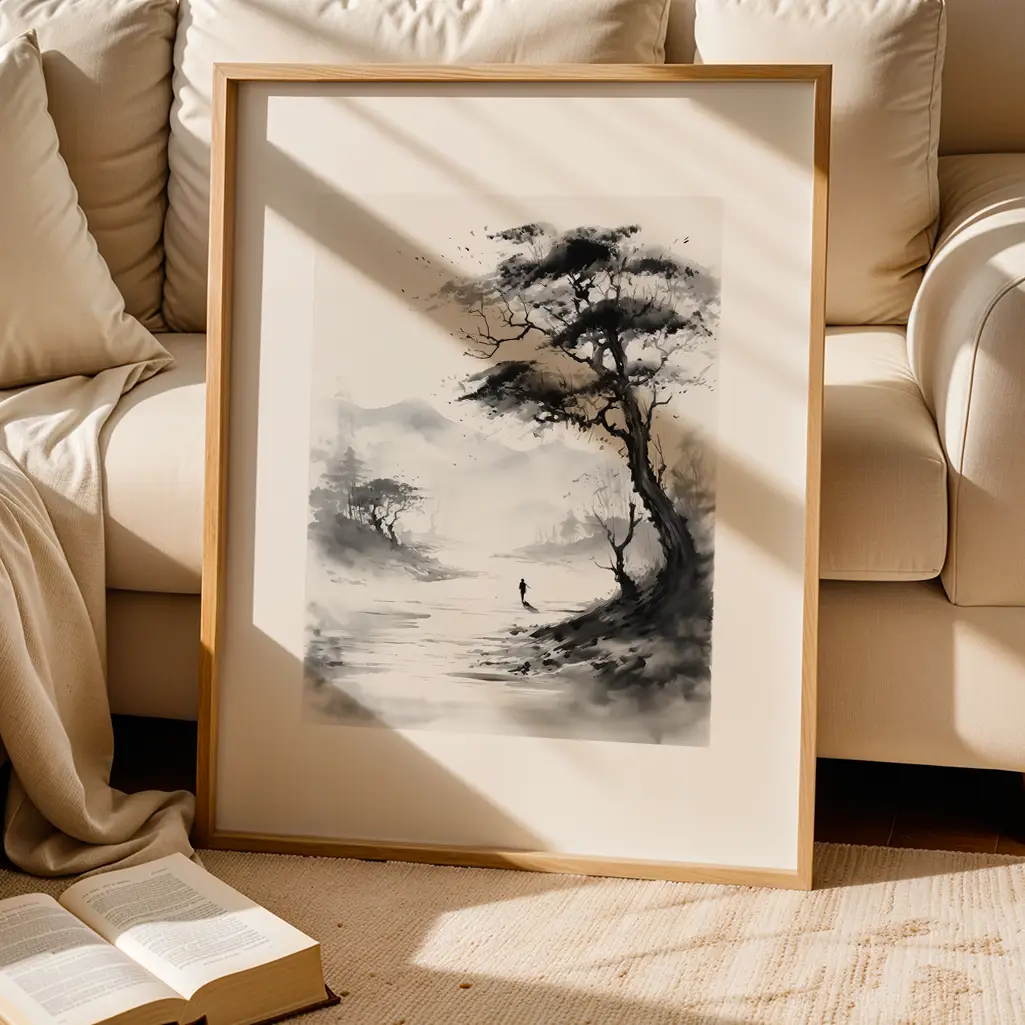
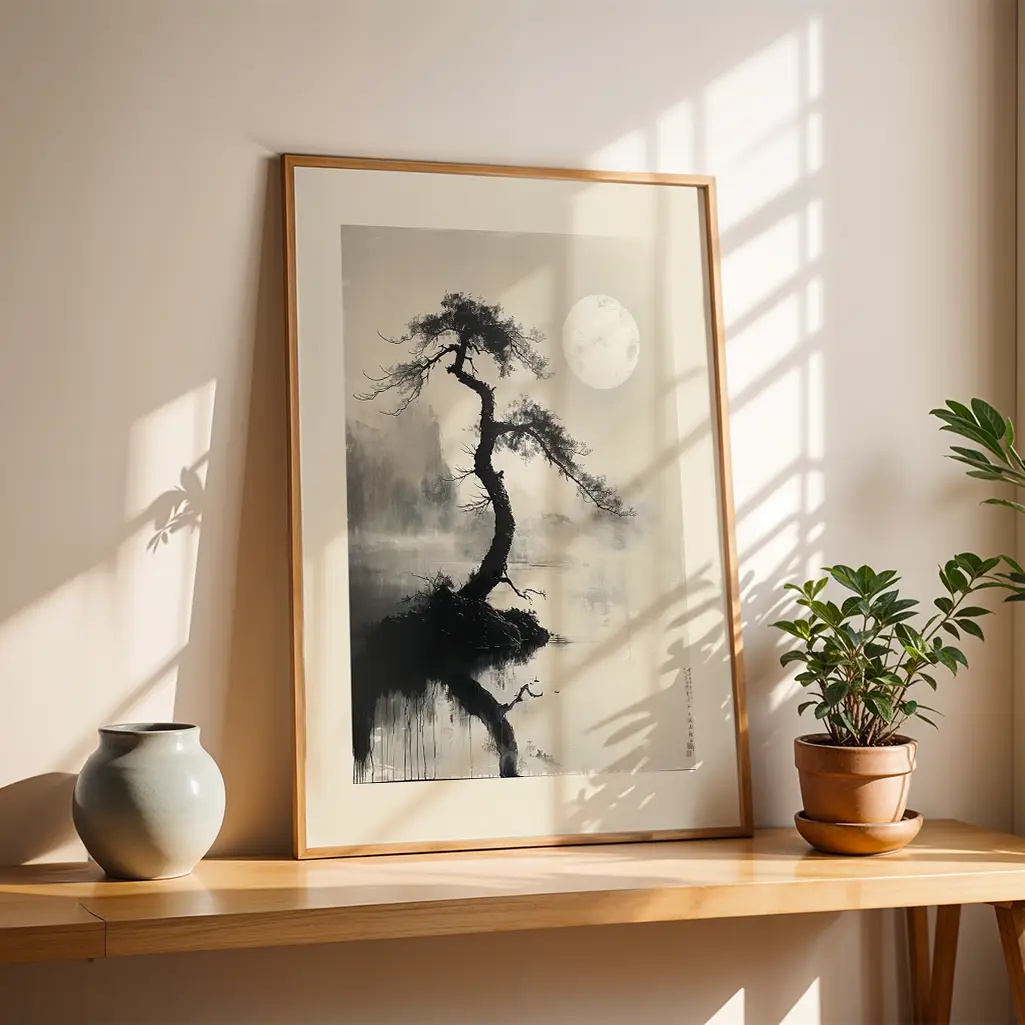
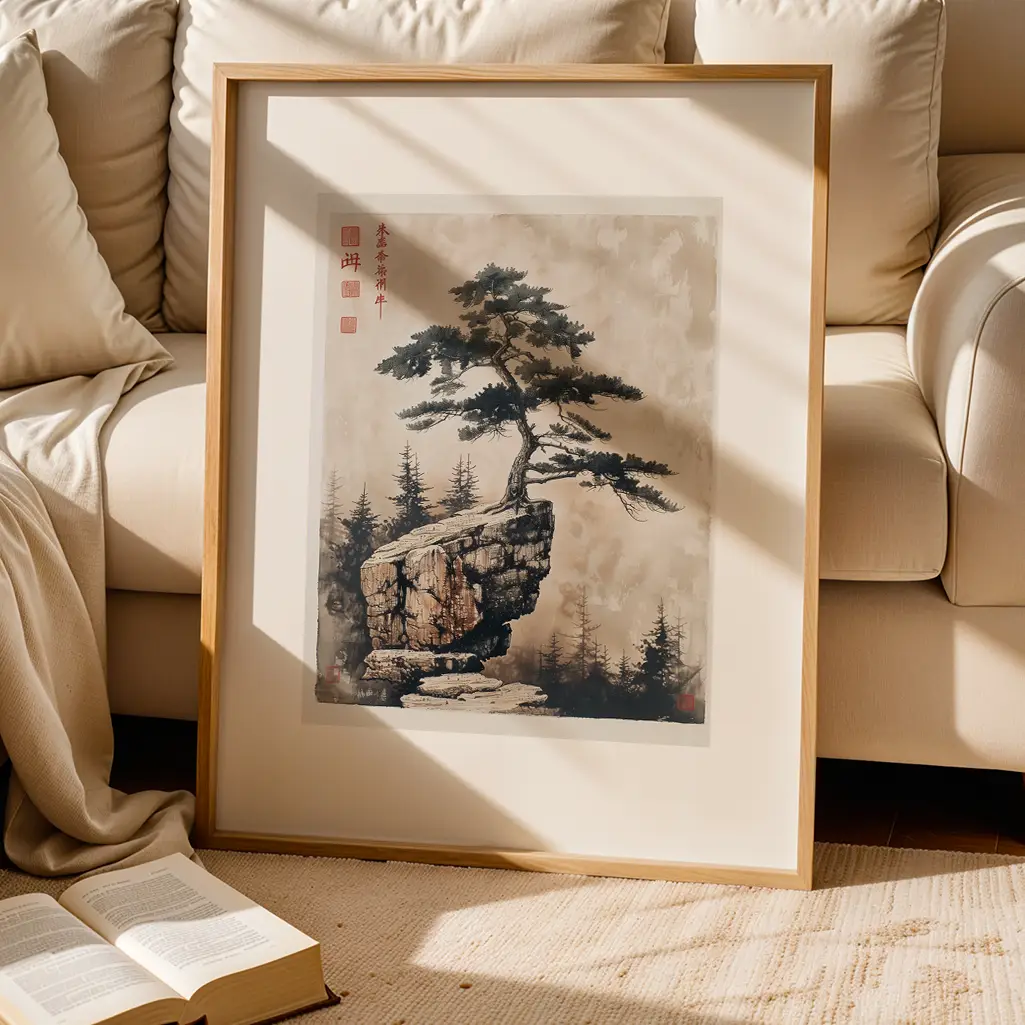
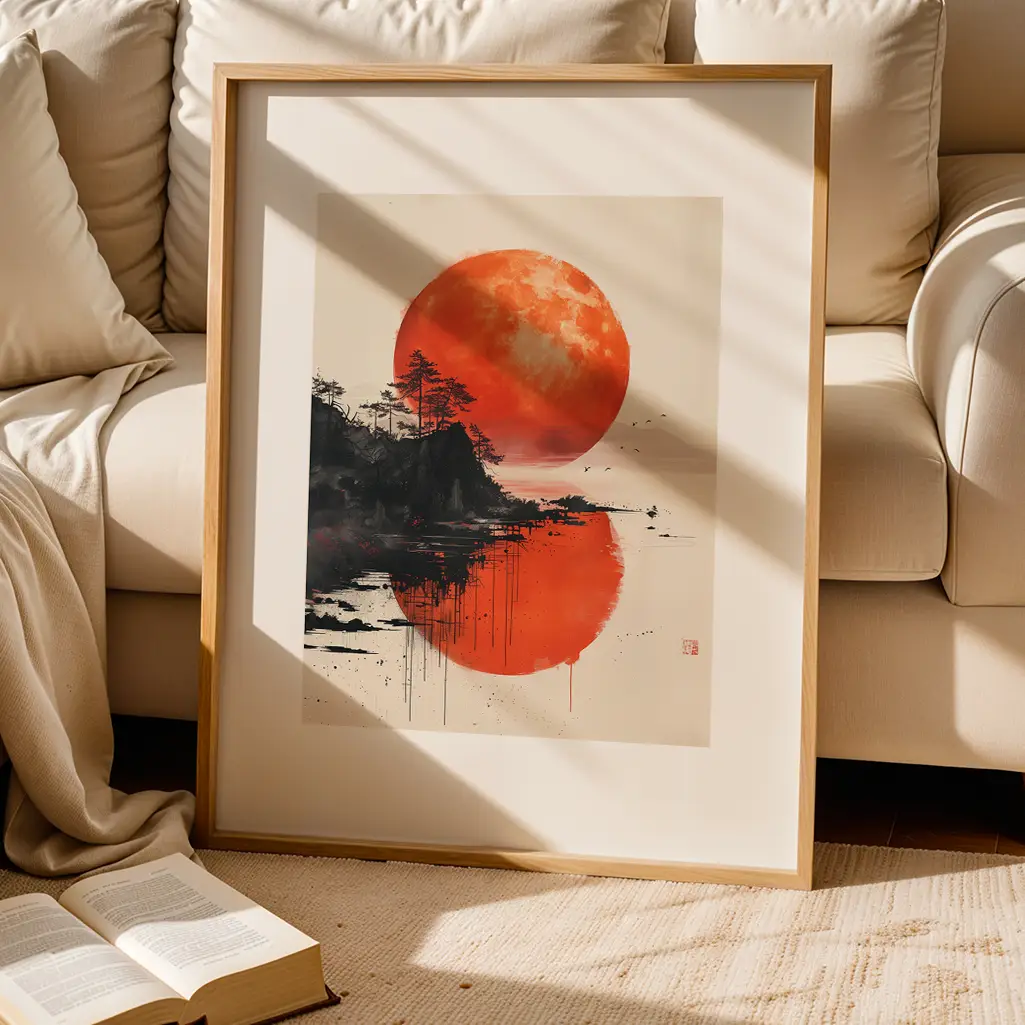
Slow decorating does not mean asceticism or never buying anything new. It simply asks for a pause between desire and acquisition, a moment to ask, “What problem is this really solving.” Often it turns out that what you needed was not another side table but a better lamp, not a full gallery wall but one large, calm image that anchors the room. When you buy less, each choice carries more weight, and paradoxically, more pleasure.
There is also a sustainability argument humming beneath the surface. A home assembled quickly, according to trends, is often dismantled just as quickly. Pieces are discarded not because they failed functionally but because the aesthetic cycle moved on. Slow decorating, by contrast, favors the enduring: solid wood over veneer, natural fibers over synthetics when possible, and, perhaps most importantly, designs that are not tethered to the visual clichés of a single year. What you save in delayed gratification you gain in long-term calm.
Letting Rooms Evolve With Your Life
A slowly decorated home behaves less like a showroom and more like a living organism, constantly adapting to the people inside it. The most successful rooms are those that make peace with change, allowing objects to enter, leave and migrate without the entire composition collapsing.
Start with function rather than aesthetics. Ask what the room must reliably do each day. A living room may need to host a laptop most mornings, toddlers most afternoons and a quiet drink at night. Instead of forcing a single “perfect” arrangement on these competing needs, experiment. Move the sofa off the wall for a week. Place the dining table parallel to the window instead of perpendicular. Borrow a chair from another room to see if a lighter silhouette helps the space breathe. The point is to treat layout as an evolving draft, not a carved-in-stone decision made on move-in day.
Over time, your tastes will shift too. What once felt rich and enveloping may start to feel visually heavy. Slow decorating makes room for that evolution by emphasizing flexible elements. Paint is the most obvious one; a room that begins in a white that flatters daylight may, years later, want a taupe or muted green that suits a more layered, library-like atmosphere. Textiles function similarly. Swapping a flat-weave rug for wool, or linen curtains for cotton, can alter the acoustic and tactile temperature of a room more profoundly than a new coffee table ever could.
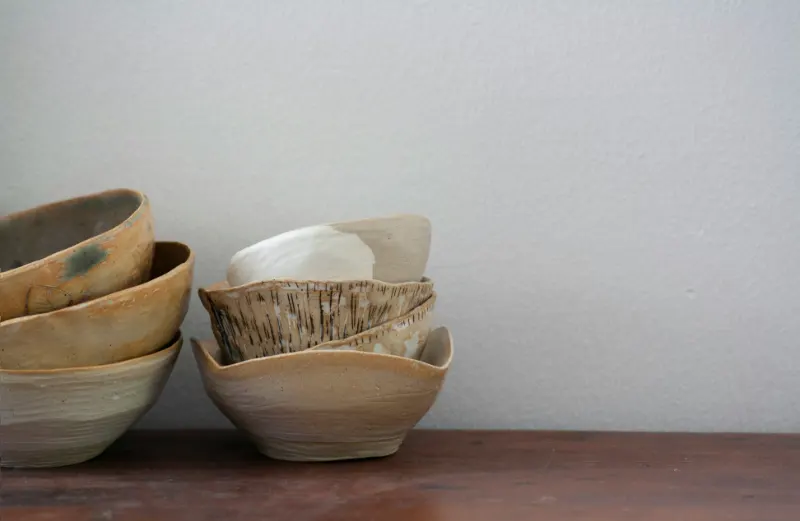
Emotional continuity is the thread that keeps all this change from becoming chaos. Instead of striving for a rigid style label, notice the underlying qualities that feel like you. Perhaps you are drawn, again and again, to matte surfaces, or to objects that show their age: a scuffed trunk, a hand-thrown mug whose glaze runs slightly thin at the rim. Perhaps your anchor is color, a recurring thread of deep blue or clay red that surfaces in textiles, art and ceramics over many years. These repeating motifs act like a bass line through the song of the home, allowing new notes without losing coherence.
Crucially, slow decorating respects the stories embedded in objects. A lamp from a grandparent, a bowl picked up on a trip, a poster from an early apartment: these carry a specific density of memory that even the most beautiful new purchase cannot replicate on delivery. Rather than treating such things as obstacles to a pristine aesthetic, consider them the emotional architecture of the space. You can edit and reframe them, of course, but when you allow a room to hold your history, it gains a depth that no algorithmically curated haul can match.
Curating Intention Instead of Clutter
The danger of slow decorating is that “collected over time” can blur into “accumulated by default.” The line between layered and cluttered is not about quantity alone but about clarity. A home built slowly works when each object has either a role or a reason, and ideally both.
To maintain that clarity, editing must be as active a practice as acquiring. Periodically, stand in the doorway of a room and let your eye travel from left to right. Notice where your gaze stumbles. Is there a corner where visual noise gathers: the pile of unread magazines, the extra side chair that never hosts anyone. Instead of adding new storage, reconsider what actually belongs in that visual field. You may find that removing a single redundant piece causes the rest of the room to click into place, like finally hearing the right chord in a familiar song.
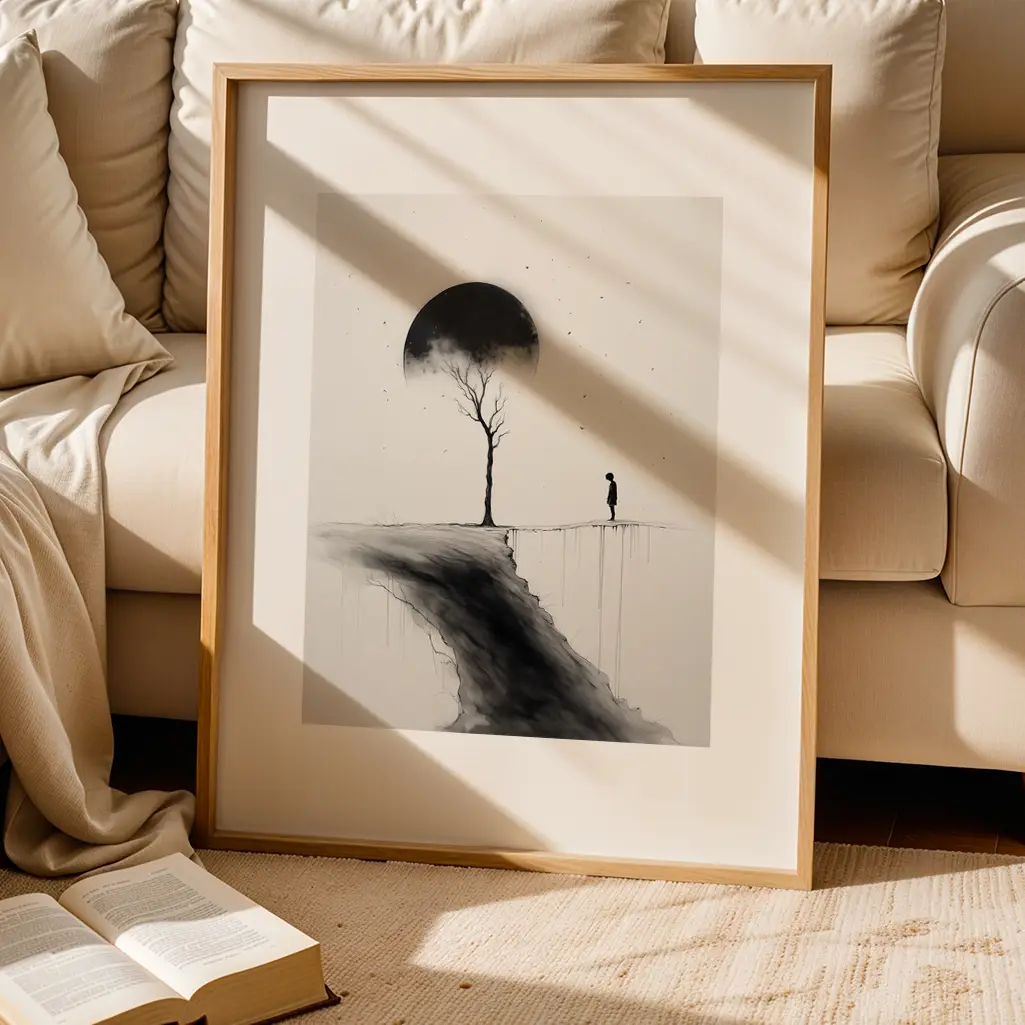
Restraint in color and materials also helps a slow-grown home feel intentional. If you inherit or discover pieces across years, you can still impose a gentle discipline by repeating certain tones and textures. A run of pale oak frames across otherwise unrelated artworks, or a consistent preference for linen and wool over shiny synthetics, will harmonize the room without making it feel scripted. This is not about aesthetic purity so much as visual kindness; your eyes, like your mind, benefit from a few through-lines amid variety.
Slow decorating ultimately asks you to replace the adrenaline of the “big reveal” with the quieter satisfaction of recognition. Instead of a single, camera-ready after photo, you get a sequence of subtle alignments: the day you realize the entry bench finally suits the way you come and go, the moment the bedroom feels dark enough to sleep but bright enough to read, the evening you notice that the lamp, the book and the chair have conspired into a corner that keeps inviting you back. These are small victories, but they add up to something substantial: a home that has not just been decorated, but actually lived into.
In a culture optimized for speed and spectacle, choosing slowness can feel almost radical. Yet the reward is disarmingly gentle. Over time, as your rooms accumulate decisions made with patience and attention, they begin to reflect you with an almost uncanny accuracy. You look around one ordinary afternoon and realize there is nothing, and no one, you are trying to be. The home is simply an honest echo of your days, built slowly enough that you could recognize yourself in it.